
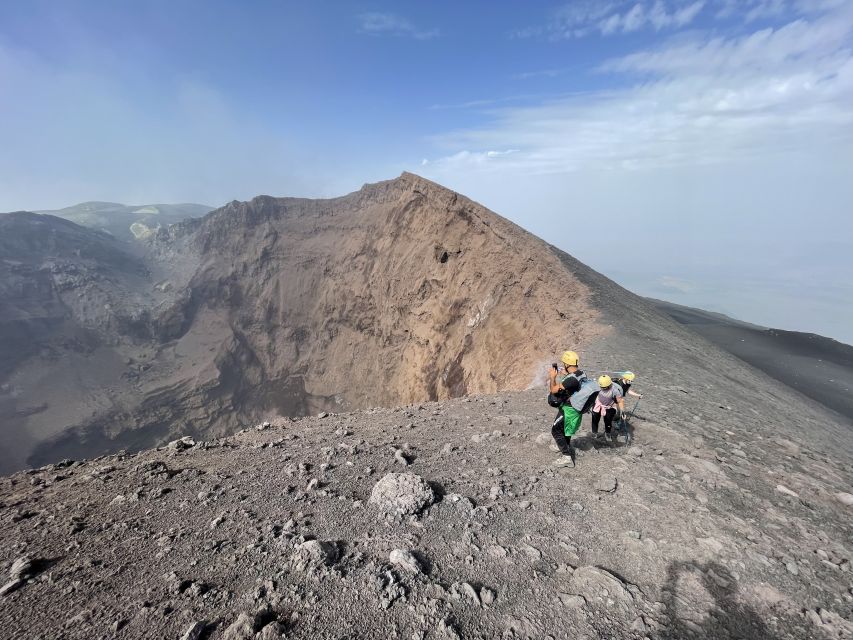
Reviewed · MOUNT ETNA TOURS & SUMMIT
Piano Provenzana: Mount Etna Hiking Trip to 3,380 Meters
Mount Etna at 3,380 meters is a long way up. This hike works because you mix a 4×4 ride with a focused on-foot climb, guided by a volcanology pro who explains what you’re actually standing on. I love that it’s done on Etna’s north side, where the trip feels more local and less jammed than the busier routes.
Two things I especially like: the chance to reach the Cratere Centrale area near the top, and the way the guide ties the scenery to real volcanic activity—ancient craters, more recent lava, and the gritty ground under your boots. The possible downside is the altitude and crater-edge walking: if you get dizzy easily or you have certain medical issues, you’ll want to think twice.
Timing matters here. You’ll spend about 5 hours total, with a moderate hiking effort at high altitude, plus wind and cold that can surprise you even on a clear day.
In This Review
- Key things that make this Etna hike worth your time
- Piano Provenzana to 3,380 m: why this north-side route feels different
- The 5-hour plan: jeep to the higher zones, then a steady climb to Central Crater
- Meeting at Chiosco Bar Mareneve (not the other Etna stop)
- Cratere Centrale dell’Etna: the long guided stop where the science clicks
- Piano delle Concazze: a calmer pause before the crater walk
- Trek to 3,380 m: volcanic bombs, scoria, and that big roof-of-Sicily view
- What’s included (and why it helps): gear you don’t have to hunt down
- What to bring—and what to leave out—so the wind doesn’t beat you
- Pace and fitness: moderately trained, not casual, and not for everyone
- Price and value: $77 plus the €60 4×4 cost, and the real reason it’s fair
- Language and guide style: Andrea, Giovanni, and the benefit of clear explanations
- Should you book Piano Provenzana’s Etna hike to 3,380 m?
- FAQ
- How high does this Mount Etna hiking trip go?
- How long is the experience?
- Where do I meet the guide?
- Is the 4×4 transportation included in the price?
- What languages does the guide speak?
- What equipment is included?
- What should I bring for the hike?
- What clothes or items are not allowed?
- What if bad weather happens or there aren’t enough participants?
Key things that make this Etna hike worth your time
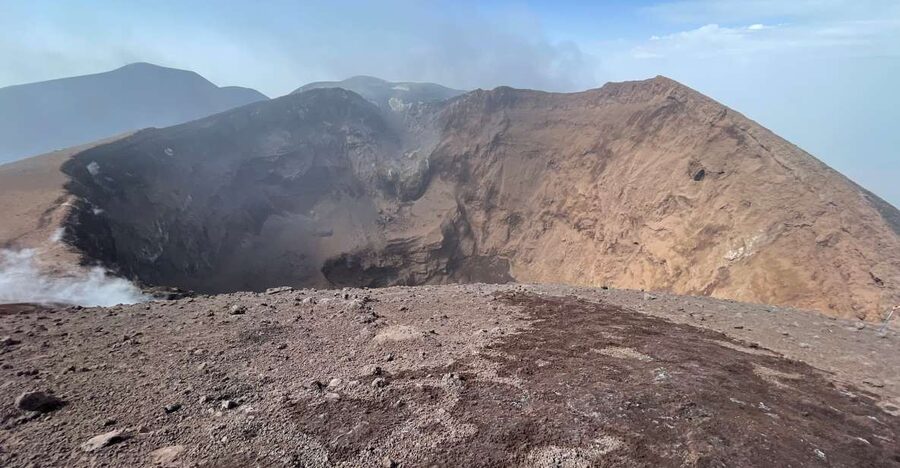
- 3,380 m summit area: you’re not just doing a viewpoint stroll; you reach the Central Crater height
- Small group (max 10): more attention from the guide during the walk and stops
- North-side route: typically quieter and accessed by off-road transport, not the most touristy options
- Volcanology guide on-site: you get the eruption-and-formation story while you walk
- Gear included: helmets, trekking poles, trekking shoes, windbreaker, extra socks, and an extra backpack
- Mud-and-rock reality: you’ll step over volcanic bombs and scoria, so solid footwear and weather layers matter
More ways up the volcano from Mount Etna
- Mount Etna: Summit Guided Hiking Tour up to 3,400 m
★ 4.8 · 4,792 reviews - Etna: summit craters trekking with volcano guide 3350mt
★ 4.7 · 1,712 reviews - Mount Etna: Summit Trekking Tour
★ 4.9 · 347 reviews - Mount Etna: scenic Summit Trek with a volcano Guide and Gear
★ 4.5 · 284 reviews
Piano Provenzana to 3,380 m: why this north-side route feels different
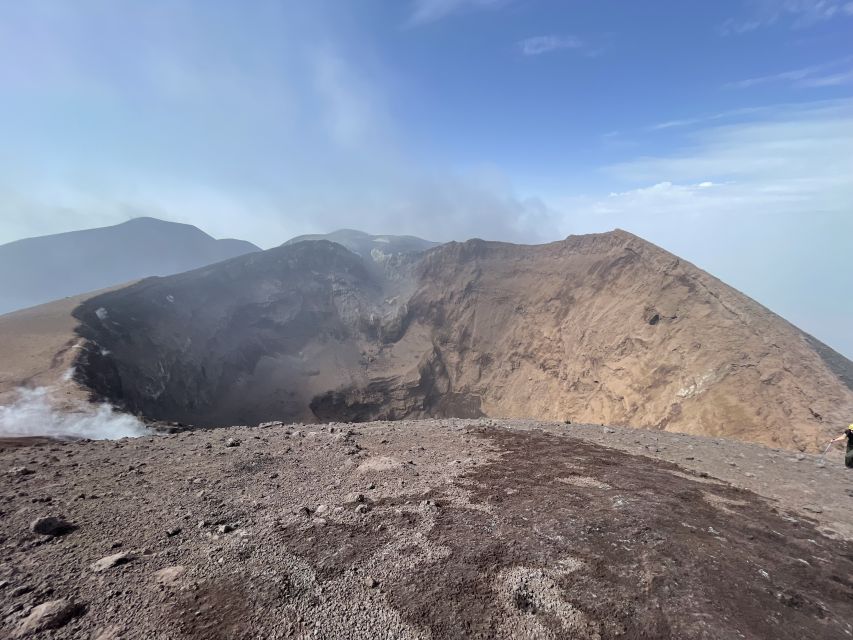
Mount Etna is famous, but not every hike gives you the same vibe. This one starts from Piano Provenzana and works along Etna’s north side, which is generally less packed than the most central, easy-access viewpoints. That matters because you’ll actually have time to look closely—at crater shapes, old lava textures, and the way the ground changes from one volcanic layer to the next.
You’re also getting a route that mixes vehicle time and walking time. The off-road ride takes you up to the higher zones (starting around 1,800 meters and reaching roughly 2,965 meters by jeep/SUV), then you finish with a climb on foot to about 3,380 m. That structure helps you conserve energy for the part that really counts: the crater-edge walking and the summit area stop.
If you enjoy understanding what you’re seeing, you’ll like how the guide keeps the story grounded in what’s visible. You’re not just snapping photos—you’re learning how the volcano’s eruptions and deposits created the terrain under your feet.
The 5-hour plan: jeep to the higher zones, then a steady climb to Central Crater
This is a 5-hour experience designed for moderately trained hikers. You’re not doing an all-day expedition, but you are walking at high altitude, and you’ll feel the effort once you move off the vehicle and onto the crater paths.
Here’s how the day generally flows:
- You start at the meeting point and hop into the jeep/SUV for the ride up (about 30 minutes).
- You reach the main higher stop near the Cratere Centrale dell’Etna and spend around 2 hours there for guided time, photos, and a structured visit.
- After that, you move to Piano delle Concazze for another stop with guided explanation, photos, and free time (about 80 minutes).
- Then you return by jeep/SUV, with a shorter ride segment (about 25 minutes) to get you back to the start area.
The on-foot part includes a positive elevation gain of about 470 meters. That doesn’t sound huge on paper, but at these heights it can feel intense—especially if the wind is pushing and your legs are already working from the earlier altitude.
The practical takeaway: treat this as a climb, not a casual walk. Your goal is steady pacing, warm layers, and good breath control on the ascent.
Meeting at Chiosco Bar Mareneve (not the other Etna stop)
Your meeting point is CHIOSCO BAR MARENEVE di Ferraro Giuseppa. It’s not the lower parking-lot place called Chiosco Bar Etna Nord, so double-check what you’re heading toward when you arrive.
This matters because the parking area near the chairlift in winter has multiple buildings. The Chiosco Bar Mareneve is near the chairlift used by skiers in the colder months and is the second house of four buildings in that lot. You can pay for parking after the trip.
Also note the rules of the day: you’ll want to travel light. Large bags and luggage aren’t allowed, and the hike is set up for people carrying what they need in the provided extra backpack (when you’re using it).
Cratere Centrale dell’Etna: the long guided stop where the science clicks
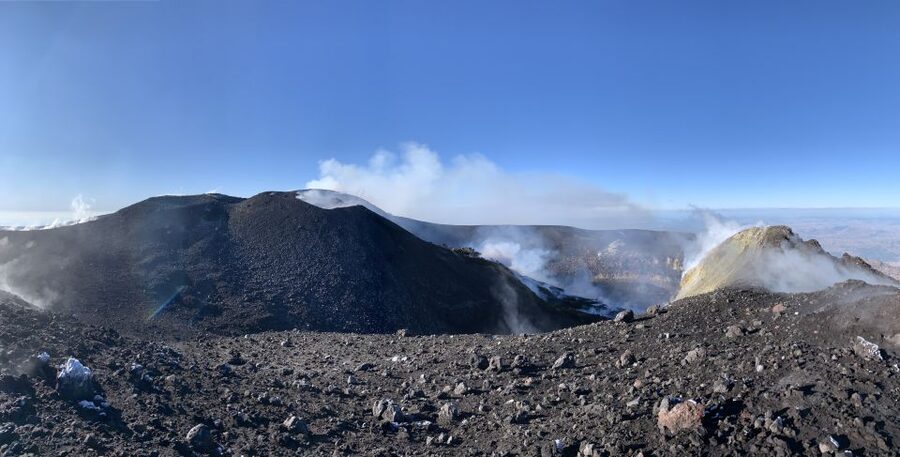
When you arrive at the Cratere Centrale dell’Etna, you get a proper break rather than a quick “stand and snap” moment. You’ll have about 2 hours here, with a mix of:
- guided explanation,
- photo stops,
- scenic views,
- and time to visit and take in the crater terrain.
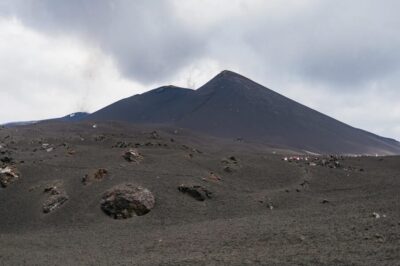
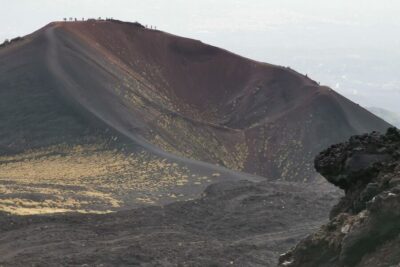
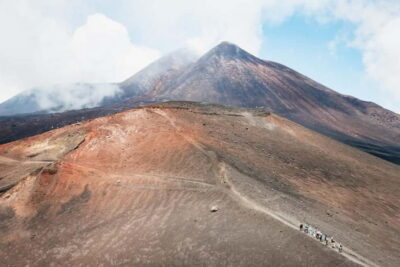
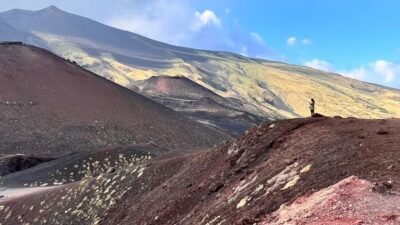
This is where the guide’s job really matters. You’re standing among features shaped by different stages of volcanic activity: ancient craters, lava flows from different periods, and the evolving crater edges you’ll walk near later. The guide also helps you connect the ground to what volcano behavior does over time—so the terrain stops being random and starts making sense.
If you want a practical tip: plan your photos, then keep your attention on footing. At altitude, people often get lightheaded, and the ground is loose and volcanic—so keep your focus on where your boots land.
A few we would gladly point a friend toward in Mount Etna
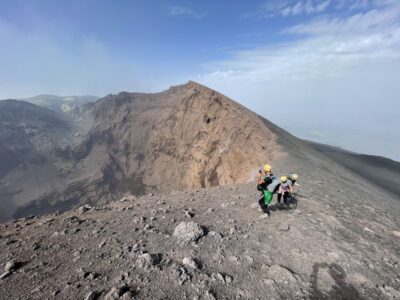
Piano delle Concazze: a calmer pause before the crater walk
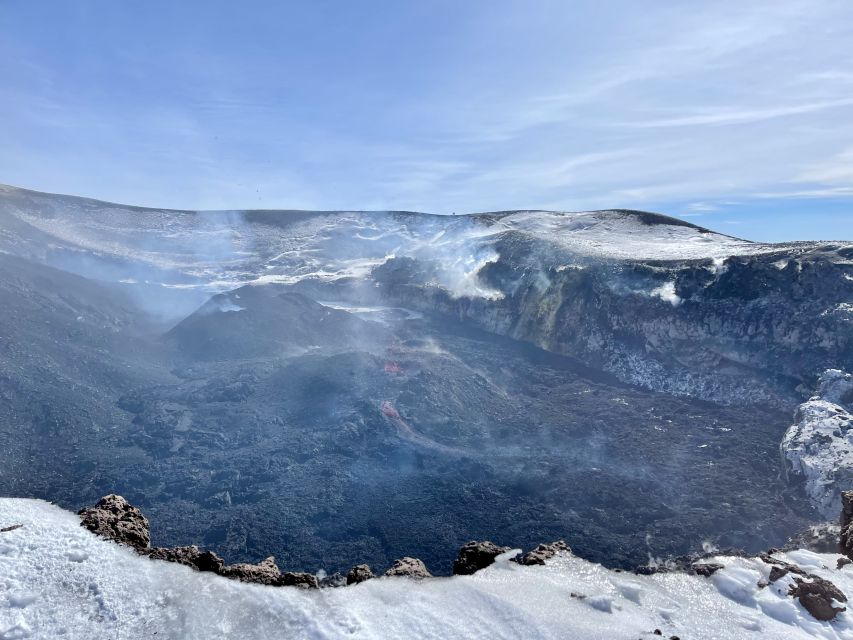
After the central crater time, you head to Piano delle Concazze. You’ll spend around 80 minutes there, split between photo stops, guided talk, and free time.
This stop is valuable because it breaks the day into parts. You’ve already seen the high crater zone, and now you get a chance to regroup before the walking segment that pushes you toward the Central Crater height area.
It also gives you a mental reset. On Etna, the “another world” feeling can be strong—so a slightly more relaxed stop helps you keep your energy for the final ascent and the return walk.
Trek to 3,380 m: volcanic bombs, scoria, and that big roof-of-Sicily view
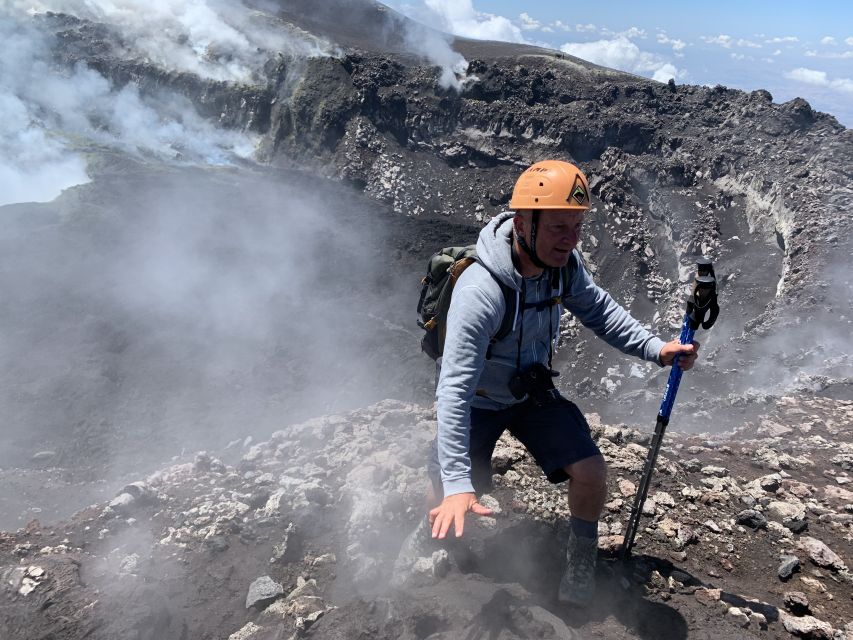
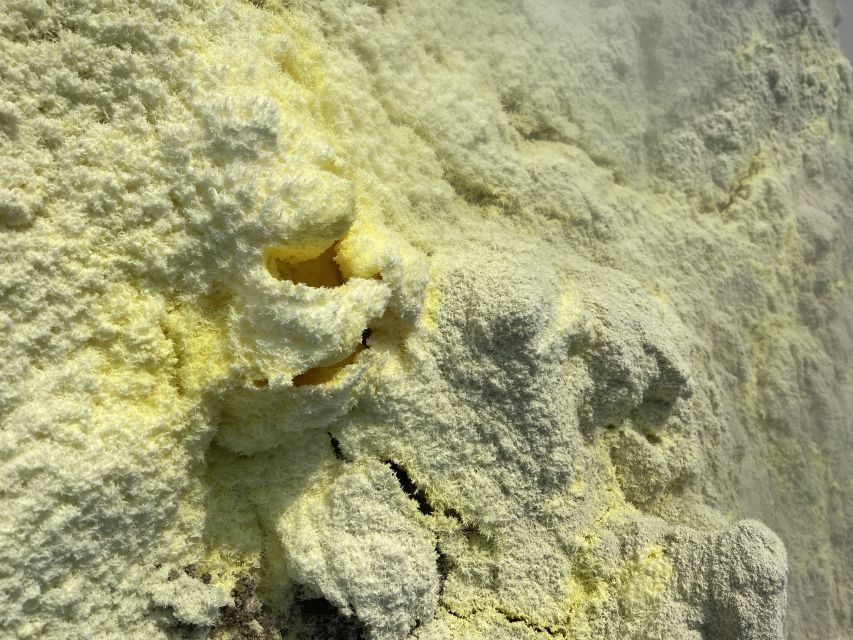
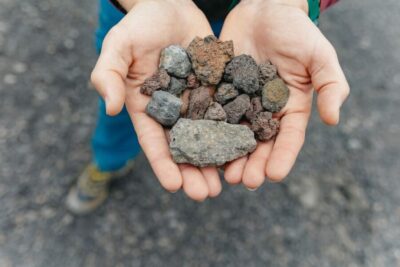
The on-foot section is the heart of the experience. The route includes trekking through areas marked by volcanic bombs and scoria—those are part of what makes Etna feel so otherworldly. Scoria can be soft and friable, so your boots need grip and your pace needs patience.
As you approach the high points, you’ll aim for the Central Crater area at about 3,380 meters. You’ll stop to admire the volcanic setting and take in the panorama if weather allows. Weather is a real factor here; wind can be strong, and visibility can change quickly at altitude.
For the descent, you follow a similar path back down. You’ll walk through channels and volcanic material up to around 2,825 meters before finishing the hike and heading back down by vehicle. That means you’re not only climbing—you’re also controlling your steps on the way out.
In the reviews, I keep seeing one clear theme: the top is worth the effort. The short-but-demanding walking segment can feel tough at first, then the crater spectacle makes it feel like it all clicked into place.
What’s included (and why it helps): gear you don’t have to hunt down
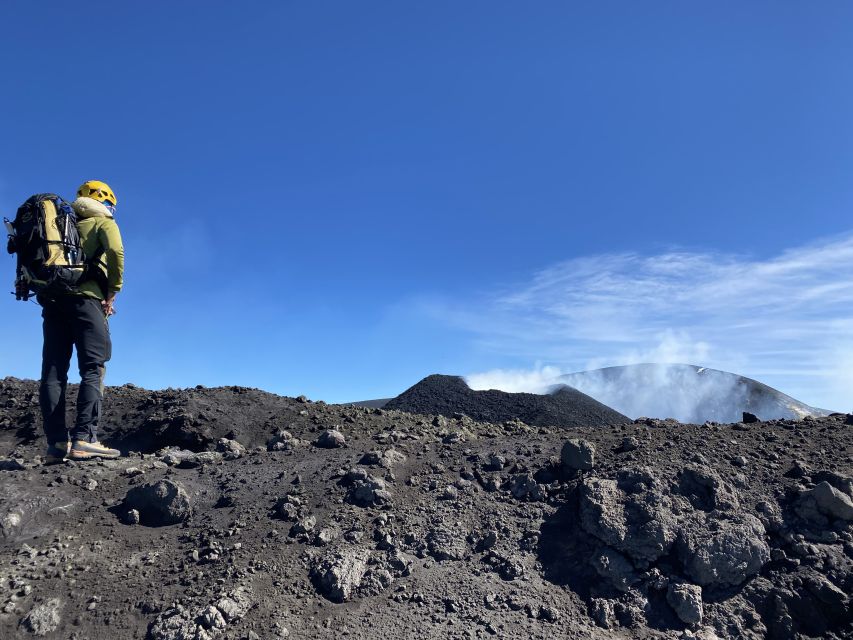
This tour includes a lot of the “field gear” that makes high-altitude hiking easier:
- a volcanological guide
- trekking poles
- protective helmets
- trekking shoes
- a windbreaker
- an extra backpack
- extra socks
I like this approach because it removes friction. If you’re visiting Sicily and you don’t already have proper trekking shoes or a warm layer that actually blocks wind, you can still show up ready. The windbreaker and helmet also make sense on a volcano hike, where gusts can hit suddenly.
It also helps with comfort and safety. Helmets aren’t a random add-on when you’re on uneven volcanic ground and near crater edges. Trekking poles are practical when the path gets steep and the footing turns loose.
What to bring—and what to leave out—so the wind doesn’t beat you
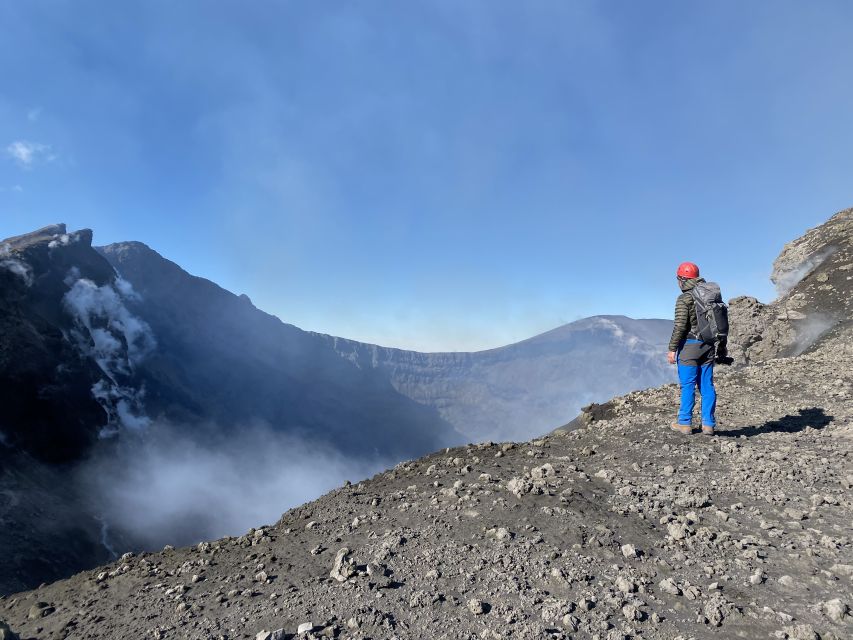
This is the part that decides whether the trip feels great or miserable. Bring layers that work in wind and cold, because high altitude air changes fast.
Your packing list should include:
- warm clothing and a windbreaker (even if one is provided)
- sunglasses and sunscreen
- a hat (and ideally gloves, since those aren’t included in spring/autumn)
- rain gear if conditions turn
- water plus food (packed lunch is recommended)
- comfortable clothes that you can move in
- cash for the additional transport cost and any on-site items like parking
And follow the clothing rules:
- no high-heeled shoes
- no shorts
- no sleeveless shirts
- no luggage or large bags
- no swimwear
One thing I’d repeat from the on-the-ground reality: even in warmer months, the wind up high can feel very cold. So plan for cold, not for “it’s Sicily so it’ll be warm.”
Pace and fitness: moderately trained, not casual, and not for everyone
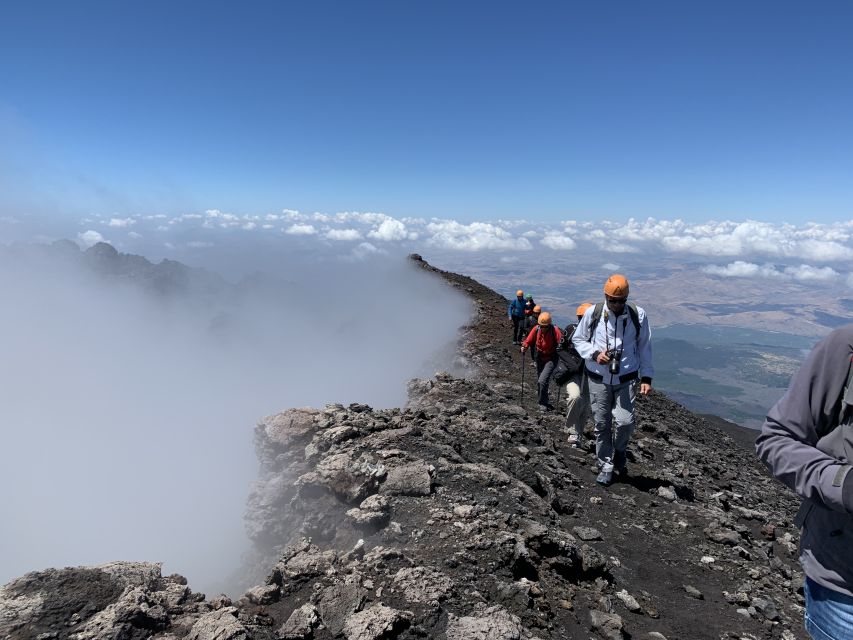
The hike is for moderately trained hikers. It involves high-altitude walking on a path that can be steep and exposed, including walking along crater edges. Some people will feel dizzy because of the elevation and the way the terrain opens up around you.
This is not the right choice if you:
- get motion sickness or dizziness/vertigo easily,
- have mobility impairments,
- have heart problems or respiratory issues,
- have epilepsy,
- have high blood pressure,
- have pre-existing medical conditions that make altitude risky,
- or you’re currently dealing with back problems.
Pregnancy is also listed as not suitable. If you’re unsure, take it seriously. The tour itself is structured for a certain level of physical and sensory comfort.
Also remember: without adequate hiking shoes, you’re not covered by insurance. If you’re renting locally or counting on the included footwear, double-check what you’ll be wearing and make sure it’s appropriate before you start.
Price and value: $77 plus the €60 4×4 cost, and the real reason it’s fair
The headline price is around $77 per person, but you should plan for an additional €60 in cash on the day for the 4×4 transport. Parking adds another small cost (weekday vs Sunday/public holiday pricing).
So is it good value? For this kind of active volcano day, I think it can be. You’re paying for:
- a small-group format (up to 10),
- a dedicated volcanological guide,
- and the “make it doable” gear (helmets, trekking poles, shoes, windbreaker, socks, extra backpack).
If the added transport money surprises you, you’re not alone—so budget it before you go. But if you compare it to the cost of doing Etna on your own with proper guides and proper gear, the price structure starts to feel reasonable.
The biggest value piece is the guided education at crater level. The summit area is not the kind of place where you learn the most just by looking.
Language and guide style: Andrea, Giovanni, and the benefit of clear explanations
The guide speaks Italian, French, and English. In the reviews, guides like Andrea and Giovanni are specifically mentioned for being friendly and strong on knowledge, with Giovanni noted for explaining in multiple languages.
That matters more than you might think. When you’re standing in a crater environment, the right explanation helps you connect what you’re seeing—lava flows, crater formations, and eruption-driven changes in the ground. Clear language also helps you feel safer during the walking segments.
Should you book Piano Provenzana’s Etna hike to 3,380 m?
Book this if you want:
- a guided Mount Etna experience that goes beyond basic viewpoints,
- a small group with a volcanology-focused guide,
- and the chance to reach about 3,380 meters near the Central Crater area via jeep + hike.
Skip it (or choose a gentler Etna option) if:
- you get dizzy on crater edges,
- you have mobility or respiratory/heart limitations,
- or you’re not confident with moderate hiking at high altitude.
If you do book, come prepared for wind and cold, and don’t underestimate the altitude climb. The payoff is real: you get the science, the crater terrain, and that roof-of-Sicily feeling when weather cooperates.
FAQ
How high does this Mount Etna hiking trip go?
You’ll reach the Central Crater area at about 3,380 meters.
How long is the experience?
The total duration is about 5 hours.
Where do I meet the guide?
Meet at CHIOSCO BAR MARENEVE di Ferraro Giuseppa near the chairlift parking area. Make sure you’re not at Chiosco Bar Etna Nord in the lower parking lot.
Is the 4×4 transportation included in the price?
The 4×4 transportation is not included. There’s an extra €60 to be paid in cash on the day.
What languages does the guide speak?
The live tour guide speaks Italian, French, and English.
What equipment is included?
Included items are trekking poles, protective helmets, trekking shoes, a windbreaker, and extra socks and an extra backpack, along with a volcanological guide.
What should I bring for the hike?
Bring warm clothing, windbreaker, sunglasses, hat, sunscreen, water, and food for the day (packed lunch). Also bring rain gear and wear proper hiking shoes.
What clothes or items are not allowed?
High-heeled shoes, shorts, sleeveless shirts, swimwear, and luggage or large bags are not allowed.
What if bad weather happens or there aren’t enough participants?
The hike may be cancelled if the minimum group size of 8 participants isn’t reached. In bad weather, you’ll be contacted as soon as possible about cancellations or modifications. You can also cancel up to 24 hours in advance for a full refund.
More Hiking & Trekking in Mount Etna
More Tour Reviews in Mount Etna
More Etna Summit Treks We Have Walked
Just added: the newest Mount Etna tours in our notebook
- Etna: Guided Tour to the Summit Craters – North Slope★ 5.0 · 3 reviews
- From Taormina: Mount Etna Half-Day Evening Hike★ 5.0 · 4 reviews
- Mount Etna: Private Trek on the North Slope Craters★ 5.0 · 4 reviews
- From Taormina or Catania: Private Full-Day Mount Etna Hike★ 4.5 · 8 reviews
- Mount Etna: Trek to the Craters of The 2002 Eruption★ 4.9 · 9 reviews
- Mount Etna: Private Half-Day Guided Family-Friendly Hike★ 5.0 · 11 reviews
Mount Etna Tours & Summit, compared.
 ★ 4.8Catania: Mount Etna Morning or Sunset Day Trip with TastingFrom $704,028 reviews
 ★ 4.8Catania: Sunset Jeep Tour of Mount Etna and Lava Flow CavesFrom $712,113 reviews
 ★ 4.8Etna and Alcantara Gorges Full-Day Tour with LunchFrom $1051,766 reviews
 ★ 4.7Etna: summit craters trekking with volcano guide 3350mtFrom $771,712 reviews
 ★ 4.9Catania: Mount Etna Trekking Tour Beyond the Tourist TrailsFrom $811,596 reviews
 ★ 4.8Mount Etna: Guided Trek 3,000 Meters to the SummitFrom $1131,407 reviews
 ★ 4.8Catania: Etna Sunset Tour with Pickup and Drop-offFrom $711,348 reviews
 ★ 4.8Etna Sunset Tour: Volcano trek, Cave & tasting from CataniaFrom $701,290 reviews
Browse the lists this tour appears in