
Reviewed · MOUNT ETNA TOURS & SUMMIT
Mount Etna: Trek to the Craters of The 2002 Eruption
Etna feels alive up close, even on an easy walk. This guided trek on Mount Etna’s northern flank takes you along the eruptive fault from the 2002 eruption, with hardened lava textures and craters you can actually see and discuss. You’re not just looking at a volcano, you’re walking a timeline.
I especially like how the guide turns geology into something you can picture fast, from the “perfect eruption” at dawn on October 27, 2002 to the lateral cones formed by gas and rock explosions along the fault. The one drawback to weigh: the terrain is rocky volcanic ground, and it’s not suitable if you have vertigo, are pregnant, or have mobility impairments.
In This Review
- Key things to know before you go
- Mount Etna’s 2002 fault-line walk: why this trek feels different
- Getting to Piano Provenzana and starting the trek on Etna Nord
- Walking the eruptive fault: the geology lesson you can feel
- Craters, top views, and the Bay of Naxos vs. Calabrian coast contrast
- The Greek-myth and UNESCO layer: why it’s not only a hike
- Price, timing, and value: is $39.86 worth it?
- Who should book this Etna Nord trek (and who should skip it)
- What to bring and how to dress for lava rock footing
- Booking call: should you book this trek to Etna’s 2002 craters?
- FAQ
- Where is the meeting point for the Mount Etna trek?
- How long does the tour last?
- How difficult is the trek?
- What’s included, and what languages do the guides speak?
- What should I bring, and what clothing rules apply?
- What will I see during the trek?
- Who is the trek not suitable for?
- Is the booking flexible if my plans change?
Key things to know before you go
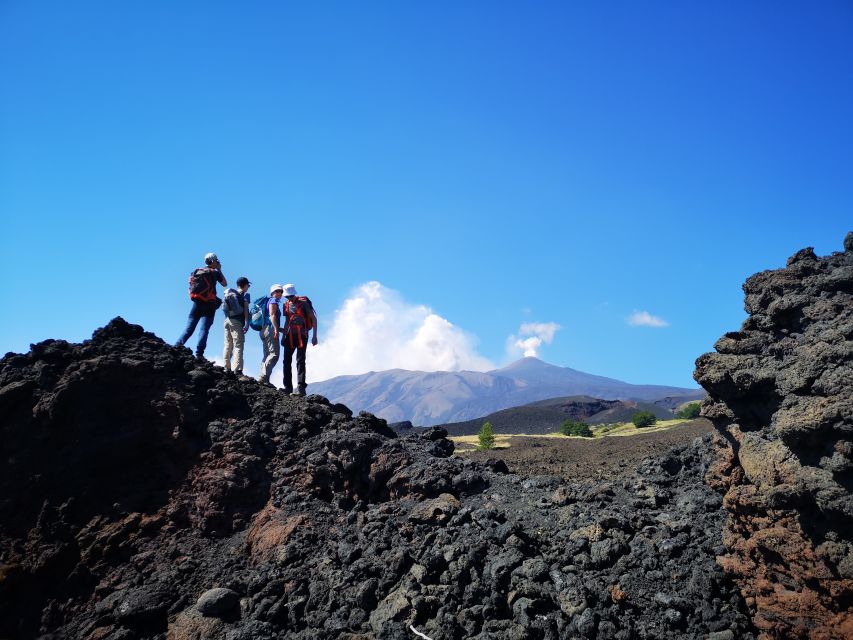
- A fault-line walk from the 2002 eruption on Etna’s northern side, right along the eruptive scar
- Real-world geology lessons as you move from hardened lava flow to crater viewpoints
- Craters and cones at walking distance, including lateral cones from gas/rock blasts
- Big panoramic rewards over the Bay of Naxos and the Calabrian coast
- Family-friendly pacing with top guide quality, with a smooth rhythm for most groups
- Easy difficulty, but you still need proper footwear for volcanic rocks and uneven surfaces
More ways up the volcano from Mount Etna
- Mount Etna: Summit Guided Hiking Tour up to 3,400 m
★ 4.8 · 4,792 reviews - Etna: summit craters trekking with volcano guide 3350mt
★ 4.7 · 1,712 reviews - Mount Etna: Summit Trekking Tour
★ 4.9 · 347 reviews - Mount Etna: scenic Summit Trek with a volcano Guide and Gear
★ 4.5 · 284 reviews
Mount Etna’s 2002 fault-line walk: why this trek feels different
Mount Etna isn’t a “someday” volcano. It’s active, visible, and loud in the way it reshapes the land. What makes this trek special is that you’re walking the evidence from one specific event: the eruption that began at dawn on October 27, 2002 and became known as the perfect eruption. Even if you’ve never studied volcanology, the walk makes the story tangible.
You start in a high, volcanic zone and head out with an official guide (English and French available, plus Italian). As you go, you’ll move along the eruptive fault on Etna’s northern flank, which means your feet follow the same line where the volcano did its work. That matters, because volcanic features can look similar from a distance. On this walk, the guide points out what happened where, and you get a clearer sense of how eruptions actually build terrain.
I also like that the experience includes practical “how to read the mountain” thinking. You learn what volcanic eruptions do to rock, gas, and shape, then you check it against what you’re standing on. It’s one thing to hear about lateral cones and hardened lava flows. It’s another to see them with your own eyes and put them into context with a guide.
One more thing I appreciate: the tour isn’t only about science. Etna has deep roots in Greek mythology and is a UNESCO World Heritage-listed volcano. That cultural layer helps the hike feel grounded in the real lives around it, including the fertile soils that support extensive local agriculture.
Getting to Piano Provenzana and starting the trek on Etna Nord
Your tour starts at Piano Provenzana, and the meeting point is in the first parking area at the wooden house with the sign Gruppo Guide Etna Nord. That’s helpful because Etna can feel chaotic without a clear landmark, and you don’t want to arrive stressed.
The hike itself is designed to be manageable. The difficulty is listed as easy, and the duration is about 2.5 hours, but it depends on the group’s rhythm. In other words, you’re not signing up for a long mountain day. You’re signing up for a focused walk where the guide can stop, explain, and point things out without rushing you.
I recommend arriving a few minutes early and double-checking your footwear. Volcanic trails reward the right shoes because the ground can be uneven and sometimes gritty. If you show up in sandals, you’ll be stuck watching other people move confidently while you rethink your plan.
Also, bring layers. You’re on a volcano, and weather can shift. You’ll want a jacket and rain gear, even if the forecast looks calm when you leave your hotel.
Walking the eruptive fault: the geology lesson you can feel
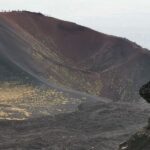
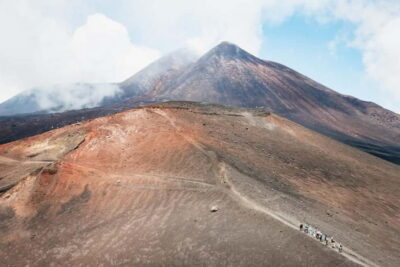
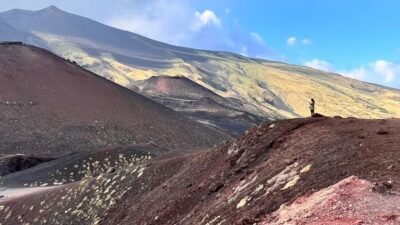
This is the core of the experience: the trek takes you along the eruptive fault created during the 2002 eruption. The guide helps you imagine the explosive force of dawn eruption activity on October 27, 2002, and then you walk right beside the hardened evidence.
As you move along the trail, you’ll see and learn about:
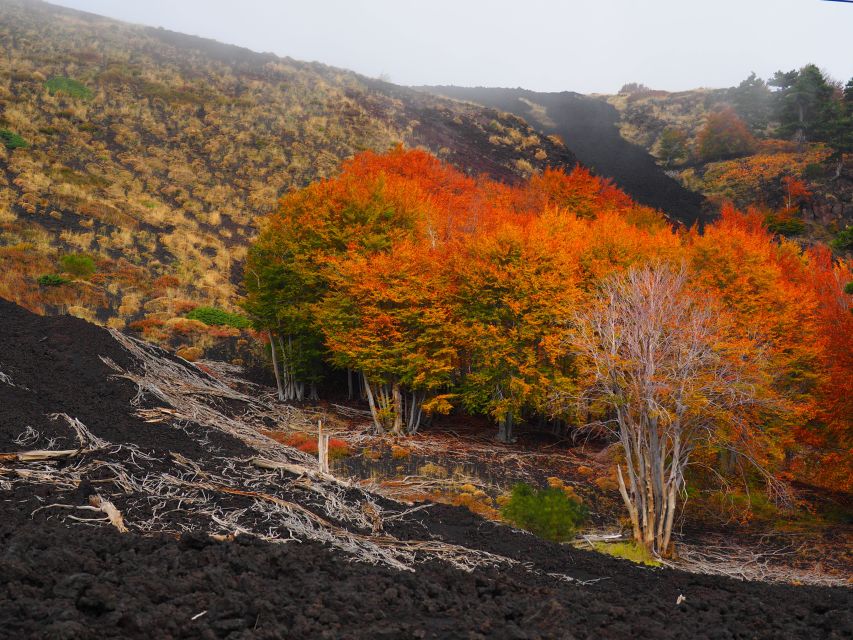
- Hardened lava flows, which show the cooled pathways of molten rock
- Lateral cones created by strong explosions of gas and rock fragments along the fault
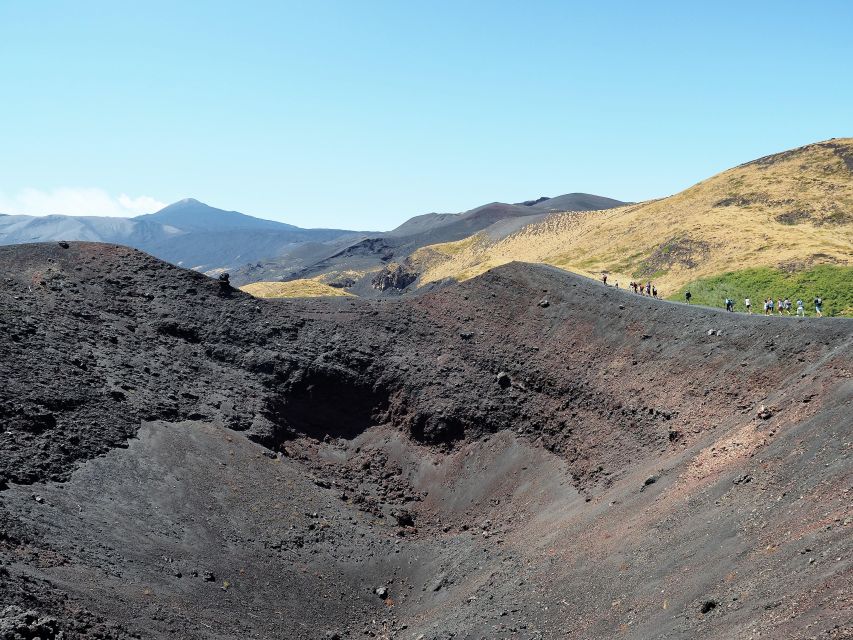
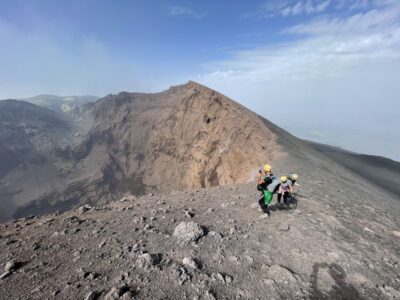
- Crater areas you can peer into from safe, guided viewpoints
The lateral cones part is one of the most interesting ideas to grasp. From a distance, volcanic cones can look like generic “bumps.” Up close, and with a guide explaining what explosive gas and rock can do, you start seeing how the eruption shaped the fault line differently in different moments.
I also like that the walk blends observation with explanation. You’re not just being told facts. You’re stopping where the terrain makes the lesson make sense: a cone that likely formed due to explosions along the fault, a hardened flow that marks where molten rock traveled, and craters where you can connect shape to eruption behavior.
If you’ve ever wondered why volcanic eruptions create such varied terrain, this is one of the best ways to find out without turning it into a full-school geology course. You’ll learn enough to see the mountain as a set of cause-and-effect results, not just dramatic scenery.
Craters, top views, and the Bay of Naxos vs. Calabrian coast contrast
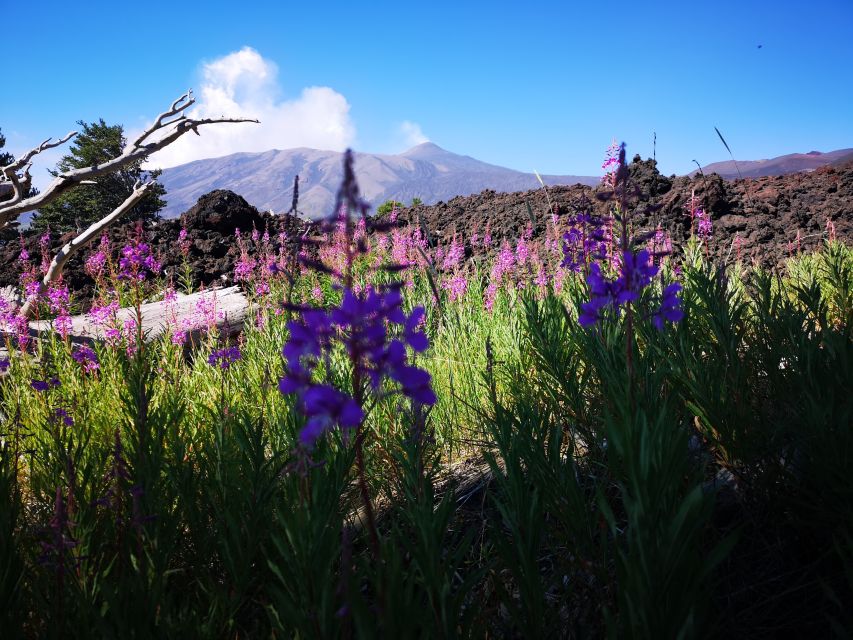
After you’ve followed the eruptive fault, you’ll reach the craters and viewpoints where the scenery opens up. This is where the trek pays you back visually.
You’ll get stunning views from the top area, including:
- the Bay of Naxos
- the Calabrian coast
That viewpoint contrast is more than pretty. It gives you scale. Etna is massive, but it’s also one piece of a wider regional geography. When you can see water and coastline spread out below you, it helps you understand why fertile soils matter here and why communities keep living near a volcano that’s active.
This is also where your guide’s explanation makes more sense. When they point out specific craters or lava formations, you’re also looking at how the volcano sits in its broader setting. It turns a geology stop into a geography lesson too.
One practical consideration: don’t rely on your phone camera to handle every light change. Bring sunglasses, and expect the brightness to shift as you move. The views are worth it, but you’ll enjoy them more with your eyes comfortable and protected.
A few we would gladly point a friend toward in Mount Etna
The Greek-myth and UNESCO layer: why it’s not only a hike
Mount Etna has been important for a long time, long before modern tourists showed up with cameras. The mountain ties into Greek mythology and remains a significant part of regional life today.
That cultural context matters during your trek. It helps you understand why UNESCO listing isn’t just paperwork. A volcano like Etna is a living force shaping land, agriculture, and identity. Even with the drama of eruptions, the region benefits from fertile soils that support extensive local agriculture.
On a practical level, I like how this makes your walk feel connected to everyday Sicily, not isolated into a single tourist bubble. You’re learning about the mountain, but you’re also learning why people keep choosing to live here and work the land.
It’s a nice balance: science points, cultural meaning, then back to the immediate physical experience of lava rock, cones, and crater views.
Price, timing, and value: is $39.86 worth it?
At $39.86 per person, this trek is priced like an intentional, guided experience rather than a generic “tour bus and photo stops” deal. You’re paying for the guide, the curated route, and the focus on a specific eruption event and terrain features.
The timing is also a big part of the value. With a duration around 2.5 hours, it’s long enough to feel like an outing with substance, but short enough to fit into a day without burning your entire schedule. If you only have a limited window in Sicily, that matters.
I also think the guide quality is part of what makes the price feel fair. The experience has a 4.9 rating and strong feedback on the guide experience. That’s exactly what you want on a volcano trek, because the best parts are the explanations tied to what you’re seeing.
If you’re trying to compare value, look at what you’re getting:
- an official guide
- a walk along the eruptive fault from 2002
- crater and crater-area viewpoints
- views over Bay of Naxos and the Calabrian coast
- no need to arrange complicated route planning yourself
Food and drinks are not included, so plan on bringing water and handling your own snack. But with the right gear and hydration, this stays a practical, half-morning or half-afternoon type of activity.
Who should book this Etna Nord trek (and who should skip it)
This is a great fit if you want an active day that still feels doable. It’s described as easy, and it works well for people who prefer a structured walk with stops for viewing and explanation rather than a long, strenuous hike.
It’s especially sensible if:
- you like geology or you want a simple way to learn it
- you want big views without an all-day grind
- you’re traveling with family and want a guide-run experience with good pacing
There are also clear “skip it” signals. It’s not suitable for pregnant women, people with mobility impairments, and people with vertigo. Even on an easy trek, volcanic ground and crater viewpoints can challenge balance and comfort.
And be honest with yourself about comfort around uneven surfaces. Proper shoes are required, and sandals or flip-flops aren’t allowed. This isn’t a beach stroll.
What to bring and how to dress for lava rock footing
I’d treat this as a weather-plus-traction day. The tour asks for:
- comfortable shoes (no sandals, no flip-flops)
- sunglasses
- sun hat
- water
- jacket
- rain gear
That list is exactly right. On Etna, you can get sun glare, wind, and sudden changes in conditions. Sunglasses and a hat keep you comfortable; jacket and rain gear keep you from getting chilled or soaked.
Footwear is the biggest “save your day” factor. Volcanic rocks can slip if they’re loose, dusty, or irregular. A shoe with grip and ankle support makes the walk feel easier, not harder. If you show up in anything flimsy, you’ll spend the tour thinking about your footing instead of the craters and views.
Also plan to carry your own essentials. Food and drinks aren’t included, so bring what you need to feel good through the 2.5 hours.
Booking call: should you book this trek to Etna’s 2002 craters?
If you want a guided walk that connects a real eruption event to what you can see on the ground, I think this is a strong choice. It’s focused, guided, and time-efficient, with a route that takes you along the 2002 eruptive fault and into crater-and-view territory.
Book it if:
- you want clear explanations tied to geology and eruption behavior
- you like structured tours with a good pace for the time (about 2.5 hours)
- you want views over Bay of Naxos and the Calabrian coast
- you’re okay with rocky volcanic trail conditions and bring proper shoes
Skip it if:
- you have vertigo, mobility impairments, or you’re pregnant
- you want a fully flat, easy-for-everyone walk with no uneven footing
- you don’t want to plan for sun/weather (since you’ll need a hat, jacket, and rain gear)
For many travelers, the best way to enjoy Etna is with a guide, and this trek leans into that in a practical way. You’ll leave with more than photos. You’ll leave with a mental map of how the eruption made the terrain you walked on.
FAQ
Where is the meeting point for the Mount Etna trek?
You meet at the first parking area at the wooden house marked with the sign Gruppo Guide Etna Nord. The activity ends back at the same meeting point.
How long does the tour last?
The duration is listed as approximately 2.5 hours, depending on the rhythm of the group.
How difficult is the trek?
The difficulty is described as easy.
What’s included, and what languages do the guides speak?
The tour includes a guided experience with an official guide. Live guidance is available in Italian, French, and English.
What should I bring, and what clothing rules apply?
Bring comfortable shoes, sunglasses, a sun hat, water, a jacket, and rain gear. Sandals or flip-flops are not allowed.
What will I see during the trek?
You’ll walk along the eruptive fault from the 2002 eruption, view hardened lava rock formations, learn about lateral cones and craters, and enjoy views toward the Bay of Naxos and the Calabrian coast.
Who is the trek not suitable for?
It is not suitable for pregnant women, people with mobility impairments, and people with vertigo.
Is the booking flexible if my plans change?
Yes. You can cancel up to 24 hours in advance for a full refund, and there’s also a reserve now & pay later option.
More Hiking & Trekking in Mount Etna
More Tour Reviews in Mount Etna
More Etna Summit Treks We Have Walked
Just added: the newest Mount Etna tours in our notebook
- Etna: Guided Tour to the Summit Craters – North Slope★ 5.0 · 3 reviews
- From Taormina: Mount Etna Half-Day Evening Hike★ 5.0 · 4 reviews
- Mount Etna: Private Trek on the North Slope Craters★ 5.0 · 4 reviews
- From Taormina or Catania: Private Full-Day Mount Etna Hike★ 4.5 · 8 reviews
- Mount Etna: Trek to the Craters of The 2002 Eruption★ 4.9 · 9 reviews
- Mount Etna: Private Half-Day Guided Family-Friendly Hike★ 5.0 · 11 reviews
Mount Etna Tours & Summit, compared.
 ★ 4.8Catania: Mount Etna Morning or Sunset Day Trip with TastingFrom $704,028 reviews
 ★ 4.8Catania: Sunset Jeep Tour of Mount Etna and Lava Flow CavesFrom $712,113 reviews
 ★ 4.8Etna and Alcantara Gorges Full-Day Tour with LunchFrom $1051,766 reviews
 ★ 4.7Etna: summit craters trekking with volcano guide 3350mtFrom $771,712 reviews
 ★ 4.9Catania: Mount Etna Trekking Tour Beyond the Tourist TrailsFrom $811,596 reviews
 ★ 4.8Mount Etna: Guided Trek 3,000 Meters to the SummitFrom $1131,407 reviews
 ★ 4.8Catania: Etna Sunset Tour with Pickup and Drop-offFrom $711,348 reviews
 ★ 4.8Etna Sunset Tour: Volcano trek, Cave & tasting from CataniaFrom $701,290 reviews
Browse the lists this tour appears in