
Reviewed · MOUNT ETNA TOURS & SUMMIT
Mount Etna: Hike to The Highest Point With a Guide
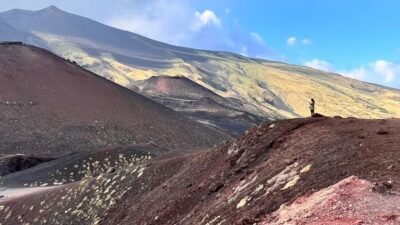
Mount Etna’s heat hits fast. This guided hike takes you high into a living volcanic world, with steaming lava, sulfurous fumaroles, and crater-edge walking near the summit zone. You start at the Esagonal area, ride up by cable car, and then climb to about 3,000 meters with a licensed volcanology guide—staying in the safer, authorized areas that can change with activity.
I really like the way the guides run this like a safety-minded field day. I’ve heard guides like Andrea Montemagno and Vincenzo explain what you’re seeing in plain terms and keep the group moving without rushing, even when it’s cold and windy. The other thing I love: you don’t just look at Etna—you walk through it, including spots where volcanic rock is hot enough to make you pause and pay attention.
One drawback to plan for: this isn’t a casual stroll. The route climbs and includes crater-edge terrain that can feel tricky with altitude, wind, and (in winter) snow or ice.
In This Review
- Key things to know before you go
- Getting into the mood: Esagonal Bar, transfer, and cable car day
- The Barbagallo Crater guided tour: where the geology clicks
- The ascent toward the crater zone: photos, altitude, and hot rock sensations
- Fumaroles and steaming lava banks: the closest you’ll get to Etna’s breath
- Southeast Crater and the 2002 craters: views, wind, and the feeling of being near the action
- Valle del Bove return and the cable car trip down: tired legs, normal breathing
- Gear and clothing: what to pack so you stay comfortable (and insured)
- Price and value: €65 plus cable car, and what that buys you
- Who should book (and who should skip) this Etna hike
- Guides make the day: pacing, humor, and safety on windy days
- Should you book this Mount Etna hike to the highest point?
- FAQ
- What’s the total duration of the tour?
- Where do I meet the guide?
- How much does the tour cost, and what extra payment is required?
- Does the tour include trekking gear and safety items?
- What language is the tour guide?
- Is food and drink included?
- What should I bring for weather and comfort?
- Are children allowed?
Key things to know before you go
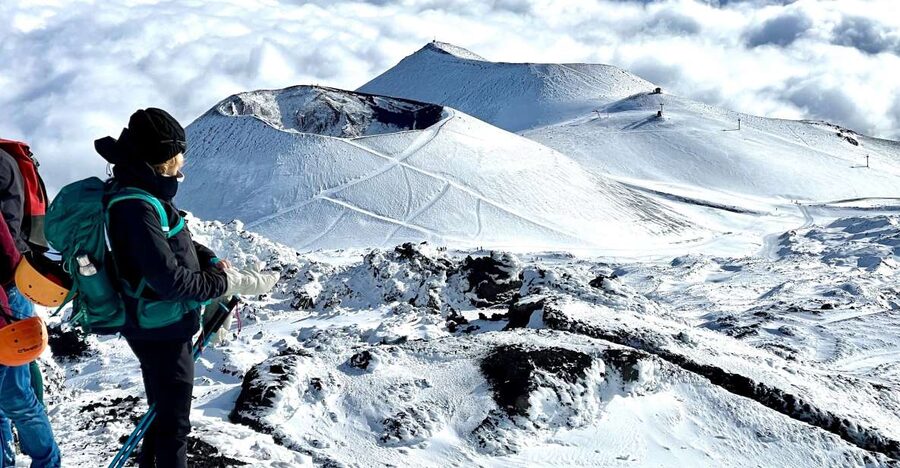
- You reach ~3,000 m using cable car plus a hike, with an altitude push beyond the usual limit in controlled conditions
- Fumaroles up close: you’ll see and get beside vents spewing hot volcanic gases
- Fresh lava and smoking flows: expect to walk past recent eruption effects, not just old scenery
- Guide-led geology talk: licensed volcanology explanations turn black rock into a story you can read
- Real mountain weather: strong winds at altitude are common, and winter snow can change the route conditions
- Extra cost for cable car: the hike price includes Etna entry and safety gear, but you pay the cable car separately on-site
More ways up the volcano from Mount Etna
- Mount Etna: Summit Guided Hiking Tour up to 3,400 m
★ 4.8 · 4,792 reviews - Etna: summit craters trekking with volcano guide 3350mt
★ 4.7 · 1,712 reviews - Mount Etna: Summit Trekking Tour
★ 4.9 · 347 reviews - Mount Etna: scenic Summit Trek with a volcano Guide and Gear
★ 4.5 · 284 reviews
Getting into the mood: Esagonal Bar, transfer, and cable car day
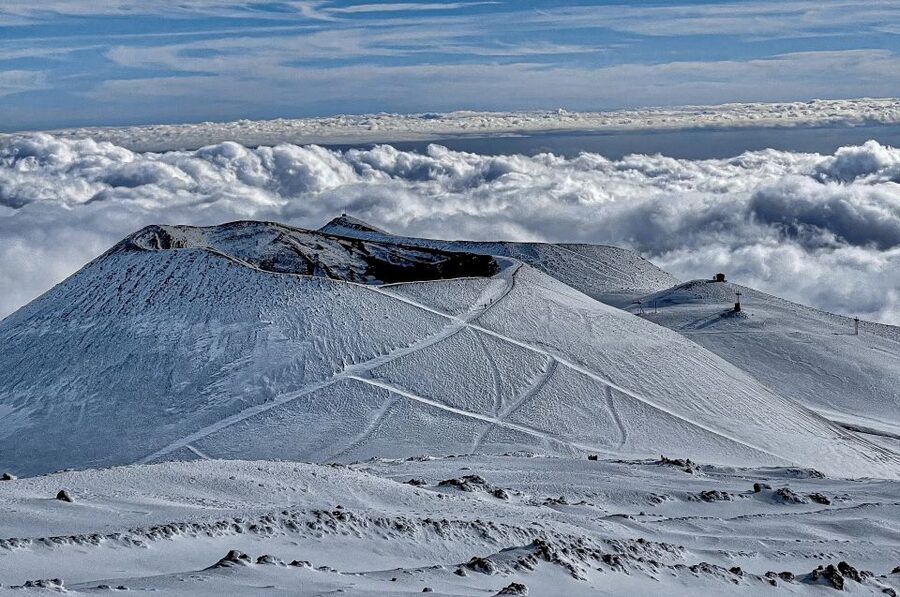
Your day starts at the parking lot in front of the Esagonal Bar, where the guides meet you. Then there’s a short transfer to the start area, so you’re not wrestling with logistics while your body is already adjusting to altitude.
The big jump comes from the cable car ride. You go from about 1,900 m to around 2,500 m, which matters because it saves most of the hardest climb for later. It also means you’ll arrive already feeling the thinner air and the wind, which makes the first steps feel more intense than you expect.
Plan on a separate cable car ticket cost. The hike price doesn’t include those round-trip tickets; you’ll buy them at the Funivia dell’Etna office just before departure. One practical tip: on busy days, allow extra time because lines can slow things down.
The Barbagallo Crater guided tour: where the geology clicks
Once you’re up in the main zone, you’ll spend time on a guided visit around the Barbagallo Crater area. This is a key part of the experience because it frames what you’ll see next: basalt rock, volcanic structure, and how Etna’s repeated activity reshapes the ground.
This is also when the guides do their best “what to look for” work. They point out features you might otherwise miss—how volcanic layers break, where the rock shows signs of heat, and what to watch for as you move closer to active zones.
The trade-off is time. This portion runs longer than a quick look, and it’s part of why the whole tour is about 5 hours. If you’re the type who gets impatient on long explanations, try to treat it like field school: ask questions, watch the ground, and you’ll enjoy it more.
The ascent toward the crater zone: photos, altitude, and hot rock sensations
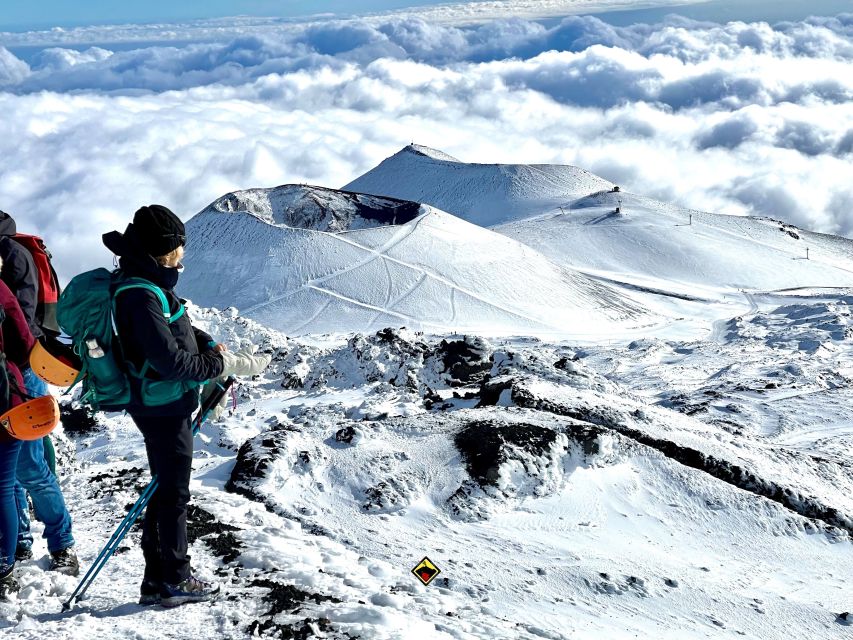
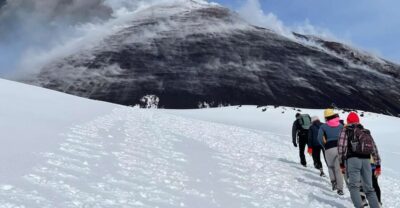
After the Barbagallo time, there’s a photo stop and more guided moments as you work your way toward the walking segment near the crater area. You’re rising gradually, and once the walking begins you’ll feel the altitude and the wind more clearly.
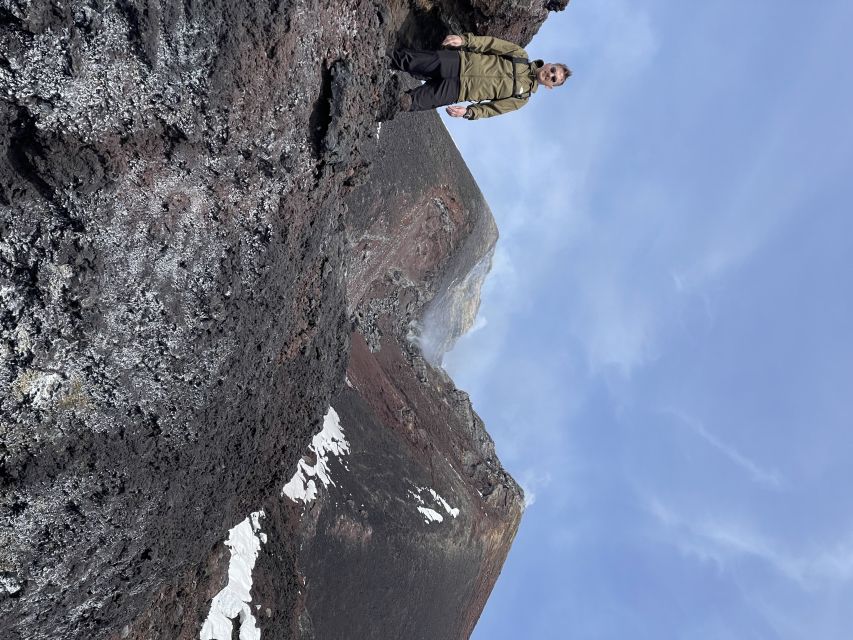
This hike’s most memorable sensory detail is that volcanic terrain can feel hot underfoot. That’s not a metaphor. When you walk near certain lava-influenced surfaces, you notice the warmth—enough that you naturally slow down and look around. It makes the mountain feel less like a viewpoint and more like an active machine.
Altitude is also a real factor here. The route can take you up to roughly 3,000 meters, and you’ll pass an altitude threshold of 2,750 m under special authorization for scientific purposes. Your guide will keep an eye on the group, and the plan is only to push higher if people can handle it without serious altitude issues.
Fumaroles and steaming lava banks: the closest you’ll get to Etna’s breath
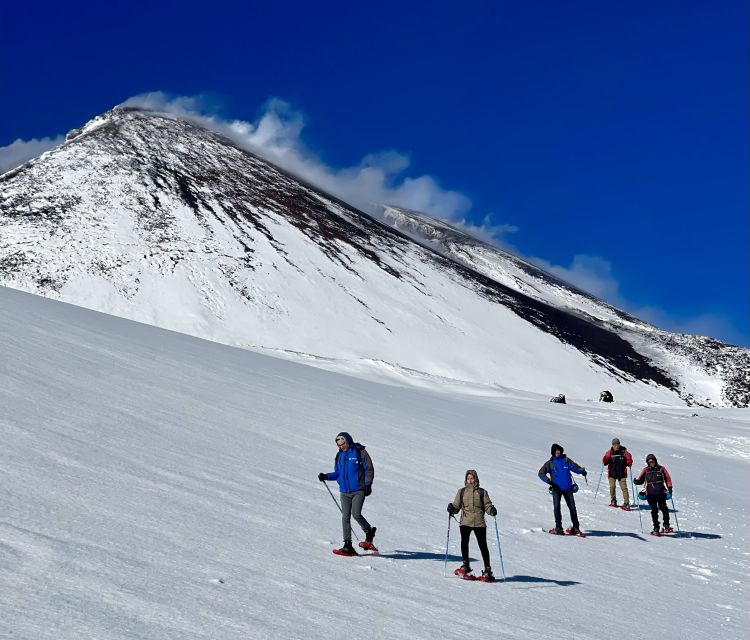
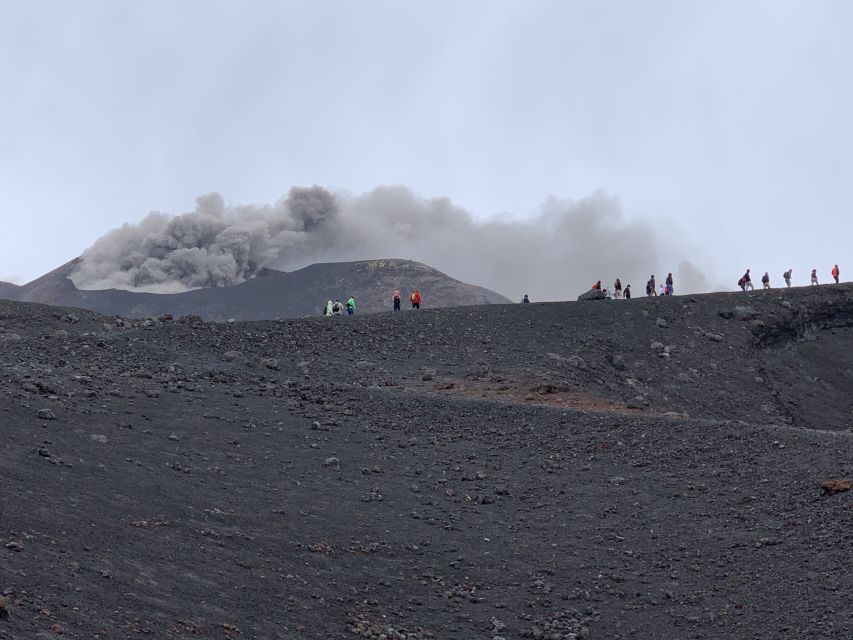
Now comes the part that turns Etna from impressive into unforgettable. You’ll pass fumaroles—vents where hot gases spew from underground. You don’t just view them from a safe distance; you get close enough to really understand what volcanic activity feels like in real life.
Then you’ll walk by banks of still-steaming lava flows from more recent eruptions. That “still” matters. You’re not just looking at cooled rock; you’re seeing the lingering heat effects. It gives you a sense of how quickly Etna changes and how fast new terrain can form.
This is also where trekking poles help. They give you confidence on uneven volcanic ground, especially when you’re concentrating on footing while your brain is also processing wind, altitude, and the odd geometry of crater-edge paths.
A few we would gladly point a friend toward in Mount Etna
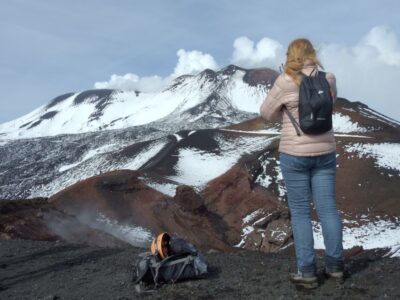
Southeast Crater and the 2002 craters: views, wind, and the feeling of being near the action
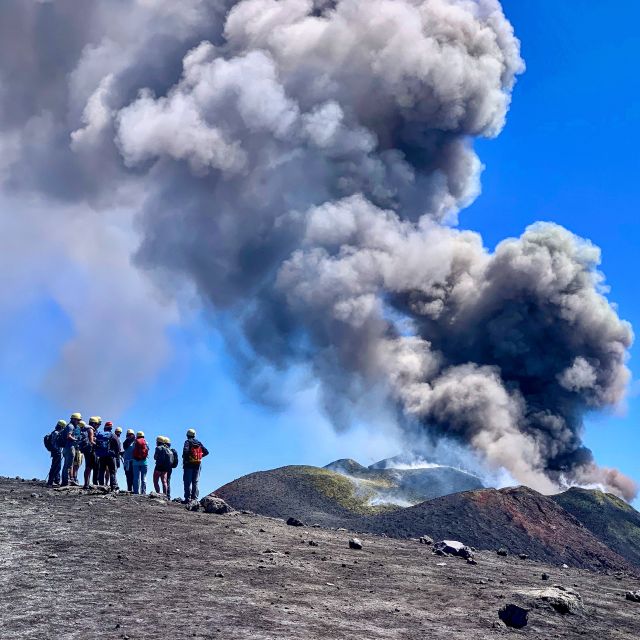
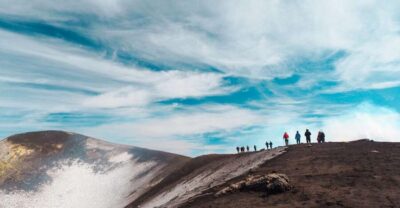
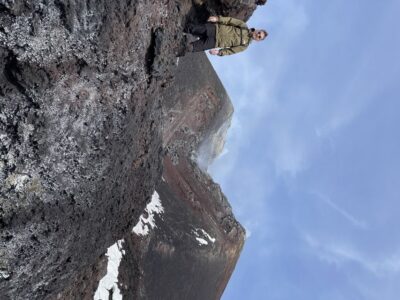
The walking portion brings you to the base of the most active crater at the moment, which can be the Southeast Crater depending on current conditions. This is the “highest-point” goal zone, and it’s where you’ll likely feel the stakes of walking near active volcanic areas—without being in the highest-risk zones that can trigger restrictions.
From there, you’ll head to the large craters of 2002. This adds variety: you’re not just standing at one viewpoint. You move across volcanic terrain shaped by specific eruption events, so each area looks a little different in rock texture and layout.
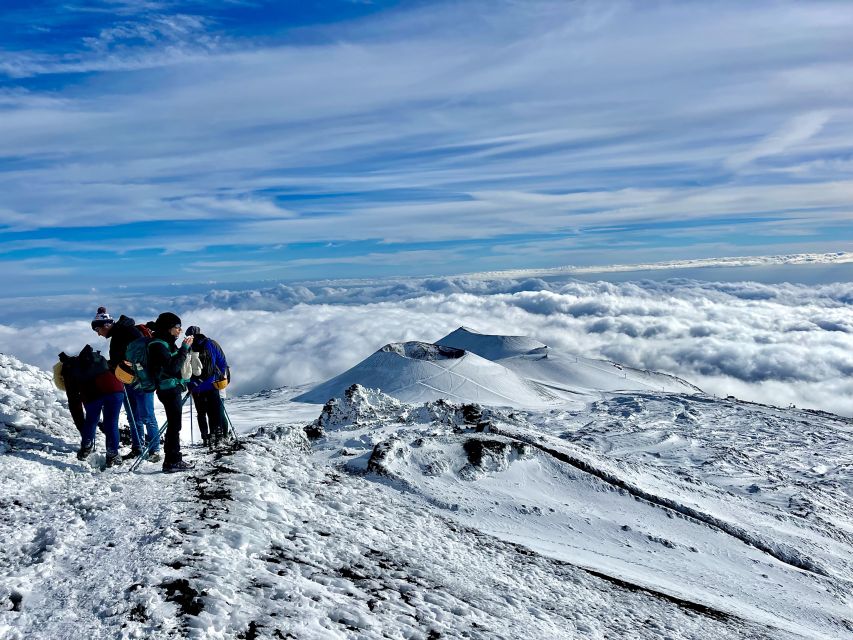
One thing to respect: conditions can be rough up there. Wind at altitude can be intense, and in winter you may deal with snow and ice along parts of the route. Even with help from the guide, you’ll want steady legs and a calm head.
You should also know that you may not stay on the very top for long. The focus is safe access and time in the active zone, with breaks arranged where conditions allow.
Valle del Bove return and the cable car trip down: tired legs, normal breathing
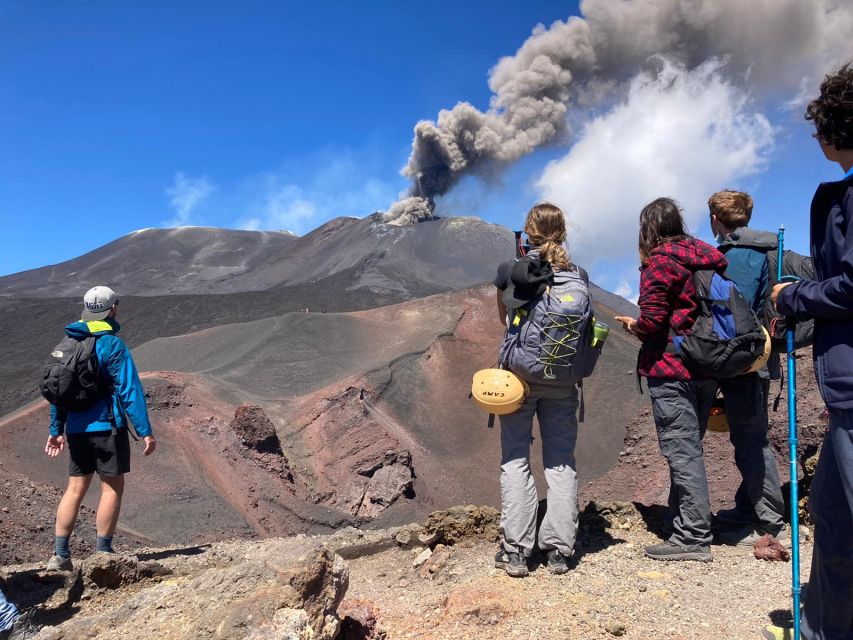
After the crater area, the day shifts to moving back down toward the cable car station. There’s a transfer segment associated with the descent route (the plan includes the Valle del Bove area), and then you’re back on the cable car to return.
The descent is where knees get tested, especially if there’s sandy shale or uneven volcanic grit underfoot. I’d treat the downhill like part of the hike, not a break from it—take your time, use poles, and keep your footing locked in.
When you ride down, you’ll usually feel a wave of relief. Not because the mountain stops being impressive, but because the wind and thin-air stress ease. It’s a good moment to enjoy the contrast: the summit world looks lunar, and then you come back toward more familiar terrain below.
Gear and clothing: what to pack so you stay comfortable (and insured)
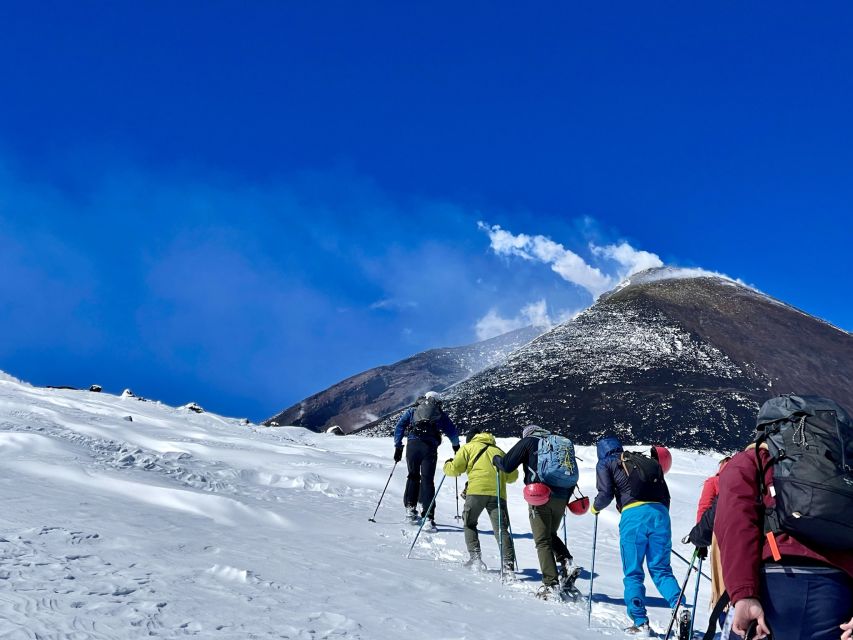
The tour includes a lot of safety and comfort items: helmets, trekking poles, warm jackets, trekking shoes, and a backpack, plus accident insurance and an Etna entry fee. That’s a big value piece because it lowers the hassle if you don’t own proper hiking gear.
Still, you should bring your own basics. Pack a windbreaker, sunglasses, sunscreen, long pants, and weather-appropriate layers. Bring a change of clothes too—cold and volcanic dust can make the return feel less fun if you’re wet or chilled.
Gloves and hats are not included, so bring your own if you run cold. The guides provide critical support, but they can’t magically fix a missing warm layer when wind is biting.
Food and drinks are not included. Bring snacks and water, plus anything you need to avoid getting low-energy at altitude. One common issue with volcano hikes is that you’re busy looking at everything, then suddenly realize you haven’t eaten in hours.
There are also strict footwear rules: no sandals or flip-flops, and no high-heeled shoes. Alcohol and drugs are not allowed. And if you don’t have proper shoes, your insurance coverage may not apply—so don’t gamble.
Price and value: €65 plus cable car, and what that buys you
The headline price is about $65 per person, but the real total depends on the cable car. You’ll pay around €52 per person on-site for the cable car tickets.
Here’s how I think about value: you’re paying for (1) a volcanology guide and safety gear, (2) Etna entry, and (3) a route designed to keep you away from the most restricted zones while still getting you near the active crater area. If you were trying to replicate this without a guide, you’d spend money on transportation, timing, and gear anyway—and you’d lose the geology interpretation.
So yes, add the cable car. But don’t automatically label it expensive. When the guide is good—and many guides here earn strong praise for professionalism and humor—you’re not just buying walking time. You’re buying understanding of what you’re walking on.
Also check for what’s included versus not. It includes poles, helmets, jackets, shoes, backpack, and accident insurance. It does not include food and drinks, and it does not include the cable car.
Who should book (and who should skip) this Etna hike
This hike is for trained hikers. You should not book it if you have health limits that can be risky at altitude or on uneven terrain.
Based on the stated requirements, it isn’t suitable for people with heart problems, respiratory issues, epilepsy, recent surgeries, high blood pressure, back problems, mobility impairments, vertigo, or low fitness. Children under 12 are not allowed, and there are also stated requirements about younger ages being unsuitable, so if you’re traveling with kids, confirm the age rules before paying.
If you don’t have hiking experience, this is also a bad fit. The terrain near crater areas is not designed for beginners, even if the pace is managed by the guide.
If you do have hiking experience and you want a “walk right into the volcanic action” day, this works well. It’s especially good if you like science explanations, because the guide talk changes how you see the landscape—black lava becomes evidence, not decoration.
Guides make the day: pacing, humor, and safety on windy days
One reason people rate this tour so highly is the way the guides manage the group. Names that come up include Vincenzo, Andrea Montemagno, Nikos, and Fabio. Across those guides, the pattern is consistent: frequent stops for explanations, careful attention to everyone’s comfort, and a sense of humor that helps when wind is strong.
I like that they also keep the group safe. They guide the walking along crater edges, and they ensure everyone has the right gear. In tough weather—cold, wind, or snow—the guide becomes the difference between a hard day and a scary one. Strong guidance also matters on the descent, where fatigue can mess with balance.
Should you book this Mount Etna hike to the highest point?
If you want Etna as a real hike, not a drive-by, then yes. Book it if you’re comfortable hiking at altitude, can handle wind, and you’ll follow instructions on footwear, layers, and pacing.
Skip it if you’re dealing with vertigo, serious medical issues, low fitness, or you’re not ready for crater-edge terrain and possible snow or ice in winter. Also think hard if you tend to get dizzy in high places; the route can trigger that.
If you do book, you’ll enjoy it most if you prepare like it’s a mountain day: layers, gloves, solid shoes, snacks, water, and patience for wind. The reward is getting to walk where Etna is still active—fumaroles breathing, hot rock warming your boots, and crater views that don’t feel like postcards.
FAQ
What’s the total duration of the tour?
The experience lasts about 5 hours in total.
Where do I meet the guide?
Meet your guides in the parking lot in front of the Esagonal Bar.
How much does the tour cost, and what extra payment is required?
The tour price is listed at $65 per person. Round-trip cable car tickets cost about €52 per person and are paid on-site.
Does the tour include trekking gear and safety items?
Yes. It includes trekking poles, helmets, warm jackets, trekking shoes, and a backpack, plus accident insurance and an Etna entry fee.
What language is the tour guide?
The guide provides live commentary in Italian, French, and English.
Is food and drink included?
No. Food and drinks are not included, so you’ll want to bring snacks and water.
What should I bring for weather and comfort?
Bring a windbreaker, sunglasses, sunscreen, long pants, and weather-appropriate layers. Gloves and hats are not included, so bring your own if you need warmth. You should also bring a change of clothes.
Are children allowed?
Children under 12 are not allowed on this excursion. The requirements also note that children under 11 are not suitable, so confirm before booking if you’re traveling with a child near that range.
More Guided in Mount Etna
More Tour Reviews in Mount Etna
More Etna Summit Treks We Have Walked
Just added: the newest Mount Etna tours in our notebook
- Etna: Guided Tour to the Summit Craters – North Slope★ 5.0 · 3 reviews
- From Taormina: Mount Etna Half-Day Evening Hike★ 5.0 · 4 reviews
- Mount Etna: Private Trek on the North Slope Craters★ 5.0 · 4 reviews
- From Taormina or Catania: Private Full-Day Mount Etna Hike★ 4.5 · 8 reviews
- Mount Etna: Trek to the Craters of The 2002 Eruption★ 4.9 · 9 reviews
- Mount Etna: Private Half-Day Guided Family-Friendly Hike★ 5.0 · 11 reviews
Mount Etna Tours & Summit, compared.
 ★ 4.8Catania: Mount Etna Morning or Sunset Day Trip with TastingFrom $704,028 reviews
 ★ 4.8Catania: Sunset Jeep Tour of Mount Etna and Lava Flow CavesFrom $712,113 reviews
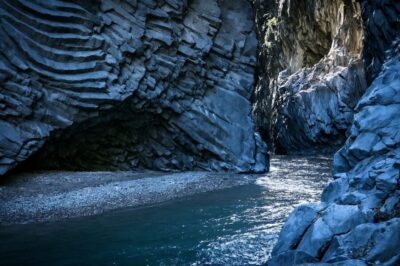 ★ 4.8Etna and Alcantara Gorges Full-Day Tour with LunchFrom $1051,766 reviews
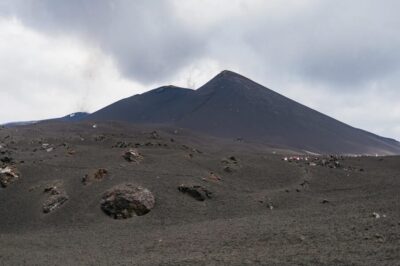 ★ 4.7Etna: summit craters trekking with volcano guide 3350mtFrom $771,712 reviews
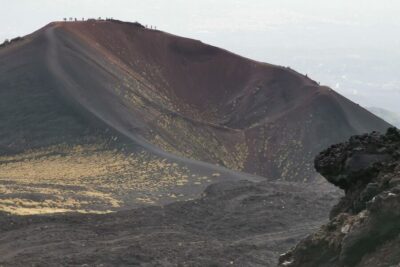 ★ 4.9Catania: Mount Etna Trekking Tour Beyond the Tourist TrailsFrom $811,596 reviews
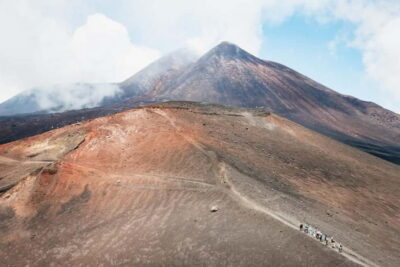 ★ 4.8Mount Etna: Guided Trek 3,000 Meters to the SummitFrom $1131,407 reviews
 ★ 4.8Catania: Etna Sunset Tour with Pickup and Drop-offFrom $711,348 reviews
 ★ 4.8Etna Sunset Tour: Volcano trek, Cave & tasting from CataniaFrom $701,290 reviews
Browse the lists this tour appears in