
Reviewed · MOUNT ETNA TOURS & SUMMIT
Etna South: High Altitude Winter Trek with an Alpine Guide
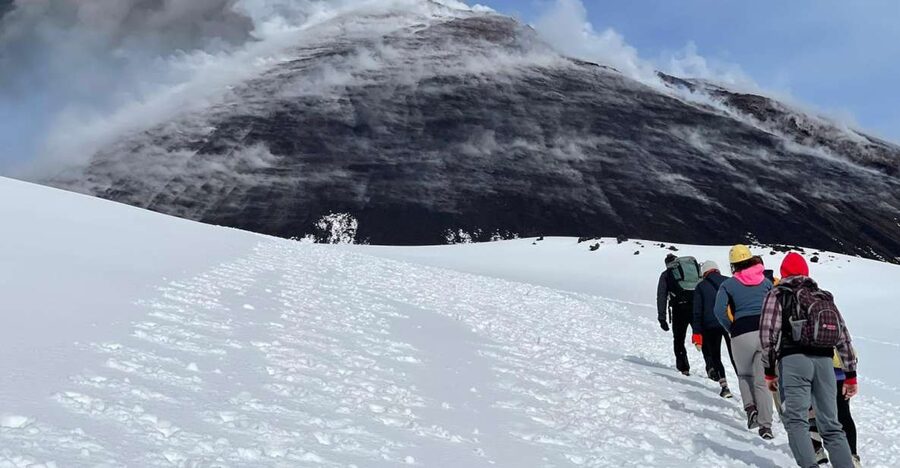
Snow on Etna turns the volcano into theater. You get small-group access and licensed volcanological guidance as you climb into winter craters near 3,000 meters.
The views are the reason you book: snowy terrain, steam and colors, and safe looks at active zones. One trade-off: this is a serious high-altitude hike, so you’ll want experience and solid winter footing.
You’ll also pay for the cable car separately. The good news is the tour price covers top-notch cold-weather support like boots, a helmet, walking sticks, and the snow hardware that makes the climb realistic.
In This Review
- Etna South Winter Trek: Key Points Before You Go
- Why This Etna Hike Feels Special in the Cold Months
- Meeting at Rifugio Sapienza: Start Point, Gear, and Mindset
- Cable Car Up: Fast Altitude Gain and the 2001 Eruption Lesson
- Valle del Bove in Snow: Big Views, Careful Steps
- Barbagallo Crater Area: Where the Walk Turns Into Volcano Reading
- Summit Crater Views from a Safe Distance (and the Trek Back Down)
- Hardness Level: What Experienced Hikers Really Means Here
- Price and Value: The Real Math Behind €50 Cable Car
- What to Pack for Cold Etna: You’ll Feel It If You Don’t
- Volcano Volatility and Weather Changes: Why the Guide’s Call Matters
- Should You Book This Etna South Winter Trek?
- FAQ
- How high do we go on the Etna South winter trek?
- How long is the tour?
- What’s included in the $106 price?
- Is the cable car included in the price?
- What languages are the guides available in?
- What should I wear and bring?
- What if weather or volcanic conditions change?
Etna South Winter Trek: Key Points Before You Go
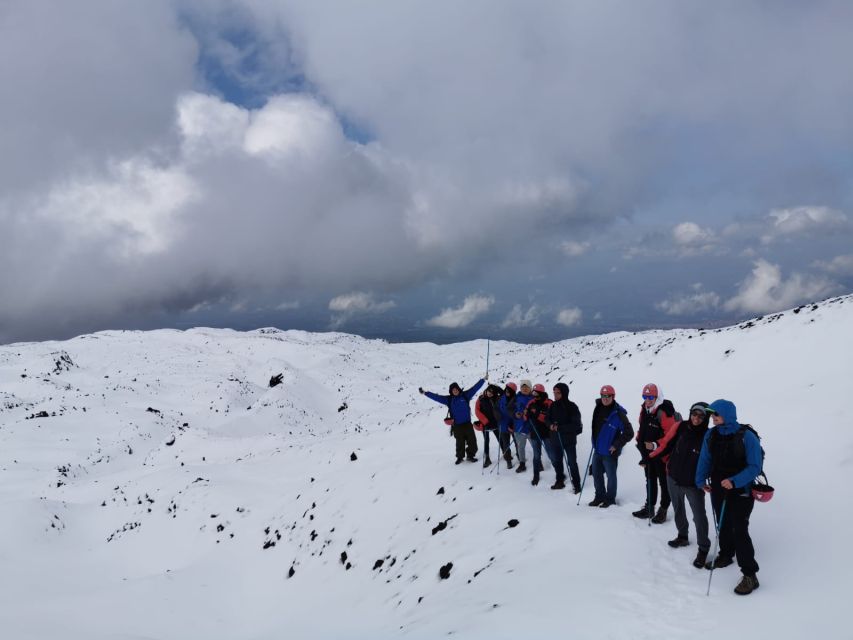
- Small groups with alpine/volcanological guides keep the pace safer and the crater talk more personal
- Cable car ride up to about 2,500 meters sets you up fast for crater views
- Trek to around 3,000 meters across snow and ice, with crampons-style gear when needed
- Valle del Bove and Barbagallo crater area give you a wide view of Etna’s southern volcanic world
- Optional lava-channel stop if snow conditions allow, near the return cable car upper station
More ways up the volcano from Mount Etna
- Mount Etna: Summit Guided Hiking Tour up to 3,400 m
★ 4.8 · 4,792 reviews - Etna: summit craters trekking with volcano guide 3350mt
★ 4.7 · 1,712 reviews - Mount Etna: Summit Trekking Tour
★ 4.9 · 347 reviews - Mount Etna: scenic Summit Trek with a volcano Guide and Gear
★ 4.5 · 284 reviews
Why This Etna Hike Feels Special in the Cold Months
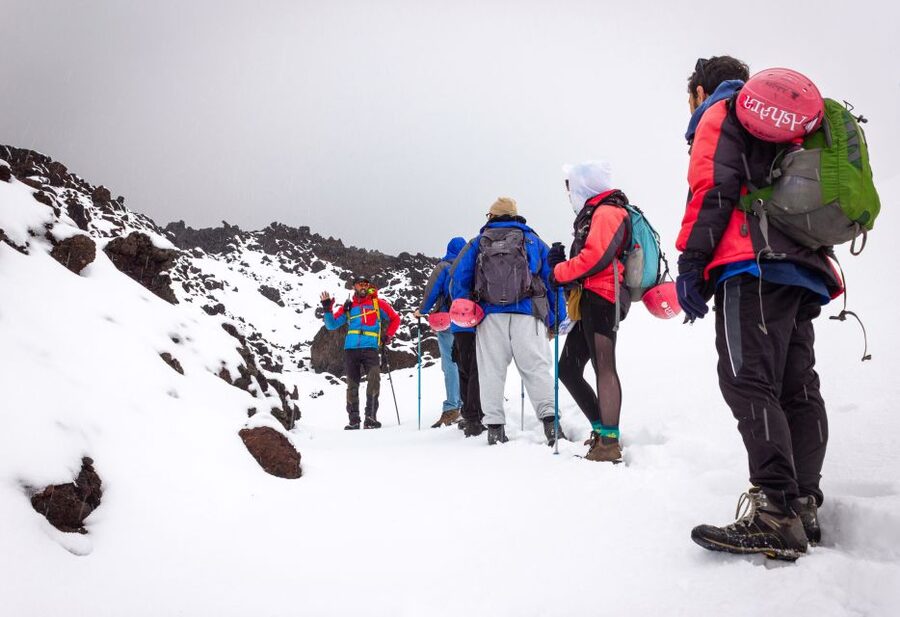
Etna in winter is not about comfort. It’s about clarity. When the air is cold and visibility is decent, the crater edges can look crisp in a way you rarely get in summer haze. The snow also changes how you read the volcano: the slopes and cuts look sharper, and the darker volcanic rock stands out against white ice.
The other big reason this works is the guide setup. This isn’t a random walk with someone pointing at rocks. You’re with authorized alpine/volcanological guides, so you’ll spend time on “what you’re seeing” instead of just “where you’re walking.” Even the viewpoints feel like lessons: why eruptions shaped these areas, what the 2001 activity means in the bigger Etna picture, and how to spot safe observation points.
My main caution is simple. The tour calls for experienced hikers. If you don’t already feel comfortable with uneven snow, steep cold air, and slow, careful steps, you’ll probably struggle more than you expect.
Meeting at Rifugio Sapienza: Start Point, Gear, and Mindset
You meet at Ashàra’s info point at Piazzale Rifugio Sapienza, near the Terrazza dell’Etna restaurant. That location matters because it gets you onto the Etna approach without extra transfers, and you’ll be geared up for the right kind of walking before you start.
Then comes the gear. This is where you should thank your future self. The tour includes hiking boots, a helmet, walking sticks, and necessary snow equipment. That likely means traction gear like crampons when conditions require it. The point isn’t luxury. It’s confidence. In winter, traction can mean the difference between steady progress and constant slipping stress.
I’d also go in with the right mindset: you’re moving at altitude in winter. Even when the hike doesn’t feel “long,” it can feel hard. Plan to go slowly and let the guide set the rhythm. You’ll enjoy it more when you stop fighting the pace.
Cable Car Up: Fast Altitude Gain and the 2001 Eruption Lesson
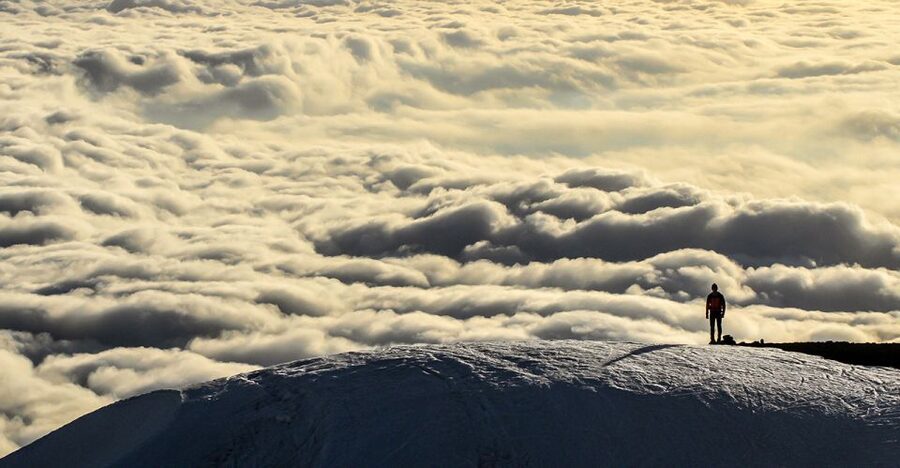
Your climb begins with the cable car ride (about 20 minutes). You head up to around 2,500 meters before you start trekking. This saves time and puts you closer to the crater zone without spending hours gaining elevation on foot.
On the way up, you also get the volcano context. The cable car isn’t treated like a boring lift. It’s part of the learning: you’ll hear about an eruption that happened in 2001 and how it shaped what you’ll later see on foot. That connection is smart. When you reach the crater areas, the story has already been explained, so your brain has something to hold onto instead of just admiring from afar.
Practical detail: the cable car tickets are not included. The tour price ($106) doesn’t cover that. You pay €50 per person in cash on the spot. If you’re the kind of traveler who hates last-minute surprises, bring cash ahead of time so you’re not scrambling in winter weather.
Valle del Bove in Snow: Big Views, Careful Steps
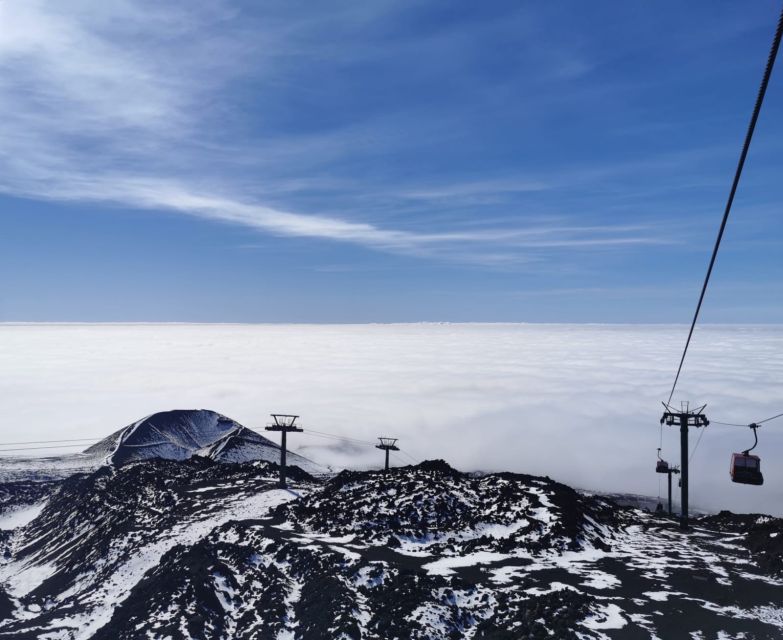
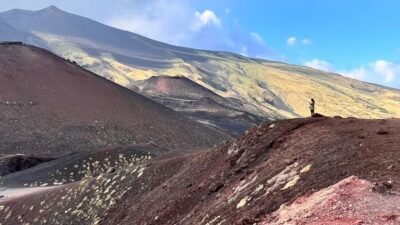
Once you’re walking, the first meaningful stop is the Valle del Bove area, with guided time on the way (about 40 minutes total there). This part is about scale. The valley formed by volcanic forces gives you a wide, volcanic “room” to look into, with walls and cuts that make Etna’s power feel real.
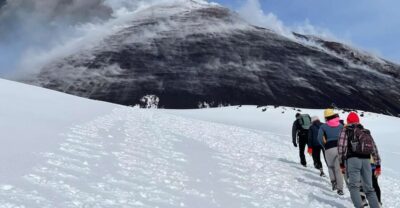
In winter, snow and ice change the surface. You’re likely crossing long snowy stretches and dealing with uneven ground where traction matters. One traveler described the hardest moment as sandy, uneven patches at times—so even if you see snow, don’t assume every step is uniform.
What I like about this section is that it balances effort with payback. You’re not rushing to a single “top” and calling it a day. You’re moving through Etna’s terrain, learning how the southern crater zone connects, and getting time to adjust your breathing and pace to altitude.
A few we would gladly point a friend toward in Mount Etna
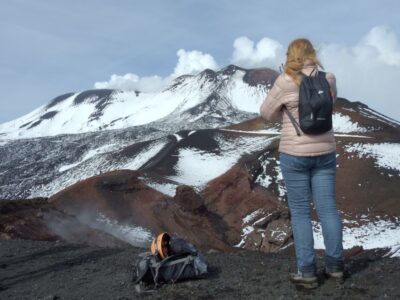
Barbagallo Crater Area: Where the Walk Turns Into Volcano Reading
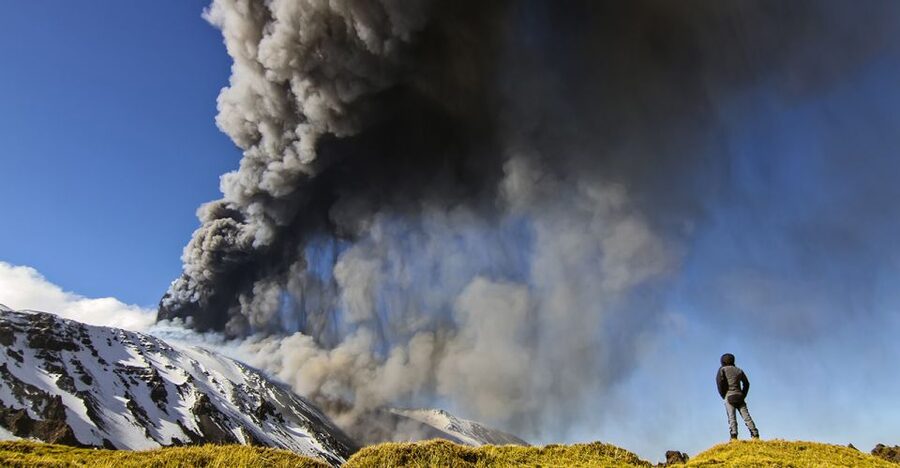
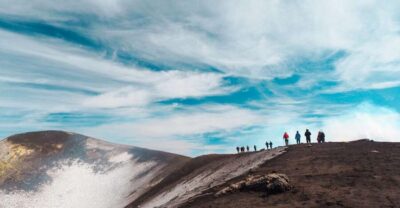
Next comes Barbagallo Crater (about 1 hour of walking). This is the part that feels most like you’re inside the volcano’s story. You’ll hike through crater areas and learn what makes them distinct, including what happened with eruptions in this region.
This stop is also where guides earn their keep. In real-world guides’ hands, you don’t just get a route—you get interpretation. One guide named Massimo led people to different craters and explained their history. Another guide, Fabio, kept breaks practical so hikers could reset without feeling rushed or overly slowed by the cold.
You should expect to move steadily and pause often for explanations and safer positioning. The crater area is not an Instagram hike; it’s a guided observation trek. If you’re the type who likes to ask questions, this is where you’ll get real answers.
Summit Crater Views from a Safe Distance (and the Trek Back Down)
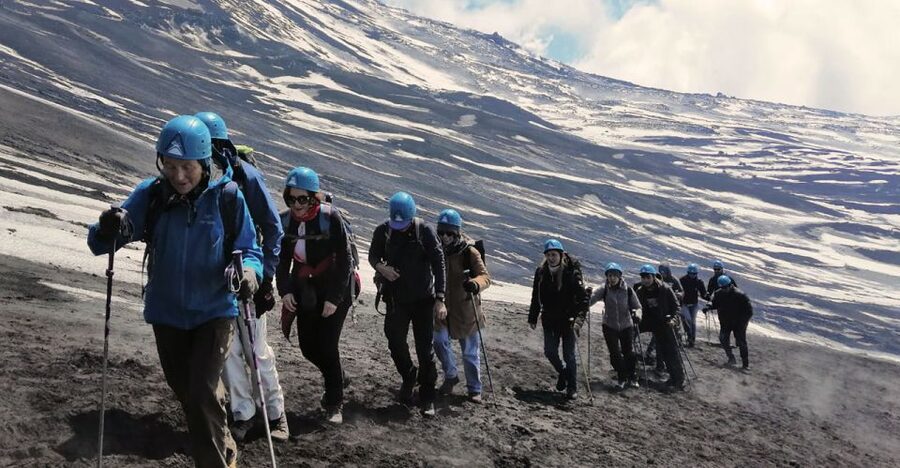
After Barbagallo, you’ll spend time at the Etna summit crater area for about 30 minutes of walking. The key point here is distance. In winter, the goal is seeing and understanding from a safe viewing position, not pushing for maximum closeness to active zones.
If the snow conditions allow, you might also visit a lava channel before reaching the upper station for your return cable car. That conditional stop is a good example of why weather and conditions really matter on Etna. Snow can both help you and limit where it’s safe to go.
One more thing to note: conditions affect visibility. On some days you’ll get a clear look into the crater zone; on others, clouds and ice can reduce what you see. If you’re booking, don’t assume you’ll always get the same view from day to day.
On the way down, the guided context often continues. In one described experience, the guide pointed out the Valley of Ox during descent and tied it back into the bigger volcanic story. That’s the kind of detail that turns a “hike” into understanding.
Hardness Level: What Experienced Hikers Really Means Here
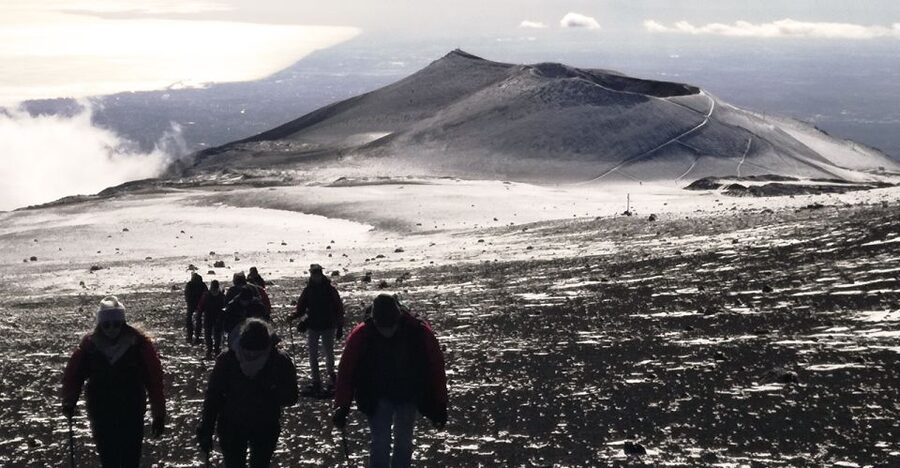
This isn’t a beginner stroll. It’s for experienced hikers. That’s not just about fitness. It’s about winter footwork and comfort with altitude.
Here’s what you can take seriously:
- You’ll hike at high altitude, reaching around 3,000 meters.
- You’ll deal with snow and ice, which means traction gear and slower steps.
- You’ll want the ability to keep moving even when footing isn’t smooth.
You also shouldn’t underestimate cold exposure. Warm layers matter, and so does wind protection. If you’re not used to winter hikes, you might confuse “cold” with “immediate danger.” On Etna, you manage it with clothing, pace, and breaks.
This tour is explicitly not suitable for a long list of conditions, including children under 10, pregnancy, back problems, mobility impairments, heart problems, vertigo, respiratory issues, epilepsy, people with high blood pressure, and anyone without experience. If any of those apply, take the safety filter seriously and consider a gentler Etna option.
Price and Value: The Real Math Behind €50 Cable Car
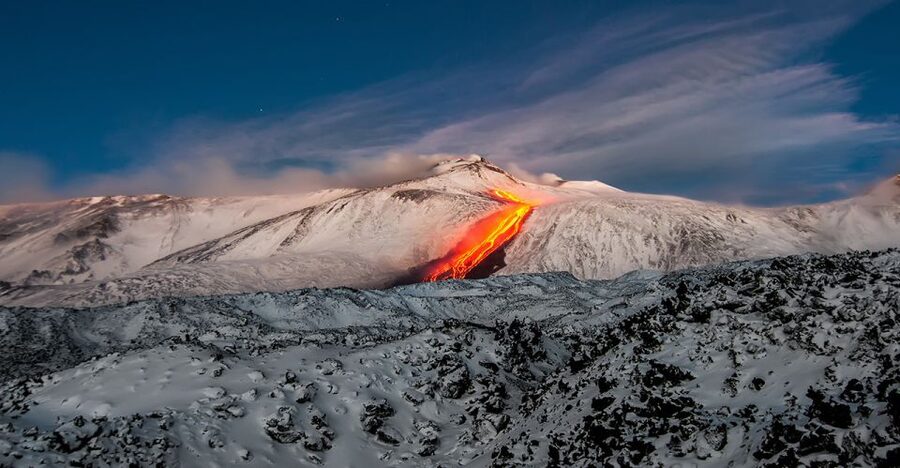
The stated price is $106 per person for a 5-hour tour. That number looks simple until you remember the cable car ticket is €50 per person paid in cash on the spot.
So what are you getting for the $106?
- A volcanological or alpine guide
- Boots and helmet
- Walking sticks
- Snow equipment (the traction and cold-weather kit you’d otherwise rent or guess about)
That gear and expert guidance are where value hides. Paying $106 for a guide alone might already be reasonable in many places. Add high-quality winter gear that’s chosen for volcanic terrain, and the price starts to make sense as a safety-focused package rather than a “cheap tour.”
Also, the tour time isn’t endless. At about 5 hours, you get the key crater-zone experience without spending your whole day traveling or waiting around. For active travelers who like education plus scenery, it’s a good ratio of time to payoff—if you meet the fitness requirements.
What to Pack for Cold Etna: You’ll Feel It If You Don’t
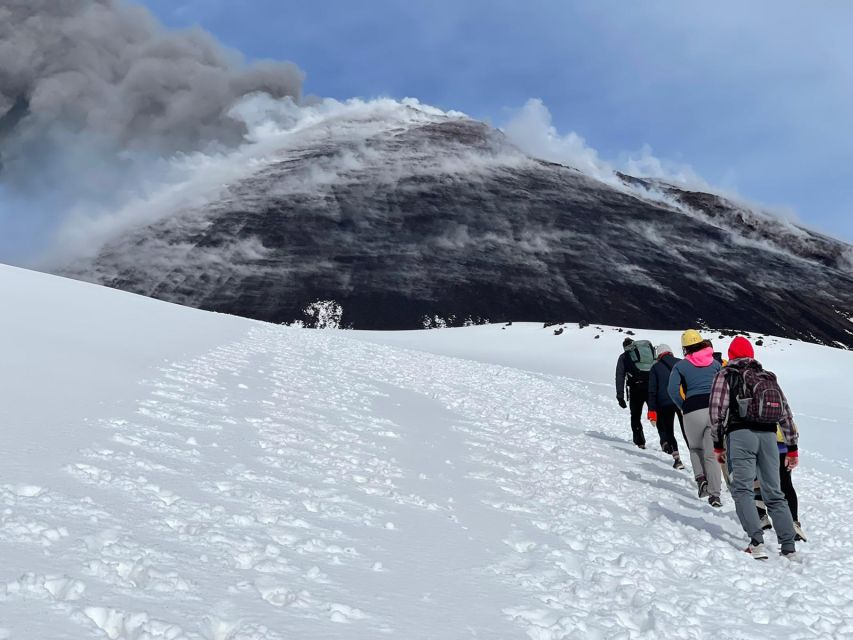
I’d pack like this is a winter mountain day, because it is.
Bring:
- Warm clothing and a windbreaker
- Gloves
- Warm socks
- A scarf
- A hat
- Long pants
- Food and drinks
- Cash (for the cable car ticket)
Don’t bring:
- Open-toed shoes
- Shorts
- Sleeveless shirts
- Large bags or luggage
- Pets
A quick reality check: even with included boots and snow gear, what you wear underneath matters a lot. If you hate carrying layers, you’ll probably hate cold Etna. Plan to dress warm, stay flexible, and drink water like you’re supposed to.
Volcano Volatility and Weather Changes: Why the Guide’s Call Matters
Etna is active and the conditions can change fast. The tour notes that routes can be canceled or varied based on volcanic activity and ice presence. That doesn’t mean the experience is unsafe. It means the guide is making the same choice you’d want: protect people first.
Also remember: small groups help. When you’re moving on snow at altitude, big groups slow decisions and complicate safety. A tighter group supports a steady pace and easier monitoring of footing and cold.
One traveler’s experience included a reschedule due to weather, handled through a coordinator named Mary, who communicated changes and even sent pictures taken by the guide (Fabio). That’s a good sign of how the operator responds when a plan needs adjusting.
Should You Book This Etna South Winter Trek?
Book it if you want a winter Etna day with real expertise, not just a view. You’ll get guided crater interpretation, you’ll likely reach about 3,000 meters, and you’ll benefit from included snow gear that makes the hike workable in cold conditions. If you can hike in winter and you like questions, this is a strong match.
Skip it if you’re looking for an easy scenic walk, if vertigo or breathing/cardiac limitations apply, or if you don’t have winter hiking confidence. This isn’t built for gentle pacing. It’s built for people who can handle altitude, snow, and a guide who prioritizes safety and flexible routing.
FAQ
How high do we go on the Etna South winter trek?
You ride the cable car up to about 2,500 meters, then trek to around 3,000 meters.
How long is the tour?
The total experience runs about 5 hours.
What’s included in the $106 price?
It includes a volcanological or alpine guide, hiking boots, a helmet, walking sticks, and necessary snow equipment.
Is the cable car included in the price?
No. The cable car ticket costs €50 per person, paid in cash on the spot.
What languages are the guides available in?
Guides run the tour in French, Italian, and English.
What should I wear and bring?
Bring warm clothing, a windbreaker, gloves, warm socks, a scarf, a hat, long pants, and food and drinks. Also bring cash for the cable car.
What if weather or volcanic conditions change?
The guide may change the route or stop/cancel the excursion for safety due to volcanic activity or ice conditions.
More Guided in Mount Etna
More Tour Reviews in Mount Etna
More Etna Summit Treks We Have Walked
Just added: the newest Mount Etna tours in our notebook
- Etna: Guided Tour to the Summit Craters – North Slope★ 5.0 · 3 reviews
- From Taormina: Mount Etna Half-Day Evening Hike★ 5.0 · 4 reviews
- Mount Etna: Private Trek on the North Slope Craters★ 5.0 · 4 reviews
- From Taormina or Catania: Private Full-Day Mount Etna Hike★ 4.5 · 8 reviews
- Mount Etna: Trek to the Craters of The 2002 Eruption★ 4.9 · 9 reviews
- Mount Etna: Private Half-Day Guided Family-Friendly Hike★ 5.0 · 11 reviews
Mount Etna Tours & Summit, compared.
 ★ 4.8Catania: Mount Etna Morning or Sunset Day Trip with TastingFrom $704,028 reviews
 ★ 4.8Catania: Sunset Jeep Tour of Mount Etna and Lava Flow CavesFrom $712,113 reviews
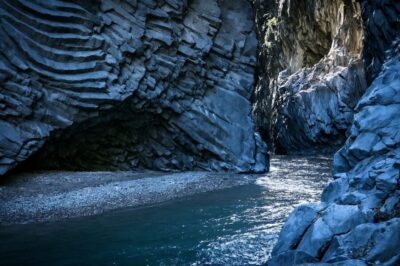 ★ 4.8Etna and Alcantara Gorges Full-Day Tour with LunchFrom $1051,766 reviews
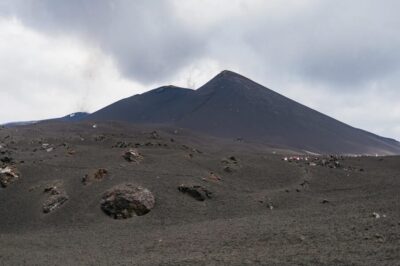 ★ 4.7Etna: summit craters trekking with volcano guide 3350mtFrom $771,712 reviews
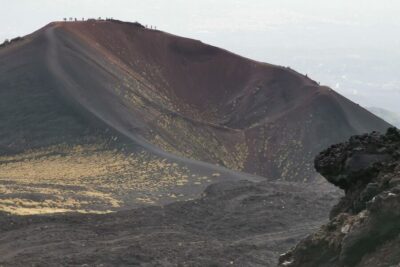 ★ 4.9Catania: Mount Etna Trekking Tour Beyond the Tourist TrailsFrom $811,596 reviews
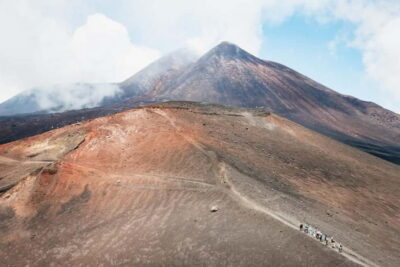 ★ 4.8Mount Etna: Guided Trek 3,000 Meters to the SummitFrom $1131,407 reviews
 ★ 4.8Catania: Etna Sunset Tour with Pickup and Drop-offFrom $711,348 reviews
 ★ 4.8Etna Sunset Tour: Volcano trek, Cave & tasting from CataniaFrom $701,290 reviews
Browse the lists this tour appears in