
Reviewed · MOUNT ETNA TOURS & SUMMIT
Mount Etna: Private Trek on the North Slope Craters
Etna looks different up close. I love the mix of lava-flow walking and beech-forest climbing, and you get to see the north-slope craters at real trail level. One thing to consider: this hike can feel steeper than the usual photo vibe, so plan for effort (and skip it if you’re very nervous on exposed spots).
What makes this trek special is the private guide focus on the exact terrain you’re walking, not just a quick overview. You’ll move from easy volcanic edges up toward the crater base, then cross real lava-flow remnants tied to the big 2002 activity. If the day is foggy, don’t cancel hope: the views can turn moody fast, and that can be part of the magic.
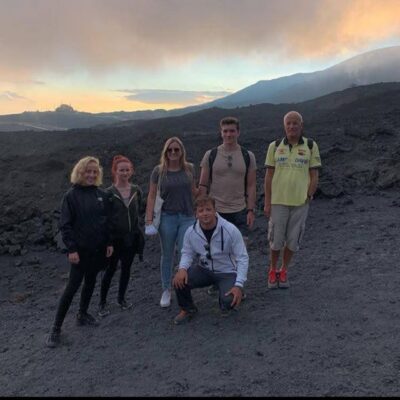
You’ll start and end at Piano Provenzana on the Etna side with a ski-slope connection, right in the working volcanic zone. Expect a 3-hour morning route with time for photos and explanations, plus a safety briefing before you step onto the trail.
In This Review
- Key things to know before you go
- North Slope Craters: Why This Part of Etna Works
- Meeting at Piano Provenzana: Your Ski-Slope Trailhead
- The Hike Rhythm: Easy Edge, Then a Gradual Climb
- Beech Forest on Etna: A Strange, Wonderful Contrast
- Crater Base on the Northern Side: What You’ll Actually See
- The 2002 Eruption Footprints: How the Story Shows Up in the Rocks
- Cross Lava Flows Again: Why Repeated Footing Matters
- Ragabo Pinewood Remains: Seeing Recovery After Eruption
- Private Group Value: Price, Pace, and Languages
- What to Bring (So You Don’t Regret It Mid-Trek)
- How Weather Can Change the Experience
- Should You Book the Mount Etna North Slope Trek?
- FAQ
- FAQ
- Where do we meet the guide for the Etna trek?
- How long is the Mount Etna private trek on the north slope craters?
- Is this a private group or a shared tour?
- What languages are available with the guide?
- What does the trek cost?
- What is included in the price?
- Are food and drinks included?
- What should I bring?
- What happens if the weather is bad?
- What is the cancellation window for a full refund?
Key things to know before you go
- North slope craters, not the tourist shortcut: you’ll hike where the volcanic effects are visible at ground level
- A trail that starts easy, then gets real: expect gradual climbing and some steeper sections
- Beech forest on Etna: you’ll walk through lush trees between volcanic layers
- 2002 eruption story points: you’ll see the eruption impacts and learn what to look for
- Small group energy: it’s a private group, with your guide shaping the pace
More ways up the volcano from Mount Etna
- Mount Etna: Summit Guided Hiking Tour up to 3,400 m
★ 4.8 · 4,792 reviews - Etna: summit craters trekking with volcano guide 3350mt
★ 4.7 · 1,712 reviews - Mount Etna: Summit Trekking Tour
★ 4.9 · 347 reviews - Mount Etna: scenic Summit Trek with a volcano Guide and Gear
★ 4.5 · 284 reviews
North Slope Craters: Why This Part of Etna Works
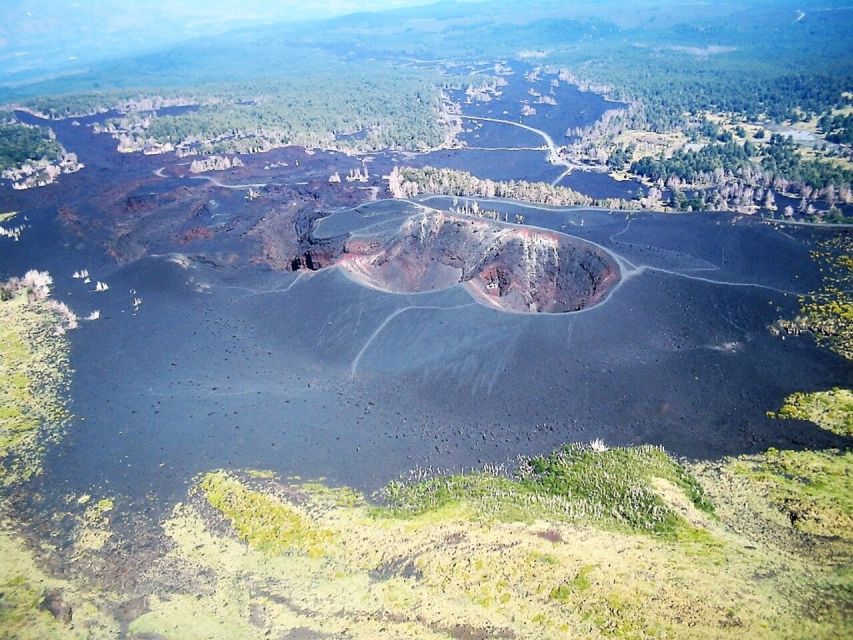
Mount Etna is huge, so the biggest decision you’ll make is which side to walk. This north-slope route is compelling because it’s not just about standing somewhere high and admiring a volcano from afar. You’re actually moving through the same kinds of terrain that record Etna’s recent and long-ago activity—lava flows, crater edges, and pockets where vegetation has returned.
I like this route because it blends drama with clarity. You get dramatic views, but you also get the practical “how it formed” story: where lava traveled, how it spilled into paths, and how the landscape changed after major eruptions. It’s one thing to see black rock; it’s another to understand why that rock is shaped the way it is.
There’s also a “you’ll remember it” quality that comes from contrast. One moment you’re on volcanic ground; the next you’re walking through a beech forest that feels almost out of place. That shift helps you picture Etna as a living system rather than a single peak.
Meeting at Piano Provenzana: Your Ski-Slope Trailhead
You meet your guide at Piano Provenzana, a well-known ski slope in the area. That matters more than you might think. Ski infrastructure usually means the access roads and trailheads are established, and the hike starts from a spot that’s practical for a guided route.
Plan to arrive early so the briefing doesn’t feel rushed. You’ll want enough time to get your shoes on, store whatever you don’t need, and listen closely when your guide explains the safety basics. The group size is small enough that you can ask questions without feeling like you’re interrupting a bus tour.
This is also where you’ll get your “mental map.” Even before you reach the craters, your guide can point out what you’ll be seeing soon—lava flow edges, the general direction of the terrain, and how the northern side differs from other Etna hiking areas. It makes the whole morning feel guided rather than random.
The Hike Rhythm: Easy Edge, Then a Gradual Climb
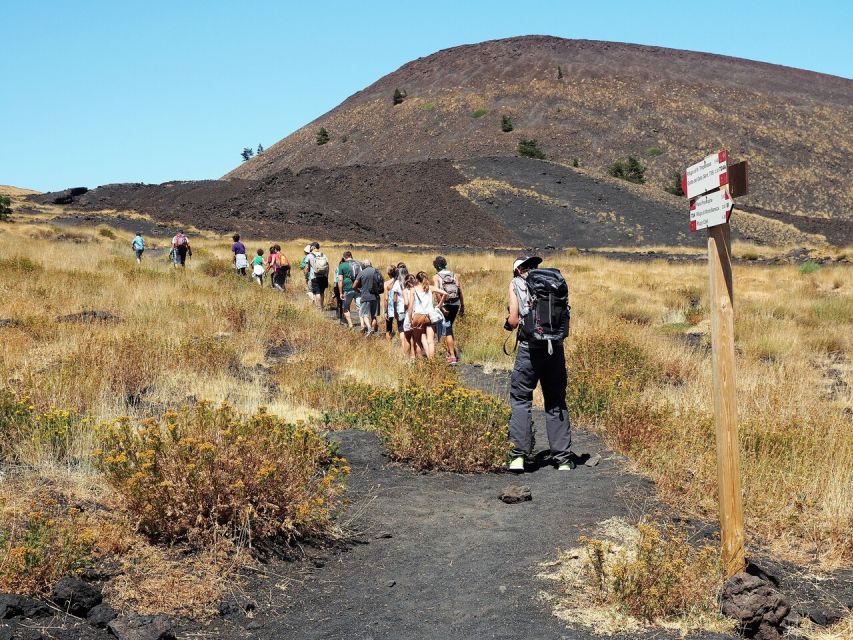
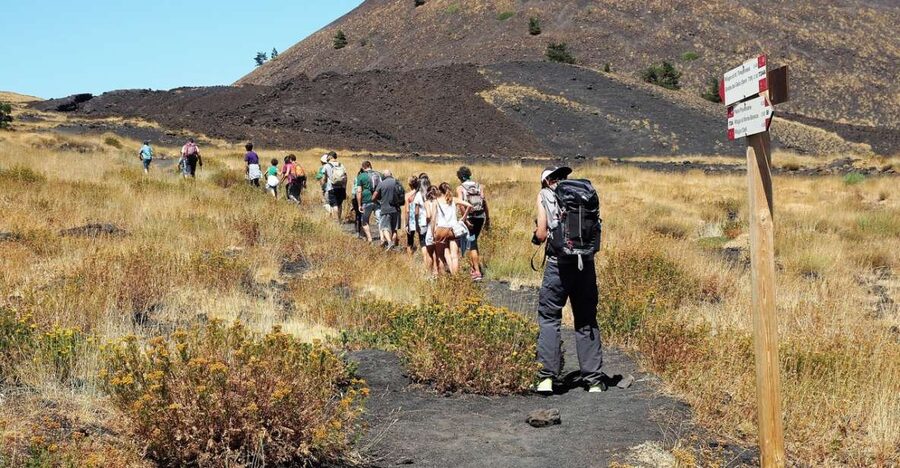
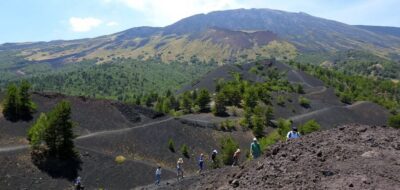
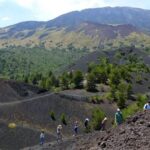
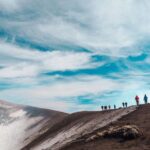
The trek starts along an easy path on the edge of a lava flow. That’s a good setup if you want to settle into the rhythm: quick checks for footing, a chance to watch how the volcanic rock behaves underfoot, and time to get used to the altitude feel.
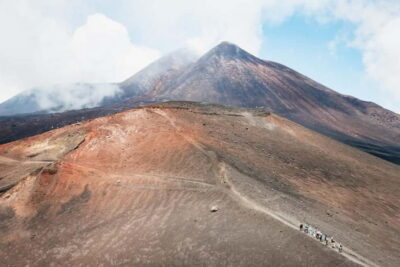
Then the route gradually climbs through beech trees before reaching the base of the craters on Etna’s northern side. The key word here is gradual. You’re not doing a constant grind straight up the whole time, but you are working your legs. One review note stuck with me: the hike can be steeper than the photos suggest, so don’t treat it like a flat walk with views.
Comfort and confidence will matter most in the steeper portions. If you have a fear of heights, this might not be your best match. Even if you’re fine hiking generally, exposure on uneven volcanic ground can be a different mental game.
Beech Forest on Etna: A Strange, Wonderful Contrast
After you leave the initial lava edge, you’ll climb through a beech forest. This part is more than scenic filler. It’s where you feel the “weather and seasons” side of Etna, not just the geology.
Walking among beech trees also changes your sense of distance. Forest cover can make the crater base feel closer than it is, which is great for morale—until you pop out toward the open volcanic terrain. When that happens, you’ll likely notice how the light hits the rock differently, and you’ll understand why your guide is so focused on where you stop for photos.
This segment is especially good for people who want a hike that has variety. You’re not only climbing; you’re also moving through a natural environment that softens the experience. It gives your eyes a break, and it helps you keep your pace steady.
A few we would gladly point a friend toward in Mount Etna
Crater Base on the Northern Side: What You’ll Actually See
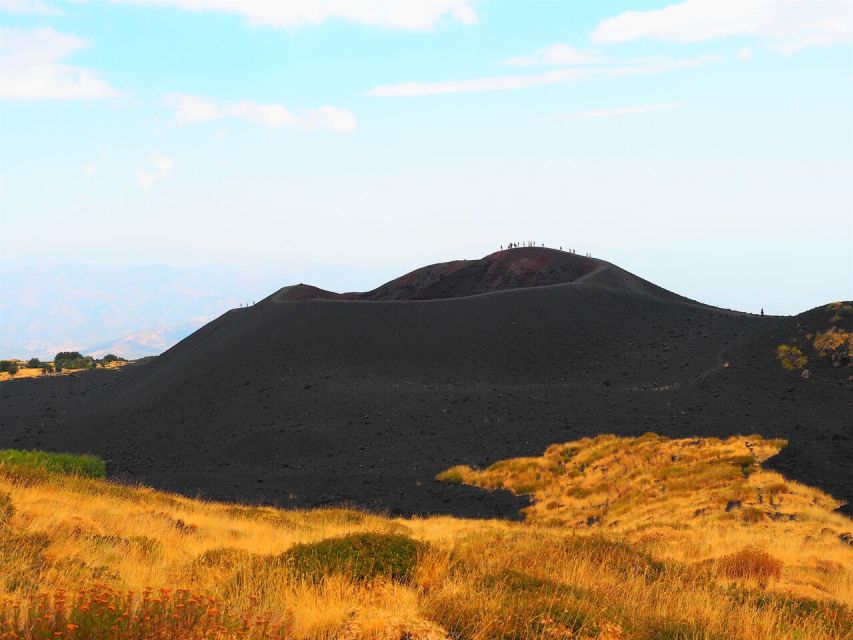
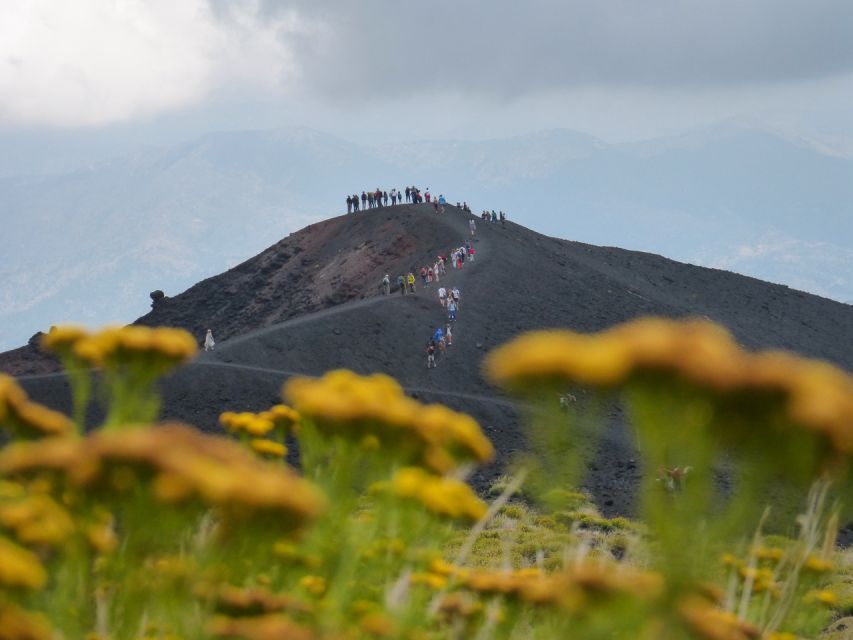
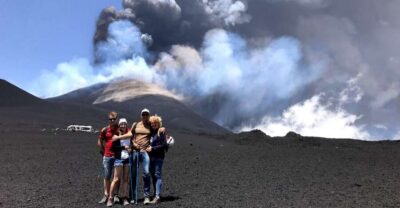
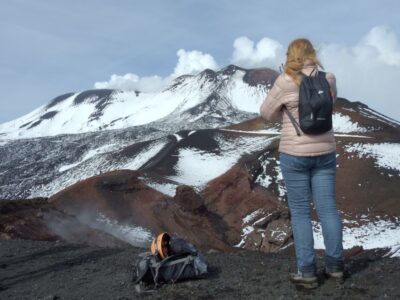
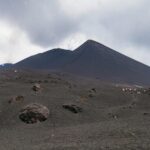
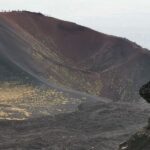
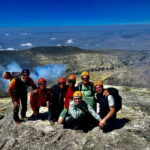
The main payoff comes when you reach the base of the craters on the northern side of Etna. This isn’t just a viewpoint. It’s a place where volcanic shapes are close enough to read with your eyes—edges, layers, and the rough contours that show where eruption materials settled.
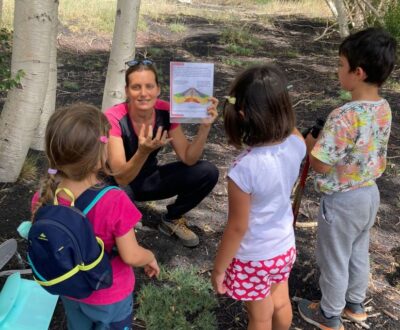
Your guide will help you understand what you’re seeing, and that’s the difference between a “nice walk” and a “now I get it” walk. Expect explanations tied to Etna’s ongoing activity and the way lava behaves around crater areas.
If you’re the type who likes to take photos, this part is where you’ll want to slow down and really frame your shots. You’ll have better luck taking a few deliberate photos at stops your guide chooses, rather than constantly snapping while moving. Your best results will come from pausing long enough for the guide’s points to land.
The 2002 Eruption Footprints: How the Story Shows Up in the Rocks
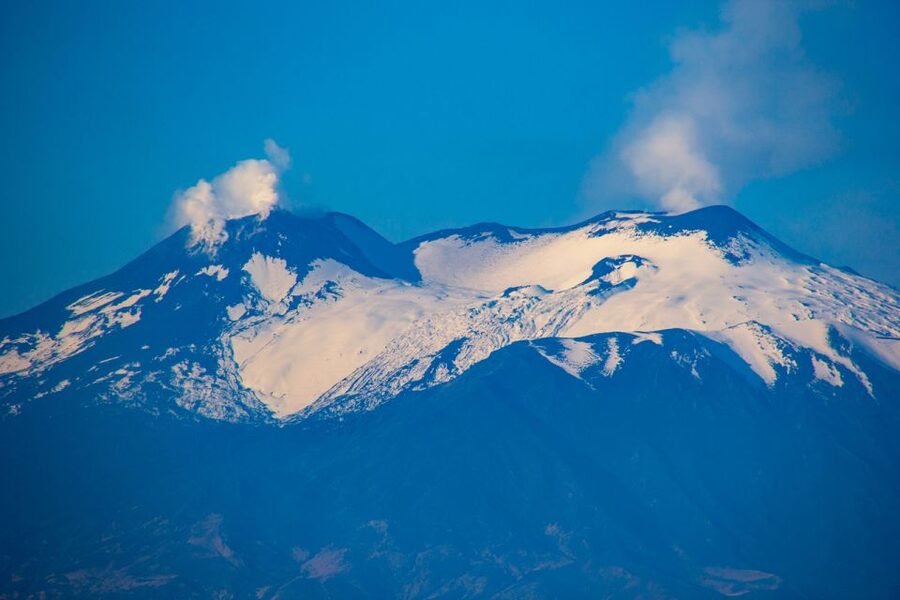
Etna’s recent history is a huge part of why this trek earns its keep. Your guide will talk about the 2002 volcanic eruption and show you the effects in the terrain you’re walking.
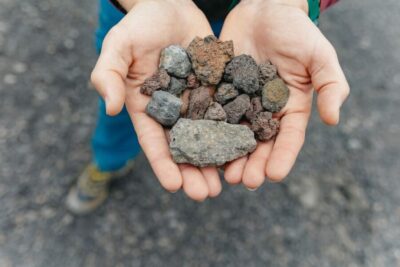
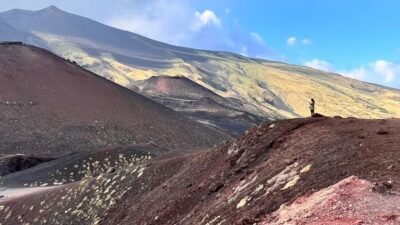
This is where your guide’s job becomes real. The rocks look dramatic from a distance, but up close they can look like just dark ground unless you know what to look for. On this hike, you’ll cross areas connected to lava that leaked through the sides of the craters. That gives the explanation a physical anchor.
One practical tip: keep your camera ready, but also listen first. When your guide points out the eruption-related features, you’ll understand why a certain flow looks different from another patch. Then your photos stop being generic and start capturing the story.
Fog can also change the experience. If visibility drops, you’ll still get the “power” feeling, and the terrain can become more atmospheric than sharp. That’s not a reason to hope for bad weather, but it is a reason not to panic if conditions aren’t perfect.
Cross Lava Flows Again: Why Repeated Footing Matters
You’ll cross more lava flows that leaked through the sides of the craters. This repetition is important, because it helps you understand lava-flow movement as a series of decisions made by gravity, slope, and eruption pressure. Walking across separate flow sections can feel like stepping through different chapters.
Footing can vary. Some parts may feel more stable; other patches can be rougher underfoot. This is where your hiking shoes matter. Sneakers can work on good surfaces, but volcanic terrain can be unforgiving when you’re tired.
This is also where your guide’s pacing helps. If you’re moving in a group, it’s not about speed—it’s about spacing, safety, and keeping everyone comfortable. In past experiences with guides like Gio and Giuseppe, people have highlighted how patient guidance can be, especially on the tougher bits. I’d take that as a cue: ask questions and tell the guide where you feel uncertain.
Ragabo Pinewood Remains: Seeing Recovery After Eruption
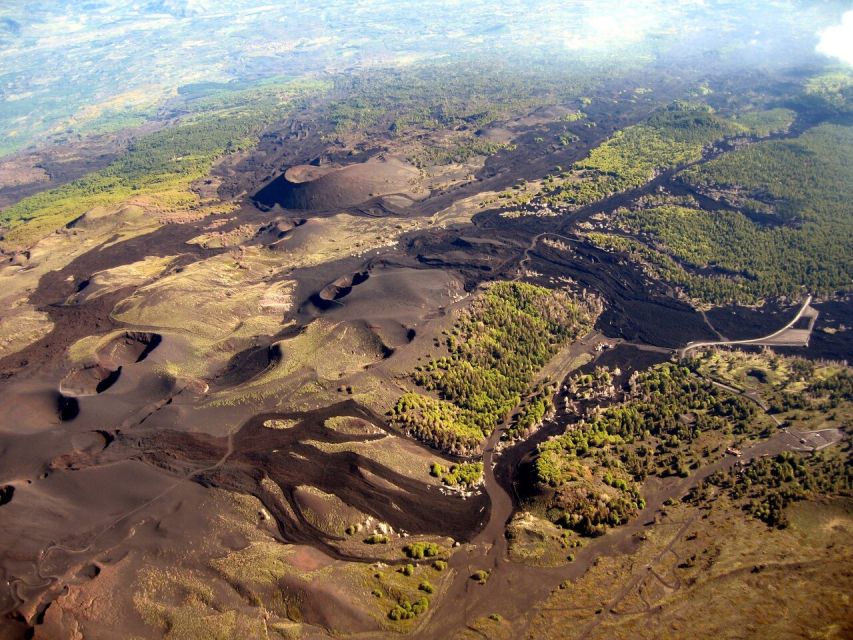
As you continue, you’ll see the remains of the centuries-old Ragabo Pinewood. This is one of those details that makes Etna feel less like a one-time disaster and more like a long, ongoing cycle.
Even if you don’t know what you’re looking at, your guide can help connect the dots: where the eruption effects interrupted older growth, and how remnants still show the older ecosystem’s presence. The point isn’t to pretend everything is easy and pretty after an eruption. It’s to notice how nature persists, even when conditions are extreme.
For me, this stop adds meaning to the hike. It gives you a reason to look beyond the dramatic craters and actually think about time—human time and geological time. When you leave, the question lingers: how long does recovery take here, and what does it look like from a short hike?
Private Group Value: Price, Pace, and Languages
The price is $317.20 per group (up to 12 people), and that makes the math very group-dependent. If you’re traveling with friends or family, splitting the cost can make it feel like a smart way to buy expertise for the day. If you’re solo, it’s still a fair option for a guided, high-activity experience, but it’s less budget-friendly compared to joining a larger group.
Because it’s private, you also get something you can’t buy in a crowd: the ability to adapt. Your guide can slow down for photos, help with steps where needed, and adjust the pacing based on how the group feels that morning. Reviews also reflect this human factor—guides were described as patient and comfortable guiding hikers with different experience levels.
Languages are French, English, and Italian. If you’re not fluent in one of those, you may still be fine, but the best experience comes when you can understand the explanations clearly. Bring curiosity, not just questions.
What’s included is straightforward: a professional guide. Food and drinks are not included, so plan to bring water and whatever snacks you need to stay comfortable, especially since the hike includes both climbing and sun exposure.
What to Bring (So You Don’t Regret It Mid-Trek)
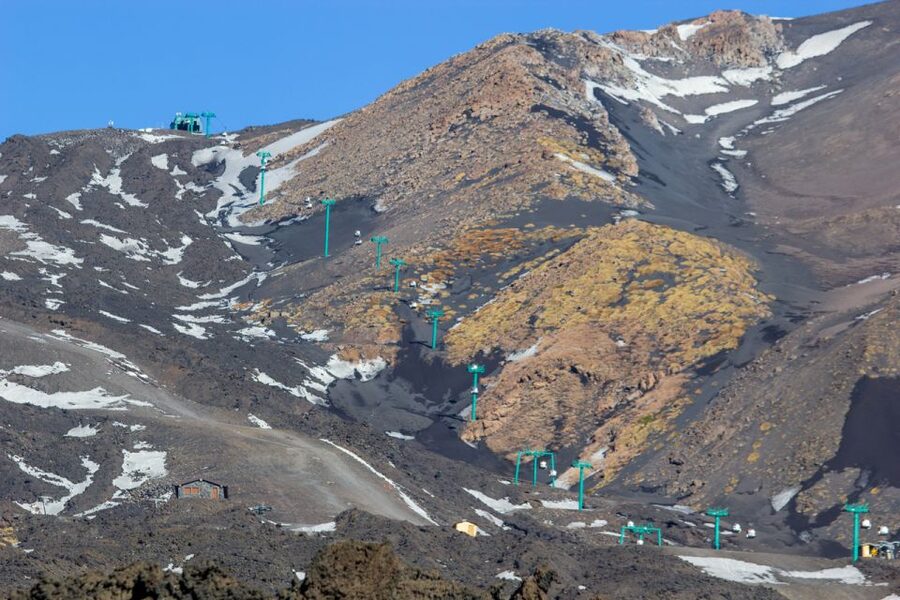
Bring these basics: camera, hiking shoes, sunscreen, water, and comfortable clothes. That list is simple, but it’s also realistic for what you’ll face.
- Hiking shoes: lava terrain can be uneven, and traction helps when the ground turns steeper
- Water: you’ll be moving for about 3 hours, and you’ll want steady hydration
- Sunscreen: the volcanic areas can be bright, and shade isn’t guaranteed
- Camera: you’ll want shots of the craters, lava-flow edges, and forest-to-rock transitions
Also consider packing layers. Etna can shift feel fast from forest shade to open volcanic terrain. Even on a good day, you may appreciate something light you can add or remove while you walk.
How Weather Can Change the Experience
This hike depends on conditions. The reservation may be subject to change or cancellation depending on weather.
If visibility is poor, the experience can still be rewarding, but your photo plans might need flexibility. Fog and cloud cover can reduce sharp views, yet it can also enhance that “you’re on a living volcano” mood. Your guide will adjust where you can safely go and how long you pause at key spots.
My advice: treat weather as part of the story, not a failure. If conditions look questionable, don’t force it. The safety call comes from the reality of terrain, wind, and footing—not from optimism.
Should You Book the Mount Etna North Slope Trek?
Book this trek if you want an Etna experience that’s about walking through real volcanic features rather than doing a quick look-and-leave. The best match is you if you enjoy geology, photo stops with context, and a hike that mixes lava ground with beech forest.
Skip it or think twice if you’re not comfortable on steeper ground or you have a strong fear of heights. The terrain can be more exposed than you’d expect, and that matters on volcanic paths.
If you can handle a moderately strenuous hike, this is a strong value for a private guide. The price makes the most sense when you share it across a small group, and the payoff is guidance that helps you read what you’re seeing—especially around the 2002 eruption effects and the crater base area.
FAQ
FAQ
Where do we meet the guide for the Etna trek?
You meet the guide at Piano Provenzana.
How long is the Mount Etna private trek on the north slope craters?
The duration is 3 hours.
Is this a private group or a shared tour?
It is a private group.
What languages are available with the guide?
The live guide offers French, English, and Italian.
What does the trek cost?
It costs $317.20 per group, up to 12 people.
What is included in the price?
A professional guide is included.
Are food and drinks included?
No. Food and drinks are not included.
What should I bring?
Bring a camera, hiking shoes, sunscreen, water, and comfortable clothes.
What happens if the weather is bad?
Depending on weather conditions, the reservation may be subject to change or cancellation.
What is the cancellation window for a full refund?
You can cancel up to 24 hours in advance for a full refund.
More Private in Mount Etna
More Tour Reviews in Mount Etna
More Etna Summit Treks We Have Walked
Just added: the newest Mount Etna tours in our notebook
- Etna: Guided Tour to the Summit Craters – North Slope★ 5.0 · 3 reviews
- From Taormina: Mount Etna Half-Day Evening Hike★ 5.0 · 4 reviews
- Mount Etna: Private Trek on the North Slope Craters★ 5.0 · 4 reviews
- From Taormina or Catania: Private Full-Day Mount Etna Hike★ 4.5 · 8 reviews
- Mount Etna: Trek to the Craters of The 2002 Eruption★ 4.9 · 9 reviews
- Mount Etna: Private Half-Day Guided Family-Friendly Hike★ 5.0 · 11 reviews
Mount Etna Tours & Summit, compared.
 ★ 4.8Catania: Mount Etna Morning or Sunset Day Trip with TastingFrom $704,028 reviews
 ★ 4.8Catania: Sunset Jeep Tour of Mount Etna and Lava Flow CavesFrom $712,113 reviews
 ★ 4.8Etna and Alcantara Gorges Full-Day Tour with LunchFrom $1051,766 reviews
 ★ 4.7Etna: summit craters trekking with volcano guide 3350mtFrom $771,712 reviews
 ★ 4.9Catania: Mount Etna Trekking Tour Beyond the Tourist TrailsFrom $811,596 reviews
 ★ 4.8Mount Etna: Guided Trek 3,000 Meters to the SummitFrom $1131,407 reviews
 ★ 4.8Catania: Etna Sunset Tour with Pickup and Drop-offFrom $711,348 reviews
 ★ 4.8Etna Sunset Tour: Volcano trek, Cave & tasting from CataniaFrom $701,290 reviews
Browse the lists this tour appears in