
Reviewed · MOUNT ETNA TOURS & SUMMIT
Mount Etna: Summit Guided Hiking Tour up to 3,400 m
Etna feels close enough to touch. A guided hike to Etna’s summit craters takes you into Europe’s highest active volcano on moon-like volcanic terrain, with trained volcanological guidance along the way.
I really like the way the day is structured for different fitness levels. The 3,000 m option keeps you mainly on foot after the cable car, while the 3,400 m option adds a 4×4 ride and pushes higher toward the central crater rim.
One thing to weigh before you book: even the shorter trek can feel steep and rocky, and the higher route is genuinely more demanding (narrow, gravelly sections and low-elevation oxygen can add to the challenge), so choose honestly.
In This Review
- Key things I’d mark on your Etna checklist
- Two Summit Options: 3,000 m vs 3,400 m
- Rifugio Sapienza and the cable-car start that changes the whole mood
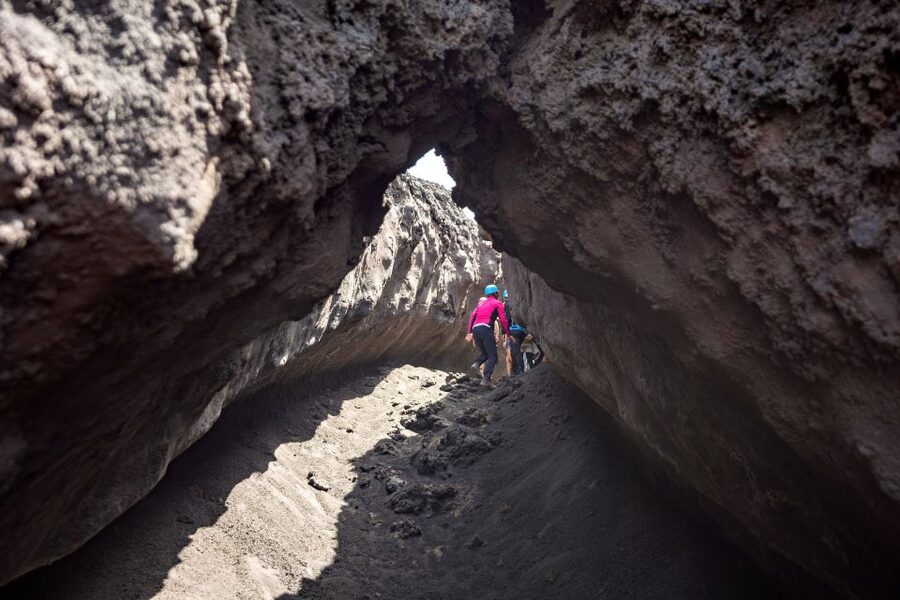
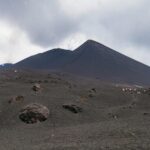
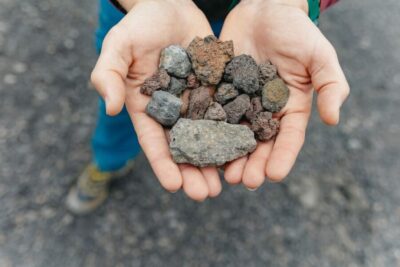
- What you actually walk on: lava, sand, ash, and crater rims
- Stop by stop: how the itinerary feels in real time
- Guides, gear, and safety on an active volcano
- Pace and fitness: how to pick the right option without regretting it
- Price and value: what $65 turns into on Etna
- What to bring (so your legs don’t file a complaint)
- Should you book this Etna Summit Guided Hike?
- FAQ
- How high do I hike on this Mount Etna tour?
- What’s included in the tour versus what do I pay on site?
- Do I get hotel pickup and drop-off?
- How long is the tour?
- What language is the guide?
- What should I wear or bring?
- Is the tour safe for people with health conditions?
Key things I’d mark on your Etna checklist
- Two altitude plans: 3,000 m (moderate) or about 3,400 m (more physical)
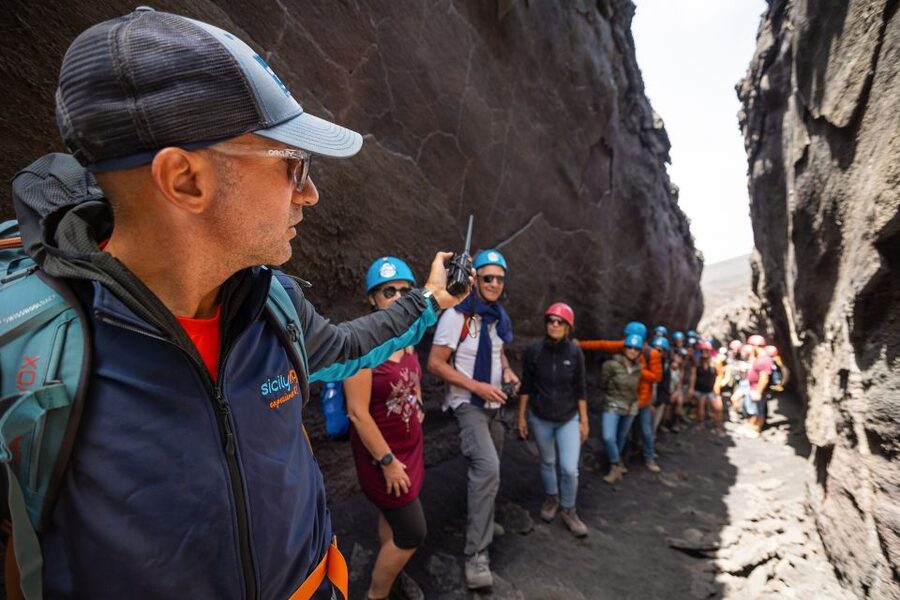
- Certified volcanic guides who explain what you’re seeing as you walk through lava
- Cable car views that make the start of the day feel like a warm-up to the real summit
- Real volcanic ground: lava flows, volcanic sand, ash slopes, and crater-rim walking
- Valle del Bove viewpoint stops for wide-angle scenery after the hiking grind
- Gear and safety basics like helmets (mandatory) and hiking equipment when available
More ways up the volcano from Mount Etna
- Mount Etna: Summit Guided Hiking Tour up to 3,400 m
★ 4.8 · 4,792 reviews - Etna: summit craters trekking with volcano guide 3350mt
★ 4.7 · 1,712 reviews - Mount Etna: Summit Trekking Tour
★ 4.9 · 347 reviews - Mount Etna: scenic Summit Trek with a volcano Guide and Gear
★ 4.5 · 284 reviews
Two Summit Options: 3,000 m vs 3,400 m
You’re not buying just one Etna hike. You’re choosing between two different “flavors” of the summit experience, and that choice matters for your comfort and how much time you spend actually walking.
The 3,000 m trek is the calmer option. You start from Rifugio Sapienza (about 1,900 m). You ride a cable car up to roughly 2,500 m, then hike across lava flows from notable recent eruptions. The route is built around reaching Barbagallo Craters at about 3,000 m, where you can observe the summit area in safe conditions. The descent goes via volcanic ash slopes toward a viewpoint over Valle del Bove, and then you head back by cable car.
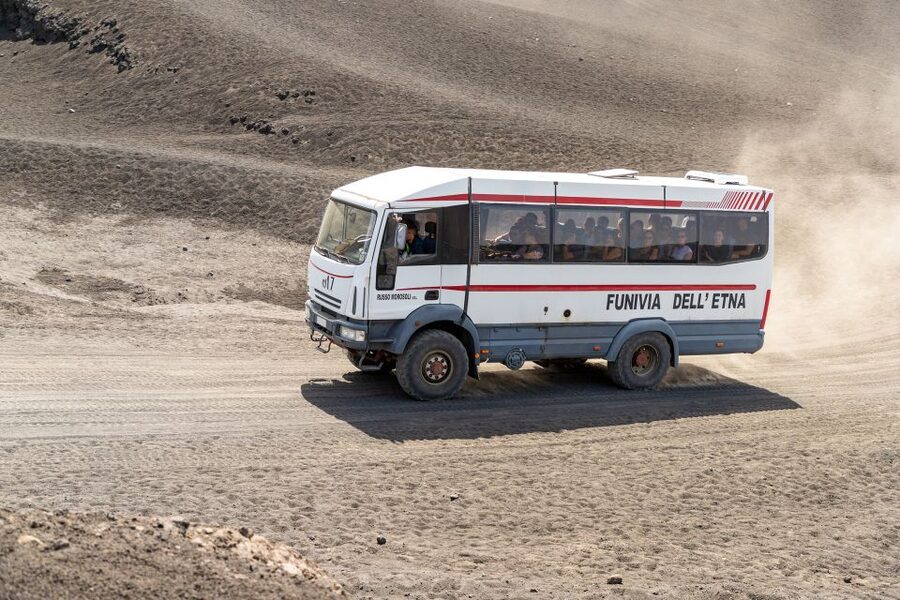
The 3,400 m summit trek is for people who like a harder objective. You do the same early cable car rise to about 2,500 m, then you switch to off-road 4×4 vehicles to reach around 2,850 m. After that, it’s about two hours of hiking over recent lava flows and volcanic sand to reach approximately 3,400 m (weather and volcanic activity can shift what’s possible). You then walk along the rim area between La Voragine and Bocca Nuova and continue toward the Southeast Crater, with views toward Sicily’s Ionian coast. The descent follows sandy slopes down to about 2,900 m before returning by cable car.
If you’re deciding between them, be honest about how you handle steep gravel. One of the most helpful pieces of guidance from people who’ve done this is simple: if fitness is a question, the 4×4-supported higher plan is often the better match than trying to force the maximum on a tough day.
Rifugio Sapienza and the cable-car start that changes the whole mood
Your day usually begins at Rifugio Sapienza on Etna South (about 1,900 m). The tour operator arranges a morning flow that moves you from meeting point to views quickly: a short cable-car ride up, a transfer component, then your hiking chunk.
Here’s why the cable car matters: it isn’t just transport. It’s a psychological reset. You’ll spend time looking out before you’re tired, and that helps the rest of the route feel more like a guided progression instead of a straight grind uphill. The views from above the Etna base can also set expectations for what the volcanic terrain will feel like on foot.
Important practical detail: even with skip-the-ticket-line, queues can still happen for the cable car on very sunny days. If you’re the kind of person who hates waiting, build a little patience into your morning.
Meeting point note (useful if you’re not on pickup): you meet your guide at Bar Monte Gebel, on the right side of Rifugio Sapienza.
What you actually walk on: lava, sand, ash, and crater rims
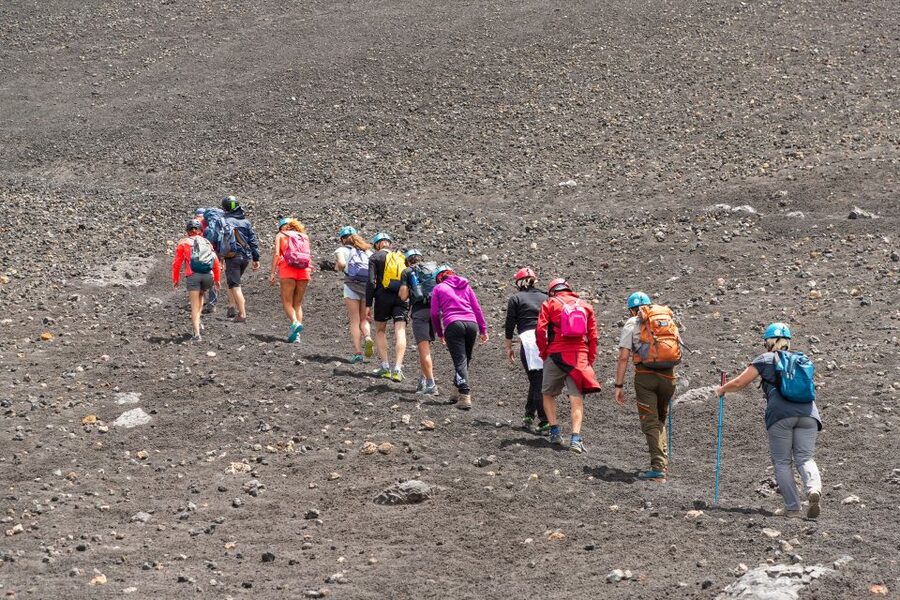
Etna hikes are famous for scenery, but the real magic is tactile. The ground changes under your feet, and your guide’s explanations help you connect the dots between the terrain and the volcano’s behavior.
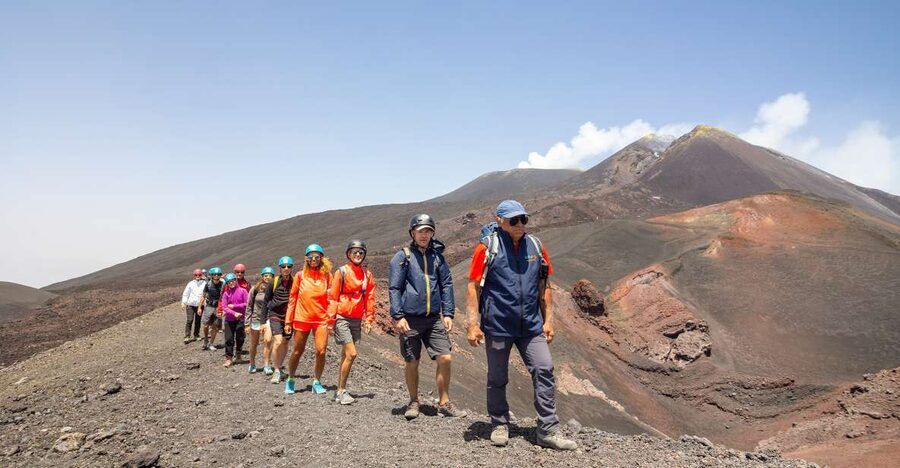
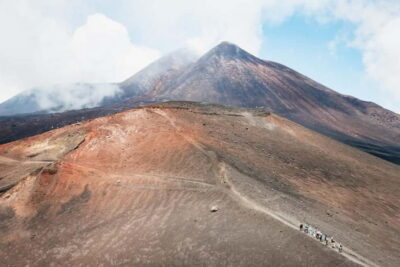
On the 3,000 m route, after the cable car you’ll walk across lava flows linked to significant eruptions of the past decades. You’ll pass volcanic points of interest along the way and continue toward Barbagallo Craters. At the crater area, the walking is still outdoors and exposed, but you’re not committing to the full rim-walk and maximum altitude push. You get summit-area observation without the extra physical burden of the 3,400 m plan.
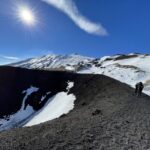
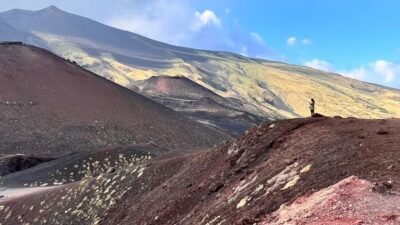
On the 3,400 m route, the character of the hike shifts. The 4×4 gets you higher, but the hike from there is longer and more demanding. You’ll cover recent lava flows and volcanic sand, which can feel loose underfoot compared to typical mountain paths. Later you’ll walk the rim between La Voragine and Bocca Nuova, then continue toward the Southeast Crater. That’s where the “Europe’s highest active volcano” idea becomes real in your body: you’re walking along a volcanic edge with serious altitude behind it and huge visual payoff ahead.
Also, because Etna is active, the guide may adjust the safe path based on the day’s conditions. That’s not a marketing line; it’s a core part of how this kind of volcanic summit route stays responsible.
Stop by stop: how the itinerary feels in real time
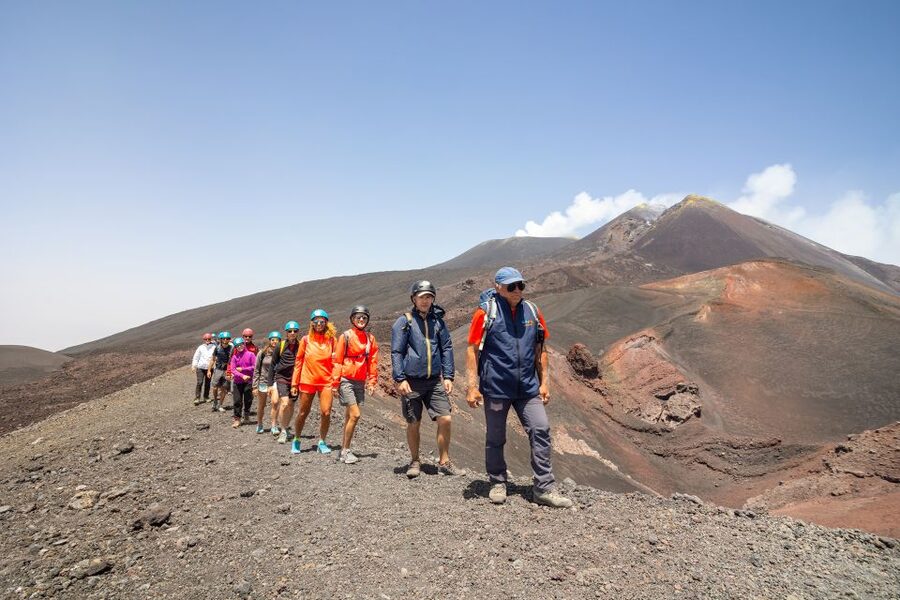
Even though the total time is listed as 5–6 hours, it doesn’t feel like one long slog. It’s staged.
1) Start, pickup, and getting into position
If you choose pickup, you’ll be taken from your accommodation (pickup is available, with drop-offs in the Catania area and Monte Gebel). If you don’t, you’ll meet at Bar Monte Gebel. Either way, the goal is to get you to the Rifugio area and moving early.
2) Cable car ride
A short ride (about 15 minutes) brings you up to the hiking zone. Expect it to feel like an introduction to the day’s “other-world” terrain.
3) Transfer by bus/coach
A brief 20-minute coach segment appears on the itinerary. It’s there to keep you moving efficiently between zones and viewpoints once you’re near the main activity area.
4) Guided tour + hiking chunk (about 3 hours)
This is the core. You’ll hike with a volcanic guide who explains what you’re seeing as you pass key terrain points. Reviews of guides named Eduardo and Giuseppe highlight the same themes: clear explanations, helpful pacing, and a sense of humor that makes the hard parts feel more manageable.
5) Barbagallo Crater photo stop and short guided visit (about 30 minutes)
At Barbagallo, you’re mostly there to see and understand. You’ll get a chance to look around, listen, and connect the “we’re on a volcano” feeling to something specific and mapped on the mountain.
6) Valle del Bove photo stop and guided visit (about 30 minutes)
After crater area time, you’ll shift attention to the valley views over Valle del Bove. This is a good rhythm break: you get your legs back a bit while still keeping the day moving and the guide’s commentary going.
7) Return transfer
Another 20-minute coach segment lines you up for the final return.
8) Cable car back down
The last 15 minutes is often when you realize how much altitude you gained—and how quickly your body wants to slow down after the hike.
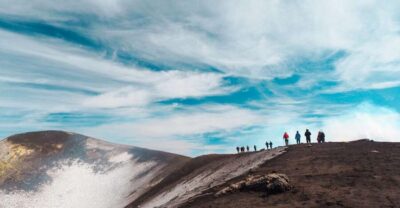
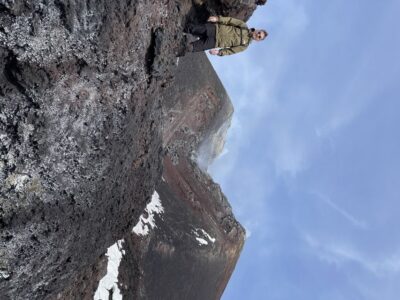
A few we would gladly point a friend toward in Mount Etna
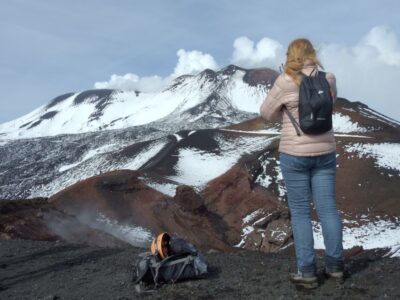
Guides, gear, and safety on an active volcano
This is one of those tours where you want real instruction, not just footsteps. The experience is built around a trained volcanic guide and safety rules that are taken seriously.
A few practical points from the information you’re given:
- You’ll have a helmet and it’s mandatory.
- You may get hiking equipment like footwear aids or walking supports depending on availability.
- Insurance is included.
- The route can be modified due to volcanic activity and weather on the day.
Health reality check: the tour is prohibited for asthmatics and for people with heart problems. It’s also listed as not suitable for people with respiratory issues, pregnant women, and children under 6. If any of those apply, skip this tour and look for an alternative Etna experience that matches your situation.
Group size is usually manageable. One group size noted was around 20 people, but the tour also offers private or small groups, so you might get a more personal pacing depending on your departure.
Pace and fitness: how to pick the right option without regretting it
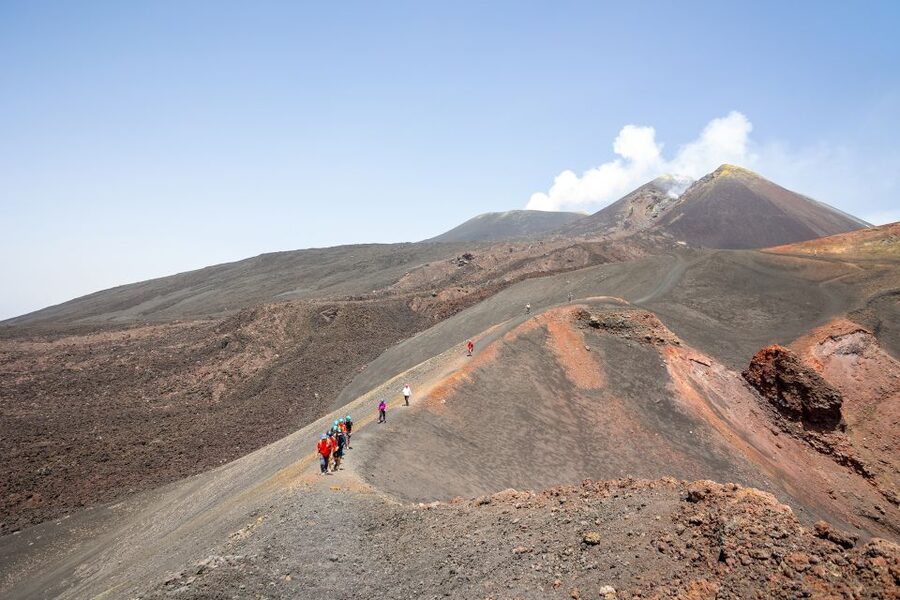
This hike comes with an honest warning label in how the ground feels. Even when the route is described as “moderate,” there are steep sections and narrow, gravelly terrain in parts of the trail. On top of that, you’re high enough that oxygen levels are lower than at sea level, which can make “normal hiking pace” feel harder.
So I’d use this rule of thumb:
- If you want a summit day but you’re unsure about steep, loose surfaces, choose the up to 3,000 m plan.
- If you’re comfortable hiking for a couple hours over rough volcanic ground and you handle altitude well, go for 3,400 m.
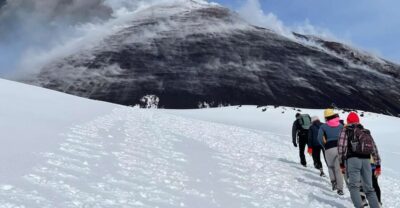
Also, consider timing and season. One group did the excursion in wintery conditions. Cold weather can make traction and wind chill more important, so proper socks/shoes and weather-appropriate clothing matter.
Price and value: what $65 turns into on Etna
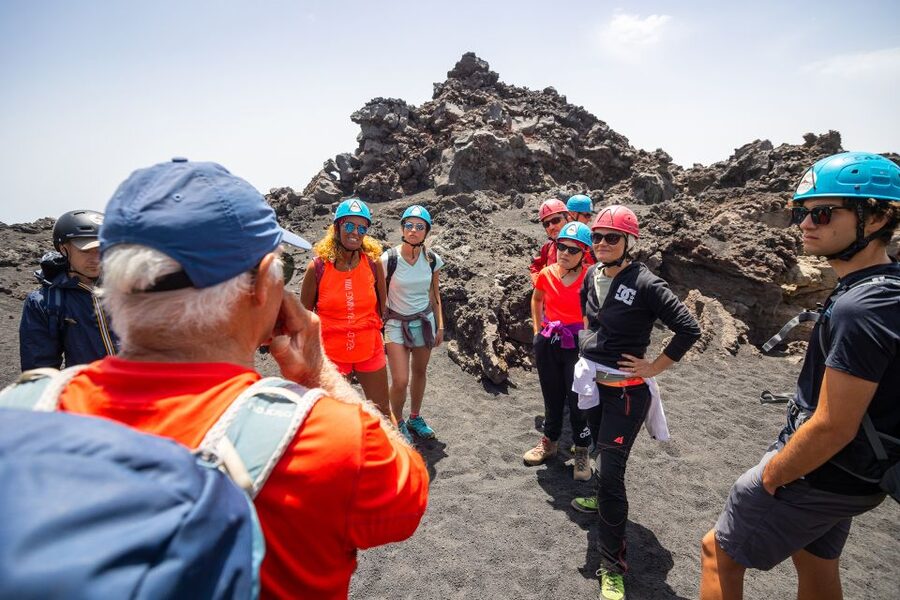
The headline price is $65 per person, and that’s a good start—especially for a guided volcanic summit hike. But don’t forget the on-site transportation tickets listed as not included.
For the 3,000 m option, you pay the round-trip cable car ticket on site: €54 adults / €31 children up to 10.
For the 3,400 m summit option, you pay both the round-trip cable car and the 4×4 ticket on site: €82 adults / €51 children up to 10.
What that means for value:
- You’re paying extra when you select the higher altitude plan because you’re adding real vehicle support (the 4×4) plus the longer, higher hike.
- You’re also buying something many people can’t replicate on their own: a safe, structured route on an active volcano with certified guidance.
In other words, this isn’t just a “cheap hike with views.” It’s a guided safety-and-interpretation experience where your guide’s job is to help you see the volcano clearly and move safely across shifting terrain.
What to bring (so your legs don’t file a complaint)
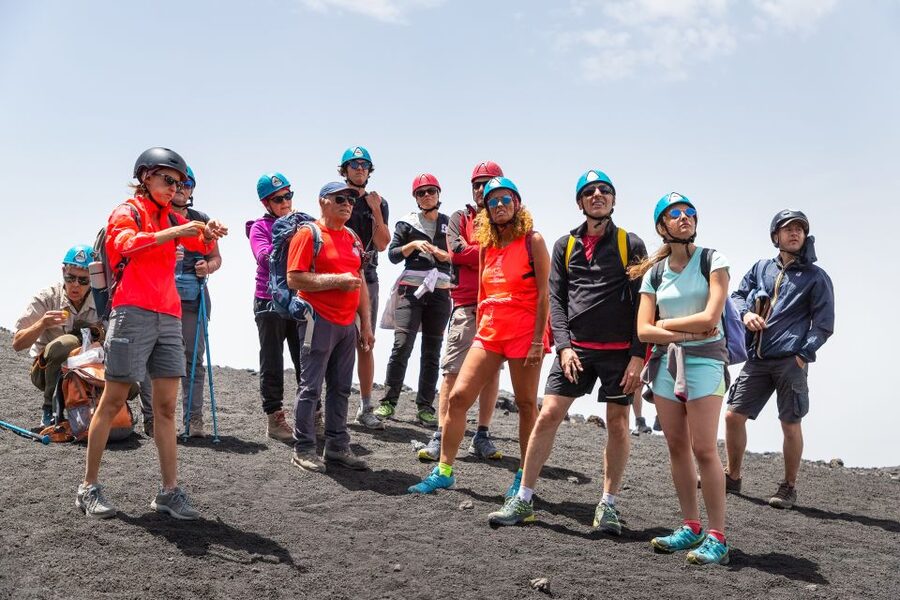
Pack for cool wind, rocky footing, and changing light. The essentials listed are:
- Comfortable shoes or sports shoes with good grip
- Weather-appropriate clothing
Helmet is provided, but you’ll feel the day most in your footwear. If you’ve ever had your heel slip on gravel, you know how fast that turns a fun hike into a miserable one.
Food note: food and drinks are not included. Plan for a snack or a packed lunch, or stop for something before the tour if there’s a cafe on the way. One solo traveler recommended having lunch ready rather than counting on last-minute options.
Should you book this Etna Summit Guided Hike?
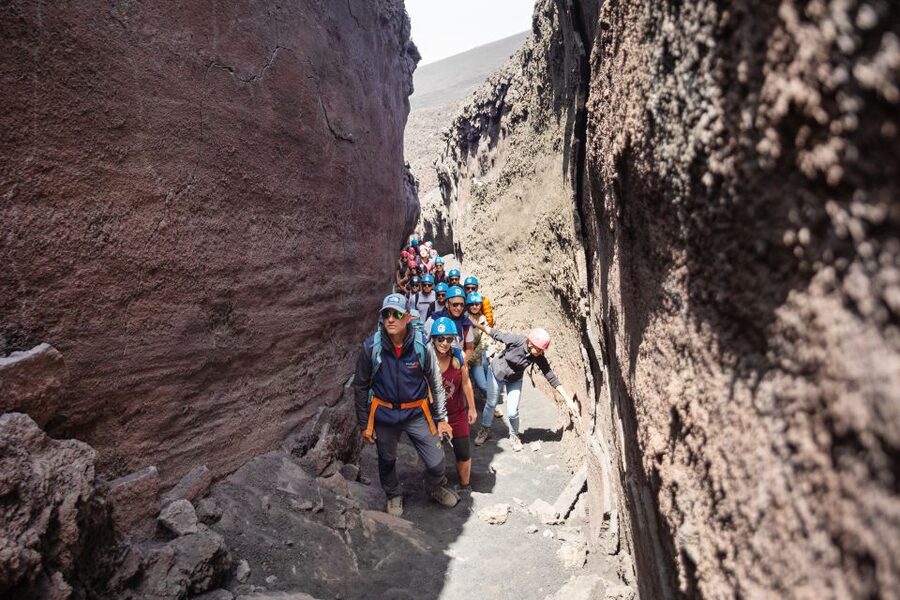
If you want a high-impact day in Sicily without guessing your way through active volcanic terrain, this tour is a strong choice. The best reasons to book are:
- You get to hike among lava flows and volcanic ground with a certified volcanic guide
- The day has built-in variety: crater focus, valley views, and a cable-car “reset”
- You can choose the 3,000 m plan for a more moderate physical challenge or push to 3,400 m if you’re fit
Skip it if:
- You have asthma, heart problems, respiratory issues, or you’re pregnant
- You can’t handle steep, narrow, gravelly footing at high altitude
- You expect a casual stroll. This is a real hike, just paced by the right option
If you’re on the fence, my practical advice is to match your route to your legs, not your pride. Etna gives the payoff either way—you just decide how much effort you want to earn it.
FAQ
How high do I hike on this Mount Etna tour?
You can choose a route that hikes up to 3,000 m or a full summit experience that reaches about 3,400 m (depending on weather and volcanic activity).
What’s included in the tour versus what do I pay on site?
The tour includes the volcanic guide, helmet, hike support, and insurance. The cable car ticket is not included and must be paid on site. If you choose the 3,400 m option, the 4×4 vehicle ticket is also paid on site.
Do I get hotel pickup and drop-off?
Hotel pickup and drop-off are available if you select the pickup option. If you don’t, you meet your guide at Bar Monte Gebel on the right side of Rifugio Sapienza.
How long is the tour?
The experience runs about 5 to 6 hours, with a hiking block of roughly 3 hours during the main part of the route.
What language is the guide?
The live tour guide is offered in English, French, and Italian.
What should I wear or bring?
Bring comfortable or sports shoes and weather-appropriate clothing. The helmet is mandatory and provided as part of the tour.
Is the tour safe for people with health conditions?
The tour is prohibited for asthmatics and for people with heart problems, and it’s also listed as not suitable for people with respiratory issues and pregnant women.
More Tours in Mount Etna
More Tour Reviews in Mount Etna
More Etna Summit Treks We Have Walked
Just added: the newest Mount Etna tours in our notebook
- Etna: Guided Tour to the Summit Craters – North Slope★ 5.0 · 3 reviews
- From Taormina: Mount Etna Half-Day Evening Hike★ 5.0 · 4 reviews
- Mount Etna: Private Trek on the North Slope Craters★ 5.0 · 4 reviews
- From Taormina or Catania: Private Full-Day Mount Etna Hike★ 4.5 · 8 reviews
- Mount Etna: Trek to the Craters of The 2002 Eruption★ 4.9 · 9 reviews
- Mount Etna: Private Half-Day Guided Family-Friendly Hike★ 5.0 · 11 reviews
Mount Etna Tours & Summit, compared.
 ★ 4.8Catania: Mount Etna Morning or Sunset Day Trip with TastingFrom $704,028 reviews
 ★ 4.8Catania: Sunset Jeep Tour of Mount Etna and Lava Flow CavesFrom $712,113 reviews
 ★ 4.8Etna and Alcantara Gorges Full-Day Tour with LunchFrom $1051,766 reviews
 ★ 4.7Etna: summit craters trekking with volcano guide 3350mtFrom $771,712 reviews
 ★ 4.9Catania: Mount Etna Trekking Tour Beyond the Tourist TrailsFrom $811,596 reviews
 ★ 4.8Mount Etna: Guided Trek 3,000 Meters to the SummitFrom $1131,407 reviews
 ★ 4.8Catania: Etna Sunset Tour with Pickup and Drop-offFrom $711,348 reviews
 ★ 4.8Etna Sunset Tour: Volcano trek, Cave & tasting from CataniaFrom $701,290 reviews
Browse the lists this tour appears in