
Reviewed · MOUNT ETNA TOURS & SUMMIT
Mount Etna: Craters of the 2002 Eruption Trekking Experience
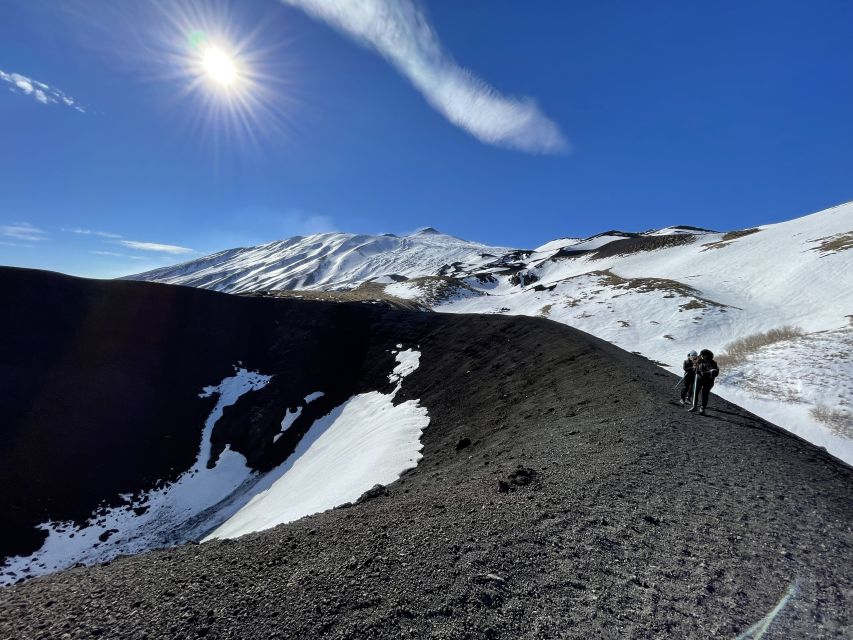
Walking on Etna’s scars teaches fast. This 3-hour guided trek on Etna’s north side takes you from the dirt roads up toward the summit craters shaped by the 2002 eruption, plus forests, lava streams, eruptive fractures, and dramatic viewpoints over the sea.
I especially like two parts: the way the official volcano guide turns raw rock into a clear story, and the practical, up-close walking route that lets you see the crater theater without being stuck in a giant crowd. You’ll also get real moments of scale—where a single fracture or lava channel suddenly makes the volcano feel personal.
One caution: this is not a lazy stroll. You need medium hiking fitness, solid shoes, and comfort near crater edges—because volcanic ground can be uneven or unstable, and the route can make some people dizzy.
In This Review
- Key points to know before you go
- Why Etna’s north-side 2002 craters are worth your time
- Where the views fit
- Meeting at Chiosco Bar Mareneve: don’t confuse the parking areas
- Parking reality
- Safety briefing first: what “medium training” really means here
- My practical checklist for comfort
- Stop 1: Hotel dell Betulle ruins and the 2002 “lava swallowed it” moment
- Why this stop matters
- Stop 2: Bottoniera del 1911 and how older features change what you see
- What to watch for
- Stop 3: Cerniera di fuoco 2002—hornitos, cinder cones, and crater-edge walking
- Summit payoff: edge views plus a sandy return channel
- Guide style that really helps
- The walking route and what it means for your day
- Time feel: 3 hours can still be intense
- What you actually get for $42: value without shortcuts
- Rentals and what to plan
- Who this tour suits best (and who should skip it)
- It’s especially good for you if:
- Skip it if:
- Quick practical tips before you step onto volcanic soil
- Should you book the Etna 2002 craters trek?
- FAQ
- How long is the Etna Craters of the 2002 Eruption trek?
- Where do I meet for the tour?
- What’s included in the price?
- Do I need to bring trekking shoes and a windbreaker?
- Is this trek suitable for kids or people with mobility issues?
- What should I bring if there is snow?
Key points to know before you go
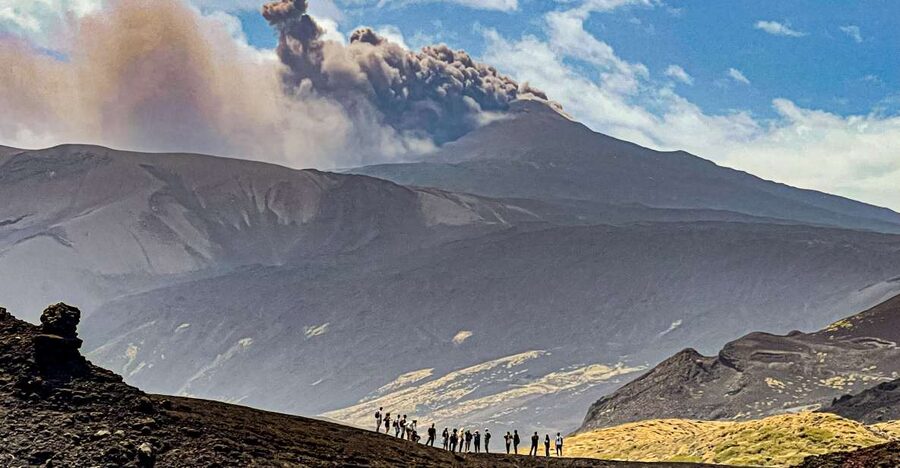
- 2002 eruption focus: you’ll walk through features tied to the most powerful recent events, including the area that threatened Linguaglossa
- Step-by-step vulcanology explanations: safety first, then rock science with a guide who speaks Italian, French, and English
- Hotel dell Betulle ruins stop: an eerie, concrete reminder of what lava can swallow
- Hornitos and cinder cone climbs: you’ll see small vents and climb up volcanic structures that form differently than craters
- Crater-edge views plus a controlled descent: look over the rim, then return via a sandy channel
- Good value for a short trip: $42 for a 3-hour guided, insured experience—if you come prepared with proper footwear
More ways up the volcano from Mount Etna
- Mount Etna: Summit Guided Hiking Tour up to 3,400 m
★ 4.8 · 4,792 reviews - Etna: summit craters trekking with volcano guide 3350mt
★ 4.7 · 1,712 reviews - Mount Etna: Summit Trekking Tour
★ 4.9 · 347 reviews - Mount Etna: scenic Summit Trek with a volcano Guide and Gear
★ 4.5 · 284 reviews
Why Etna’s north-side 2002 craters are worth your time
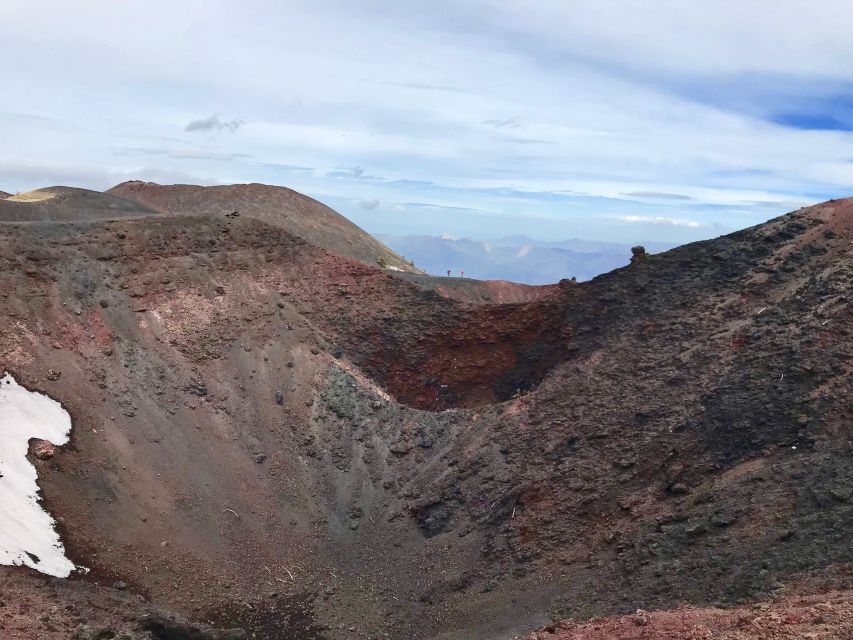
Etna doesn’t just put on a show; it writes a timeline in stone. On the north side, you can trace how different eruptions built (and destroyed) parts of the volcano over time—especially through the flank eruptions that left the most evidence. This trek is built around the 2002 eruption, but it also helps you connect earlier forms to what you’re seeing now.
What makes this outing feel different from a typical “look at the mountain” stop is the walking route. You’re moving through the forest, then out into volcanic zones where lava streams, fractures, and channels tell you where the pressure went and how the eruption spread. Even if you don’t love science class, the guide’s job is to translate geology into human scale: hot rock flowed, structures failed, cities had to be watched, and the crater shapes changed the terrain around them.
Where the views fit
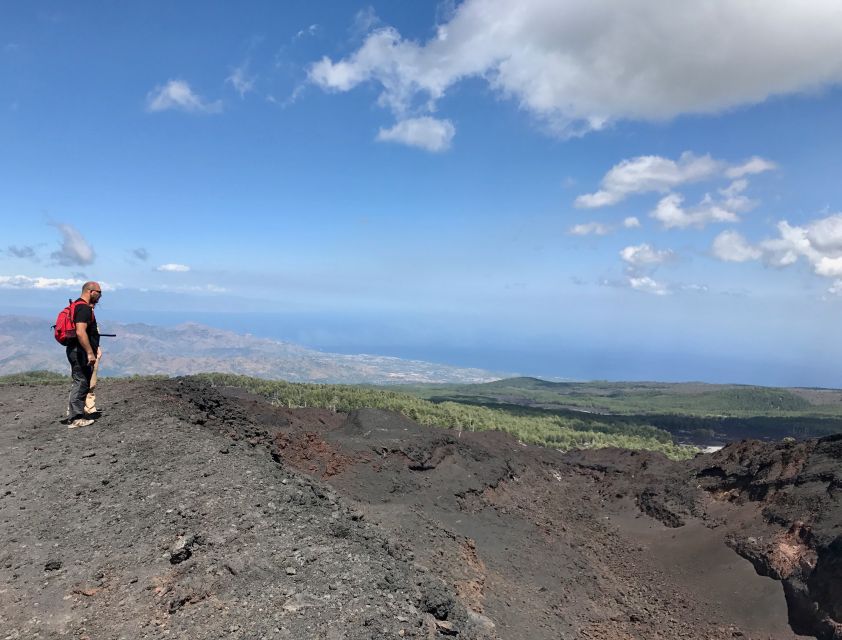
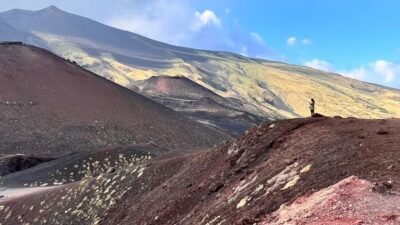
You also get a satisfying payoff from height. At the right moments, you can see the eruptive theater—those crater basins and surrounding walls—and out toward the Calabrian Coast. It’s the kind of view that makes your brain go quiet for a second, because the volcano stops being an abstract headline and turns into a real system you can point at.
Meeting at Chiosco Bar Mareneve: don’t confuse the parking areas
Start at CHIOSCO BAR MARENEVE di Ferraro Giuseppa, not the Chiosco Bar Etna Nord. The meeting-point directions matter here, because they’re both in the broader parking area zone and one is in the lower parking lot.
The meeting spot is near the chairlift used by skiers in winter. In the parking lot, it’s described as the second house of the four present. If you arrive early, use that time to confirm you’re standing at the right building before you start looking for the group.
Parking reality
You’ll need a parking ticket, and it’s paid for after the excursion. The info you have also lists weekday/weekend day rates for parking in general. Either way, plan to carry small cash or be ready for the on-site payment method the operator uses.
A few we would gladly point a friend toward in Mount Etna
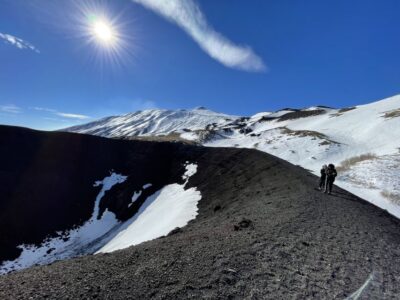
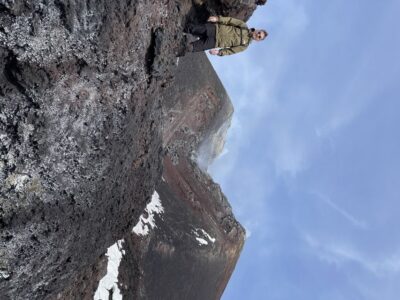
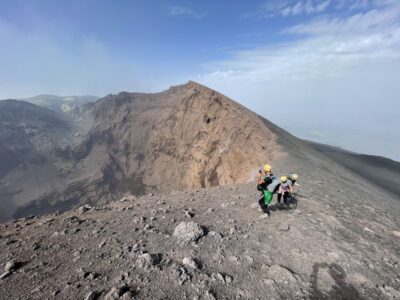
Safety briefing first: what “medium training” really means here
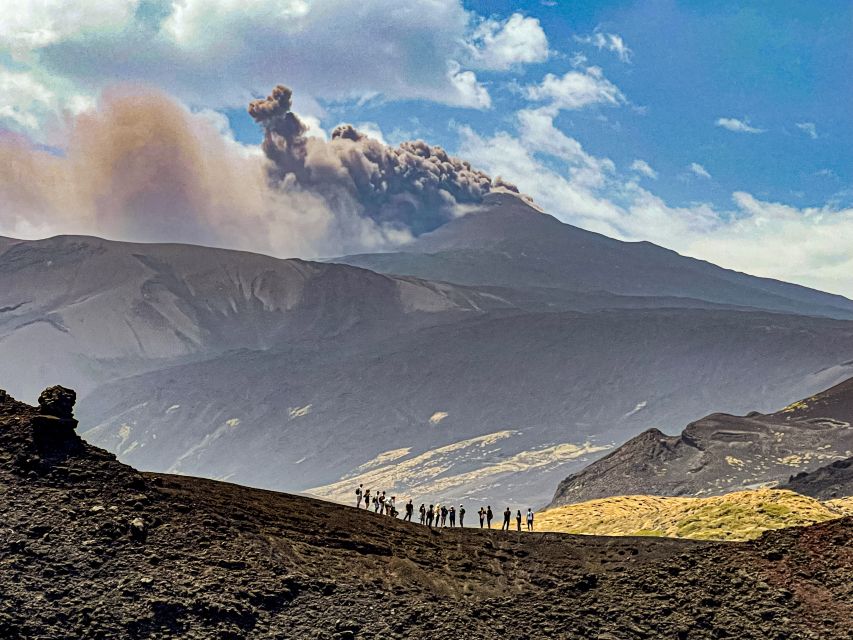
Before you walk, you get a 15-minute safety briefing. That’s not wasted time on a volcano trek. The surface can be inconsistent, and the route includes crater-edge walking and walking on volcanic soil that may be unstable.
This tour is not for everyone. It’s described as requiring medium training, and it’s not recommended if you don’t do regular physical activity. It can also cause dizziness for some people because you’ll walk along crater edges. If you have vertigo, you should probably choose a different Etna experience.
My practical checklist for comfort
Come ready for uneven ground and wind:
- Proper hiking shoes (no insurance coverage without them)
- A windbreaker (especially if it’s breezy on the upper sections)
- Layers (the temperature shift on Etna can feel bigger than you’d expect)
- Sunglasses and sunscreen
- Water and snacks (they’re not included)
Stop 1: Hotel dell Betulle ruins and the 2002 “lava swallowed it” moment
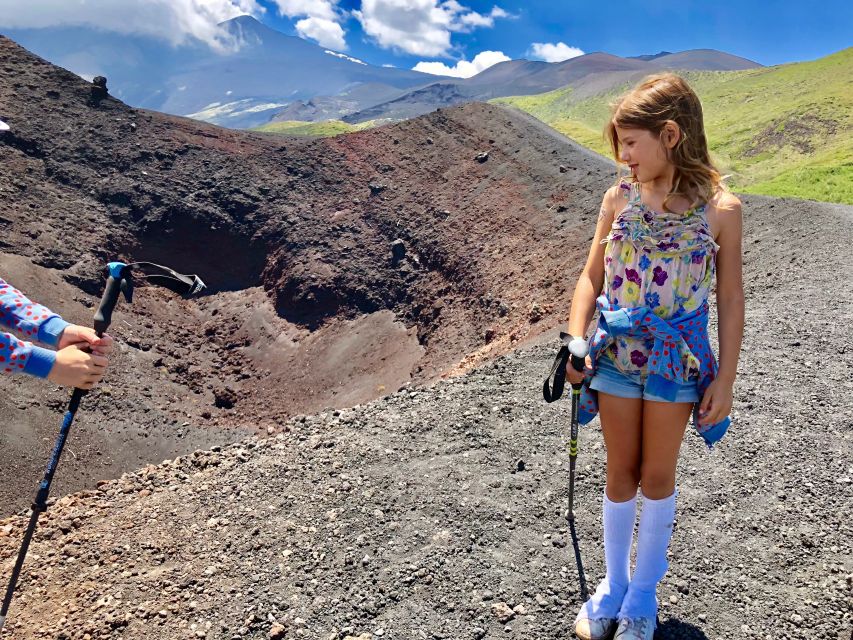
One of the most memorable parts is the break and photo stop at Hotel dell Betulle—described on the route as the hotel that was submerged by the 2002 lava flow.
This is the kind of stop that’s hard to fully describe until you see it. You’re looking at the only visible structure left from that particular lava flow, and it turns the eruption from a “past event” into a physical object that still sits there. Even if you’ve read about 2002, your brain processes it differently when you stand near the remains and imagine the speed and heat of what happened.
Why this stop matters
This isn’t just a photo opportunity. It’s a grounding moment for the whole trek. After you see that remnant, it’s easier to understand why the guide’s explanations about fractures, channels, and eruption paths matter. The volcano isn’t only about craters at the top—it’s also about what lava can do on the way.
Stop 2: Bottoniera del 1911 and how older features change what you see
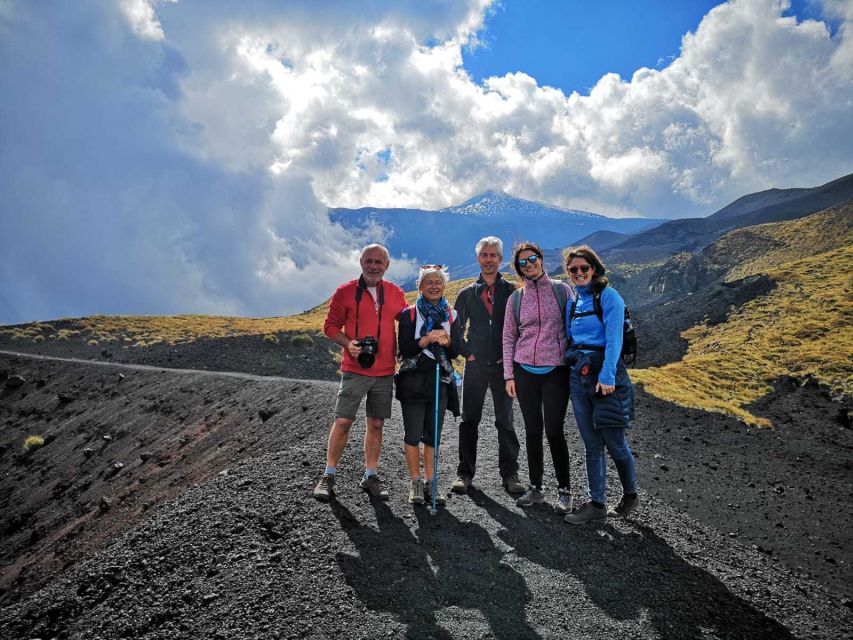
Next comes Bottoniera del 1911 with about 25 minutes of walking, breaks, guided explanation, and free time.
Even without getting overly technical, this stop helps you read Etna like a layered page. Volcanic morphologies can be studied in different ways: some features are shaped by explosive events, others by flows, and some show how the mountain evolves when pressure finds new routes. On this trek, you’re not only collecting “cool pictures.” You’re practicing how to interpret what you’re looking at.
What to watch for
Keep an eye on how the ground changes as you move. Volcanic structures often hint at direction: where materials piled up, where channels opened, where edges formed. The guide’s explanations give you labels for what you’re already noticing with your feet and eyes.
Stop 3: Cerniera di fuoco 2002—hornitos, cinder cones, and crater-edge walking
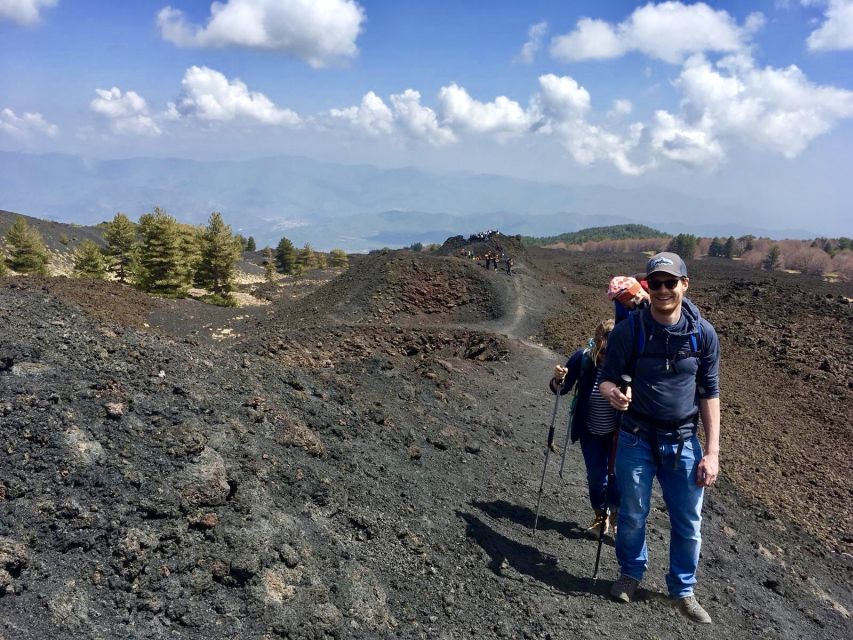
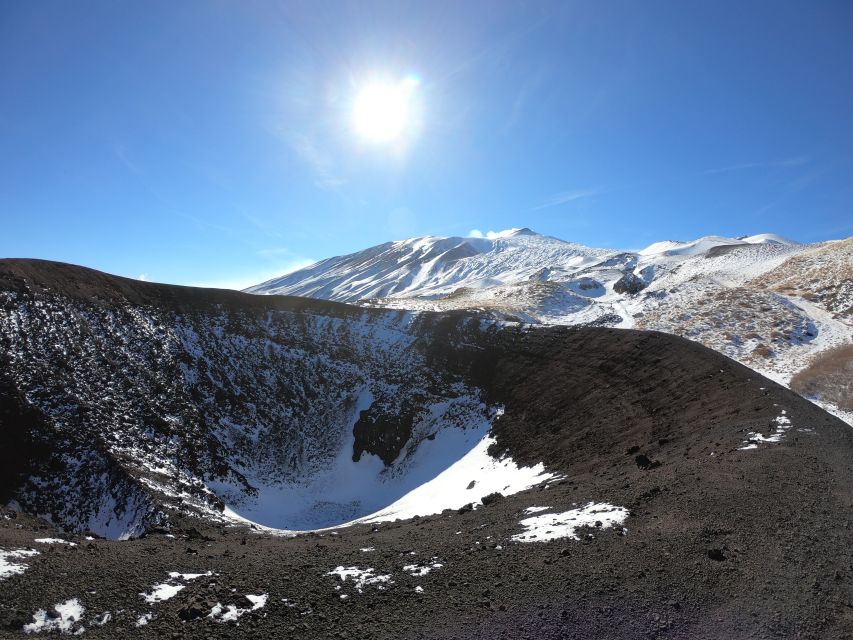
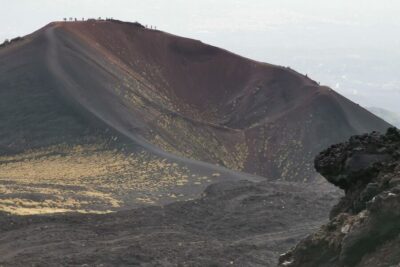
The heart of the experience is Cerniera di fuoco 2002, with about 1.5 hours here. This is where the route pushes into the more dramatic volcanic terrain: eruptive fractures, lava-stream remnants, and crater-linked areas tied to the 2002 event.
You’ll also look for structures called Hornitos—a term meaning small openings (or small vents)—and you’ll climb along cinder cones. Walking up these is different from walking beside a big crater rim. Cinder cones tend to feel more like a volcanic staircase that’s been built out of loose material, so take your time and watch your footing.
Summit payoff: edge views plus a sandy return channel
When you reach the summit area, you look over the craters from the edge. Then you go down inside a sandy channel to return toward the starting point.
That descent method is useful to know mentally before you go. It’s not a long, flat walk back. You’re moving down through volcanic terrain designed by past activity, and the sand can feel different underfoot than the dirt road sections earlier in the trek.
Guide style that really helps
Guides can make or break a volcano walk, and this one has a strong reputation for getting the science right without losing the fun.
You might be led by Daniele or Davide, both praised for being engaging and good at making the hike varied with humor. Vincenzo is also mentioned as professional and clear, with a teaching style that sticks, and Niko is cited as experienced with lots of experience in Etna-specific explanations.
Even if you’re not chasing big vocabulary, you’ll want a guide who can connect features—so if your group gets a strong communicator, you’ll feel it immediately.
The walking route and what it means for your day
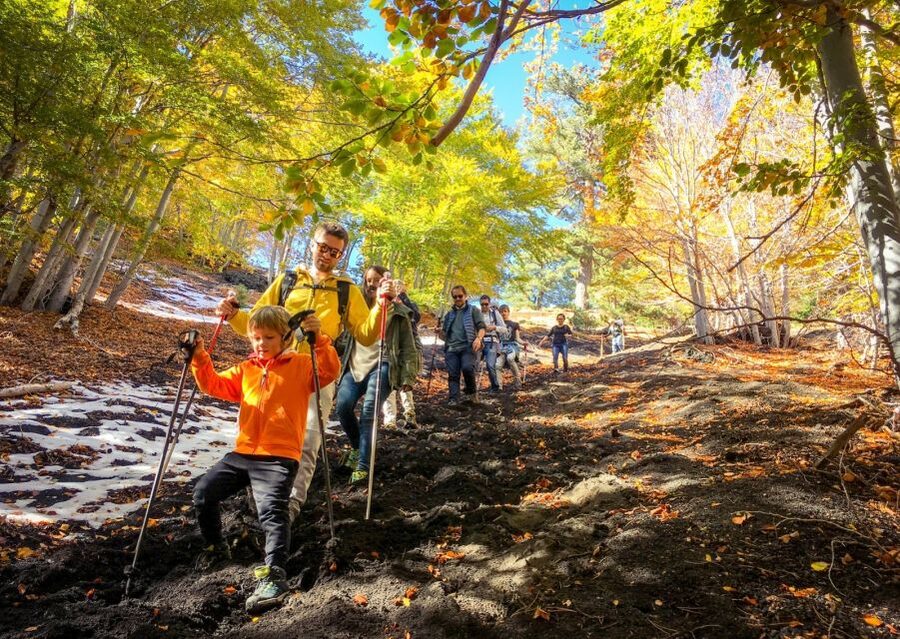
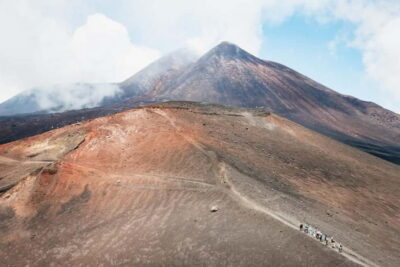
The trekking route begins along a dirt road that leads from the Piano Provenzana area up toward the summit craters. That’s your first taste of how this tour works: gradual building of altitude and terrain changes, then sharper focus once you reach the volcanic structures.
Along the way, there are multiple short stops:
- Photo opportunities
- Guided interpretation breaks
- Moments of free time to take in the view
And the guide can adjust the route based on environmental, climatic, or volcanic conditions. That flexibility is important on Etna. Wind, ground conditions, and safety requirements can change what’s possible in a given hour.
Time feel: 3 hours can still be intense
The total time is listed as 3 hours. With safety briefing, guided stops, and walking sections, that’s enough time to feel the effort if you’re not used to uneven terrain. One reviewer even described it as doable for a wide range of ages, but the key phrase there is “doable”—not “easy.”
So be honest with yourself: if you want a gentle stroll, choose something flatter. If you can handle a moderate uphill plus crater-edge terrain, you’ll likely find the time just right.
What you actually get for $42: value without shortcuts
At $42 per person for a 3-hour guided trek, this can be good value if you’re comparing it to the cost of getting yourself there plus paying for a guide. You’re also getting:
- An official volcano guide
- Insurance in case of accidents
That insurance matters, but read the fine print you’re given: you’re not covered without adequate shoes. In other words, shoes aren’t a “nice-to-have.” They’re part of the safety system.
Rentals and what to plan
Not included (so bring or rent):
- Trekking shoes (rent at authorized rentals for €5 per pair)
- Windbreaker (rent for €5)
- Gloves or hats in winter/spring/autumn (you’re told to bring your own)
- Snowshoes in winter months (rent on-site for €12 per person)
- Snacks and bottled water (bring them)
This is a smart setup for short tours. You don’t get a full pack list handed to you, so you have to travel prepared, but it also keeps the price lower.
Who this tour suits best (and who should skip it)
This is a great fit if you want a science-informed Etna trek that’s short enough to fit into a busy Sicily plan. It’s also a solid choice if you prefer the north-side terrain and want to avoid feeling swallowed by big tourist crowds—because this walk focuses on specific volcanic features instead of a broad “everyone lines up” route.
It’s especially good for you if:
- You enjoy structured explanations while you walk
- You want close crater viewing without spending all day
- You’re comfortable on moderate hiking terrain and uneven volcanic ground
- You can handle heights at least in short stretches
Skip it if:
- You’re pregnant
- You have back problems, mobility impairments, heart problems, respiratory issues, epilepsy
- You have vertigo or fear heights
- You’re bringing children under 6
Quick practical tips before you step onto volcanic soil
- Pack a windbreaker even in warm months; Etna can get gusty
- Bring sunglasses and sunscreen; the glare can be real
- Eat before you start and bring snacks—no snacks are included
- Wear shoes you trust on uneven ground; volcanic soil can shift
- Bring a daypack with water
- Don’t show up in sandals, flip-flops, skirts, luggage, or large bags
And if you’re worried about breath, dizziness, or uneven footing, this is one of those times where you should err on the side of caution. The guide can’t change the terrain under your feet.
Should you book the Etna 2002 craters trek?
I think you should book if you want a short, guided, high-impact Etna experience with real volcanic features: lava-stream evidence, eruptive fractures, Hornitos, cinder cones, and crater-edge views tied to the 2002 eruption. The best part is that the guide experience is central—people mention guides like Daniele, Davide, Vincenzo, and Niko for clear explanations and a fun teaching style, which is exactly what you want on a volcano hike.
Don’t book it if you’re not comfortable with uneven terrain, heights, or dizziness risk. And if you don’t have proper shoes, don’t wing it—because coverage depends on footwear, and volcanic ground punishes “good enough” choices fast.
If you’re ready to work a little and look closely, this trek is a smart use of 3 hours on Sicily’s most active giant.
FAQ
How long is the Etna Craters of the 2002 Eruption trek?
The duration is 3 hours.
Where do I meet for the tour?
Meet at CHIOSCO BAR MARENEVE di Ferraro Giuseppa. The instructions specify not to use the Chiosco Bar Etna Nord in the lower parking lot.
What’s included in the price?
The ticket includes an official volcano guide and insurance in case of accidents.
Do I need to bring trekking shoes and a windbreaker?
Trekking shoes and a windbreaker are not included, but you can rent them on-site (shoes for €5 per pair; windbreaker for €5). The tour also advises bringing winter gloves or hats depending on the season.
Is this trek suitable for kids or people with mobility issues?
It is not suitable for children under 6, and it’s also not recommended for people with mobility impairments or vertigo. It’s not recommended for pregnant women either.
What should I bring if there is snow?
In winter months (December through March), snowshoes may be needed and can be rented on-site for €12 per person.
More Hiking & Trekking in Mount Etna
More Tour Reviews in Mount Etna
More Etna Summit Treks We Have Walked
Just added: the newest Mount Etna tours in our notebook
- Etna: Guided Tour to the Summit Craters – North Slope★ 5.0 · 3 reviews
- From Taormina: Mount Etna Half-Day Evening Hike★ 5.0 · 4 reviews
- Mount Etna: Private Trek on the North Slope Craters★ 5.0 · 4 reviews
- From Taormina or Catania: Private Full-Day Mount Etna Hike★ 4.5 · 8 reviews
- Mount Etna: Trek to the Craters of The 2002 Eruption★ 4.9 · 9 reviews
- Mount Etna: Private Half-Day Guided Family-Friendly Hike★ 5.0 · 11 reviews
Mount Etna Tours & Summit, compared.
 ★ 4.8Catania: Mount Etna Morning or Sunset Day Trip with TastingFrom $704,028 reviews
 ★ 4.8Catania: Sunset Jeep Tour of Mount Etna and Lava Flow CavesFrom $712,113 reviews
 ★ 4.8Etna and Alcantara Gorges Full-Day Tour with LunchFrom $1051,766 reviews
 ★ 4.7Etna: summit craters trekking with volcano guide 3350mtFrom $771,712 reviews
 ★ 4.9Catania: Mount Etna Trekking Tour Beyond the Tourist TrailsFrom $811,596 reviews
 ★ 4.8Mount Etna: Guided Trek 3,000 Meters to the SummitFrom $1131,407 reviews
 ★ 4.8Catania: Etna Sunset Tour with Pickup and Drop-offFrom $711,348 reviews
 ★ 4.8Etna Sunset Tour: Volcano trek, Cave & tasting from CataniaFrom $701,290 reviews
Browse the lists this tour appears in