

Reviewed · SYRACUSE & ORTIGIA
Greek Theater – Ortigia walking tour
Ancient seats can feel surprisingly current. This half-day outing brings you to a Greek Theater carved into the rock first, then shifts gears to the island of Ortigia for walking, local food-market energy, and centuries-old churches.
I especially like the way the guides connect what you’re seeing with stories—art and myth ideas that make the ruins easier to hold in your head. You’ll also enjoy the mix of monuments and everyday Ortigia, with time around local market areas instead of only “look-at-the-stones” stops.
One thing to think about: the theater can be used as a concert venue, and temporary structures (like covered seating and stage gear) can change the atmosphere.
In This Review
- Key takeaways before you go
- Neapolis Greek Theater: a 10€ site that can look different on festival dates
- Ortigia walking time: where markets and churches do the talking
- Temple of Athena (2€): an add-on you’ll feel good about if you like the myths
- Art historian guidance: how the tour turns ruins into a story
- Price and value: what 174.53€ actually covers
- Getting there and keeping your day calm
- What to expect on the day (and what to watch for)
- Who should book this tour (and who might skip it)
- Should you book the Greek Theater and Ortigia walking tour?
- FAQ
- What does the tour price include?
- Are the Greek Theater and Athena Temple tickets included?
- How long is the tour?
- What time does the tour start?
- Is pickup from the hotel or port included?
- Is there a walking portion on Ortigia?
- How large is the group?
- Do food and drinks come with the tour?
- Can I cancel for a full refund?
- Do I need to print anything for admission?
Key takeaways before you go
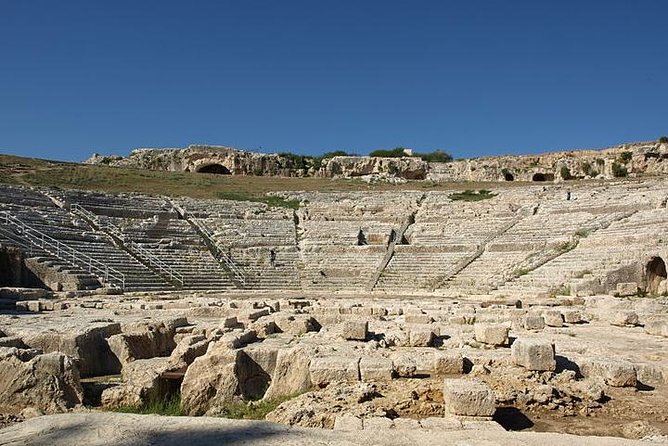
- Rock-carved Greek Theater setting: a powerful sight, right where the hillside does the work
- Small group (max 10): easier questions, less shuffle-time
- Ortigia on foot with markets and churches: you get the island rhythm, not just the highlights
- Tickets are partly extra: Greek Theater costs 10€ per person; Athena Temple costs 2€ per person
- Morning or evening tours: you can pick the light and the pace that fits your day
- Guides who explain myths and culture: the best moments are when the history turns into a story
Deeper into Ortigia and old Syracuse
- Syracuse: Boat Tour with Captain Mirko, Snorkeling & Caves
★ 4.7 · 746 reviews - Siracusa: Ortigia Boat Tour with Marine Grotto & Snorkeling
★ 4.7 · 726 reviews - Siracusa: Ortigia & Sea Caves Boat Tour w/ Prosecco & Fruit
★ 4.8 · 723 reviews - Syracuse: Ortigia Island & Sea Cave Boat Tour with Prosecco
★ 4.7 · 418 reviews
Neapolis Greek Theater: a 10€ site that can look different on festival dates
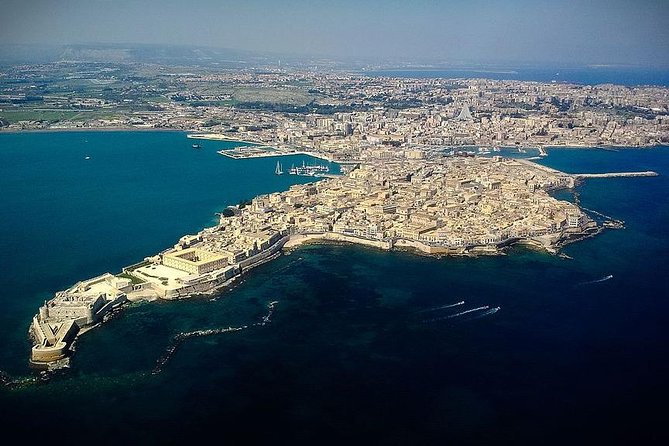
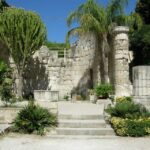
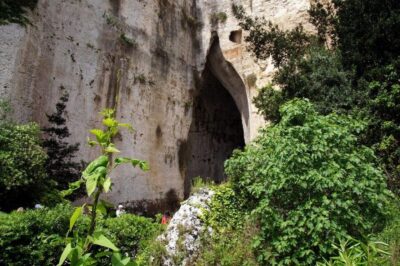
Your visit starts at the Greek Theater area in Syracuse’s Neapolis zone. The setting is the headline: seats and space carved directly into the rocky hillside. Even before anyone starts explaining anything, the architecture gives you that clear “this was built into the landscape” feeling.
The Greek Theater stop is scheduled for about one hour, with an admission fee of 10€ per person. That ticket isn’t included in the main tour price, so plan for that cost when you budget.
Now for the consideration that can make or break the vibe: some dates involve concerts. On certain days, the stone seating may be covered by wooden bleachers, and you could see stage scaffolding, big lighting rigs, and speakers set up. In one case, the setup was already being prepared and the atmosphere didn’t feel like a quiet ancient theater anymore.
My practical take: if you’re specifically hunting for an unspoiled ruins mood, try to book a date that’s less likely to overlap with events. If you can’t, just adjust expectations. You can still enjoy the scale and siting, but it won’t be the same as a classic “ancient silence” visit.
Ortigia walking time: where markets and churches do the talking
After the theater, you switch to Ortigia, the island core of Syracuse. This is where the tour becomes less about big-ticket ruins and more about how people actually move through the place.
You’ll get a half-day loop focused on “ancient world” sights alongside local food markets and centuries-old churches. The value here is variety. You’re not just standing still for photos. You’re walking and adjusting your senses—smells, chatter, everyday goods, and then the sudden calm of old sacred spaces.
What I like about this format is that it keeps your brain busy in a good way. The Greeks Theater stop gives you the big cultural frame. Ortigia fills in the day-to-day context: where ancient Syracuse energy still shows up in street life and in the way churches occupy long-used spaces.
A small tip: because this part includes markets and churches, wear comfortable shoes. Ortigia walking is the kind of “not technically hiking, but you’ll feel it by the end” pace. Also, food and drinks aren’t included, so plan to buy something small if you want a snack.
Temple of Athena (2€): an add-on you’ll feel good about if you like the myths
On the Ortigia side, there’s an Athena Temple admission add-on: 2€ per person (and it’s free for children under 10). This is one of those extras that’s easy to skip—unless you enjoy the myth-and-culture angle.
Because the tour is guided by an art historian and professionals who focus on history and culture, you’re more likely to get a “why it matters” explanation than a quick ticket swipe and walk-away. If you’re the kind of person who likes connecting symbols, stories, and architecture, this fee tends to feel like it earns its keep.
If you’re traveling with kids, pay attention to the guide style. One guide named Carlo was praised for making the material engaging for younger visitors—story-first explanations help a lot when you’re moving around.
Art historian guidance: how the tour turns ruins into a story
The standout strength here is the guidance. This isn’t a “follow the leader and look up” experience. It’s art historian-led, with both a local guide and a professional art-history guide working together.
What that means for you on the ground: you get context in plain language, often tied to culture and mythology. It helps you see details you might otherwise miss—like how sites were designed for audiences, views, and meaning, even when the stone is the only “text” left.
In the good moments, the tour feels like a guided conversation. You’re not just collecting facts. You’re learning how to interpret what you’re seeing—why it’s arranged the way it is, and how people in the region understood it.
Also, the tone can work for different ages. One write-up described explanations that included naturalist curiosities and curiosity-driven details, which is a smart way to keep attention when the group has mixed ages or shorter attention spans.
An evening at the theatre in Syracuse


Price and value: what 174.53€ actually covers
Let’s talk money clearly, because this tour’s pricing structure can be easy to misread.
The posted price is $174.53 per person, and it does not include the site admissions. The tour price covers the fee for the tour guide, plus what’s usually the expensive part in practice: private transportation and hotel pickup/drop-off with an air-conditioned vehicle.
On top of that, you should budget:
- 10€ per person for the Greek Theater (free under 18)
- 2€ per person for the Athena Temple in Ortigia (free under 10)
So the value question becomes: are you paying for knowledge and logistics, not just access? In my view, that’s exactly what you’re getting—especially since the group size is capped at 10 travelers. Small groups + professional guidance + round-trip transport tend to be worth it when you don’t want to figure out transit timing yourself.
One more practical angle: since food and drinks aren’t included and there’s no lunch included, you’ll likely spend extra on snacks or a meal after the tour. I’d plan for at least a coffee-and-casual-snack budget so you don’t end up hungry during the Ortigia walking portion.
Getting there and keeping your day calm
This experience is built to reduce friction. You get round-trip, air-conditioned vehicle transfers from your Syracuse hotel or the port. It also includes hotel pick up/drop off and a private transportation setup, which matters in a place like Syracuse where parking and timing can be annoying.
The pickup is offered, and the tour is designed around that starting point in Syracuse, ending back at the same meeting point. That’s handy when you want the rest of your afternoon to stay flexible.
The tour also lists a mobile ticket, which is convenient on your phone (just make sure your battery is healthy). And it’s described as near public transportation—useful if plans change.
Duration is about 4 hours (approx.), starting at 9:00 am for the morning slot. There’s also an option for an evening tour, which helps if you want to manage heat, or if your morning is already booked.
What to expect on the day (and what to watch for)
Here’s how the day usually “feels” when you put these pieces together:
1) Greek Theater first
You start with the big ancient sight, typically for about an hour. This is where you’ll want your camera ready and your expectations tuned to the current setup (especially around concert dates).
2) Transfer to Ortigia
You change environments smoothly thanks to the air-conditioned vehicle.
3) Walking around the island core
You’ll spend time among local food market areas and then on to centuries-old churches. It’s less rigid than a museum circuit, more like a guided loop.
4) Timing lands back at the start point
You end where you began, keeping your schedule clean.
The biggest “watch for” item is that theater staging. If temporary covering and stage equipment are present, it doesn’t mean the site is ruined—it just changes the experience from “ancient wonder” to “ancient venue used for modern events.” If you’re okay with that, you can still get value from the setting and the explanation.
Who should book this tour (and who might skip it)
This works best if you want three things at once:
- A guided, story-heavy history experience with an art historian style
- Ancient sites plus Ortigia daily life, not just ruins in isolation
- A small group and an easy transportation plan
It may be less ideal if:
- You’re very sensitive to the look and feel of festivals (covered seating and stage gear can dampen the classic “ruins in quiet” vibe)
- You strongly prefer sites where you expect a more “museum calm” environment
If you’re traveling with kids, this type of guided myth/history approach is often the right match. One guide named Carlo was specifically praised for keeping young visitors engaged.
Should you book the Greek Theater and Ortigia walking tour?
If you go in with the right expectations, I think it’s a solid choice. You’re paying for professional guidance plus the convenience of pickup, private transport, and a small group—not just buying tickets.
Book it if:
- You like explanations that connect art, culture, and mythology
- You want the Ortigia experience to feel like part of daily life, not a checklist
- You’re okay budgeting a little extra for the 10€ theater and optional 2€ Athena Temple
Consider another option (or at least message the operator) if your top priority is an unaltered, quiet ancient-theater atmosphere on your exact date. The concert setup issue can be real, and you’ll want your day to match your fantasy.
If you tell me your travel month and whether you prefer morning or evening tours, I can help you think through the “festival overlap” risk and how to plan your day around it.
FAQ
What does the tour price include?
The tour price includes the fee for the tour guide, plus local guide services and private air-conditioned transportation with hotel pick up and drop off.
Are the Greek Theater and Athena Temple tickets included?
No. The Greek Theater admission is an extra 10€ per person. The Athena Temple in Ortigia is an extra 2€ per person.
How long is the tour?
It runs for about 4 hours (approx.).
What time does the tour start?
The start time listed is 9:00 am for the morning option.
Is pickup from the hotel or port included?
Yes. The tour includes round-trip air-conditioned vehicle transfers from your Syracuse hotel or the port, plus pickup and drop off.
Is there a walking portion on Ortigia?
Yes. After the ancient stop, you’ll explore Ortigia on foot, including food markets and centuries-old churches.
How large is the group?
The tour has a maximum group size of 10 travelers.
Do food and drinks come with the tour?
No. Food and drinks aren’t included, and lunch isn’t included either.
Can I cancel for a full refund?
Yes. You can cancel up to 24 hours in advance for a full refund.
Do I need to print anything for admission?
No. The tour includes a mobile ticket.
More Tour Reviews in Syracuse
More Opera and Live Performances

More of Syracuse and Ortigia
Just added: the newest Syracuse tours in our notebook
- Tour of Syracuse by Ape Calessino★ 3.0 · 3 reviews
- Syracuse Showdown Scavenger Hunt★ 5.0 · 3 reviews
- Sicily Boats Avola: Plemmirio boat tour 4 people 4 hours★ 5.0 · 3 reviews
- Groovy Geneva Scavenger Hunt★ 5.0 · 3 reviews
- Syracuse: Ortigia & Sea Caves Boat Tour with Local Skipper★ 5.0 · 3 reviews
- Siracusa: Neapolis’s Archaeological Park small group tour★ 5.0 · 3 reviews
Syracuse & Ortigia, compared.
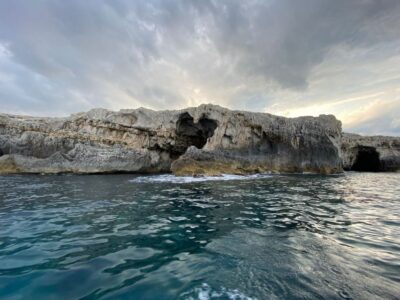 ★ 4.7Syracuse: Tour of Ortigia Island & Caves with Local SkipperFrom $231,060 reviews
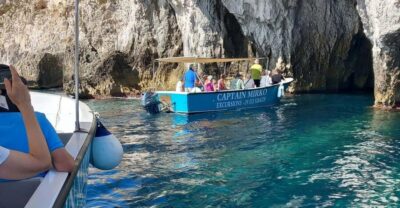 ★ 4.7Syracuse: Boat Tour with Captain Mirko, Snorkeling & CavesFrom $35746 reviews
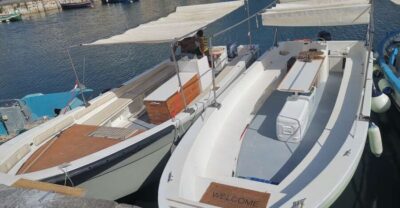 ★ 4.7Siracusa: Ortigia Boat Tour with Marine Grotto & SnorkelingFrom $47726 reviews
 ★ 4.8Siracusa: Ortigia & Sea Caves Boat Tour w/ Prosecco & FruitFrom $35723 reviews
 ★ 5.0Tour of the island of Ortigia and exploration of sea caves with baths.From $24668 reviews
 ★ 4.7Syracuse: Ortigia Island & Sea Cave Boat Tour with ProseccoFrom $23418 reviews
 ★ 5.0Boat tour of Ortigia Island and sea cavesFrom $24407 reviews
 ★ 4.6Catania: Syracuse, Ortigia, and Noto Tour with BrunchFrom $112404 reviews
Browse the lists this tour appears in