
Reviewed · SYRACUSE & ORTIGIA
Syracuse: Neapolis Archaeological Park Small Group Tour
Echoes can change how you see ruins. This Neapolis Archaeological Park small-group tour threads you through Syracuse’s Greek and Roman layers, with the famed Ear of Dionysius and theater views that make the whole site feel alive. I love how the route connects the monuments into one story, and I love getting the big views from the Greek theater instead of rushing past them. The only drawback to plan for is that it’s a brisk 1.5 hours of walking, so you’ll want sturdy shoes and a little patience for uneven paths.
You can go on a shared group tour or book a private tour, and either way you’ll meet your guide at the park entrance area and get a guided walkthrough instead of wandering with an app. Guides I saw named in recent bookings include Eva, Federica/Federica, Galina, and Anne-Marie, and they consistently focus on clear explanations and answering questions as you go.
In This Review
- Key points that make this tour worth your time
- First Steps at Neapolis: Meet Your Guide and Get Oriented Fast
- The Greek Theater and Temenite Hill: Views Plus the Right Story
- Latomie del Paradiso: Quarry Spaces, Plants, and a Different Kind of Wonder
- Grotta dei Cordari: A Quick Stop That Adds Texture
- The Ear of Dionysius: Echoes, Shape, and Why People Talk About It
- Neapolis Photo Stop: The Park at a Glance
- Altar of Hieron II and the Roman Amphitheater: The Ending Switches Eras
- Shared vs Private Tour: How to Choose the Right Pace
- Price and Value: What $26 Buys You in Real Sightseeing
- Timing, Walking Comfort, and What to Bring
- Should You Book This Neapolis Archaeological Park Tour?
- FAQ
- How long is the Syracuse Neapolis Archaeological Park small group tour?
- Where do I meet for the tour?
- Is this tour shared or private?
- What’s included with the tour?
- What language is the guide speaking?
- Is the tour wheelchair accessible?
- Do I need to bring ID?
- Can I cancel if plans change?
Key points that make this tour worth your time
- Ear of Dionysius: the shape plus the echo effects turn a “legend” into something you can experience on-site
- Greek theater + bay views: you get the big picture from the seats, not just the stones
- Latomie del Paradiso and stone-quarry spaces: you’ll notice plants and the feel of cut-rock chambers
- Grotta dei Cordari: a shorter stop that adds texture to the quarry story before you move on
- Altar of Hieron II and the Roman amphitheater: the tour ends by switching eras, cleanly
- Headsets/radios for large shared groups: if your group is bigger, audio is easier to follow
Deeper into Ortigia and old Syracuse
- Syracuse: Boat Tour with Captain Mirko, Snorkeling & Caves
★ 4.7 · 746 reviews - Siracusa: Ortigia Boat Tour with Marine Grotto & Snorkeling
★ 4.7 · 726 reviews - Siracusa: Ortigia & Sea Caves Boat Tour w/ Prosecco & Fruit
★ 4.8 · 723 reviews - Syracuse: Ortigia Island & Sea Cave Boat Tour with Prosecco
★ 4.7 · 418 reviews
First Steps at Neapolis: Meet Your Guide and Get Oriented Fast
The tour starts when you meet your licensed guide near the park entrance gate. From there, you walk through the most important areas of Neapolis Archaeological Park in Syracuse, with explanations timed to what you’re actually seeing.
One thing I like about this setup is how it prevents that common ruin-trap: standing in front of a site and having no clue where to look first. Here, the guide helps you “read” each stop as you move, from the theater setting to the rock-cut spaces.
You’ll also want to know the tour language is Italian. In some very small shared group cases, the explanation may come in two languages, but don’t plan on English unless your booking clearly confirms it.
The Greek Theater and Temenite Hill: Views Plus the Right Story
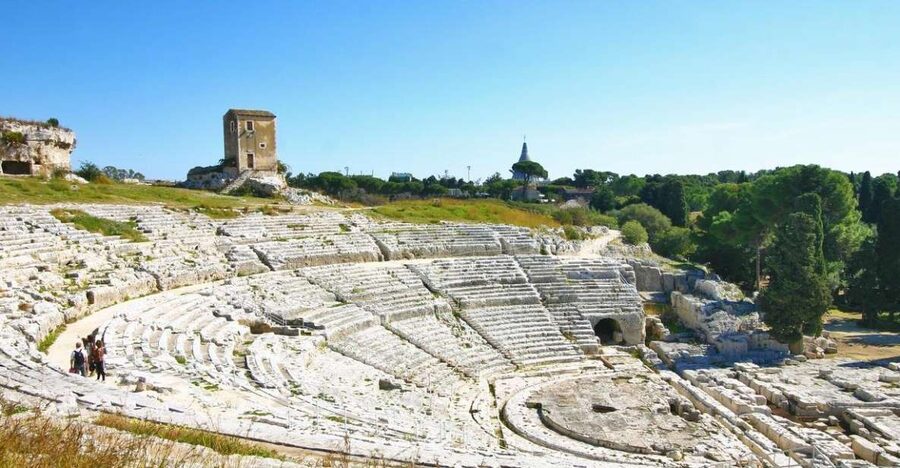
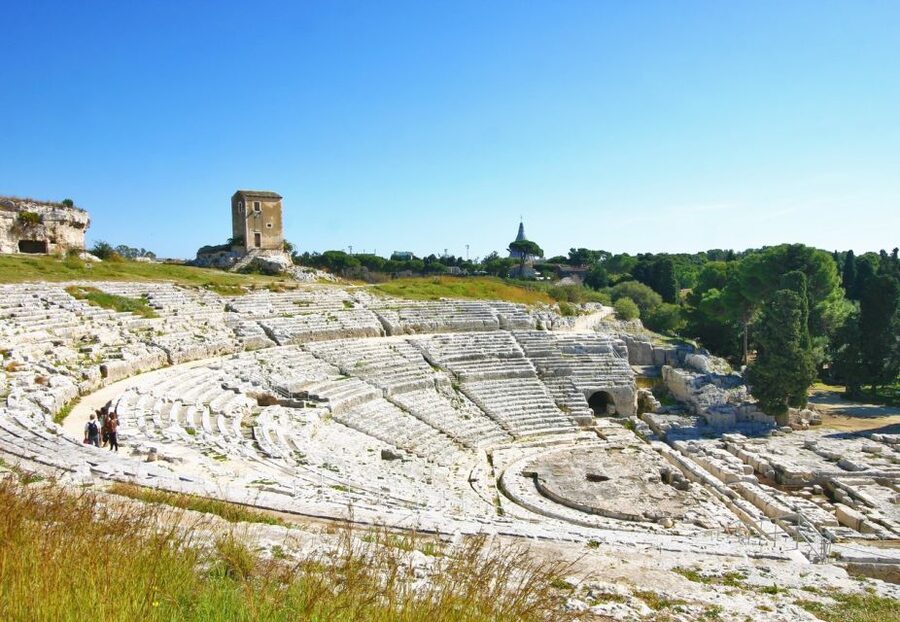
The tour centers on the Greek theater area, including time for a guided walk and explanation. This is where you start to understand the genius of the location: you’re not just looking at an ancient structure, you’re seeing why it mattered.
Expect the guide to point out how the theater sits along Temenite Hill, where you also find rock-cut features tied to the broader site. Even the short photo stop moments matter here, because the bay views can feel like a reset button after time in tight quarry spaces.
If you care about how public life worked in antiquity, this segment helps you connect the architecture to the setting. And if you’re not a “ruins scholar,” you’ll still get something practical: you learn what to notice while standing there, not later when you’ve already moved on.
Latomie del Paradiso: Quarry Spaces, Plants, and a Different Kind of Wonder
Next comes Latomie del Paradiso, an ancient stone quarry area with guided time inside the rock-cut environment. You’ll spend about 15 minutes here, and it’s not just about history facts; it’s about atmosphere. The quarry spaces can feel enclosed, and that makes the explanations land.
A detail worth your attention: the park isn’t only stone. You’ll see local flora growing through the environment, which helps you picture the site as a living place rather than a museum display.
There’s also a natural pacing rhythm to this stop. After the open-air theater, you shift into something more enclosed, then you build toward the most famous acoustics stop later.
Grotta dei Cordari: A Quick Stop That Adds Texture
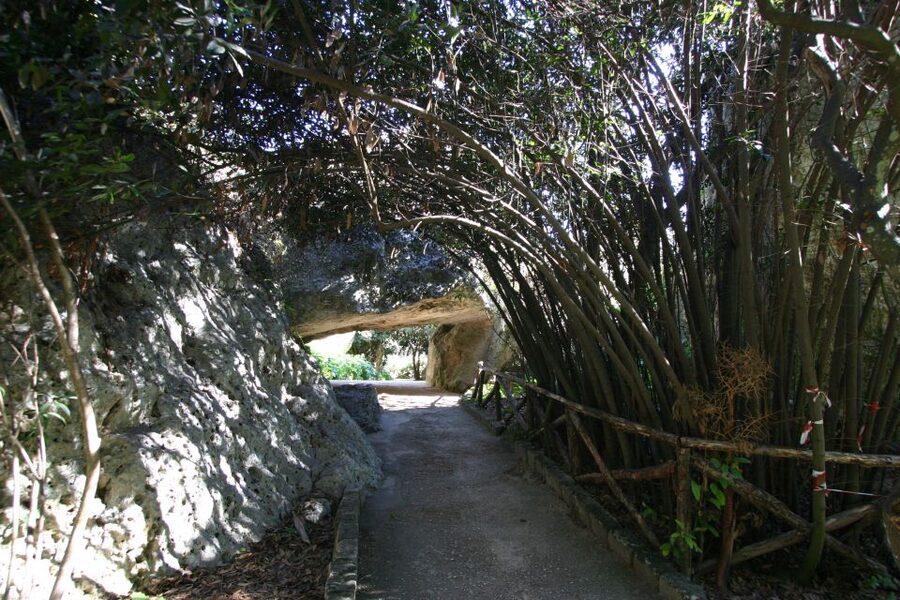
After Latomie del Paradiso, you’ll visit Grotta dei Cordari, again with guided time (about 15 minutes). Think of this as a short “chapter break” that keeps the quarry narrative coherent before you hit the headline act.
This stop is useful if you like small details. The guide’s explanation helps you understand why these rock-cut areas sit together as a system, instead of feeling like a random list of caves.
If you tend to rush and skim at archaeological sites, this segment can actually slow you down—in a good way—because it gives you a reason to look carefully at what’s around you.


The Ear of Dionysius: Echoes, Shape, and Why People Talk About It
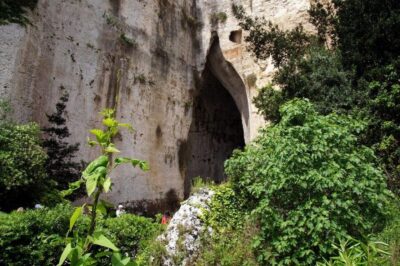
Now for the reason many people book this tour: the Ear of Dionysius. You enter the grotto where the story is famous and the acoustics are part of the appeal, with guided time of about 15 minutes.
Here’s the practical takeaway: don’t treat it like a photo prop. The best moment is when you pause where the guide suggests and let the echo effect do its thing. The guide explains what makes this place so well-known, and you’ll be able to connect the legend to the physical reality of the space.
This stop also helps tie the quarry areas together. When you understand that these rock-cut spaces weren’t just decorative, you get a clearer sense of why the site gained its reputation.
Neapolis Photo Stop: The Park at a Glance
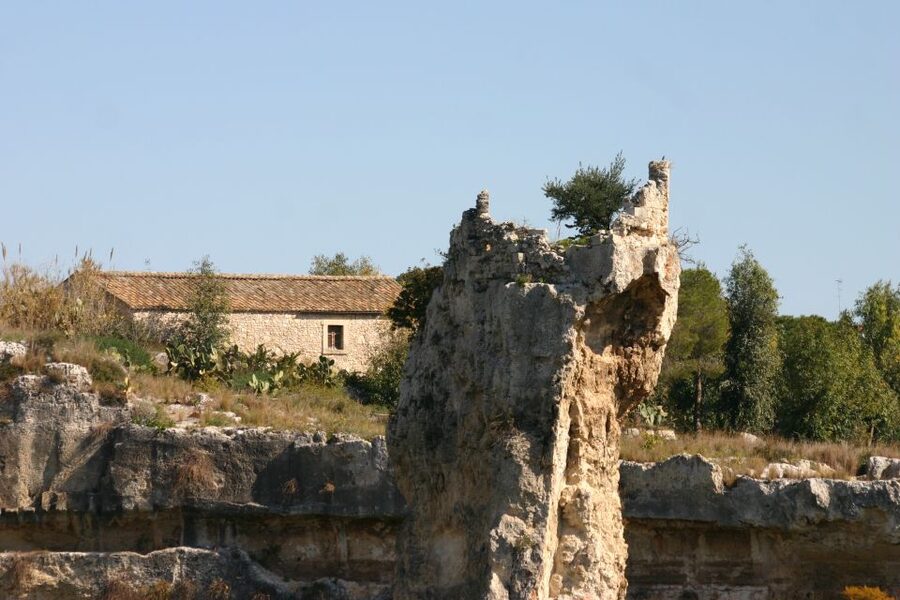
You’ll have a short photo stop to reset and take in the wider Neapolis Archaeological Park area. It’s only about five minutes, so treat it like a quick scan: grab your photos, then get back into the guided flow.
This quick pause matters because by this point you’ve moved through enclosed spaces and legend-driven sites. A brief open-air moment gives you a mental map.
Also, the park includes modern sculptural elements that help visitors connect different eras. If your guide mentions these artworks, it’s usually a way to show how people interpret the site today, not just how it looked in the past.
Altar of Hieron II and the Roman Amphitheater: The Ending Switches Eras
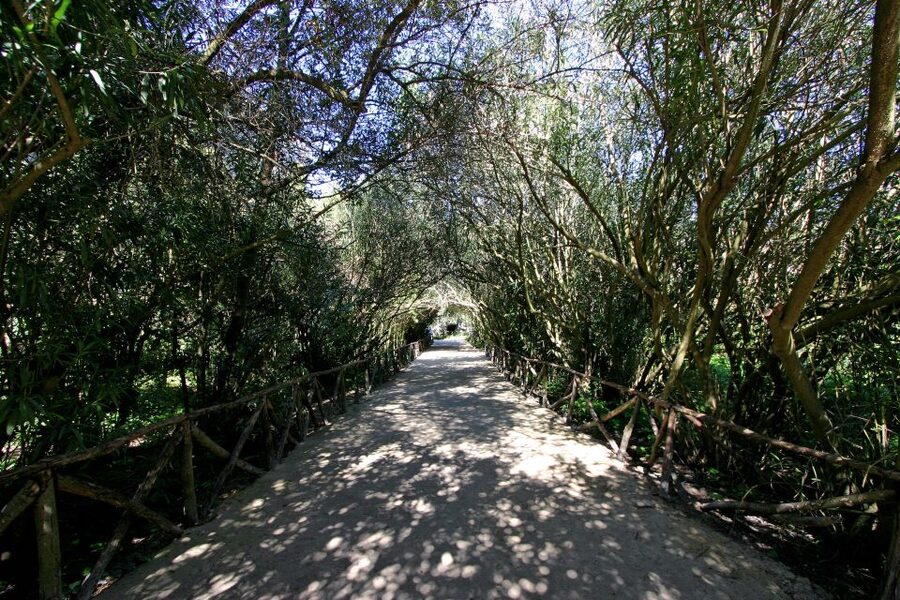
The tour finishes with two key monuments that help you see the transition from Greek Syracuse to Roman Syracuse.
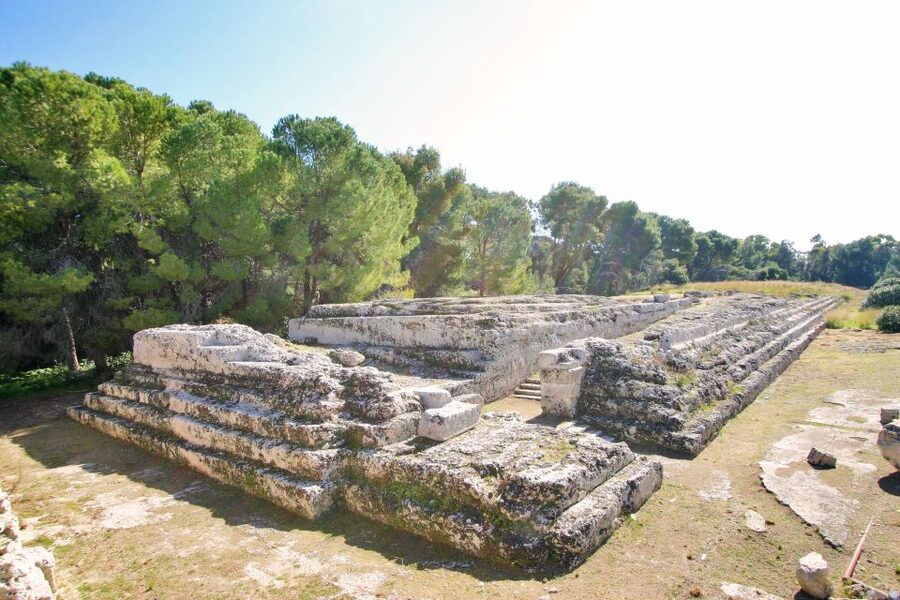
First is the Altar of Hieron II, with about 10 minutes of guided time. This stop gives you a ritual context: the guide frames the altar in relation to what came before and what followed, so it feels like a chapter rather than a lone landmark.
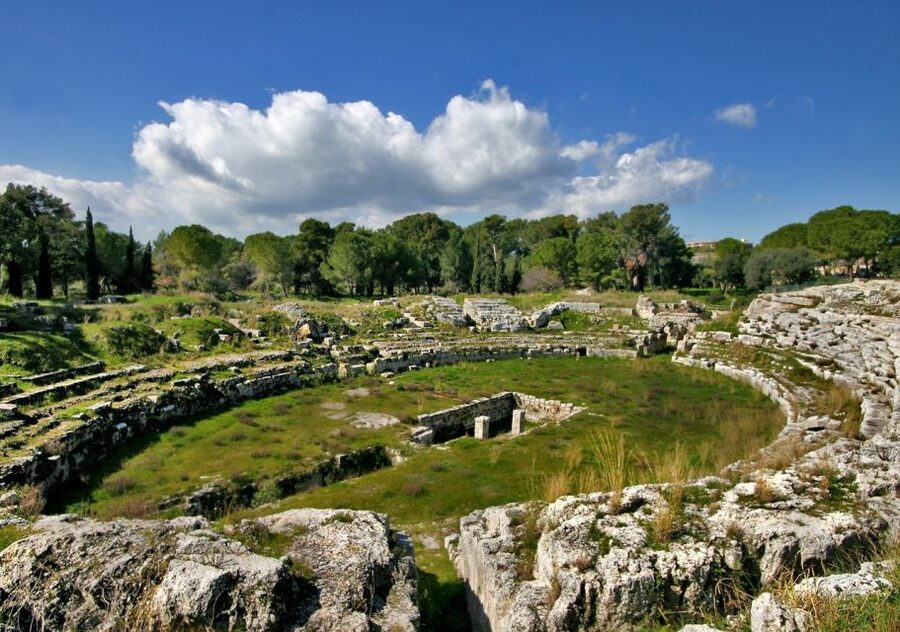
Then you move on to the Syracuse Roman Amphitheater for about 15 minutes of guided time. This is a strong closing point because the architecture style shifts again, and the guide helps you notice those differences without turning it into a lecture.
If you only did the popular “headline” site, you’d miss the bigger pattern. Ending here helps you walk away with a fuller sense of how Syracuse layered cultures in the same park.
Shared vs Private Tour: How to Choose the Right Pace
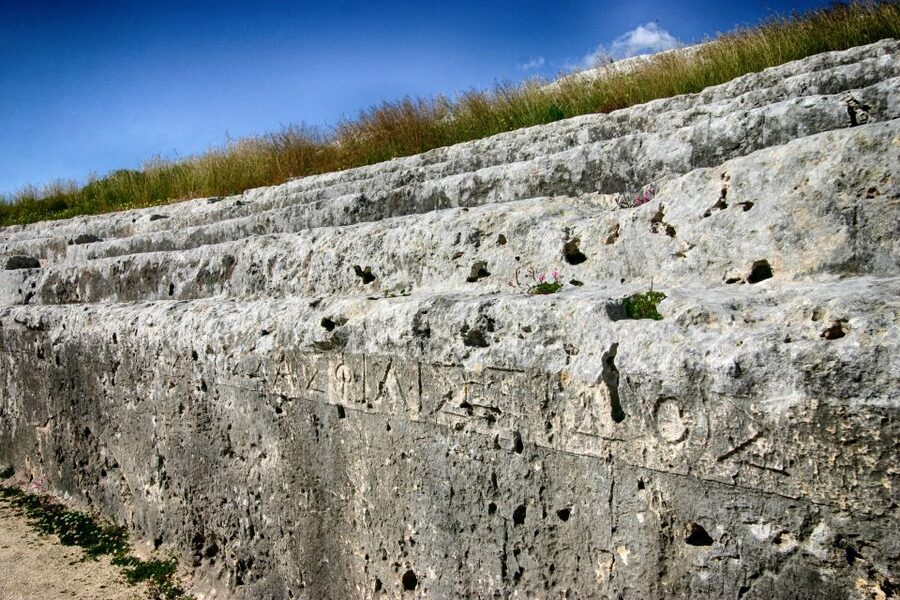
You get a choice between a shared group and a private tour, and that changes more than just price for some people.
On a shared group option, you’ll benefit from the energy of being around others, and for larger shared groups you may get radio receivers so you can hear the guide clearly. On the smaller side, the experience tends to feel more conversational, and the guide can answer more follow-up questions.
On a private tour, the big advantage is control. If you want slower pacing, extra photo time, or you’re traveling with kids, a private guide can adjust on the spot.
If you’re the type who asks questions as you walk—about how spaces were used, what you’re looking at, or how the Greek and Roman pieces connect—either format can work. I’d still lean toward private if you want maximum flexibility within that 1.5-hour window.
Price and Value: What $26 Buys You in Real Sightseeing
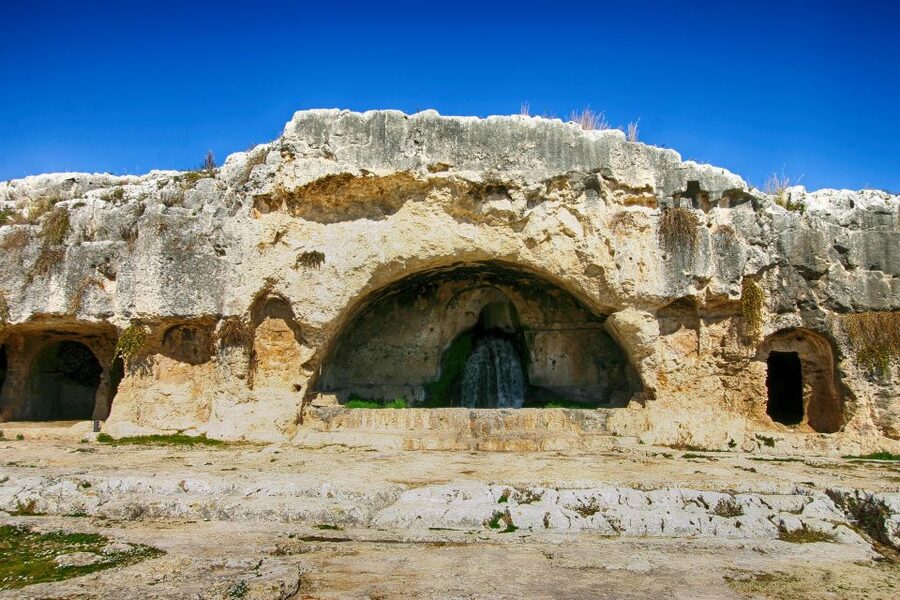
At $26 per person for a 1.5-hour guided walk, this is the kind of value I look for on Sicily. You’re paying for time with a licensed guide who gives structure, context, and on-site explanations, not just access to a ruin you could visit on your own.
Entry tickets are included only if you select the ticket option, so you’ll want to check what your booking includes before you show up. Either way, the tour is built around a tight route: theater area, key quarry stops, the Ear of Dionysius, then altar and Roman amphitheater.
That compact route is the real “value engine.” It saves you from guessing your way through Neapolis and helps you prioritize the places that deliver the best payoff per minute.
Timing, Walking Comfort, and What to Bring
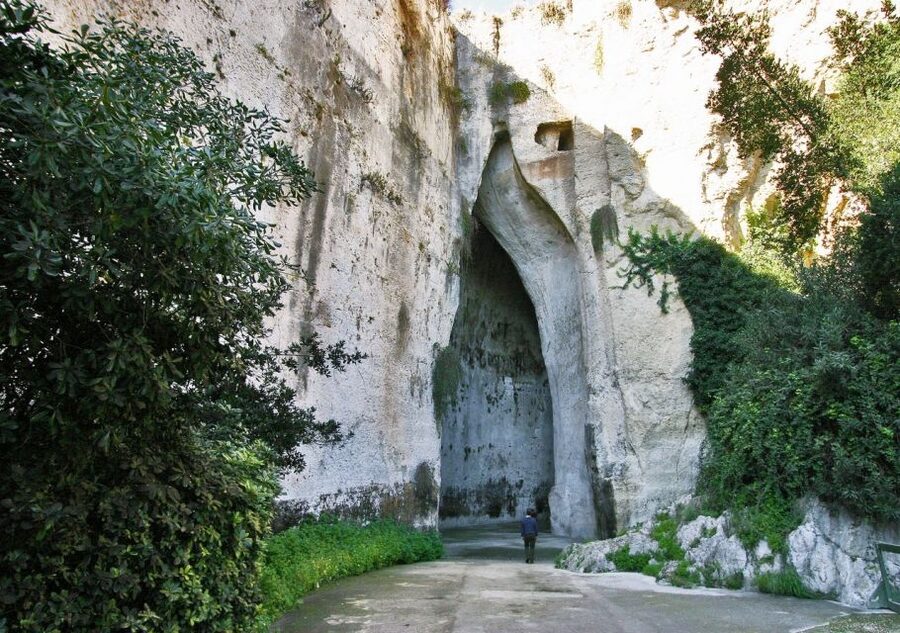
Plan on a walking tour with multiple guided stops, totaling about 1.5 hours. The route moves through rock-cut areas and monument zones, so wear shoes with real traction.
You’ll meet your guide at the park entrance area, and the meeting point may vary depending on the option you booked. One listed starting point option is Largo Anfiteatro, 2, and you should confirm your exact spot in your booking details.
Bring a passport or ID card, since it’s requested for this activity. And if you’re sensitive to heat, consider doing it in a cooler part of the day when available, since you’ll spend time outside even with shorter guided segments.
Wheelchair accessibility is listed as available, which is great for people who need that support. If you have mobility constraints, the guide’s pacing and path choices can matter, so it’s worth mentioning your needs at the start.
Should You Book This Neapolis Archaeological Park Tour?
Book it if you want the simplest path to understanding Neapolis without turning your day into DIY guesswork. The Ear of Dionysius is the obvious headline, but the tour’s real strength is how it threads together the quarry spaces, the theater setting, and the Roman amphitheater into one smooth storyline.
Skip it only if you’re truly happy wandering alone and you already know exactly what each stop is meant to show you. With a 1.5-hour limit, this tour works best when you want guidance, not when you want a slow, unstructured museum-style visit.
FAQ
How long is the Syracuse Neapolis Archaeological Park small group tour?
The duration is listed as 1.5 hours.
Where do I meet for the tour?
The meeting point may vary depending on the option booked. One starting point option listed is Largo Anfiteatro, 2.
Is this tour shared or private?
You can choose between a shared group tour or a private tour.
What’s included with the tour?
It includes a walking tour and a licensed guide. Entry tickets are included if you select the option that includes them. Radio receivers are available only for the large shared group tour option.
What language is the guide speaking?
The tour is listed as being guided in Italian.
Is the tour wheelchair accessible?
Yes, wheelchair accessibility is listed as available.
Do I need to bring ID?
Yes. You should bring your passport or ID card.
Can I cancel if plans change?
Free cancellation is offered up to 24 hours in advance for a full refund.
More Tours in Syracuse



More Tour Reviews in Syracuse
More of Syracuse and Ortigia
Just added: the newest Syracuse tours in our notebook
- Tour of Syracuse by Ape Calessino★ 3.0 · 3 reviews
- Syracuse Showdown Scavenger Hunt★ 5.0 · 3 reviews
- Sicily Boats Avola: Plemmirio boat tour 4 people 4 hours★ 5.0 · 3 reviews
- Groovy Geneva Scavenger Hunt★ 5.0 · 3 reviews
- Syracuse: Ortigia & Sea Caves Boat Tour with Local Skipper★ 5.0 · 3 reviews
- Siracusa: Neapolis’s Archaeological Park small group tour★ 5.0 · 3 reviews
Syracuse & Ortigia, compared.
 ★ 4.7Syracuse: Tour of Ortigia Island & Caves with Local SkipperFrom $231,060 reviews
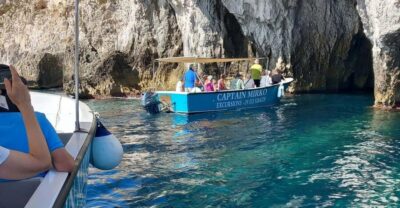 ★ 4.7Syracuse: Boat Tour with Captain Mirko, Snorkeling & CavesFrom $35746 reviews
 ★ 4.7Siracusa: Ortigia Boat Tour with Marine Grotto & SnorkelingFrom $47726 reviews
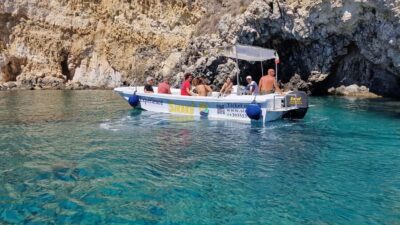 ★ 4.8Siracusa: Ortigia & Sea Caves Boat Tour w/ Prosecco & FruitFrom $35723 reviews
 ★ 5.0Tour of the island of Ortigia and exploration of sea caves with baths.From $24668 reviews
 ★ 4.7Syracuse: Ortigia Island & Sea Cave Boat Tour with ProseccoFrom $23418 reviews
 ★ 5.0Boat tour of Ortigia Island and sea cavesFrom $24407 reviews
 ★ 4.6Catania: Syracuse, Ortigia, and Noto Tour with BrunchFrom $112404 reviews
Browse the lists this tour appears in