
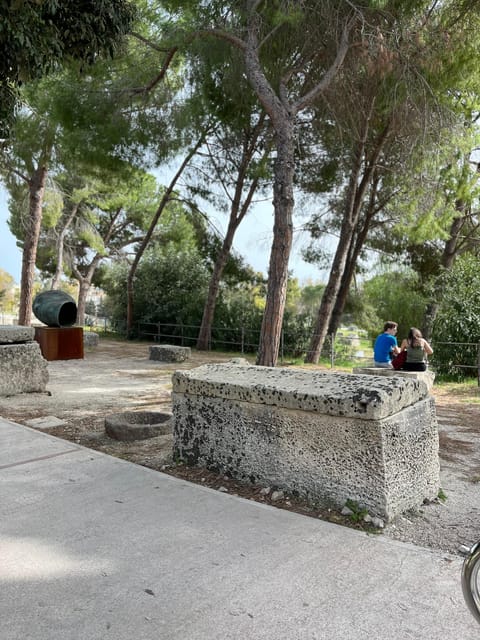
Reviewed · SYRACUSE & ORTIGIA
Siracusa: Neapolis’s Archaeological Park small group tour
Neapolis in Syracuse feels like a live story. You get the why behind the stones, walking the same monumental area archaeologists study. I especially like that the tour is led by PhD Dr. Enrica De Melio, an archaeologist who explains with real context. I also like the small-group size (up to 8), so questions don’t get swallowed by a big crowd.
One thing to plan for: entrance tickets to the archaeological park are not included, so you’ll need to buy them before the start and show up ready.
In This Review
- Key things I’d watch for
- Why Neapolis in Siracusa Feels Like a Story, Not a Scrapbook
- Meet Your Guide at Parco Archeologico Neapolis
- The Greek Quarry of Paradise: Ear of Dionysius and Working Caves
- Ear of Dionysius
- Cave of Salnitro
- Cave of the Rope Makers
- Greek Theatre (Early V Century B.C.): Hearing the Site’s Purpose
- A drawback to consider
- Altar of Ierone II (III Century B.C.): The Meaning Behind the Stone
- Roman Amphitheater: The Syracuse Remix
- What 1.5 Hours in a Small Group Actually Means for You
- Tickets, Timing, and Getting Ready Before You Meet
- Value: Is $113.29 Worth It for Neapolis?
- Who Should Book This Neapolis Archaeological Park Tour
- Should You Book This Tour?
- FAQ
- How long is the Siracusa: Neapolis’s Archaeological Park small group tour?
- How big is the small group?
- Are entrance tickets to the Neapolis Archaeological Park included?
- Where do I meet the guide?
- What language is the tour offered in?
- Is the tour wheelchair accessible?
- Is there free cancellation?
Key things I’d watch for
- Archaeologist-led context with Dr. Enrica De Melio guiding the story of ancient Siracusa
- Greek Quarry of Paradise walk featuring the Ear of Dionysius plus caves tied to Salnitro and rope makers
- Major theatre-to-amphitheater sequence from the early V century B.C. Greek theatre to the Roman amphitheater
- Slow, emotional pacing that makes it easier to remember dates, places, and names
- Up to 8 people for a calmer, more question-friendly experience
Deeper into Ortigia and old Syracuse
- Syracuse: Boat Tour with Captain Mirko, Snorkeling & Caves
★ 4.7 · 746 reviews - Siracusa: Ortigia Boat Tour with Marine Grotto & Snorkeling
★ 4.7 · 726 reviews - Siracusa: Ortigia & Sea Caves Boat Tour w/ Prosecco & Fruit
★ 4.8 · 723 reviews - Syracuse: Ortigia Island & Sea Cave Boat Tour with Prosecco
★ 4.7 · 418 reviews
Why Neapolis in Siracusa Feels Like a Story, Not a Scrapbook
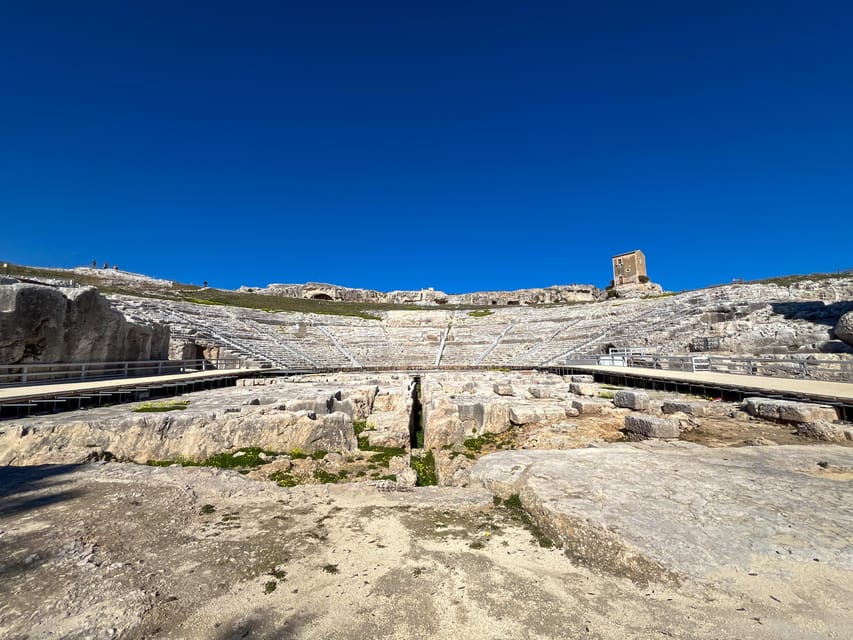
Neapolis is one of those places where it’s easy to stare at ruins and still feel lost. This tour fixes that. Instead of treating the park like a checklist, you move through a designed route that links the quarry, theatre, altars, and Roman makeover into one continuous picture.
I like the way the experience is described as a cultural and emotional tour. That usually means you’re not just collecting facts. You’re learning what each space was for, what people might have done there, and why those names still matter. You also get a guide-led pace, which helps a lot when the site is spread out.
The other smart advantage: the tour focuses on the entire Neapolis Monumental Area in one go. You’re not bouncing between random stops that leave you with fragments. You walk a coherent arc.
Meet Your Guide at Parco Archeologico Neapolis
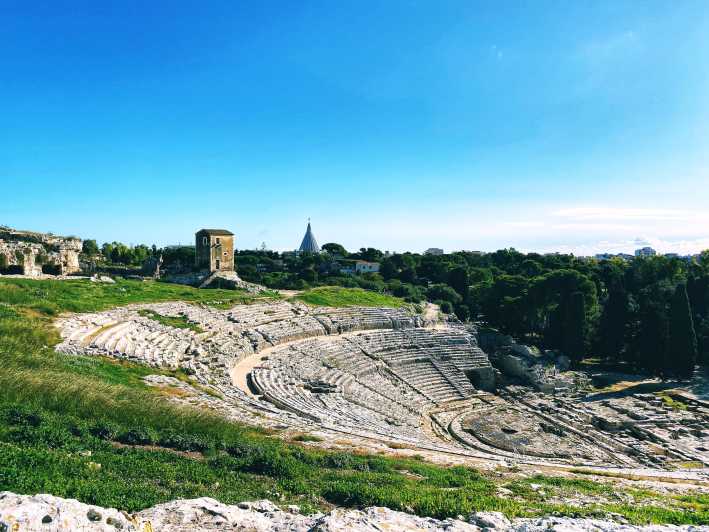
You start at Parco Archeologico Neapolis, and you’ll want to arrive with your plan already in hand: you’re expected to have your entry ticket before the tour begins. The meeting point is straightforward, and the guide holds a sign reading Get your Guide.
The fact that the tour includes both an archaeologist and a qualified tourist guide matters. You get the technical grounding from the archaeologist, and the clarity from someone used to turning complex material into something you can actually follow. In the reviews, people call out how much understanding they gained from Enrica’s explanations. That lines up with what you’d want in a place like Neapolis, where names and dates can blur fast on your own.
You’ll also know you’re in the right place because it’s small group, limited to 8 participants. In practice, that usually means more time per person and better answers to questions.
The Greek Quarry of Paradise: Ear of Dionysius and Working Caves
Your walk begins with an introduction to the ancient history of Siracusa. Then you head into one of the park’s most striking zones: the Greek quarry of Paradise. This is where Neapolis stops feeling like an outdoor museum and starts feeling like infrastructure—spaces carved for specific uses by real communities.
Ear of Dionysius
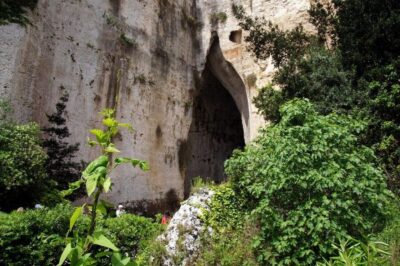
You’ll see the famous Ear of Dionysius as part of this quarry segment. Even if you’ve heard the name before, a guided explanation changes how you look at it. Instead of treating it as a “cool stop,” you learn how it fits into the larger site and story you’re building through the park.
A practical tip: this is the kind of stop where standing still and listening matters. Slow down here and give the guide your full attention. It’s easy to photograph and miss the context that makes the feature click later in the tour.


Cave of Salnitro
Next comes the Cave of Salnitro. This stop is useful because it broadens your sense of what these quarries held beyond showpieces. It helps you connect Neapolis to the working side of ancient life—how people created, extracted, and shaped stone over time.
Cave of the Rope Makers
You also visit the Cave of the rope makers. This kind of place is exactly why guided tours win. The name alone can feel mysterious; a guide helps you place it in the broader setting of the monumental area. You’re learning the “who and why” behind the label, not just reading a sign.
Why this quarry section is worth your time: it teaches you to recognize the park’s logic. After these stops, the theatre and amphitheater don’t feel like separate attractions. They feel like different chapters in one bigger transformation.
Greek Theatre (Early V Century B.C.): Hearing the Site’s Purpose
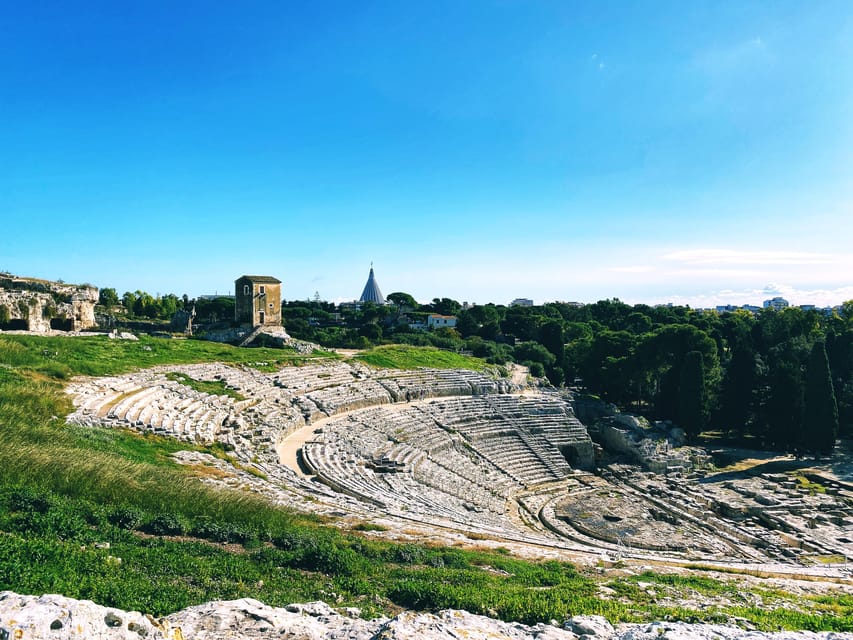
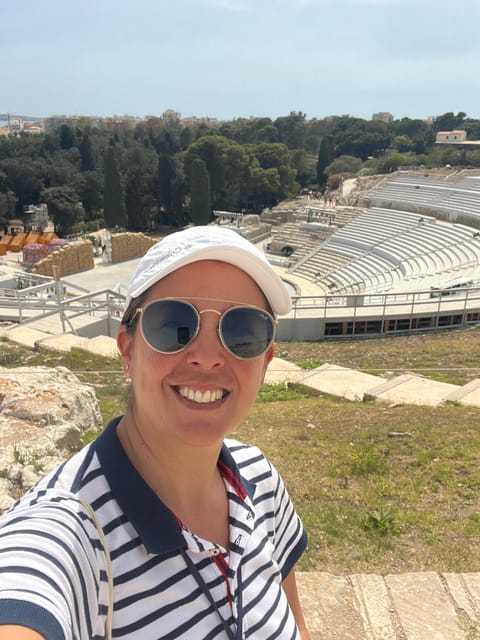
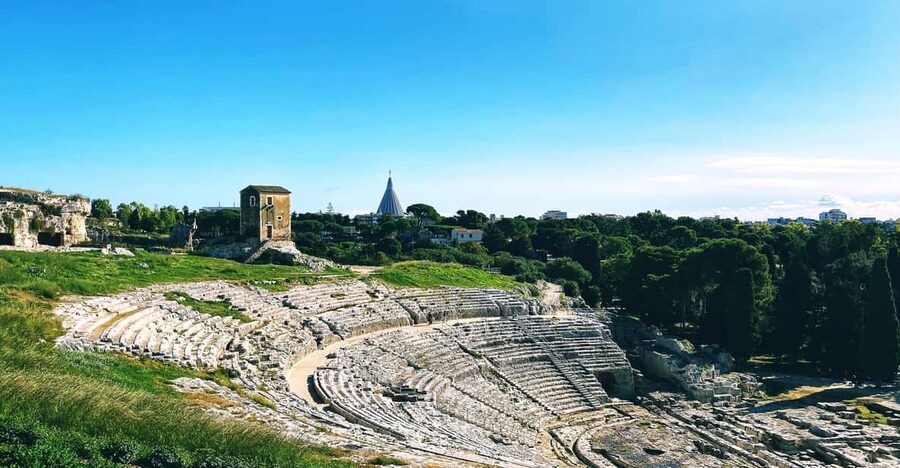
From the quarry, the tour shifts you into the Greek theatre of the early V century B.C. This is a key moment in the route because it’s where the park’s civic and cultural side becomes visible.
A Greek theatre isn’t just seating and stone steps. Even at a basic level, it represents community life and public performance. When you have a guide here, the architecture makes more sense. You understand what you’re looking at and why it’s positioned the way it is.
The tour pace helps. You’re not sprinting from one viewpoint to another. You’re getting guided storytelling that helps you mentally organize what you’ve already seen in the quarry. When the theatre appears, you can connect “carved spaces” to “public spaces.”
A drawback to consider
This section can be more physically demanding if you dislike uneven ground or moving between levels. The good news is the overall tour is planned as a walk-through of the monumental area in 1.5 hours, so it isn’t a long haul marathon. Still, wear grippy shoes.
Altar of Ierone II (III Century B.C.): The Meaning Behind the Stone
After the theatre, you’ll see the Altar of Ierone II from the III century B.C. Altars are easy to overlook when you’re focused only on big visuals. With a guide, this stop becomes a turning point.
It’s a chance to learn how power and religion intersect in public space. You get the “why” that helps you stop thinking of the park as random ruins. Instead, you start seeing it as planned settings for ceremonies and civic identity.
This is also where a question-friendly group can shine. Because the group is limited to 8, you’re more likely to get real answers rather than rushed responses.
Roman Amphitheater: The Syracuse Remix
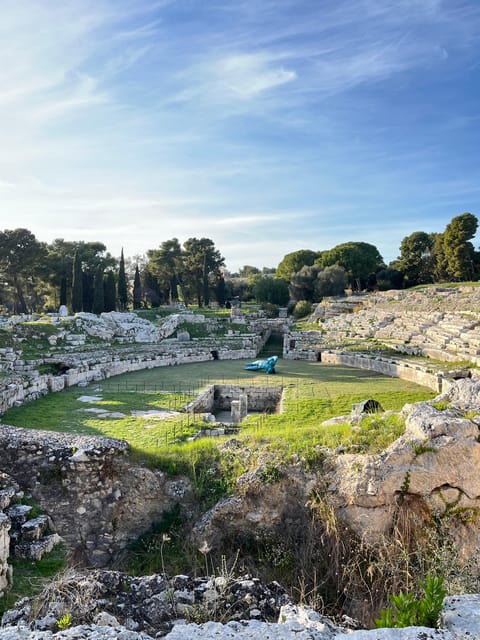
The final big anchor is the Roman amphitheater. The Romans didn’t just inherit the story of Syracuse—they reshaped parts of it. Seeing the theatre side by side with the amphitheater conceptually helps you understand continuity and change.
This stop gives your tour the historical punch of a “before and after.” You’ve just walked through a Greek theatre moment from the early V century B.C., and now the Roman amphitheater shows you what the later rulers valued and built.
If you like that feeling of comparison—how one civilization’s idea of public space meets another’s—this section is satisfying. The guide’s job here is to connect the dots so it doesn’t feel like two separate monuments stapled together.
What 1.5 Hours in a Small Group Actually Means for You
A 1.5-hour tour is a sweet spot for Neapolis. It’s enough time to cover the main monumental sequence without turning it into a day-long ordeal. You still get a guided narrative, but you’re not stuck when energy dips.
The small group (up to 8) changes the vibe. I like tours like this because you get:
- smoother pacing between stops
- a better chance to hear answers when you ask questions
- less time waiting for everyone to catch up
Language is another practical bonus. The tour runs live in Italian and English, so you’re not relying on a phone app or printed sheet if you’re more comfortable with English.
Tickets, Timing, and Getting Ready Before You Meet
Here’s the simple part that can trip people up: entrance tickets are not included. You’re expected to buy them ahead of time at the ticket office, then show up already equipped.
So do yourself a favor:
- Buy your ticket before the start time
- Arrive at Parco Archeologico Neapolis on schedule so the guide can start the introduction
Because this is a timed slot experience (starting times depend on availability), being late can cut into the best parts—especially the quarry intro and the early flow into the theatre.
The good news: the experience is designed to finish back at the meeting point, so you aren’t wandering off without a plan.
Value: Is $113.29 Worth It for Neapolis?
At $113.29 per person for about 1.5 hours, it’s not a bargain-basement activity. But it’s also not overpriced in the way tours can be when they’re just “walk and point.”
This price makes sense because you’re paying for:
- a licensed tourist guide of the Sicilian Region
- an archaeologist with a PhD (Dr. Enrica De Melio) leading the story
- a small-group format limited to 8 people
- coverage of the entire Neapolis Monumental Area sequence, not a few random highlights
Entrance tickets are extra, but you were going to buy them anyway. The real question is whether you want a guided explanation that turns ruins into something you can remember. From the tone of the guide emphasis and the focus on context, this is exactly the kind of tour that helps Neapolis last longer in your memory than photos alone.
Who Should Book This Neapolis Archaeological Park Tour
This tour is a strong fit if you:
- want context rather than a self-guided scavenger hunt
- enjoy architecture and want help linking Greek and Roman layers
- like the idea of a slow pace with space for questions
- appreciate learning from an archaeologist rather than a general narrator
It may feel less ideal if you prefer total independence and don’t want scheduled timing. With a 1.5-hour structure, you’ll be following the guide’s route rather than stopping wherever you want for as long as you want.
Should You Book This Tour?
I’d book it if you want Neapolis to feel understandable quickly. The combination of Dr. Enrica De Melio’s archaeologist perspective, the orderly route through the quarry-to-theatre-to-Roman amphitheater arc, and the small-group limit to 8 is a very practical recipe for getting real value from one of Sicily’s most famous ancient sites.
If you’re visiting Siracusa and you’ve got limited time, this tour helps you turn that time into meaning. And if you’re a details person, the guide’s role in connecting names like the Ear of Dionysius, the Cave of Salnitro, and the Altar of Ierone II is exactly what makes those stops feel less like trivia and more like a story you can follow.
FAQ
How long is the Siracusa: Neapolis’s Archaeological Park small group tour?
The tour duration is 1.5 hours.
How big is the small group?
The group is limited to 8 participants.
Are entrance tickets to the Neapolis Archaeological Park included?
No. Entrance tickets are not included, and you need to buy them before the tour start time.
Where do I meet the guide?
You meet at Parco Archeologico Neapolis. The guide will have a sign that says Get your Guide.
What language is the tour offered in?
The live tour guide offers Italian and English.
Is the tour wheelchair accessible?
Yes, it is wheelchair accessible.
Is there free cancellation?
Yes. You can cancel up to 24 hours in advance for a full refund.
More Tours in Syracuse



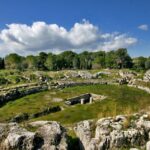
More Tour Reviews in Syracuse
More of Syracuse and Ortigia
Just added: the newest Syracuse tours in our notebook
- Tour of Syracuse by Ape Calessino★ 3.0 · 3 reviews
- Syracuse Showdown Scavenger Hunt★ 5.0 · 3 reviews
- Sicily Boats Avola: Plemmirio boat tour 4 people 4 hours★ 5.0 · 3 reviews
- Groovy Geneva Scavenger Hunt★ 5.0 · 3 reviews
- Syracuse: Ortigia & Sea Caves Boat Tour with Local Skipper★ 5.0 · 3 reviews
- Siracusa: Neapolis’s Archaeological Park small group tour★ 5.0 · 3 reviews
Syracuse & Ortigia, compared.
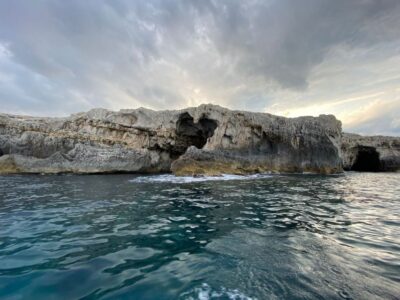 ★ 4.7Syracuse: Tour of Ortigia Island & Caves with Local SkipperFrom $231,060 reviews
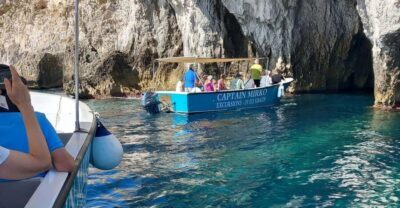 ★ 4.7Syracuse: Boat Tour with Captain Mirko, Snorkeling & CavesFrom $35746 reviews
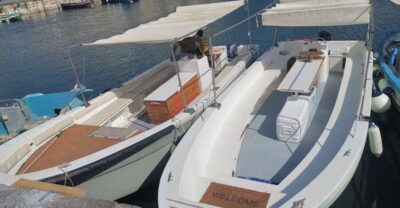 ★ 4.7Siracusa: Ortigia Boat Tour with Marine Grotto & SnorkelingFrom $47726 reviews
 ★ 4.8Siracusa: Ortigia & Sea Caves Boat Tour w/ Prosecco & FruitFrom $35723 reviews
 ★ 5.0Tour of the island of Ortigia and exploration of sea caves with baths.From $24668 reviews
 ★ 4.7Syracuse: Ortigia Island & Sea Cave Boat Tour with ProseccoFrom $23418 reviews
 ★ 5.0Boat tour of Ortigia Island and sea cavesFrom $24407 reviews
 ★ 4.6Catania: Syracuse, Ortigia, and Noto Tour with BrunchFrom $112404 reviews
Browse the lists this tour appears in