
Reviewed · MOUNT ETNA TOURS & SUMMIT
Etna Southern Slope Guided Easy Trek
Etna looks fake up close. This guided trek on Etna’s southern slope takes you into real volcanic terrain—craters, lavas, and viewpoints—starting near Rifugio Sapienza at about 1,900 m. You’ll follow traces from eruptions including 1766, 1892, and 2001.
I love how the route mixes walking with clear volcanology storytelling. Guides like Mario and Thomas are praised for explaining lots of details fast, answering questions well, and keeping the pace practical with well-timed pauses.
One drawback to plan around: it’s not a rain-or-storm tour. If conditions turn bad, the excursion won’t run, and the medium-difficulty hike may feel tough for people with low fitness, motion sickness, or heart problems.
In This Review
- Key highlights at a glance
- Why Etna’s southern slope feels like a different planet
- Rifugio Sapienza (about 1,900 m): the start that sets the tone
- Monti Silvestri: crossing the upper craters up close
- 2001 lava walk: where the terrain turns from crater to flow
- Calcarazzi and 1766: seeing one eruption through another
- The view from the upper Silvestri craters: Etna plus the Ionian coast
- Guide style makes the science stick (Mario and Thomas get praised)
- What to bring, what to wear, and what weather can ruin
- Price and value: $46 for 2.5 hours of guided volcano terrain
- Who should book this Etna easy trek—and who should pass
- Should you book this tour?
- FAQ
- How long is the Etna Southern Slope Guided Easy Trek?
- Where does the trek start?
- Where do I meet the guide?
- What’s included in the price?
- What language is the tour guide?
- What should I bring?
- What’s the weather policy?
- Is the trek suitable for everyone?
Key highlights at a glance
- Rifugio Sapienza start near the cable car area at roughly 1,900 m
- Silvestri crater walking across the upper crater area of Monti Silvestri
- 2001 lava flow + the volcanic fracture linked to that eruption
- Calcarazzi craters of 1766 as part of the eruption story on the southern slope
- Big Etna-and-coast views from the top area of the upper Silvestri craters
- Guides who blend science and passion (Mario and Thomas get named often in feedback)
More ways up the volcano from Sicily
- Etna Morning Trip
★ 4.5 · 1,241 reviews - Mt. Etna nature and flavors half day Tour from Catania
★ 5.0 · 545 reviews - Etna excursion 3000 meters with 4×4 cable car and Trekking
★ 4.5 · 504 reviews - Mount Etna Adventurous Hiking Tour with Equipment
★ 4.5 · 439 reviews
Why Etna’s southern slope feels like a different planet
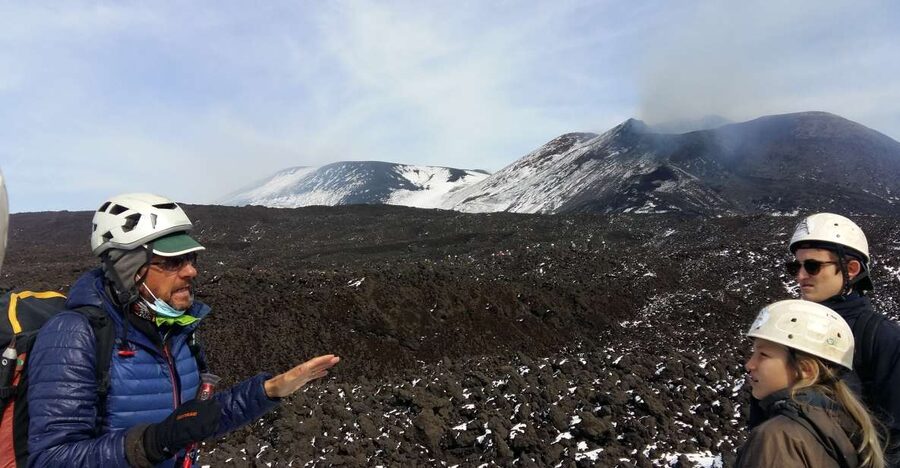
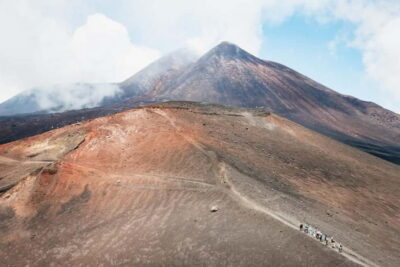
There’s a specific kind of weird satisfaction you get when you walk across ground that once flowed like molten rock. On Etna’s southern slope, the “lunar” look isn’t a gimmick—it’s the result of eruptions shaping the terrain over time. And the guide doesn’t just point at rocks; the trek is built to connect what you see with 1766, 1892, and 2001.
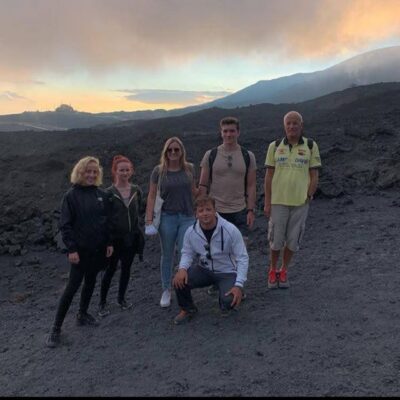
What makes this experience especially fun is the mix of close-up features and wider perspective. You’re walking through crater edges and lava paths, then topping out for a panorama over the foothills toward the Ionian coast near Catania. In a short 2.5 hours, you get both the science-spotting and the big-view payoff.
Rifugio Sapienza (about 1,900 m): the start that sets the tone
You begin at the Hotel/Restaurant Rifugio Sapienza, right next to the departure station for the Etna cable car on the southern slope. That location matters because it puts you high enough to feel like you’re already in the volcano zone—without needing a long, multi-stage climb just to start seeing things.
Meeting point is straightforward: inside the Esagonal bar, look for a flag with the Sicily Touring symbol and your guide welcoming you. For timing, the tour duration is listed as 2.5 hours, so aim to arrive a bit early, get settled, and use the first minutes to check your footing and hydration.
This is also where you set yourself up for success. The trek is described as medium difficulty, and you’ll be moving around crater areas and over uneven volcanic ground. Bring proper hiking shoes and get ready to pay attention to where you step, even when the scenery is stealing your focus.
Monti Silvestri: crossing the upper craters up close
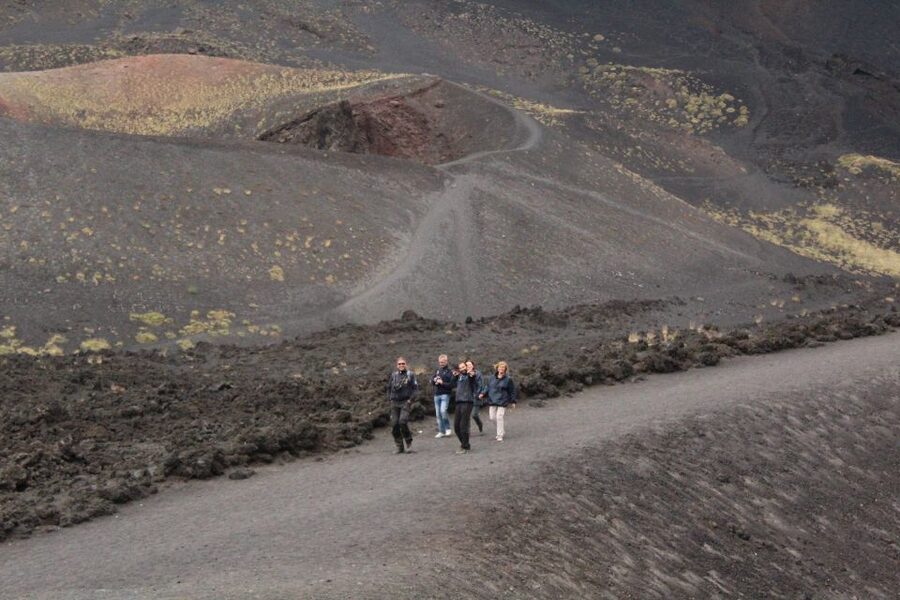
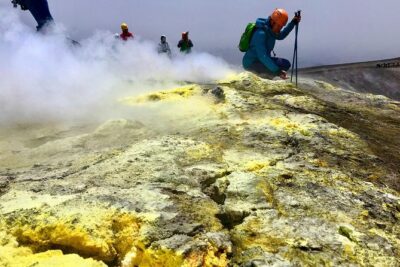
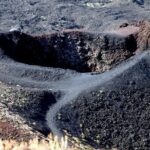
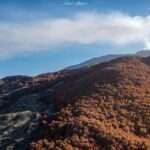
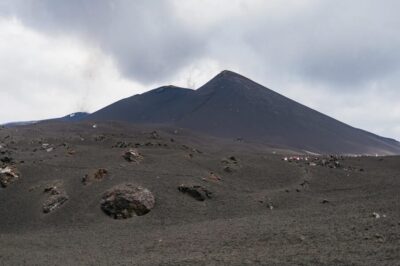
A big chunk of the trek focuses on the upper craters of the Monti Silvestri area. This is where you really start to understand Etna as a working system, not a museum rock. Walking near crater forms gives you a sense of scale—what “eruption” looks like when you’re standing on the remnants and edges.
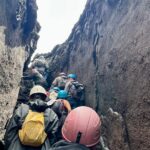
You’re not just scanning from a distance. The route has you trekking through crater terrain and moving along paths that connect one eruptive chapter to another. That matters because you’re learning the “how it changed the ground” story while your boots are literally on that ground.
One practical upside: because the excursion is only 2.5 hours, the crater walking stays focused rather than turning into a long slog. Guides are also praised for using pauses at the right moments, which helps you recharge without losing momentum.
2001 lava walk: where the terrain turns from crater to flow
Then the route shifts to the lavas from the 2001 eruption. This section is often the moment where the trip stops being purely educational and starts feeling like a physical experience of geology. Lava flows leave behind surfaces that can look dramatic and unfamiliar, and walking across them is a reminder that volcano activity isn’t just theory.
From there, you reach the volcanic fracture that generated the eruption. That’s a key stop because it connects the shape of the landscape to a cause. Instead of treating the volcano like a pile of old damage, you’re shown a specific feature tied to how the eruption happened.
What I like about this pacing is the structure: crater area first, then flow, then the fracture point. It helps you build a mental map as you go, so the views at the end land with more meaning.
A few we would gladly point a friend toward in Sicily

Calcarazzi and 1766: seeing one eruption through another
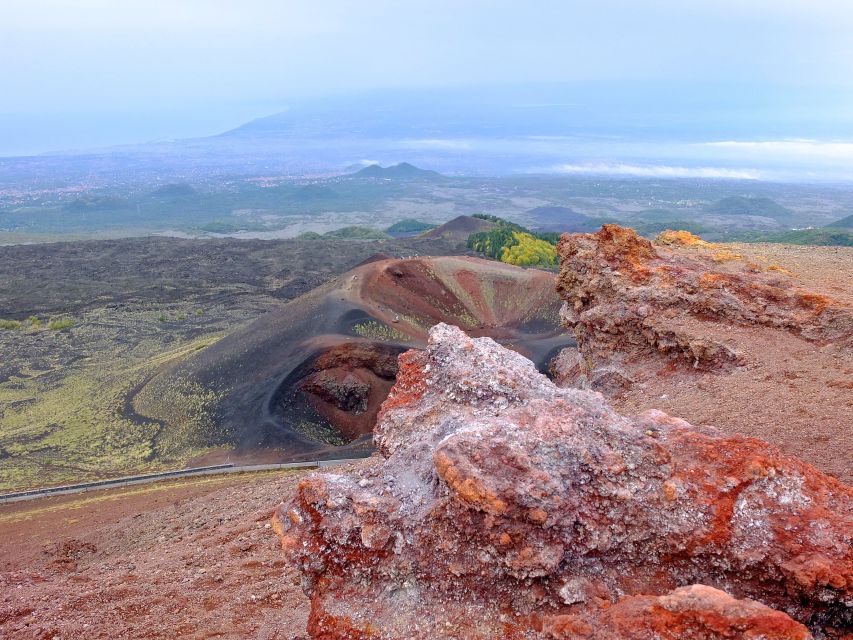
The trek doesn’t stop at 2001. You also move toward the Calcarazzi craters connected with the 1766 eruption. That part of the walk is valuable because it makes the eruption timeline feel less abstract. You’re not memorizing dates; you’re comparing physical evidence across different events.
The route description also references eruptions from 1892 as part of the overall southern-slope story. Even when you’re not staring at a single “1892” label, the way the guide threads events together helps you notice patterns: how craters and fracture-related features sit in relation to each other and how the terrain evolves.
One caution for your expectations: volcano terrain can be uneven and sometimes gritty. The tour is listed as medium difficulty, so if you’re used to flat city walking, plan for your legs to feel it—especially after the crater section. The good news is that the total time stays short, so you’re unlikely to feel stuck out there for hours.
The view from the upper Silvestri craters: Etna plus the Ionian coast
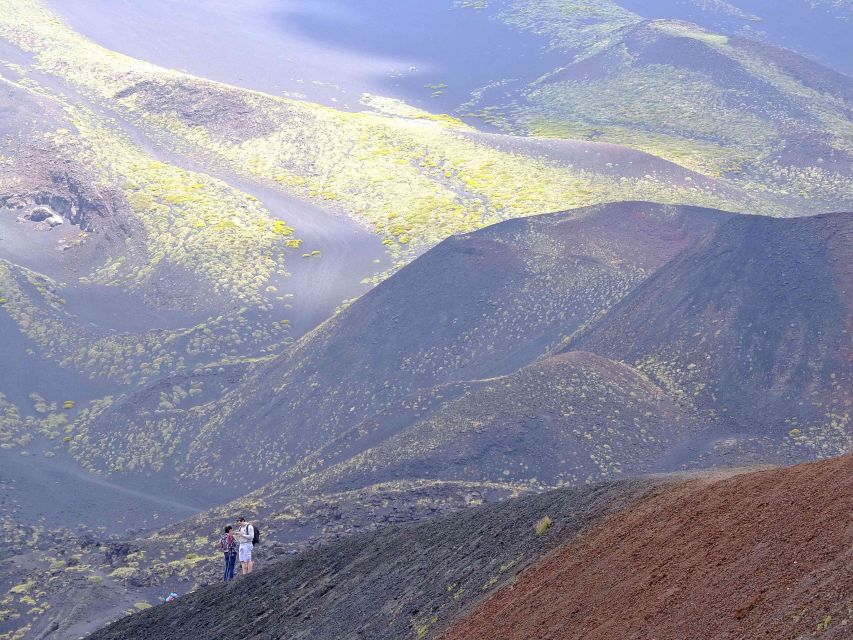
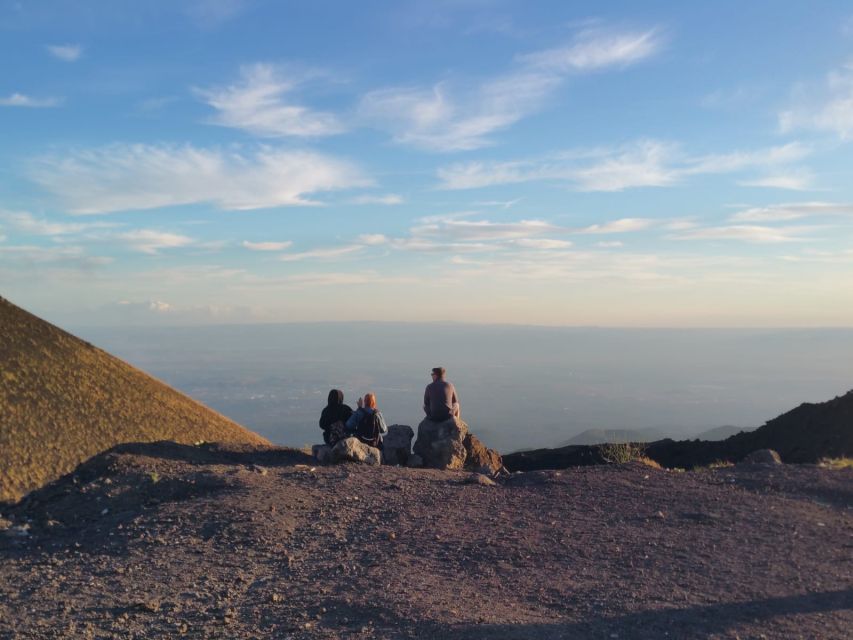
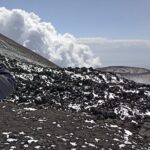
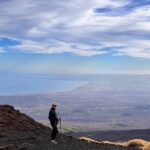
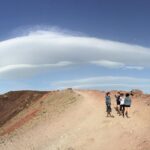
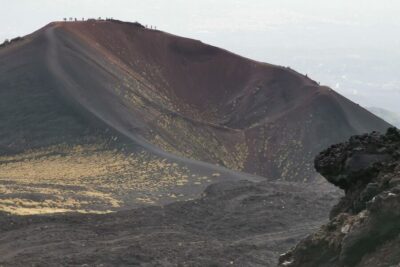
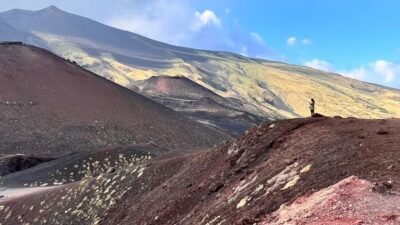
Near the end, you reach the highest point of the upper Silvestri craters. This is your big payoff moment: you get a panorama of Etna’s foothills and the Ionian coast near Catania.
Even if you’re not a landscape photographer person, this stop is worth treating like a “sit down and look” break. When you’re standing among crater terrain, it’s easy to lose scale. From higher ground, the volcano’s position within the broader region clicks into place.
And because this view comes after you’ve already walked through crater edges and 2001 lava, you’re not just seeing a pretty scene. You’re seeing the volcano’s working geography—and that makes the last minutes feel like the trip’s conclusion, not a random lookout.
Guide style makes the science stick (Mario and Thomas get praised)
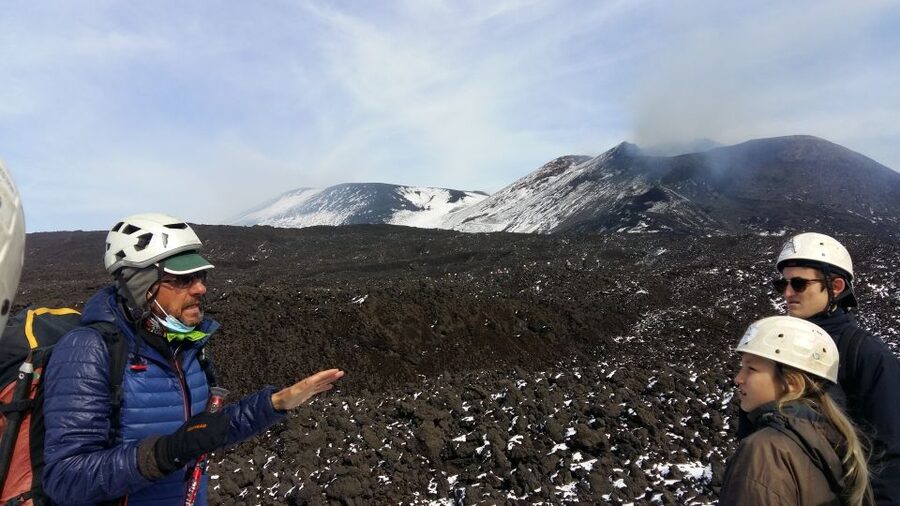
The trek is short, and that can make the guiding style really matter. In feedback, guides like Mario and Thomas are highlighted for bringing a lot of detail in a short time, with clear explanations and real passion for Etna.
I also like that the guiding is described as naturalistic and volcanological. That translates in practice into a mix of “what you’re looking at” plus “why it matters,” instead of a lecture you can’t connect to the ground under your feet. If you like asking questions, this kind of tour is a good fit; the guidance is reported as pedagogical and responsive.
If you’re the type who likes a structured walk—start here, see this feature, understand the eruption connection—this tour’s format supports that. It’s not just a hike. It’s a guided way to interpret the terrain you’re physically moving across.
What to bring, what to wear, and what weather can ruin
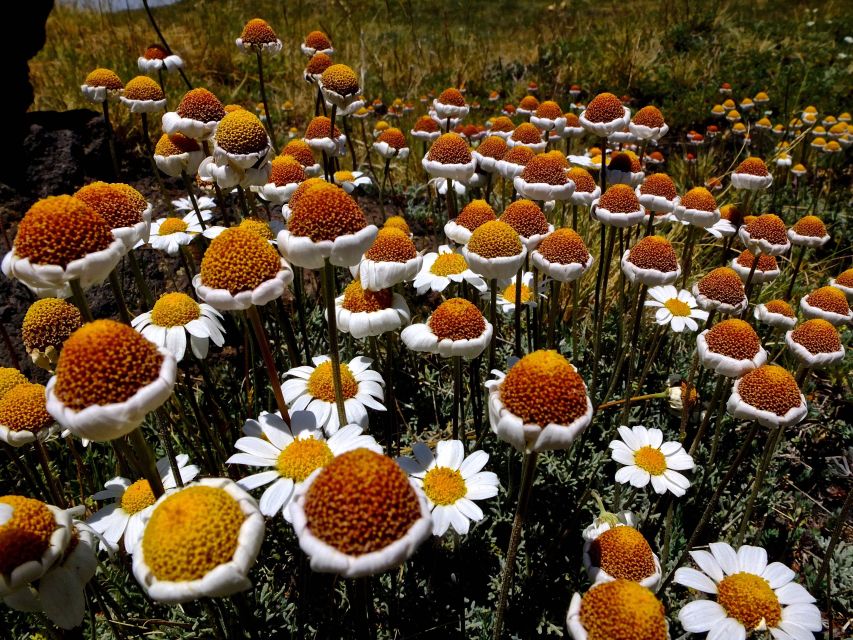
You’ll want hiking shoes, water, and rain gear, plus comfortable clothes. Since the starting altitude is around 1,900 m, you should assume conditions can feel different than lower areas, and volcanic ground can be slippery or dusty depending on the moment.
One key rule: the tour will not take place in rain or stormy weather. That’s important for planning your day around Etna. If you’re building a full itinerary, don’t schedule a hair-trigger plan that depends on this trek running no matter what.
Also note who should skip it. It’s not suitable for pregnant women, people with heart problems, those with low level of fitness, people with motion sickness, and people over 95 years. If any of those apply, choose a different Etna option that matches your needs better.
Price and value: $46 for 2.5 hours of guided volcano terrain
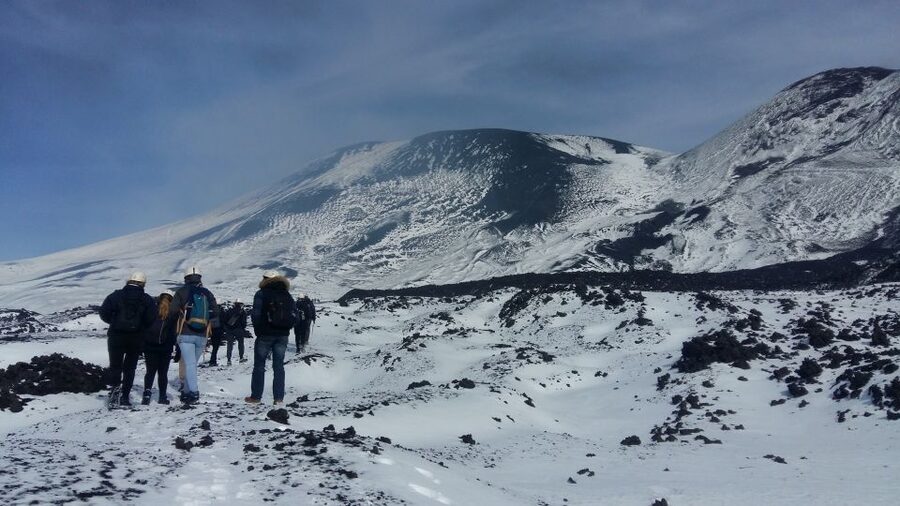
At $46 per person for 2.5 hours, the value is mostly in access plus interpretation. You’re paying for a nature guide service and for the guided routing through specific crater and eruption features that would be hard to understand on your own. The fact that the tour focuses on multiple eruption references—1766, 1892, 2001—also boosts the payoff per minute.
What’s not included is equally important for planning:
- Food and drinks
- Gratuities
- Clothing and mountain equipment
That means you should treat this as a walk-and-learn outing, not a full day tour with amenities. If you’re the kind of person who needs a snack or a drink break, plan to bring what you need within your comfort zone and based on your own preferences.
In other words: you’re paying for the guided geology experience, not for a picnic. If that matches your style, the price feels pretty reasonable for what you get.
Who should book this Etna easy trek—and who should pass
This is a great fit if you:
- want a guided walk that connects visible terrain to eruption history
- like short tours with a clear route focus
- can handle medium difficulty and uneven volcanic ground
- want views over Etna’s foothills and toward the Ionian coast near Catania
You might want to pass if you:
- have issues that make walking on uneven ground difficult
- get motion sickness easily
- have heart-related concerns
- are traveling with someone who’s pregnant, or if the age limit might matter for your group
It’s also a sensible option if you’re visiting Sicily and want one strong Etna day without turning it into a half-marathon. The whole experience stays in that sweet spot: enough time to see multiple features, short enough to feel manageable.
Should you book this tour?
If you want a practical introduction to Etna’s southern slope that actually teaches you what you’re seeing, I’d book it. The combination of Silvestri craters, the 2001 lava walk, and the fracture stop gives you a clear storyline, and the guide feedback about Mario and Thomas suggests you’ll get solid explanations without slow pacing.
Skip it if weather is unstable in your planning window. Since it won’t run in rain or storms, you’ll want at least one flexible option that can absorb a change. And if anyone in your group falls into the listed non-suitable categories, be smart and choose a different Etna experience that fits better.
If you line up the footwear, bring water and rain gear, and go in ready to walk carefully, this is one of those short tours that leaves you with real “I get it now” Etna memories.
FAQ
How long is the Etna Southern Slope Guided Easy Trek?
The tour lasts 2.5 hours.
Where does the trek start?
It starts in the southern part of Etnean territory at about 1,900 m, at the Hotel/Restaurant Rifugio Sapienza, near the departure station of the Etna cable car on the southern slope.
Where do I meet the guide?
Meet inside the Esagonal bar, where you’ll find a flag with the Sicily Touring symbol and the guide welcoming you.
What’s included in the price?
The nature guide service is included.
What language is the tour guide?
The live tour guide is available in English and Italian.
What should I bring?
Bring hiking shoes, water, rain gear, and comfortable clothes.
What’s the weather policy?
The tour will not take place in rain or stormy weather.
Is the trek suitable for everyone?
No. It is not suitable for pregnant women, people with heart problems, people with low level of fitness, people with motion sickness, and people over 95 years.
More Guided in Sicily

More Tour Reviews in Sicily


More Etna Summit Treks We Have Walked
Just added: the newest Sicily tours in our notebook
- Etna / Taormina★ 5.0 · 3 reviews
- Bikes★ 5.0 · 3 reviews
- Taormina shore tour – for small group cruise passengers★ 5.0 · 3 reviews
- Vegan Cooking Class in Catania with Lunch and Dinner★ 5.0 · 3 reviews
- Make & Taste Sicilian Desserts in Palermo – Learn Cannoli & More★ 5.0 · 3 reviews
- Sicilian Villages & Ricotta Tasting – including Lunch from Cefalu★ 4.0 · 3 reviews
Mount Etna Tours & Summit, compared.
 ★ 4.8Catania: Mount Etna Morning or Sunset Day Trip with TastingFrom $704,028 reviews
 ★ 4.8Catania: Sunset Jeep Tour of Mount Etna and Lava Flow CavesFrom $712,113 reviews
 ★ 4.8Etna and Alcantara Gorges Full-Day Tour with LunchFrom $1051,766 reviews
 ★ 4.7Etna: summit craters trekking with volcano guide 3350mtFrom $771,712 reviews
 ★ 4.9Catania: Mount Etna Trekking Tour Beyond the Tourist TrailsFrom $811,596 reviews
 ★ 4.8Mount Etna: Guided Trek 3,000 Meters to the SummitFrom $1131,407 reviews
 ★ 4.8Catania: Etna Sunset Tour with Pickup and Drop-offFrom $711,348 reviews
 ★ 4.8Etna Sunset Tour: Volcano trek, Cave & tasting from CataniaFrom $701,290 reviews
Browse the lists this tour appears in