
Reviewed · SICILIAN COOKING CLASSES
Cooking class fresh pasta
Flour on your hands changes how you eat. This fresh pasta cooking class in Sicily is compelling because you work from raw dough to finished shapes, and you also learn the sauces that define Sicilian comfort food like ragù, Norma, and Sicilian pesto. One consideration: it’s a kitchen-first experience, so it’s not the best choice if you came to Sicily mainly for sightseeing.
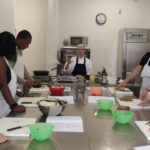
I like the hands-on, teacher-led format. In a professional cooking lab, you’ll make dough, form pasta types, and then sit down to enjoy what you made with Sicilian wine. The price may look steep at first glance, but you’re paying for time with a professional chef and a full meal built around your work.
In This Review
- Key Things to Know Before You Cook in Sicily
- Why This Sicily Pasta Class Works So Well
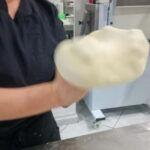
- Step One: Two Doughs, One Big Lesson
- Step Two: Shape Three Sicilian Pasta Favorites
- The Sicilian Sauce Plan: Ragù, Norma, Pesto
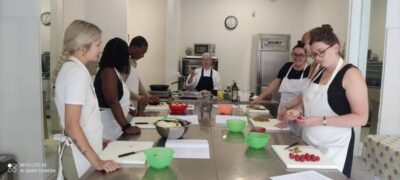
- In the Lab: How the 3-Hour Timing Feels
- What You Eat at the Table (and the Wine Factor)
- Price and Value: Is $112.15 a Good Deal?
- Who Should Book This Class (and Who Might Skip It)
- Practical Tips Before You Go (So You Get the Best Class)
- Should You Book This Fresh Pasta Experience in Sicily?
- FAQ
- How long is the fresh pasta cooking class?
- What is the price per person?
- Where does the class take place?
- What will I learn to make?
- What kinds of pasta are included?
- What sauces are part of the lesson?
- Is tasting included?
- Is there instruction in English?
- What is the cancellation policy?
- Can I reserve without paying immediately?
Key Things to Know Before You Cook in Sicily
- You make fresh dough from scratch (two types: classic egg pasta and a durum-wheat Sicilian dough)
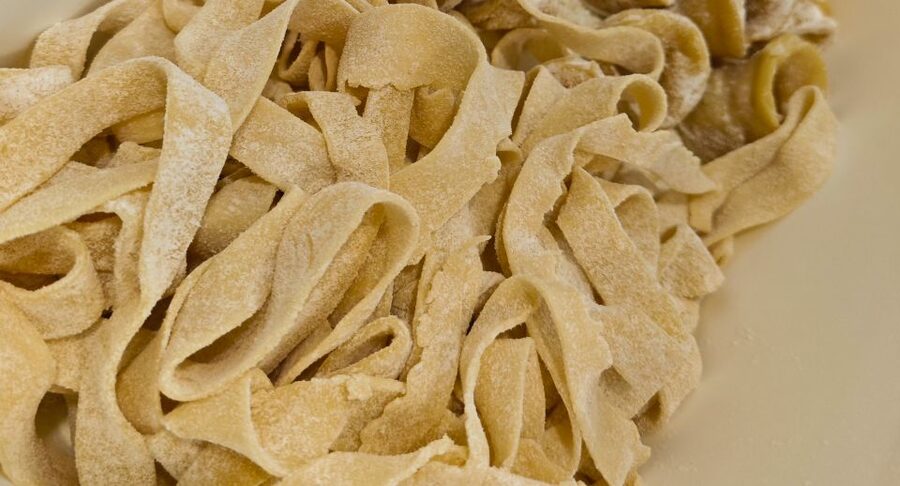
- You learn three pasta types including tagliatelle, stuffed pasta, and maltagliati
- You build three Sicilian-style sauces: ragù, Norma, and Sicilian pesto
- You’ll taste everything you produce, paired with Sicilian wine
- The class runs about 3 hours, with start times that depend on availability
- Instruction is available in English and Italian, led by a chef in the lab
Hands in the flour, Catania style
- Catania: Pistachio Ravioli, Pasta Home Cooking Class w/ Wine
★ 4.7 · 204 reviews - Catania: Market Tour and Cooking Class with Chef Riccardo
★ 5.0 · 40 reviews - Catania: Pasta & Tiramisu Cooking Class at a Local’s Home
★ 4.8 · 39 reviews - Private Catania Pasta-Making Class in a Local Home by Cesarine
★ 5.0 · 27 reviews
Why This Sicily Pasta Class Works So Well
Fresh pasta is one of those Italy experiences that sounds simple, then turns magical once you’re in it. The best part of this class is that it doesn’t stop at cooking. You actually learn how dough behaves, how to work it, and how different pasta types end up matching different sauces.
I also appreciate the focus on the Sicilian side of Italian cooking. Instead of generic pasta lessons, you’ll tackle Sicilian pesto and Norma, two flavors that help you understand what makes Sicily taste like itself. And because the chef finishes the cooking for you at the end, you’re not stuck wrestling boiling water while still learning technique.
A final practical point: you’ll leave with food knowledge you can use at home. Even if you never master fresh pasta perfectly again, the method and sauce logic will stick.
Step One: Two Doughs, One Big Lesson
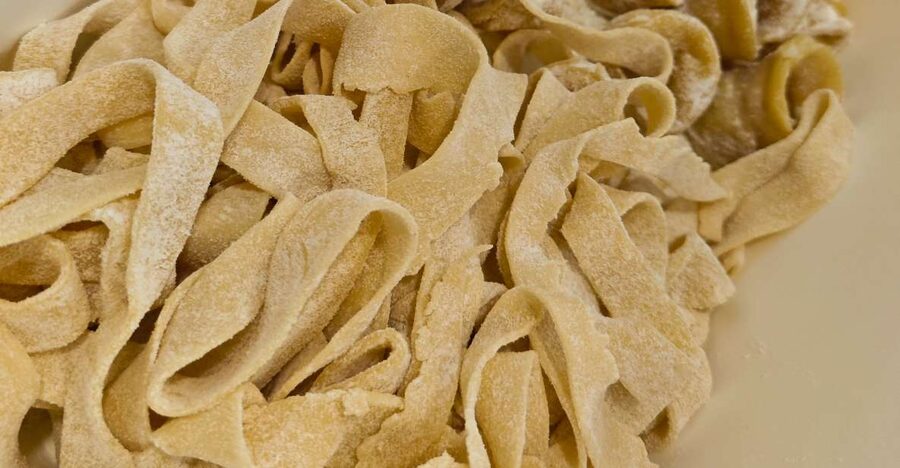
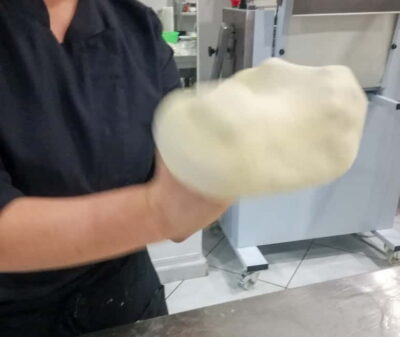
The class starts with dough work, and that’s where a lot of pasta classes either teach you nothing or teach you the right basics. Here, you make two different doughs.
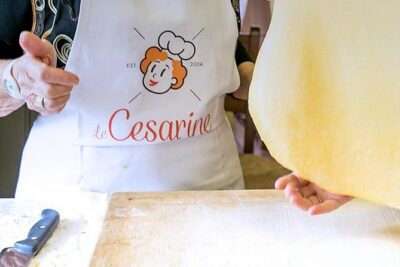
First is the classic egg pasta dough. You learn how to combine and work it until it’s workable and ready for shaping. Second is the typical Sicilian durum wheat dough. That durum-wheat element matters because it’s tied to how Sicilians think about wheat and texture, and it changes how the dough handles.
What I like about this setup is that it gives you a built-in comparison. You get to feel how doughs differ, instead of memorizing a recipe and hoping your kitchen can copy the results.
You’ll likely get clear, step-by-step guidance from the chef. In one recent session, the teaching duo included Chef Simona and her mamma, and the instruction style stood out as patient and hands-on. Either way, the instructor is there in English or Italian, so you won’t be guessing what the next move is.
Step Two: Shape Three Sicilian Pasta Favorites
Once the dough is made, you move from mixing to shaping. This part is the most satisfying, because you’ll see your work turn into recognizable pasta forms.
You make:
- Tagliatelle
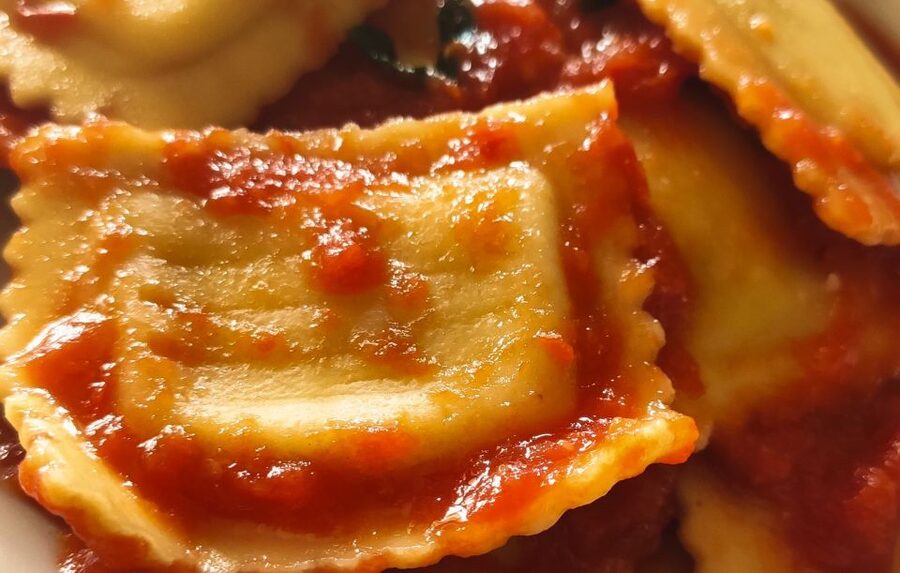
- Stuffed pasta
- Maltagliati
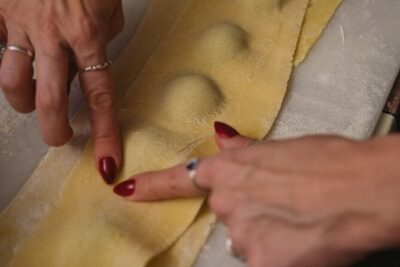
Tagliatelle is the gateway shape for a reason: it teaches clean cutting and consistent thickness. Stuffed pasta is where technique changes. You’re not just forming noodles; you’re learning how to handle filling and closure as part of the pasta itself.
Maltagliati brings a different vibe. Instead of precision, it’s about character—how irregular pasta pieces catch sauce and how the shape supports that rustic, Sicilian feel.
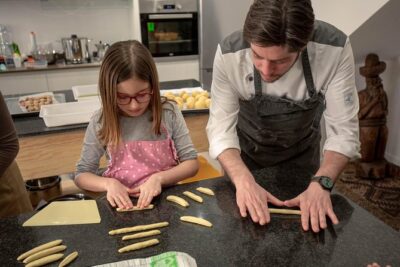
This is also where the class becomes more than a demo. The structure is set up so that you’ll create the pasta with your hands first, then the chef helps move it into the final cooking stage.
The Sicilian Sauce Plan: Ragù, Norma, Pesto
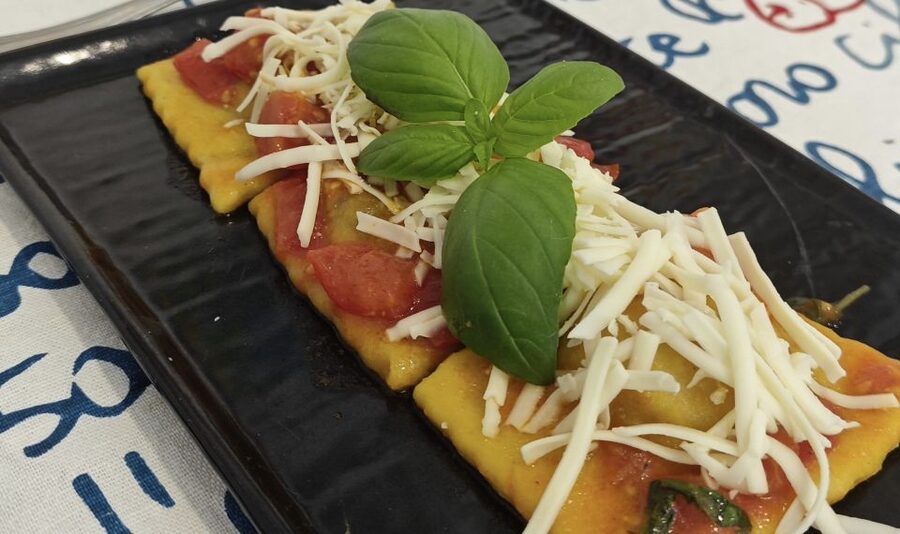
If fresh pasta is the queen, then Sicilian sauces are the court. The second phase of the class teaches you how to build the seasonings that turn pasta into a full meal.
You’ll learn three:
- Ragù
- Norma
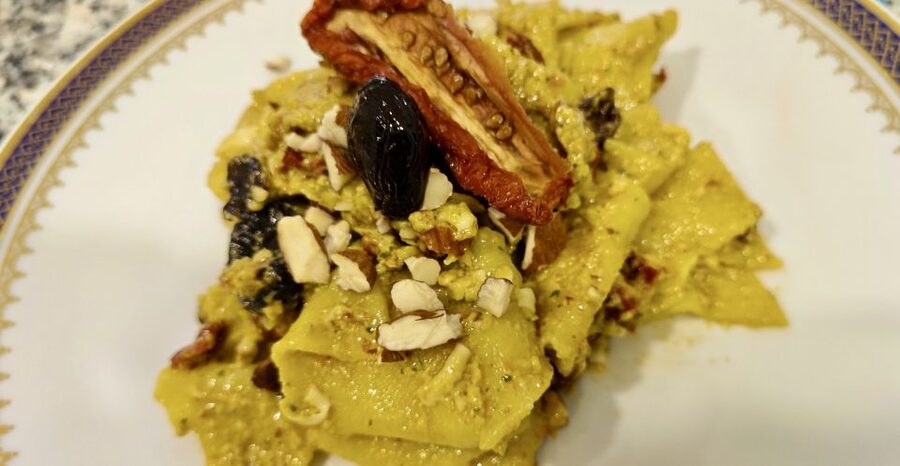
- Sicilian pesto
Ragù gives you grounding. It’s the kind of sauce that needs patience and correct balance so it clings instead of sliding. Norma is a Sicilian signature, and this class focuses on learning the approach behind it, not just assembling ingredients from a list. Sicilian pesto rounds everything out with brightness and herb-forward flavor.
One reason this matters for value: you’re not paying for three separate “fun cooking moments.” You’re paying for a coherent meal. Each sauce is taught as part of a pasta system, so when you go home, you know what to pair with what.
A few we would gladly point a friend toward in Catania
In the Lab: How the 3-Hour Timing Feels
The class runs about 3 hours, and you’ll see exact start times based on availability. That timing is a sweet spot for learning without turning the day into a marathon.
Here’s the flow in practical terms:
- You begin with dough-making (two types).
- You then shape multiple pasta styles.
- You work on sauces like ragù, Norma, and Sicilian pesto.
- The chef completes the final cooking so you can focus on the meal and tasting at the end.
This approach also means you get help at the moment that usually causes trouble at home: timing. Fresh pasta can go from perfect to overdone fast if you’re juggling too much. The chef finishing the cooking helps you taste the result you intended, while still letting you do the core work yourself.
What You Eat at the Table (and the Wine Factor)
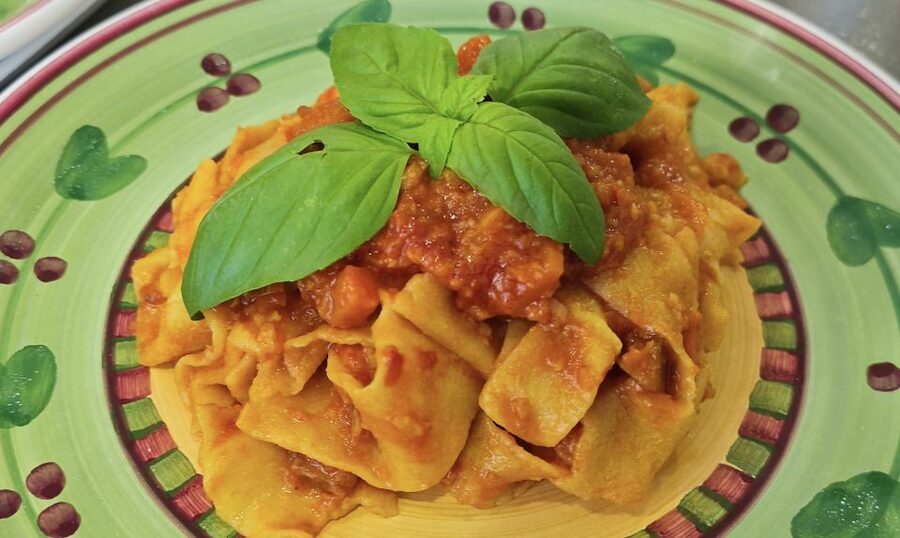
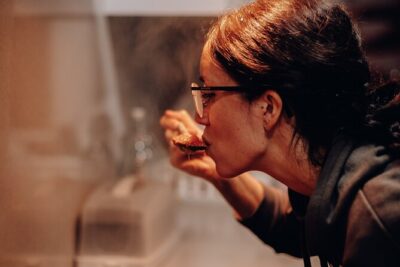
The end of the class is tasting your creations. You sit down and enjoy the pasta and the sauces you made, plus excellent Sicilian wine.
That’s more than a perk. In cooking classes, tasting is where the learning locks in. It turns technique into flavor memory. You’ll be able to say, Yes, egg dough holds up better for tagliatelle, or This sauce made the stuffed pasta feel complete.
A small bonus appears in at least one reported session: you may receive a bottle of wine to take home. Even when that isn’t offered, you still get the pairing during the meal.
Portions are described as generous, which matters because a class like this is also a meal plan for your day. For many people, that’s part of the reason it feels like good value.
Price and Value: Is $112.15 a Good Deal?
At $112.15 per person for around 3 hours, you’re paying for more than ingredients. You’re paying for:
- a professional chef teaching in a cooking laboratory
- guidance through two dough types
- practice making three pasta types
- instruction on three Sicilian sauces
- a seated tasting meal
- Sicilian wine during the experience
Compared to a simple pasta dinner, you’re getting instruction time that a restaurant can’t offer. Compared to buying a pasta kit, you’re getting technique for dough handling, shaping, and sauce logic.
The best sign of value is that people leave not just full, but equipped. In one account, participants mentioned receiving recipes after the class, and that’s exactly what you want if you’re going to cook again later rather than just taking photos.
Who Should Book This Class (and Who Might Skip It)
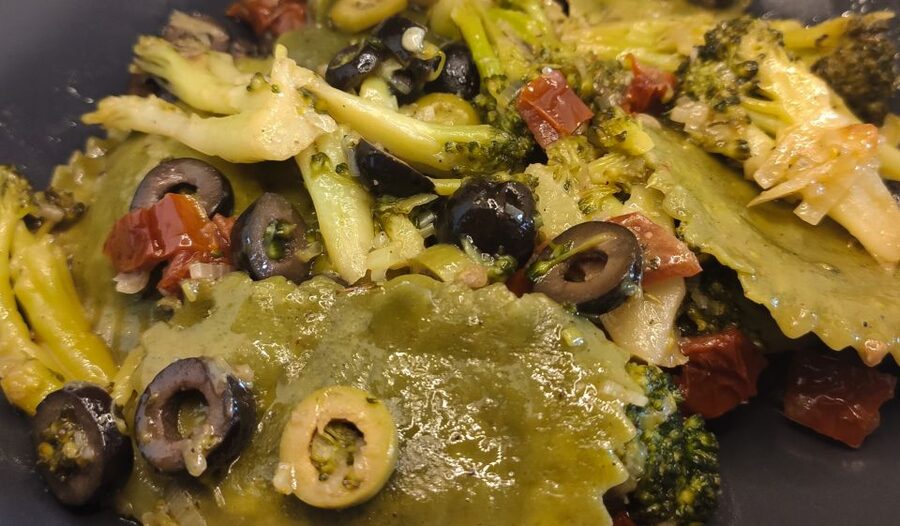
This is a great match if you like:
- hands-on food experiences
- learning a technique you can repeat at home
- Sicilian flavors specifically (pesto, Norma, ragù)
- a meal built into the class, not a quick snack
It may be less ideal if you want:
- lots of wandering time around town
- a tour with major historic stops (this is a kitchen session)
- a class that’s mostly observation instead of doing
If you’re traveling solo, it can also be a confidence boost. When everyone is making dough and shaping pasta, you’re all in the same rhythm.
Practical Tips Before You Go (So You Get the Best Class)
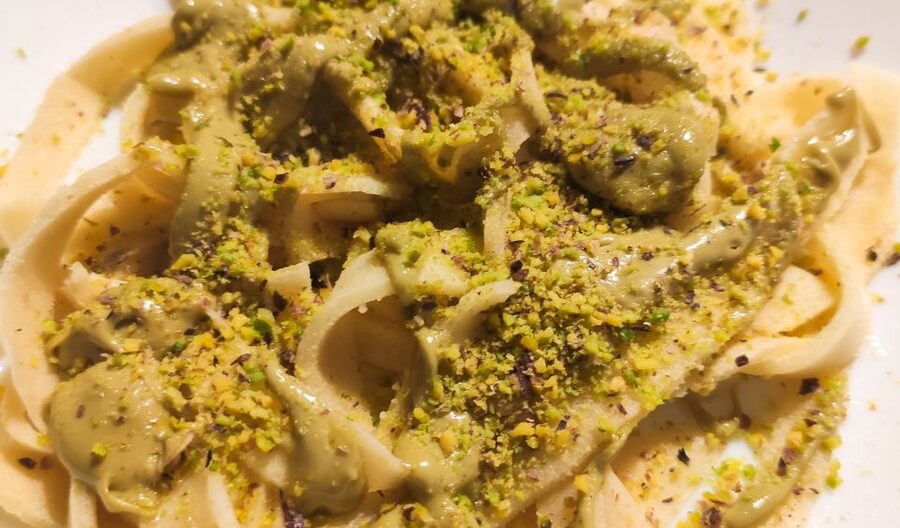
A few small moves make a big difference in a pasta class like this:
- Wear clothes you don’t mind getting flour on. Dough work is hands-on.
- Expect to work and taste. The class isn’t just waiting.
- If you’re choosing English or Italian, pick what you’re most comfortable with so you can follow technique cues.
- Ask about the recipes after cooking. Some sessions include them, and it helps you repeat success later.
Also, since the lab is the focus, plan for a clean start. If you’ve been on the move all morning, keep your schedule light so you can enjoy the process.
Should You Book This Fresh Pasta Experience in Sicily?
If you want an authentic Sicilian food day that actually teaches you something, I’d book it. The value is strongest when you treat it like a skill class plus a meal: make dough, shape pasta, learn the Sicilian sauce trio, then eat your work with wine.
Skip it only if your priority is sightseeing over cooking. Otherwise, this kind of class is one of those experiences that turns into a souvenir you can taste again at home. And with three pasta types and three sauces in one 3-hour session, you get a lot of payoff for your time.
FAQ
How long is the fresh pasta cooking class?
The class duration is listed as 3 hours.
What is the price per person?
The price is $112.15 per person.
Where does the class take place?
The experience is located in Sicily, Italy. The specific town isn’t stated in the details you provided.
What will I learn to make?
You’ll learn to make fresh pasta from scratch and you’ll create three types of pasta with a professional chef, plus Sicilian sauces.
What kinds of pasta are included?
The class includes making tagliatelle, stuffed pasta, and maltagliati.
What sauces are part of the lesson?
You’ll learn ragù, Norma, and Sicilian pesto.
Is tasting included?
Yes. The chef completes the cooking and you sit down to taste the foods made, including Sicilian wine.
Is there instruction in English?
Yes. The instructor offers English and Italian.
What is the cancellation policy?
You can cancel up to 24 hours in advance for a full refund.
Can I reserve without paying immediately?
Yes. It offers reserve now & pay later, so you can book your spot and pay nothing today.
More Cooking Classes in Catania
More Tour Reviews in Catania



More Cooking Classes to Book
Just added: the newest Catania tours in our notebook
- Transfer Catania / Agrigento Airport★ 5.0 · 3 reviews
- Sicily private shore excursion – Etna and Taormina with personal driver★ 3.5 · 3 reviews
- Sunset Trekking on Mount Etna★ 5.0 · 3 reviews
- Private Transfer from Catania to Palermo or vice-versa with stop★ 5.0 · 3 reviews
- From Syracuse: Mount Etna Volcano Morning Trekking Tour★ 5.0 · 3 reviews
- Catania: Guided Street Food Tour with Tastings★ 5.0 · 3 reviews
Sicilian Cooking Classes, compared.
 ★ 4.9Palermo: Pizza and Gelato Cooking Class with Dinner and WineFrom $71951 reviews
 ★ 5.0Seaview Cooking Class & Taormina local flavors with Chef MimmoFrom $157665 reviews
 ★ 5.0COOKING CLASS in Taormina at Chef Massimo HOUSE!!From $185543 reviews
 ★ 5.0Palermo’s Delight: Unleash the Secrets of Pizza and Gelato MakingFrom $60497 reviews
Palermo: Pasta & Tiramisu Cooking Class with Flowing WineFrom $56405 reviews
★ 5.0Palermo’s Delight: Unleash the Secrets of Pizza and Gelato MakingFrom $60497 reviews
Palermo: Pasta & Tiramisu Cooking Class with Flowing WineFrom $56405 reviews
 ★ 4.8Taormina: Half-Day Pizza Making ClassFrom $88353 reviews
 ★ 5.0Palermo: Pasta and Tiramisu Small Group Cooking Class with WineFrom $83348 reviews
 ★ 5.0Sicilian Cooking ClassFrom $118289 reviews
Browse the lists this tour appears in