
Reviewed · CATANIA TOURS
Catania: Pizza Cooking Class
Catania smells like dinner when you cook it. This pizza cooking class turns Sicilian street-food flavors into a hands-on lesson, with real pizza prep plus a second dish, scacciata catanese. I especially like that the chef-led format focuses on technique you can repeat, like the cannolo filling method. One thing to consider: with only 3 hours, you’ll get great results, but you need to stay quick and follow directions to finish everything.
You’ll be looked after start to finish by your pizzaiolo, and the pace feels friendly because the group is limited to 8. The instruction is in Italian and English, and the teaching style shows up in the feedback too, with Simona described as attentive and encouraging. If you’re expecting a lot of downtime or a slow, sightseeing-heavy experience, this may feel more like a focused food workshop than a tour of the city.
In This Review
- Key things to know before you go
- Sicilian food school, not just a cooking demonstration
- Your pizzaiolo sets the pace (and the station)
- Pizza prep: where the technique really shows
- Scacciata catanese: a second Sicilian win
- Degustazione: you taste what you learned
- Cannolo show cooking: learning the filling technique
- Price and value: what you’re really paying for
- Who this class suits best (and who might want something else)
- Practical tips to make the most of your 3 hours
- Should you book the Catania pizza cooking class?
- FAQ
- FAQ
- How long is the Catania pizza cooking class?
- How big is the group?
- What languages are used during the class?
- What will I be cooking and eating?
- Is a guide/instructor provided?
- What is included in the tasting?
- What is the cancellation policy?
- Can I reserve now and pay later?
Key things to know before you go
- Small group (up to 8): more chances to ask questions and adjust your technique.
- Pizza + scacciata catanese: you learn two different Sicilian dough-based dishes.
- Chef runs the station for you: your ingredients and setup are handled so you can cook.
- Degustazione: you taste after the work, which helps you understand what good should be.
- Cannolo show cooking: you learn how to fill the wafers, not just admire the dessert.
- Italian/English instruction: helps if your Italian is rusty but your appetite is not.
What else Catania has going on
- Catania: Mount Etna Morning or Sunset Day Trip with Tasting
★ 4.8 · 4,028 reviews - Catania: Sunset Jeep Tour of Mount Etna and Lava Flow Caves
★ 4.8 · 2,113 reviews - Catania: Etna Sunset Tour with Pickup and Drop-off
★ 4.8 · 1,348 reviews - Etna Sunset Tour: Volcano trek, Cave & tasting from Catania
★ 4.8 · 1,290 reviews
Sicilian food school, not just a cooking demonstration
In Catania, pizza isn’t only pizza. It’s a way of thinking about dough, toppings, and portioning with the confidence of local cooks. This class leans into that idea by making you active, not passive. You’re not standing around waiting for someone else to handle the important parts.
The value here is practical: you learn enough to recreate the results at home. The lesson is also built around multiple Sicilian specialties, so you come away with more than one memory. The combination of pizza, scacciata catanese, and a cannolo filling technique is what makes this feel complete for a 3-hour experience.
Your pizzaiolo sets the pace (and the station)
A big deal in a cooking class is what happens before you start mixing anything. Here, the pizzaiolo prepares your station with the ingredients you need, so you’re not hunting for tools or guessing measurements while everyone else moves on. That means you spend your time cooking, which is the whole point.
Your instructor communicates in Italian and English, so you can follow along comfortably even if you’re not fluent. The group is kept small, limited to 8 participants, and that usually translates into better attention when you have a question mid-step. In the feedback, Simona is singled out for being clear and attentive, which matters when you’re learning dough handling and filling methods.
Pizza prep: where the technique really shows
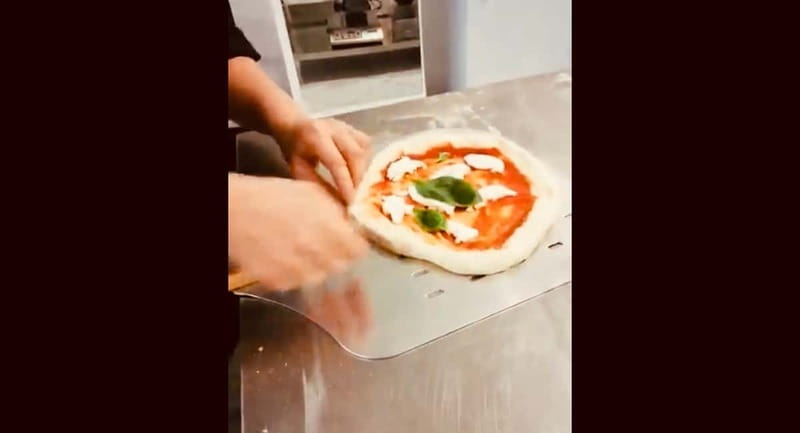
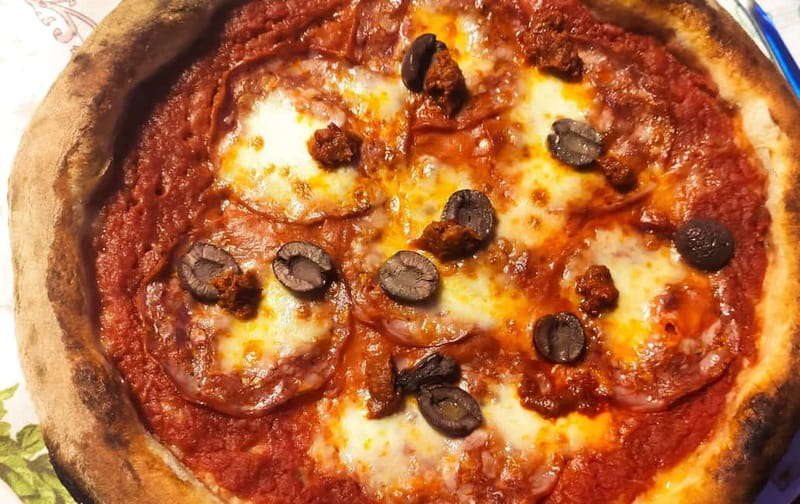
The heart of the class is preparazione pizza. Expect to work through the core steps that make pizza more than sauce on dough. You’ll be guided through how to prepare the pizza and then cook it, with the pizzaiolo supervising so your result doesn’t drift.
What I like about this setup is that it mirrors how real cooks work: start with ingredients, then shape and assemble, then bake. When you learn it in that order, it sticks. And because the lesson gives you typical Sicilian ingredients and flavors, you’re not stuck with a generic pizza concept you can’t quite place.
If you like to cook at home, this is the part that can change your weeknight meals. Once you understand the method, you can adjust toppings without losing the logic of the dough and assembly.
Scacciata catanese: a second Sicilian win
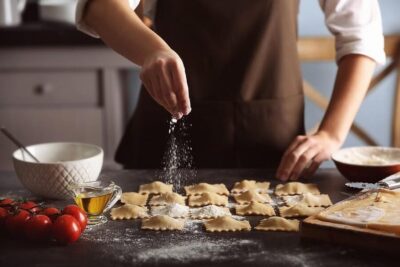
After the pizza, you move into preparazione scacciata catanese. Scacciata is one of those dishes that feels like it could only come from a specific region, because the dough-and-filling approach is so tied to local tastes and habits.
From a value standpoint, learning scacciata in the same class is smart. It broadens your skills from one pizza technique to another dough-based style. You also get variety on your plate, which makes the tasting portion more meaningful because you can compare results from two preparations you helped create.
The main consideration: scacciata can take more focus because it’s still hands-on and expects you to keep up with timing. If you’re the type who freezes when instructions get busy, go in ready to pay attention and ask for help early.
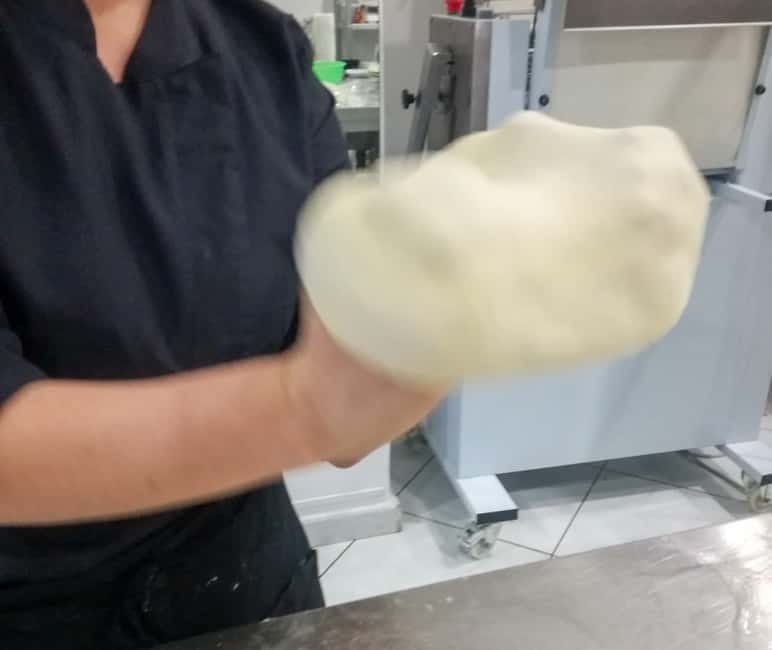
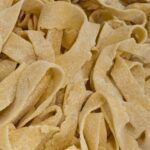
Hands in the flour, Catania style
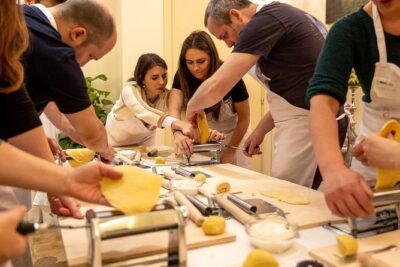
Degustazione: you taste what you learned
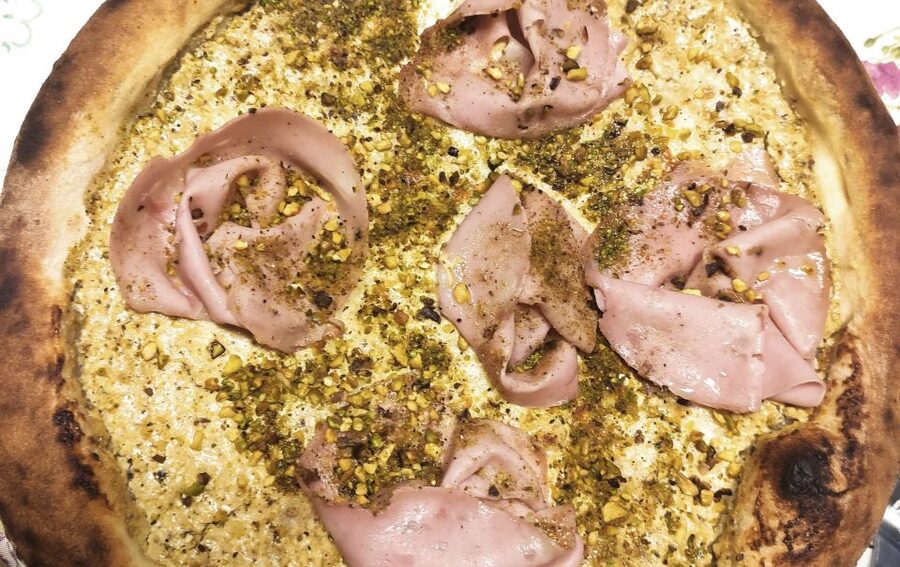
Then comes degustazione, the part that turns cooking into learning. Tasting while ideas are fresh helps you connect technique to outcome: what the dough should feel like, what flavors stand out, and how the dishes balance.
This is also where you get an honest sense of quality. Since you’re making the food yourself, you can tell the difference between something that’s just edible and something that tastes right for that style. It’s one of the reasons this class rates so high in feedback: people leave feeling confident about what they just practiced, not just full.
Even if you don’t consider yourself a big food critic, tasting is the shortcut to real improvement. You can bring that instinct home and use it when you’re trying a new recipe.
Cannolo show cooking: learning the filling technique
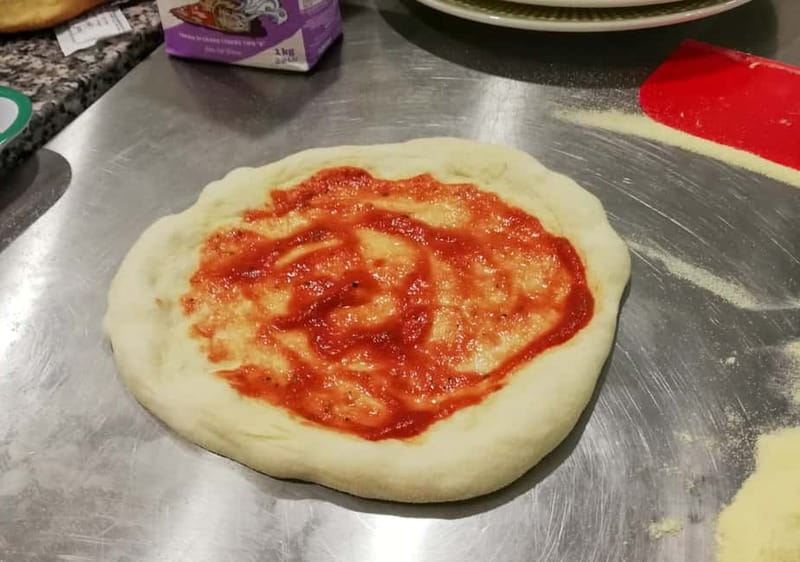
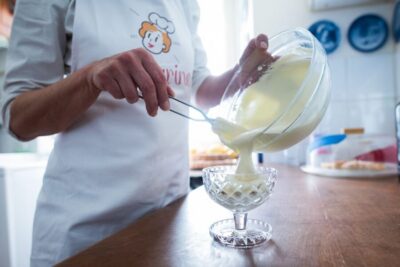
The class doesn’t stop at savory. After pizza and scacciata preparation, you get show cooking focused on Sicilian cannolo, specifically the technique of filling the wafers.
What makes this section valuable is the emphasis on process. Cannolo can look simple, but the filling method affects texture and final enjoyment. Learning the technique, not just watching dessert assembled, gives you a skill you can actually reuse later.
In the class atmosphere described in the reviews, Simona’s teaching style seems to matter here too. When the instructor is enthusiastic and takes time to explain, the dessert portion becomes more than a sweet finale. It becomes a real takeaway you’ll remember when you try cannoli at home.
Price and value: what you’re really paying for
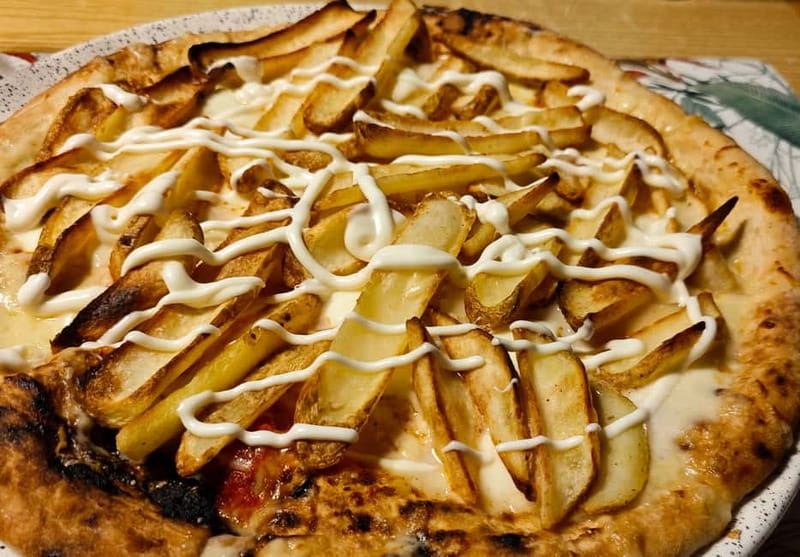
The price is listed at $101.96 per person, and the best way to judge it is what you get for that time. You’re investing in a 3-hour small-group lesson with a pizzaiolo guiding you through multiple dishes: pizza preparation, scacciata catanese preparation, a tasting, and a cannolo show cooking segment.
That’s a lot of instruction per hour compared with classes that only do one dish or treat the cooking as mostly observational. Ingredients and station setup are handled for you, which also adds value because it removes planning overhead. And because the class is limited to 8 participants, you’re more likely to get feedback and adjustments instead of being one face in a crowded kitchen.
If you’re choosing between this and a cheaper, larger-group workshop, the difference usually shows in attention and pacing. If you want a hands-on lesson with clear steps and a chance to ask questions, this pricing feels like it lands in the fair range.
Who this class suits best (and who might want something else)
This is ideal if you want an authentic Sicilian food experience without needing to book a full-day food tour. It’s also great for couples or solo travelers who enjoy structured cooking instruction and want to leave with techniques, not just photos.
You’ll likely get a lot from this if:
- you enjoy hands-on learning and want to cook along
- you like regional food and want more than one dish
- you want something you can repeat at home, including cannolo filling
You might consider skipping if you mostly want city wandering and museum time, because this is a focused workshop. Also, if you dislike group settings entirely, the small-group cap helps, but it’s still a shared class experience.
Practical tips to make the most of your 3 hours
You’ll get the best results if you treat the lesson like a skill session. Pay attention to the first steps, because that’s where timing and dough handling usually make or break the outcome.
A few things that help in any pizza-and-street-food workshop:
- wear comfortable clothes you don’t mind getting flour or food on
- keep your phone put away during instruction, and take notes during breaks
- ask questions early, especially if something feels off with dough consistency or assembly
Also, plan to eat well before you arrive but not stuffed. The degustazione portion is part of the lesson, and you’ll enjoy the tasting more when you’re ready for it.
Should you book the Catania pizza cooking class?
If you want a short, high-reward food experience in Catania, I’d book it. The combination of pizza, scacciata catanese, and a cannolo filling show cooking segment gives you real variety, and the small-group size supports close guidance. The instructor quality shows up clearly in the feedback, especially around Simona’s teaching and the way questions are handled.
Before you decide, match expectations: this is not a long cultural walking tour. It’s a cooking lesson built to leave you with technique and confidence. If that’s what you want, you’ll likely feel like the time and price are well spent.
FAQ
FAQ
How long is the Catania pizza cooking class?
The duration is 3 hours.
How big is the group?
It’s a small group limited to 8 participants.
What languages are used during the class?
The instructor teaches in Italian and English.
What will I be cooking and eating?
You’ll prepare pizza, prepare scacciata catanese, and there is a tasting (degustazione). The chef also does show cooking for Sicilian cannolo and teaches the technique of filling the wafers.
Is a guide/instructor provided?
Yes. The pizzaiolo takes care of you throughout the lesson and prepares the station with the ingredients you need.
What is included in the tasting?
A degustazione is included after you prepare the dishes.
What is the cancellation policy?
You can cancel up to 24 hours in advance for a full refund.
Can I reserve now and pay later?
Yes. The option is reserve now & pay later, so you can book your spot and pay nothing today.
If you want, tell me your travel dates and whether you prefer more hands-on cooking or more explanation, and I’ll help you pick the best time slot and what to prioritize in the class.
More Tour Reviews in Catania






More Cooking Classes to Book

Keep Exploring Catania

Just added: the newest Catania tours in our notebook
- Transfer Catania / Agrigento Airport★ 5.0 · 3 reviews
- Sicily private shore excursion – Etna and Taormina with personal driver★ 3.5 · 3 reviews
- Sunset Trekking on Mount Etna★ 5.0 · 3 reviews
- Private Transfer from Catania to Palermo or vice-versa with stop★ 5.0 · 3 reviews
- From Syracuse: Mount Etna Volcano Morning Trekking Tour★ 5.0 · 3 reviews
- Catania: Guided Street Food Tour with Tastings★ 5.0 · 3 reviews
Catania Tours, compared.
 ★ 4.8Catania: Mount Etna Morning or Sunset Day Trip with TastingFrom $704,028 reviews
 ★ 4.8Catania: Sunset Jeep Tour of Mount Etna and Lava Flow CavesFrom $712,113 reviews
 ★ 4.9Catania: Mount Etna Trekking Tour Beyond the Tourist TrailsFrom $811,596 reviews
 ★ 4.8Catania: Etna Sunset Tour with Pickup and Drop-offFrom $711,348 reviews
 ★ 4.8Etna Sunset Tour: Volcano trek, Cave & tasting from CataniaFrom $701,290 reviews
 ★ 4.8Catania: Etna Morning Excursion with Tasting and PickupFrom $711,224 reviews
 ★ 5.0Mt. Etna and Taormina village full day tour from CataniaFrom $1181,155 reviews
 ★ 4.9Catania: Amazing Etna Morning Tour with Pickup and Drop-OffFrom $81799 reviews
Browse the lists this tour appears in