
Reviewed · CATANIA TOURS
Cooking Class Arancini in Catania
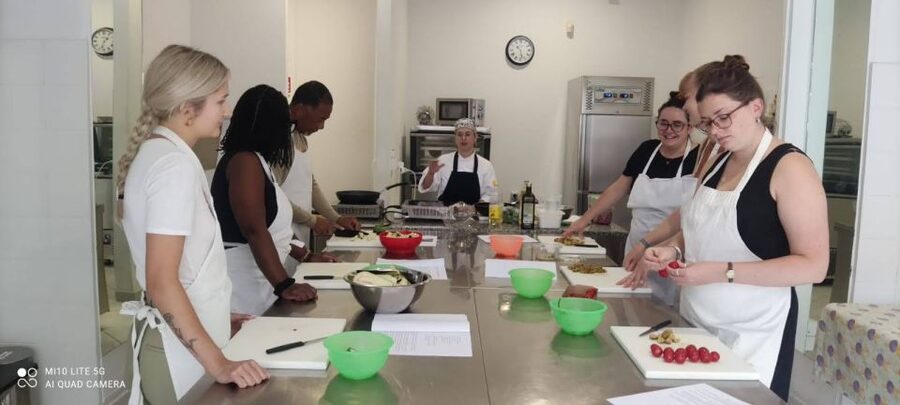
Sicily comes in a croquette-sized bite. In Catania, you spend 3 hours in a real working kitchen learning two edible symbols of the island: arancino and Sicilian almond paste, with an English-speaking professional guiding you through each step.
I love how hands-on it is. You’re not just watching. You’re making the rice base, building fillings (with vegetarian options), shaping the arancini, and learning the crunchy breading technique. I also like that the class ends with a proper tasting plus wine, water, and coffee, not just a quick sample.
One thing to consider: the recipe booklet is included, but at least one past participant noted the printed recipes may be missing key details (like rice quantities). If you want exact measurements, take notes during the rice portion so you don’t rely only on the booklet.
In This Review
- Key highlights that make this class worth your time
- Entering a Catania cooking lab built for real food
- Where to meet: Laboratorio di cucina, easy to find
- How the arancini class really works: rice, fillings, shaping, breading
- 1) Cooking the rice base correctly
- 2) Choosing and making fillings (including vegetarian)
- 3) Stuffing and shaping without turning it into a mess
- 4) Learning the crunchy breading technique
- Sicilian almond paste: sweet technique, not just dessert
- The tastings: when your work turns into real Sicilian bites
- Taking the recipes home: helpful booklet, but don’t skip your notes
- Language and teaching style: English support in a small room
- What to expect timing-wise in 3 hours
- Who this Catania experience is best for
- Small practical considerations before you go
- Should you book this arancini and almond paste class?
- FAQ
- How long is the Cooking Class Arancini in Catania?
- How big is the group?
- What languages are used during the class?
- Will I learn both arancini and Sicilian almond paste?
- Are vegetarian fillings available for the arancini?
- Is there tasting included?
- Where is the meeting point?
- Will I receive recipes to take home?
- Is it suitable for young children?
- FAQ
- Can I cancel for a refund?
- Is the class run by a professional chef?
- Is there an option to pay later?
- Is the class only for English speakers?
- Is the focus on learning the full method, or just watching?
- What drinks are included at the end?
- Will I be able to make multiple versions?
- Is the tasting part different from the food I make?
Key highlights that make this class worth your time
- Small group (up to 6): more attention while you shape, stuff, and bread.
- A professional chef in a real lab: you learn in a working kitchen setting, not a showroom.
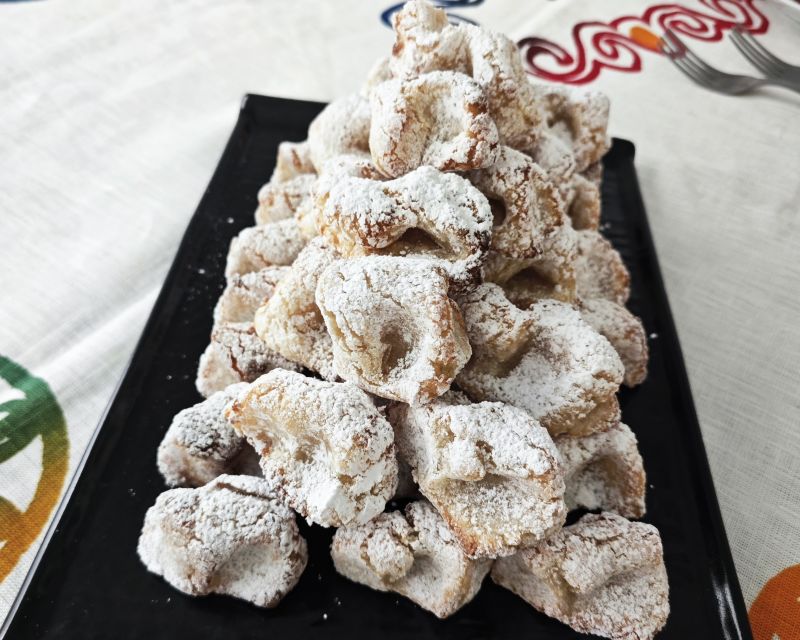
- Two Sicilian classics: arancini plus almond paste, side by side.
- Fillings for different diets: vegetarian fillings are possible.
- End-of-class tasting with Sicilian-type wine: you get to compare what you made with other variations.
- Recipes to take home: you’ll leave with a recipe booklet to help you recreate the dishes.
What else Catania has going on
- Catania: Mount Etna Morning or Sunset Day Trip with Tasting
★ 4.8 · 4,028 reviews - Catania: Sunset Jeep Tour of Mount Etna and Lava Flow Caves
★ 4.8 · 2,113 reviews - Catania: Etna Sunset Tour with Pickup and Drop-off
★ 4.8 · 1,348 reviews - Etna Sunset Tour: Volcano trek, Cave & tasting from Catania
★ 4.8 · 1,290 reviews
Entering a Catania cooking lab built for real food
This class doesn’t feel like a demo. It’s set in a laboratorio di cucina, the kind of kitchen where you can almost hear ingredients being prepped for service. That matters, because arancini and almond paste are both detail-heavy. Rice needs the right texture. Fillings need balance. Breading needs a clean technique.
You’ll start with clear instruction and then move into active cooking. The best part is that the process is taught, not guessed. When you’re shaping something that should hold together and still taste light, you want a guide watching your hands—not just your face.
Where to meet: Laboratorio di cucina, easy to find
You meet at Laboratorio di cucina in Catania, at coordinates 37.51484298706055, 15.102240562438965. I like that the meeting point is specific and pin-drop accurate, because it saves that first 20 minutes of wandering that can throw off a cooking class day.
If you’re arriving from central Catania, give yourself a little buffer. Lab kitchens tend to run on time, and you don’t want to rush in while everyone else is already getting set up.
How the arancini class really works: rice, fillings, shaping, breading
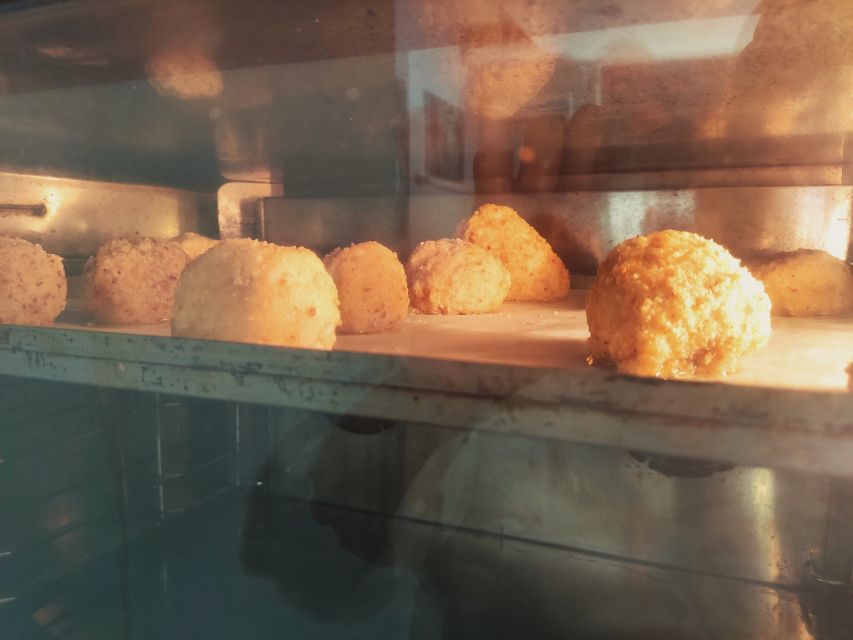
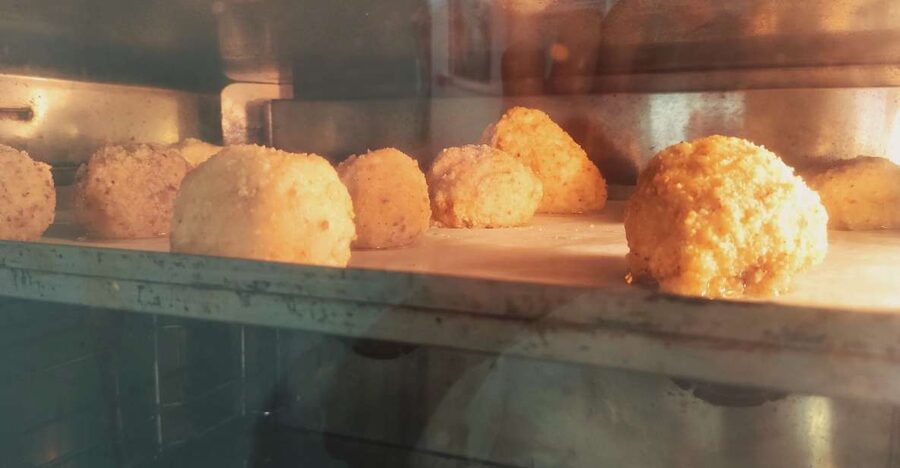
You’ll learn to make the typical Sicilian arancino, but the class goes further than the final shape. It’s structured around the big building blocks:
1) Cooking the rice base correctly
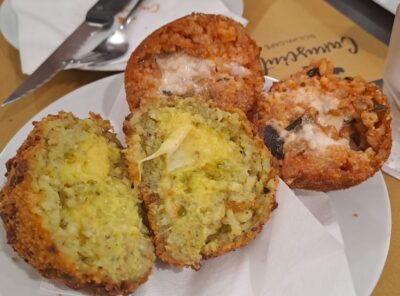
Arancini stand or fall with the rice. You’ll get an explanation of how the rice that forms the arancino should be cooked—what texture you’re aiming for and why it matters once the filling goes inside.
This is the part that helps you most at home later. If your rice is too wet, your arancini won’t hold. If it’s too dry, you’ll fight the shape. In one case, an instructor described a filling as being built from cheese, butter, and saffron, which is exactly the kind of ingredient logic that makes the dishes feel Sicilian instead of generic.
More street-food crawls around Catania
2) Choosing and making fillings (including vegetarian)
After the rice foundation, you’ll create different fillings. The class includes the option for vegetarian fillings, which is a big deal if you’re traveling with someone who doesn’t eat meat or just wants a lighter version of a classic.
Different fillings also teach you a practical truth: arancini isn’t one flavor. It’s the same method with different personality. When you understand that, you stop treating the recipe like a rigid checklist and start cooking like a Sicilian—adaptable, confident, and a little proud.
3) Stuffing and shaping without turning it into a mess
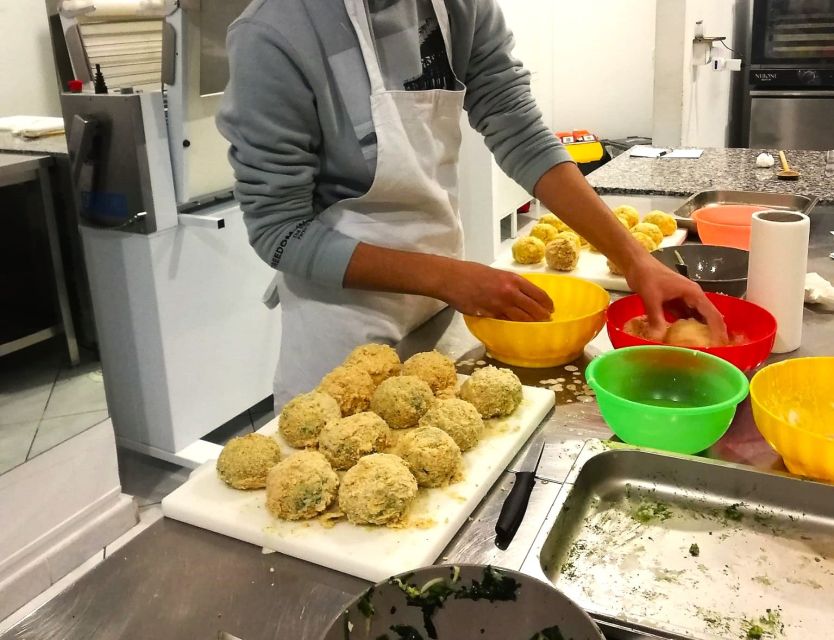
Now comes the hands-on part. You’ll stuff the rice and learn how to shape the arancini so the filling stays inside and the outside stays cohesive. Small-group size helps here. With up to 6 participants, the chef/instructor can correct technique before you build a dozen shaky bites.
One detail that’s worth your attention: shaping isn’t just aesthetics. It affects how the crunch holds and how evenly the inside portion stays cooked.
4) Learning the crunchy breading technique
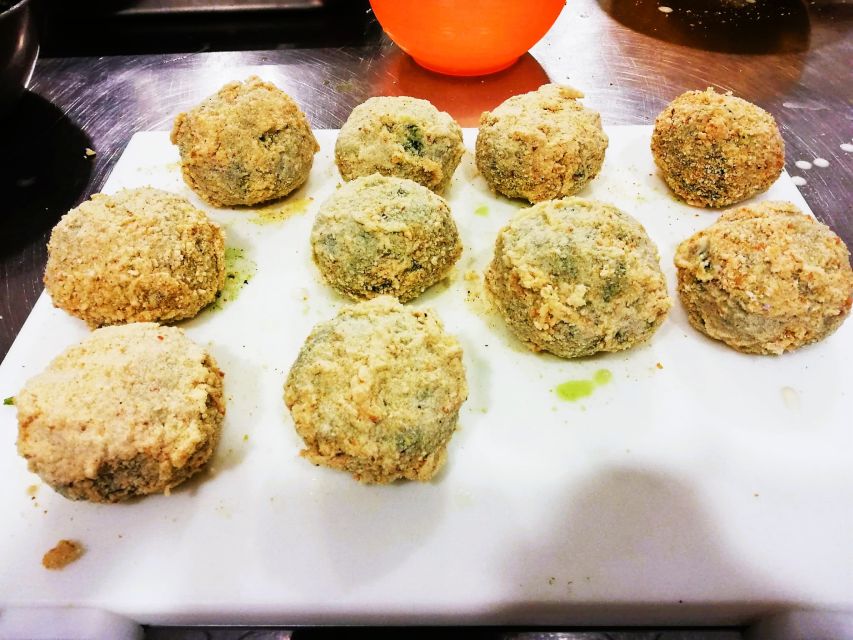
Finally, you’ll learn how to make the typical crunchy breading. This is where a lot of cooking classes stop at theory. Here, you’re taught the method so you can reproduce the texture at home.
The goal is a breading that clings properly and stays satisfying when you bite into it. The class doesn’t just hand you a plate; it teaches you the steps that create that signature crunch.
Sicilian almond paste: sweet technique, not just dessert
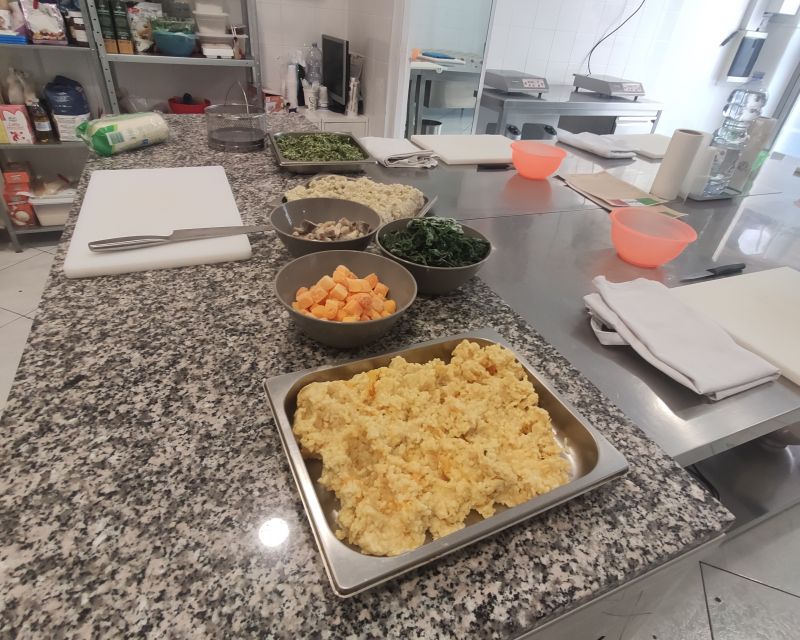
Most arancini classes are all about the savory star. This one pairs that with Sicilian almond paste, so the experience feels complete—like you learned the island’s cooking logic instead of only one trick.
You’ll be taught how to make the Sicilian almond paste. Even if you’ve never worked with almond-based sweets before, the structure is the same: clear steps, professional guidance, and a chance to understand what the texture should become.
And because the day ends with tasting, you don’t just make almond paste blindly. You can actually compare what yours tastes like against other versions made in class.
The tastings: when your work turns into real Sicilian bites
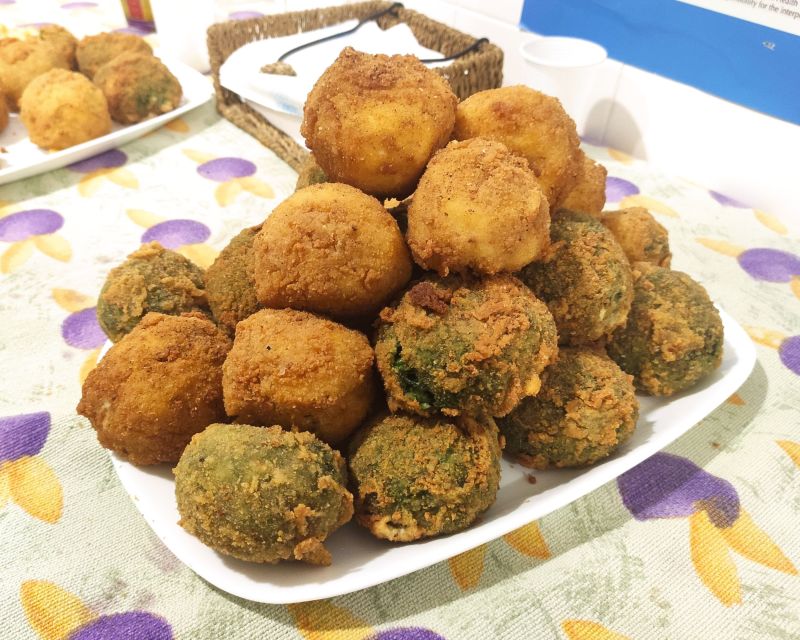
At the end of the lesson, you’ll have a tasting of the various types of arancini and almond paste you’ve been working on. That tasting isn’t just a finishing ritual. It’s a feedback loop.
You’ll also be offered Sicilian-type wine, water, and coffee. The wine and coffee make the class feel like an actual meal, not a workshop you squeeze into your afternoon. If you like cooking experiences where you leave satisfied instead of hungry, this format hits the mark.
If you’re curious about variety, this part helps. You see how different fillings change the character of the same arancino method.
Taking the recipes home: helpful booklet, but don’t skip your notes
You’ll be given a booklet with the recipes so you can make everything again for friends and family.
That’s great value on paper, because it turns a memorable day into a skill you can repeat. Still, here’s the practical caution: one past participant said the booklet copies looked incomplete and that rice instructions (including quantities) weren’t detailed.
My advice is simple. During the rice portion, write down what the instructor emphasizes—texture cues, timing, and any ratios you hear. Even if the booklet is perfect for most people, cooking gets easier when you have your own notes from the day.
Language and teaching style: English support in a small room
The class is taught by an instructor who speaks English and Italian. If you don’t speak Italian, that matters. Cooking instructions are full of tiny technique words, and it helps to have them explained clearly and kindly.
The reviews also highlight that the instructors are friendly and fun, and one instructor named Agata is specifically praised for both teaching and English clarity. That’s the kind of detail that can make a big difference—especially if you’re stepping into an unfamiliar kitchen routine.
With a small group limited to 6, you’re also less likely to feel like a spare extra in someone else’s show. You get help while you’re building your food.
What to expect timing-wise in 3 hours
You’re in class for about 3 hours, which is a smart length for two reasons:
1) It’s enough time to actually make things, not just assemble ingredients.
2) It’s not so long that you’re exhausted before the tasting and wine.
The flow generally follows the same order: arancini method first (rice → fillings → shape → breading), then almond paste. You’ll end with tasting and drinks.
If you’re planning the rest of your day, I’d treat this as the main event. You’ll want time after class to relax, taste what you made, and possibly pack up leftovers.
Who this Catania experience is best for
This class fits best if you want food you can recreate, not just food you can photograph. You’ll enjoy it if you like hands-on cooking, like learning technique, and want the confidence to make Sicilian snacks at home.
It’s especially good for:
- People who like structured cooking lessons with a chef watching your steps
- Travelers who want an authentic Sicilian skill (arancini are a point of pride here)
- Groups with mixed diets, since vegetarian fillings are possible
- Anyone who prefers a small-group pace over a big-tour routine
It’s less ideal if you’re only looking for a quick bite or you hate anything that involves shaping and breading.
Small practical considerations before you go
A cooking lab is a working kitchen. Expect it to feel warm and active, especially in Sicily. If you’re sensitive to heat, plan on staying hydrated and moving at your own pace.
Also, treat the recipe booklet as a starting point—not the only source of truth. The most important “memory” will live in your notes from the rice steps and the breading technique.
Should you book this arancini and almond paste class?
I’d book it if you want a genuinely hands-on Sicilian experience in a real laboratory, with a chef-led workflow and a satisfying finish (tasting plus wine, coffee, and water). The small-group limit is a big plus for learning technique without feeling rushed.
I’d hesitate only if you need a fully detailed written recipe with exact rice quantities and don’t want to take notes. If that’s you, still consider booking—but plan to jot down the rice method as you go.
FAQ
How long is the Cooking Class Arancini in Catania?
The class lasts 3 hours.
How big is the group?
It’s a small group limited to 6 participants.
What languages are used during the class?
The instructor speaks English and Italian.
Will I learn both arancini and Sicilian almond paste?
Yes. You’ll learn how to make typical Sicilian arancini and also how to make Sicilian almond paste.
Are vegetarian fillings available for the arancini?
Yes, vegetarian fillings are possible.
Is there tasting included?
Yes. At the end, there’s a tasting of different types of arancini and almond paste, plus Sicilian-type wine, water, and coffee.
Where is the meeting point?
You meet at Laboratorio di cucina (37.51484298706055, 15.102240562438965).
Will I receive recipes to take home?
Yes. You’re given a booklet with all the recipes.
Is it suitable for young children?
No. It’s not suitable for children under 2, under 3, under 4, or babies under 1 year.
FAQ
Can I cancel for a refund?
Yes. You can cancel up to 24 hours in advance for a full refund.
Is the class run by a professional chef?
Yes. The class includes cooking with a professional chef and instruction in a real laboratory setting.
Is there an option to pay later?
Yes. There’s a reserve now & pay later option listed for this activity.
Is the class only for English speakers?
No. The instructor works in both English and Italian, so it’s suitable if you speak either language.
Is the focus on learning the full method, or just watching?
It’s focused on hands-on cooking. You’ll learn the rice cooking approach, prepare fillings, stuff and shape the arancini, and learn the crunchy breading.
What drinks are included at the end?
You’re offered Sicilian-type wine, water, and coffee during the tasting.
Will I be able to make multiple versions?
You’ll make arancini with different fillings, and the tasting includes different types made during the class.
Is the tasting part different from the food I make?
You’ll taste the arancini and almond paste made during the lesson, so it matches what you’ve been working on.
More Cooking Classes to Book
More Sicilian Street-Food Crawls




Keep Exploring Catania



Just added: the newest Catania tours in our notebook
- Transfer Catania / Agrigento Airport★ 5.0 · 3 reviews
- Sicily private shore excursion – Etna and Taormina with personal driver★ 3.5 · 3 reviews
- Sunset Trekking on Mount Etna★ 5.0 · 3 reviews
- Private Transfer from Catania to Palermo or vice-versa with stop★ 5.0 · 3 reviews
- From Syracuse: Mount Etna Volcano Morning Trekking Tour★ 5.0 · 3 reviews
- Catania: Guided Street Food Tour with Tastings★ 5.0 · 3 reviews
Catania Tours, compared.
 ★ 4.8Catania: Mount Etna Morning or Sunset Day Trip with TastingFrom $704,028 reviews
 ★ 4.8Catania: Sunset Jeep Tour of Mount Etna and Lava Flow CavesFrom $712,113 reviews
 ★ 4.9Catania: Mount Etna Trekking Tour Beyond the Tourist TrailsFrom $811,596 reviews
 ★ 4.8Catania: Etna Sunset Tour with Pickup and Drop-offFrom $711,348 reviews
 ★ 4.8Etna Sunset Tour: Volcano trek, Cave & tasting from CataniaFrom $701,290 reviews
 ★ 4.8Catania: Etna Morning Excursion with Tasting and PickupFrom $711,224 reviews
 ★ 5.0Mt. Etna and Taormina village full day tour from CataniaFrom $1181,155 reviews
 ★ 4.9Catania: Amazing Etna Morning Tour with Pickup and Drop-OffFrom $81799 reviews
Browse the lists this tour appears in