
Reviewed · CATANIA TOURS
Catania: Street Food Guided Walking Tour
Catania starts with food, not a museum. This 3-hour street food walk lines up five tastings with major landmarks, and it explains why Catania’s food is so intense: Mediterranean sea influence plus Mount Etna energy. You get a real look at how take-away snacks became part of everyday life in the historic center, right where locals eat.
What I like most is the combo of street-level flavors and a guide who makes the route feel personal. Guides including Allegra, Kate, Luca, and Giuseppe come up again and again for being friendly, informative, and good at pacing so you can actually taste, not just rush. The main drawback: you will eat a lot, so if you show up too full, you may struggle to finish (or even to take cannoli home, like some folks did).
In This Review
- The Best Parts: Five Stops That Actually Teach You What You’re Eating
- Why This 3-Hour Catania Food Walk Feels Like a Smart First Day
- Starting at the Fountain of the Elephant: Get Oriented Fast
- Catania Cathedral Area: The Story Behind Take-Away Food
- Roman Theater Stop: Arancini Energy and Old Stones, New Bites
- Piazza dell’Università: Caponata and the Sweet-Savory Sicilian Logic
- Roman Amphitheater Area: Fried Fish Cone and the Fish-Market Connection
- The Final Stops: Cipollina, Cartocciata, Cannoli, and Granita
- What’s Included (and What Makes It Good Value)
- Practical Tips So You Enjoy It Instead of Tolerating It
- Who This Tour Suits Best (and Who Should Skip It)
- Should You Book This Catania Street Food Tour?
The Best Parts: Five Stops That Actually Teach You What You’re Eating
- Five named food stops across the historic core, each with time to sit, stand, and taste without feeling herded
- Sicilian classics in real form: arancini, caponata, fried fish cone, cipollina, cartocciata, cannoli, and granita
- Landmarks that connect to food culture, from Catania Cathedral to Roman Theater and Amphitheater areas
- Local guidance that changes how you see the city, with guides like Luka and Giuseppe known for stories and clear explanations
- Lots of food value for the price, including water plus one alcoholic beverage and a gelato/granita finish
What else Catania has going on
- Catania: Mount Etna Morning or Sunset Day Trip with Tasting
★ 4.8 · 4,028 reviews - Catania: Sunset Jeep Tour of Mount Etna and Lava Flow Caves
★ 4.8 · 2,113 reviews - Catania: Etna Sunset Tour with Pickup and Drop-off
★ 4.8 · 1,348 reviews - Etna Sunset Tour: Volcano trek, Cave & tasting from Catania
★ 4.8 · 1,290 reviews
Why This 3-Hour Catania Food Walk Feels Like a Smart First Day
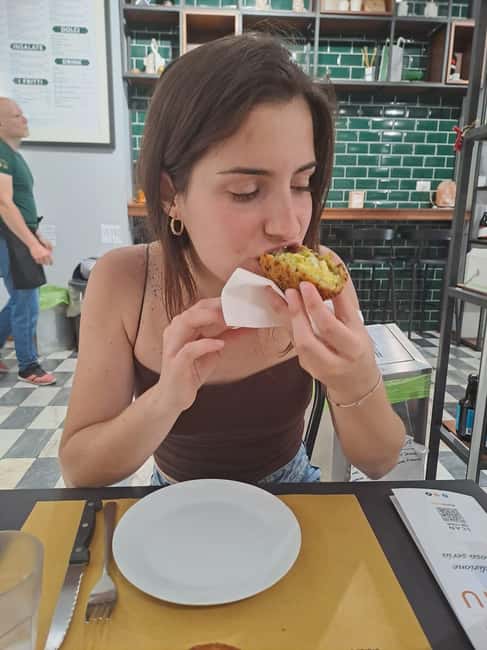
If you only have a limited window in Catania, this tour is built for that exact reality. Three hours is long enough to try multiple dishes and settle into the rhythm of the city, but short enough that you’ll still have energy for the rest of your evening.
I also like that the concept is simple: you walk through the historic center, you taste five top street-food stops, and your guide fills in the “why” behind the flavors. Catania’s food isn’t random. It’s shaped by the sea (fresh ingredients, saltiness, lightness) and Mount Etna (earthy richness and a strong sense of place). That matters because once you understand the influences, you stop treating the meal like just fried stuff on a stick—and start seeing the patterns.
The other big value is pacing. Reviews consistently mention the tour not feeling rushed, and that you get enough time to visit the spots and eat properly. In practice, that’s what keeps it fun instead of turning into a snack sprint.
Starting at the Fountain of the Elephant: Get Oriented Fast
Your tour begins at the Fountain of the Elephant. It’s a practical choice: it gives you a clear meeting point in the center, and it puts you right into Catania’s visual style from minute one. Expect noise, crowd energy, and lots of movement around you—this is the kind of neighborhood where walking feels like part of the show.
At this stage, you’re basically doing two things:
- meeting your guide and getting your bearings
- getting your appetite properly set up for the tastings ahead
A small tip that sounds basic but really helps: wear comfortable shoes and plan to do a real walk. This is not a sit-down meal tour.
Catania Cathedral Area: The Story Behind Take-Away Food
The route then moves toward the Cathedral area, where you’ll get a first chunk of street-food time. This stop works because it’s an easy way to connect the city’s layers of influence to what ends up on your plate.
Catania’s take-away food culture didn’t appear out of nowhere. It grew from waves of people and cultures living in the city—Greeks, Latins, Spanish, Jews, Arabs—each adding habits and flavors to the Sicilian mix. You can taste that history in the details: fried textures, savory-sweet combinations, and pastries that feel like they belong in a rotisserie counter just off the sidewalk.
What you’ll likely notice here is how “street food” still feels structured. Even when it’s eaten quickly, the dishes follow clear Sicilian logic: contrast (crunch + creamy), balance (sweet + salty), and convenience (grab-and-go, but still carefully made).
Roman Theater Stop: Arancini Energy and Old Stones, New Bites
Next up is the Roman Theater of Catania area, and this is where the tour really becomes a living tour—Roman ruins beside modern food habits. The best part is that your guide doesn’t treat the landmarks as separate from the tasting. Instead, the talk ties food choices to geography and history.
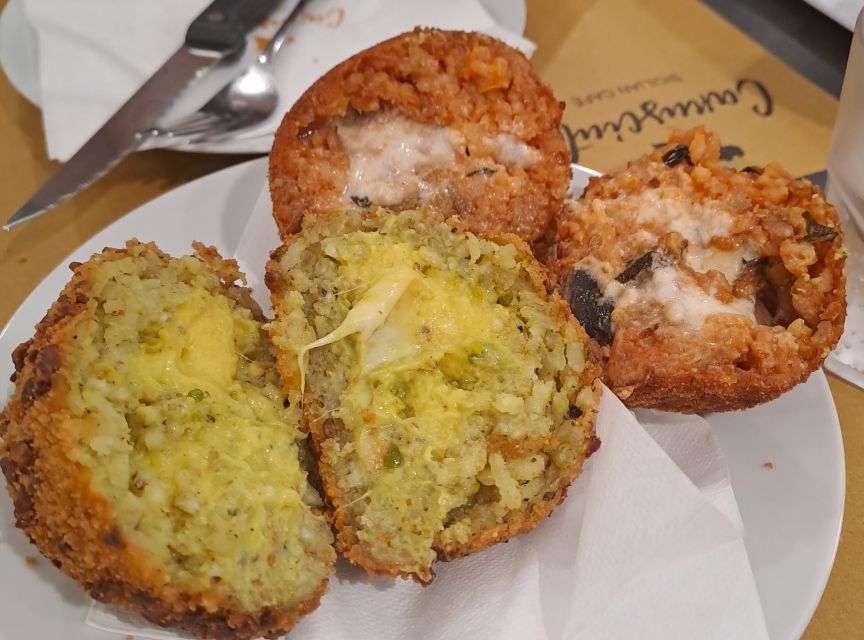
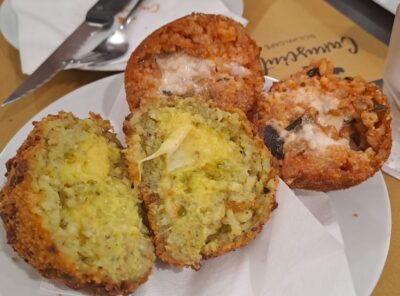
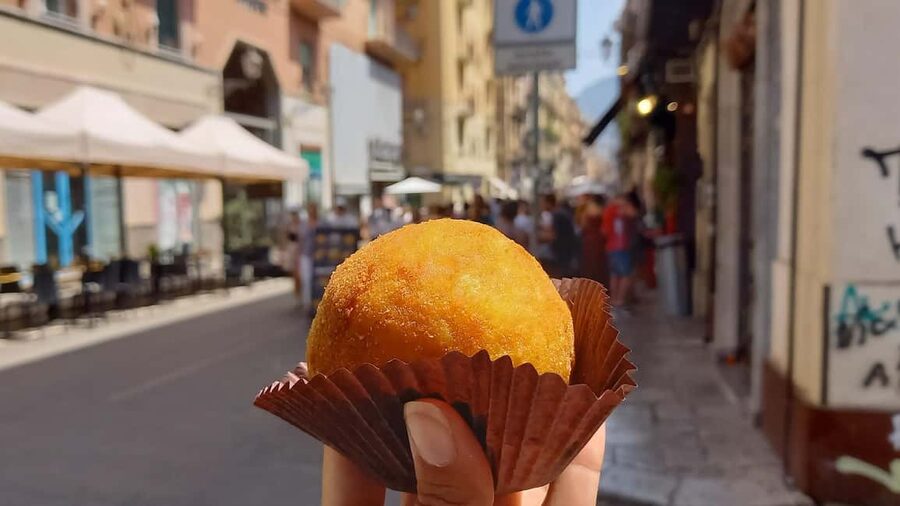
This is also a great moment for one of Catania’s most iconic bites: arancini. These are rice balls stuffed with fillings like meat, cooked ham, spinach, pistachios, aubergines, and more—then fried the traditional way. The point isn’t just that they’re famous. It’s that they’re portable and satisfying, the perfect answer to daily life in a city where eating on the move makes sense.
If you’re hungry, this is often the stop that makes you think, okay, this is why people come back to Sicilian street food.
More street-food crawls around Catania
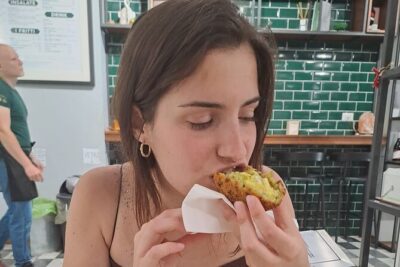
Piazza dell’Università: Caponata and the Sweet-Savory Sicilian Logic
The tour heads to Piazza dell’Università next. This square setting makes the walk feel less like a line and more like a stroll through the heart of Catania. You’ll get more street-food time here, and this is a good location for the tour’s veggie-forward flavors.
One standout you can look forward to is caponata. It’s a mix of fried vegetables (often aubergines) seasoned with tomato sauce, celery, onion, olives, capers, sugar, and vinegar. The flavor pattern is the key: sweet meets sour, with salty brininess from olives and capers. Today it’s often served as a side dish, but caponata has a long history, and it’s been a main course since at least the 18th century.
That’s a good lesson for you: in Sicily, side dishes can be serious food. If you usually treat vegetables as lighter fare, caponata will change your mind.
Roman Amphitheater Area: Fried Fish Cone and the Fish-Market Connection
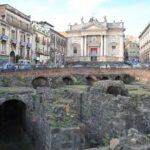
The next landmark is the Roman Amphitheater of Catania. The walking energy shifts a bit here—more open visibility, more of that “you’re in the city” feeling. And this is where the tour ties into one of Catania’s big food themes: seafood that’s often fried and eaten fast.
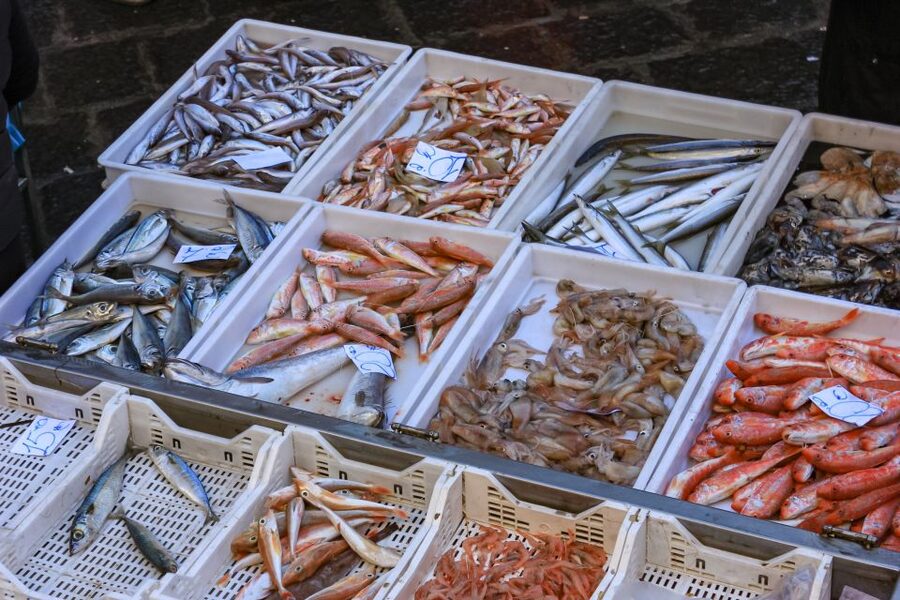
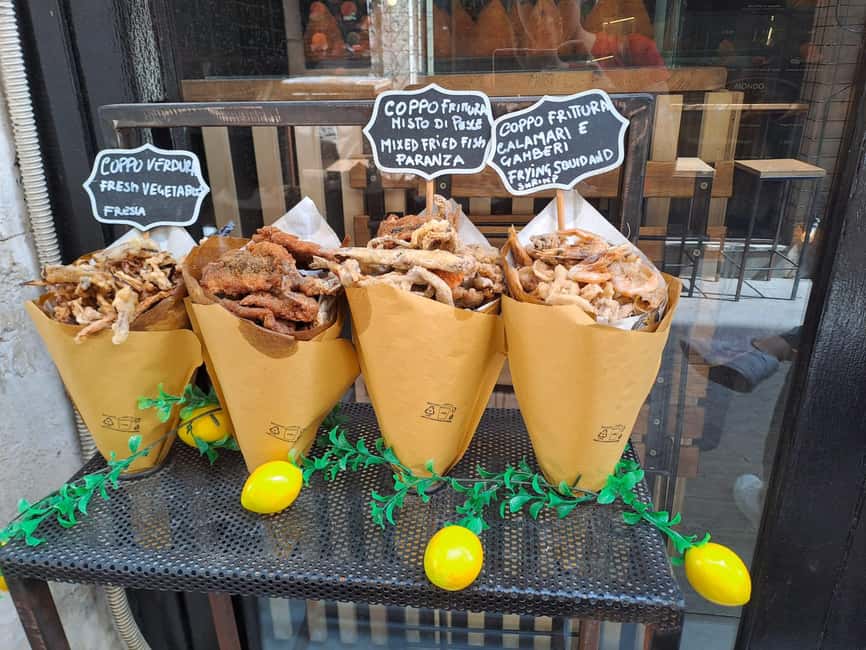
You may get a fried fish cone here or near the fish-market portion of the route. It’s exactly what it sounds like: a cone filled with different types of fried fish caught that day. The cone format matters. It’s practical, yes—but it also keeps the crunch intact while you eat. No soggy tragedy.
From the highlights, the tour also includes wandering around the fish market and nearby areas, which is a real perk if you want your experience to feel grounded in how Catania buys and sells food, not only how it serves it for tourists.
The Final Stops: Cipollina, Cartocciata, Cannoli, and Granita
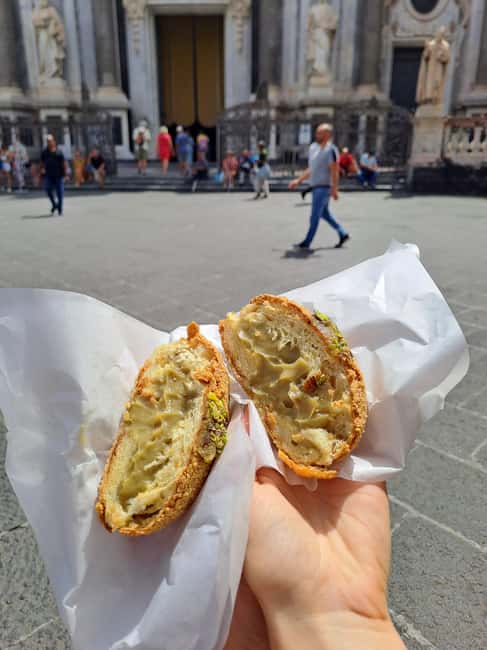
By the later part of the tour, you’ll be hitting the “save room” zone. This is where the pastry and sweet stops come in—often the moments people remember most.
Here are the big hitters you can expect to see on the tasting lineup:
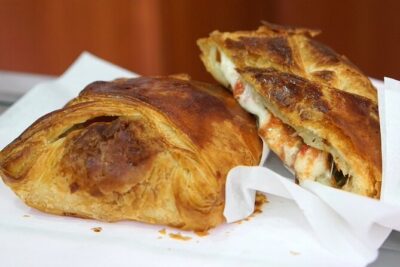
- Catanese cipollina: puff pastry filled with fried onions, cooked ham, and stringy cheese. It’s rustic, savory, and it comes out with a crispy shell and a warm, sweet-onion filling.
- Cartocciata: a stuffed pastry similar to a small baked calzone, but with higher and softer dough. It’s fragrant and meant to be eaten as a handheld treat.
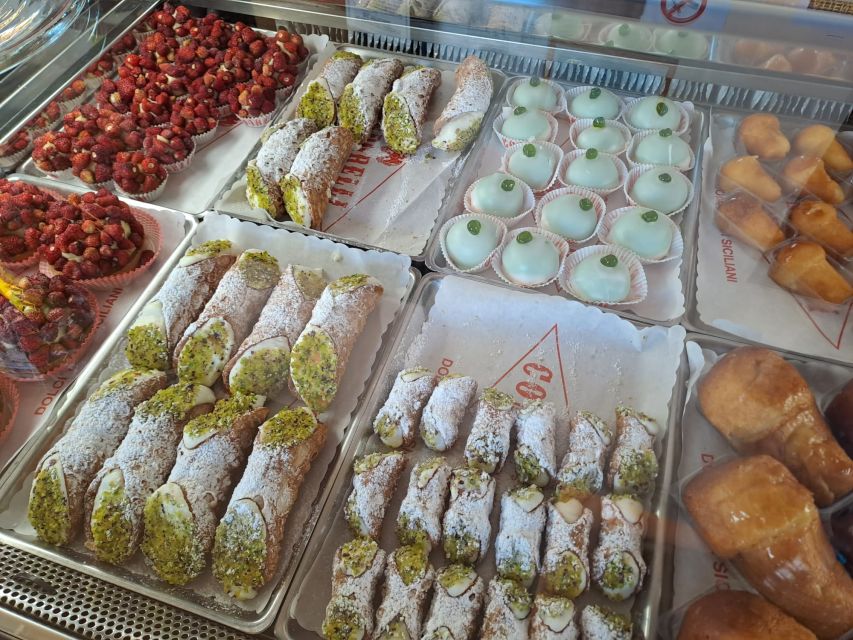
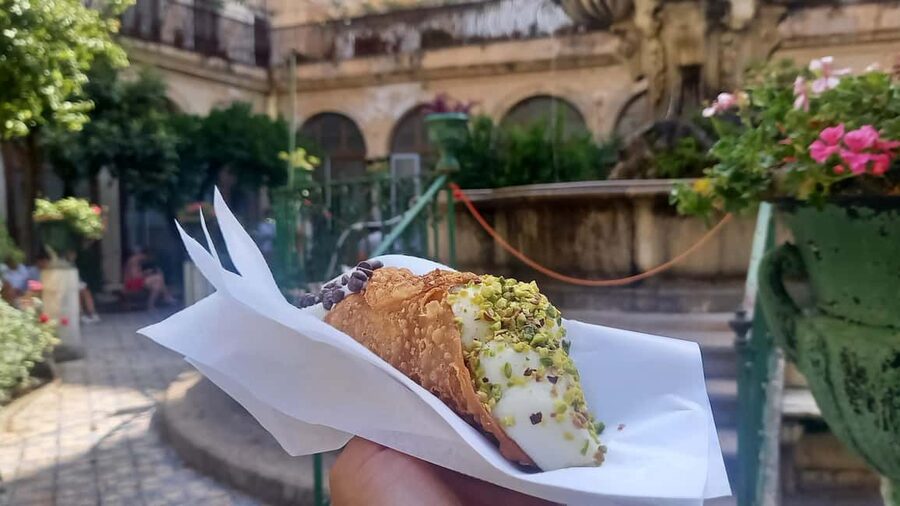
- Sicilian cannoli: a wafer traditionally molded around a hot metal bar, filled with ricotta plus candied fruit and crunchy pistachios or dark chocolate chips. Sweet, creamy, and textured in a way that feels more precise than most desserts on the street.
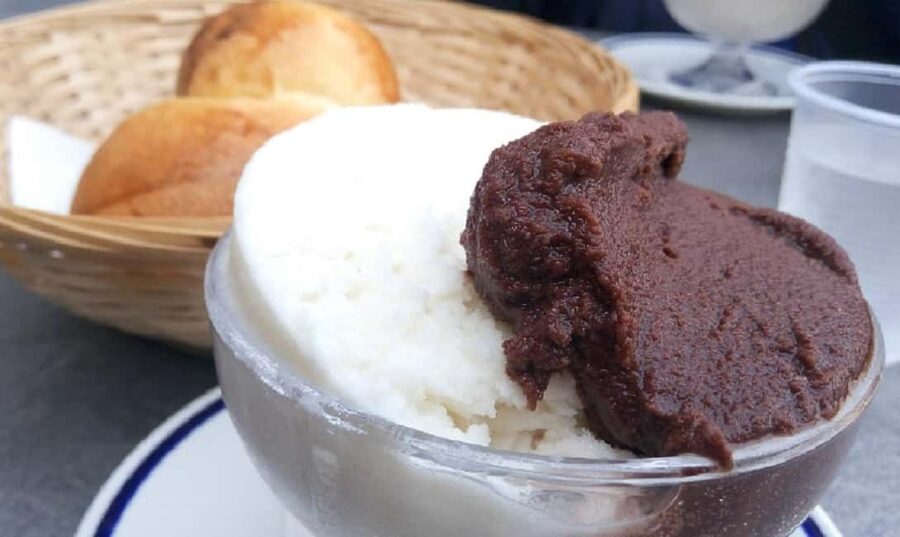
- Sicilian granita: a cold finish made from fresh fruit, sugar, and ice. Served in a glass, it’s ideal for cooling down after the savory and fried bites.
This is also where I’d plan your mindset. Granita is not a “dessert afterthought.” It’s a reset. And cannoli is often substantial enough that you’ll want to take it slowly—especially because the tour tastings are meant to be generous.
One note from the reviews that you should treat as real advice: don’t arrive with a full meal. More than one person mentions that the portions were too big to finish comfortably, and cannoli sometimes got packed to go because everyone ran out of room.
What’s Included (and What Makes It Good Value)
The tour price is $56 per person for about three hours. For that, you get:
- food tastings at five stops
- one alcoholic beverage
- gelato/granita
- water
To me, the value comes from the fact that it’s not just “samples.” You’re trying multiple dishes that represent different parts of Sicilian street life—fried rice, sweet-sour veggie caponata, seafood, savory pastries, and the classic cannoli/granita finish.
Also, you’re paying for more than food. You’re paying for someone to steer you toward places you’d likely miss on your own and to explain what you’re tasting in plain language. Guides like Allegra, Kate, Luca, and Giuseppe show up repeatedly in reviews for being both warm and genuinely helpful, which is exactly what you want in a food tour.
Practical Tips So You Enjoy It Instead of Tolerating It
A few things I’d tell you to keep it smooth:
- Eat lightly before you go. If you show up full, you’ll miss the fun parts.
- Bring comfortable shoes. The tour is walking through the historic center.
- Plan for a hands-on experience. Expect to stand near counters and eat as you go.
- Go easy with luggage. Large bags and luggage aren’t allowed, and pets aren’t allowed either.
- Tell them about dietary needs when booking. Vegetarian options are available, and other diets are supported—just communicate early so the tastings can work for you.
- Language: the guide speaks English and Italian. If you’re comfortable with either, you’ll be fine.
Who This Tour Suits Best (and Who Should Skip It)
This is a great fit if:
- it’s your first time in Catania and you want an organized way to explore the historic center
- you love street food and you want to understand what you’re eating, not just check off dishes
- you want a fun evening that combines landmarks and local food culture
You might want to consider another option if:
- you prefer slow, sit-down meals with no standing/walking
- you’re not comfortable with fried foods or heavy portion sizes
- you dislike guided groups entirely (even though guides are praised for making people feel comfortable)
Should You Book This Catania Street Food Tour?
Yes, if you want a first-day win. The combo of five food stops, Roman landmarks, and guides who keep the tone friendly and informative makes this a smart use of three hours. The price—$56—feels fair because the tastings add up fast, and you also get water plus an alcoholic beverage and a granita/gelato finish.
Book it especially if you want cannoli and granita done properly, and if you’re curious how Catania’s food connects to the city’s history and geography (sea, Etna, and the layered cultural influences). Just do yourself a favor: arrive hungry, wear good shoes, and go in ready to taste more than you think you can eat.
More Tour Reviews in Catania






More Sicilian Street-Food Crawls





Keep Exploring Catania


Just added: the newest Catania tours in our notebook
- Transfer Catania / Agrigento Airport★ 5.0 · 3 reviews
- Sicily private shore excursion – Etna and Taormina with personal driver★ 3.5 · 3 reviews
- Sunset Trekking on Mount Etna★ 5.0 · 3 reviews
- Private Transfer from Catania to Palermo or vice-versa with stop★ 5.0 · 3 reviews
- From Syracuse: Mount Etna Volcano Morning Trekking Tour★ 5.0 · 3 reviews
- Catania: Guided Street Food Tour with Tastings★ 5.0 · 3 reviews
Catania Tours, compared.
 ★ 4.8Catania: Mount Etna Morning or Sunset Day Trip with TastingFrom $704,028 reviews
 ★ 4.8Catania: Sunset Jeep Tour of Mount Etna and Lava Flow CavesFrom $712,113 reviews
 ★ 4.9Catania: Mount Etna Trekking Tour Beyond the Tourist TrailsFrom $811,596 reviews
 ★ 4.8Catania: Etna Sunset Tour with Pickup and Drop-offFrom $711,348 reviews
 ★ 4.8Etna Sunset Tour: Volcano trek, Cave & tasting from CataniaFrom $701,290 reviews
 ★ 4.8Catania: Etna Morning Excursion with Tasting and PickupFrom $711,224 reviews
 ★ 5.0Mt. Etna and Taormina village full day tour from CataniaFrom $1181,155 reviews
 ★ 4.9Catania: Amazing Etna Morning Tour with Pickup and Drop-OffFrom $81799 reviews
Browse the lists this tour appears in