
Reviewed · CATANIA TOURS
Cesarine: Home Cooking Class & Meal with a Local in Catania
Catania tastes better when you cook it. This private home cooking class with Cesarine lets you learn Catania’s most famous dishes right where locals eat, then sit down to sample what you made with a glass of local wine. I like that your group stays small and personal, not shuffled through a showroom vibe.
I also like how hands-on it is: you cook at your own workstation, prepare a starter, fresh pasta, and a Sicilian dessert, then taste three traditional dishes as a proper meal. The only real consideration is the price and time; at about 3 hours, it’s focused on a few courses, so it’s not the best choice if you want a long, do-everything food day.
In This Review
- Key highlights you’ll care about before you book
- What this Catania home class really feels like
- The menu: what you’ll make and eat in Catania
- Starter (seasonal)
- Main (fresh pasta) with classic choices
- Dessert (Sicilian sweets)
- How the 3 hours usually play out (so you won’t feel rushed)
- Your hosts matter: teaching style and the human touch
- What’s included in the price (and why value here isn’t just about food)
- Safety and sanity in a private Sicilian kitchen
- Getting there in Catania: meeting point, transport, and timing
- Who should book this, and who might skip it
- Should you book Cesarine in Catania?
- FAQ
- How long is the Cesarine cooking class in Catania?
- What language is the class offered in?
- Is this a private class?
- What courses will I cook and eat?
- What pasta dishes are included?
- What dessert options are available?
- Is wine included?
- Where does the experience take place?
- What is the cancellation policy?
- What about health and sanitary precautions?
Key highlights you’ll care about before you book
- Private group in a local’s home: only your group participates, led by a home cook
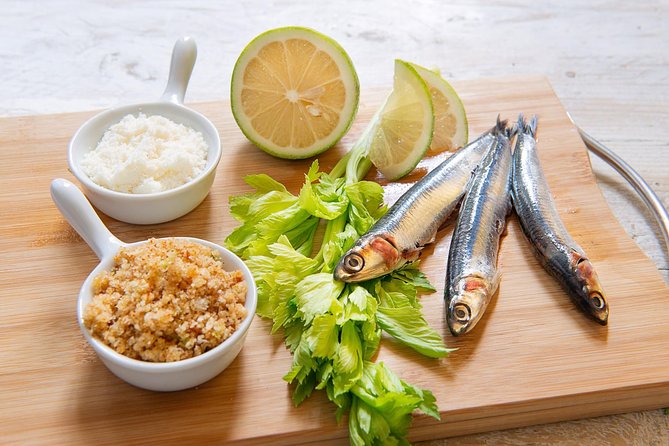
- Make fresh pasta and classic Catania dishes: options include Pasta alla Norma, Spaghetti alla carrettiera, or pasta with sardines
- Cook at your own workstation: less watching, more doing
- Three courses plus wine: starter, main, dessert, with local wine included
- English-led experience: the class is offered in English
- Sanitary-minded hosting: hosts provide essential supplies and follow safety rules like keeping distance
What else Catania has going on
- Catania: Mount Etna Morning or Sunset Day Trip with Tasting
★ 4.8 · 4,028 reviews - Catania: Sunset Jeep Tour of Mount Etna and Lava Flow Caves
★ 4.8 · 2,113 reviews - Catania: Etna Sunset Tour with Pickup and Drop-off
★ 4.8 · 1,348 reviews - Etna Sunset Tour: Volcano trek, Cave & tasting from Catania
★ 4.8 · 1,290 reviews
What this Catania home class really feels like
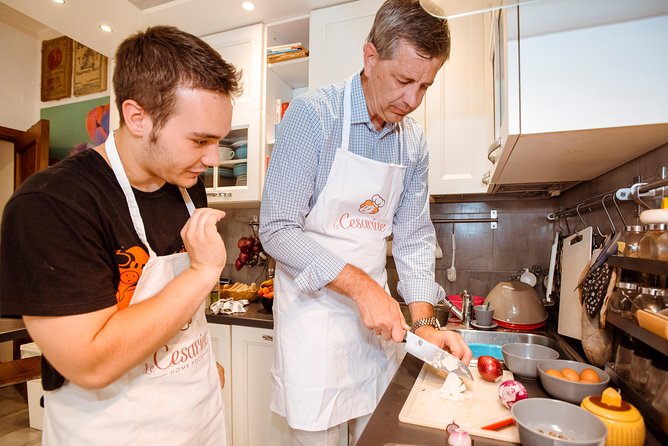
This isn’t a big-group cooking show. It’s a private class in someone’s house, built around your group and your home cook. That difference matters more than you’d think. In a home kitchen, you’re not standing behind a glass barrier. You’re at a real workstation, learning how dishes are shaped, seasoned, and plated in a place that looks lived-in, not staged.
From the way hosts are described, the teaching style tends to be friendly and interactive. You get the kind of lesson where questions are welcome and conversations naturally happen while you cook. Names that come up include Maurisimo, Fernanda, and Chef Angela, and the consistent theme is warmth: people showing you the tricks without making it feel like a test.
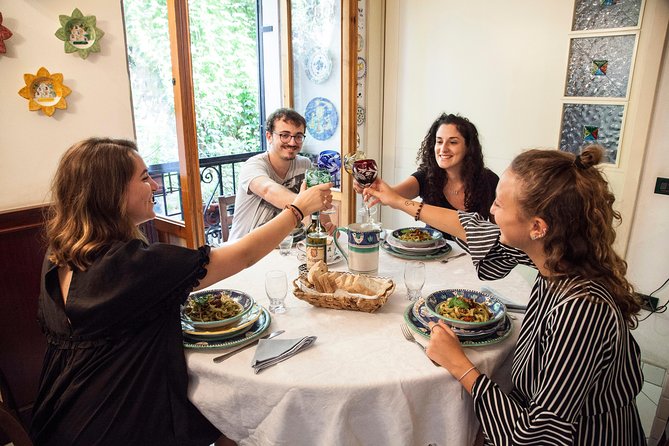
One more thing: since you’re eating what you make, the meal doesn’t feel like an add-on. It feels like the point. You’re not just leaving with recipes; you’re leaving with a full plate of what you practiced.
The menu: what you’ll make and eat in Catania
Here’s the practical truth: the class is organized around a full run of courses, not a single dish. You can expect a starter, a main with fresh pasta, and a Sicilian dessert. The exact dishes may vary, but the options are clearly the core of Catania home cooking.
Starter (seasonal)
You’ll start with a seasonal starter. The listing keeps it flexible, which is useful because seasonal food in Sicily is about what’s best right now, not what’s most photogenic.
Main (fresh pasta) with classic choices
The main is fresh pasta, and the pasta dishes you may sample include:
- Spaghetti alla carrettiera
- Pasta alla Norma
- Pasta with sardines
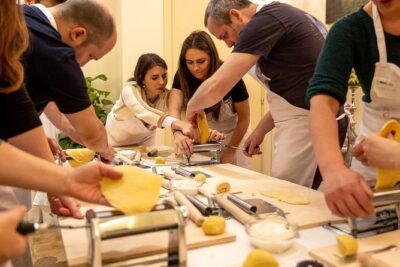
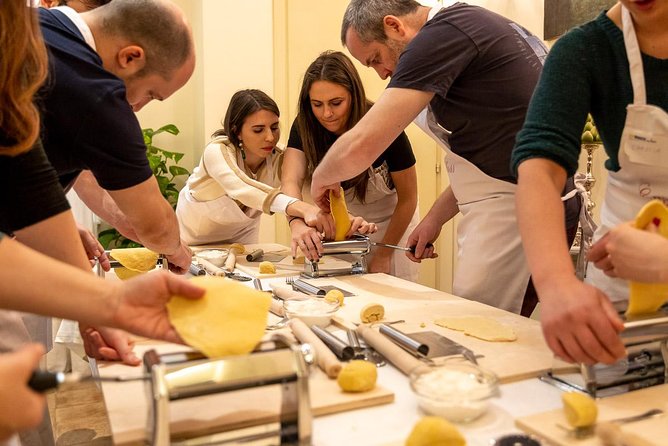
These are all well-known favorites in Catania-style Sicilian cuisine. Even if you’ve only had them in restaurants, making the pasta and putting it together yourself is where the real learning happens. Fresh pasta is forgiving in the best way: you can see how the dough behaves, how sauce clings, and what changes when you adjust salt, timing, or technique.
Also, the structure is built for you to actually taste the result. You’ll sample three traditional dishes, not just one plate you hurriedly try and forget.
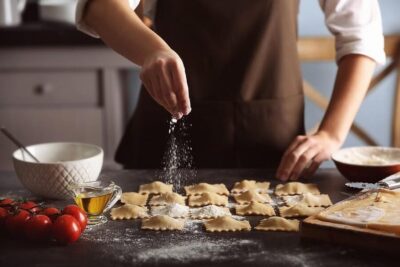
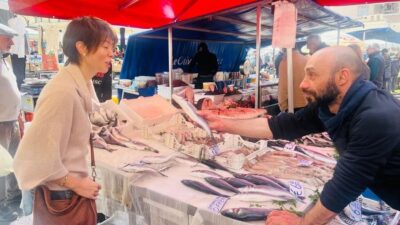
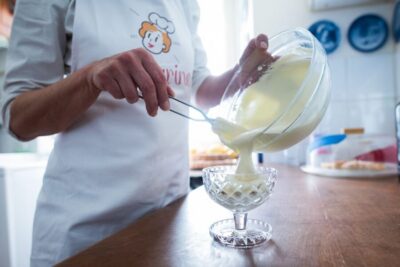
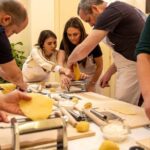
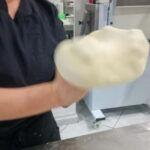
Hands in the flour, Catania style
Dessert (Sicilian sweets)
For dessert, you’ll sample a typical Sicilian option such as:
- Cannoli siciliani
- Cassata
- Almond pastries
- Tiramisu
- Or a similar typical dessert
This choice is a big plus. Cannoli and cassata are classic reasons people fall for Sicilian desserts, but having alternatives (like almond pastries or tiramisu-style options) means the class can match what’s easiest and tastiest in that moment.
How the 3 hours usually play out (so you won’t feel rushed)
The class runs about 3 hours, and you should expect it to move with purpose. Still, it’s paced like a home meal, not like a timed sprint. The typical flow goes like this:
First, you’ll get oriented in the kitchen and start on the seasonal starter. That part is often where you learn the basics: how the host builds flavor, what ingredients matter, and how they expect you to work at your station.
Next comes the main: fresh pasta. This is where you’ll do the most physical work—mixing, shaping, and cooking your pasta so it’s ready to be served. If you’ve ever thought you can’t make restaurant-level pasta at home, this is the stage that quietly proves you wrong.
Then you finish with dessert. Dessert in Sicily isn’t just sweet; it’s part of the culture of finishing well. You’ll get a Sicilian sweet tradition, and you’ll eat it as part of the same meal you cooked—so you leave with a full set of tastes, not just one “successful moment.”
Finally, you sit down with your local wine. That’s built into the experience, not optional. It makes the class feel like a shared table, and it helps you enjoy the result instead of treating it like a task list.
Your hosts matter: teaching style and the human touch
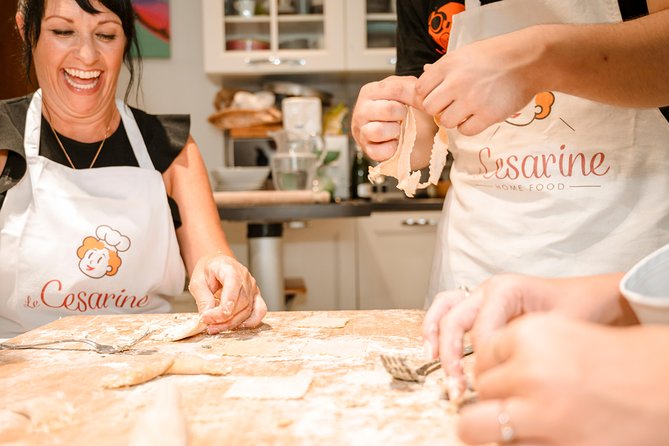
The standout theme from the experience details is that your home cook runs the class for your group. That’s why the teaching style can feel personal. When a host is Maurisimo, Fernanda, or Chef Angela, the focus tends to be:
- personable guidance
- clear instruction
- lots of chances to ask why something works
One particularly practical detail that comes up is how attentive hosts can be with timing. For example, Fernanda’s family is described as going out of the way to help guests get back on time when schedules were tight. In a city like Catania—where you may be juggling sightseeing and transport—having someone keep an eye on the clock is more valuable than it sounds.
And because it’s a home kitchen, you also get more than technique. You often hear foodie tips and local conversation while you cook. That’s not fluff. If you want to return home and recreate flavors that taste right, those small “why this ingredient, why this order” moments are the difference between copying a recipe and actually understanding the dish.
What’s included in the price (and why value here isn’t just about food)
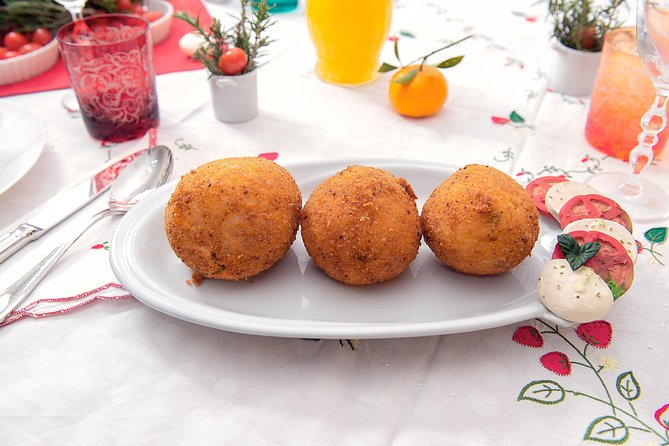
At $174.60 per person for about 3 hours, this class isn’t the cheapest way to eat in Catania. But you’re not paying for a generic meal. You’re paying for instruction, ingredients, and equipment—plus wine—inside a private home experience.
Here’s what you get included:
- cooking equipment
- ingredients
- wine
- a private class just for your group
- an English-offered experience
- tasting of three traditional dishes
That combination is the value. If you tried to replicate this on your own, you’d spend money on ingredients, you’d still need cookware or a workspace, and you’d lose the teaching part. The class packages all of that into one clean experience where the work is done alongside a host who can correct and guide.
Also, the fact that this is booked, on average, about 95 days in advance tells you it’s a popular format. Popular usually means good demand for limited home-kitchen capacity, not a marketing gimmick.
Safety and sanity in a private Sicilian kitchen
Home cooking in 2026 means safety expectations are part of the experience. Cesarine hosts are described as attentive to sanitary rules, and the homes provide the essential supplies. You’ll have basic sanitation items like:
- paper towels for washing hands
- hand sanitizing gel
- and other essential sanitary equipment
The rules you should follow are straightforward: keep 1 meter distance where possible. If you can’t, expect masks and gloves. The good part is that the host provides the supplies so you’re not hunting for basic things at the last second.
For your comfort, this matters because it lets you focus on cooking and conversation rather than worrying about basic hygiene.
Getting there in Catania: meeting point, transport, and timing
The class starts and ends back at the meeting point in Catania. It’s near public transportation, which makes it easier if you’re moving around the city by bus or walking from a central hotel area.
The duration is about 3 hours, so you should plan around it like a timed dinner appointment. This is especially important if you’re touring on a tight schedule, since you’re doing actual cooking and you’ll want to arrive on time.
You also get a mobile ticket, and you receive confirmation at booking. That’s helpful when you’re juggling multiple Catania plans and want everything organized in one place.
Who should book this, and who might skip it
This is a great match if you:
- love food and want a hands-on lesson, not just tasting
- want Catania cuisine in a real home setting
- like learning from a local cook’s approach, not only following written recipes
- appreciate a small, private group experience led in English
You might consider skipping it if you:
- want a longer experience than 3 hours
- are looking for a large group atmosphere or a restaurant-style meal only
- prefer a class focused on one dish rather than a full starter-main-dessert flow
Should you book Cesarine in Catania?
If your ideal trip includes a full Sicilian meal you actually helped make, I think this one is an easy yes. The price reflects what you get: private hosting, real cooking instruction, ingredients and equipment provided, and wine included. Most importantly, you leave with the flavors of Catania you can recreate—because you practiced the techniques, not just watched them.
One practical reason to act soon: it’s commonly booked well in advance, so good slots can disappear. If your plans are uncertain, you also have free cancellation up to 24 hours before the experience start time for a full refund, which reduces risk.
FAQ
How long is the Cesarine cooking class in Catania?
The experience lasts about 3 hours.
What language is the class offered in?
The cooking class is offered in English.
Is this a private class?
Yes. It’s a private tour/activity, and only your group will participate.
What courses will I cook and eat?
You’ll prepare and sample a seasonal starter, a fresh pasta main, and a Sicilian dessert.
What pasta dishes are included?
You may sample classic pasta options such as Spaghetti alla carrettiera, Pasta alla Norma, or pasta with sardines.
What dessert options are available?
You may sample cannoli siciliani, cassata, almond pastries, tiramisu, or a similar typical Sicilian dessert.
Is wine included?
Yes. You’ll enjoy the meal with a glass of local wine.
Where does the experience take place?
The class starts in Catania and ends back at the meeting point. It’s near public transportation.
What is the cancellation policy?
You can cancel for a full refund up to 24 hours before the experience starts.
What about health and sanitary precautions?
Hosts follow sanitary rules such as keeping 1 meter distance when possible. The homes provide items like hand sanitizing gel and paper towels for washing hands, and masks and gloves may be required if you can’t maintain distance.
More Tour Reviews in Catania






More Cooking Classes to Book

Keep Exploring Catania

Just added: the newest Catania tours in our notebook
- Transfer Catania / Agrigento Airport★ 5.0 · 3 reviews
- Sicily private shore excursion – Etna and Taormina with personal driver★ 3.5 · 3 reviews
- Sunset Trekking on Mount Etna★ 5.0 · 3 reviews
- Private Transfer from Catania to Palermo or vice-versa with stop★ 5.0 · 3 reviews
- From Syracuse: Mount Etna Volcano Morning Trekking Tour★ 5.0 · 3 reviews
- Catania: Guided Street Food Tour with Tastings★ 5.0 · 3 reviews
Catania Tours, compared.
 ★ 4.8Catania: Mount Etna Morning or Sunset Day Trip with TastingFrom $704,028 reviews
 ★ 4.8Catania: Sunset Jeep Tour of Mount Etna and Lava Flow CavesFrom $712,113 reviews
 ★ 4.9Catania: Mount Etna Trekking Tour Beyond the Tourist TrailsFrom $811,596 reviews
 ★ 4.8Catania: Etna Sunset Tour with Pickup and Drop-offFrom $711,348 reviews
 ★ 4.8Etna Sunset Tour: Volcano trek, Cave & tasting from CataniaFrom $701,290 reviews
 ★ 4.8Catania: Etna Morning Excursion with Tasting and PickupFrom $711,224 reviews
 ★ 5.0Mt. Etna and Taormina village full day tour from CataniaFrom $1181,155 reviews
 ★ 4.9Catania: Amazing Etna Morning Tour with Pickup and Drop-OffFrom $81799 reviews
Browse the lists this tour appears in