
Reviewed · CATANIA TOURS
Cooking lesson in Catania with lunch or dinner
Sicily tastes better when you make it. In Catania, you spend about three hours in a working kitchen lab learning how to cook island favorites, then sit down to eat the results.
I especially like the hands-on format and the small group feel. With a menu built around caponata, pasta alla Norma, and cannoli, you get real technique, not just a demonstration.
One thing to consider: this is a professional kitchen setting more than a cozy dining room, and the experience depends on good weather.
In This Review
- Key takeaways before you go
- First-Timer-Friendly Cooking Lesson in Catania
- What You Actually Cook: Caponata, Pasta alla Norma, and Cannoli
- Starter: Sicilian bruschetta
- Main: Sweet and sour caponata
- Main: Fresh pasta alla Norma rolls
- Dessert: cannoli
- The Kitchen Lab Setup: Professional, Practical, Not Always Cozy
- Eating the Meal You Made (Plus Wine)
- Tips for English, Pacing, and Getting Real Help
- Leave With Recipes—and a Template for Cooking Later
- Where You Meet in Catania (Near Subway)
- How Much It Costs—and Whether It Feels Like Good Value
- Who This Class Suits Best
- Should You Book This Catania Cooking Lesson?
- Quick decision guide
- FAQ
- What dishes will I cook?
- Is lunch or dinner included, and is wine included?
- How long is the cooking class?
- Is the class offered in English?
- How many people are in the group?
- Where do I meet in Catania?
- What if the weather is bad or I need to cancel?
Key takeaways before you go
- Small group limit (max 14): you get more time at the stations and fewer people to compete with.
- You cook multiple courses: bruschetta starters, a classic main, and cannoli dessert.
- Wine is part of the meal: you’ll have Sicilian wine with lunch or dinner.
- English is supported: the class is offered in English, and staff communication varies by day.
- Dietary needs can be accommodated: make sure you list allergies or intolerances when booking.
- You’ll leave with recipes: you get a recipe booklet, and some teams share a direct way to reach the chef later.
What else Catania has going on
- Catania: Mount Etna Morning or Sunset Day Trip with Tasting
★ 4.8 · 4,028 reviews - Catania: Sunset Jeep Tour of Mount Etna and Lava Flow Caves
★ 4.8 · 2,113 reviews - Catania: Etna Sunset Tour with Pickup and Drop-off
★ 4.8 · 1,348 reviews - Etna Sunset Tour: Volcano trek, Cave & tasting from Catania
★ 4.8 · 1,290 reviews
First-Timer-Friendly Cooking Lesson in Catania
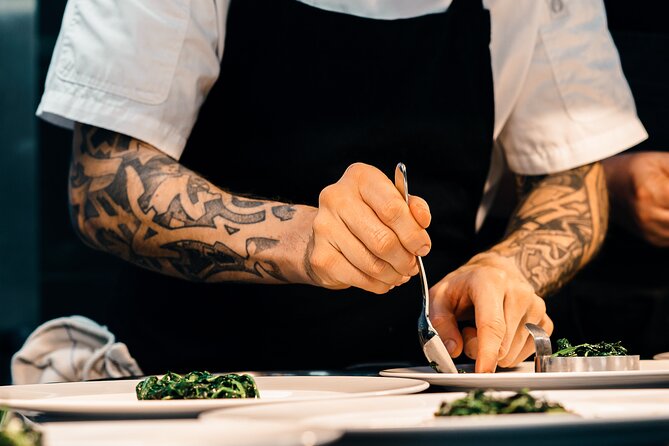
If you’re the type who wants your Sicily to involve more than photos, this is a strong choice. You start in Catania and spend your time doing the cooking yourself, with guidance from a chef in a proper kitchen lab. The big payoff is that you eat what you make, with Sicilian wine, right after.
The format is simple: you arrive, get oriented, cook several dishes in sequence, then enjoy a lunch or dinner built from your own work. The whole thing runs about 3 hours, which is a good length for a day when you also want time to explore the city center. It also runs as a small group experience (up to 14 people), so even if you’re not a confident cook, you’re less likely to feel rushed.
I also like the practical realism here. This is not a staged “show kitchen.” It’s a working lab, so it’s more about clean workflow and getting your hands on the ingredients than about atmosphere.
What You Actually Cook: Caponata, Pasta alla Norma, and Cannoli
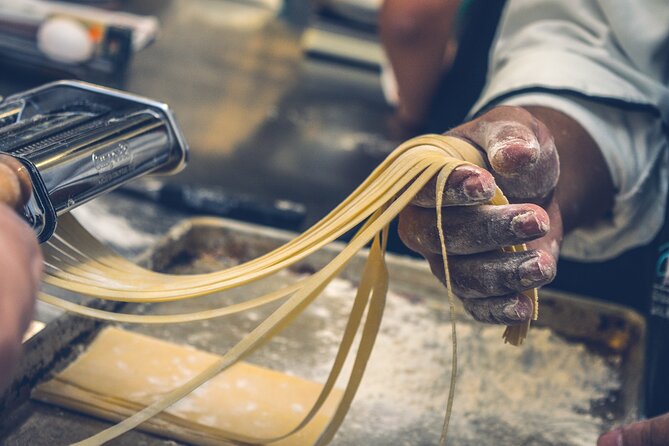
This class centers on Catania and Sicilian favorites—plant-forward dishes, bright flavors, and a couple of classics that show up again and again in local menus. Your exact menu can vary, but you should expect an itinerary built around the same core stars.
Starter: Sicilian bruschetta
You’ll make a version of bruschetta, commonly with basil pesto and cherry tomatoes. It’s a great warm-up because it teaches you how Sicilians build flavor quickly: good bread, fresh ingredients, and a balance between herbs and acidity.
Even if you’ve made bruschetta before, you’re likely to pick up small method details—how to prepare components so they don’t get watery, and how to portion toppings so each bite works.
Main: Sweet and sour caponata
Next is caponata, usually the sweet-and-sour style. Caponata is one of those dishes that can taste confusing until you make it. In class, you get to see the logic: eggplant (often the base), sweet notes, tang from something acidic, and a finish that makes it feel like a proper Sicilian sauce—not just vegetables.
One of the most repeated “wow” points from past experiences is how good caponata can taste when it’s made right in front of you with fresh ingredients and a chef talking you through the choices.
A few we would gladly point a friend toward in Catania
Main: Fresh pasta alla Norma rolls
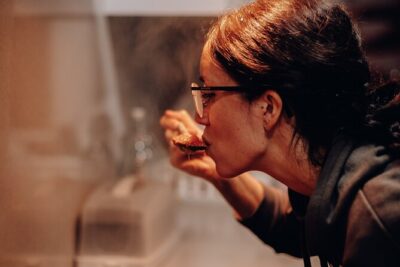
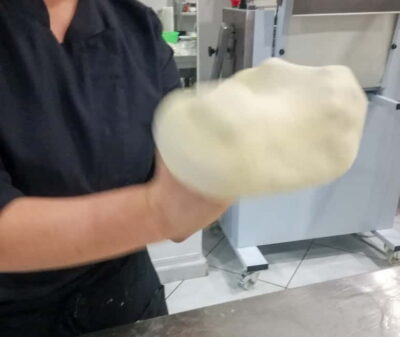
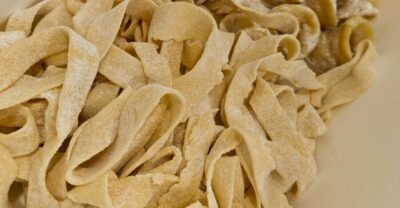
Then comes a Catania-to-Sicily classic: pasta alla Norma. In this experience, you’re not just assembling a bowl—you’re working with spaghetti alla Norma rolls (and learning the approach behind them). The core idea of Norma is often the eggplant connection and a distinctive cheese topping.
If ricotta salata is new to you, this is a good chance to learn it. It’s part of what makes Norma recognizable, and one chef-led note is that if you don’t like the cheese used on top, you can ask about alternatives like parmesan. That’s the kind of flexibility you want in a class meant to be enjoyable, not stressful.
Dessert: cannoli
Finally, you hit the sweet part of the program: cannoli. You’ll work on the filling and assemble the dessert. Cannoli is also where technique matters—balance, texture, and not rushing the steps. Past participants often single out the cannoli as a top moment, especially when the filling is made during the lesson rather than pre-made.
The Kitchen Lab Setup: Professional, Practical, Not Always Cozy
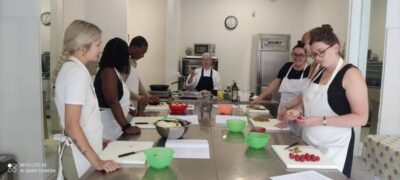
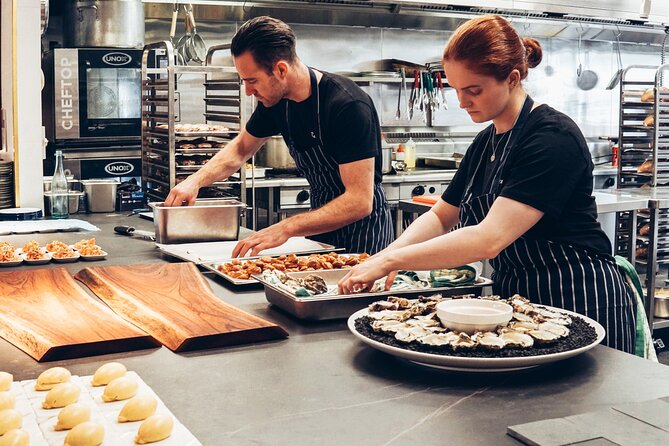
Let’s talk about the space, because it affects how you feel during the class. This is run in an equipped laboratory kitchen. That means you’re learning and cooking on professional equipment using typical Sicilian products.
Some people love that because it feels real and efficient. Others come in expecting something more charming or decorated. If that sounds like you, you’ll want to adjust your expectations: think practical workstations, not a themed set.
Heat can matter too. One thing that popped up in experiences is that air conditioning may feel strained during hot days. On the bright side, the team can sometimes adjust where you work, and the class is designed around getting you comfortable enough to cook without turning it into a marathon.
Eating the Meal You Made (Plus Wine)
After you cook, you sit down for lunch or dinner, and your meal is built from the dishes you prepared. This isn’t an afterthought. The meal is part of the value.
A key detail: you’ll have a bottle of Sicilian wine included with lunch or dinner. In some cases, wine may not appear the second you walk in, so if you’re hoping to toast right away, it’s reasonable to ask when you sit down. One more practical note: if it’s hot, the pacing can feel cautious at first, which makes sense. Drinking cold wine immediately in high heat can be a bit much.
A few teams also mention extra options like limoncello after the meal. And coffee may show up depending on the flow of the evening.
The best part is simple: you’ll taste dishes with context. When you know what you chopped, what simmered, and what you adjusted, Sicilian food stops being abstract. It becomes something you can recreate.
Tips for English, Pacing, and Getting Real Help
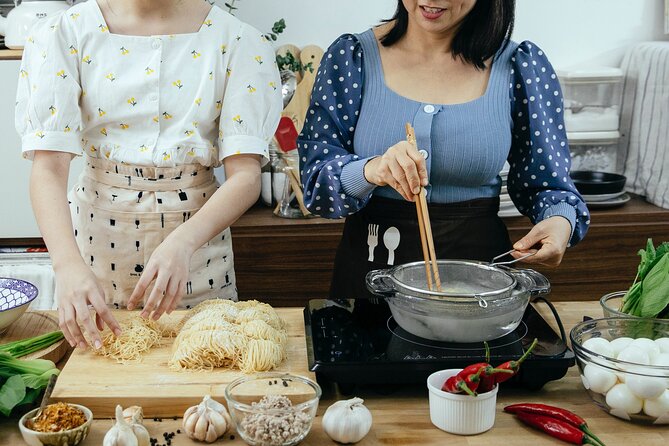
The experience is offered in English, and many chefs or instructors have enough English to guide the steps clearly. That said, teams can be mixed—sometimes the chef is your main English source, and the host/owner may speak less English while still being friendly and involved.
Here’s what I recommend so you get the most out of it:
- Ask questions early, especially about seasoning and consistency.
- Don’t be shy about saying what you like or dislike. If ricotta salata (or another ingredient) doesn’t work for you, you can ask for adjustments.
- If you have dietary needs, state them at booking. The experience specifically tells you to list allergies or intolerances, and there are documented examples of vegan requests and gluten intolerance being handled.
Also, bring the mindset of learning technique. The class isn’t trying to turn everyone into a pasta expert. It’s focused on guiding you through steps you can repeat later at home.
Leave With Recipes—and a Template for Cooking Later
One reason this type of class feels worth the money is that you leave with something tangible. You’ll get a recipe booklet connected to the chef who taught the methods. In at least some cases, that booklet includes a direct phone contact for post-cooking help.
That matters because cooking at home is where many classes fall apart: you remember the taste but forget the steps. Having written instructions and a way to check a detail is a real advantage, especially for dishes like caponata where small changes affect texture and flavor.
You may also take home prepared dishes. One team describes packing up ready-made dishes so you can bring them back to your hotel, B&B, or vacation rental after the lesson. If that’s part of how you want your day to work, it’s worth confirming when you arrive.
Where You Meet in Catania (Near Subway)
Your meeting point is Via Cervignano, 42, 95129 Catania. The location is near public transportation, specifically close to subway stops GALATEA and ITALIA. That’s handy if you’re staying in the center but don’t want to fight traffic or parking.
This also helps if you’re pairing the class with a walking day: you can use the subway to get close, then finish the last stretch on foot. The activity ends back at the meeting point, so it’s a clean loop without extra transfers.
How Much It Costs—and Whether It Feels Like Good Value
The price is $119.77 per person for about three hours, and it includes a chef-led cooking lesson plus your lunch or dinner. You also get kitchen equipment, typical Sicilian ingredients, and a bottle of Sicilian wine.
Is it cheap? No. But for this price range, what matters is what you’re actually buying:
- You’re not just eating a restaurant meal; you’re cooking multiple dishes and learning steps you can repeat.
- You’re in a small group rather than being one face in a crowd.
- Wine is included, which is often where restaurant dinners quietly rack up cost.
- You get recipes at the end, which extends the value beyond the one meal.
If you’re the type who enjoys hands-on food experiences and wants a structured way to learn Sicilian dishes, it’s easier to feel the value. If you mostly want ambience and don’t care about technique, you might prefer a normal trattoria meal.
Who This Class Suits Best
This lesson fits best if you:
- Want an easy entry point to Catania cuisine without committing to a full foodie tour day.
- Like meeting people but still want a calmer group size (max 14).
- Prefer learning how to cook rather than only hearing about food.
It can also work well for couples and small friend groups because the class style stays interactive.
If you’re sensitive to noise or prefer super-soft lighting and a decorative environment, go in with a “working kitchen” mindset. It’s built for cooking, not for looking Instagram-pretty.
Should You Book This Catania Cooking Lesson?
If your goal is to leave Catania with skills, not just souvenirs, I’d book it. The menu choices are classic—caponata, pasta alla Norma, and cannoli—so you’re making dishes that actually belong to the region. The combination of hands-on cooking, an included meal, and a recipe booklet is a solid three-hour plan.
I’d only hesitate if:
- you strongly dislike kitchen-lab style spaces,
- you expect meat dishes in the menu (the core menus described focus on Sicilian favorites that are often eggplant- and pasta-based),
- or you’re going on an extremely hot day and air conditioning comfort is a dealbreaker for you.
Quick decision guide
Book it if you want to cook and eat a full Sicilian meal with wine. Skip it if you only want atmosphere or you don’t care about learning steps you can repeat later.
FAQ
What dishes will I cook?
You’ll prepare Sicilian favorites such as bruschetta, caponata, spaghetti alla Norma rolls, and cannoli. Menu options may also include eggplant parmigiana and pasta with cherry tomatoes, ricotta, and basil.
Is lunch or dinner included, and is wine included?
Yes. Your meal is included, and it comes with a bottle of Sicilian wine.
How long is the cooking class?
It runs about 3 hours.
Is the class offered in English?
Yes, the experience is offered in English.
How many people are in the group?
The class has a maximum of 14 travelers.
Where do I meet in Catania?
You meet at Via Cervignano, 42, 95129 Catania CT, Italy. It’s near the subway stops GALATEA and ITALIA.
What if the weather is bad or I need to cancel?
The experience requires good weather. If it’s canceled due to poor weather, you’ll be offered a different date or a full refund. You can cancel for a full refund up to 24 hours before the experience starts.
More Cooking Classes in Catania

More Tour Reviews in Catania





Keep Exploring Catania
Just added: the newest Catania tours in our notebook
- Transfer Catania / Agrigento Airport★ 5.0 · 3 reviews
- Sicily private shore excursion – Etna and Taormina with personal driver★ 3.5 · 3 reviews
- Sunset Trekking on Mount Etna★ 5.0 · 3 reviews
- Private Transfer from Catania to Palermo or vice-versa with stop★ 5.0 · 3 reviews
- From Syracuse: Mount Etna Volcano Morning Trekking Tour★ 5.0 · 3 reviews
- Catania: Guided Street Food Tour with Tastings★ 5.0 · 3 reviews
Catania Tours, compared.
 ★ 4.8Catania: Mount Etna Morning or Sunset Day Trip with TastingFrom $704,028 reviews
 ★ 4.8Catania: Sunset Jeep Tour of Mount Etna and Lava Flow CavesFrom $712,113 reviews
 ★ 4.9Catania: Mount Etna Trekking Tour Beyond the Tourist TrailsFrom $811,596 reviews
 ★ 4.8Catania: Etna Sunset Tour with Pickup and Drop-offFrom $711,348 reviews
 ★ 4.8Etna Sunset Tour: Volcano trek, Cave & tasting from CataniaFrom $701,290 reviews
 ★ 4.8Catania: Etna Morning Excursion with Tasting and PickupFrom $711,224 reviews
 ★ 5.0Mt. Etna and Taormina village full day tour from CataniaFrom $1181,155 reviews
 ★ 4.9Catania: Amazing Etna Morning Tour with Pickup and Drop-OffFrom $81799 reviews
Browse the lists this tour appears in