
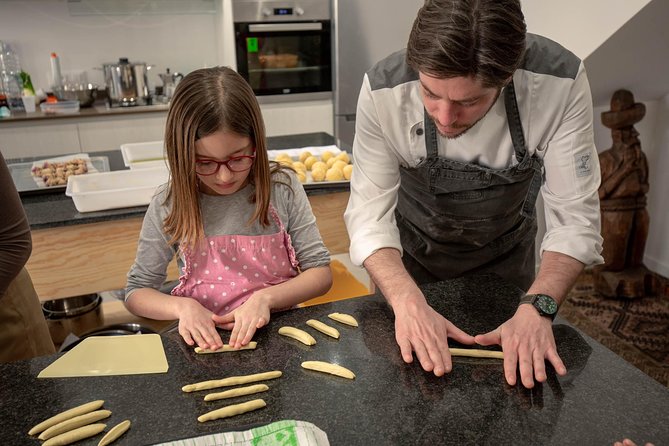
Reviewed · SICILIAN COOKING CLASSES
Sicilian Cooking Class
Sicily starts with the market.
This Palermo class puts you at Mercato del Capo to pick ingredients first, then you cook a full four-course meal with an English-speaking instructor in an air-conditioned kitchen.
Two things I love: you learn by doing (not watching), and you leave with a real sense of Palermo food culture, not a generic cooking show. One thing to consider: if it rains, parts of the market may be quieter since vendors and stalls can be less available.
In This Review
- Key Highlights At a Glance
- Why This Palermo Class Starts at Mercato del Capo
- The 4.5 Hours: How the Day Flows From Market to Dinner
- What You Actually Cook: Palermo Staples, Not Tourist Copies
- Starters: Street Food Classics You Fry and Shape
- Pasta Course: Fresh Pasta From Scratch
- Main Course: Real Palermo Flavor Profiles
- Dessert: Cannoli, Cassata, and Sicilian Granita
- Chef Michael, Assistants, and the Small-Group Teaching Style
- Wine, Homemade Liqueurs, and Coffee: The Part You’ll Talk About Later
- Price and Value: What $118.56 Gets You in Palermo
- Who This Palermo Class Is For (and Who Should Ask Questions)
- Dietary needs and allergies
- Mobility and getting around
- Practical Tips for a Smooth Market-to-Kitchen Day
- Should You Book the Sicilian Pantry Cooking Class?
- FAQ
- Where is the meeting point for the Sicilian cooking class?
- What time does the class start in Palermo?
- How long is the cooking class?
- Is the class offered in English?
- What’s the maximum group size?
- What do you do at the Capo market area?
- What kinds of dishes are on the menu?
- What’s included with the meal?
- Is the class safe for severe food allergies?
- Is free cancellation available?
Key Highlights At a Glance
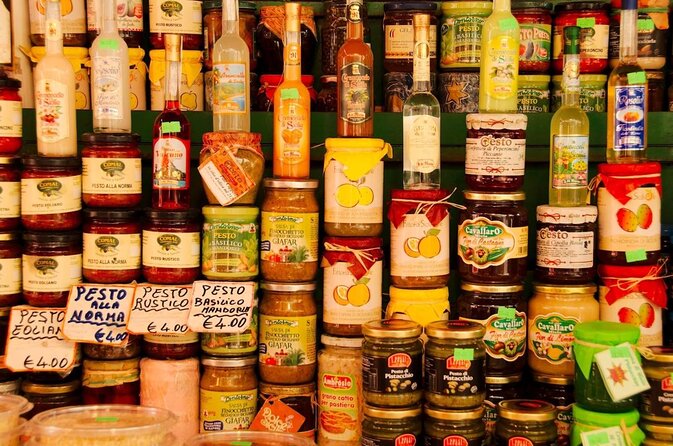
- Mercato del Capo ingredient shopping in Palermo’s old town
- Hands-on cooking with step-by-step help for each dish
- Four-course meal paired with Sicilian wines
- Homemade liqueurs and coffee after dinner
- Small group size (maximum 8) for more time with the chef
- Air-conditioned kitchen for a comfortable cook day
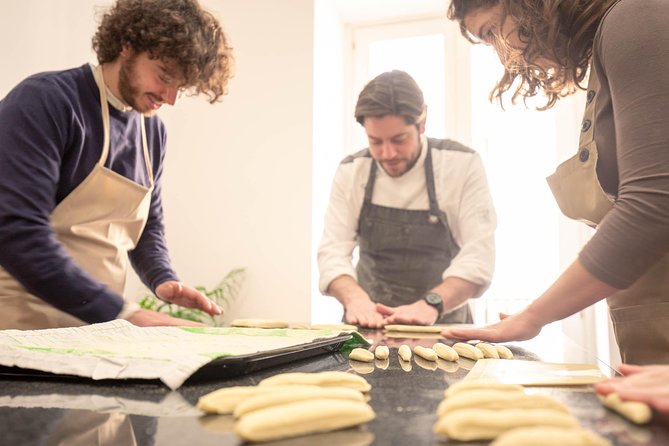
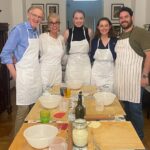
Hands in the flour, Palermo style
- Palermo: Pizza and Gelato Cooking Class with Dinner and Wine
★ 4.9 · 951 reviews - Palermo’s Delight: Unleash the Secrets of Pizza and Gelato Making
★ 5.0 · 497 reviews - Palermo: Pasta & Tiramisu Cooking Class with Flowing Wine
★ 4.8 · 405 reviews - Palermo: Market Tour and Sicilian Cooking Class with Lunch
★ 4.9 · 229 reviews
Why This Palermo Class Starts at Mercato del Capo
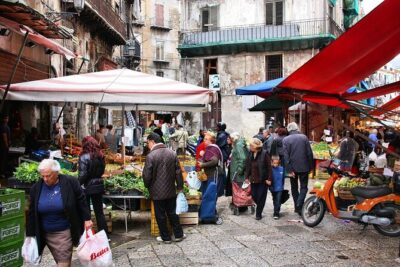
I like cooking classes that begin where the food actually lives. Here, you meet near Porta Carini, then head into Palermo’s Mercato del Capo to choose fresh ingredients for the day’s menu. That one step changes everything: you’re not just following instructions, you’re learning how Sicilians build meals around what’s available.
The market walk also helps you understand the logic behind flavors and textures. You’ll see how ingredients are grouped and chosen, and the chef explains what to look for while you’re shopping. It’s practical. And it’s a great way to get oriented in Palermo’s old town without feeling lost.
The 4.5 Hours: How the Day Flows From Market to Dinner
The experience runs about 4 hours 30 minutes, starting at 10:00 am. After the market selection, you walk to the kitchen for the cooking part, where the lesson is run in an air-conditioned space.
Pace matters in a class like this, and this one keeps moving in a friendly rhythm. You’ll have enough time to actively prepare each course, but not so much waiting around that you get restless or bored. Then you sit down together to eat what you cooked, with wine and end-of-meal extras.
A small-group format (up to 8 travelers) is a big deal here. More people means less attention per person. With a tight group, the chef can correct technique fast and keep things flowing.
What You Actually Cook: Palermo Staples, Not Tourist Copies
This is a Sicilian menu day. You won’t be making the usual travel-course standbys like pizza or basic gelato. Instead, you work with classic Palermo street food and family-style dishes that show up at markets and home tables.
Starters: Street Food Classics You Fry and Shape
Your starter options commonly include things like panelle, arancine al burro, and fried artichokes.
- Panelle: crisp chickpea fritters, freshly fried, finished with lemon. This is a cornerstone of Palermo street food.
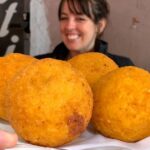
- Arancine al burro: saffron rice balls filled with ham and cheese, breaded and fried. The iconic street-food vibe is real here, but you’ll understand what makes it work.
- Carciofi fritti: artichokes cleaned, quartered, breaded, and fried.
Even if you’ve had these dishes before, you’ll likely learn the small technique points that make them taste right. For example, frying is all about timing, oil temperature control, and not overcrowding. You’ll be in the mix for those steps.
A few we would gladly point a friend toward in Palermo
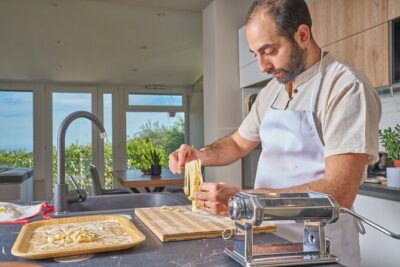
Pasta Course: Fresh Pasta From Scratch
You make a pasta course that leans southern Italian in approach and texture.
- Pasta fresca con salsa fresca is a key example from the menu: you make your own fresh pasta, then top it with freshly made tomato sauce.
The value isn’t just the meal. It’s learning how fresh pasta behaves while cooking and how sauce should cling without turning watery. That’s the kind of skill you can repeat later at home.
Main Course: Real Palermo Flavor Profiles
For the main, the menu can pull from several Palermitan favorites, such as:
- Pasta con le sarde: pasta with fresh sardines, wild fennel, saffron, currents, and pine nuts, finished with toasted breadcrumbs. Yes, it sounds bold. Sicilians do bold.
- Involtini di carne: thin meat rolls stuffed with cheese, breadcrumbs, currants, and almonds, skewered, breaded, and roasted. Think family comfort with a slightly festive edge.
- Pesce spada panato: swordfish slices dipped in olive oil and coated with seasoned breadcrumbs with parsley, mint, and lemon zest.
If you’re wondering how one person should handle all these flavors in one class: you don’t. The chef structures the day so you learn a focused portion of the process per dish, with help at each stage.
Dessert: Cannoli, Cassata, and Sicilian Granita
Dessert is where Sicily goes all-in.
- Cannoli: fried pastry tubes filled with sweet ricotta cream, garnished with candied orange peel and pistachios from Bronte.
- Cassata: Sicilian almond paste and sponge cake stuffed with sweet ricotta cream, decorated with candied fruit.
- Granita di mandorle: a frozen treat made with water, sugar, and almonds.
And here’s a useful reality check: the chef helps you understand what matters most for dessert texture. You’ll learn why ricotta should be treated a certain way, and what “set” looks like for the filling.
Chef Michael, Assistants, and the Small-Group Teaching Style
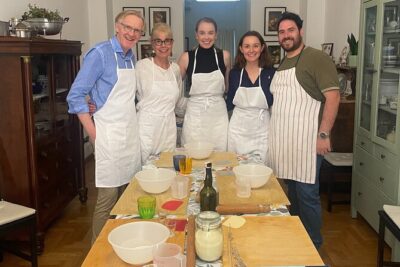
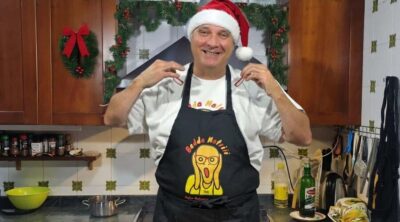
This class is led by Chef Michael, with assistant support that can include Elena or Melissa depending on the day. The point isn’t who’s standing where. The point is how the class runs.
You’ll get clear explanations while you work. In practice, that means you’re not stuck figuring things out alone at the station. The chef and assistant chefs coach technique, timing, and flavor balancing as you go, and they also share the story behind Sicilian dishes and how menus shift with the season.
Language is also handled well. The tour is offered in English, and instruction is delivered in a way that keeps you participating instead of translating in your head. If you’ve taken classes in Italy before, you know how often the vibe turns into half mime. This one stays clear.
Wine, Homemade Liqueurs, and Coffee: The Part You’ll Talk About Later
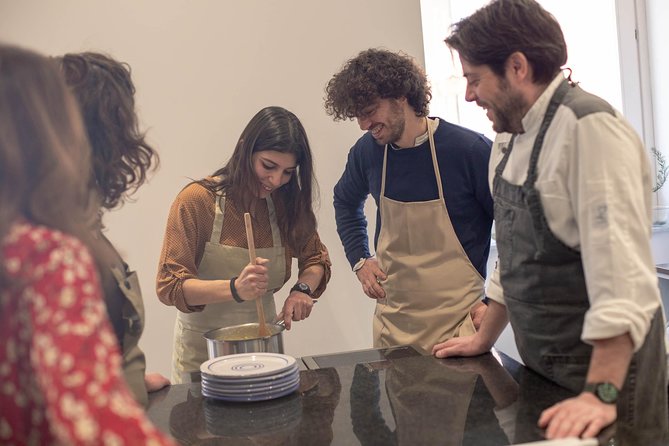
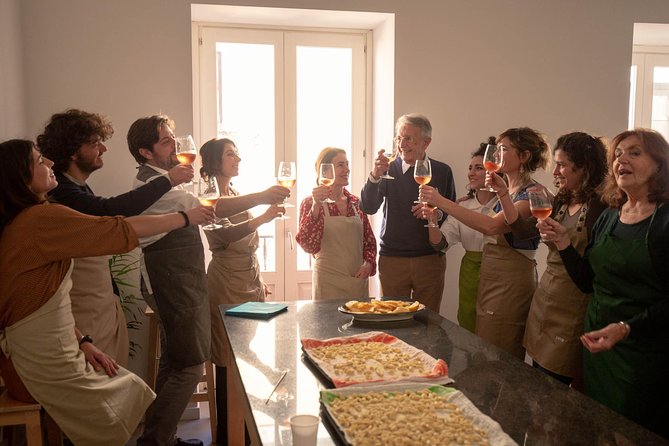
After cooking, you eat together with a selection of Sicilian wines. You’ll also finish with coffee plus homemade liqueurs. One menu detail that pops up in the experience is an orange liqueur, which fits Palermo’s love for candied citrus notes and sweet bitterness balance.
The dinner setup feels like a shared meal, not a formal restaurant performance. That matters because it makes the whole class land better. You’re not rushing out to digest later; you’re seated with the people you cooked with, talking while the food is still hot.
Price and Value: What $118.56 Gets You in Palermo
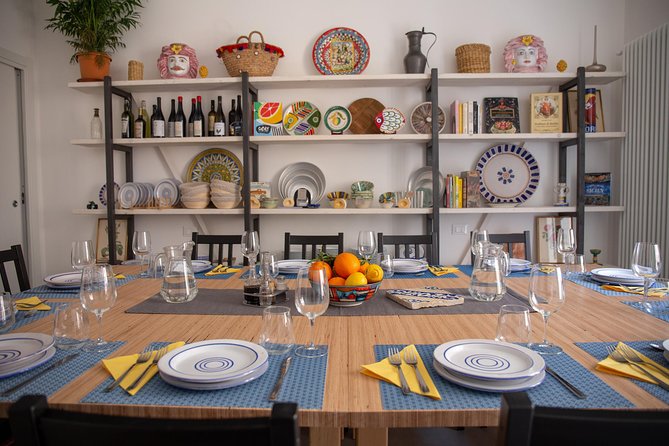
At $118.56 per person, you’re paying for more than a cooking lesson. You’re buying a full arc: market ingredient selection, guided hands-on cooking, a four-course meal, and drinks (wine plus homemade liqueurs), followed by coffee.
For your money, the big value drivers are:
- You start with the market, so the cooking has context.
- You cook multiple courses and learn techniques that matter, like frying and fresh pasta.
- The small group format supports hands-on help, not just watching.
In other words, you’re not just paying for time in a kitchen. You’re paying for a structured food education that ends with a proper meal.
Who This Palermo Class Is For (and Who Should Ask Questions)
This works best if you want food you can name and repeat. If you like learning why recipes are built a certain way, you’ll enjoy this style of lesson. You also get a cultural payoff through market shopping and the dish-by-dish explanations.
It’s also a good fit for groups of friends and solo travelers who like meeting people. The class size stays small, and the chef encourages group comfort early on.
Dietary needs and allergies
The class is not recommended for people with severe food allergies. If you have dietary requirements, contact the provider so they can assess what’s possible.
There’s also evidence that the menu can be adjusted in at least some situations, such as accommodating a vegetarian participant without wrecking the day’s flow. Still, don’t assume. Ask before you book.
Mobility and getting around
One practical note: there can be steep stairs involved in reaching the kitchen area in an apartment-style setup. If stairs are a problem, I’d message ahead and confirm how access works for your day.
Practical Tips for a Smooth Market-to-Kitchen Day
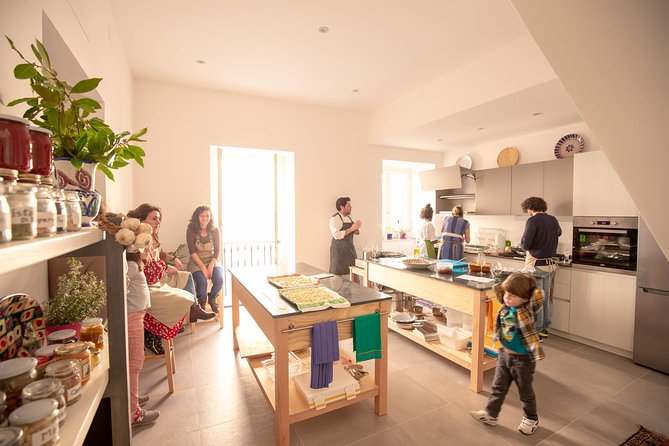
You’ll be walking from the Porta Carini area into Palermo’s old town market zone and then toward the kitchen. Wear shoes you’re comfortable standing and moving in.
Bring any dietary or allergy notes clearly before the day starts. It’s easier when the chef can plan ingredients and prep in advance.
Also, plan for weather. In rainy conditions, some market stalls may be less available, since vendors can be affected by how the day goes. If the market is quieter, it doesn’t mean you’ll lose the lesson, but your ingredient variety might shift.
Should You Book the Sicilian Pantry Cooking Class?
If you want a Palermo experience that goes beyond postcards and leaves you with techniques you can actually cook at home, I’d book this. The market-first approach, the hands-on four-course structure, and the fact that the class is run in English make it a strong value for most visitors.
I’d skip it only if you have severe food allergies you can’t safely manage, or if stairs and mobility are a hard no for you. Otherwise, this is one of those days that feels like you ate well and learned something real, all in the same afternoon.
FAQ
Where is the meeting point for the Sicilian cooking class?
The meeting point is Parcheggio ORLANDO | APCOAP, at Piazzale Vittorio Emanuele Orlando, 49, 90134 Palermo PA, Italy. The activity ends back at the meeting point.
What time does the class start in Palermo?
The start time listed is 10:00 am.
How long is the cooking class?
The duration is about 4 hours 30 minutes.
Is the class offered in English?
Yes. The experience is offered in English.
What’s the maximum group size?
The class has a maximum of 8 travelers.
What do you do at the Capo market area?
You meet near Porta Carini and go into the Mercato del Capo to select ingredients for the lesson before walking to the kitchen.
What kinds of dishes are on the menu?
The sample menu includes starters like panelle, arancine al burro, and carciofi fritti; a pasta course using fresh pasta with fresh tomato sauce; mains such as pasta con le sarde, involtini di carne, or pesce spada panato; and desserts like cannoli, cassata, and granita di mandorle.
What’s included with the meal?
You’ll enjoy the four-course meal that you help prepare, along with a selection of Sicilian wines, homemade liqueurs, and coffee.
Is the class safe for severe food allergies?
It is not recommended for people with severe food allergies. If you have dietary requirements, reach out so the provider can advise what can be done.
Is free cancellation available?
Yes. You can cancel for a full refund up to 24 hours in advance of the experience’s start time. If you cancel less than 24 hours before, the amount paid is not refunded.
More Cooking Classes in Palermo
More Tour Reviews in Palermo
More Cooking Classes to Book
Just added: the newest Palermo tours in our notebook
- Private Transfer from/to Trapani★ 5.0 · 3 reviews
- Private Tour from Palermo to Monreale, Santa Rosalia and Mondello★ 5.0 · 3 reviews
- Palermo: Cannolo & Cassata MasterClass★ 5.0 · 3 reviews
- Camporeale: Sallier de La Tour Wine Discovery Tour★ 4.6 · 3 reviews
- Sicily … A Love of a Lifetime★ 4.5 · 3 reviews
- Sicilian Cooking Class in Palermo – Private Option★ 5.0 · 3 reviews
Sicilian Cooking Classes, compared.
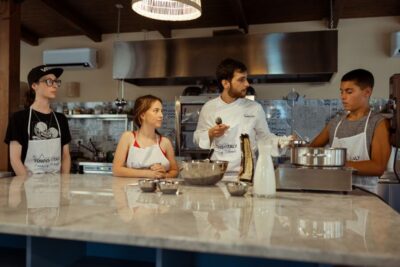 ★ 4.9Palermo: Pizza and Gelato Cooking Class with Dinner and WineFrom $71951 reviews
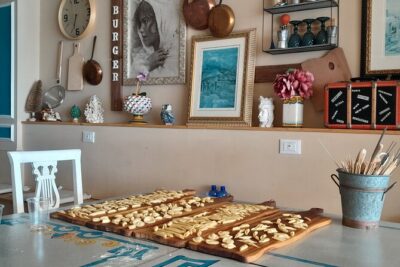 ★ 5.0Seaview Cooking Class & Taormina local flavors with Chef MimmoFrom $157665 reviews
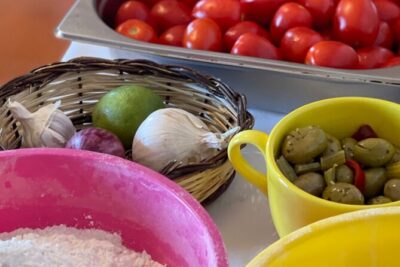 ★ 5.0COOKING CLASS in Taormina at Chef Massimo HOUSE!!From $185543 reviews
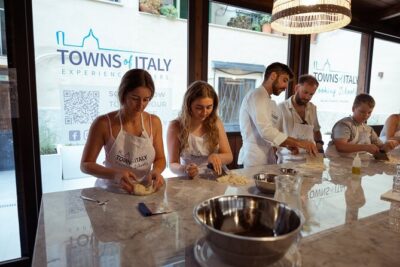 ★ 5.0Palermo’s Delight: Unleash the Secrets of Pizza and Gelato MakingFrom $60497 reviews
Palermo: Pasta & Tiramisu Cooking Class with Flowing WineFrom $56405 reviews
★ 5.0Palermo’s Delight: Unleash the Secrets of Pizza and Gelato MakingFrom $60497 reviews
Palermo: Pasta & Tiramisu Cooking Class with Flowing WineFrom $56405 reviews
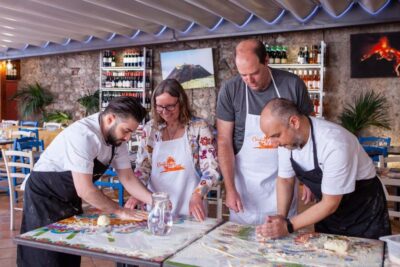 ★ 4.8Taormina: Half-Day Pizza Making ClassFrom $88353 reviews
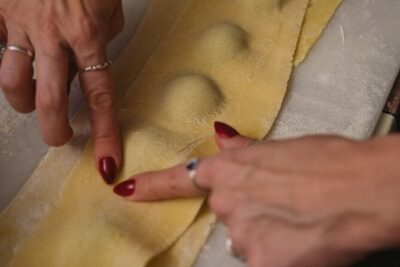 ★ 5.0Palermo: Pasta and Tiramisu Small Group Cooking Class with WineFrom $83348 reviews
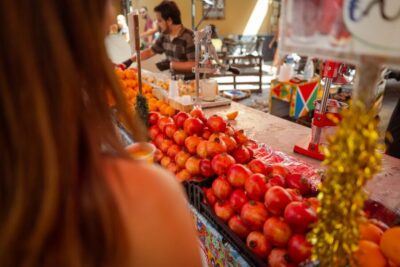 ★ 4.9Palermo: Market Tour and Sicilian Cooking Class with LunchFrom $65229 reviews
Browse the lists this tour appears in