
Reviewed · SYRACUSE & ORTIGIA
Cooking class at a Cesarina’s home with tasting in Siracusa
Cooking in a Syracuse home feels like insider access. You make three regional dishes using fresh, seasonal produce, then you eat them at your host’s table with a glass of local wine. It’s a real look at Siracusa cooking, not a scripted restaurant show.
I love the hands-on part, especially pasta from scratch when your host talks you through dough, rolling, and shaping. I also love the feel of undivided attention, where the teaching stays focused on your group, with English support in the flow.
One drawback to consider is the cost. At $174.69 per person, this needs to feel hands-on and fully taught to feel worth it, and parking near the home can be a headache in spots.
In This Review
- Key highlights worth marking
- Syracuse Cesarina cooking: what you’re really buying
- Arriving in Syracuse and stepping into a real kitchen
- The starter course: how Siracusa flavor gets built
- Pasta making in Siracusa style: dough, shapes, and confidence
- Sauce and finishing: where the group work matters
- Wine and the sit-down meal: what happens after the work
- Dessert in Siracusa’s style: almond paste and sweet comfort
- English-friendly hosting, privacy, and how to get the most out of it
- Price and value at $174.69: when it feels worth it
- Should you book this Syracuse cooking class?
- FAQ
- How long is the Cesarina cooking class in Syracuse?
- Is this a private experience or will I share with other groups?
- Is the class taught in English?
- What dishes are included in the class?
- What sanitary rules are in place for the home setting?
- Can I cancel for a full refund?
Key highlights worth marking
- Private class in a Cesarina’s home with your group only
- Three Sicilian dishes built around seasonal ingredients
- Siracusa-style pasta skills you can actually repeat later
- Wine paired with your meal, served during the sit-down part
- English offered, often with friendly help if translation gets messy
- Sanitary care in the home, including distance guidance and supplies provided
Deeper into Ortigia and old Syracuse
- Syracuse: Boat Tour with Captain Mirko, Snorkeling & Caves
★ 4.7 · 746 reviews - Siracusa: Ortigia Boat Tour with Marine Grotto & Snorkeling
★ 4.7 · 726 reviews - Siracusa: Ortigia & Sea Caves Boat Tour w/ Prosecco & Fruit
★ 4.8 · 723 reviews - Syracuse: Ortigia Island & Sea Cave Boat Tour with Prosecco
★ 4.7 · 418 reviews
Syracuse Cesarina cooking: what you’re really buying
This isn’t a quick cooking demo. You’re paying for time in a real Sicilian home kitchen, plus instruction that’s meant to help you understand how Siracusa flavors come together. The class runs about 3 hours, which is long enough to learn the key steps without rushing the important bits like dough texture and sauce balance.
The menu is built around the classics: a starter based on what’s in season, a regional pasta dish such as Pasta alla Siracusana or Pasta alla Carrittera (or something very close), and a typical dessert like almond-paste style sweets. In other menus from the same style of experience, you might also see regional favorites like caponata or tiramisu-style endings, depending on what your host is planning.
I also like that the goal is not just eating well. You’re learning techniques you can use back home, and you’re doing it in context: local ingredients, local timing, and local ways of seasoning. That’s the real value.
Arriving in Syracuse and stepping into a real kitchen
You start and end back at the same meeting point in Syracuse. The area is described as being near public transportation, which matters because parking can be tricky around residential streets.
Most of the time, the first moments are about settling in: getting oriented, meeting your Cesarina, and getting your cooking space ready. Many hosts set out little welcome bites and refreshments before the main work begins. In past experiences of this kind, you might see things like homemade cheese, antipasti snacks, or a gentle introduction to what you’ll make and why.
Because this is hosted in someone’s home, you’ll also see a practical side of hospitality. The home includes sanitary equipment like paper towels and hand sanitizer. The guidance also emphasizes 1 meter distance, with masks and gloves if that distance can’t be maintained. You’re not expected to be a germ-biology expert; you just follow the host’s pace and the basic rules they lay out.
If you care about mementos, note that one description you might see elsewhere mentions items like an apron and shopping bag as keepsakes. If that matters to you, I’d treat it as a check-in item during booking.
The starter course: how Siracusa flavor gets built
Your class includes a seasonal starter, and this is more important than it sounds. Starters are where Sicilian cooking often shows its backbone: good ingredients, simple methods, and seasoning that makes everything taste intentional.
Depending on your host’s menu, your starter could lean into Sicilian pesto-style flavors, tomato-forward bites, or other local seasonal plates. The big takeaway is that you’ll learn what to aim for in taste and texture, not just what to do with a spoon.
This part is also where you’ll get comfortable. If you’re nervous about cooking, starters usually lower the pressure. You can focus on chopping, tasting, and learning how your host expects you to work in the kitchen without feeling thrown into the deep end.
From a practical angle, watch your timing. Starter ingredients often include components you’ll later reuse or complement with your pasta. When you taste early and adjust seasoning with the host, you set yourself up for success in the main course.
Pasta making in Siracusa style: dough, shapes, and confidence
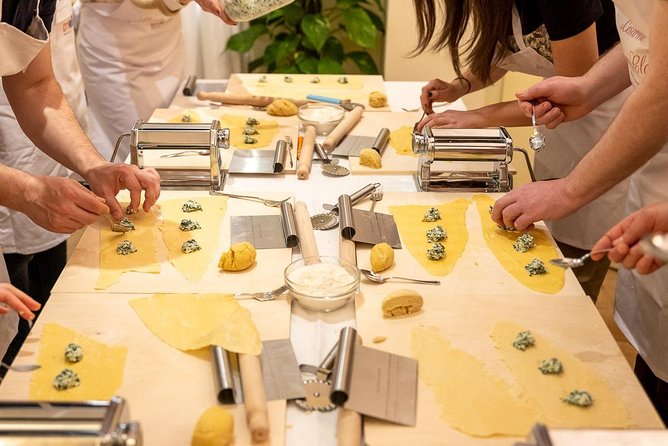
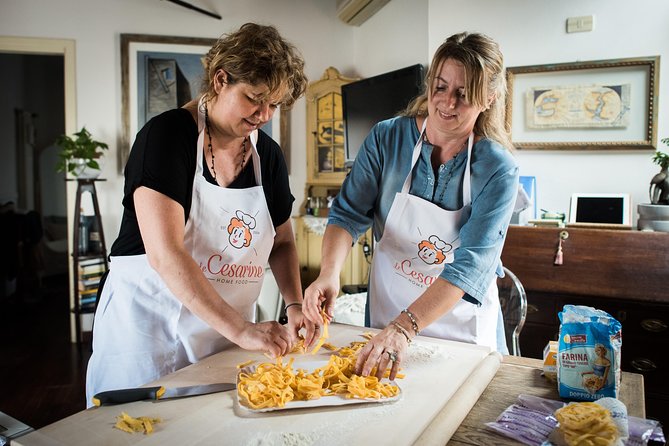
The heart of this class is the pasta. You’ll learn how to make pasta and work through the steps until it’s ready to cook. Several past experiences with this type of class highlight the same point: making pasta from scratch feels intimidating until someone shows you what good dough looks and feels like.
Expect to work with techniques that cover:
- Rolling and shaping pasta dough so it cooks evenly
- Learning how to handle thickness, edges, and folding
- Getting a sense of how sauce choices match pasta forms
Your menu may point you toward Pasta alla Siracusana or Pasta alla Carrittera or a close regional alternative. In some versions of this experience, people also practiced multiple pasta types like tagliatelle or ravioli. The exact mix depends on your host and what they planned for your group.
Here’s how to think about it: you’re not just learning a recipe. You’re learning control. When you understand dough texture and how long something needs to rest, you stop guessing and start producing pasta that behaves like it should.
And if English is your only language, don’t worry too much. The class is offered in English, and many hosts use translation tools or simple, visual explanations to keep you on track. The best hosts also slow down for questions, which is where you get real learning, not just movement.
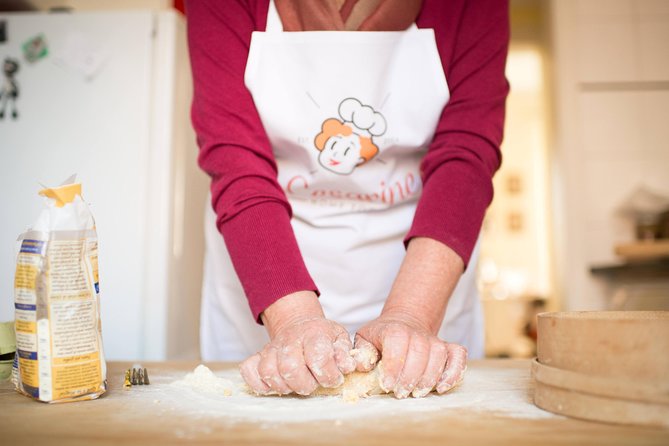
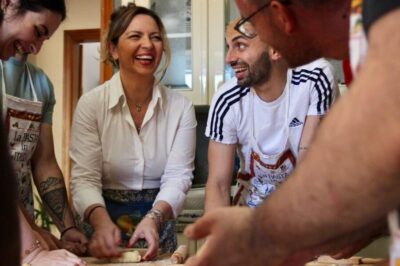
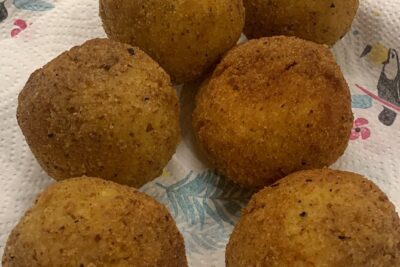
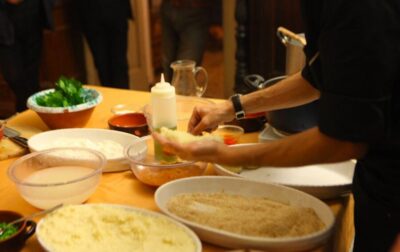
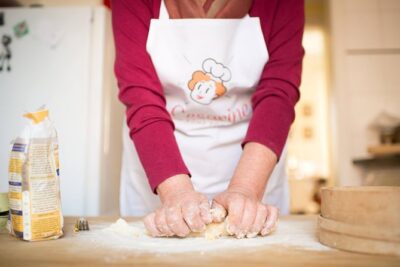
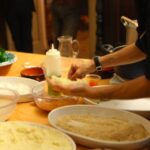
Hands in the flour, Syracuse style
Sauce and finishing: where the group work matters
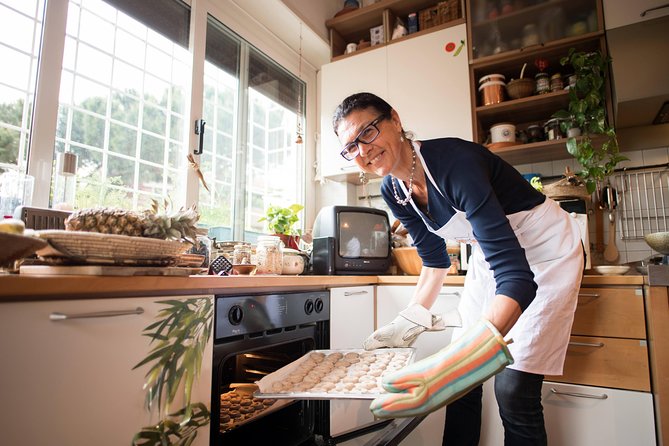
After your pasta is shaped, you’ll move into sauce and finishing steps. In Siracusa cuisine, sauces often depend on balance: salt level, acidity, herb intensity, and how well everything clings to the pasta.
In a few experiences like this, you’ll see sauce ingredients that are fully homemade and fresh. In at least one case, someone found a sauce component came from a jar, which was disappointing because the whole point is the homemade feel. That doesn’t mean every class does that, but it’s a good reason to go in with clear expectations.
If you want the hands-on experience to be truly instructional, pay attention during the cooking phase. The most satisfying classes keep guests involved through multiple steps, not only at prep stage and then watching the host do everything. Your best signal is how the host guides you while you’re cooking, not just before you cook.
Also, in a home kitchen, you’ll likely do more than one role: prepping ingredients, tasting and seasoning, and helping plate. When it works well, this feels social and calm. When it doesn’t, it can feel like you’re watching instead of learning. I’d treat that as your personal check.
Wine and the sit-down meal: what happens after the work
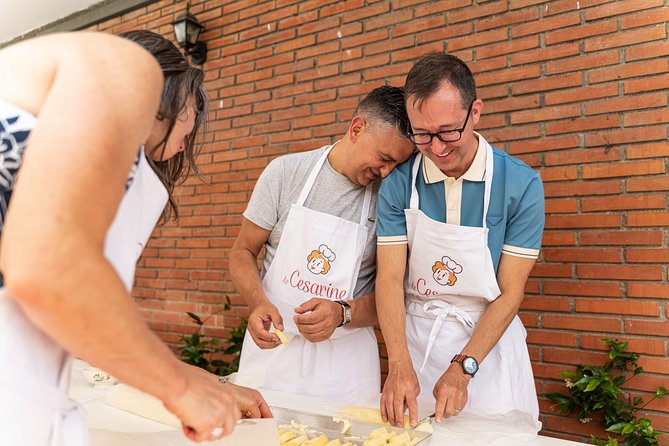
After cooking, you sit down and taste what you made. The class includes wine with your meal, and that small detail changes the tone. Food tastes better when you’re sharing it with the people who helped make it, and wine makes the whole experience feel like a real dinner, not a class you rushed through.
One of the most praised parts of this kind of evening is the host’s hospitality and conversation. Hosts often bring a personal touch: chatting about Sicilian family life, herbs and garden flavors, and the meaning behind dishes. Some people describe feeling a real bond across cultures during the meal, with plenty of laughter and flour on hands.
You can also expect a generous table. In several accounts, the food was more than enough for everyone there, with multiple courses and plenty of tasting. That matters because a cooking class can be stingy; this one tends to focus on eating well.
If you’re planning your day around this, don’t stack it too tightly with other commitments. Three hours plus travel time means you’ll finish relaxed, fed, and ready for a slower evening.
Dessert in Siracusa’s style: almond paste and sweet comfort
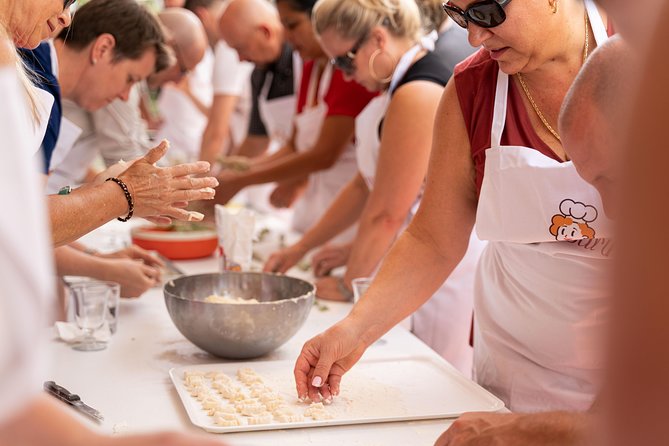
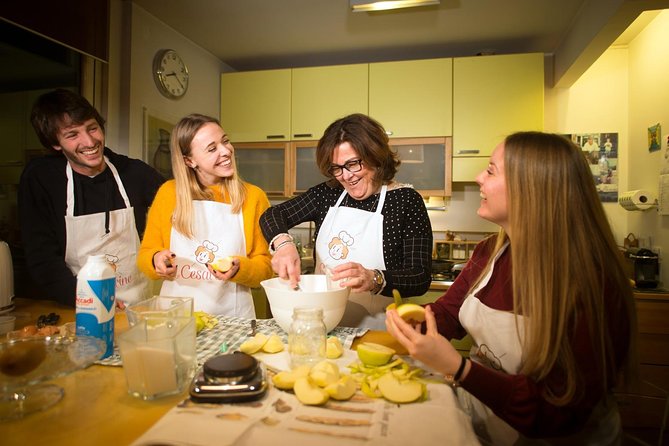
Your sample dessert is a typical sweet, such as almond paste style dessert or something similar. Almond-based sweets show up a lot in Sicily for a reason: they’re fragrant, forgiving, and they make the final course feel special without being overly complicated.
Depending on the host, you might also see other Sicilian-style dessert outcomes. In past versions of this experience, people enjoyed ricotta pie as the best part of the meal, and others mentioned tiramisu-style endings. The common theme is comfort sweets with local ingredients and familiar flavors.
What I like about the dessert part is that it rounds out the story. Pasta teaches texture and technique. Dessert lets you shift gears into flavor and finishing. It also gives you another set of steps you can remember later when you try to recreate the meal at home.
Try to taste and learn as you go. Even if you’re not a baker, you can usually pick up what makes it work: sweetness level, how the filling is set, and how long something needs to finish properly.
English-friendly hosting, privacy, and how to get the most out of it
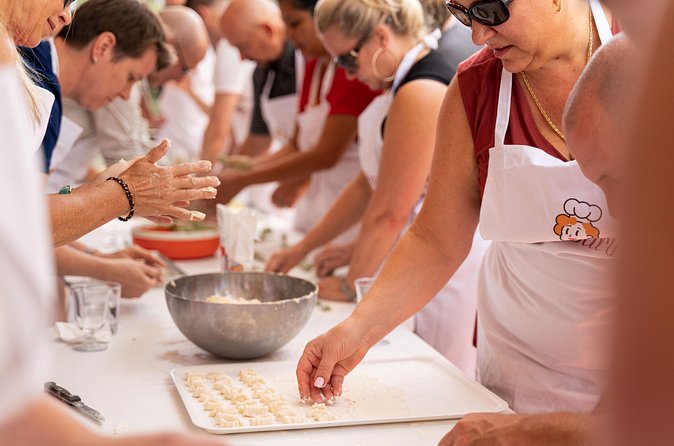
This is a private tour/activity, meaning only your group participates. That matters because you’re not competing with strangers for the host’s attention. When the host is teaching well, you get time to ask questions and adjust. When you’re learning pasta, that attention is the difference between learning and simply following instructions.
The class is offered in English. In practice, some hosts may still use translation tools or simple gestures to make sure everyone understands. That’s not a problem; it can actually make the process more visual. The key is the host’s patience.
If you’re cooking with other people, you’ll also learn that home-kitchen pacing is different from restaurant pacing. You’ll likely taste along the way and move as ingredients and timing allow.
A small but useful strategy: ask how the host knows the pasta is ready. That question pulls you from recipe mode into technique mode. You’ll leave with better instincts.
Finally, because this is a home, you’re also stepping into a family rhythm. Some classes include a husband or family member helping with conversation or translation. You’ll feel that warmth most when the host treats the class like company, not like a show.
Price and value at $174.69: when it feels worth it
Let’s be blunt about value. $174.69 per person is not cheap. The only way it feels fair is if you get a true teaching experience with homemade food, clear step-by-step guidance, and a meal that feels like more than a simple tasting.
The strong side of the value proposition is consistent: people celebrate the host warmth, the sense of learning, and the quality of the food. Many hosts are described as warm, friendly, and focused on instruction, sometimes with a charming setup and even scenic views from a balcony or courtyard location.
The weak side shows up when expectations and delivery don’t match. One experience reported a sauce element coming from a jar and another reported limited teaching during the cooking phase, with the host doing most of the cooking. There were also complaints about a recipe PDF not working and about parking being difficult.
So here’s my practical advice for deciding: look for a class where you’re excited to cook the full process, not just watch. If you’re the kind of traveler who wants recipes, ask in advance how they’re shared (paper or PDF) and confirm you’ll receive them in a usable format. And if mementos matter, confirm whether items like an apron and shopping bag are provided.
Should you book this Syracuse cooking class?
Book it if you want a private, home-based Siracusa cooking experience where the day is built around hands-on pasta, a proper sit-down meal, and local wine. It’s a strong pick for couples, friends, and travelers who like learning how food is made rather than just eating it.
Skip or be cautious if you’re price-sensitive or if you only enjoy cooking when every part is fully guided and clearly homemade. Also keep in mind that parking near residential homes can be tough, so plan your approach with that in mind.
If you’re curious about Syracuse cuisine and you like the idea of learning from someone like Maria Rita, Silvia, Eva, Gilda, or Teresa-style hospitality, this is the kind of experience that can turn into a highlight you’ll remember when you’re back home.
FAQ
How long is the Cesarina cooking class in Syracuse?
It lasts about 3 hours.
Is this a private experience or will I share with other groups?
It’s private. Only your group will participate.
Is the class taught in English?
Yes. English is offered.
What dishes are included in the class?
You’ll make and taste a seasonal starter, a regional pasta (such as Pasta alla Siracusana or Pasta alla Carrittera or similar), and a typical dessert such as almond paste or something similar.
What sanitary rules are in place for the home setting?
The homes provide essential sanitary equipment. You’re reminded to maintain a 1 meter distance; if you can’t, masks and gloves are mentioned.
Can I cancel for a full refund?
Yes, free cancellation is available. You can cancel up to 24 hours in advance of the start time for a full refund.
More Tour Reviews in Syracuse





More Cooking Classes to Book
More of Syracuse and Ortigia
Just added: the newest Syracuse tours in our notebook
- Tour of Syracuse by Ape Calessino★ 3.0 · 3 reviews
- Syracuse Showdown Scavenger Hunt★ 5.0 · 3 reviews
- Sicily Boats Avola: Plemmirio boat tour 4 people 4 hours★ 5.0 · 3 reviews
- Groovy Geneva Scavenger Hunt★ 5.0 · 3 reviews
- Syracuse: Ortigia & Sea Caves Boat Tour with Local Skipper★ 5.0 · 3 reviews
- Siracusa: Neapolis’s Archaeological Park small group tour★ 5.0 · 3 reviews
Syracuse & Ortigia, compared.
 ★ 4.7Syracuse: Tour of Ortigia Island & Caves with Local SkipperFrom $231,060 reviews
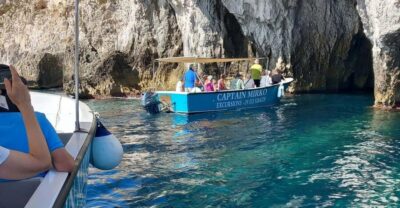 ★ 4.7Syracuse: Boat Tour with Captain Mirko, Snorkeling & CavesFrom $35746 reviews
 ★ 4.7Siracusa: Ortigia Boat Tour with Marine Grotto & SnorkelingFrom $47726 reviews
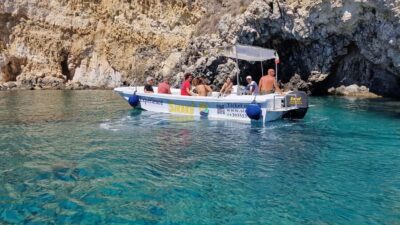 ★ 4.8Siracusa: Ortigia & Sea Caves Boat Tour w/ Prosecco & FruitFrom $35723 reviews
 ★ 5.0Tour of the island of Ortigia and exploration of sea caves with baths.From $24668 reviews
 ★ 4.7Syracuse: Ortigia Island & Sea Cave Boat Tour with ProseccoFrom $23418 reviews
 ★ 5.0Boat tour of Ortigia Island and sea cavesFrom $24407 reviews
 ★ 4.6Catania: Syracuse, Ortigia, and Noto Tour with BrunchFrom $112404 reviews
Browse the lists this tour appears in