
A Sicilian market-to-table day is hard to beat. This private cooking class in Syracuse links a real local food market stop with a hands-on home-cooking lesson in a Cesarina’s house, with you able to choose lunch or dinner. I like the private attention, and I like how the market shopping turns recipes into something you understand, not just copy. One possible drawback: you will not get the address upfront, so you’ll need to plan around the exact directions you receive after booking.
Here’s the thing that makes it work so well: you’re not stuck watching from the kitchen doorway. You’ll be walking the food stalls, learning what to buy and why, then cooking and eating what you selected. If your idea of a “tour” is mostly sightseeing, this one is more about food culture and the everyday rhythm of Syracuse.
In This Review
- Key things you’ll remember from this Syracuse cooking experience
- Syracuse market visit: where Sicilian food habits start
- From market bag to kitchen plan
- The Cesarina home: what private really means
- Lunch vs dinner: picking the meal that fits your day
- What you might cook (and why it’s good training)
- How to get the most out of your market-to-kitchen day
- Price and value: what $227.58 is really buying
- Who this Sicilian cooking class fits best
- Quick heads-up on timing, start/end, and cancellation
- Should you book this Syracuse market and cooking class?
- FAQ
- Is this a private tour?
- How long is the local market visit and cooking class?
- Where does the experience take place?
- What language is the class offered in?
- What’s included with the lunch or dinner option?
- What if I need to cancel?
Key things you’ll remember from this Syracuse cooking experience
- Market shopping with purpose: you pick ingredients that match what you’ll cook
- A true private class: only your group, at a local home rather than a big studio
- Hands-on Sicilian menu options: pasta, sauces, salad, sardine rolls, and grilled octopus can appear
- Lunch or dinner pacing: choose the meal format you want, plus wine and coffee included
- Local hosts with real stories: you may meet a Cesarina like Maria or Vincenza, who focus on teaching the method
Deeper into Ortigia and old Syracuse
- Syracuse: Boat Tour with Captain Mirko, Snorkeling & Caves
★ 4.7 · 746 reviews - Siracusa: Ortigia Boat Tour with Marine Grotto & Snorkeling
★ 4.7 · 726 reviews - Siracusa: Ortigia & Sea Caves Boat Tour w/ Prosecco & Fruit
★ 4.8 · 723 reviews - Syracuse: Ortigia Island & Sea Cave Boat Tour with Prosecco
★ 4.7 · 418 reviews
Syracuse market visit: where Sicilian food habits start
This experience begins in Syracuse (Siracusa) and is designed around one simple idea: Sicilian cooking makes more sense when you see the ingredients at the level where locals actually buy them. After meeting in the Syracuse area, you head toward a carefully chosen local home location. You can decide how far you’d like to travel from there, so it can feel like a tailored day rather than a fixed-route bus tour.
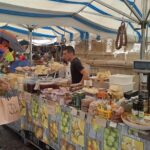
The market stop is the heart of that education. In plain terms, you learn how to look at produce and seafood with an Italian home-cook’s eye: what looks best, what goes together, and which flavors matter in Sicilian meals. Instead of memorizing a recipe like a checklist, you pick components with the recipe logic already in your head.
What I’d pay attention to (and what you’ll likely be talking about during the shopping): how markets shape the menu. Sicilian cooking often leans into seasonal items and bold, straightforward flavor combinations. When you shop first, the later cooking feels like a continuation of the same day, not a separate activity.
One practical note: the tour is near public transportation, which is helpful if you’re staying in the center and want to keep the logistics simple. Still, because you’ll be going to a private home, be ready for directions that may be more “local neighborhood” than “big landmark.”
From market bag to kitchen plan
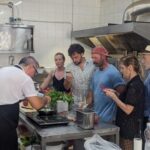
Once you’ve shopped, the day shifts into a private cooking class at the Cesarina’s home. You should expect a warm, family-style setup—small enough that you can ask questions without shouting. This is where the market knowledge becomes real technique.
A typical flow looks like this:
- You bring the ingredients back and start with prep.
- You learn how a few core Sicilian building blocks come together.
- Then you cook multiple items so you end up with a meal you can actually eat.
In the real examples from the class, you might cook different pasta and sauces, a salad, and seafood-focused dishes such as sardine rolls and grilled octopus. Even if the exact menu varies, the teaching goal stays the same: you’ll learn the method behind the flavor, not just the final dish.
Why this matters for you: at home, Sicilian food can feel intimidating because it’s so ingredient-driven. This format gives you a mental shortcut: once you know how the market choices connect to the steps in the kitchen, it’s easier to reproduce the style later.
Also, because the class is private, you can move at your group’s pace. If you want more explanation on timing, sauce texture, or how to handle seafood, you can ask. If you want to focus on doing, you can do that too.
The Cesarina home: what private really means
This experience takes place in a carefully selected local home in Syracuse or the surrounding area. The address isn’t shared up front for privacy reasons, which is normal for this kind of home-based program. After booking, you get the details you need to arrive.
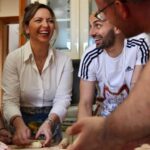
What’s great about the home setting is that you see real everyday cooking space, not a staged cooking school environment. That tends to make the whole day feel calmer and more personal. You’ll likely feel like you’re learning from someone who cooks often, not someone performing a script.
The reviews around hosts like Maria and Vincenza highlight a common theme: the teaching feels personal, and the explanations go beyond the steps. You get context—why a certain choice matters, and how locals think about food preparation.
That “family” vibe is a big reason this is one of the higher-rated options. The price reflects that model: you’re paying for a private host, private time, and a full meal experience, not just a single cooking demonstration.
Lunch vs dinner: picking the meal that fits your day
You can choose a lunch or dinner package. Either way, the experience is built around the same core format: market visit, cooking class, and then eating what you made.
What changes is the mood and pacing. Lunch often feels like you’re in mid-day rhythm, with a longer set of hours to talk and eat. Dinner can feel more relaxed if you already toured Syracuse earlier and want a food-focused activity when the day cools down.
The key included extras are consistent: wine and coffee are part of the package. One of the standout details in the class examples is that lunch can include a bottle of wine for the meal, which makes the experience feel complete rather than like a snacky cooking stop.
If you’re planning a day in Sicily, this flexibility is useful. Syracuse can be busy and full of uneven walking time depending on where you go. A six-hour, meal-centered plan gives your schedule structure.
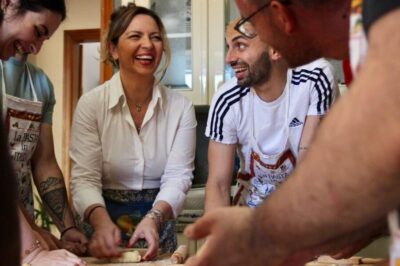
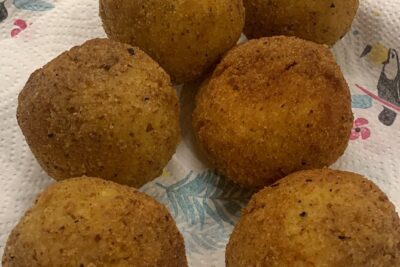
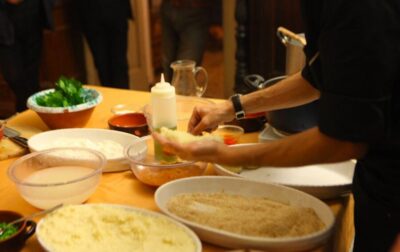
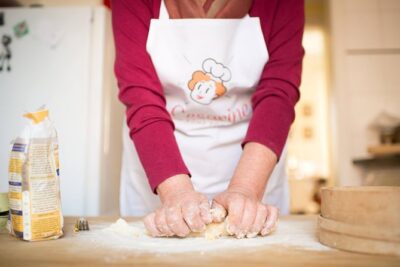
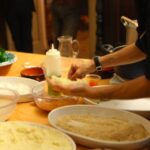
Hands in the flour, Syracuse style
What you might cook (and why it’s good training)
Even when exact menus vary, the dishes tied to this experience reveal the teaching focus: a mix of pasta, sauces, salad, and seafood. That combination is a smart way to learn Sicilian cooking because it hits both technique and flavor matching.
Here are examples of what you could end up making:
- Pasta and sauces: learning how sauce texture and flavor balance work with the shape of pasta
- Salad: practicing the finishing touch, often where acidity and herb notes matter
- Sardine rolls: a more hands-on seafood prep that shows how locals use fish in day-to-day cooking
- Grilled octopus: a classic Sicilian seafood dish that teaches patience and heat control
If you love food but sometimes feel like recipes don’t translate to your kitchen, this menu structure helps. You’re practicing multiple categories—starches, sauces, a fresh component, and proteins—so you walk away with more than one trick.
And because this is private, you’re more likely to get guidance on what you personally struggle with. If your chopping is slow, your host can adjust the pace. If you get stuck on sauce consistency, you’ll get coaching that fits your hands, not generic advice.
How to get the most out of your market-to-kitchen day
To make this day feel worth every minute, I’d go in with two mindsets.
First: treat the market like research. Ask questions about what’s in season, what’s best for the dishes you’ll cook, and how locals judge quality. Even if you don’t know the food vocabulary yet, you’ll learn fast because the ingredients are right in front of you.
Second: cook like you’re learning technique, not chasing perfection. If you’re a confident cook, you’ll still benefit from seeing how a Sicilian home cook explains timing and flavor logic. If you’re a beginner, it’s the kind of class where the steps feel approachable because you’re working through a real meal, not an abstract course.
Small practical tips based on what matters in this format:
- Wear comfortable shoes. You may walk a bit in and around the market area.
- Come hungry. You’ll shop and cook, then eat.
- Bring curiosity. The best part isn’t just the dishes; it’s the reasoning behind them.
Price and value: what $227.58 is really buying
At $227.58 per person for about six hours, this is not a cheap “activity.” But it’s also not just a cooking demo with a snack.
You’re paying for:
- a private group experience (only your party participates)
- a local market visit with instruction on what to buy
- a full meal built from the ingredients you selected
- included wine and coffee
- time with a Cesarina host who teaches in a home kitchen
That bundle is why the average booking behavior matters too. It’s often reserved well ahead (around 74 days on average), which usually signals demand for this exact style of experience: food-first, small group, and hosted in a real home.
If you compare value properly, this kind of class works best when you want quality time and learning, not just a ticketed activity. If you’re the type who likes to eat well and cook at home after your trip, the cost starts to make sense fast.
Who this Sicilian cooking class fits best
This is ideal for you if:
- you want a food culture experience rather than a generic cooking show
- you like hands-on learning and want a private pace
- you’re visiting Syracuse and want something more local than the usual big-street attractions
- you enjoy seafood and classic Sicilian flavors such as sardines and octopus (those dishes show up in the class format)
It may be less ideal if you:
- want mostly sightseeing and minimal time in the kitchen
- prefer big group tours with lots of other participants
- don’t like the idea of receiving the exact home address after booking
Quick heads-up on timing, start/end, and cancellation
The tour starts in Syracuse and ends back at the meeting point. It lasts around six hours. You’ll receive confirmation at booking time, and the activity offers a mobile ticket and English instruction.
Cancellation is free if you cancel at least 24 hours before the start time. If you change plans later than that, you may not get a refund, so it’s worth watching your schedule.
Should you book this Syracuse market and cooking class?
If you’re serious about food, I think it’s an easy yes. The biggest payoff is the combination of market shopping plus private cooking plus a full meal. That sequence turns Sicilian cuisine into something practical you can recreate, because you understand the ingredient logic before the first step in the kitchen.
Book it if you want an authentic day that feels like learning from a host like Maria or Vincenza, with real instruction and a meal that actually tastes like Syracuse.
Skip it only if you’re looking for scenery-first sightseeing or you’d rather spend your time in large-group tours. Otherwise, this is the kind of experience that leaves you with stories, techniques, and at least a few Sicilian flavors you’ll chase long after the trip.
FAQ
Is this a private tour?
Yes. It’s a private tour/activity, and only your group participates.
How long is the local market visit and cooking class?
It’s listed as about 6 hours.
Where does the experience take place?
It takes place in a carefully selected local home in Syracuse or in the surrounding area. The address is provided after booking for privacy.
What language is the class offered in?
The experience is offered in English.
What’s included with the lunch or dinner option?
You can choose a lunch or dinner package, and wine and coffee are included.
What if I need to cancel?
Free cancellation is available up to 24 hours in advance of the experience start time for a full refund.
More Tour Reviews in Syracuse





More Cooking Classes to Book

More of Syracuse and Ortigia
Just added: the newest Syracuse tours in our notebook
- Tour of Syracuse by Ape Calessino★ 3.0 · 3 reviews
- Syracuse Showdown Scavenger Hunt★ 5.0 · 3 reviews
- Sicily Boats Avola: Plemmirio boat tour 4 people 4 hours★ 5.0 · 3 reviews
- Groovy Geneva Scavenger Hunt★ 5.0 · 3 reviews
- Syracuse: Ortigia & Sea Caves Boat Tour with Local Skipper★ 5.0 · 3 reviews
- Siracusa: Neapolis’s Archaeological Park small group tour★ 5.0 · 3 reviews
Syracuse & Ortigia, compared.
 ★ 4.7Syracuse: Tour of Ortigia Island & Caves with Local SkipperFrom $231,060 reviews
 ★ 4.7Syracuse: Boat Tour with Captain Mirko, Snorkeling & CavesFrom $35746 reviews
 ★ 4.7Siracusa: Ortigia Boat Tour with Marine Grotto & SnorkelingFrom $47726 reviews
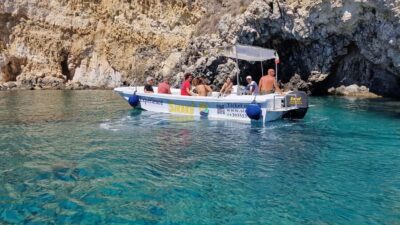 ★ 4.8Siracusa: Ortigia & Sea Caves Boat Tour w/ Prosecco & FruitFrom $35723 reviews
 ★ 5.0Tour of the island of Ortigia and exploration of sea caves with baths.From $24668 reviews
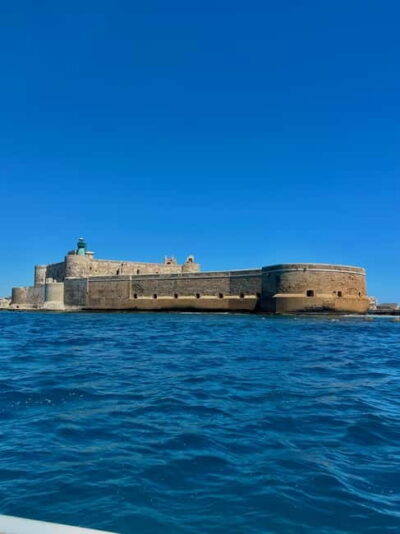 ★ 4.7Syracuse: Ortigia Island & Sea Cave Boat Tour with ProseccoFrom $23418 reviews
 ★ 5.0Boat tour of Ortigia Island and sea cavesFrom $24407 reviews
 ★ 4.6Catania: Syracuse, Ortigia, and Noto Tour with BrunchFrom $112404 reviews
Browse the lists this tour appears in