
Reviewed · SYRACUSE & ORTIGIA
Arancino Cooking Class in Ortygia Syracuse
Arancini class in Ortigia is pure Sicilian joy. This 1.5-hour Arancino cooking class in Syracuse’s Ortigia island teaches you how to build and prepare the classic arancini, while Maria puts the food in context with real stories about Syracuse and Sicilian cooking. I love the small-group feel, limited to 10, which keeps the room relaxed and lets you actually ask questions.
I also like that the class doesn’t end with one dish. You’ll get an aperitivo with typical Sicilian favorites like caponata, parmigiana, and cannolo, plus tasting the arancini you made and more local bites prepared for you.
One thing to consider: the hands-on time can vary. In one review, a guest felt they only shaped about four arancini while other parts like breading and frying were handled by the host, Massimo, and the final serving felt light for the price. If your goal is lots of active cooking with full portions, I’d check in on what you’ll personally do during the 90 minutes.
In This Review
- Key Highlights You’ll Care About
- Why Ortigia Arancini Feels Like More Than a Recipe
- Meeting Point at Banco di Sicilia: Find the Door, Then Go Easy
- What You Actually Learn About Arancino (Not Just the Legend)
- The Arancino You’ll Build: Stuffed Rice, Deep-Fried the Sicilian Way
- Aperitivo Time: Caponata, Parmigiana, and Cannolo
- The Guides: Maria’s Stories and Massimo’s Kitchen Muscle
- Price and Portion Reality: Getting Your Money’s Worth
- The Small-Group Factor: Why You’ll Enjoy the Room More Than the Menu
- Who This Works Best For (And Who Should Rethink It)
- Practical Tips for a Smooth 90 Minutes in Ortigia
- Should You Book This Arancino Cooking Class in Ortigia?
- FAQ
- FAQ
- How long is the Arancino cooking class in Ortigia Syracuse?
- Where is the meeting point?
- What group size should I expect?
- What languages are available during the class?
- What dishes will I taste during the aperitivo?
- What should I wear or bring?
- Are pets allowed?
- Is the class wheelchair accessible?
- Is free cancellation available?
Key Highlights You’ll Care About
- Small group (max 10) means more attention from the guide and better pacing for building arancini.
- Maria’s Syracusan food stories connect the cooking to the island, not just the recipe.
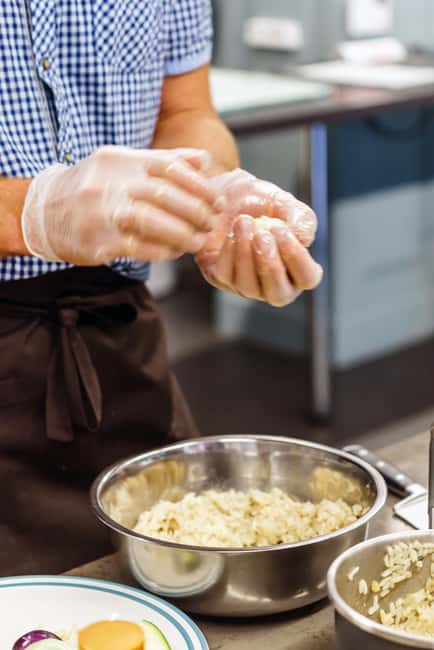
- You shape the arancini using the traditional stuffed rice-ball concept, then enjoy what you’ve made.
- Aperitivo tastings include classic Sicilian dishes beyond arancini: caponata, parmigiana, and cannolo.
- Massimo’s role in frying may take over parts of the process, depending on the class flow.
- Comfortable, casual setting makes this an easy choice for couples, friends, or families.
Deeper into Ortigia and old Syracuse
- Syracuse: Boat Tour with Captain Mirko, Snorkeling & Caves
★ 4.7 · 746 reviews - Siracusa: Ortigia Boat Tour with Marine Grotto & Snorkeling
★ 4.7 · 726 reviews - Siracusa: Ortigia & Sea Caves Boat Tour w/ Prosecco & Fruit
★ 4.8 · 723 reviews - Syracuse: Ortigia Island & Sea Cave Boat Tour with Prosecco
★ 4.7 · 418 reviews
Why Ortigia Arancini Feels Like More Than a Recipe
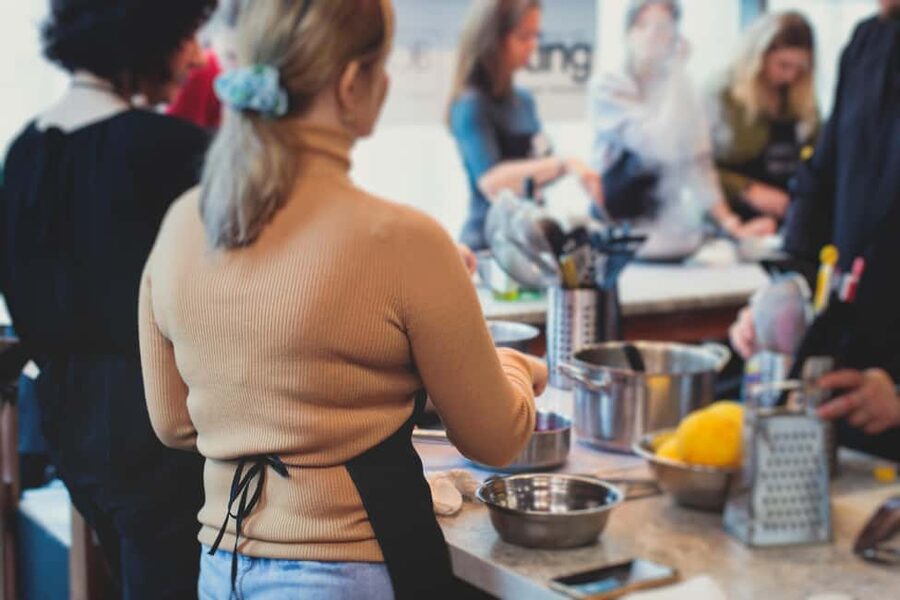
Ortigia is where Syracuse shows its everyday face: people moving between shops, cafés, and small streets that feel made for walking. This class fits that vibe because it’s not a big show. It’s a practical food session in a comfortable space, designed to help you learn how arancino (arancini) actually comes together in a Sicilian kitchen rhythm.
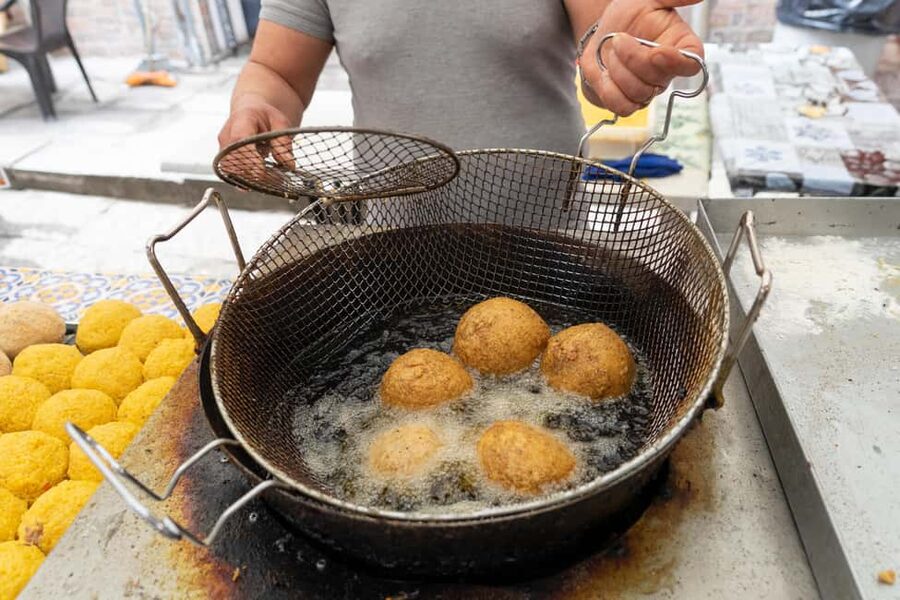
The core experience is simple. You’ll be guided through making the traditional arancino: a ball of rice stuffed with fillings such as meat, cooked ham, spinach, pistachios, aubergines, and more, then deep-fried in the traditional way. That structure matters, because it’s where most home cooks struggle. The goal isn’t just stuffing and frying—it’s getting the outside to hold together while the inside stays flavorful.
And the best part is that you don’t just watch. Even when some tasks are shared or handled by the host for speed and safety, you’re still involved in the key creative step: shaping the arancini.
Meeting Point at Banco di Sicilia: Find the Door, Then Go Easy
You meet in front of the entrance of Banco di Sicilia in Ortigia Syracuse. If you like having a pin handy, the coordinates provided are 37.061317443847656, 15.293965339660645.
Because this is only 1.5 hours, you don’t want to arrive five minutes late and spend your “cooking time” figuring out where everyone gathered. I suggest showing up early enough to settle in, meet your group, and get your shoes and clothes ready. The class asks for comfortable shoes and comfortable clothes, which is a polite way of saying you’ll probably stand a bit and move around the work area.
Also note what isn’t allowed. No luggage or large bags, and pets aren’t included. If you’re touring Ortigia that day, keep your bag light.
What You Actually Learn About Arancino (Not Just the Legend)
This is an arancino class, but it’s not only about arancino. It teaches the Sicilian logic behind how these dishes are built: ingredients, textures, and the way a meal flows from starter to sweet.
Here’s what you can expect, based on the setup described for the class:
- You’ll be guided in the preparation of the traditional arancino.
- You’ll work in a small group with limited fellow participants from different places.
- You’ll taste what you prepare, plus additional local delicacies.
Now for the part that matters for your expectations: the exact split between hands-on tasks and host-led tasks can vary. One review complained that much of the preparation was already done and that the participant shaped fewer arancini than expected. Other experiences were described as fun, informative, and resulting in very tasty arancini.
So treat this as a guided class where you’ll do meaningful work, but you shouldn’t assume you’ll handle every single step like breading and frying solo. If your ideal lesson is maximum participation at every step, ask before you book which tasks participants take on versus which tasks are done by the professionals.
The Arancino You’ll Build: Stuffed Rice, Deep-Fried the Sicilian Way
Let’s translate the description into what it means in practice. Arancino (arancini) is basically a stuffed rice ball. The rice gets shaped into a ball format, then the filling goes inside. The fillings can include combinations like:
- meat and/or cooked ham
- spinach
- pistachios
- aubergines and more
After that, it’s deep-fried using the traditional method. That’s why this dish lives so well in Sicily’s food culture. It’s portable, it’s satisfying, and it can be made with flavors that reflect what’s around—vegetables, cheese, cured meats, nuts.
One reason this class is a good use of 1.5 hours is that it focuses on the structure: how to think about the outside layer versus the inside filling. When the class is well-run, you leave knowing what to aim for, not just what ingredients to buy.
More street-food crawls around Syracuse

Aperitivo Time: Caponata, Parmigiana, and Cannolo
In many cooking classes, you end up eating whatever you made, maybe with a small side. Here, you get a small Sicilian “starter-to-sweet” arc.
During the aperitivo, you’ll taste typical dishes such as:
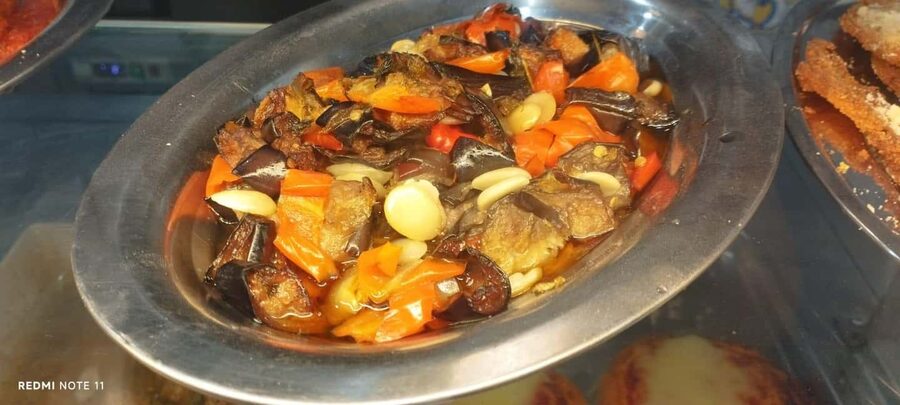
Caponata
Caponata is a mixture of fried vegetables (mostly aubergines) seasoned with tomato sauce, celery, onion, olives, capers, sugar, and vinegar. It’s common throughout the Mediterranean. It can be a side dish or hors d’oeuvre, but it’s also been treated as a main since at least the 18th century.
Parmigiana (Sicilian style)
Parmigiana is made with fried sliced eggplant layered with Parmesan cheese and tomato sauce, then baked. If you like comfort food that feels both rich and clean, this is the dish that usually converts skeptics quickly.
Cannolo
Cannolo is the sweet finale. The wafer is traditionally molded around a hot metal bar, then filled with a creamy mix based on ricotta, candied fruit, crunchy pistachios, or dark chocolate chips.
Even if you’re already familiar with one or two of these, the value here is tasting them in a class setting tied to what you’re learning. It turns your meal into a mini Sicilian food map: vegetable tang, baked comfort, and creamy sweetness.
The Guides: Maria’s Stories and Massimo’s Kitchen Muscle
The quality of this experience heavily depends on the people running it. The information you shared includes named staff, and that’s a big deal because it signals real ownership of the process.
Maria is repeatedly described as very capable and authentic, with the ability to explain a lot about Syracuse and Sicilian cuisine. That matters because arancino isn’t just a “cook it like this” dish. It comes from local tastes and local habits. When the guide can connect the recipe to the place, you remember it longer.
Massimo shows up in one review as the person handling key steps like frying. Even if that means less hands-on breading for some participants, it can also mean more consistent results and a safer pace. If you’re watching the room, you’ll likely notice the difference between someone doing it for tourists and someone doing it for their own kitchen standards.
Price and Portion Reality: Getting Your Money’s Worth
The experience cost is only mentioned in one review, where a guest felt 60€ per person was too expensive for what they received. Their specific complaint: they ended up shaping only about four arancini, while other parts like breading and frying were taken care of by Massimo, and they mostly watched. They also felt the final tasting portions (one drink, one arancino, and some caponata) didn’t match the price, and that additional arancini remained in the shop.
That’s a legitimate consideration. But it doesn’t automatically mean the class is poor—because the overall rating is strong and other reviews describe it as fun, informative, and delicious, with the final results being super tasty.
So here’s how I’d think about value if you’re deciding whether to book:
- You’re paying for instruction plus a guided tasting. That includes more than arancini: caponata, parmigiana, cannolo, and tasting what you’ve made.
- Time is limited to 1.5 hours, so the host may stage parts of the process to keep the class moving and the fried food coming out at the right moment.
- Hands-on expectations should match reality. If you want to physically do every step, this may not be the best fit unless you confirm the hands-on breakdown in advance.
My practical advice: if you’re the type who hates standing around, send a quick message before booking asking what portion of the breading and frying participants handle themselves. You’ll protect your money and your mood.
The Small-Group Factor: Why You’ll Enjoy the Room More Than the Menu
With a maximum of 10 participants, you avoid the classic cooking-class problem: no one can hear the instructor, the workstations are crowded, and you end up waiting too long. This class is built to keep things comfortable and manageable.
The group size also helps with language. The class runs with a live guide in English and Italian, so you’re not stuck guessing what to do. Even if you don’t speak Italian, you can still follow instructions and ask questions.
And because it’s international in makeup, you’re likely to hear different stories about why people picked Sicily. That turns a meal into an exchange, not just a class.
Who This Works Best For (And Who Should Rethink It)
This is described as a great fit for:
- couples
- family
- small groups of friends
That makes sense because you’re sharing an experience that’s social without being chaotic. You can talk while you cook and eat. The tasting part also keeps it enjoyable even if you’re not a “master chef” type.
On the other hand, it’s not suitable for wheelchair users. If mobility is part of your needs, consider another food experience designed for accessibility.
It’s also not pet-friendly, and you’ll want to travel light since large bags and luggage aren’t allowed.
Practical Tips for a Smooth 90 Minutes in Ortigia
A few small moves make a big difference in a short class like this:
- Wear comfortable shoes. You’ll likely stand and move around the cooking area.
- Bring comfortable clothes you don’t mind if a place is a bit warm and smells like frying.
- Keep your bag small since luggage and large bags aren’t allowed.
- If you care about hands-on work, ask what steps participants do versus what the host does.
Also, keep the meeting point in mind. You’re in Ortigia, and the streets can be confusing if you’re wandering. Arrive with a simple plan: find the Banco di Sicilia area first, then check in.
Should You Book This Arancino Cooking Class in Ortigia?
If you want a short, friendly, local-food-focused experience that teaches you how arancini are built, this is a very solid choice. The strongest reasons are the small group size, Maria’s explanations about Syracuse and Sicilian cooking, and the full aperitivo arc that goes beyond one dish.
I’d especially recommend it if:
- you like hands-on cooking but still want a guided pace
- you want to taste more than arancini, including caponata, parmigiana, and cannolo
- you value a comfortable class environment with a limited group
I’d be more cautious if:
- your top priority is doing every cooking step yourself
- you’re very sensitive to portion size and expect to leave with extra arancini beyond a tasting
In other words: book if you want learn-and-taste. Ask a question if you want maximum hands-on time.
FAQ
FAQ
How long is the Arancino cooking class in Ortigia Syracuse?
It lasts 1.5 hours.
Where is the meeting point?
Meet in front of the entrance of the Banco di Sicilia in Ortigia Syracuse (coordinates: 37.061317443847656, 15.293965339660645).
What group size should I expect?
It’s a small group limited to 10 participants.
What languages are available during the class?
The live tour guide offers English and Italian.
What dishes will I taste during the aperitivo?
You’ll taste your arancino and additional Sicilian delicacies including caponata, parmigiana, and cannolo.
What should I wear or bring?
Wear comfortable shoes and comfortable clothes.
Are pets allowed?
No, pets are not allowed.
Is the class wheelchair accessible?
It is not suitable for wheelchair users.
Is free cancellation available?
Yes, you can cancel up to 24 hours in advance for a full refund.
More Cooking Classes to Book

More Sicilian Street-Food Crawls


More of Syracuse and Ortigia

Just added: the newest Syracuse tours in our notebook
- Tour of Syracuse by Ape Calessino★ 3.0 · 3 reviews
- Syracuse Showdown Scavenger Hunt★ 5.0 · 3 reviews
- Sicily Boats Avola: Plemmirio boat tour 4 people 4 hours★ 5.0 · 3 reviews
- Groovy Geneva Scavenger Hunt★ 5.0 · 3 reviews
- Syracuse: Ortigia & Sea Caves Boat Tour with Local Skipper★ 5.0 · 3 reviews
- Siracusa: Neapolis’s Archaeological Park small group tour★ 5.0 · 3 reviews
Syracuse & Ortigia, compared.
 ★ 4.7Syracuse: Tour of Ortigia Island & Caves with Local SkipperFrom $231,060 reviews
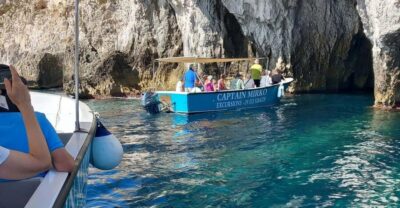 ★ 4.7Syracuse: Boat Tour with Captain Mirko, Snorkeling & CavesFrom $35746 reviews
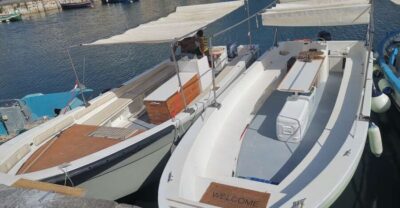 ★ 4.7Siracusa: Ortigia Boat Tour with Marine Grotto & SnorkelingFrom $47726 reviews
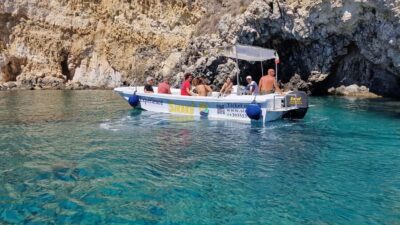 ★ 4.8Siracusa: Ortigia & Sea Caves Boat Tour w/ Prosecco & FruitFrom $35723 reviews
 ★ 5.0Tour of the island of Ortigia and exploration of sea caves with baths.From $24668 reviews
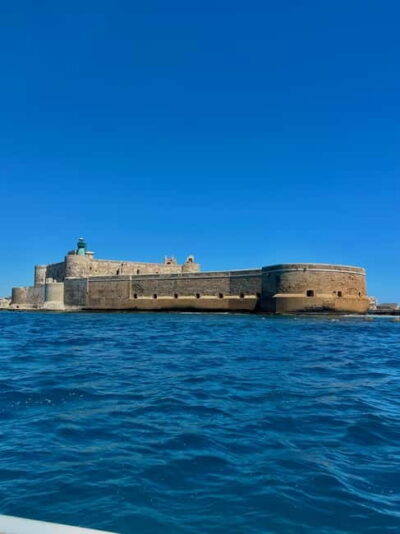 ★ 4.7Syracuse: Ortigia Island & Sea Cave Boat Tour with ProseccoFrom $23418 reviews
 ★ 5.0Boat tour of Ortigia Island and sea cavesFrom $24407 reviews
 ★ 4.6Catania: Syracuse, Ortigia, and Noto Tour with BrunchFrom $112404 reviews
Browse the lists this tour appears in