
Reviewed · SYRACUSE & ORTIGIA
Syracuse: Traditional Cooking Class & Ancient Market Visit
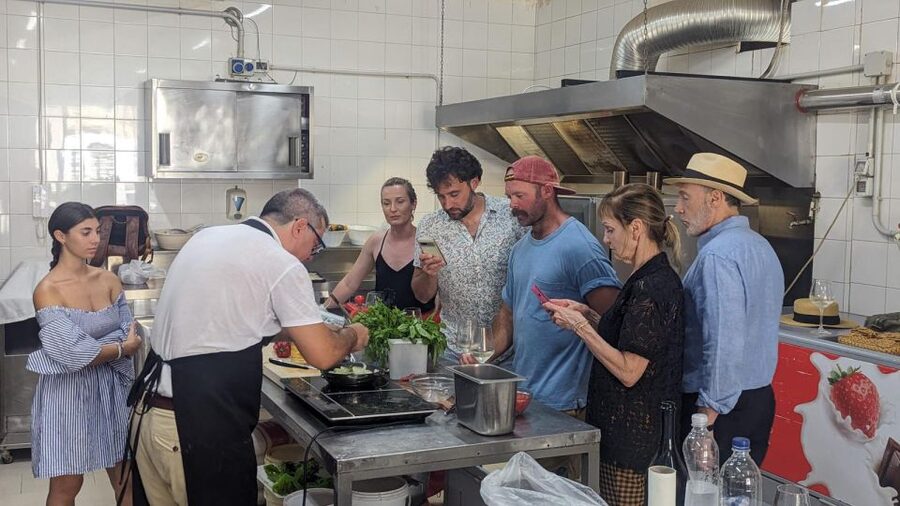
Syracuse smells like lunch before you even cook. This 4-hour experience pairs a guided walk through the Ortygia street market with a hands-on cooking class, then you sit down to eat what you made with your chef. It’s one of those Sicilian days where the street food energy follows you straight into the kitchen.
I love the way the market visit sets your meal up for success: the chef (often Ettore) helps you pick standout ingredients, and you get practical tastes along the way. I also love the hands-on cooking part, where you’re not just watching. You might roll fresh pasta, build sauces from seafood trimmings, and turn classic Sicilian favorites into lunch.
One drawback to plan for: the Ortygia Market is closed on Sundays, so the market stop may shift to streets around Ortigia for local shopping instead. Also, the meeting point at Bar Cristina in Piazza Pancali can be a little confusing because it’s a big spot, so arrive a few minutes early and plan to get your bearings fast.
In This Review
- Key points to know before you go
- From Ortygia Stalls to a Sicilian Kitchen: what the day really feels like
- Piazza Pancali meetup: Bar Cristina and how to find your people
- The Ortygia street market walk: where your menu gets built
- What you may cook: classic Sicilian dishes with real technique
- Hands-on timing: why the 4-hour window works
- Lunch: eating what you made, with the chef’s final touch
- Small group advantage: up to 8 people, so you don’t get lost
- Transfer and timing between market and kitchen
- Price check: $134.81 and whether it’s good value
- Sunday reality: what changes when Ortygia Market is closed
- Who should book this class?
- Should you book this Syracuse Traditional Cooking Class & Ancient Market Visit?
- FAQ
- How long is the Syracuse cooking class and market visit?
- Where do we meet the chef?
- How many people are in the group?
- Do I get to visit the Ortygia Market?
- What happens if the Ortygia Market can’t be visited?
- Is lunch included?
- Is food and drinks included?
- Is transfer provided between the market and the cooking class?
- What languages are available for the host?
- What is the cancellation policy?
Key points to know before you go
- Ortygia street market shopping shapes what you cook
- Small group size (up to 8) means you actually get hands-on
- You cook first, then eat your own Sicilian lunch
- The chef guides tastings and ingredient choices, with menus tailored to preferences
- Transfer is arranged if the kitchen isn’t right by the market
- Sunday changes the market plan because Ortygia is closed
Deeper into Ortigia and old Syracuse
- Syracuse: Boat Tour with Captain Mirko, Snorkeling & Caves
★ 4.7 · 746 reviews - Siracusa: Ortigia Boat Tour with Marine Grotto & Snorkeling
★ 4.7 · 726 reviews - Siracusa: Ortigia & Sea Caves Boat Tour w/ Prosecco & Fruit
★ 4.8 · 723 reviews - Syracuse: Ortigia Island & Sea Cave Boat Tour with Prosecco
★ 4.7 · 418 reviews
From Ortygia Stalls to a Sicilian Kitchen: what the day really feels like
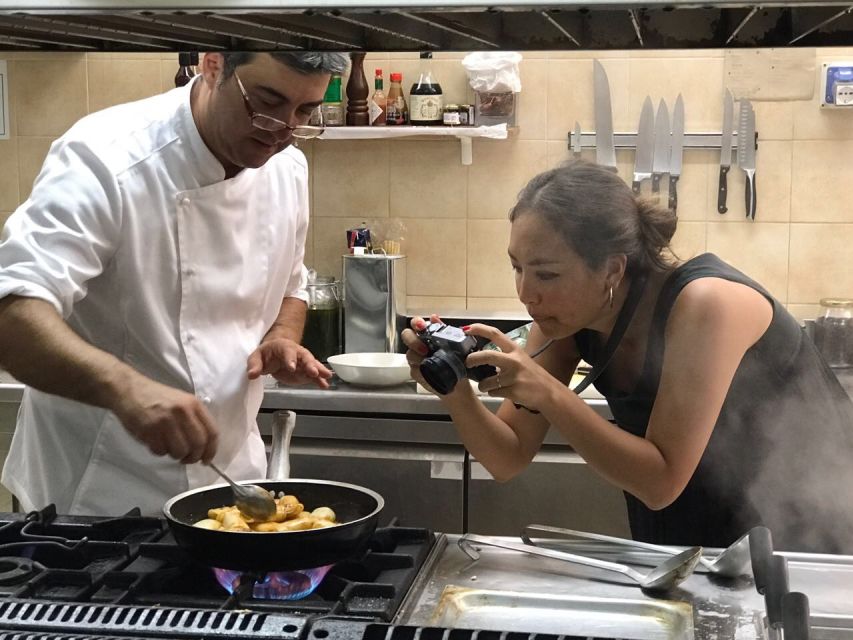
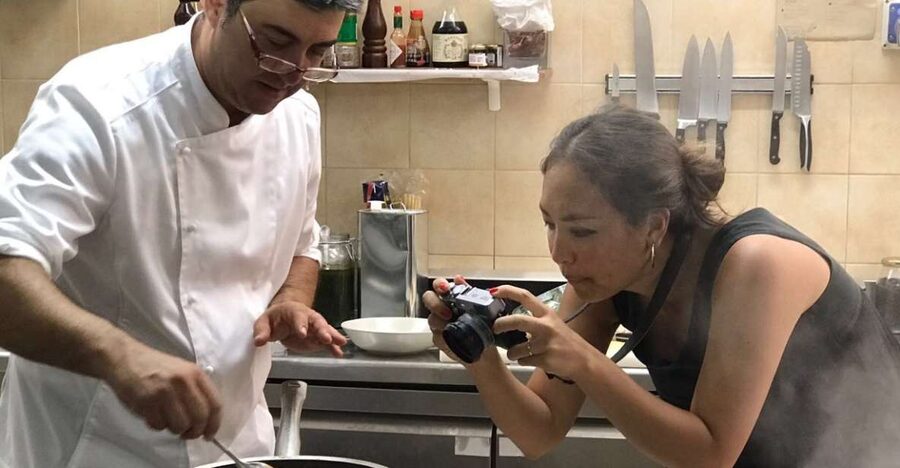
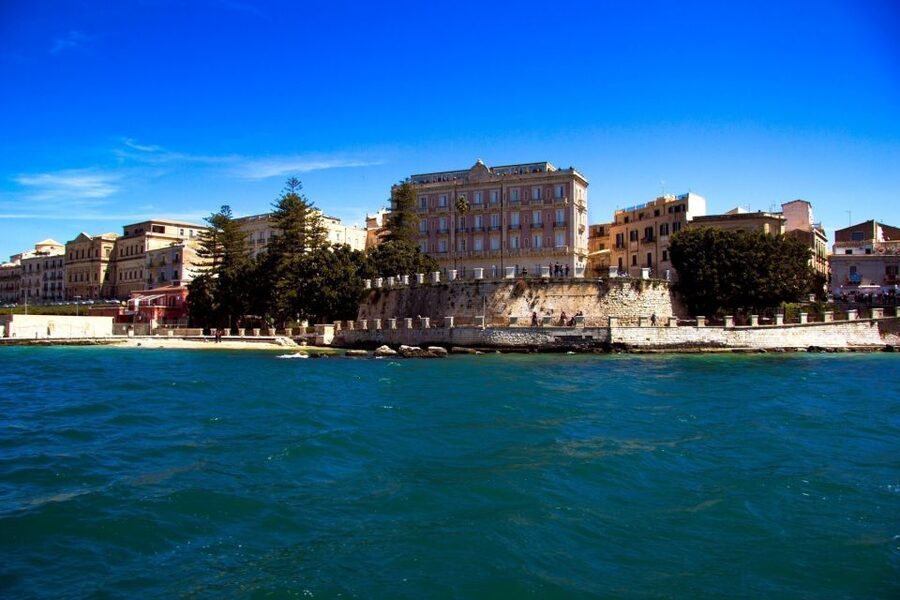
The magic here is the flow. You start in the Ortygia street market area on Ortigia island, walking past seafood counters, produce stands, and vendors calling out their best items. Then you take what you picked into the kitchen, where the chef uses those ingredients to teach you classic Sicilian techniques.
The result is that lunch doesn’t feel like an afterthought. You’re not waiting for a meal that someone else decided. You’re building it step by step, with the market as your ingredient map.
Two details make this format work well. First, you’re learning “why” behind the cooking, not just “what” to make. Second, the chef’s knowledge shows up in the little moves: choosing the right herbs, balancing salt and acidity, and using the parts that others waste—like seafood shells for flavor-heavy sauces.
Piazza Pancali meetup: Bar Cristina and how to find your people
You meet the chef in Piazza Pancali n° 24, at Bar Cristina. That’s easy on paper, but in practice Bar Cristina is large. The safest move is to arrive a little early, stand near the meeting point, and watch for your host/greeter.
This matters because the group is small (max 8). If you’re late, you can end up outside the tight rhythm of the day. Once you’re in the group, everything speeds up—market walk, ingredient decisions, then back to cooking.
The Ortygia street market walk: where your menu gets built
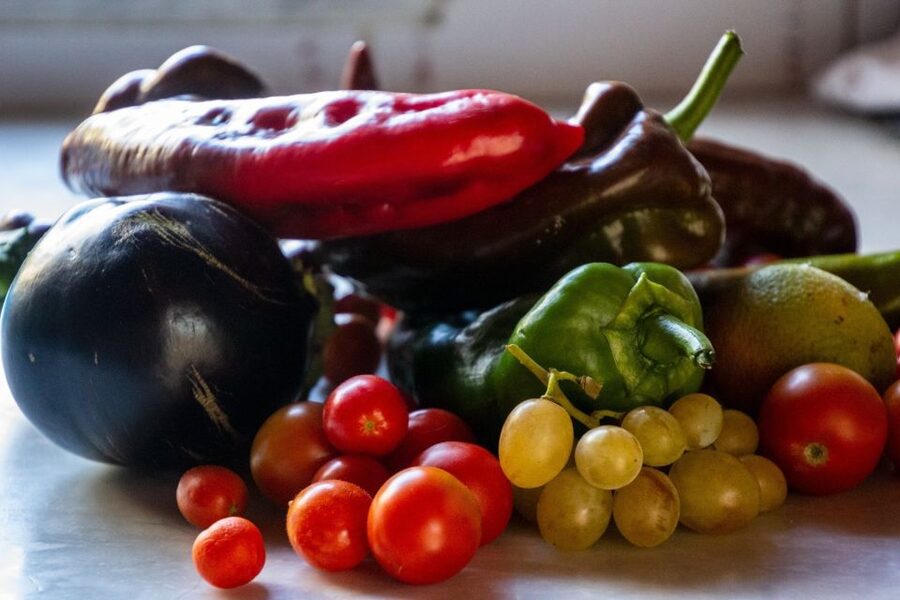
This is not a quick look-and-leave market stop. You get a guided visit through Ortygia Street Market (often on Ortigia), focused on choosing real ingredients you’ll use later. The chef knows vendors and helps you spot what’s fresh and what’s worth buying for flavor, not just appearance.
What you’ll likely do during the market time:
- Browse stalls for ingredients suited to Sicilian classics
- Listen to the chef’s guidance on what to buy and why
- Taste a few items as part of picking
- Decide the direction of the menu based on what looks best and what you want to cook
In the best versions of this class, the chef tailors choices to your tastes. Some groups end up with seafood-forward menus, while others have leaned away from fish because that’s what they wanted. Even if you have preferences, the market walk is the place where those preferences become real decisions.
What you may cook: classic Sicilian dishes with real technique
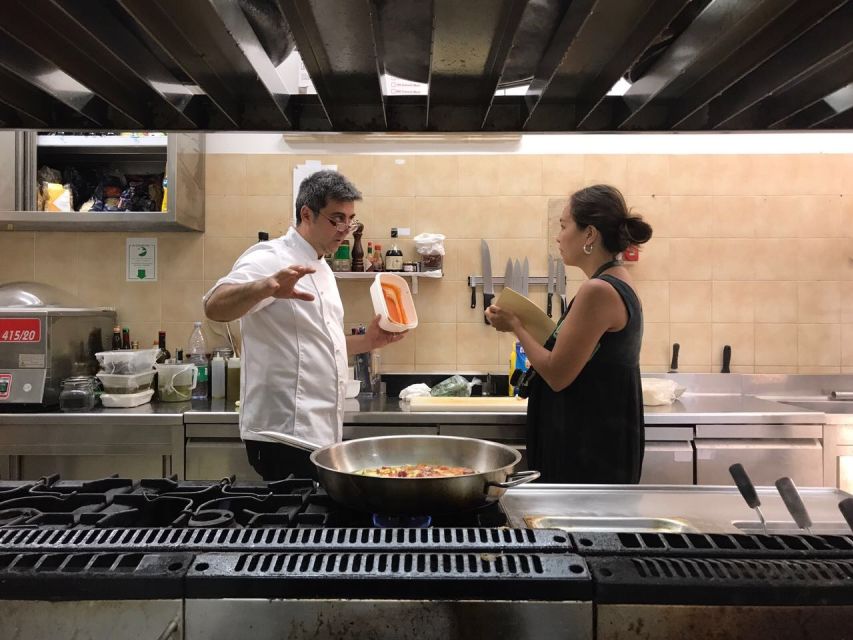
The class portion happens once you’ve purchased ingredients and chosen your best products. Then the kitchen doors open and you cook with the local chef. Because it’s a small group, you’re not stuck on the sidelines.
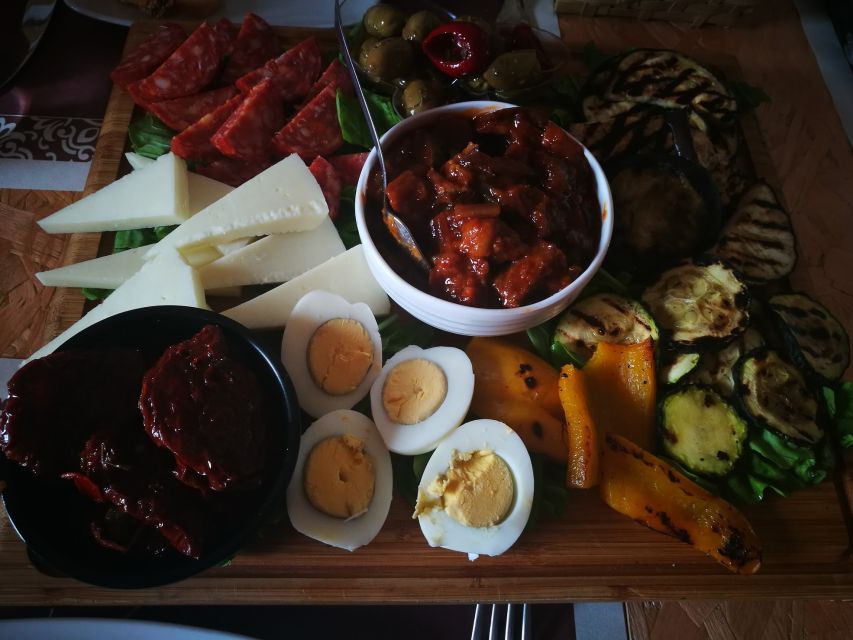
Menus vary, but reviews and typical Sicilian patterns suggest you can expect a mix of pasta work, seafood (often), and simple desserts. Here are examples of dishes that have shown up:
- Fresh pasta dishes such as pistachio pesto pasta and other homemade shapes
- Seafood preparations, including pasta with shrimp and combinations with calamari or mussels
- Sauce-making techniques that use the “flavor parts,” such as building sauce from shrimp shells
- Meat options like veal involtini in some menus
- Desserts like cannoli and fruit-based salads (think Macedonia-style fruit salad)
- Specialty combos such as tuna with sweet peppers, onions, olives, and garlic
A particularly Sicilian detail is how sauce and pasta connect. You might learn how to build a sauce with the right balance of fat, salt, and acidity—then match it to the pasta shape you’re making. That’s what turns a cooking class into something you can recreate later.
And yes, you may cook something pizza-style as well, including using a wood-fired oven if the kitchen setup supports it. Even when the menu changes, the teaching style tends to stay the same: hands-on, practical, and focused on flavor.
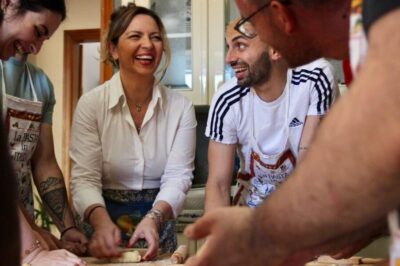
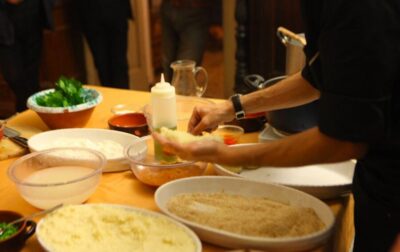
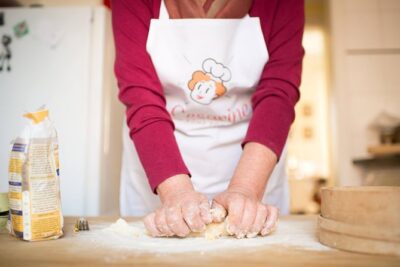
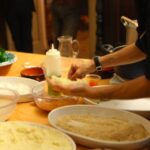
Hands in the flour, Syracuse style
Hands-on timing: why the 4-hour window works
At 4 hours total, this class has a clear goal: market → cook → eat. That time pressure isn’t a problem. It keeps you moving and gives you a sense of pace that fits Sicilian cooking, where dishes are built efficiently and eaten soon after.
You’re doing real tasks, not just rolling dough while someone explains the weather. Expect to participate in prep, assembly, and finishing steps. If you like learning by doing, this format makes that easy.
Also, the class isn’t just about results. You learn the process the chef uses to get flavor without shortcuts. That’s a big reason these classes score highly: you leave with both a meal and techniques you can repeat.
Lunch: eating what you made, with the chef’s final touch
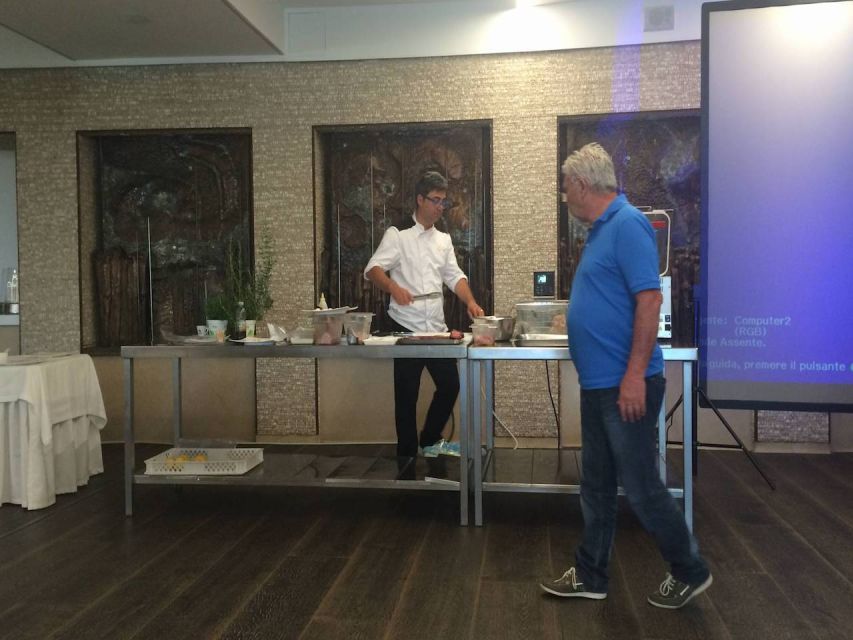
After cooking, you enjoy lunch with the dishes you prepared. This is one of the smartest parts of the experience. In many classes, the food is mostly for show. Here, lunch is part of the lesson arc: you taste, you adjust in your mind what you’d do differently, and you understand why the chef guided you the way they did.
A practical note: food and drinks aren’t included as a separate listed item in the menu. The chef organizes the lunch and drinks. Some menus include things like wine or limoncello, but you shouldn’t assume a specific pairing. If you’re picky about alcohol or timing, it’s smart to mention it early during the market and kitchen portion so the chef can plan around it.
Either way, lunch is the reward for your effort, and it’s the moment you’ll notice the market choices paying off.
Small group advantage: up to 8 people, so you don’t get lost
This experience is limited to 8 participants. That small size makes a difference in two ways.
First, you get attention when you’re chopping, stirring, or shaping pasta. Second, it’s easier for the chef to adjust the plan based on your preferences and pace. In past versions of the class, chefs have adapted menus when someone didn’t want a fish-heavy day, which is exactly the kind of flexibility you want in a hands-on setting.
Transfer and timing between market and kitchen
Depending on where the chef’s kitchen is located, the experience may include a transfer from the market to the cooking class. That’s included if needed. You also finish back at the meeting point after lunch.
This matters because it protects your time. You’re not stuck arranging your own transport mid-activity. You can just focus on shopping, cooking, and eating.
Price check: $134.81 and whether it’s good value
At $134.81 per person for roughly 4 hours, you’re paying for a real local guide plus a chef-led class, including a guided market visit and lunch. Compared with cheaper classes that are more demo-style, the small group size and hands-on cooking push the value higher.
Where the value really shows up:
- You get market guidance in Ortigia (not just ingredients dropped in front of you)
- You cook multiple dishes, not a single “representative” item
- Lunch is included and built from what you bought
- A chef handles the menu flow and kitchen instruction
If you love food and you want more than a photo-heavy tour, this price can feel fair. If you’re strictly budget-first or you don’t enjoy cooking, you may decide the cost is a stretch for a 4-hour activity. For most food-forward trips, though, this hits a strong sweet spot.
Sunday reality: what changes when Ortygia Market is closed
Ortygia Market is closed on Sunday, so you won’t be able to visit it on that day. If that happens, the chef will guide you through the streets of Ortigia to purchase local products instead.
The important part: your cooking class still happens. The market location changes, but the goal stays the same—fresh ingredients and a Sicilian menu you can cook and eat.
Who should book this class?
This works best for you if:
- You want a hands-on Sicilian cooking class in Syracuse rather than a passive tasting
- You like markets and want to choose ingredients yourself
- You want a small-group experience where the chef can tailor decisions
- You’d like to bring home not just recipes, but technique (pasta, sauces, and flavor-building)
It may be less ideal if:
- You dislike cooking tasks and prefer observation-only experiences
- You need a very strict dietary setup and didn’t plan to share preferences during the market portion
- You’re arriving late and want a no-pressure, no-wait schedule (the meeting point is fixed, and the group moves)
Should you book this Syracuse Traditional Cooking Class & Ancient Market Visit?
I’d book it if you want a day that feels authentically Sicilian: shop like a local, cook like a local, then eat the result right away. The market-to-kitchen structure is the real draw, and the small group size keeps it personal.
If you’re going on a Sunday, don’t worry—just know the market plan adapts because Ortygia Market is closed. And if you’re meeting at Bar Cristina, give yourself a little extra time to find your chef/greeter.
FAQ
How long is the Syracuse cooking class and market visit?
It lasts 4 hours.
Where do we meet the chef?
You meet the chef in Piazza Pancali n° 24 at Bar Cristina in Syracusa.
How many people are in the group?
The group is small, limited to 8 participants.
Do I get to visit the Ortygia Market?
Yes, the plan includes a guided visit to Ortygia Street Market when it’s open.
What happens if the Ortygia Market can’t be visited?
If the market can’t be visited, the chef will guide you through the streets of Ortigia to purchase local products.
Is lunch included?
Yes. Lunch is included and you’ll eat the dishes you prepared.
Is food and drinks included?
Food and drinks aren’t included in the menu list. Drinks and food details are organized by the local chef.
Is transfer provided between the market and the cooking class?
A transfer from the market to the cooking class is included if needed.
What languages are available for the host?
The host or greeter speaks Italian and English.
What is the cancellation policy?
You can cancel up to 24 hours in advance for a full refund.
More Tour Reviews in Syracuse



More Cooking Classes to Book


More of Syracuse and Ortigia
Just added: the newest Syracuse tours in our notebook
- Tour of Syracuse by Ape Calessino★ 3.0 · 3 reviews
- Syracuse Showdown Scavenger Hunt★ 5.0 · 3 reviews
- Sicily Boats Avola: Plemmirio boat tour 4 people 4 hours★ 5.0 · 3 reviews
- Groovy Geneva Scavenger Hunt★ 5.0 · 3 reviews
- Syracuse: Ortigia & Sea Caves Boat Tour with Local Skipper★ 5.0 · 3 reviews
- Siracusa: Neapolis’s Archaeological Park small group tour★ 5.0 · 3 reviews
Syracuse & Ortigia, compared.
 ★ 4.7Syracuse: Tour of Ortigia Island & Caves with Local SkipperFrom $231,060 reviews
 ★ 4.7Syracuse: Boat Tour with Captain Mirko, Snorkeling & CavesFrom $35746 reviews
 ★ 4.7Siracusa: Ortigia Boat Tour with Marine Grotto & SnorkelingFrom $47726 reviews
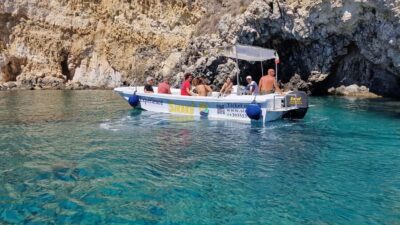 ★ 4.8Siracusa: Ortigia & Sea Caves Boat Tour w/ Prosecco & FruitFrom $35723 reviews
 ★ 5.0Tour of the island of Ortigia and exploration of sea caves with baths.From $24668 reviews
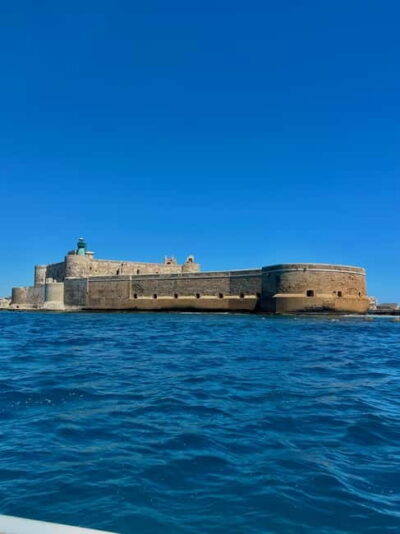 ★ 4.7Syracuse: Ortigia Island & Sea Cave Boat Tour with ProseccoFrom $23418 reviews
 ★ 5.0Boat tour of Ortigia Island and sea cavesFrom $24407 reviews
 ★ 4.6Catania: Syracuse, Ortigia, and Noto Tour with BrunchFrom $112404 reviews
Browse the lists this tour appears in