
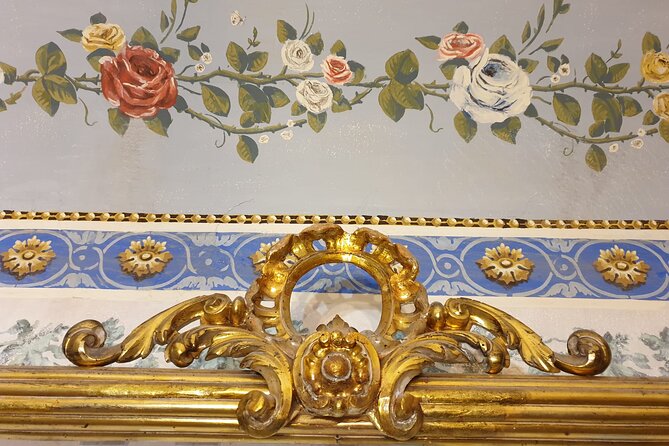
Reviewed · MUSEUMS
Tile Museum – Majolica Museum – Rooms at the Genius
Tiles feel almost alive. In Palermo, the Museo delle Maioliche Stanze al Genio turns majolica collecting into a guided walk through a real home, not a typical showroom. I love the sense that these tiles are cared for day after day, with the collection staged in a house museum inside Palazzo Torre Pirajno (private house museum).
I also really like the sheer scale—over 5,000 majolica examples from the 15th to the 19th century, grouped in a way that helps you spot style changes across time. One thing to consider: this is guided-only, so you’ll be happiest if you enjoy sticking with the tour pace rather than roaming freely on your own.
In This Review
- Key things to know before you go
- A one-hour guided look at Palermo’s “tile in a home” museum
- Where you meet and how the visit flows
- Inside Palazzo Torre Pirajno: how the tiles are arranged
- The guided tour experience: what the guide helps you notice
- From the 15th to the 19th century: why the timeline matters
- The “free roaming” part: how your time is handled
- Price and value: is € worthwhile in Palermo?
- Booking early and fitting it into your day
- Potential drawbacks to plan for (so nothing surprises you)
- Should you book the Museo delle Maioliche Stanze al Genio?
- FAQ
- Where is the meeting point for this tour?
- How long does the visit take?
- Is this tour self-guided or guided?
- What languages are the tours available in?
- What is included in the ticket price?
- Is there a mobile ticket?
- Is it refundable if I cancel?
Key things to know before you go
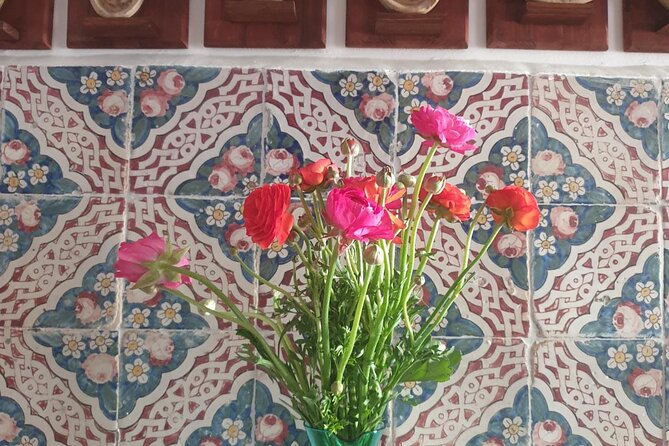
- House museum setting: The tiles are arranged inside a part of the noble floor of Palazzo Torre Pirajno.
- 5,000+ tiles (15th–19th c.): The collection spans several centuries of majolica production.
- Guided tour only: Admission is with a guide in Italian or English, so plan to stay with the group.
- Small group cap: Maximum of 30 people.
- Owner’s collection vibe: The owners live in the home and the visit runs by guided times (so access is limited).
A few we would gladly point a friend toward in Sicily
- Guided tour of the salt pans of Trapani and the Salt Museum
★ 5.0 · 188 reviews - Tile Museum – Majolica Museum – Rooms at the Genius
★ 5.0 · 85 reviews - Saline Culcasi Full Immersion : From the Museum to the Salt Collection
★ 5.0 · 23 reviews - Tour and Soap personalization at the Soap Museum in Sciacca
★ 5.0 · 13 reviews
A one-hour guided look at Palermo’s “tile in a home” museum
The Museo delle Maioliche Stanze al Genio is the kind of stop that makes you slow down and look closer. Instead of lining tiles up like products, it presents them in rooms that feel domestic—because they’re part of a private residence tucked within Palazzo Torre Pirajno.
The visit runs about 45 minutes to 1 hour, and that time is handled as a guided experience from start to finish. The upside is focus: you’re pointed toward the patterns and details that make majolica meaningful. The trade-off is simple—this isn’t a drop-in museum where you can wander whenever you feel like it.
Where you meet and how the visit flows
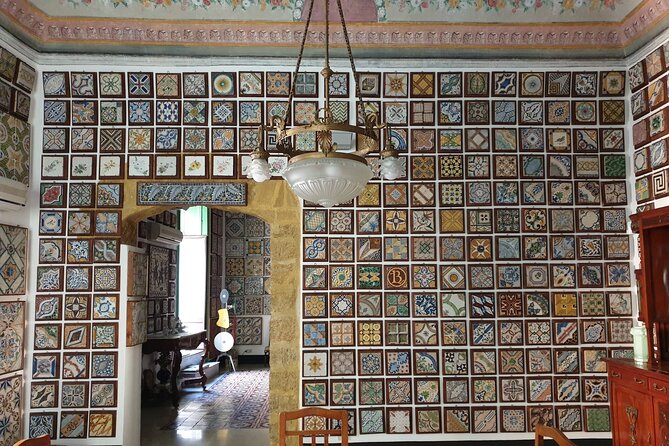
Meet at Rooms at the Museum of majolica Genius, Via Giuseppe Garibaldi, 11, 90133 Palermo. You’ll start there and end right back at the same spot.
That matters more than you might think in Palermo, where you can burn time tracing addresses or crossing streets with no clear signage. Here, the tour is designed as a self-contained outing: you show up, join the group, follow the guide, and walk out.
Also pay attention to the timing rule: last entry is 30 minutes before closing. If you’re planning this as your “flex” activity, don’t leave it to the end of the day. I’d treat it like an appointment.
Inside Palazzo Torre Pirajno: how the tiles are arranged
The museum collection is housed in a portion of the main floor of Palazzo Torre Pirajno. What makes this special is the way the tiles are staged across a “house museum” style setup—rooms arranged in a way that mirrors how you’d experience objects in a home.
The collection itself is massive: more than 5,000 majolica tiles dating from the 15th to the 19th century. In practical terms, that range gives you the chance to see majolica evolve instead of just staring at “beautiful ceramics” in isolation.
One of the most memorable details I picked up from firsthand accounts is how the collection feels personal. The owner is part of the story, and during tour times the owner leaves the home—so you get access without it turning into a chaotic open house. You’re visiting a curated domestic world, not a warehouse.
And yes, there’s a bit of life in the rooms. People have mentioned seeing cats during the visit, which adds that small, human touch you usually only get in places run by locals who care.
The guided tour experience: what the guide helps you notice
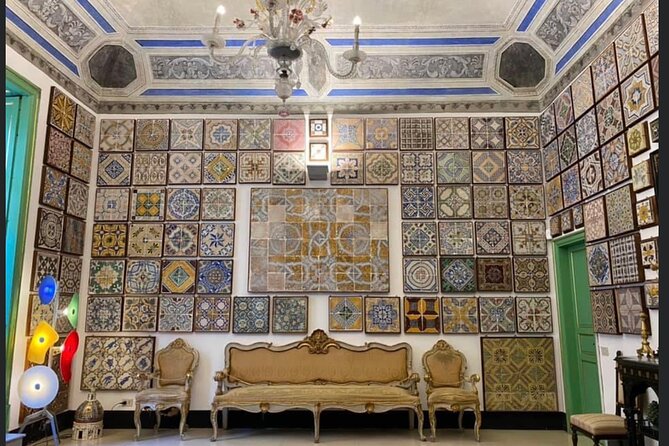
You’ll be with a guide for the full visit. The guided tour is offered in Italian or English, and the entrance ticket is included. That inclusion matters: you’re not paying just for a room with objects. You’re paying for someone to help you read the tiles.
From the descriptions of the experience, the guide doesn’t just point at decorative surfaces. You’re guided through how styles reflect different periods, so you start seeing motifs, colors, and design choices as clues rather than decoration.
One name that comes up in accounts is Claudio—credited with being hospitable and explaining how the tiles connect to history. Even if you don’t get that exact guide, the format is consistent: you’ll get a guided narrative, then (after the main explanation) time to look more closely on your own.




From the 15th to the 19th century: why the timeline matters
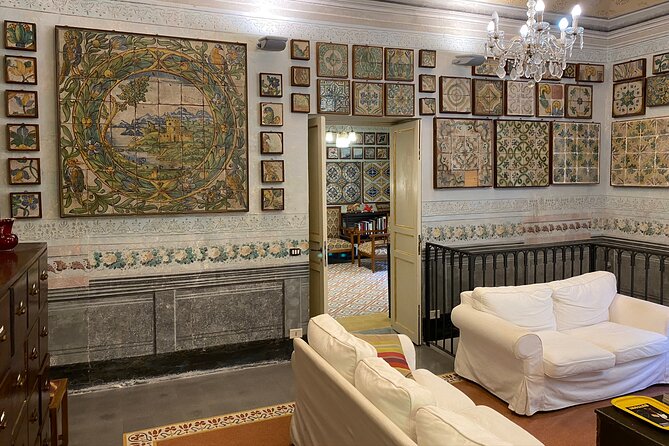
Majolica can look similar at first glance—until someone helps you slow down and notice differences. The value of this collection is that it spans several centuries, so you can compare styles rather than treating each tile as an isolated artwork.
Here’s what that timeline does for your visit:
- It trains your eye to spot changes in design and execution over time.
- It turns a “tile count” into a story you can follow.
- It makes your free-looking time more satisfying, because you know what you’re looking for.
In other words, you don’t just leave with pictures. You leave with an eye for patterns.
The “free roaming” part: how your time is handled
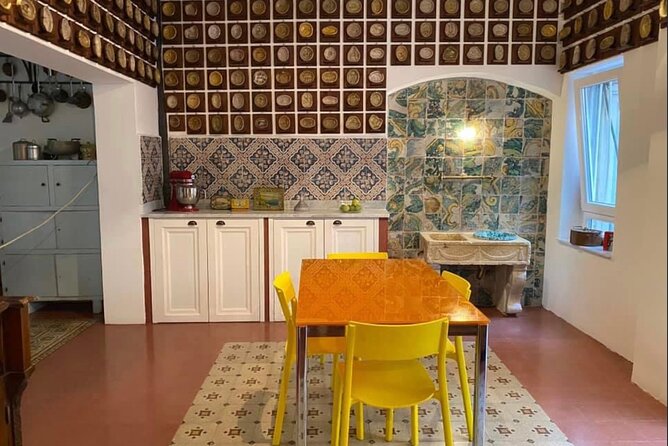
Even though it’s guided-only, people describe an important pacing moment: after the guided explanation of styles over the year/periods, you’re given time to spend looking around yourself.
That’s the sweet spot for most visitors. You get the context first, then you can wander with purpose for a short time. It’s also a practical advantage because a collection of 5,000 tiles would be overwhelming without guidance.
Don’t expect hours to do everything. The experience is built to be tight and focused—about an hour—so pick your favorites and enjoy them rather than trying to see everything.
Price and value: is € worthwhile in Palermo?
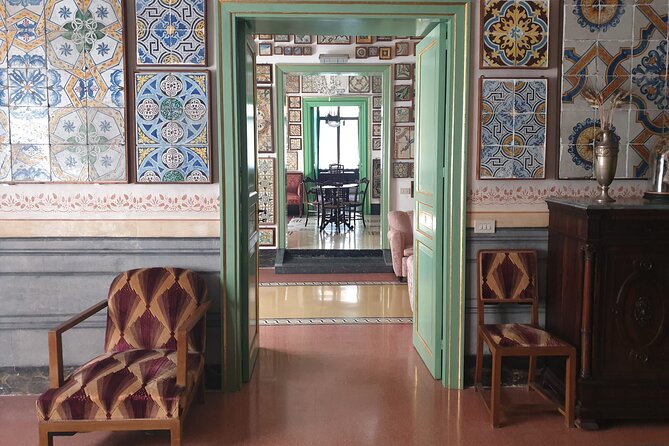
The price is $18.10 per person, with a duration of about 45 minutes to 1 hour. That’s not the kind of price you treat as “quick filler.” So the question is value: do you get enough here?
From what the experience is designed to offer, you are paying for three things:
- Access to a private collection that’s inside an owner’s home setting, not a large public museum.
- A guided narrative (Italian or English) that helps you understand the collection’s timeline and style changes.
- A small-group format (max of 30 people), which helps the tour feel more like a visit than a mass viewing.
If you love ceramics, decorative arts, or simply enjoy learning how everyday-looking objects reflect changing tastes, this is a strong use of money. If you’re only passingly interested in tilework and want a “see it fast, move on” stop, you might find it pricier than expected for a single-room experience. But for most people who enjoy design and material culture, it’s easy to see why it earns high ratings.
One extra practical note: group discounts are mentioned as a feature. If you’re traveling with others, ask your booking details about group options to make it even better value.
Booking early and fitting it into your day
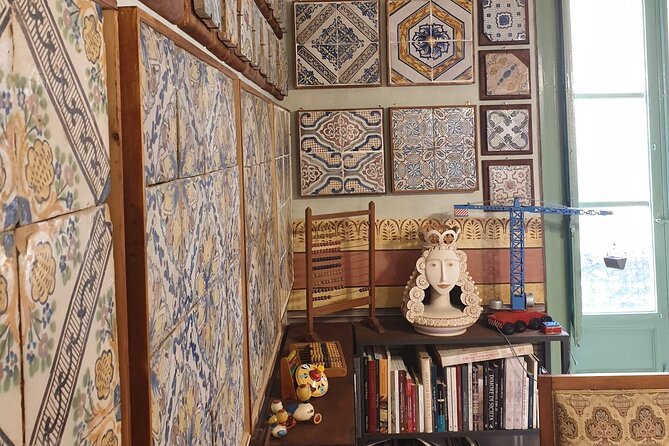
On average, this is booked 11 days in advance. That tells me two things: the schedule is limited, and people who know Palermo’s smaller sights want to lock in time.
The collection is in a personal residence, and the opening times are limited because the owners are part of the home. So treat this as a “plan it, don’t hope for it” stop.
Where it fits best in your itinerary:
- If you like slower, indoor experiences that reward attention.
- If you’re in Palermo and want something that feels local and specific, not the same big sights everyone hits.
- If you’re traveling with art/design interests and want a calm hour.
Where it might not fit:
- If your day is packed with timed attractions right up to closing time. Last entry is 30 minutes before closing, and the tour runs on its schedule.
Potential drawbacks to plan for (so nothing surprises you)
No tour is perfect, and this one has a couple practical snags worth knowing.
1) Guided-only means less flexibility. If you want to control pacing and wander without direction, this won’t match that style. You’ll be most comfortable if you enjoy structured viewing.
2) Check-in confusion can happen. One account mentions confusion when staff accepted tickets due to an event happening, which suggests that signage or timing on the day can matter. The fix is straightforward: arrive on time, have your mobile ticket ready, and don’t wait until the final minute.
These are not dealbreakers, just real-world notes to keep your day smooth.
Should you book the Museo delle Maioliche Stanze al Genio?
I think this is a strong “yes” if you like design details, decorative arts, or you simply enjoy the thrill of seeing something that doesn’t feel mass-produced for tourists. The house museum setting, the 15th–19th century span, and the guided explanation are exactly the ingredients that make a short visit memorable.
I’d skip or reconsider if you’re not interested in tilework history and you need lots of free time inside without a guide. It’s also best as a planned stop, not a last-minute gamble, because access depends on guided times.
If you want one hour in Palermo that feels different from the usual big-ticket landmarks, this is a great choice.
FAQ
Where is the meeting point for this tour?
You meet at Rooms at the Museum of majolica Genius, Via Giuseppe Garibaldi, 11, 90133 Palermo PA, Italy.
How long does the visit take?
Plan for about 45 minutes to 1 hour.
Is this tour self-guided or guided?
It’s guided only. You’ll enter with a guide.
What languages are the tours available in?
The guided tour is offered in Italian or English.
What is included in the ticket price?
The entrance ticket is included, along with the guided tour in Italian or English.
Is there a mobile ticket?
Yes, this experience uses a mobile ticket.
Is it refundable if I cancel?
No. The experience is non-refundable and cannot be changed for any reason. If you cancel or ask for an amendment, the amount you paid will not be refunded.
More Museums in Sicily




More Tour Reviews in Sicily






Just added: the newest Sicily tours in our notebook
- Etna / Taormina★ 5.0 · 3 reviews
- Bikes★ 5.0 · 3 reviews
- Taormina shore tour – for small group cruise passengers★ 5.0 · 3 reviews
- Vegan Cooking Class in Catania with Lunch and Dinner★ 5.0 · 3 reviews
- Make & Taste Sicilian Desserts in Palermo – Learn Cannoli & More★ 5.0 · 3 reviews
- Sicilian Villages & Ricotta Tasting – including Lunch from Cefalu★ 4.0 · 3 reviews
Museums, compared.
 ★ 4.7Guided tour of the Trapani Salt Pans and Salt MuseumFrom $21423 reviews
 ★ 5.0Guided tour of the salt pans of Trapani and the Salt MuseumFrom $21188 reviews
 ★ 3.5Enchanted Castle of Sciacca – Museum TicketsFrom $763 reviews
 ★ 4.7Palermo: Tour of Church of the Gesù & Casa Professa MuseumFrom $935 reviews
 ★ 4.1Syracuse: Museum Guided Tour with Sicilian Puppet showFrom $7327 reviews
 ★ 5.0Saline Culcasi Full Immersion : From the Museum to the Salt CollectionFrom $3223 reviews
 ★ 4.5Palermo Museum of Illusions: an interactive experience for all agesFrom $1820 reviews
 ★ 4.8Tecnoparco Archimede Museum Exhibition TicketFrom $914 reviews
Browse the lists this tour appears in