
Reviewed · PALERMO CITY TOURS
Palermo: Tour of Church of the Gesù & Casa Professa Museum
Palermo has a talent for making faith feel artistic and human. This short tour takes you into the Chiesa del Gesù di Casa Professa, then into the museum where the Jesuits left their mark through art and objects. It’s compact, easy to fit into a day, and quietly satisfying in a way big sightseeing days often aren’t.
I especially like how the guide links the Baroque church to what you see afterward in the museum. The explanations around the Jesuit Order and its cultural impact make the sculptures, marble decoration, and devotional art feel less random and more intentional. I also like the pacing: the guided part is tight, and then you get time to linger on your own.
One thing to keep in mind: the guided segment is only about 30 minutes, so if you want extremely deep coverage of every corner (including areas some visitors wish got more time), you may find the tour format a bit rushed or surface-level.
In This Review
- Key things I’d focus on at Casa Professa
- Chiesa del Gesù: Baroque craftsmanship you can actually read
- The museum inside Casa Professa: art tied to Jesuit life
- How the timing really works: 45 minutes total, with free wandering afterward
- Getting the most from the guide (and what to expect)
- Meeting at the church: where to go so you don’t waste time
- Why this costs $9 and feels like good value
- The best-fit visitor: who should book this
- Practical tips before you go
- Should you book the Palermo Church of the Gesù & Casa Professa Tour?
- FAQ
- Where does the tour start?
- How long is the tour?
- What languages are available for the guide?
- What time do I need to arrive by?
- Is there a way to avoid ticket lines?
- Is the church and museum visit wheelchair accessible?
Key things I’d focus on at Casa Professa
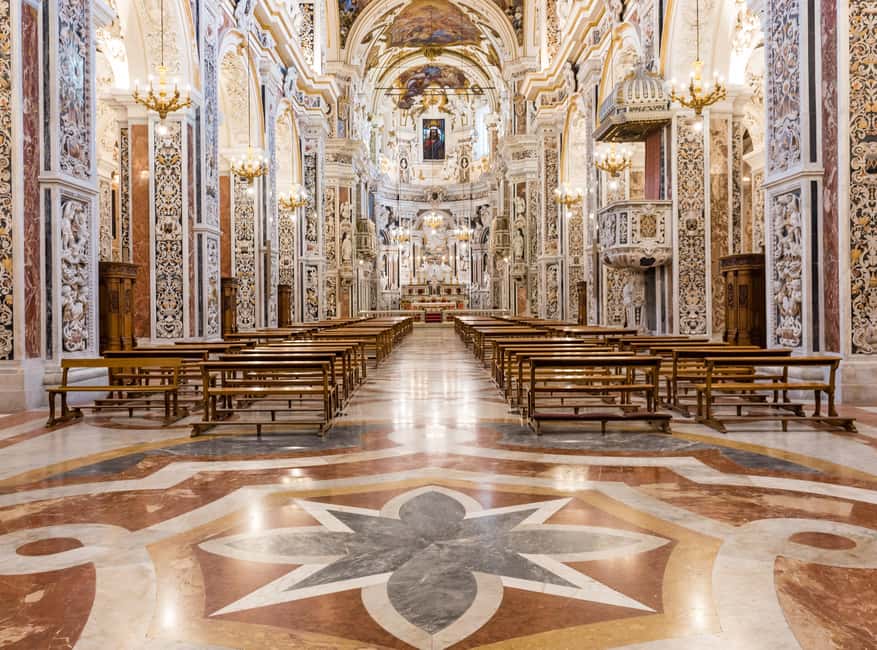
- Baroque Church first: see the design, then understand the symbols behind it.
- Museum objects with origins: you’ll encounter paintings and sculptures tied to the church and Jesuit colleges in Sicily.
- Jesuit stories made visual: explanations help you connect religious meaning to art details.
- Short and doable: 45 minutes total makes it realistic even on tight schedules.
- Multiple languages: live guides available in Italian, English, French, and Spanish.
- You control the extra time: after the tour, you can revisit favorite spots at your own pace.
The rest of what Palermo puts on
- Palermo: NO Mafia Walking Tour
★ 4.8 · 2,431 reviews - Palermo: Hop-on Hop-off Bus Tour 24-hour Ticket
★ 3.9 · 2,410 reviews - Palermo Original Street Food Walking Tour by Streaty
★ 5.0 · 2,105 reviews - Segesta, Erice and Salt Pans Full-Day Excursion from Palermo
★ 4.2 · 1,791 reviews
Chiesa del Gesù: Baroque craftsmanship you can actually read
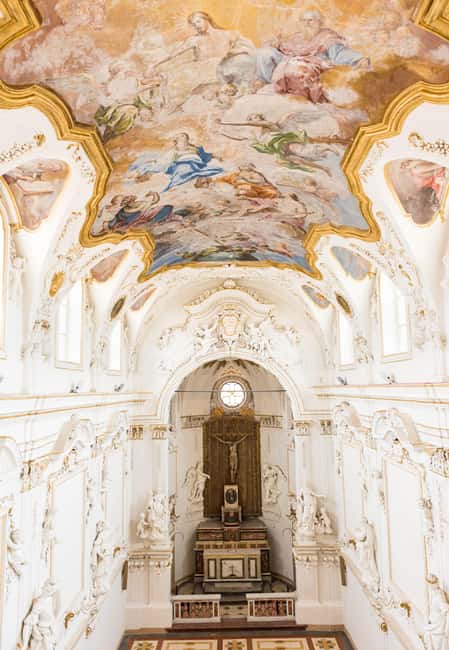
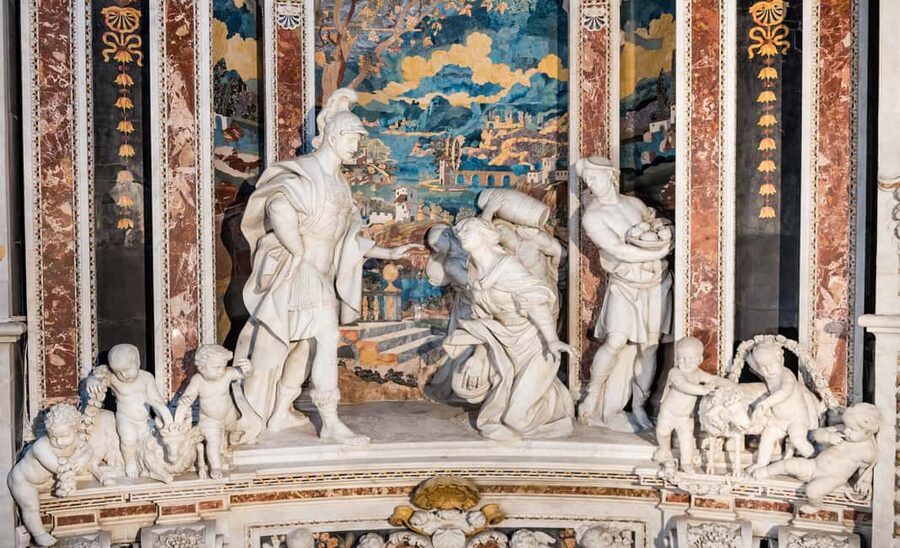
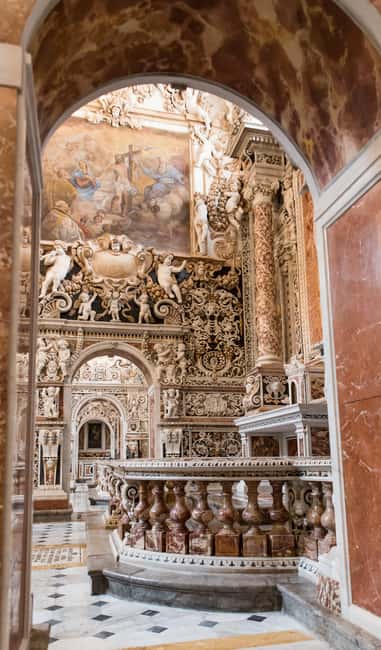
The Chiesa del Gesù di Casa Professa is the kind of church where your eyes keep finding new things. From the start, you’re looking at Baroque architecture designed to guide your attention—up, toward details, and back again to the overall effect. Even if you don’t know religious art well, the building’s design makes it hard to feel lost.
What makes this church tour work is that it doesn’t treat the church like a photo stop. With a guide, you’re more likely to notice the logic behind what you’re seeing: how decoration functions, how religious storytelling appears in visual form, and why certain artistic choices mattered to the Jesuit world.
If you’re lucky enough to get a guide like Alessandra—described as sincere and detailed in how she explains art and history—you’ll likely come away with clearer sense of how the church connects to Palermo’s identity. Another guide name you might hear is Alessandro, known for being passionate and strong in explanation, including in French. In both cases, the goal is the same: make the experience feel understandable, not just impressive.
The museum inside Casa Professa: art tied to Jesuit life
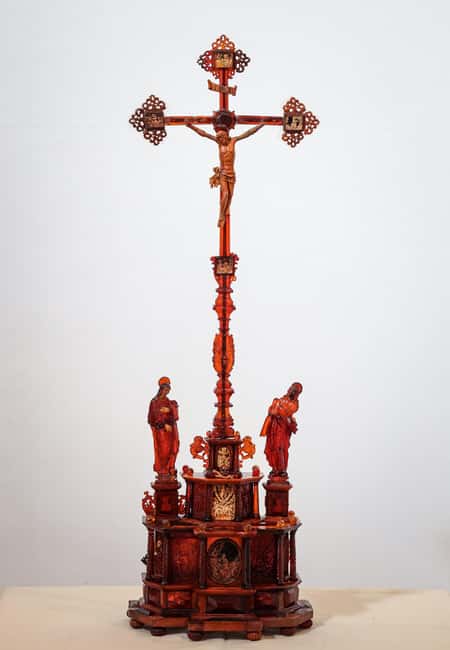
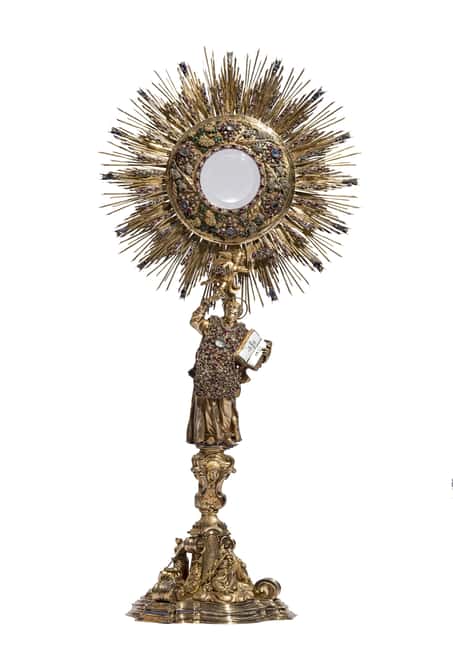
After the church, the tour shifts into the museum, and that’s where the visit often becomes more meaningful. You’re not just looking at objects behind glass; you’re seeing a collection that helps explain how Jesuit culture used art. Many pieces connect back to the church and Jesuit colleges across Sicily, so it feels like you’re tracing a network, not visiting a single isolated site.
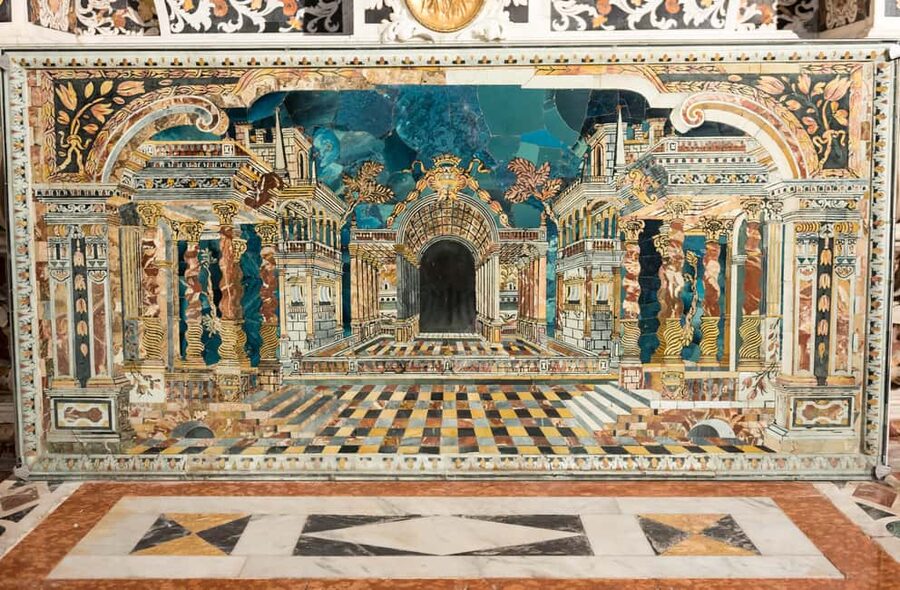
In the museum, plan to spend your attention on paintings, sculptures, and decorative arts. The Jesuit influence shows up through themes and symbolism rather than through one single style. The guide’s job is to connect those dots for you—so the religious content doesn’t stay abstract.
This is also where you’ll get a better sense of how the Jesuits shaped cultural life in Palermo. The tour frames the church and museum as part of a wider story, helping you read Palermo’s complicated past through art and artifacts you can actually see close-up.
A practical note: because this is a museum environment, take your time. The tour format is short, and the museum is where you can slow down after the guided portion. If a particular artwork catches you, use your free time afterward to stand longer and look again.
How the timing really works: 45 minutes total, with free wandering afterward
The scheduled time for the whole experience is 45 minutes. The guided portion itself lasts about 30 minutes, and then you’re free to visit the church and museum on your own.
That split is important for two reasons. First, it means you can treat the tour like a focused primer: you get the key context fast, without feeling stuck in a long session. Second, it means you can choose your own pace afterward—perfect if you’re the type who likes to linger over one chapel detail or one sculpture grouping.
Also pay attention to the last entry rule. The last entry to the site is at 4PM. If you’re visiting late in the day, build extra buffer. You do not want to rush through the guided part just to make the cutoff.
Getting the most from the guide (and what to expect)
This is a live guided tour, offered in Italian, English, French, and Spanish. That matters because religious art can get confusing fast, and a good guide prevents the experience from turning into guesswork.
From the experiences described, the most successful tours tend to do three things:
- Explain the art in plain terms, not just dates and names.
- Point out what to look for so the church details feel connected.
- Tie the church to what’s inside the museum, so your second stop isn’t repetitive.
You’ll hear the Jesuit story in a way that connects religious devotion to cultural impact. It’s less about debating theology and more about understanding how symbolism and artistry created a shared visual language.
One downside to watch for is variation in depth. Some visitors felt the tour could be a bit superficial, like a set explanation delivered with tight timing. If you want heavier detail on every possible area—one visitor even wished there was more focus on the crypt—keep your expectations aligned with the short guided structure. Think of the guide as a strong overview, not a full academic treatment of every corner.
A few we would gladly point a friend toward in Palermo

Meeting at the church: where to go so you don’t waste time
The meeting process is straightforward but easy to mess up if you assume signage will do the work for you. Here’s the clean way to handle it.
Present your ticket to an assistant at the ticket desk at the entrance of the church. That assistant directs you to an information point, where you’re introduced to your guide.
A small real-world tip: if you arrive a few minutes early and don’t see your guide immediately, check in with the ticket desk assistant rather than wandering in circles. At least one experience described a confusing start where no one was present at the exact spot, and a phone call was needed to figure entry out. The ticket desk route avoids that stress.
If you’re late, you’re supposed to be accommodated in the next available time slot. Still, try not to test that kindness—especially near the last entry time.
Why this costs $9 and feels like good value
At around $9 per person for a guided visit, this is the kind of price that makes planning easy. You’re paying for a live guide plus access to both the church area and the museum. For central Palermo, that combination is usually the difference between a quick look and a visit that actually changes how you see the place.
The real value is not just access; it’s the way the guide helps you connect the architecture and the museum collection to the Jesuit Order’s cultural footprint. Without context, you might admire the church and then move on. With context, you’re more likely to understand why the art is arranged the way it is and what symbolic messages you’re being shown.
And because the visit is short—45 minutes total—you can fit it into a day with other sights without sacrificing half your afternoon.
The best-fit visitor: who should book this
This tour is ideal if you:
- want a focused Palermo stop instead of a marathon itinerary
- enjoy churches where art details matter
- like history when it’s explained through what you can see
- want a calm, reflective feel in a well-known landmark
It’s also a good choice if you’re traveling with mixed interests. Even if someone in your group isn’t into religious art, the Baroque design and museum objects tend to read as craftsmanship first, meaning second. Then the guide bridges the two.
If your style is ultra-specific—like you need exhaustive coverage of every chapel, crypt area, or every artifact’s deep provenance—you might find the guided portion too short. For that type of traveler, this works best as an entry point, followed by your own longer self-guided time afterward (and you might still wish there were additional guided focus in certain areas).
Practical tips before you go
A few things make the experience smoother and more enjoyable:
- Aim for earlier slots if you can. With last entry at 4PM, the day can tighten up late.
- Plan for the guided part to be structured. If you want to photograph, decide what you’ll do during your free time afterward.
- Wear shoes you’re comfortable standing in. The museum and church involve a good amount of walking inside a historic setting.
- Keep an open mind about religious storytelling. The tour frames the Jesuit impact through art and artifacts, so even if you’re not religious, you can still follow the cultural thread.
- If you love detailed explanation, look for a guide known for that approach. In the experiences tied to named guides like Alessandra and Alessandro, the standout quality was strong, thoughtful art-and-history explanation.
Should you book the Palermo Church of the Gesù & Casa Professa Tour?
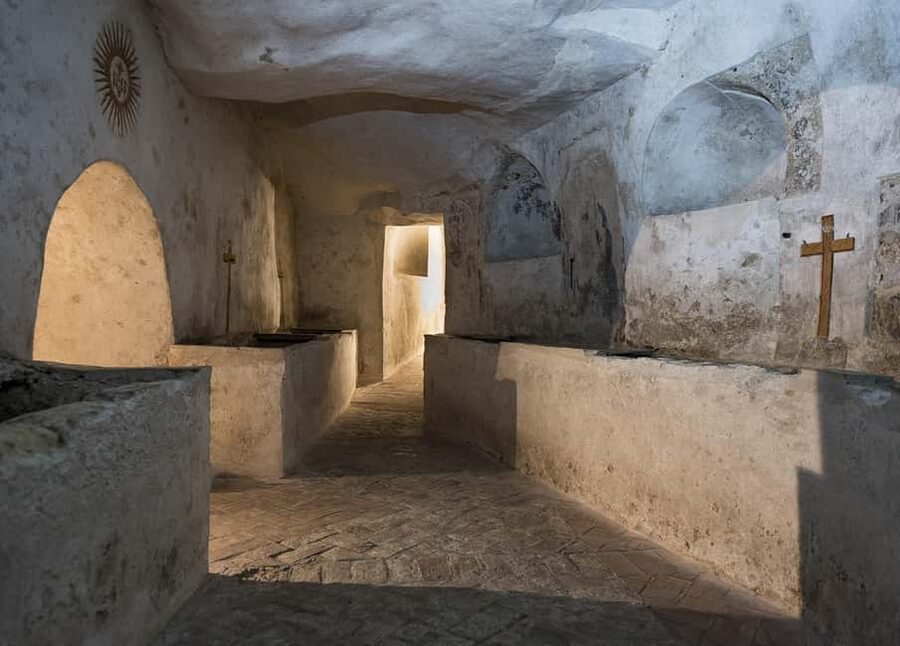
If you want a high-value, easy-to-fit guided visit to one of Palermo’s best-known spiritual-and-art landmarks, I’d book it. The price is low for what you get: guided context plus access to both the church and museum. The experience also has a nice emotional tone—peaceful and reflective—so it works well even when you’ve already done a lot of walking.
Here’s the decision rule I’d use:
- Book if you want a guided overview of Jesuit art and symbolism, then time to wander at your own pace.
- Consider another approach if you’re chasing an extremely deep dive into every specific area. This tour’s structure is meant to cover a lot quickly, not to cover everything in exhaustive detail.
Overall, this is a smart way to see Palermo beyond the usual postcard angles—through the connection between Baroque architecture and the museum objects that explain how that art carried meaning.
FAQ
Where does the tour start?
You meet at the ticket desk located at the entrance of the church. After you show your ticket, an assistant directs you to an information point where you’re introduced to the guide.
How long is the tour?
The total experience is scheduled for 45 minutes. The guided portion lasts about 30 minutes, and then you can explore the church and museum at your own pace.
What languages are available for the guide?
The live guide is available in Italian, English, French, and Spanish.
What time do I need to arrive by?
The last entry to the site is at 4PM, so plan to arrive with enough time to join your guided slot.
Is there a way to avoid ticket lines?
Yes. This experience includes skip-the-ticket-line access.
Is the church and museum visit wheelchair accessible?
Yes, the site is wheelchair accessible.
More Tours in Palermo
More Tour Reviews in Palermo
More Palermo, Start to Finish
Just added: the newest Palermo tours in our notebook
- Private Transfer from/to Trapani★ 5.0 · 3 reviews
- Private Tour from Palermo to Monreale, Santa Rosalia and Mondello★ 5.0 · 3 reviews
- Palermo: Cannolo & Cassata MasterClass★ 5.0 · 3 reviews
- Camporeale: Sallier de La Tour Wine Discovery Tour★ 4.6 · 3 reviews
- Sicily … A Love of a Lifetime★ 4.5 · 3 reviews
- Sicilian Cooking Class in Palermo – Private Option★ 5.0 · 3 reviews
Palermo City Tours, compared.
 ★ 4.8Palermo: NO Mafia Walking TourFrom $402,431 reviews
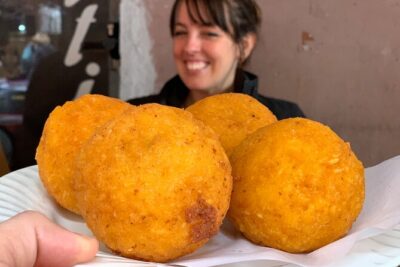 ★ 5.0Palermo Original Street Food Walking Tour by StreatyFrom $832,105 reviews
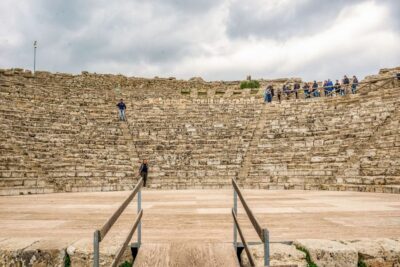 ★ 4.2Segesta, Erice and Salt Pans Full-Day Excursion from PalermoFrom $821,791 reviews
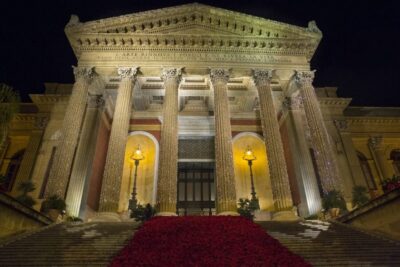 ★ 4.5Palermo: Teatro Massimo Opera House Guided TourFrom $141,573 reviews
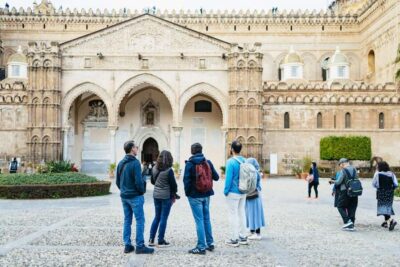 ★ 4.9Palermo: Street Food and History Walking TourFrom $571,486 reviews
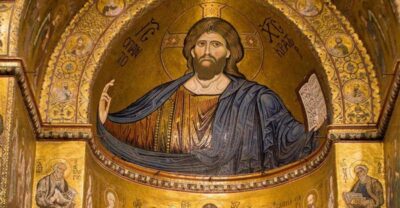 ★ 4.2From Palermo: Monreale and Cefalù Half-Day TripFrom $711,354 reviews
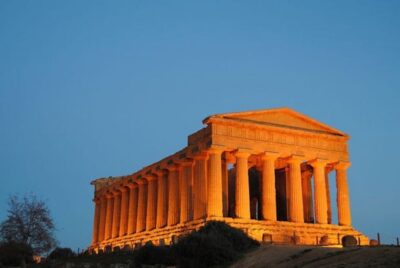 ★ 4.2Palermo: Agrigento and the Valley of the Temples Day TourFrom $771,240 reviews
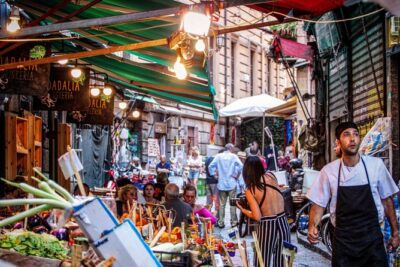 ★ 5.0Palermo No Mafia walking tour: discover the Anti-mafia culture in SicilyFrom $391,011 reviews
Browse the lists this tour appears in