
Reviewed · TRAPANI & SALT PANS
Saline Culcasi Full Immersion : From the Museum to the Salt Collection
Salt looks simple until you see it made. At Saline Culcasi, you follow seawater as it slowly turns into salt, step into the working salt pans, and end with a guided explanation you can actually picture. It’s salt production in real time with a hands-on pay-off, and it all happens on a living coastline system.
What I like most is the combination of salt-tank walk + history museum. You don’t just hear dates; you see tools, photos, documents, and maps that connect the Trapani salt business from Phoenician origins to today. Second, I love the sensory ending: you get to taste saltflower, the fine flavored salt produced locally.
One thing to consider: finding the place can be a little tricky if you rely only on navigation. One review mentioned time was lost when the map sent them to the wrong spot, so I’d plan to double-check directions before you arrive.
In This Review
- Key highlights
- Entering Saline Culcasi di Nubia’s Salt Tanks
- Museo del Sale: Trapani Salt from Phoenicians to Today
- Be a Saltpanner for a Day: Breaking Crust and Raking Salt
- Saltflower Tasting: Finishing with a Flavor You Can Remember
- Price and Value: Is $32.39 Worth It?
- Timing, Meeting Point, and How to Avoid Getting Stuck
- Who Should Book This Salt-Pans Tour (and Who Might Skip It)
- Should You Book Saline Culcasi Full Immersion?
- FAQ
- How long is Saline Culcasi Full Immersion?
- Where is the meeting point, and will the tour end there too?
- What does the tour cost?
- Is admission included?
- Is the tour offered in English?
- Does the experience include tasting?
- What group size should I expect?
- Can I cancel for a full refund?
- FAQ
- Is this tour suitable for most people, and can service animals come?
Key highlights
- Salt tanks you can actually walk through with striking color contrasts between salt, sky, and pink water
- Museum stop focused on Trapani salt power: commercial product, bargaining chip, strategic Mediterranean resource
- English-guided experience with scale models and interactive teaching aids
- Wear saltpanner clothes and work the pans in a safe, delimited area using traditional wooden rakes
- Hands-on salt heaps (werewharves) that help you understand the effort behind each grain
- Saltflower tasting to finish the experience with a real flavor memory
Out to the Trapani salt flats
- SALT TOUR-all inclusive: salt tour: Trapani, Paceco, Nubia
★ 5.0 · 589 reviews - Trapani: Salt Pans Sunset Tour and Flamingo Way
★ 4.4 · 252 reviews - Egadi Islands Tour Favignana Levanzo by Boat with Lunch from Trapani
★ 5.0 · 246 reviews - Egadi Sail Boat Tour to Favignana and Levanzo from Trapani
★ 5.0 · 194 reviews
Entering Saline Culcasi di Nubia’s Salt Tanks
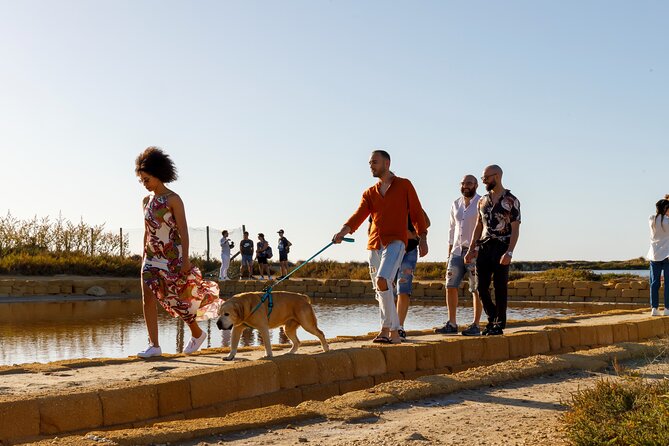
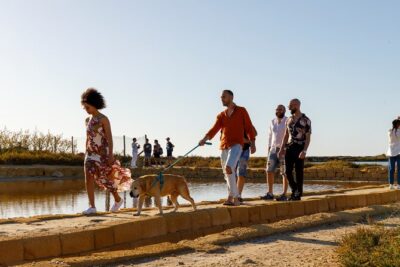
This tour starts where the salt happens. You’ll walk along the banks of the tanks at Saline Culcasi di Nubia, watching seawater evaporate slowly while the environment does its job. The experience is calm in a way that surprises you at first: you’re not touring a museum hallway. You’re walking beside a process that still runs today.
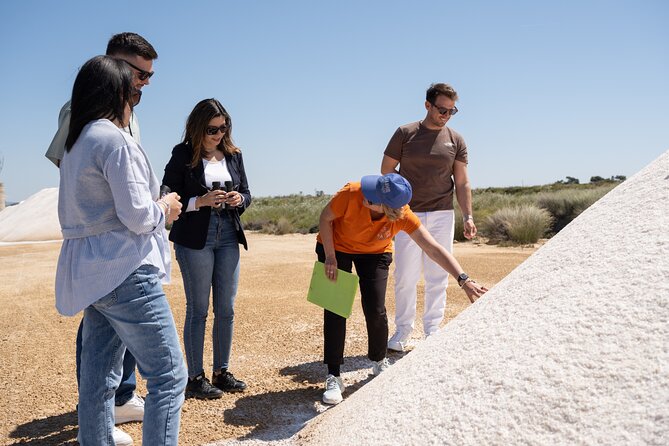
You also get the visual logic of salting right away. As you move along the tanks, you see the contrast between white salt and the surrounding tones of sky and water. That contrast matters because it helps you understand what the guide is explaining. Instead of memorizing stages, you can point at them: where water is lingering, where crust begins to form, and where harvesting comes into play.
This first section is also where the tour earns its name “full immersion.” You’re not just looking. You’re being guided through the salt cycle from evaporation to manual harvesting, using the kind of traditional method passed down for generations. If you’ve ever wondered how a pantry staple gets from the sea to your table, this is the moment it clicks.
Practical note: the pace here is steady, but the salt pans are active in their own rhythm. If you’re sensitive to heat or standing outdoors for a while, plan accordingly—this is Sicily, and the sun won’t take requests.
Museo del Sale: Trapani Salt from Phoenicians to Today
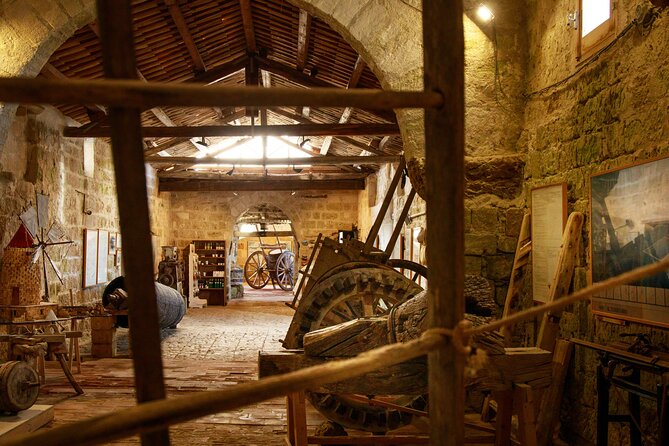
Next comes the Museo del Sale, and it changes the pace in a good way. For about 20 minutes, you move indoors and shift from observing the present to understanding the past.
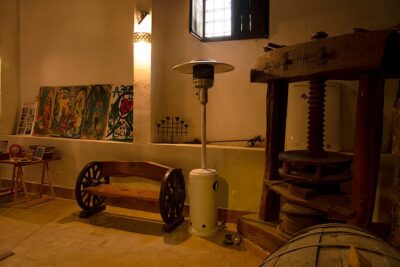
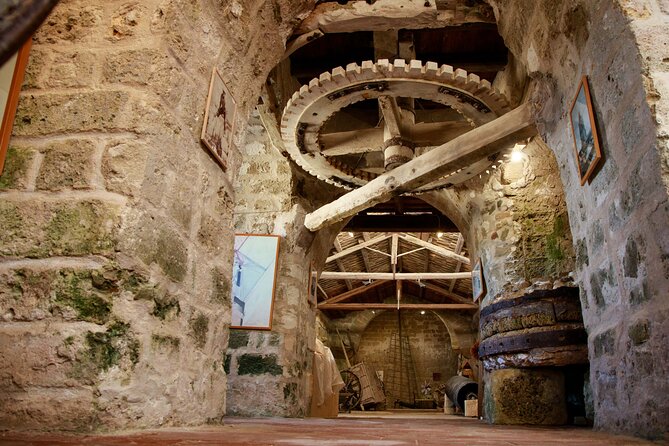
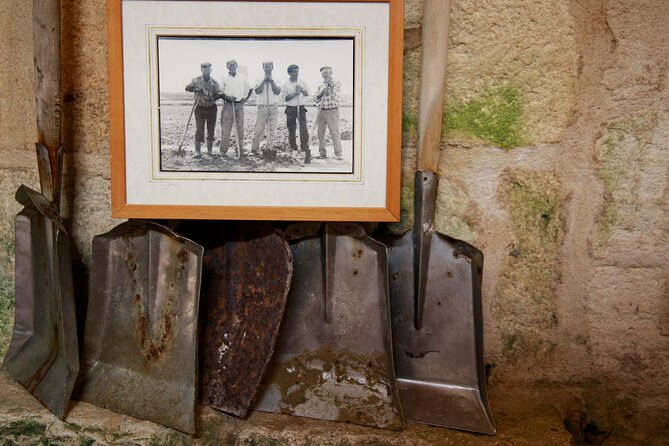
Inside, you’ll see a historical collection of tools, vintage photographs, documents, and maps showing how salt activity in Trapani evolved over time—from early origins through to modern practice. What I appreciate here is that it doesn’t treat salt as a simple commodity. The guide frames it as a resource with real leverage: something used for trade, bargaining, and strategy across the Mediterranean.
This stop is also where the guide usually connects the dots in a way that’s easier to remember later. When you walk back outdoors for the hands-on section, you’ll already know what you’re looking at: not just salt tanks, but an entire system of work, economy, and community life.
There’s also attention to ecological and social importance—how these salt pans shape the territory and why they matter beyond production. That lens makes the whole visit feel grounded, not just scenic.
If you’re the type who likes your tours to have context, this museum stop is the glue.
Be a Saltpanner for a Day: Breaking Crust and Raking Salt
Then the tour hands you the work.
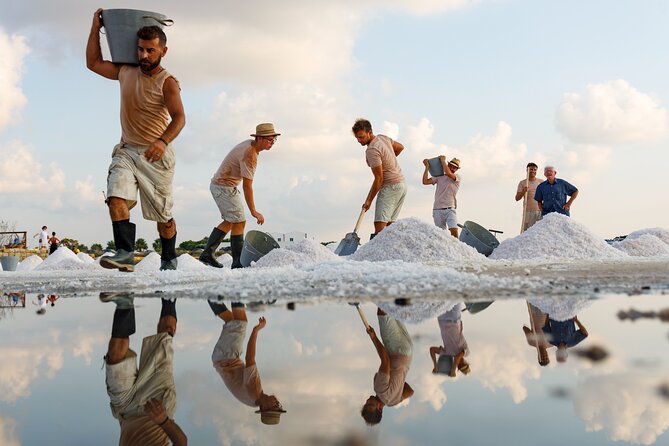
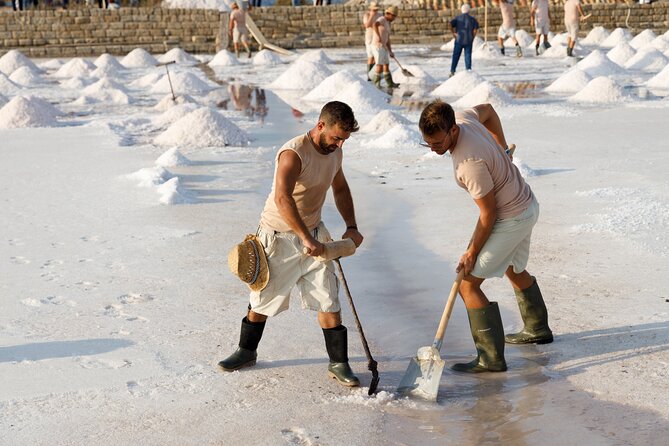
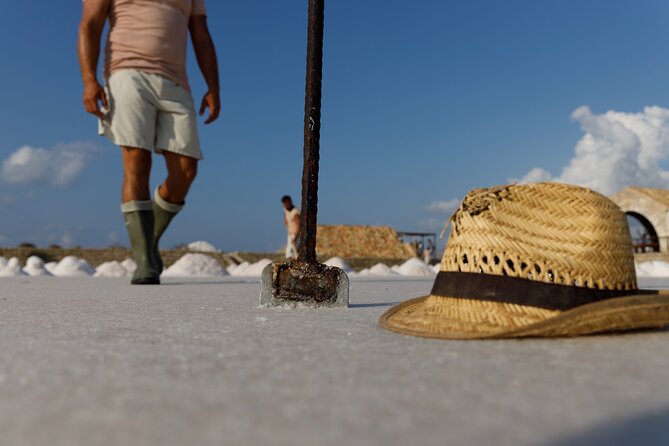
Back outside, you’ll get into the saltpanner experience. The tour provides the typical clothing of a saltpanner, including boots and traditional tools. That’s a smart choice: it keeps the experience practical and helps you actually do the tasks instead of only watching.
You’ll work directly inside the operational salt pans, in a delimited and safe area. The tour isn’t asking you to wander wherever you want. It’s structured so you can focus on the movements and the method.
What you do is the heart of the immersion:
- You learn how to break the salt crust
- You rake it using traditional wooden rakes
- You transport and collect salt according to the manual technique
And yes, you get to physically understand effort. This isn’t about heavy labor for show; it’s about the careful work required to move salt without turning it into a mess. You’ll even hear the term werewharves, the small heaps you collect, which gives you a tangible way to picture how harvesting happens.
The guide also ties the work to the environment. Light, heat, wind, and water aren’t just background details here—they’re explained as active factors in the process. That’s important because salt production isn’t a factory line. It depends on natural conditions, and the guide helps you see how weather changes what you’re observing.
I also like that the tour stays realistic about time. You’re not pretending you can fully learn the job in one session. You’re learning the basics well enough to respect the process.
If you’re lucky, you might meet guides like Sara, who led a salt pan tour in English-speaking settings and brought both professionalism and a sense of wonder to the experience. Another guide mentioned in reviews, Irene, focused heavily on the family side and how the salt pans connect to generations of work. Even if the names differ, the approach stays similar: clear instruction, real engagement.
Saltflower Tasting: Finishing with a Flavor You Can Remember
The tour ends with a tasting of saltflower. This is locally produced and flavored, and it’s offered at the end of the visit.
I like this finish because it turns the whole experience into something you can take home emotionally, not just visually. Saltflower tasting is a small moment, but it ties the sensory work you did with a direct payoff. You stop thinking of salt as a generic white shaker item and start thinking of it as something with a place, a method, and even personality depending on how it’s made.
If you enjoy food tours or you cook at home, this is the part that makes the visit feel complete. Even if you don’t buy anything, you’ll leave with a better idea of what local production can taste like.
A few we would gladly point a friend toward in Sicily


Price and Value: Is $32.39 Worth It?
At $32.39 per person, this is one of those tours that feels like good value if you’re the right match.
Here’s why the price makes sense:
- You get a guided, structured experience across multiple parts (salt tanks, museum, and hands-on work)
- Admission ticket components are included for the stop elements
- The salt pans portion isn’t passive. You do real tasks with traditional tools
- You also get English guidance and a tasting at the end
For comparison, many tours in Sicily either focus on scenery or history. This one connects both to a working craft, so you’re paying for more than information—you’re paying for a lived process.
This is also where the maximum group size matters. The tour caps at 100 people, which helps keep the guiding workable and the experience less chaotic than the big-bus style tours.
If you’re hoping for a quick photo stop, this may feel like more time than you planned. If you want a hands-on education with a real ending, it’s a fair deal.
Timing, Meeting Point, and How to Avoid Getting Stuck
The tour runs about 1 hour 45 minutes. The structure is roughly:
- 50 minutes at Saline Culcasi for the tank walk and salt cycle explanations
- 20 minutes at the Museo del Sale for the historical guided segment
- 30 minutes back in the pans for the saltpanner experience
You’ll return to the meeting point at the end.
The meeting point is Saline Culcasi di Nubia, Via Chiusa, 91027 Paceco TP, Italy. That’s worth saving to your phone before you go.
And here’s the practical advice I’d give: don’t trust only one navigation source on the first try. One review described a situation where the map sent them to a different nearby landmark, which caused a time squeeze. If you’re arriving by bike or you’re cutting it close, double-check your final pin against the tour site guidance or have a phone number ready to call.
Parking was described as easy by at least one person, so if you’re driving, you may have an easier start than you think.
Also, bring patience for outdoor timing. Light and wind are part of the teaching, and those things don’t care about your schedule.
Who Should Book This Salt-Pans Tour (and Who Might Skip It)
Book it if you want:
- A guided look at salt production in Sicily that you can understand without a science degree
- Hands-on work in a real operational space, not just a staged demo
- A history stop that treats salt as an economic and strategic resource
Consider skipping if you:
- Want an urban sightseeing loop with lots of cafes nearby
- Don’t like outdoor activity, even if it’s in a safe, delimited area
- Are expecting a long shopping market experience (this is first and foremost salt-focused)
Good fit for families, couples, and solo travelers who like learning through doing. One of the nice bits in the provided info is that most people can participate, and service animals are allowed.
Should You Book Saline Culcasi Full Immersion?
I think you should book it if salt pans are even a little interesting to you, because you’re getting three layers in one visit: tanks, museum context, and manual harvesting basics. The $32.39 price feels justified by the hands-on component and the included guide time, plus the saltflower tasting that gives the visit a clean finish.
If you’re only after quick views or you hate any chance of getting your bearings wrong, I’d treat this as a plan-with-care tour. Save the meeting point, confirm directions, and you’ll be rewarded with a genuinely different kind of Sicily experience—one that turns an everyday ingredient into something you can picture and respect.
FAQ
How long is Saline Culcasi Full Immersion?
It lasts about 1 hour 45 minutes.
Where is the meeting point, and will the tour end there too?
You meet at Saline Culcasi di Nubia, Via Chiusa, 91027 Paceco TP, Italy, and the activity ends back at the meeting point.
What does the tour cost?
The price is $32.39 per person.
Is admission included?
Yes. Admission tickets are included for the salt pans portion and the museum stop.
Is the tour offered in English?
Yes, it is offered in English.
Does the experience include tasting?
Yes. You’ll have the chance to taste saltflower at the end of the tour.
What group size should I expect?
The maximum group size is 100 travelers.
Can I cancel for a full refund?
Yes. You can cancel up to 24 hours in advance for a full refund.
FAQ
Is this tour suitable for most people, and can service animals come?
The provided info says most people can participate, and service animals are allowed.
More Museums in Sicily


More Tour Reviews in Sicily






More Around Trapani and the Salt Pans




Just added: the newest Sicily tours in our notebook
- Etna / Taormina★ 5.0 · 3 reviews
- Bikes★ 5.0 · 3 reviews
- Taormina shore tour – for small group cruise passengers★ 5.0 · 3 reviews
- Vegan Cooking Class in Catania with Lunch and Dinner★ 5.0 · 3 reviews
- Make & Taste Sicilian Desserts in Palermo – Learn Cannoli & More★ 5.0 · 3 reviews
- Sicilian Villages & Ricotta Tasting – including Lunch from Cefalu★ 4.0 · 3 reviews
Trapani & Salt Pans, compared.
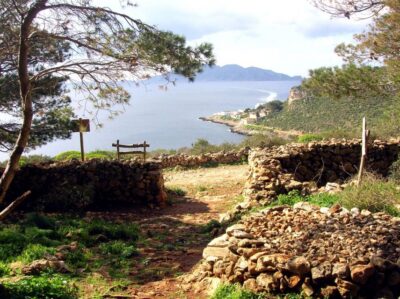 ★ 4.2From Trapani: Cruise to Favignana and Levanzo with lunchFrom $532,286 reviews
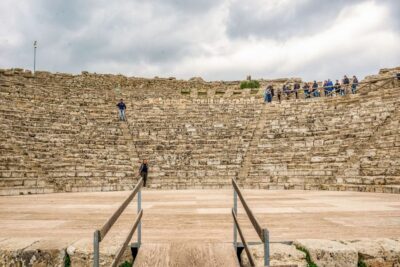 ★ 4.2Segesta, Erice and Salt Pans Full-Day Excursion from PalermoFrom $821,791 reviews
 ★ 4.3From Trapani: Day Cruise to Favignana & Levanzo with LunchFrom $461,483 reviews
 ★ 5.0Boat Tour Egadi Day discover Favignana and Levanzo from TrapaniFrom $1391,183 reviews
 ★ 4.2From Trapani: Favignana and Levanzo Mini Cruise with LunchFrom $47814 reviews
 ★ 5.0Favignana and Levanzo, Egadi islands tour by boat from TrapaniFrom $114720 reviews
 ★ 5.0Boat tour to Egadi Favignana and Levanzo islands from TrapaniFrom $102614 reviews
 ★ 5.0Egadi Islands Tour: Favignana and Levanzo from TrapaniFrom $114607 reviews
Browse the lists this tour appears in