
Reviewed · NOTO & BAROQUE TOWNS
Ragusa: Private Cooking Class at a Local’s Home
Sicily tastes better in someone’s kitchen. This private cooking class in Ragusa takes you into a local family home with a certified home cook, where you’ll learn three regional recipes and eat what you make, with wine included.
What I like most is the human side: you’re taught by Salvina and Angelo in their home, and the whole experience feels personal, not staged. Second, the format is practical—you get the workstation, ingredients, and utensils, then you cook starter, pasta, and dessert, and you taste everything you prepare.
One consideration: the address is shared only after booking for privacy, so you should plan to arrive with a little buffer time for finding the home and meeting your host.
In This Review
- Key Highlights You’ll Actually Care About
- Cooking in Ragusa Means Real Kitchen Rhythms, Not Demo Theater
- Your Arrival: Meeting a Local Cook, Inside a Real Home
- The Menu: Starter, Pasta, Dessert (and Why This Order Helps You Learn)
- Starter: Getting the Foundation Right
- Pasta: Technique You’ll Want to Reuse at Home
- Dessert: A Sweet Finish With Local Logic
- The Tasting Table: Wine, Water, Coffee, and Eating What You Made
- Pricing: Is $164.26 Per Person Good Value?
- What You Learn You’ll Actually Use Later
- Comfort, Kids, and Group Size: Who This Fits Best
- Timing Tips: How to Slot 3 Hours Without Stress
- Should You Book This Ragusa Cooking Class?
- FAQ
- Where does the cooking class take place?
- How long is the class?
- What time does it start?
- Is this a private experience?
- What languages are used during the class?
- What will we cook and eat?
- Can dietary needs be accommodated?
Key Highlights You’ll Actually Care About
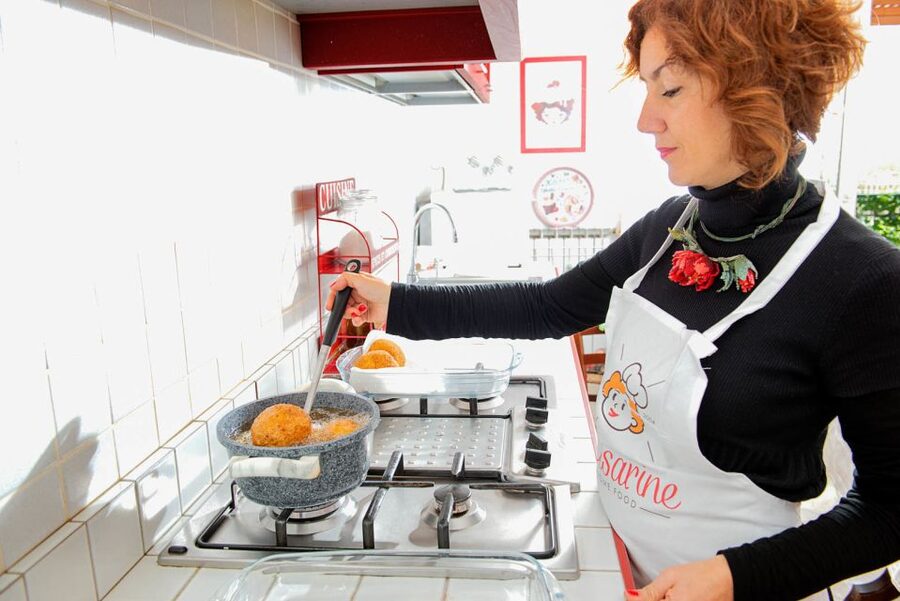
- A private class in a local family home instead of a crowded studio
- Three-course cooking: starter, pasta, and dessert, all made by you
- Wine included with your meal, plus coffee and water
- English and Italian instruction from the host (so you won’t feel lost)
- Dietary needs can be accommodated if you request them ahead
- Kid-friendly warmth reported by families, with a welcoming atmosphere
More of the baroque south-east
- 3-hour walking tour Discovering Ragusa Baroque
★ 5.0 · 51 reviews - Ragusa: Private Cooking Class at a Local’s Home
★ 4.9 · 13 reviews - Ragusa: Dining Experience at a Local’s Home
★ 4.9 · 12 reviews - Olive Oil Tasting & Historic Olive Mill Tour in Ragusa area
★ 5.0 · 9 reviews
Cooking in Ragusa Means Real Kitchen Rhythms, Not Demo Theater
This isn’t a quick show-and-tell. You arrive at a local family home and work at a real workstation stocked with what you need: utensils and ingredients for the full class. That matters because cooking lessons can fall into two traps. Either they’re too theoretical, or they leave you watching instead of doing. Here, you’re expected to cook, taste, and learn as you go.
Ragusa is a great base for this kind of experience because Sicilian food is deeply tied to everyday life: family methods, seasonal habits, and recipes that don’t need fancy explanations. When you cook in a home, you pick up the small things that don’t fit neatly on a menu—timing, feel, and how people adjust as they cook.
You’ll be in a private group, so you’re not competing with other schedules and skill levels. And since the instructor can speak both English and Italian, you can ask questions without worrying you’ll slow the whole class down.
Your Arrival: Meeting a Local Cook, Inside a Real Home
For privacy reasons, you receive the full address after booking. That’s normal for home-based experiences, and it keeps the host’s household protected. Just be ready for the practical side: plan to arrive a few minutes early, and treat the meeting instructions like part of the experience, not something to rush.
You’ll meet your local expert cook and settle in. The lesson starts with the setup and the plan for the three recipes. Expect the tone to be friendly and instructive. The warmth is a major part of why people rate this so highly—there are repeat themes of being treated like family and welcomed into the home.
Also, note the time windows. The class usually begins at 10 AM or 5 PM, but it can be flexible based on travel requirements. If your day is tight, this flexibility can help you fit the class in without turning the schedule into a stress test.
The Menu: Starter, Pasta, Dessert (and Why This Order Helps You Learn)
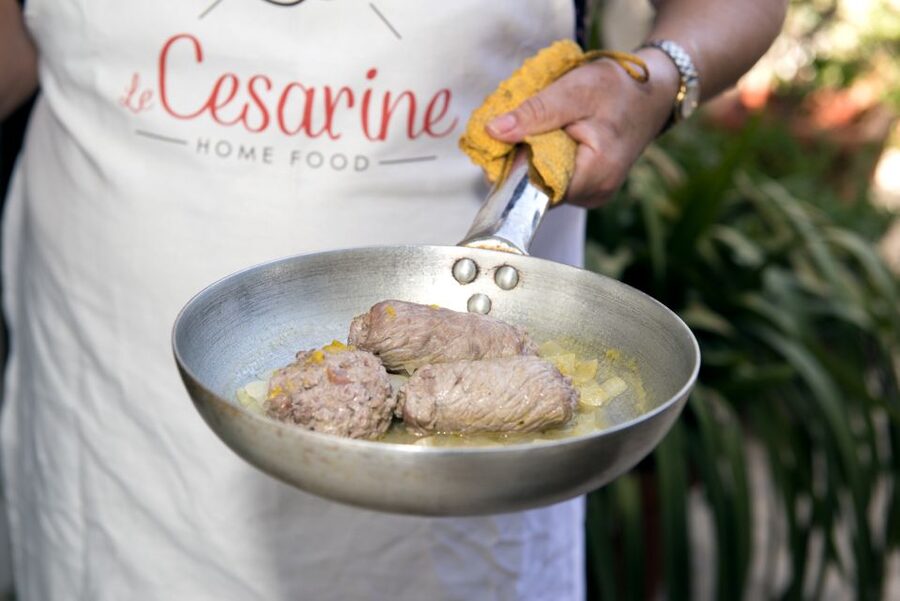
The class is built around three authentic local recipes: a delicious starter, pasta, and dessert. You’ll cook at your own workstation, using the provided ingredients and tools. Each course teaches a different kind of skill, which is why this structure works so well.
Starter: Getting the Foundation Right
You start with the starter. Even if you’re not an experienced cook, this part is a confidence-builder. Starters usually involve flavor-building steps—basic technique, seasoning, and learning how the ingredients behave in Sicilian cooking. It sets the tone for the rest of the meal and helps you understand the host’s preferences: what they consider essential, and what they treat as optional.
One practical win: starting with something lighter means you can learn the process without feeling overwhelmed right away. Then you build your competence as the class moves into the pasta.
Hands in the flour, Ragusa style
Pasta: Technique You’ll Want to Reuse at Home
Then you’ll move to pasta. Pasta is where many classes either keep you passive or make you rush. Here, because it’s private and you have your own workstation, you can focus on the steps rather than just timing your movements between demonstrations.
Pasta in Sicily is about more than ingredients. It’s about texture, balance, and the rhythm of cooking. You’ll learn the host’s tricks of the trade for that regional style, including how to manage flavor and how to treat sauce and pasta as one unit.
Even if you’ve made pasta before, a home cook’s method is the shortcut. You’re not just collecting instructions; you’re learning how someone thinks while cooking.
Dessert: A Sweet Finish With Local Logic
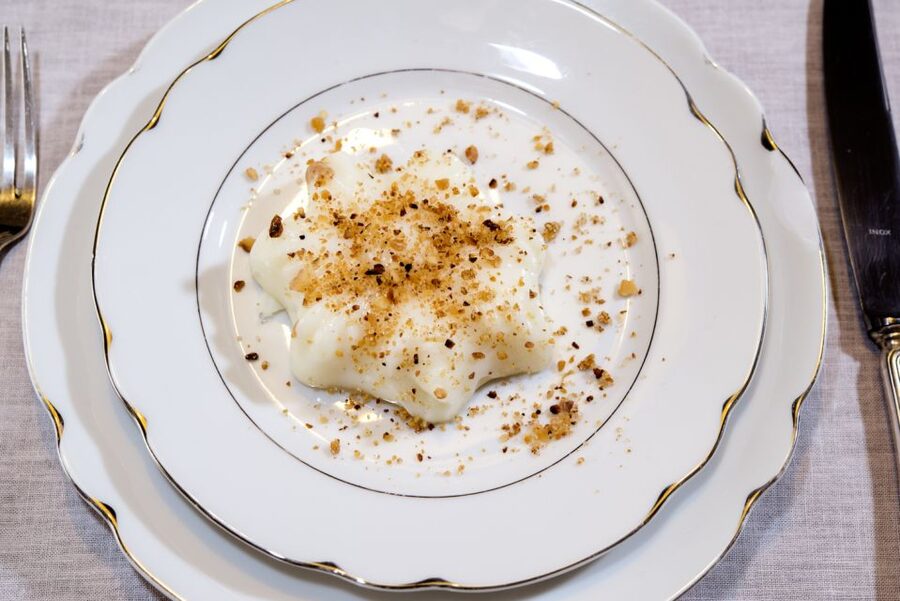
Dessert rounds it out. This is the moment when the class turns into a real meal, because you’re not only practicing technique—you’re anticipating the taste. Dessert also gives you a different set of skills: managing sweetness, texture, and the finishing touches that make it feel like something you’d serve at home.
The nice part of the three-course flow is that you leave knowing the full range of Sicilian comfort food: savory starter energy, pasta satisfaction, and a dessert that fits the regional style.
The Tasting Table: Wine, Water, Coffee, and Eating What You Made
When everything is ready, you sit down and taste everything you prepared. That’s not a small detail. Many cooking classes make you cook, then feed you something else. Here, you get the full payoff: your work turns into your meal.
Beverages are included: local wines, plus water and coffee. And the wine matters in a practical way. It’s part of the rhythm of eating and helps you enjoy the meal as a whole, not as a checklist of dishes.
This is also the part where the class becomes memorable beyond recipes. Reviews repeatedly mention the heartfelt, family-table feeling—like you’re invited to dinner rather than attending an activity that ends the second the plates are cleared.
If you enjoy food culture, this is where you learn it at the table: how locals eat together, what they pair, and how the meal should feel when it’s not rushed.
Pricing: Is $164.26 Per Person Good Value?
At $164.26 per person for about 3 hours, this pricing sits in the mid-to-upper range of cooking experiences. The real question is what you get for that cost.
Here’s the value math that makes sense:
- You’re paying for private instruction in a local home, not shared group time.
- You cook three dishes (starter, pasta, dessert), and you eat what you make.
- Wine, water, and coffee are included, so you aren’t budgeting extra for drinks.
- A bilingual host (English/Italian) helps you learn without a language barrier.
If you compare this to a public cooking class, the main difference is control and comfort. Public classes can be cheaper, but you often spend part of your time waiting your turn or watching someone else do the detailed steps. A private home format gives you more hands-on time and more personal teaching.
So yes, it’s not bargain pricing. But you’re buying an experience that combines instruction, dinner, and local connection in one.
What You Learn You’ll Actually Use Later
Cooking classes often fail when they give you a list of recipes but not the method behind them. This one is strong because it teaches the “how,” through a home cook’s approach.
You’ll come away with:
- a feel for regional technique (not just ingredients)
- a better understanding of how to build flavor in Sicilian dishes
- recipes you can repeat, because you made them in sequence and learned what to watch for
And the home setting adds another layer. Reviews mention a “back to roots” feeling for some diners, including someone who learned dishes their mother used to make. That’s the kind of emotional value you can’t replicate in a restaurant kitchen.
Comfort, Kids, and Group Size: Who This Fits Best
This class is a private group, which means the pace can feel human. Reviews also mention families going with kids, and that the hosts were welcoming in a way that helped little ones feel included.
This experience tends to suit:
- couples who want a memorable dinner with hands-on learning
- food lovers who want more than a meal and want technique
- visitors who prefer local homes over touristy venues
- families who want a warm, structured activity that doesn’t feel cold or impersonal
If you’re a total beginner, you’ll likely do fine because the class is built around guided cooking. If you’re more confident, you’ll still benefit from the host’s tricks and the chance to improve your regional method.
Timing Tips: How to Slot 3 Hours Without Stress
Because the class runs about 3 hours, timing is a big part of enjoying it. You usually see start times around 10 AM or 5 PM, which are ideal anchors. A mid-morning class can work well if you want a long lunch instead of a dinner plan. A late afternoon start sets you up for a calm evening meal without hunting for food afterward.
Since the address is provided after booking, I suggest you:
- avoid stacking tight bookings immediately before the class
- give yourself time to walk in, settle, and get oriented
You’ll finish back at the meeting point, so you can plan your next stop with a clear end time.
Should You Book This Ragusa Cooking Class?
If you want an authentic Ragusa food experience with real teaching and a warm table vibe, this is an easy yes. The big selling points are three-course cooking, wine included, and learning directly from Salvina and Angelo in their home. For the price, you’re not just paying for recipes—you’re paying for private instruction and a full meal you helped create.
Skip it only if you strongly prefer impersonal, studio-style classes, or if you need very strict timing without any flexibility. Otherwise, book it and treat it like dinner with a lesson built in.
FAQ
Where does the cooking class take place?
It’s held in a local family home in Ragusa. For privacy, the full address is shared after booking, and the class ends back at the meeting point.
How long is the class?
The duration is about 3 hours.
What time does it start?
The class usually begins at 10 AM or 5 PM, and it can be flexible based on travel requirements.
Is this a private experience?
Yes. It’s a private group experience.
What languages are used during the class?
The instructor offers English and Italian.
What will we cook and eat?
You’ll make three local dishes: a starter, pasta, and dessert. After cooking, you taste everything you prepared.
Can dietary needs be accommodated?
Dietary requirements such as vegetarian, vegan, or gluten-free can be catered to upon request.
More Tour Reviews in Ragusa

More Cooking Classes to Book
More Baroque Towns to Reach
Just added: the newest Ragusa tours in our notebook
- Tour in the heady scents of our garden in Ragusa★ 5.0 · 4 reviews
- Sicily wine food tours from Ragusa★ 5.0 · 4 reviews
- Ragusa: Traditional Sicilian Cooking Class★ 4.4 · 5 reviews
- Ragusa Countryside Home Cooking Class & Meal★ 4.8 · 6 reviews
- Radici: IImmerse yourself in the heady scents of our garden★ 4.7 · 7 reviews
- Ragusa Ibla: Walking Tour with Local Guide★ 4.4 · 8 reviews
Noto & Baroque Towns, compared.
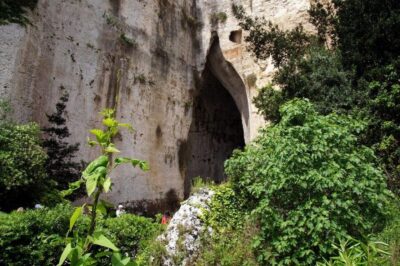 ★ 4.6Catania: Syracuse, Ortigia, and Noto Tour with BrunchFrom $112404 reviews
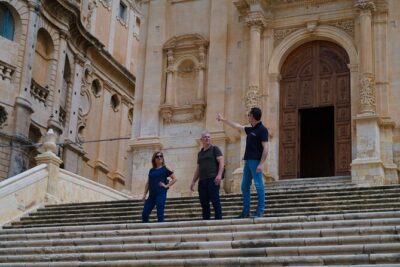 ★ 5.0Syracuse, Ortigia and Noto walking tour from CataniaFrom $129273 reviews
 ★ 4.7From Catania: Neapolis of Syracuse, Ortygia, and Noto TourFrom $130234 reviews
 ★ 4.4From Catania: Syracuse and Noto Culture and History TourFrom $80232 reviews
 ★ 3.9From Catania: Syracuse, Ortygia, and Noto Tour140 reviews
 ★ 4.7From Catania: Syracuse, Ortigia and Noto Full-Day TourFrom $113133 reviews
 ★ 4.8Noto, Modica and Ragusa: The Baroque Tour from CataniaFrom $124133 reviews
 ★ 4.4Catania: Noto, Modica and Ragusa Ibla Baroque TourFrom $101106 reviews
Browse the lists this tour appears in