
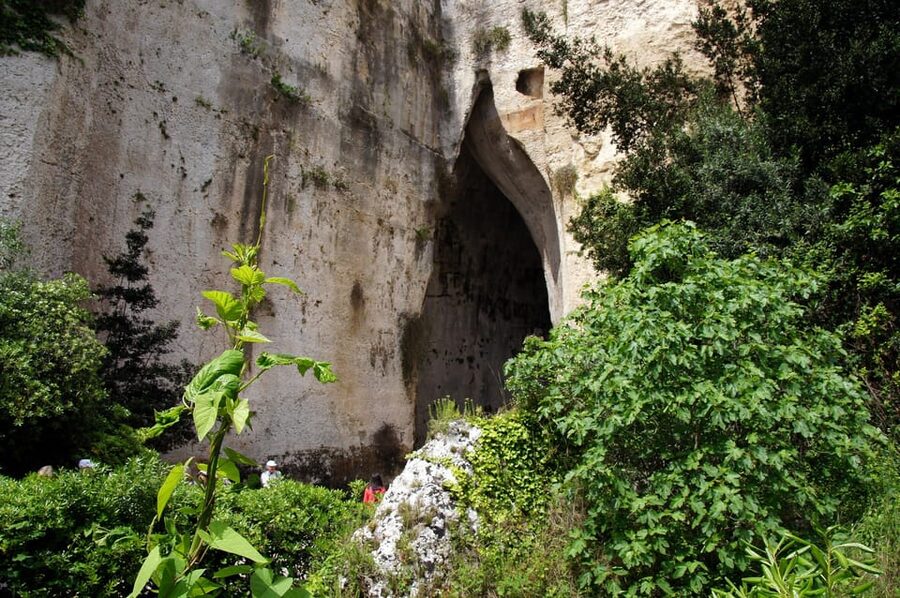
Reviewed · CATANIA TOURS
From Catania: Syracuse, Ortygia, and Noto Tour
Three Sicilian stops, one full day. This tour strings together Greek and Roman ruins, Ortygia’s myth-filled streets, and UNESCO Noto’s baroque townsquare energy without asking you to drive. If you like variety in one day, it’s a strong fit.
Two things I really like about this experience are the way it uses the Neapolis Archaeological Park setting to make history feel physical, and how Ortygia is a perfect walk, where you can follow key sights at your own pace. Add in the air-conditioned van between cities, and the day feels less exhausting than doing it solo.
One possible drawback to weigh: this is mostly a driver + audio approach, not a full-on live guide experience, and your time at Neapolis can feel tight if you arrive near closing. Also, the driver’s language support may be limited depending on the person in charge (one name you might encounter is Salvatori, and in at least one case he was described as not speaking English or Spanish).
In This Review
- Key moments to notice before you go
- Catania to Syracuse in an air-conditioned van: what the day feels like
- Neapolis Archaeological Park: Greek theater, Roman amphitheater, and ticket reality
- Ortygia’s fortified island: Arethusa, Piazza Duomo, and baroque streets in motion
- Noto’s Sicilian Baroque: how to see the style fast
- Audio guide vs. live guiding: how to avoid disappointment
- Transfers, walking, and pacing: the real “tour logistics” of a 9-hour day
- What to bring for Syracuse and Noto (and what not to)
- Wheelchair notes: how to think about mobility needs on this itinerary
- Who should book this tour, and who should pass
- Should you book From Catania: Syracuse, Ortygia, and Noto Tour?
- FAQ
- Where do I meet for the tour?
- How long is the tour?
- Is an audio guide included, and what languages are available?
- Do I need tickets for Neapolis Archaeological Park?
- What should I bring with me?
- Is alcohol allowed during the tour?
- Is the tour wheelchair accessible?
Key moments to notice before you go
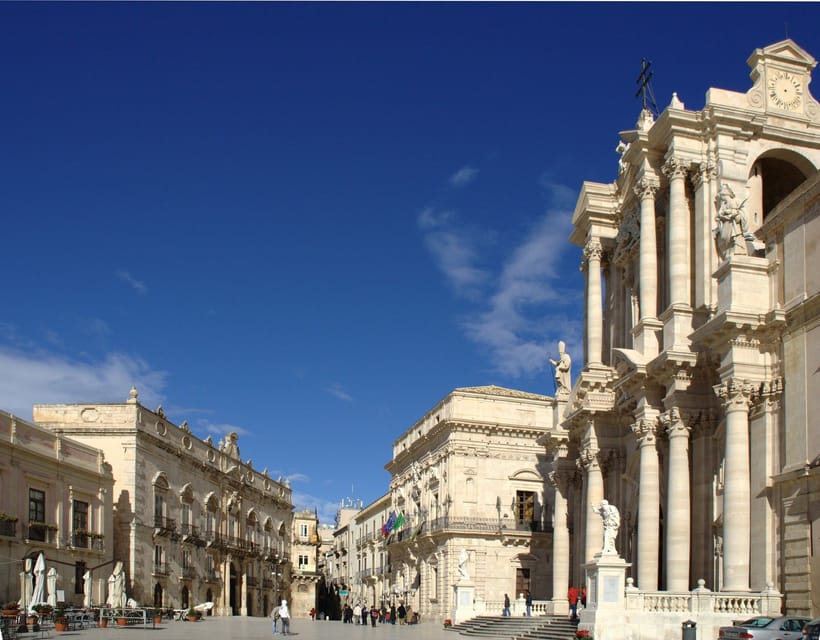
- Neapolis Archaeological Park: Greek theater, Roman amphitheater, and stone quarries, all ticketed
- Ortygia: fortified island vibe with the Fountain of Arethusa and a big focus on baroque churches
- Noto: UNESCO town centered on Sicilian baroque, with stops like the Fountain of Hercules and major palaces
- Audio guide included: multiple languages (including English, French, German, Spanish, Russian, and Italian)
- Timing matters: park hours can affect how much you actually see at Neapolis
- Comfort vs. pace: a 9-hour day with transfers, walking, and short sightseeing windows
What else Catania has going on
- Catania: Mount Etna Morning or Sunset Day Trip with Tasting
★ 4.8 · 4,028 reviews - Catania: Sunset Jeep Tour of Mount Etna and Lava Flow Caves
★ 4.8 · 2,113 reviews - Catania: Etna Sunset Tour with Pickup and Drop-off
★ 4.8 · 1,348 reviews - Etna Sunset Tour: Volcano trek, Cave & tasting from Catania
★ 4.8 · 1,290 reviews
Catania to Syracuse in an air-conditioned van: what the day feels like
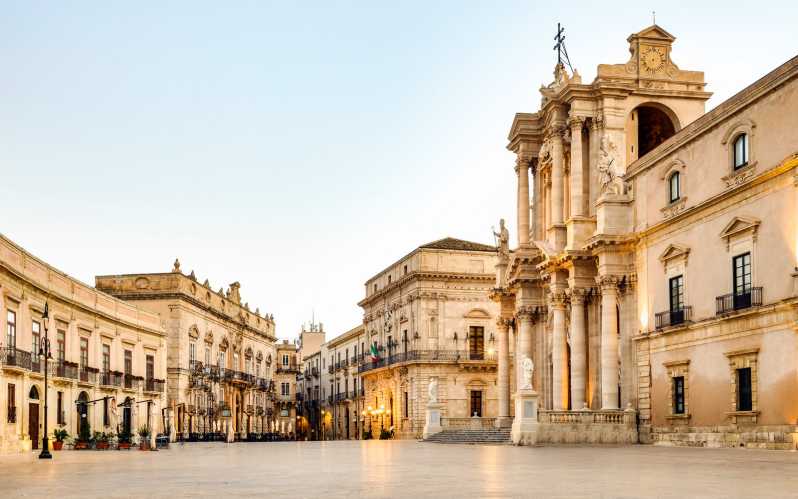
Your day starts at Duomo square in central Catania, where you meet the driver and head to Syracuse. Then it’s on to the first major site: Neapolis Archaeological Park in Syracuse. The ride is in an air-conditioned van, which matters in summer heat and also helps when you’re doing a long day of stepping in and out of buses, ticket checks, and sun.
Expect a schedule that moves you between three destinations: Syracuse (Neapolis), Syracuse’s Ortygia, and then Noto. The tour runs about 9 hours, so you’ll want to plan for a steady rhythm: transfer, sightseeing window, transfer, sightseeing window, and return to Catania.
For many people, the value here is the convenience. You’re not figuring out routes, parking, or timing between places that are far enough apart to punish DIY planning. The tradeoff is that you’re tied to the tour’s pace, so a little flexibility in your expectations goes a long way.
Neapolis Archaeological Park: Greek theater, Roman amphitheater, and ticket reality
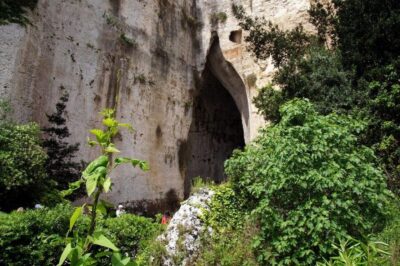
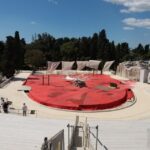
At Neapolis, you’re stepping into a landscape built for big crowds and serious spectacle. This park includes major landmarks like the Greek theater, the Roman Amphitheater, and the stone quarries. Even if you don’t consider yourself a ruins person, the physical scale helps you understand why Syracuse mattered across different eras.
A key practical point: you’ll need to purchase park tickets. Since this is a structured day, that means the moment you arrive matters. If the park’s hours are nearing the end, you may not have enough time to see the theater, amphitheater, and quarry areas the way you’d ideally want to.
Here’s how to make the most of a limited window:
- Wear comfortable shoes that handle uneven stone and long walking.
- Bring water so you’re not forced to sprint between viewpoints.
- Use your audio guide while you’re walking, not after. The explanations land better when you can look at what you’re hearing about.
If you’re the type who likes to linger for photos and study details, you’ll want to go into Neapolis with a plan: pick a few must-see angles (the theater view, the amphitheater area, and then move on) instead of trying to cover everything equally.
Ortygia’s fortified island: Arethusa, Piazza Duomo, and baroque streets in motion
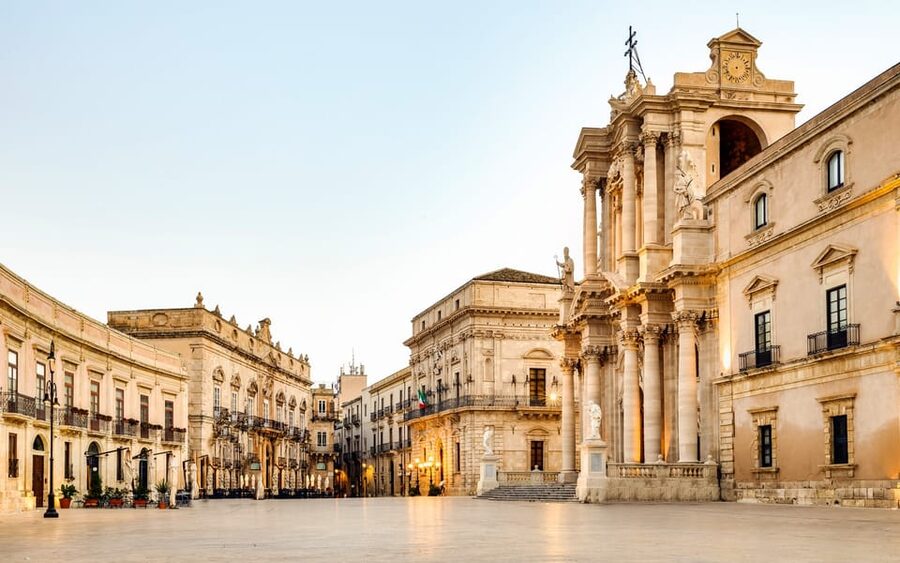
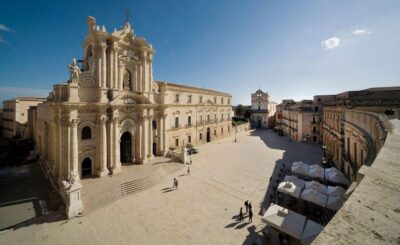
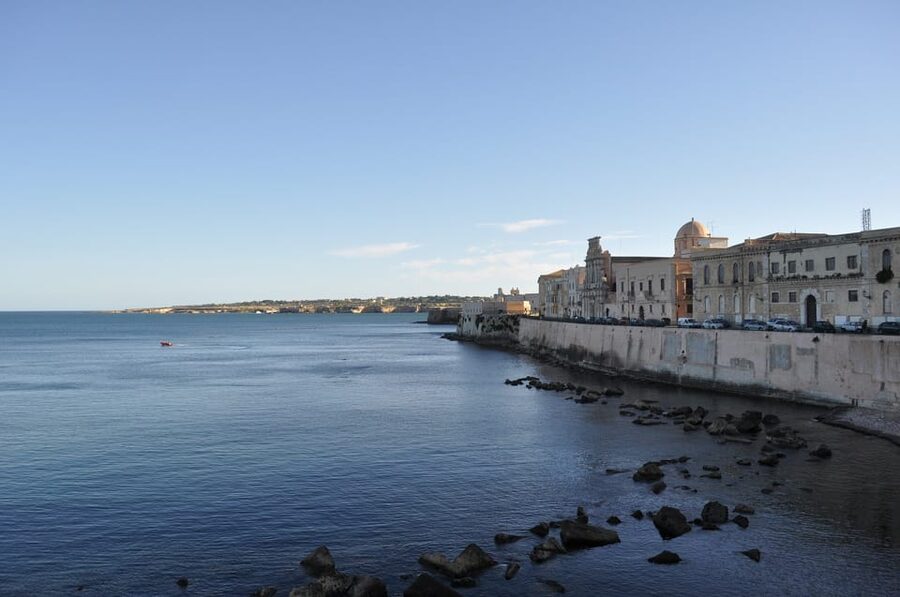
After Neapolis, the tour shifts you from wide archaeological grounds to the ancient fortified island of Ortygia. This is where the day starts to feel more like wandering. Ortygia is connected to the myth of Syracuse, and you’ll get a chance to explore streets where stories and architecture overlap.
Some of the anchor sights include:
- The Fountain of Arethusa
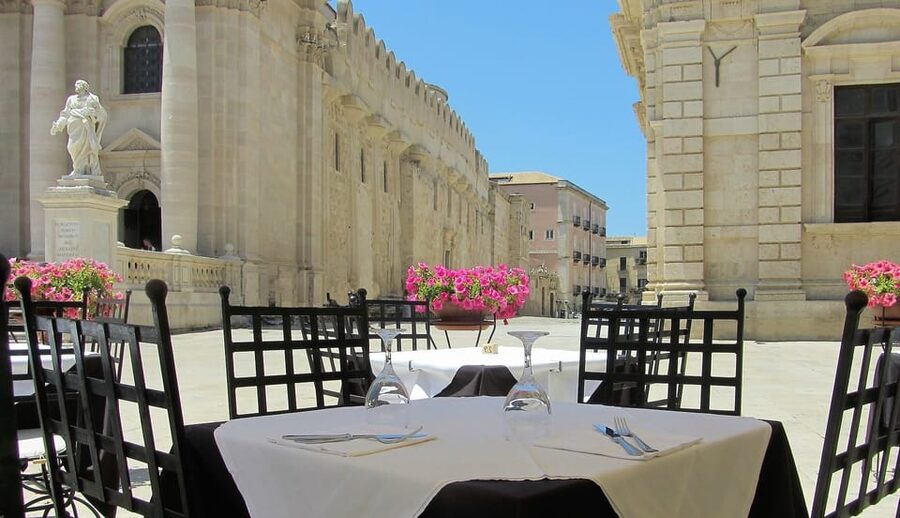
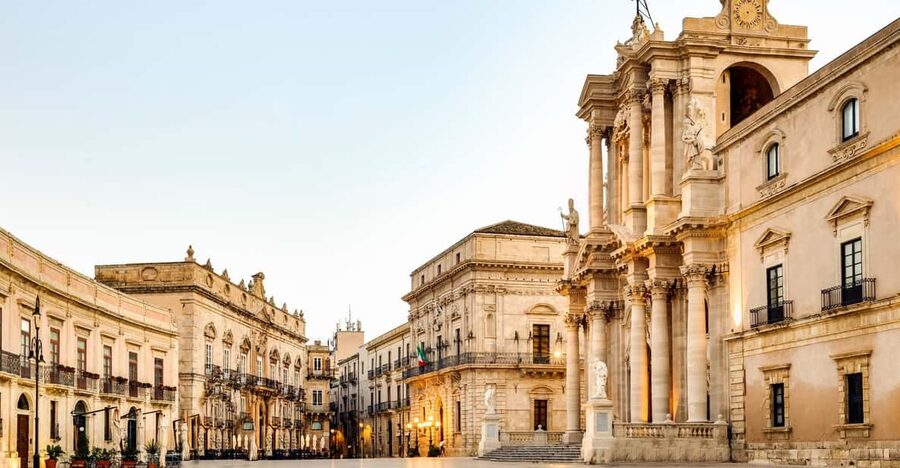
- Piazza Duomo
- Fortress walls
- Baroque churches and palaces
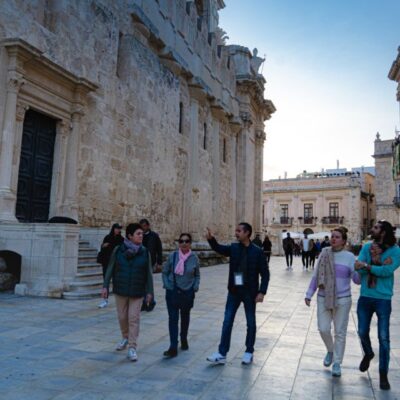
This section works well because it gives you walking time rather than asking you to stand and listen the whole way. The audio guide helps you keep context as you move from one landmark to the next, especially around the myths tied to Arethusa. If you’re curious about why people kept rebuilding here, the combination of old walls and later religious architecture makes that layered history easy to sense.
A practical way to handle Ortygia:
- Start by orienting yourself around Piazza Duomo, since it gives you a reference point for the rest of the island walk.
- Then work outward toward the fortress-walls feel and the Arethusa area.
- Save extra time for the baroque churches and palaces only after you’ve gotten the big story beats in place.
Ortygia can also get busy in peak hours. Having a set stop list helps you avoid the classic problem of drifting too far and then racing back toward the meeting point.
Noto’s Sicilian Baroque: how to see the style fast
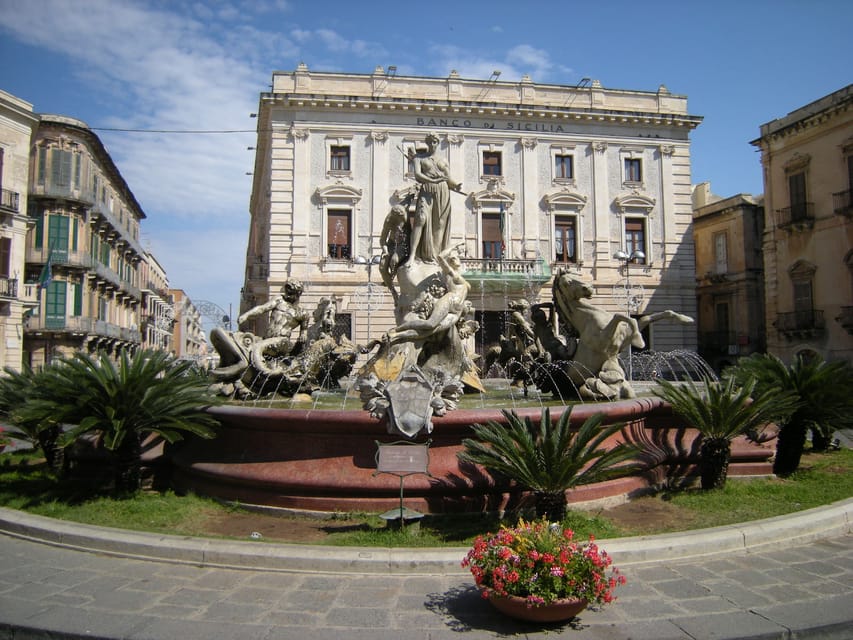
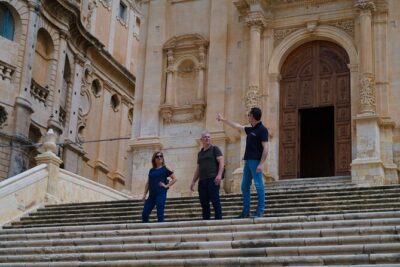
Finally, the tour heads to Noto, a UNESCO World Heritage town known for Sicilian Baroque architecture. If Neapolis is about ruins and Ortygia is about walking myths, Noto is about architectural drama, especially facades, columns, and ornate stonework that looks different as the light shifts.
You’ll have free time to see highlights such as:
- The Fountain of Hercules
- Palazzo Astuto
- Palazzo Trigona Cannicarao
When you only have a limited window, you want a quick method. Instead of trying to read every detail, look for patterns:
- Baroque usually means lots of visual movement. Think curved forms, sculpted surfaces, and theatrical facades.
- Compare buildings around the same stretch. You’ll start spotting consistent motifs even when individual palaces differ.
- Let the fountain act like your meeting point. It helps you break the town into smaller, easier loops.
Noto is also the kind of place where short stops are worthwhile because you’re surrounded by “surface detail” that rewards even a fast walk. If you like photography, plan to shoot more than you thought you would, but also give yourself time to just look without the camera.
Deeper into Ortigia and old Syracuse
Audio guide vs. live guiding: how to avoid disappointment
One of the most important things to understand before booking is the difference between an audio guide and a live guide. This tour includes an audio guide in multiple languages: English, French, German, Italian, Russian, Spanish. That’s a big plus because you can match the narration to your language and follow along at each stop.
But the driver role is different from a historian on the bus. The driver is listed as speaking English and Italian, and real-world experiences can vary depending on which driver you’re assigned. In at least one case, a named driver (Salvatori) was described as not speaking English or Spanish, and some people expected more live guidance than what they got.
So here’s my practical advice: go in expecting audio-led explanations, not a full conversational tour guide at every stop. If you want a fluent, interactive guide who answers questions on the spot, you may need a different style of tour.
If you’re comfortable with self-paced listening, though, the audio guide format is a solid way to get context without adding extra time for group talking.
Transfers, walking, and pacing: the real “tour logistics” of a 9-hour day
This is a day trip with multiple segments, so your experience will mostly come down to pace management. You’re moving from Catania to Syracuse, then to Ortygia, then onward to Noto, and finally back to the Catania meeting point.
That means two types of fatigue can hit:
- Transit fatigue: the mental grind of repeated board-and-exit cycles.
- Walking fatigue: uneven stone in ruins, city walking on Ortygia and Noto streets.
To keep the day enjoyable:
- Wear comfortable shoes you can wear for a long walk.
- Bring water, since you’re not guaranteed long sit-down breaks between sights.
- Consider bringing a packed lunch, because the tour list specifically recommends it.
Also note the rules on the vehicle: alcohol and drugs are not allowed, and alcoholic drinks in the vehicle are not allowed. This matters if you were planning to treat the ride like a casual hangout.
What to bring for Syracuse and Noto (and what not to)
The tour recommends bringing:
- Passport or ID card
- Comfortable shoes
- Credit card
- Water
- Comfortable clothes
- Packed lunch
- Cash
That mix tells you something practical: you may need to cover ticket needs on the day (at least for the park) and be ready for small purchases. Credit card helps for payments, while cash can be handy for quick stops.
On what not to do:
- No alcohol and drugs
- No alcoholic drinks in the vehicle
This is also the kind of tour where your comfort choices affect your enjoyment. If you show up in stiff shoes or skip water, Neapolis can feel longer than it should.
Wheelchair notes: how to think about mobility needs on this itinerary
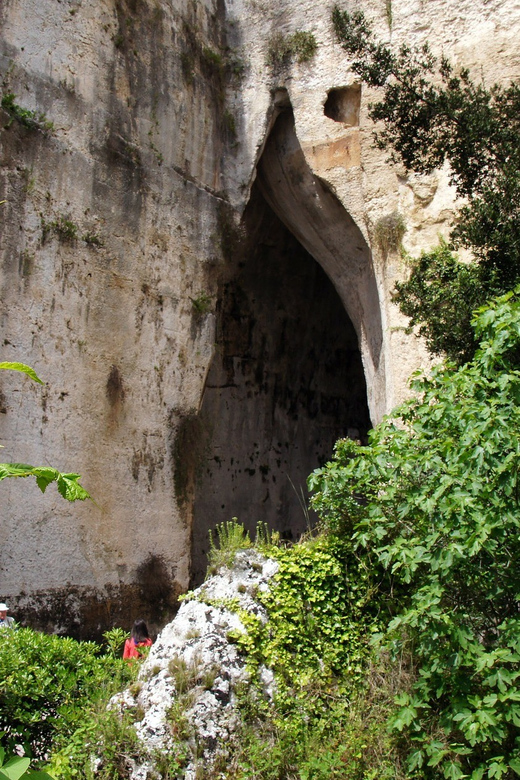
The information provided says the tour is wheelchair accessible, but it also states it is not suitable for people with mobility impairments. Those two statements point to a real-world gap: “wheelchair accessible” doesn’t always mean “easy for every mobility scenario,” especially when your route includes ruins and older city streets.
If you have mobility concerns, treat this as a must-check situation before booking. Ask questions about how much walking is involved at Neapolis and how the transfer points are handled in Syracuse and Noto. With a 9-hour day and multiple walking zones, the hard parts can be the ground surfaces, not the vehicle.
Who should book this tour, and who should pass
I’d lean toward booking if you want:
- A one-day way to hit three major Sicilian locations without arranging transport yourself
- A ruins + island streets + baroque town mix in the same day
- Context delivered through an audio guide in your language
- The comfort of an air-conditioned van for the longer stretches
I’d think twice if:
- You need a strict, slow itinerary with lots of time per site
- You strongly prefer a live, interactive guide who answers questions continuously
- You’re worried that time at Neapolis might feel rushed due to park closing or tight scheduling
In other words: if you like organized highlights and you’re okay with audio-led explanations, this fits. If you’re the type who wants to fully soak in one place at length, you might be happier with a tour that gives more time per stop.
Should you book From Catania: Syracuse, Ortygia, and Noto Tour?
Book it if you want a smooth, guided-by-audio day that combines Neapolis’s Greek and Roman remnants, Ortygia’s myth and baroque streets, and Noto’s Sicilian baroque without driving. The air-conditioned van and the built-in sight sequence are the main value.
Skip or choose a different option if you need more time at Neapolis, expect a live guide to provide continuous commentary, or have mobility needs that could be difficult on uneven ruins and older streets. In that case, confirm details about how much you’ll be walking and how timing near park closing is handled.
If you decide to go, plan like a realist: bring the right shoes, water, and your packed lunch, and use the audio guide while you’re actually at each landmark. That’s the easiest way to turn a fast-paced day into one that feels complete.
FAQ
Where do I meet for the tour?
You meet your driver at Duomo square in the center of Catania. At the end of the day, you return to the meeting point in Catania.
How long is the tour?
The total duration is 9 hours.
Is an audio guide included, and what languages are available?
Yes. An audio guide is included, with options in French, German, Italian, Russian, Spanish, and English.
Do I need tickets for Neapolis Archaeological Park?
You will purchase tickets to admire Neapolis Archaeological Park sites like the Greek theater and Roman amphitheater.
What should I bring with me?
Bring passport or ID, comfortable shoes, credit card, water, comfortable clothes, a packed lunch, and cash.
Is alcohol allowed during the tour?
No. Alcohol and drugs are not allowed, and alcoholic drinks in the vehicle are not allowed.
Is the tour wheelchair accessible?
The tour is listed as wheelchair accessible, but it is also marked as not suitable for people with mobility impairments. If you need mobility support, it’s smart to confirm what the walking and ground surfaces are like at each stop.
More Baroque Towns to Reach



More of Syracuse and Ortigia

Keep Exploring Catania




Just added: the newest Catania tours in our notebook
- Transfer Catania / Agrigento Airport★ 5.0 · 3 reviews
- Sicily private shore excursion – Etna and Taormina with personal driver★ 3.5 · 3 reviews
- Sunset Trekking on Mount Etna★ 5.0 · 3 reviews
- Private Transfer from Catania to Palermo or vice-versa with stop★ 5.0 · 3 reviews
- From Syracuse: Mount Etna Volcano Morning Trekking Tour★ 5.0 · 3 reviews
- Catania: Guided Street Food Tour with Tastings★ 5.0 · 3 reviews
Catania Tours, compared.
 ★ 4.8Catania: Mount Etna Morning or Sunset Day Trip with TastingFrom $704,028 reviews
 ★ 4.8Catania: Sunset Jeep Tour of Mount Etna and Lava Flow CavesFrom $712,113 reviews
 ★ 4.9Catania: Mount Etna Trekking Tour Beyond the Tourist TrailsFrom $811,596 reviews
 ★ 4.8Catania: Etna Sunset Tour with Pickup and Drop-offFrom $711,348 reviews
 ★ 4.8Etna Sunset Tour: Volcano trek, Cave & tasting from CataniaFrom $701,290 reviews
 ★ 4.8Catania: Etna Morning Excursion with Tasting and PickupFrom $711,224 reviews
 ★ 5.0Mt. Etna and Taormina village full day tour from CataniaFrom $1181,155 reviews
 ★ 4.9Catania: Amazing Etna Morning Tour with Pickup and Drop-OffFrom $81799 reviews
Browse the lists this tour appears in