
Reviewed · CATANIA TOURS
From Catania: Neapolis of Syracuse, Ortygia, and Noto Tour
Sicily in one packed day. This trip strings together Neapolis’ Greek and Roman ruins, the historic lanes of Ortigia, and the UNESCO Sicilian Baroque of Noto, with time to move at your own pace in the archaeology park. I especially like how the day covers both ancient Syracuse and later Sicilian culture, without making you memorize a million facts on demand.
I also love the small-group feel, capped at 8 participants, which tends to make the transfers smoother and the stops feel less chaotic. The main thing to consider is that it’s a long 8–9 hour schedule with limited time at each major stop, so if you want to linger forever in one town, you’ll have to manage your time (and you’ll be on your feet in the ruins).
Key things to know before you go
- Neapolis is self-guided inside the park, so you can slow down for the spots that grab you.
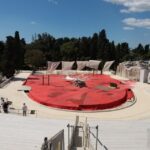
- Greek Theatre scale: you’ll see one of the largest cavea ever built by the ancient Greeks.
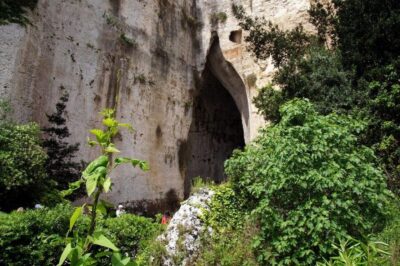
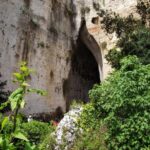
- Latomie stop includes the limestone cave known as the Ear of Dionysius.
- Ortigia is a walking island with temples, churches, and street views that feel like old-world Syracuse.
- Noto is the UNESCO Stone Garden with palaces and churches along Corso Vittorio Emanuele.
- Small group (up to 8) helps keep the day from feeling like a cattle call.
In This Review
- Why this Catania day trip works: three eras, one efficient route
- Neapolis Archaeological Park: Greek Theatre, Roman monuments, and the Ear of Dionysius
- The one timing catch
- On your own in the park: how to make self-guided time feel like your own plan
- Ortigia Island: walking the historic heart of Syracuse and finding the Arethusa fountain
- Where people feel the squeeze
- Noto’s UNESCO baroque: the Stone Garden effect on Corso Vittorio Emanuele
- A realistic expectation about crowds and events
- The day’s flow from Catania: transit time, pacing, and what you should plan for
- Value and price: what $130.28 buys you (and what it doesn’t)
- Guides make the difference: what to expect from the live narration
- Who this suits best, and who may want a different plan
- Tips to get the most from Neapolis, Ortigia, and Noto
- Should you book this Syracuse and Noto day trip from Catania?
- FAQ
- How long is the tour from Catania?
- What is included in the price?
- Is lunch or drinks included?
- Is Neapolis Archaeological Park guided?
- Which sites will I see in Ortigia?
- How much time do we spend in Noto?
- What languages is the live guide available in?
- Is pickup available outside Catania?
- Is the tour suitable for everyone?
- Can I cancel and get a refund?
Why this Catania day trip works: three eras, one efficient route
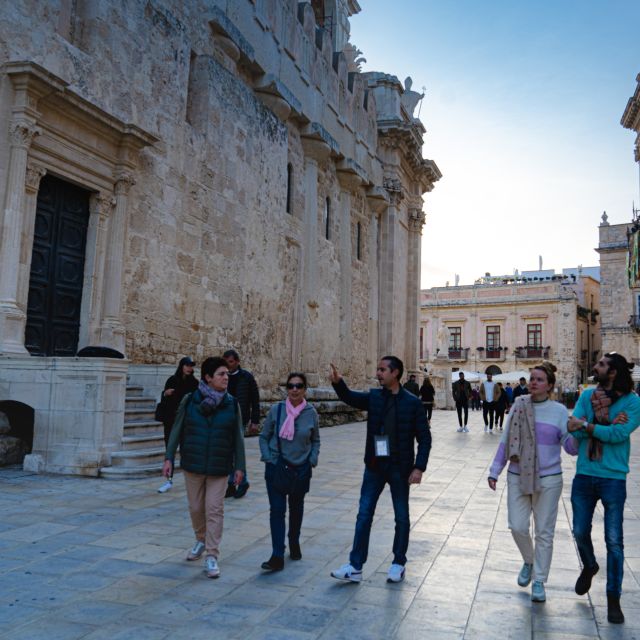
This is the kind of Sicily day trip that makes sense if you only have limited time on the island. Instead of choosing just one place, you get a full loop: ancient Syracuse (Greek and Roman), the center of modern Syracuse on Ortigia, and then a separate world in Noto, famous for its Sicilian Baroque style.
What really helps is the balance between guided context and independent wandering. You’ll get a live tour leader for the big-picture stories and practical orientation, then you’re free inside Neapolis Archaeological Park where you can choose your pace. That matters because the park is large enough that a rigid script can feel rushed fast.
The other smart choice is sequencing. You start with a stop in Noto and then move into Syracuse’s ruins and island center, so you’re not bouncing back and forth across Sicily’s map all day. It’s still a full day, but it’s built like a route, not like a random collection of stops.
What else Catania has going on
- Catania: Mount Etna Morning or Sunset Day Trip with Tasting
★ 4.8 · 4,028 reviews - Catania: Sunset Jeep Tour of Mount Etna and Lava Flow Caves
★ 4.8 · 2,113 reviews - Catania: Etna Sunset Tour with Pickup and Drop-off
★ 4.8 · 1,348 reviews - Etna Sunset Tour: Volcano trek, Cave & tasting from Catania
★ 4.8 · 1,290 reviews
Neapolis Archaeological Park: Greek Theatre, Roman monuments, and the Ear of Dionysius
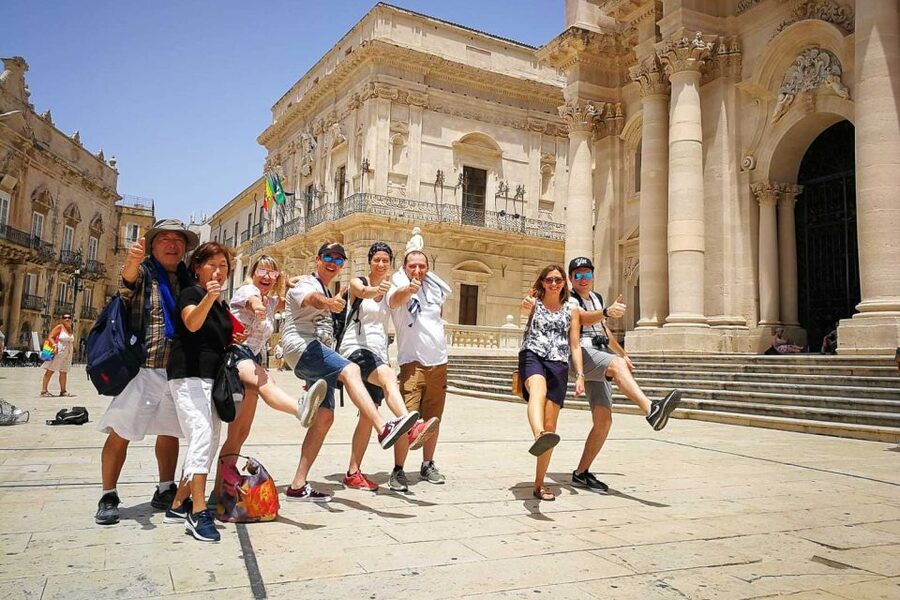
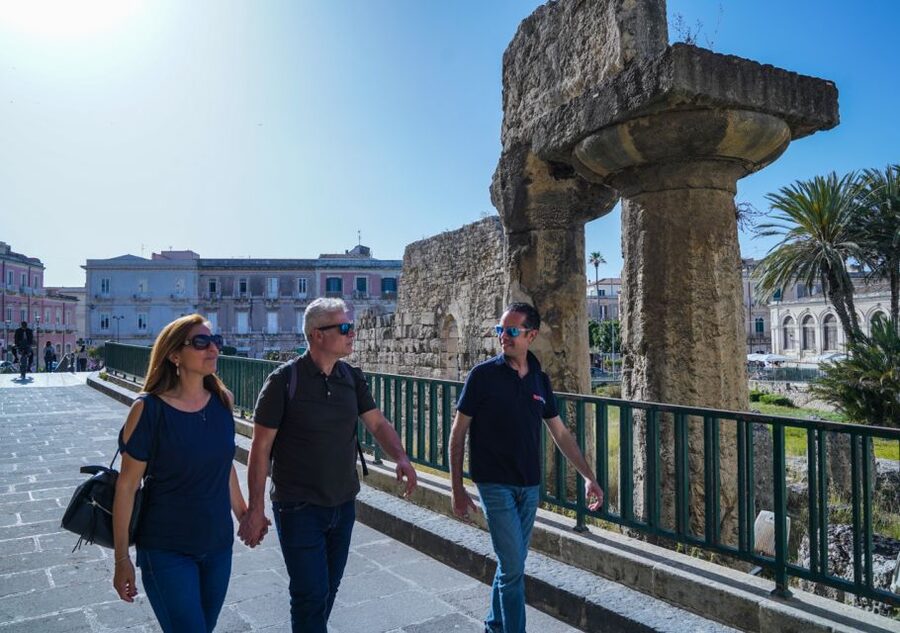
Your day starts at Neapolis after the transfer, and this is where the ancient story gets physical. Neapolis is a UNESCO-listed archaeological zone, and the tour focuses on Greek and Roman Syracuse through a mix of big monuments and in-between spaces.
At the center of the Greek portion is the Greek Theatre, famous for its large cavea—the seating bowl—described as one of the largest ever built by the ancient Greeks. Even if you don’t study architecture, you can still read the scale. Stand in the right spot and you’ll feel why this place mattered for public life.
Right nearby you’ll have a chance to explore the latomie, including the limestone cave called the Ear of Dionysius. This is one of those “Sicily makes history weird and wonderful” sites: a cave that turns geology into legend. Look closely at the rock and you’ll start seeing how people reused and repurposed the land over time.
The route also points you toward other sights in the park, like the Amphitheatre of the Roman imperial age and the Christian Church of San Nicolò ai Cordari. You’re essentially seeing Syracuse layer by layer—Greek foundations, Roman public spaces, and later Christian presence—without having to switch locations constantly.
The one timing catch
You only have about 1 hour to visit the park. That’s enough to hit the highlights, but it’s not enough to “see everything.” If you like ruins with detail, go in with a shortlist: Greek Theatre, latomie/Ear of Dionysius, and the Roman amphitheatre area. Then let the rest be bonus time.
On your own in the park: how to make self-guided time feel like your own plan
The tour leader doesn’t run a formal guided walkthrough inside Neapolis. Instead, you get the entry ticket and the freedom to wander. That sounds simple, but it changes how you should experience the day.
I’d treat Neapolis like a choose-your-own-adventure: pick the major anchors first, then roam. Start with the Greek Theatre area because the scale is the quickest “wow” payoff. From there, move toward the latomie section, so the Ear of Dionysius is not something you discover at the end when time is already squeezed.
If you enjoy atmosphere more than checklists, slow down around the old Roman streets referenced in the route. Those narrow corridors and ruins-between-spots are often where the place starts to feel real, because you’re walking routes that once connected civic life.
Practical note: since it’s a park and not a museum, you’ll want weather-appropriate clothing. Wear shoes that work on uneven ground. Even in good weather, ruin surfaces can be slippery or dusty.
Ortigia Island: walking the historic heart of Syracuse and finding the Arethusa fountain
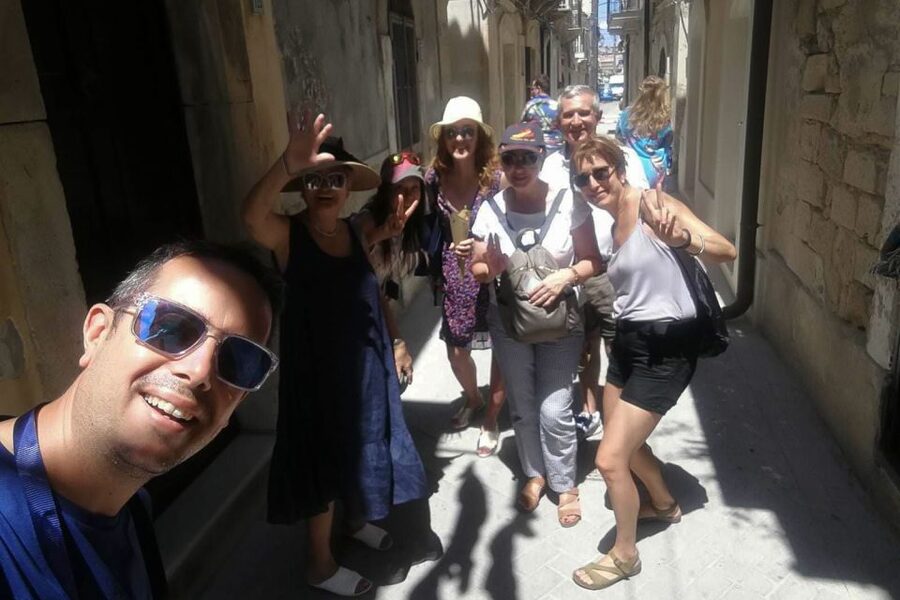
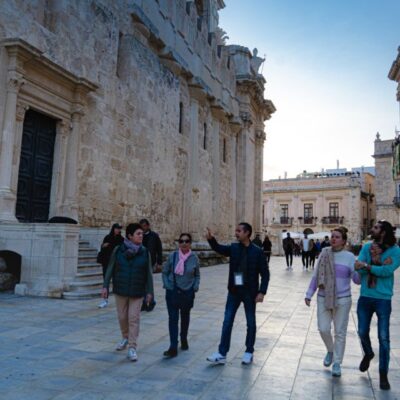
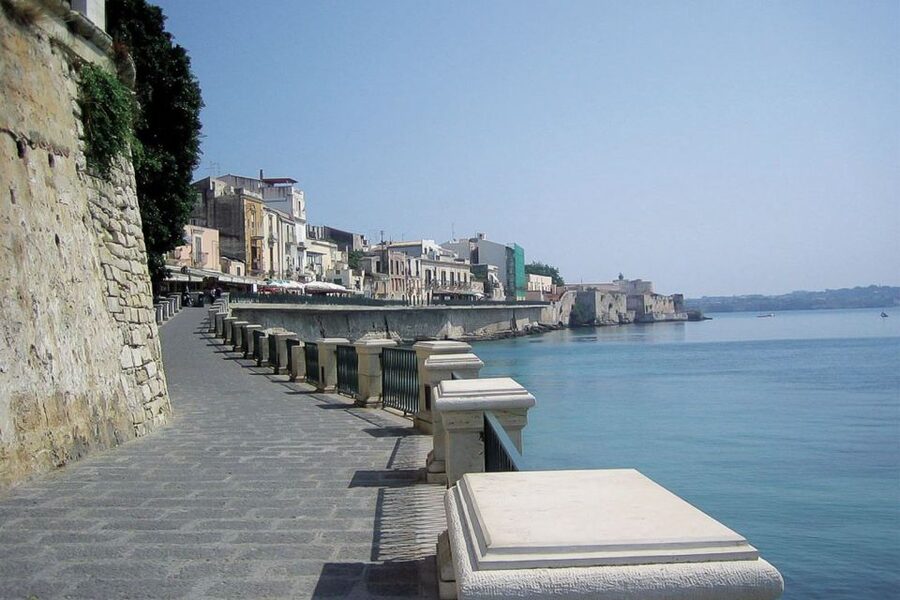
After Neapolis, you shift to Ortigia, the island that feels like the historic core of Syracuse. Here, the tour becomes more street-level and less monumental. You’ll spend about 1.5 hours exploring on foot, which is a fair amount for an island loop if you keep moving.
Ortigia is described as a mix of Greek temples, Christian churches, and Arabian-influenced streets. That combo is exactly what makes it fun: you don’t just see one era at a time; you see time top to bottom on the same block.
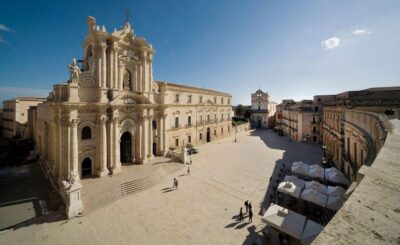
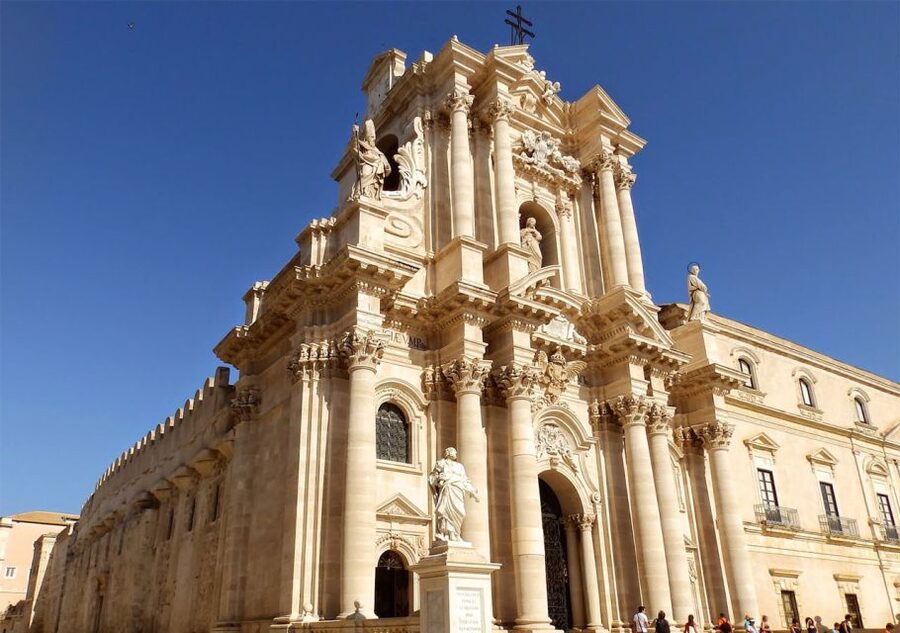
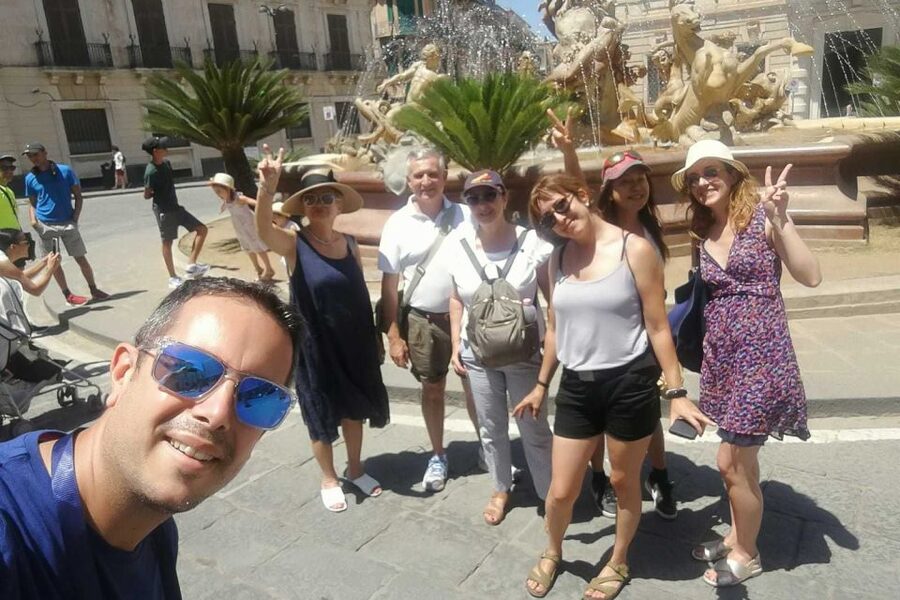
Two highlights are built right into the route. First is the Arethusa fountain, an iconic Syracuse stop. Second is Piazza del Duomo, surrounded by baroque palaces, including the Beneventano del Bosco Palace and the Senate Palace.
Deeper into Ortigia and old Syracuse
Where people feel the squeeze
Ortigia time is short. The day is long already, and you’ll also be traveling between stops. That means you’ll likely have to trade between shopping, photos, and sitting down. If you want a coffee break, plan it early in your island walk so you don’t sacrifice the fountain or the main square later.
Also, because the day includes van time, pick a spot near the front if you care about hearing every explanation. One issue that can pop up on van rides is sound level, especially when the guide is talking while driving. Sitting where you can hear clearly will help you get the most out of the narration.
Noto’s UNESCO baroque: the Stone Garden effect on Corso Vittorio Emanuele
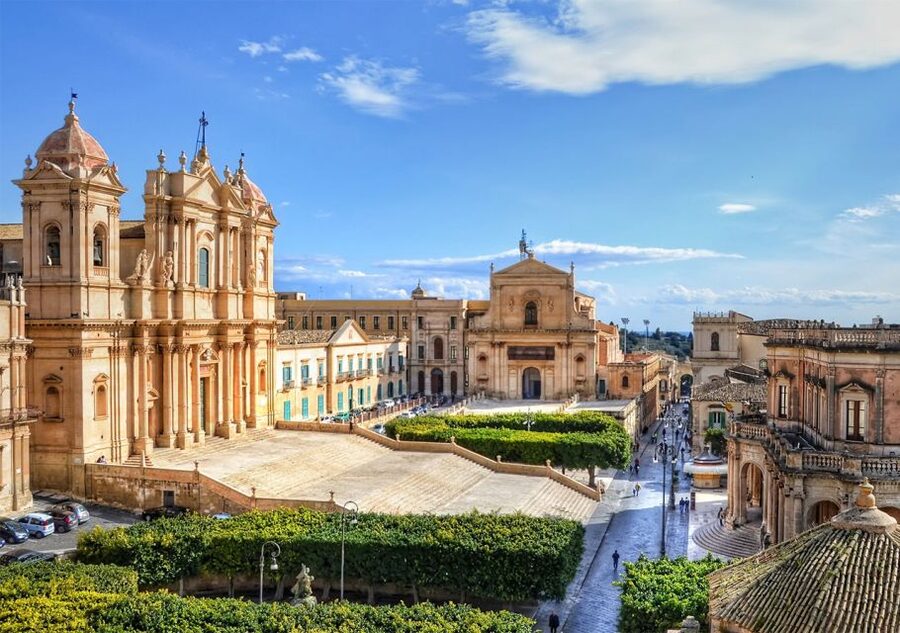
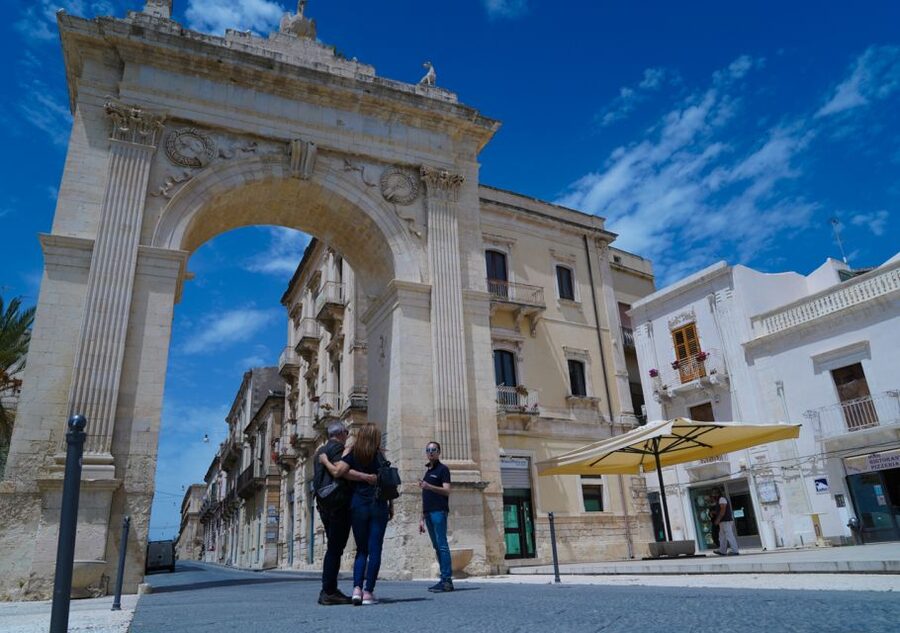
Then the tour hits Noto, a small town known for its Sicilian Baroque architecture. You’ll have about 1.5 hours there with a guided segment, and that time is mostly spent walking between standout buildings and looking at the “stone garden” effect created by palaces and churches grouped together.
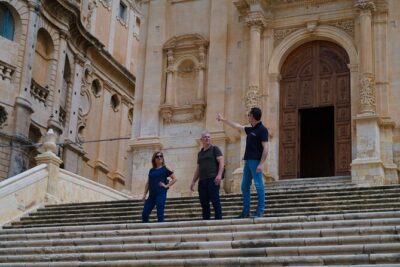
Noto was declared a UNESCO World Heritage Site in 2002, and the big reason is the town’s overall design. Instead of a single cathedral that steals the show, you get a whole urban look—facades, balconies, and ornate details that make the town feel like an outdoor sculpture exhibit.
The route highlights Corso Vittorio Emanuele, the main corridor where you can watch the architecture unfold in sequence. It’s the kind of street where photos improve because you’re not just aiming at one landmark—you’re capturing the way buildings talk to each other across the block.
A realistic expectation about crowds and events
This is the one part where your experience can change day to day. If there’s a local festival or big event, the streets can feel packed and slow down your ability to see individual details. Even so, Noto’s main charm still comes through because the baroque effect works even at walking speed.
If the goal is photos and architecture watching, go slowly and choose fewer stops than you think you need. You’ll enjoy it more.
The day’s flow from Catania: transit time, pacing, and what you should plan for
This is an 8–9 hour outing, starting in Catania with hotel pickup and shuttle transport, then looping through Noto, Syracuse ruins, and Ortigia before returning to Catania.
The schedule is built around transfers:
- Van time from Catania to the first stop (about 1.5 hours)
- Guided time in Noto (about 1.5 hours)
- A shorter transfer into Syracuse
- About 1 hour in the Neapolis park area
- About 1.5 hours on Ortigia
- Return transfer (about 1.5 hours)
The practical takeaway: you’re going to be on the move for a lot of the day. The upside is efficiency—you see multiple UNESCO-linked highlights without needing separate tickets, separate cars, or separate planning sessions.
The downside is mental and physical. This is not a sit-and-sip tour. You’re walking in historic centers and in archaeological ground where comfort matters. If you’re prone to fatigue, bring that into your planning and keep your expectations aligned with the time limits per stop.
Value and price: what $130.28 buys you (and what it doesn’t)
At $130.28 per person, the price buys you a lot of the “logistics tax” that trips like this usually hide.
Included:
- Hotel pickup and drop-off in Catania only
- Shuttle transport
- A multilingual live tour leader (Italian, English, Spanish)
- Neapolis Archaeological Park entry ticket
- Small-group structure (up to 8)
Not included:
- Food and drinks
- A guided tour inside Neapolis (it’s self-guided)
So is it good value? For most people, yes—because transportation plus park entry is a real cost, and the day is effectively “three destinations in one.” The moment value can feel weaker is if you’re the type who needs long time in one place to enjoy it. With only about an hour in Neapolis and 1.5 hours in each town segment, you’ll get highlights, not a slow museum-style day.
My advice: treat it as a high-impact sampler. If you later want deeper time in one spot (Ortigia at night, or Neapolis with longer wandering), you’ll know exactly where to return.
Guides make the difference: what to expect from the live narration
This tour’s core is a live guide plus a self-guided park portion. The narration can shape the whole day because the monuments layer across time and culture.
A strong point from the tour’s guide team is their ability to explain what you’re seeing in a way that works across different people in the van. Names that show up often in praised tour experiences include Nando, Lorena, Salvo, Andrea, Francesco, and Salvatore. Across those examples, the pattern is consistent: friendly pacing, clear explanations, and a focus on making the day feel well managed.
That matters most in two moments:
- When you’re walking through the park and want to understand why certain areas matter
- When you’re moving through towns with lots of visual detail and you need a simple way to interpret baroque and ancient cues
Who this suits best, and who may want a different plan
This tour is a strong fit if you want a tight loop of ancient Syracuse + Ortigia + Noto without renting a car. It’s also a good match if you enjoy architecture and want both large-scale ruins and street-level town wandering.
It’s not a good match if you have mobility challenges. The activity is marked as not suitable for people with mobility impairments. Also, pets are not allowed.
If you’re traveling solo, the tour isn’t available as a private one-person booking. The setup is small group only, so your solo experience depends on whether there are other people booked that day.
If you hate long days and short stop times, you may find this schedule too tight. But if you like seeing many highlights quickly, it’s built for you.
Tips to get the most from Neapolis, Ortigia, and Noto
Here are practical choices that help you enjoy the day more with less stress.
- Bring a short list for Neapolis: Greek Theatre, latomie/Ear of Dionysius, and the Roman amphitheatre area. You’ll see those even with limited time.
- Wear good shoes. The park and town centers involve uneven stone and curb edges.
- Plan for lunch out. Food and drinks are not included, so decide what kind of meal you want before you run out of energy.
- Choose your photo strategy. On Ortigia and in Noto, you’ll get better results by taking fewer photos but at the right angles, instead of constantly stopping.
One more small but useful point: because van audio can vary, sit where you can hear the guide if you care about details. It will make your walking time more rewarding.
Should you book this Syracuse and Noto day trip from Catania?
I’d book it if you want a single-day highlight circuit that covers Greek Theatre scale, the Ear of Dionysius area, Ortigia’s Arethusa fountain, and Noto’s UNESCO baroque streets. It’s efficient, small-group friendly, and the self-guided Neapolis time is a smart way to avoid feeling like you’re trapped in someone else’s schedule.
I’d skip it if you need long, slow time in one place, or if you’re sensitive to long walking days and tight stop windows. This tour is a sampler, not a deep-dive weekend.
If you’re the type who returns to destinations later, this one is a great way to choose your next Sicily trip—because you’ll quickly learn which parts of Syracuse and Noto you want to revisit.
FAQ
How long is the tour from Catania?
The tour lasts about 8–9 hours, depending on the starting time.
What is included in the price?
It includes hotel pickup and drop-off in Catania, shuttle transportation, a multilingual tour leader, and the Neapolis Archaeological Park entry ticket.
Is lunch or drinks included?
No. Food and drinks are not included, and you’ll have lunch on your own after the Ortigia portion.
Is Neapolis Archaeological Park guided?
No. Neapolis entry is included, but the park time is described as self-guided.
Which sites will I see in Ortigia?
You’ll visit the historic heart of Syracuse on Ortigia, including the Arethusa fountain and Piazza del Duomo with baroque palaces such as Beneventano del Bosco Palace and Senate Palace.
How much time do we spend in Noto?
You’ll have guided time in Noto for about 1.5 hours.
What languages is the live guide available in?
The live tour leader speaks Italian, English, and Spanish.
Is pickup available outside Catania?
Pickup is included for hotels and B&Bs in Catania only.
Is the tour suitable for everyone?
It’s not suitable for people with mobility impairments. Pets are not allowed.
Can I cancel and get a refund?
You can cancel up to 24 hours in advance for a full refund.
More Baroque Towns to Reach


More of Syracuse and Ortigia

Keep Exploring Catania





Just added: the newest Catania tours in our notebook
- Transfer Catania / Agrigento Airport★ 5.0 · 3 reviews
- Sicily private shore excursion – Etna and Taormina with personal driver★ 3.5 · 3 reviews
- Sunset Trekking on Mount Etna★ 5.0 · 3 reviews
- Private Transfer from Catania to Palermo or vice-versa with stop★ 5.0 · 3 reviews
- From Syracuse: Mount Etna Volcano Morning Trekking Tour★ 5.0 · 3 reviews
- Catania: Guided Street Food Tour with Tastings★ 5.0 · 3 reviews
Catania Tours, compared.
 ★ 4.8Catania: Mount Etna Morning or Sunset Day Trip with TastingFrom $704,028 reviews
 ★ 4.8Catania: Sunset Jeep Tour of Mount Etna and Lava Flow CavesFrom $712,113 reviews
 ★ 4.9Catania: Mount Etna Trekking Tour Beyond the Tourist TrailsFrom $811,596 reviews
 ★ 4.8Catania: Etna Sunset Tour with Pickup and Drop-offFrom $711,348 reviews
 ★ 4.8Etna Sunset Tour: Volcano trek, Cave & tasting from CataniaFrom $701,290 reviews
 ★ 4.8Catania: Etna Morning Excursion with Tasting and PickupFrom $711,224 reviews
 ★ 5.0Mt. Etna and Taormina village full day tour from CataniaFrom $1181,155 reviews
 ★ 4.9Catania: Amazing Etna Morning Tour with Pickup and Drop-OffFrom $81799 reviews
Browse the lists this tour appears in