
Reviewed · CATANIA TOURS
From Catania: Syracuse, Ortigia and Noto Full-Day Tour
Greek ruins and Baroque façades, same day. I like how this day trip links Syracuse’s ancient sites with Noto’s Garden of Stone, and I really enjoy the guided walk on Ortigia where Greek-era legends and key landmarks sit right in the modern street grid.
One caution: the schedule is tight, so if you want lots of time deep inside the archaeological areas, the Syracuse portion can feel brief.
In This Review
- Key points to know before you go
- Why Syracuse and Noto in one day makes sense
- From Catania pickup to Syracuse: the day starts moving fast
- Syracuse’s Greek core: temples, theatre, latomie, and Epipoli
- Ortigia on foot: Apollo and Athena origins plus the Arethusa legend
- Caravaggio at Santa Lucia: what this stop is really for
- The pacing check: how the 8-hour flow actually feels
- Noto’s Garden of Stone: Baroque reconstructions after 1693
- What the guides do that you’ll feel in the end
- Tickets and meals: the part you control
- Who should book this Syracuse, Ortigia, and Noto day trip
- Should you book this full-day tour?
- FAQ
- How long is the tour from Catania to Syracuse, Ortigia, and Noto?
- Where can I be picked up for the tour?
- What happens if my hotel is in a pedestrian area?
- What is included in the price?
- Are meals included?
- Are tickets included for the sites?
- What languages are available during the tour?
- Is free cancellation available?
- Can the tour be canceled due to weather?
- What are the main highlights you’ll see during the day?
Key points to know before you go
- Guided Greek-and-Myth route in Ortigia with temples’ origins, Arethusa, and a church stop tied to Caravaggio
- Neapolis sights beyond the obvious including the Greek Theatre area, latomie stone quarries, and Epipoli viewpoints
- Noto’s Baroque story told on foot at Meti Hill, including the 1693 earthquake reconstruction theme
- A guide who can adjust the day (Carmelo and Alessio are specifically praised for flexibility and clear explanations)
- Air-conditioned transfers with pickup close to home from Catania (and Aci Castello) plus an option from the port
- Tickets and meals not included, so plan a bit of extra budgeting on the day
What else Catania has going on
- Catania: Mount Etna Morning or Sunset Day Trip with Tasting
★ 4.8 · 4,028 reviews - Catania: Sunset Jeep Tour of Mount Etna and Lava Flow Caves
★ 4.8 · 2,113 reviews - Catania: Etna Sunset Tour with Pickup and Drop-off
★ 4.8 · 1,348 reviews - Etna Sunset Tour: Volcano trek, Cave & tasting from Catania
★ 4.8 · 1,290 reviews
Why Syracuse and Noto in one day makes sense
Syracuse and Noto are the kind of places you normally split into different days. Doing them together works because you get two big Sicilian chapters back-to-back: Greek Sicily on the one hand, and Baroque Sicily rebuilt after disaster on the other.
In Syracuse, the past isn’t tucked away in one museum room. It’s connected to real neighborhoods, waterfront walks, and the way churches were built on earlier sacred spaces. Then you hop to Noto, where the “Garden of Stone” idea helps you understand why this town looks like architecture you can almost walk through.
The practical win is time. You’re in a car-minivan all day, but you’re not driving yourself, parking yourself, or stitching together separate tours. For $113.29 per person, you’re paying for a guided day with included transport costs (parking, gas, tolls) and a driver/guide who can talk through what you’re seeing while you move between sites.
From Catania pickup to Syracuse: the day starts moving fast
This tour is built around pickup in the Catania area. You can be collected in Catania territory at your hotel or at a convenient meeting point if your address is in a pedestrian or street market area. There’s also an option for pickup in Aci Castello. If you’re coming from the sea port, pickup there is possible too.
Once you’re on board, expect an air-conditioned car or minivan. The first transfer takes about 70 minutes to reach Syracuse, so it’s a true full-day trip rather than a quick hop.
What I like about this setup is that it lowers friction. If you’re tired from travel, or you just don’t want to think about buses and schedules, getting picked up door-to-door is a real comfort. One thing to plan mentally: the day doesn’t waste time, so wear shoes you can walk in for a few concentrated stretches.
Syracuse’s Greek core: temples, theatre, latomie, and Epipoli
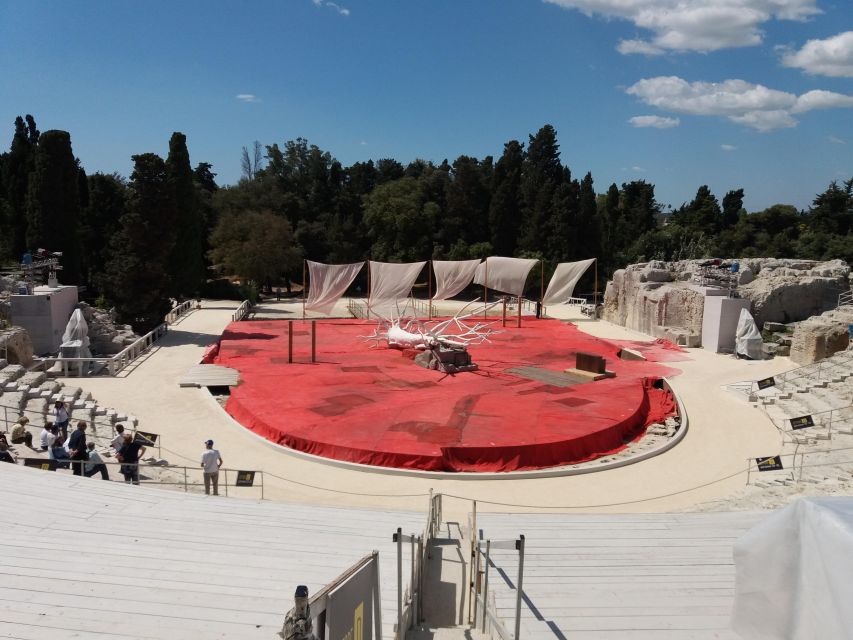
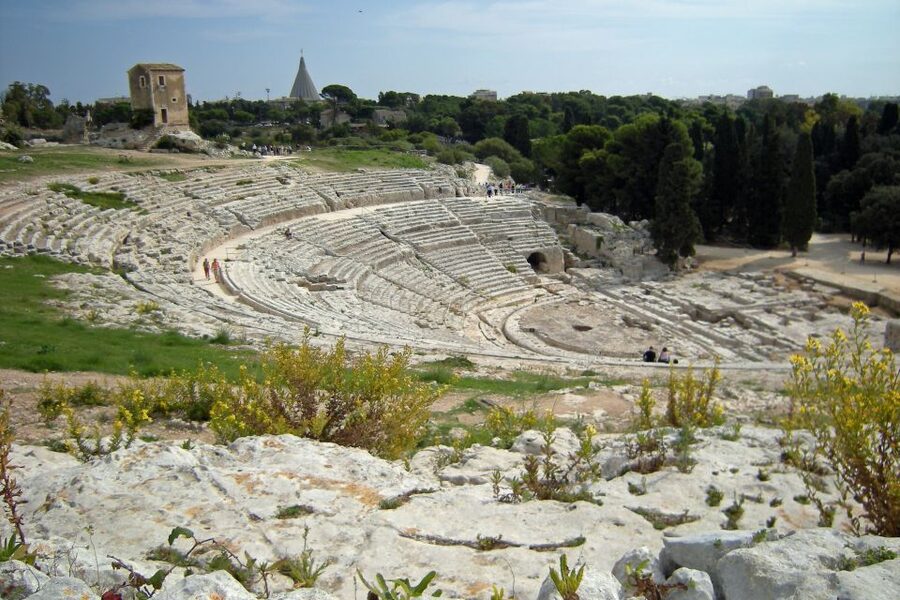
Syracuse is the main event for Greek archaeology. You get roughly 1.5 hours in the Syracuse area, with a focus on the ancient layers that frame the modern city.
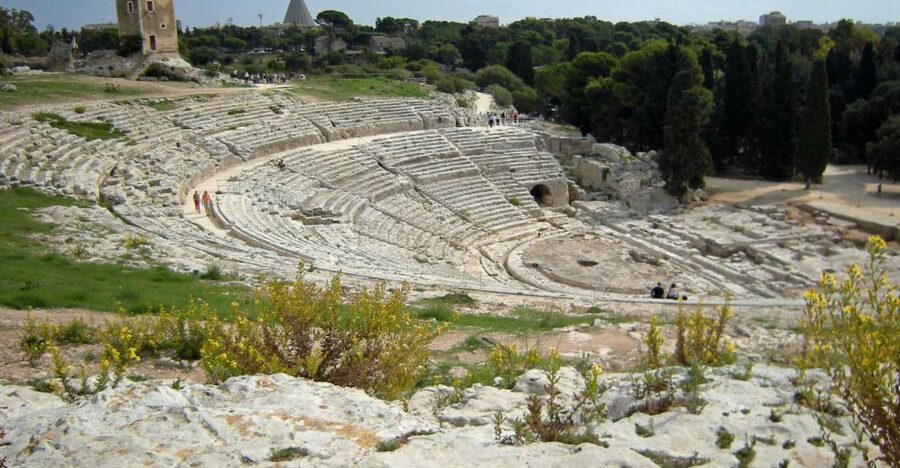
A big part of the story comes through Ortygia (the small island part of Syracuse), but even before you get there, you’ll connect the dots to key locations like the Greek Theatre, the latomie (stone quarries) of Neapolis, and the site of Epipoli. These names matter because they map the city’s power: where people gathered, where stone was cut, and where the city looked outward.
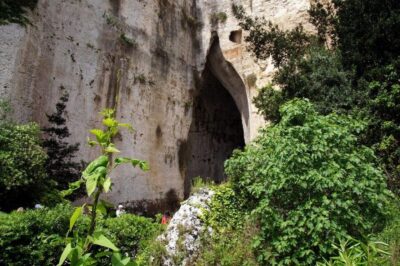
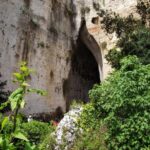
Some guides also point out spots such as the Ear of Dionysius area, which tends to help the ruins feel less like random stones and more like a functioning city built on strategies of terrain and defense.
Here’s the one consideration. Because you have a limited window, you may not feel you cover every nook in as much depth as you’d like. If you’re the type who wants to spend long, quiet hours inside every archaeological sector, you might end up wanting more time in Syracuse itself.
Ortigia on foot: Apollo and Athena origins plus the Arethusa legend
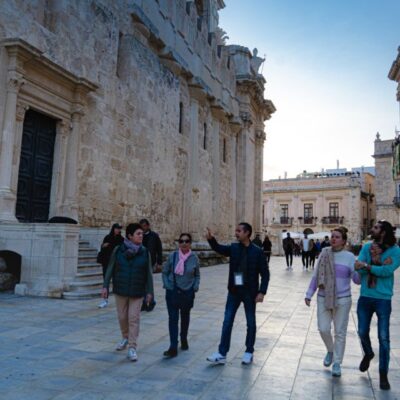
Ortigia is where the day turns into walking. After the drive, you get a guided tour of about 2 hours on the island.
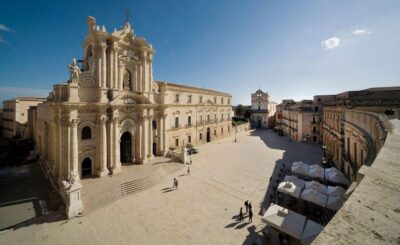
This is the part I find most rewarding because Ortigia isn’t only ruins. You’re moving through streets that still feel like a living place, while the guide ties in the Greek story behind it. You’ll see remains linked to the Greek temples of Apollo and Athena, plus areas where the origins of the Greek Temple of Athena date back to the 5th century BC.
One detail that helps everything click is the legend of Arethusa, Syracuse’s patron figure. The guide usually connects this myth to the area around the source of Arethusa, so it stops being a random tale and becomes part of how you interpret the waterfront.
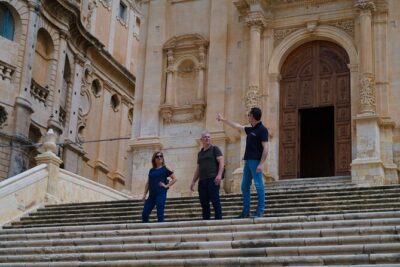
Ortigia also gives you the “Sicily church layer” that shows up across the island: sacred sites evolving across centuries. You pass a cathedral tied to the Athena connection, then you reach the Basilica of Santa Lucia, where you have the chance to see paintings by Caravaggio. Even if you’re not a full-on art history person, this is a meaningful stop because it anchors the Greek era story into a later chapter of Syracuse culture.
Deeper into Ortigia and old Syracuse
Caravaggio at Santa Lucia: what this stop is really for
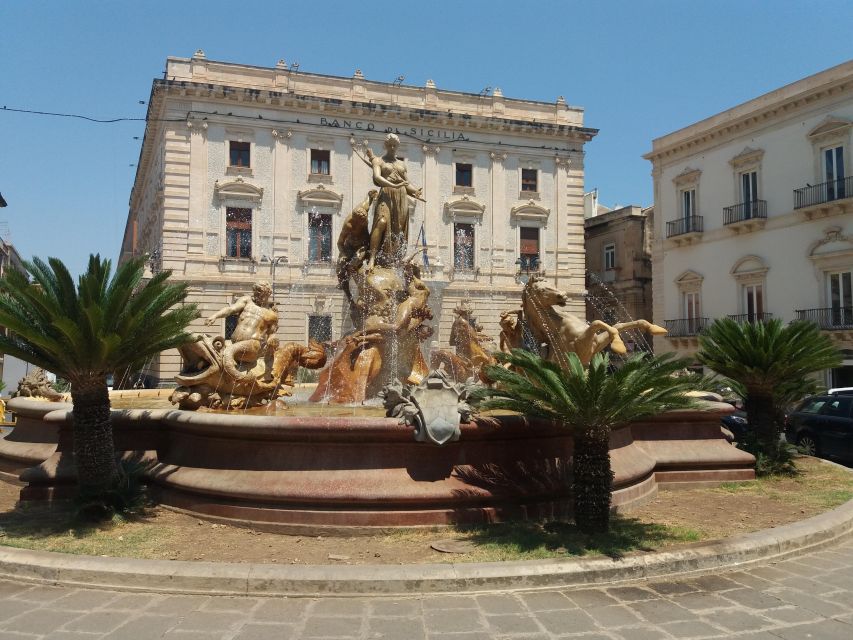
Caravaggio is one of those names that works on sight. In Santa Lucia, you’re not just meeting a famous artist; you’re getting proof that Syracuse has kept generating attention across centuries.
In this tour, the Santa Lucia stop usually lands right after the Ortigia walking stretch, so you’re already oriented to the island’s layout. That timing matters. You’ll understand why this basilica sits where it does, and you’ll recognize how the Greek-to-Christian layering is a theme here, not a coincidence.
What to expect practically: it’s still a guided visit, so listen for the way the guide connects iconography and local devotion rather than treating it like a quick photo stop. If you want a slow, quiet museum-like experience, this won’t be that kind of stop. If you want meaning with your photos, it’s a good fit.
The pacing check: how the 8-hour flow actually feels
This is an 8-hour tour, and it’s structured around several transfers and two main guided walking blocks. After Syracuse, you spend about 45 minutes on the van to reach Noto. Then you get around 1.5 hours for Noto, before the final long return transfer of about 80 minutes.
That rhythm has benefits and tradeoffs.
The benefits are coverage. You leave the day having touched major “must-see” ideas in each place: Greek anchors in Syracuse/Ortigia, Baroque anchors in Noto.
The tradeoff is that you can’t linger forever. Even with flexible guidance, you’re working inside a plan that has to fit pickup, driving, and time on foot. If your ideal day is slow and snack-filled, you might feel the schedule nudging you.
On the flip side, the guides praised in this tour often mention flexibility with pacing, including time for lunch. That can help you turn a tight schedule into something that still feels personal rather than rushed.
Noto’s Garden of Stone: Baroque reconstructions after 1693
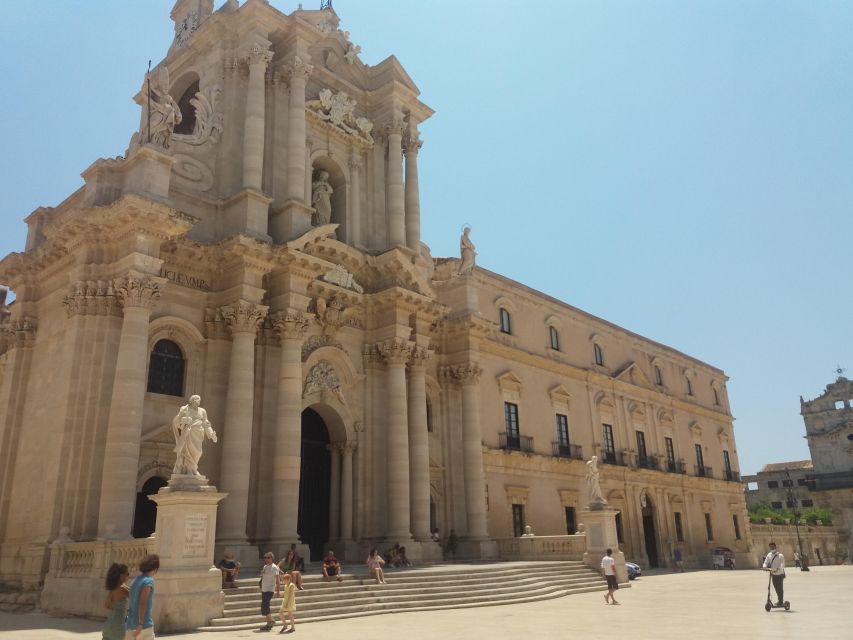
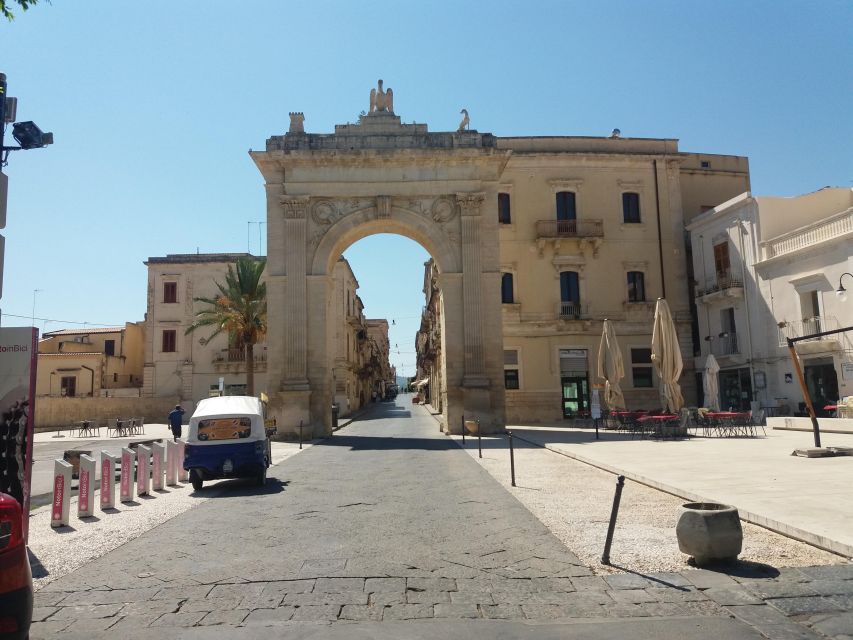
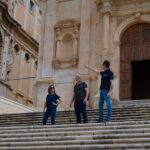
Noto is the place where Sicilian Baroque looks like it was built in one continuous burst of light. You visit Noto for about 1.5 hours, guided, and the “Garden of Stone” theme ties the town together.
The idea connects to Meti Hill, where Noto’s dramatic stone architecture is part of the town’s identity. You also get the key historical context: the town’s reconstruction following the 1693 earthquake. That detail changes how you see the buildings. They’re not just pretty façades. They’re part of a community rebuilding itself, with Baroque design language used to express new life after catastrophe.
This is also a good stop for photos, but I’d treat it as more than a camera mission. When the guide explains the reconstruction story, you start noticing proportions, repetition of forms, and how the town’s layout pushes views and sightlines.
In short: Noto isn’t only for architecture fans. It’s for anyone who likes their vacation with a narrative thread.
What the guides do that you’ll feel in the end
A day trip like this rises or falls on the guide. The names that come up again and again in praise are Carmelo and Alessio, and the common thread is clear: they’re willing to talk, and they’re good at turning place names into stories you can carry.
Carmelo is specifically noted for staying calm and handling plan hiccups without drama, including when a pickup location went wrong and he still managed to get everyone together. That kind of practical competence matters because it protects the day’s momentum.
Alessio gets repeated praise for both history and storytelling, plus adapting the timing to interests. There’s also mention of help beyond the tour itself, like offering insider tips and even assisting when someone needed help finding a cab later. Even if you don’t need that, it points to a broader quality: the guide behaves like a host, not just a driver with facts.
One more operational point: you have an English-speaking driver/guide included, and the provider lists languages as Spanish, English, Italian. In practice, that means you can count on explanations rather than just silent transportation.
Tickets and meals: the part you control
In the included details, tickets are not included and meals are not included. That means you should plan for a bit of on-the-day spending, depending on which charged sites you decide to enter or how the stops are handled.
The tour does include practical costs that can add up if you’re self-planning: parking fees, gas, and tolls. You also get air-conditioned transport and pickup/drop-off from your accommodation or port.
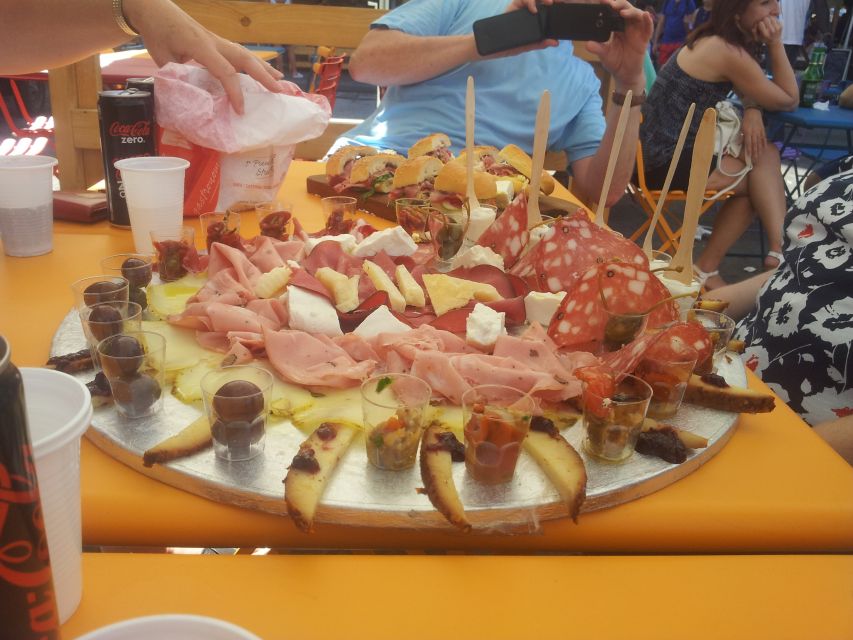
For budgeting, I’d think of this as paying for time-saving access plus guided interpretation. For food, bring a plan. If the group has lunch time built in, great; if not, you’ll want to know where you can grab something quickly in Ortigia or on the way between towns.
Also, pack for walking and sun. You’re going to be on your feet during both guided blocks.
Who should book this Syracuse, Ortigia, and Noto day trip
This works especially well if you:
- want Greek ruins and Baroque towns in one day without planning transportation yourself
- like guided storytelling that connects myths and architecture to real locations
- are based in Catania and want a full, organized day trip value
It might be less ideal if you:
- want lots of unhurried time inside archaeological areas rather than a structured visit
- prefer a purely museum-style format with no walking blocks
If you do book, try to keep your expectations aligned with the schedule. You’re not going to see everything in Syracuse. You are going to understand the core highlights and leave with a coherent picture.
Should you book this full-day tour?
Yes, if your priority is a guided, efficient day that stitches together Syracuse’s Greek sites, Ortigia’s legends and church art, and Noto’s reconstructed Baroque identity. The price is reasonable for what’s included: pickup/drop-off, air-conditioned transfers, a guide, and transport-related costs like parking and tolls.
I’d book it with confidence if you’re the type who enjoys context. The guides praised here tend to explain the why behind the what. If you’re more of a slow explorer who wants to linger for hours in one place, consider adding extra time in Syracuse after this trip or planning a separate day for deeper archaeological wandering.
FAQ
How long is the tour from Catania to Syracuse, Ortigia, and Noto?
The duration is 8 hours, with starting times varying by availability.
Where can I be picked up for the tour?
Pickup is included from accommodation or a port of call in the Catania area. There are two pickup location options: Catania and Aci Castello. Pickup from Taormina may be available by demand.
What happens if my hotel is in a pedestrian area?
Pickup is generally at your hotel, but if the location is on a pedestrian or street market area, a convenient meeting point will be arranged.
What is included in the price?
Included are pickup and drop-off at your accommodation or port of call, transfers by air-conditioned car or minivan, an English-speaking driver/guide, gas, parking fees, and tolls.
Are meals included?
No. Meals are not included.
Are tickets included for the sites?
No. Tickets are not included.
What languages are available during the tour?
The driver/guide languages listed are Spanish, English, and Italian, and the tour includes an English-speaking driver/guide.
Is free cancellation available?
Yes. You can cancel up to 24 hours in advance for a full refund.
Can the tour be canceled due to weather?
Yes. Activities may be subject to cancellation due to weather conditions.
What are the main highlights you’ll see during the day?
You’ll see Greek remains in Syracuse, a guided visit on Ortigia including sites tied to the temples of Apollo and Athena and the legend of Arethusa, and the Baroque Garden of Stone in Noto connected to the 1693 earthquake reconstruction.
More Baroque Towns to Reach



More of Syracuse and Ortigia
Keep Exploring Catania




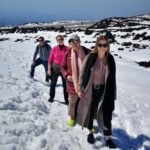
Just added: the newest Catania tours in our notebook
- Transfer Catania / Agrigento Airport★ 5.0 · 3 reviews
- Sicily private shore excursion – Etna and Taormina with personal driver★ 3.5 · 3 reviews
- Sunset Trekking on Mount Etna★ 5.0 · 3 reviews
- Private Transfer from Catania to Palermo or vice-versa with stop★ 5.0 · 3 reviews
- From Syracuse: Mount Etna Volcano Morning Trekking Tour★ 5.0 · 3 reviews
- Catania: Guided Street Food Tour with Tastings★ 5.0 · 3 reviews
Catania Tours, compared.
 ★ 4.8Catania: Mount Etna Morning or Sunset Day Trip with TastingFrom $704,028 reviews
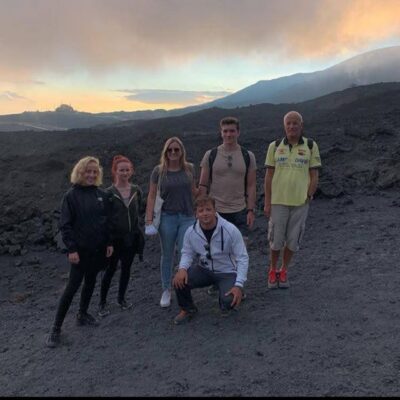 ★ 4.8Catania: Sunset Jeep Tour of Mount Etna and Lava Flow CavesFrom $712,113 reviews
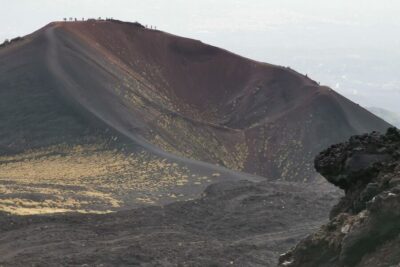 ★ 4.9Catania: Mount Etna Trekking Tour Beyond the Tourist TrailsFrom $811,596 reviews
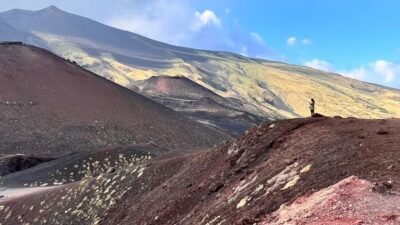 ★ 4.8Catania: Etna Sunset Tour with Pickup and Drop-offFrom $711,348 reviews
 ★ 4.8Etna Sunset Tour: Volcano trek, Cave & tasting from CataniaFrom $701,290 reviews
 ★ 4.8Catania: Etna Morning Excursion with Tasting and PickupFrom $711,224 reviews
 ★ 5.0Mt. Etna and Taormina village full day tour from CataniaFrom $1181,155 reviews
 ★ 4.9Catania: Amazing Etna Morning Tour with Pickup and Drop-OffFrom $81799 reviews
Browse the lists this tour appears in