
Reviewed · SYRACUSE & ORTIGIA
Syracuse: Ortigia Classic Walking Tour
Ortigia feels like a history book you can walk through. This 2-hour Syracuse (Siracusa) classic walking tour strings together Greek roots, Christian masterpieces, and sea views in a tight, practical route. I like that it hits the big names first, then slows down just enough for photos and questions. I also like the use of audio headsets in larger groups, so you can actually hear the guide without getting lost in the crowd. One thing to watch: Ortigia’s narrow lanes can feel crowded when many tour groups overlap.
You’ll start at the Temple of Apollo area, wind through the cathedral square, and end near Piazza Archimede (with options around the Fountain of Diana). It’s the kind of tour that works whether you’re in Sicily for the first time or you just want a smart overview before you explore on your own. A possible drawback is that meeting points can be a little confusing if you arrive late or pick the wrong pickup option—so give yourself extra time to regroup.
In This Review
- Key highlights
- Ortigia on foot: why this 2-hour loop makes sense
- Temple of Apollo and Apollo-area streets: start with the Greek spine
- Piazza Duomo and the cathedral square: from Greek temple to Christian landmark
- Optional cathedral interior (small ticket, big payoff)
- Diana Fountain and Archimedes Square: small moments that add up
- Aretusa Spring and the seafront stroll: the view break you need
- Giudecca and St. John Baptist: neighborhoods and living culture
- Tour size, headsets, and real-world comfort
- What to bring
- Getting help from the guide
- Price and value: is $22 a fair deal?
- Who should book this Ortigia classic walk?
- Should you book this Syracuse Ortigia Classic Walking Tour?
- FAQ
- How long is the Syracuse Ortigia Classic Walking Tour?
- Where does the tour start and end?
- Is the cathedral interior included?
- What languages are offered?
- Will the tour run in bad weather?
- Is the tour wheelchair accessible?
Key highlights
- Temple of Apollo to set the Greek timeline fast, before you hit the rest of Ortigia
- Piazza Duomo where the cathedral is built on an ancient Greek temple, plus optional interior time
- Aretusa Spring with papyrus plants and the myths tied to this spot
- Via della Giudecca to see the former Jewish quarter area and how neighborhoods shifted
- St. John Baptist church stop for a focused cultural and architectural pause
- Small-group format (max 25, often around 10) that keeps the walk from turning into a shuffle
Deeper into Ortigia and old Syracuse
- Syracuse: Boat Tour with Captain Mirko, Snorkeling & Caves
★ 4.7 · 746 reviews - Siracusa: Ortigia Boat Tour with Marine Grotto & Snorkeling
★ 4.7 · 726 reviews - Siracusa: Ortigia & Sea Caves Boat Tour w/ Prosecco & Fruit
★ 4.8 · 723 reviews - Syracuse: Ortigia Island & Sea Cave Boat Tour with Prosecco
★ 4.7 · 418 reviews
Ortigia on foot: why this 2-hour loop makes sense
Ortigia is small, old, and busy in the best way—and that’s exactly why a guided walk helps. You’re not trying to master every street; you’re getting oriented in a compact area where the city’s layers are close together. In about two hours, you cover the core sights that many visitors want on their first pass: the Greek-era landmarks, the cathedral square, the waterfront views, and a couple of neighborhood stops.
This tour keeps its pacing friendly for a shared group. The format is maximum 25 people, though the tour often runs closer to around 10, which usually means you can hear the guide, ask questions, and still have breathing room to take pictures. If you’re coming in during peak season, that matters.
My practical take: this is a good value if you want a map-less experience. For $22, you’re paying for interpretation—how to connect the dots between Apollo, the Duomo complex, the spring, and the Giudecca area—plus the convenience of not worrying about timing and routing.
Temple of Apollo and Apollo-area streets: start with the Greek spine
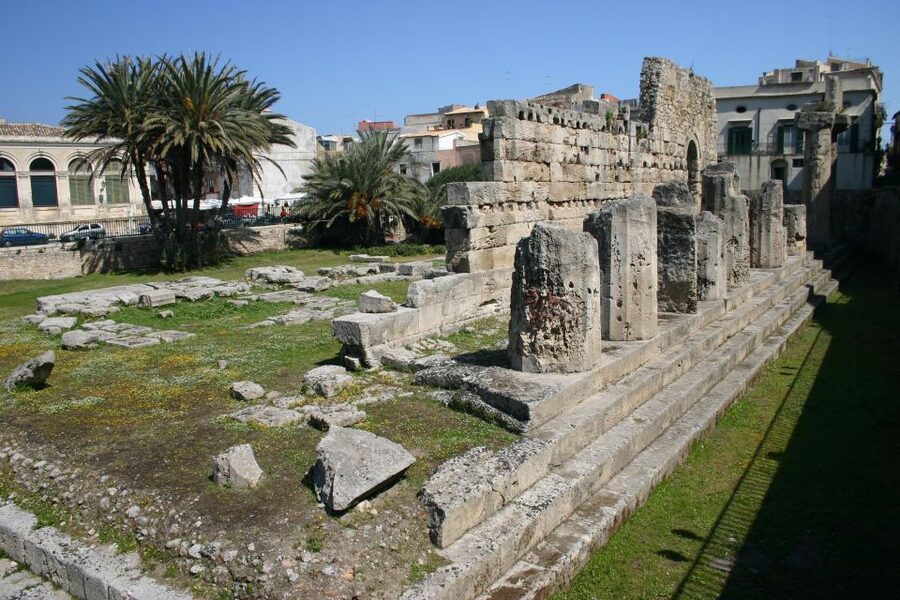
The walk begins at the Apollo Temple entrance area in Ortigia. This is a strong start point because it anchors the whole story. You’re not opening with modern Syracuse; you’re starting where the ancient Greeks made a big statement in stone.
From there, you move toward Piazza Archimede, which the guide frames as a crossroads of eras. The square is described as lively, with echoes of past civilizations, and that’s a useful way to think about it: Ortigia isn’t one chapter—it’s overlapping chapters.
Before you get too far into the route, you also get a clear sense of what’s coming next: a shift from Greek foundations to later religious and civic life. That helps you read what you’re seeing later, especially at the cathedral square, where the building history becomes the main attraction.
The only real consideration here is pace on a first-timer route. Ortigia streets are narrow and traffic is limited, so you’ll likely start moving right away. Wear shoes that handle cobblestones and small corners without drama.
Piazza Duomo and the cathedral square: from Greek temple to Christian landmark
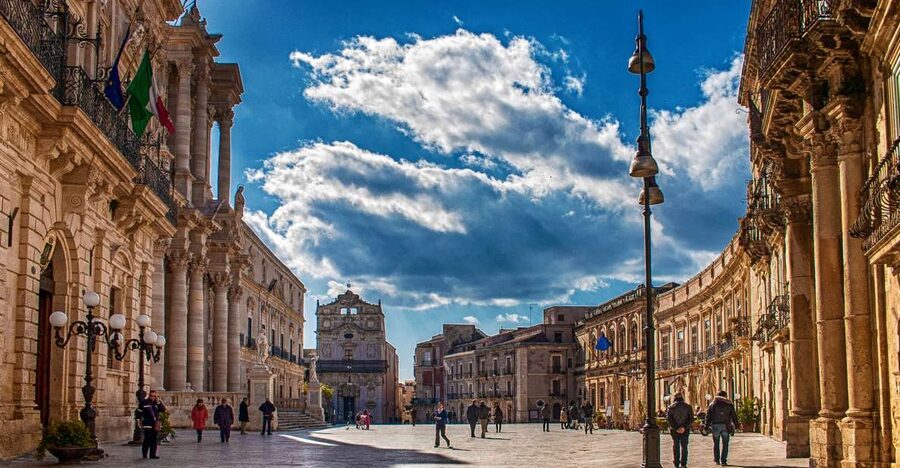
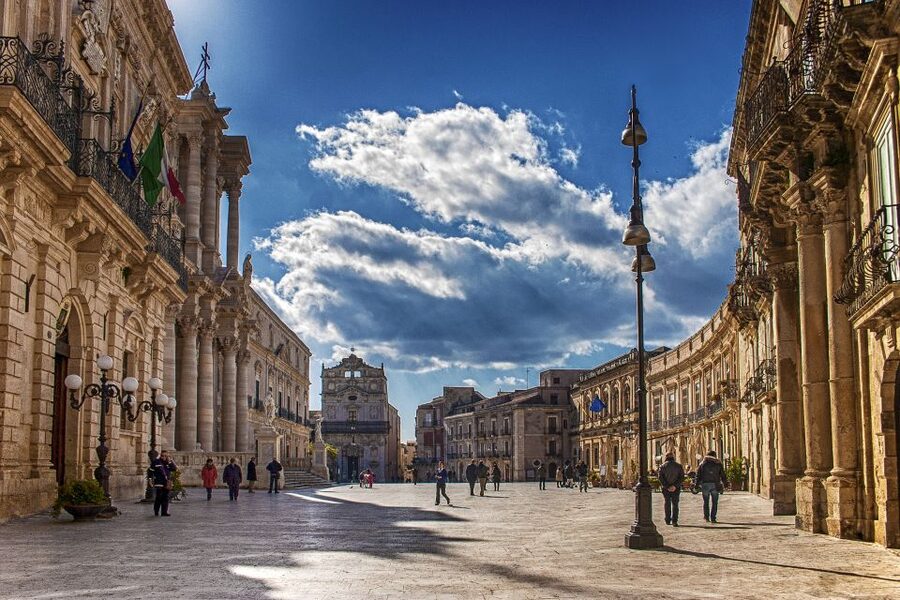
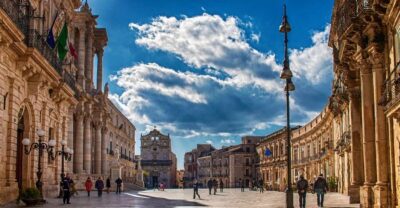
The heart of the tour is Piazza Duomo, the cathedral square, where you’ll see a dense cluster of palazzi and churches tied to the city’s power and faith. This is where the “why this tour works” part becomes obvious.
You’ll learn about key buildings such as:
- Palazzo Vermexio (the town hall)
- Palazzo Beneventano del Bosco
- St. Lucy’s church
- the cathedrale on top of earlier structures
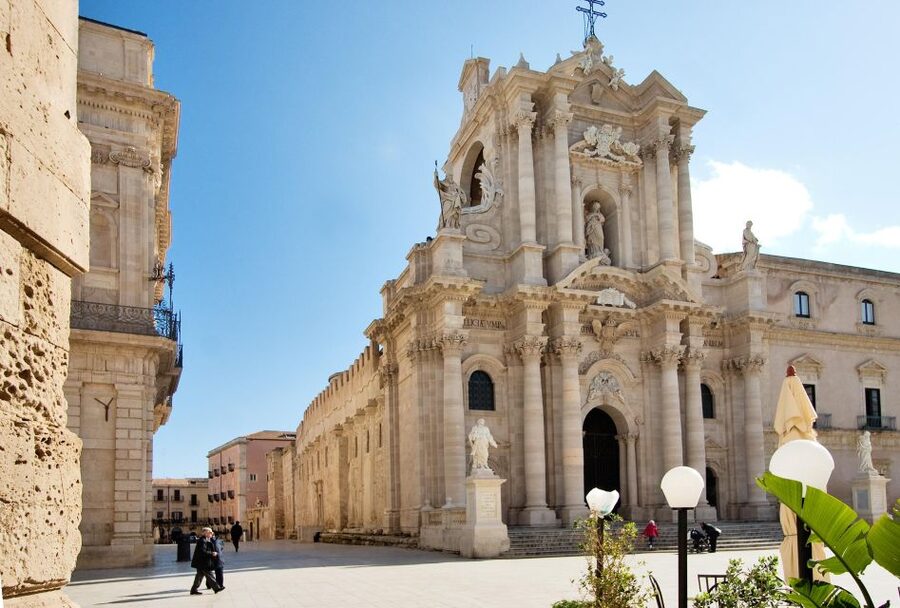
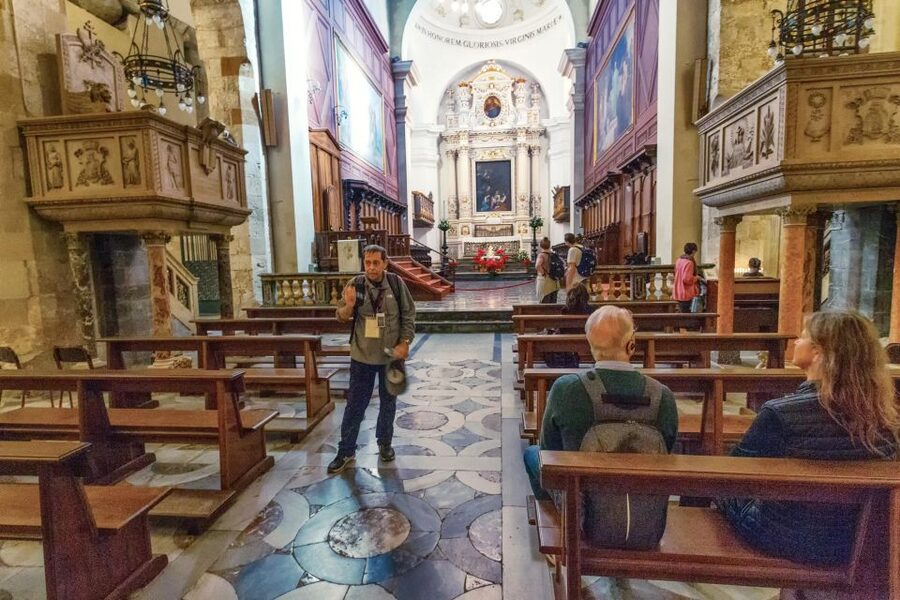
The cathedral connection is the big takeaway: you’re looking at a Christian cathedral built on an ancient Greek temple. That’s not just a fun fact—it changes how you understand what you’re walking past. When you stand in this square, the city’s identity starts to make sense: new traditions grew directly out of older foundations instead of replacing everything.
Optional cathedral interior (small ticket, big payoff)
The visit inside the cathedral is optional. When it’s accessible, the guide offers time for an interior look with an entry ticket of €2 (not included). If it’s not accessible, you’ll get either an alternative pause (like a brief coffee break) or you’ll use that time to keep moving.
Even if you skip the interior, the square stop still pays off. Duomo areas are where you learn the grammar of the city—how buildings, religion, and civic life sit side by side.
A few we would gladly point a friend toward in Syracuse
Diana Fountain and Archimedes Square: small moments that add up
Between the Apollo area and the cathedral square, you pass Diana Fountain, described as a centerpiece. It’s the kind of stop that sounds “minor” until you’re actually there: fountains and small squares in Ortigia act like punctuation. They give you a visual reset so the historical information doesn’t blur together.
Piazza Archimede also works as a mental reset. The guide frames it as a place where you feel the echoes of civilizations. In practice, this kind of framing helps you read street-level details that you might otherwise miss—like why certain buildings face particular directions, or how the layout supports the daily flow of people.
If you enjoy architecture and town-planning clues, this section is where the tour feels more than just a list of stops. You start noticing patterns.
One more practical upside: the guide doesn’t rush past every photo spot. Even in a shared group, you get time to slow down, look up, and recompose the street views.
Aretusa Spring and the seafront stroll: the view break you need
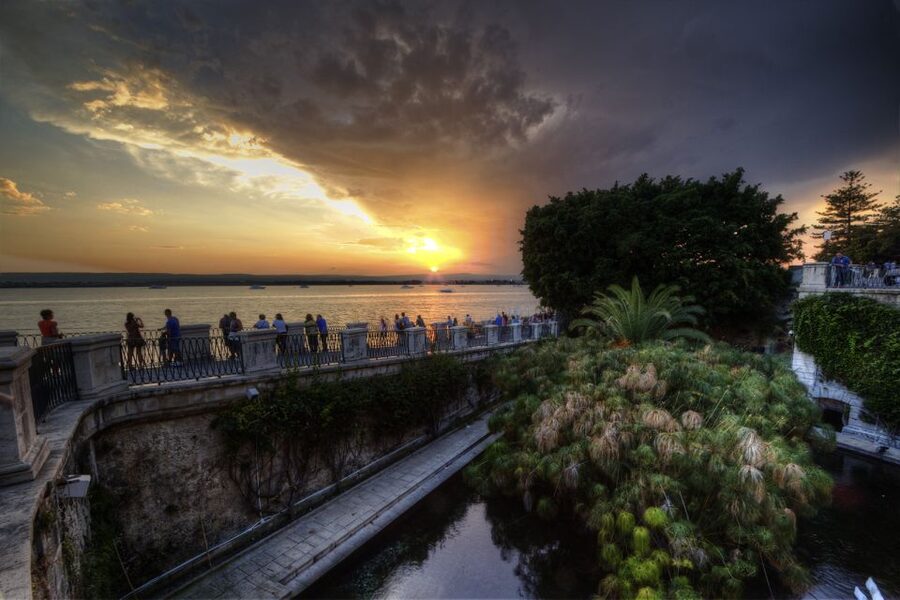
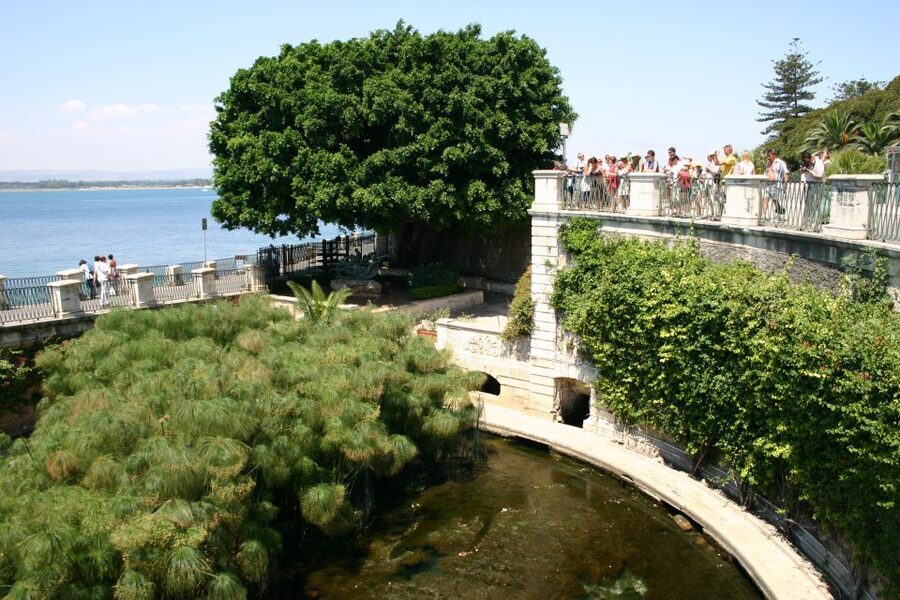
After the Duomo area, the tour moves toward one of Syracuse’s most famous natural icons: Aretusa Spring. This stop is built around myth and local identity. You’ll hear about the legendary side of the spring and the famous papyrus plants that grow here—one of those details that instantly makes the place feel alive and specific.
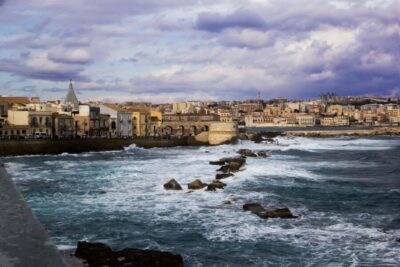
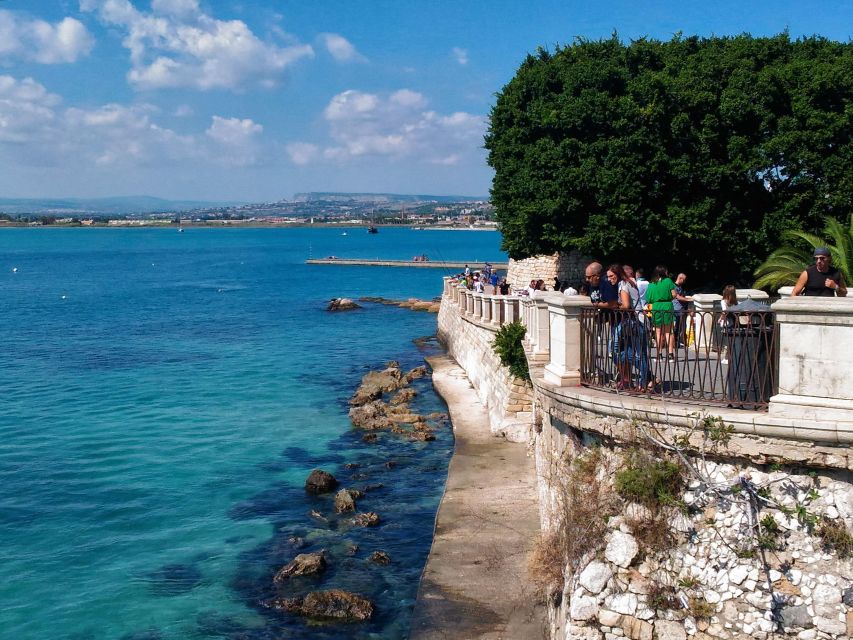
Once you’re finished at Aretusa, you transition into a leisure stroll along the seafront promenade. That matters because it breaks the “standing and listening” pattern. You get sea air, a wider view, and a different pace so the history sticks better.
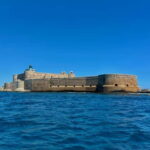
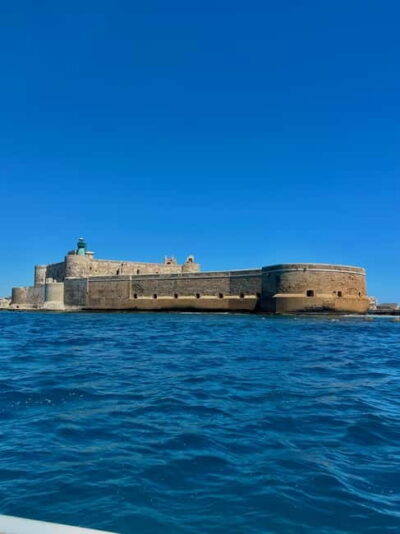
On the way, you also get scenic views toward Castello Maniace. You might not spend long inside any fortress during a two-hour walk, but having the look helps you place what else you could do later. It gives you an anchor point for follow-up exploration—especially if you want sunset plans.
Giudecca and St. John Baptist: neighborhoods and living culture
The tour continues into Via della Giudecca, which you visit as the historic Jewish district area. This is one of those stops that adds texture. Ortigia can feel like a pure museum if you only focus on temples and cathedrals. Giudecca brings in the idea of community change—how Syracuse’s neighborhoods and identities evolved over time.
From there, you visit Church of Saint John Baptist for a guided look. The data doesn’t spell out every interior detail, but you can expect a short guided explanation tied to architecture and local cultural meaning.
This section also connects to what the guide talks about regarding daily life and religious celebrations—especially the revered St. Lucy’s feast and its grand procession. Even if you’re not there during festival days, hearing how the community celebrates gives you context for why churches, squares, and rituals matter so much in Ortigia’s rhythm.
Tour size, headsets, and real-world comfort
This is a shared group walking tour with a max group size of 25, and it often runs closer to 10. That smaller-leaning size is part of why it feels doable in crowded lanes. It’s also why it’s worth paying attention to the headset setup.
For larger groups, free headsets are provided so you can hear clearly. Narrow streets can turn sound into a mess fast—headsets fix that without you needing to stand shoulder-to-shoulder with other visitors.
What to bring
- Comfortable shoes (seriously)
- A phone for photos (you’ll want it, especially around Aretusa and the seafront)
The tour runs rain or shine, so you should plan for Sicily weather quirks. If you’re visiting in wetter months, bring something small you can put on quickly.
Getting help from the guide
A practical bonus: the guide encourages questions and suggestions. If you ask, you’ll get ideas for other monuments, nearby towns, restaurants, and activities. That’s especially useful after the tour ends, because Ortigia has plenty to do once you’re oriented.
Price and value: is $22 a fair deal?
At $22 per person for a 2-hour guided walk, you’re paying for more than movement. You’re paying for interpretation—how to connect the Greek origins, civic buildings, and Christian landmarks into a single story you can remember later while you wander.
You also get help with communication (headsets in larger groups), a structured route through the most important old-town zones, and optional learning time at the cathedral if it’s accessible. The cathedral ticket is just €2 extra (not included), so your total stays low unless you choose to add more sites later.
If you’re the type who likes to wander on your own after a strong orientation, this price feels fair. If you hate walking or want to spend lots of time indoors, you might prefer something longer. But for a first-time overview, this is one of the simplest ways to buy clarity.
Who should book this Ortigia classic walk?
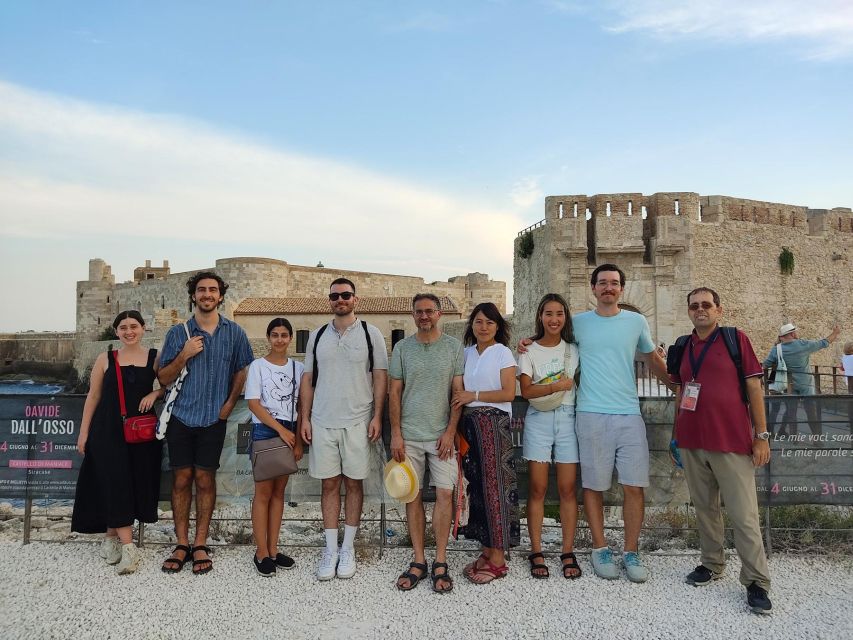
Book it if:
- You want an easy first overview of Ortigia’s main eras (Greek to Christian to neighborhood history)
- You like your history explained in plain language while you walk
- You want a route that ends near Piazza Archimede, so you can keep exploring afterward
Consider other options if:
- You want a long indoor museum experience (this is a walking, street-level route)
- You dislike crowds. Ortigia can get busy, and narrow streets can feel tight during overlap periods
Should you book this Syracuse Ortigia Classic Walking Tour?
Yes, if your goal is getting your bearings and seeing the essentials without wasting time. The route covers high-value stops—Temple of Apollo, Piazza Duomo, Aretusa Spring, and Via della Giudecca—in a compact two hours. The small-group setup and headset support make it easier to hear and absorb.
Just do two things to make it smoother: wear good shoes, and show up early enough to find the correct meeting option. If you do, you’ll leave with a clearer picture of why Ortigia’s streets look the way they do—and where to go next on your own.
FAQ
How long is the Syracuse Ortigia Classic Walking Tour?
The tour is 2 hours.
Where does the tour start and end?
It starts at the Apollo Temple area in Ortigia. The walk ends near Piazza Archimede (with drop-off options around Fountain of Diana and Piazza Archimede).
Is the cathedral interior included?
The cathedral interior is optional. If you can enter, the €2 entry ticket is not included.
What languages are offered?
The live tour guide is available in English and Italian. In some rare cases with very small groups, explanations could be given in both languages.
Will the tour run in bad weather?
Yes. The tour takes place rain or shine.
Is the tour wheelchair accessible?
Yes, it is listed as wheelchair accessible.
More Tours in Syracuse
More Tour Reviews in Syracuse
More of Syracuse and Ortigia
Just added: the newest Syracuse tours in our notebook
- Tour of Syracuse by Ape Calessino★ 3.0 · 3 reviews
- Syracuse Showdown Scavenger Hunt★ 5.0 · 3 reviews
- Sicily Boats Avola: Plemmirio boat tour 4 people 4 hours★ 5.0 · 3 reviews
- Groovy Geneva Scavenger Hunt★ 5.0 · 3 reviews
- Syracuse: Ortigia & Sea Caves Boat Tour with Local Skipper★ 5.0 · 3 reviews
- Siracusa: Neapolis’s Archaeological Park small group tour★ 5.0 · 3 reviews
Syracuse & Ortigia, compared.
 ★ 4.7Syracuse: Tour of Ortigia Island & Caves with Local SkipperFrom $231,060 reviews
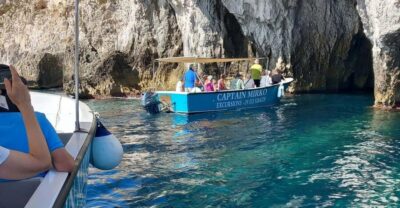 ★ 4.7Syracuse: Boat Tour with Captain Mirko, Snorkeling & CavesFrom $35746 reviews
 ★ 4.7Siracusa: Ortigia Boat Tour with Marine Grotto & SnorkelingFrom $47726 reviews
 ★ 4.8Siracusa: Ortigia & Sea Caves Boat Tour w/ Prosecco & FruitFrom $35723 reviews
 ★ 5.0Tour of the island of Ortigia and exploration of sea caves with baths.From $24668 reviews
 ★ 4.7Syracuse: Ortigia Island & Sea Cave Boat Tour with ProseccoFrom $23418 reviews
 ★ 5.0Boat tour of Ortigia Island and sea cavesFrom $24407 reviews
 ★ 4.6Catania: Syracuse, Ortigia, and Noto Tour with BrunchFrom $112404 reviews
Browse the lists this tour appears in