
Reviewed · SYRACUSE & ORTIGIA
Syracuse: Highlights of Ortigia Guided Walking Tour
Ortigia packs a surprising amount into two hours. This walk starts at the Temple of Apollo and strings together Greek myth, sea views, and Sicilian urban beauty, guided by locals who know how to connect the dots. Two things I really like: the myth-to-monument storytelling that makes names like Arethusa feel real, and the major-photo stops (Duomo marble, Apollo, and the fountain complex) in a tight route. The one catch to plan around is that the cathedral visit requires a ticket, plus you’ll need to follow a church dress code.
What makes this format work is that the tour isn’t just “stand here, look there.” You move through Ortigia with a clear sense of sequence, from ancient foundations to the freshwater spring by the sea. And if it’s hot, you’ll want a guide who can pace the shade and timing; some guides on this route are praised specifically for managing tough conditions.
One more consideration: because tours may run with Italian and English together, the pace can feel slower if your group includes multiple languages.
In This Review
- Key highlights to look for
- Ortigia in two hours: what this walk actually covers
- Temple of Apollo first: starting point and how to not miss it
- Piazza Archimede and the Fountain of Diana: myth that becomes street art
- Piazza Duomo marble and Syracuse Cathedral: what you can actually see
- Arethusa Spring by the sea: the tour’s last mythic payoff
- Price and value at about $29: where the money goes
- Guides make the difference: from shade tactics to Q&A depth
- Small logistics that matter: meeting point, timing, and dress code
- Should you book this Ortigia highlights walk?
- FAQ
- Where is the meeting point for the Ortigia walking tour?
- How long is the tour?
- What’s included in the price?
- Do I need to buy a ticket for the Syracuse Cathedral?
- Is the tour offered in English?
- Should I follow a dress code?
Key highlights to look for
- Temple of Apollo as your warm-up: the oldest Greek temple in the Western world sets the tone right away
- Piazza Archimede’s myth scene: Fountain of Diana and the Arethusa/Artemis story
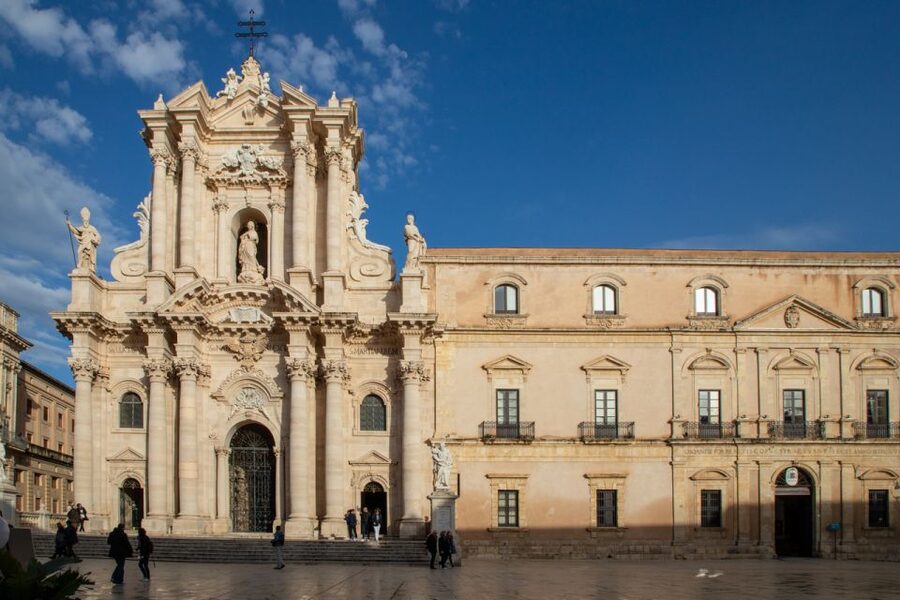
- Piazza Duomo’s marble focus: cathedral exterior splendor and a chance to visit inside (ticket needed)
- Arethusa Spring at the sea edge: a freshwater moment a few meters from the water, tied to the love story of Arethusa and Alphaeus
- Strong guide energy: past guides named Giuseppe, Michael, Letizia, Vincenzo, and Eva are described as friendly, detailed, and question-friendly
- Heat and timing realism: plan to arrive early, and don’t be shocked if openings/holidays shift a stop a bit
Deeper into Ortigia and old Syracuse
- Syracuse: Boat Tour with Captain Mirko, Snorkeling & Caves
★ 4.7 · 746 reviews - Siracusa: Ortigia Boat Tour with Marine Grotto & Snorkeling
★ 4.7 · 726 reviews - Siracusa: Ortigia & Sea Caves Boat Tour w/ Prosecco & Fruit
★ 4.8 · 723 reviews - Syracuse: Ortigia Island & Sea Cave Boat Tour with Prosecco
★ 4.7 · 418 reviews
Ortigia in two hours: what this walk actually covers
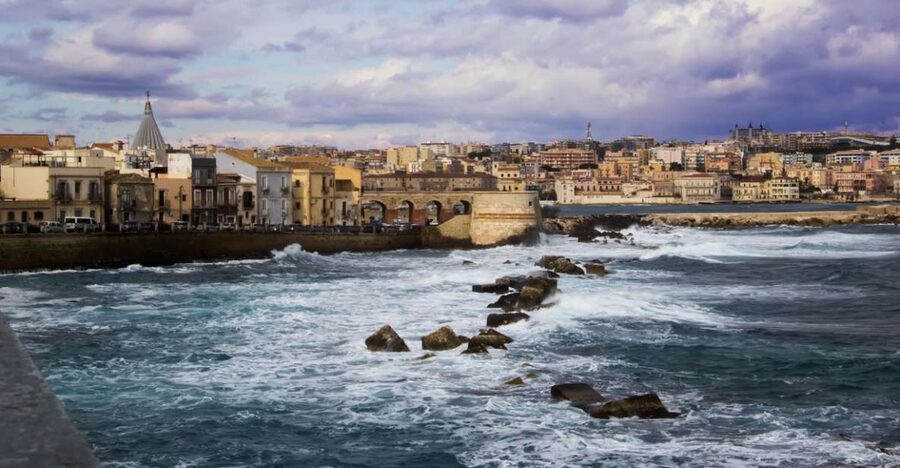
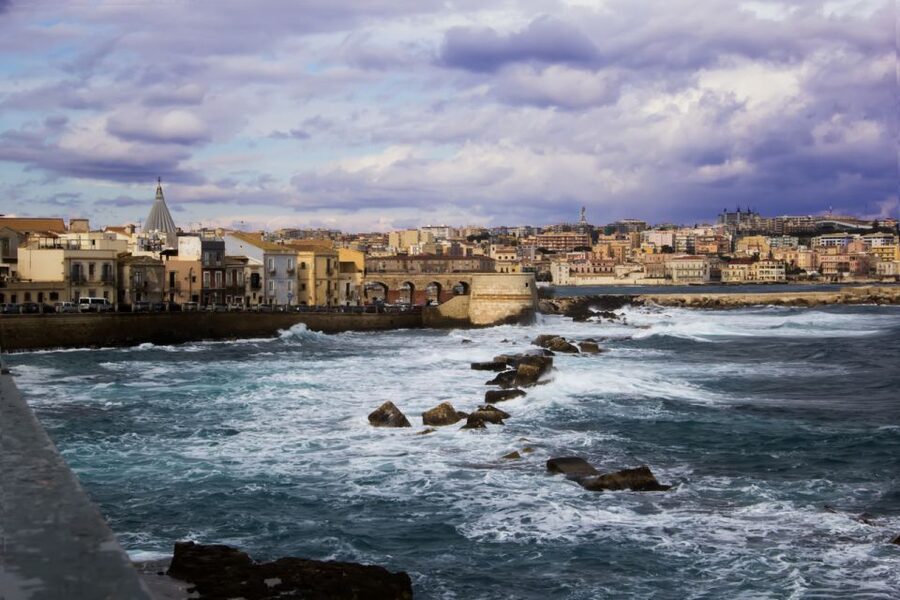
Ortigia is the historic core of Syracuse, and this tour treats it like a living museum on foot. In about 2 hours, you’ll cover the top sight cluster without feeling like you’re sprinting across the island.
You’ll walk from ancient Greek roots to the Christian-era heart of the city, then end at Arethusa—freshwater by the sea, tied to myth. That structure matters because it turns scattered landmarks into one story, instead of a list.
The route is built around outdoor viewing first, then a longer moment where you can visit the cathedral. If you care about architecture and the “why” behind place names, this format is a good match.
Temple of Apollo first: starting point and how to not miss it
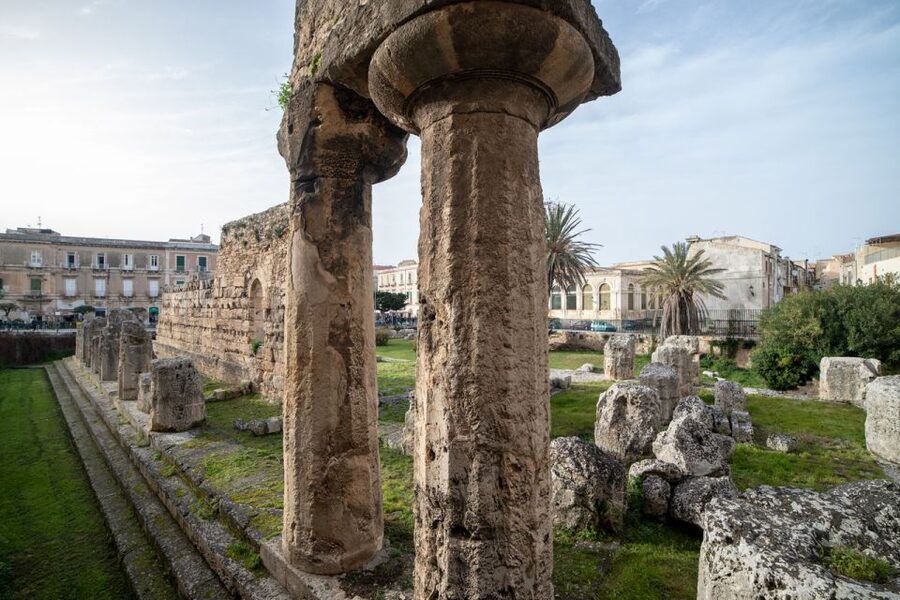
The tour begins at the Temple of Apollo, and that’s a smart move. Seeing the temple at the start puts you in the right mindset: Ortigia’s layers are easier to understand when you start with the oldest visible anchor.
Meeting point details are clear, but you still need to arrive early—10 minutes is requested to keep the schedule flowing. Look for the guide with a badge under the pomegranate tree in front of the Temple of Apollo, at the roundabout where Corso Matteotti starts.
At this stop, you’re allotted around 30 minutes for the guided portion. That’s long enough to actually take in the space, ask questions, and get context before you head into the next square.
Practical note: this area is a hub of pedestrian movement, so wear shoes you trust. Ortigia streets can be a little uneven, and you’ll be doing mostly walking for the full session.
Piazza Archimede and the Fountain of Diana: myth that becomes street art
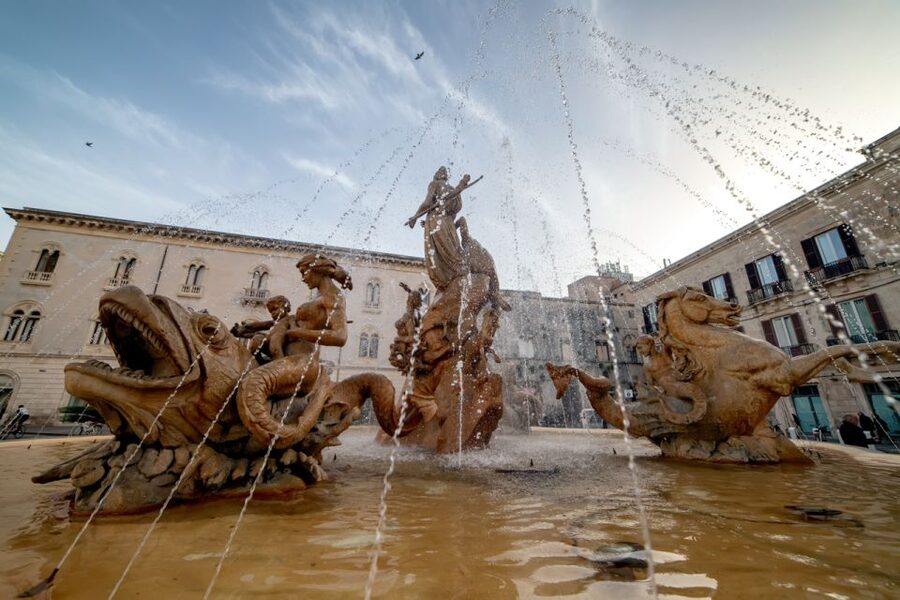
Next you’ll move toward Piazza Archimede, where the Fountain of Diana takes center stage. This isn’t just a pretty photo stop; the fountain is explained through the myth of Arethusa and Artemis.
Here’s the key idea you’ll hear: the fountain connects to the moment when the nymph Arethusa is transformed into a spring. When a guide links that story to the real-world geography—Syracuse’s waters and the sea nearby—the myth stops feeling like a bedtime tale and starts feeling like the way locals historically explained the landscape.
You’ll have about 20 minutes guided in this area. That time typically works well because the fountain sits where you can pause, look at details, and still keep the walking rhythm.
If you like folklore, this is one of the best parts of the tour, because it teaches you how to read symbols on the street—not only what’s there, but why it was designed that way.
Piazza Duomo marble and Syracuse Cathedral: what you can actually see
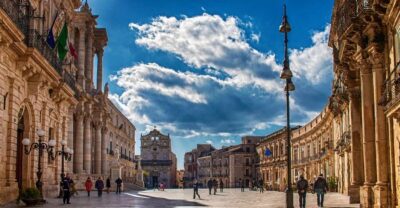
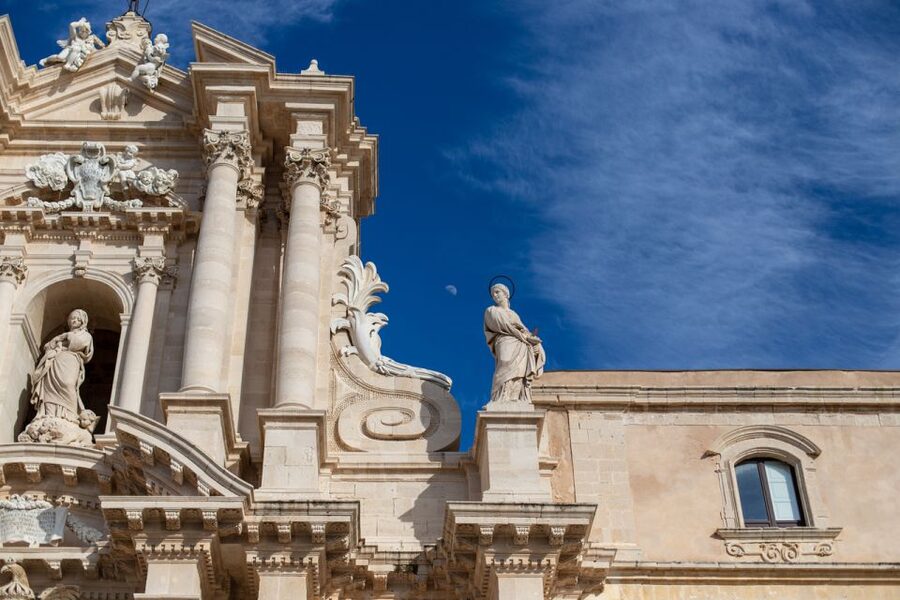
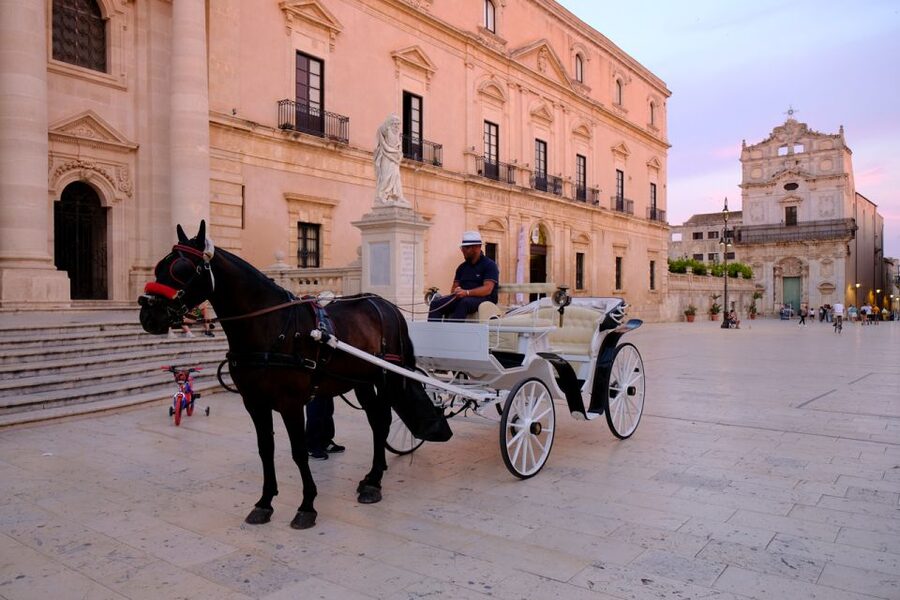
Then comes the big city square: Piazza Duomo. This is one of the most beautiful squares in Italy, and it’s also tied to the city’s founding story from Corinth—an example of how “Sicily is layered” isn’t just a slogan here.
You’ll spend about 45 minutes around this segment, including time to visit the cathedral. The cathedral itself is a major reason this stop is worth your attention because you’ll see impressive marble work and the scale of the religious center.
Two important planning details:
- The cathedral entry is not included, and you’ll need to pay on-site for the ticket.
- Because it’s a place of worship, there’s a dress code requirement, so bring clothing that covers appropriately.
What I find helpful with stops like this is the pacing. You’re not rushed through the square; you get a guided walkthrough so the cathedral doesn’t just look like a big building. You learn how the space functions as the spiritual and civic heart.
Also, monument access can shift for holidays or opening hours. If the cathedral isn’t available exactly as expected, your guide should adjust the timing so you still get the core sights.
A few we would gladly point a friend toward in Syracuse
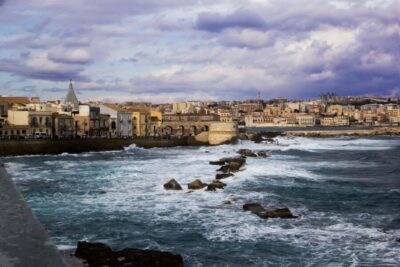
Arethusa Spring by the sea: the tour’s last mythic payoff
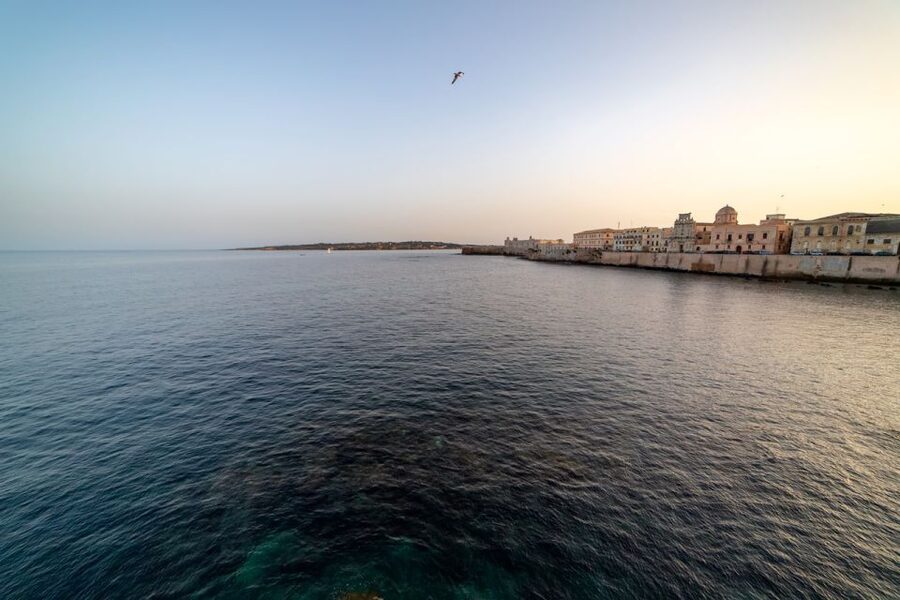
The tour ends at Fountain Arethusa, a freshwater spring a few meters from the sea. That “how can this be freshwater so close to salt water?” tension is exactly why this stop lands with people.
You’ll hear the love story behind the name: Arethusa and Alphaeus. It’s a fitting closer because by now you’ve already picked up the pattern—myth isn’t separate from geography here. It’s a way people historically wrapped meaning around what they saw in front of them.
You get around 40 minutes for the final segment, which is a generous amount of time for a closing stop. You can slow down, take in the waterfront vibe, and let the guide’s explanations settle before you head back into Ortigia streets on your own.
If you enjoy “short walks with a strong ending,” this conclusion is a real advantage. Many city tours end after the best sights, but this one saves a memorable water moment for the finish.
Price and value at about $29: where the money goes
For around $29 per person for a 2-hour guided walk, you’re paying for three things: a structured route, a local guide, and time saved versus trying to decode everything solo.
The cost feels reasonable because the stops aren’t random. You’re covering the Temple of Apollo, a major fountain story at Piazza Archimede, the Duomo square, and Arethusa spring—all in one go. If you’ve only got a short Syracuse day, that route compression is where the value shows.
What’s not included is the cathedral entry ticket and food/drinks. So the smartest way to think about the price is: this is a guided walking experience plus a likely extra spend for cathedral access.
If you hate wasting time in tourist lines, the fact that the bulk of the tour is outdoor sightseeing helps. You’ll still pay one on-site ticket for the cathedral, but you’re not buying a bunch of admissions just to move around.
Guides make the difference: from shade tactics to Q&A depth
This tour is only as good as the person holding the group together, and the guide role shows up in the types of comments people leave. Multiple guides associated with this walk are praised for being friendly and strong on local lore, including Giuseppe, Michael, Letizia, Vincenzo, Margaret, and Eva.
What stands out in that pattern is how guides manage three things at once:
- Timing: keeping you moving without skipping key explanations
- Questions: giving answers instead of just reciting dates
- Comfort: pacing in hot weather and keeping the group in shade when possible
One practical note: some groups use headsets if needed. You can use your own headset or buy a disposable one for €1 on-site. If you’re picky about audio, bring your own headphones—one comment points out that the technical setup wasn’t perfect on a past outing.
Finally, language mixing can change the pace. If your group is combined Italian and English, you might hear the same material twice. It’s not a disaster, but it can make a 2-hour plan feel a bit longer and less snappy.
Small logistics that matter: meeting point, timing, and dress code
To get the smooth experience this route is designed for, here are the practical things you should do:
- Arrive 10 minutes early for the meeting so you don’t slow down the whole group.
- Plan for church-appropriate clothing since you’ll be near or entering the cathedral.
- Decide ahead of time whether you’ll bring a headset. Your own is fine; otherwise you can purchase one on-site for €1.
- Expect that opening hours and holidays can shift what’s accessible, especially around the cathedral area.
Also, this walk is built around sustained walking. Bring water and wear comfortable, grippy shoes.
If you’re traveling in summer heat (Syracuse can be intense), treat the tour like an outdoor activity, not a museum visit. Dress accordingly and take the guide’s lead on breaks and pacing.
Should you book this Ortigia highlights walk?
Yes, I’d book it if you want an easy, high-signal way to understand Ortigia in a short time. This is the right choice when you care about myth and place names—not just taking photos—and you like tours where the guide connects ancient sites, squares, and water.
Skip or reconsider if you strongly dislike:
- paying an extra on-site ticket for the cathedral,
- hearing repeated explanations due to mixed language groups,
- and indoor dress-code rules for worship spaces.
If your goal is a well-ordered introduction to Syracuse’s island center—with Temple of Apollo, Piazza Duomo, and the Arethusa spring as your anchors—this tour is a solid value at around $29 and a smart use of two hours.
FAQ
Where is the meeting point for the Ortigia walking tour?
You meet the guide under the pomegranate tree, in front of the Temple of Apollo at the roundabout where Corso Matteotti starts. The tour also lists Largo XXV Luglio, 7 as the starting location.
How long is the tour?
The walk lasts about 2 hours.
What’s included in the price?
The price includes the walking tour and a guide.
Do I need to buy a ticket for the Syracuse Cathedral?
Yes. Entry to the Syracuse Cathedral is not included, and you must pay the ticket on-site.
Is the tour offered in English?
Yes, the tour is offered in English and Italian.
Should I follow a dress code?
If you plan to access places of worship, you’ll need to follow a dress code. Arriving 10 minutes early is also requested to stay on schedule.
More Tours in Syracuse
More Tour Reviews in Syracuse
More of Syracuse and Ortigia
Just added: the newest Syracuse tours in our notebook
- Tour of Syracuse by Ape Calessino★ 3.0 · 3 reviews
- Syracuse Showdown Scavenger Hunt★ 5.0 · 3 reviews
- Sicily Boats Avola: Plemmirio boat tour 4 people 4 hours★ 5.0 · 3 reviews
- Groovy Geneva Scavenger Hunt★ 5.0 · 3 reviews
- Syracuse: Ortigia & Sea Caves Boat Tour with Local Skipper★ 5.0 · 3 reviews
- Siracusa: Neapolis’s Archaeological Park small group tour★ 5.0 · 3 reviews
Syracuse & Ortigia, compared.
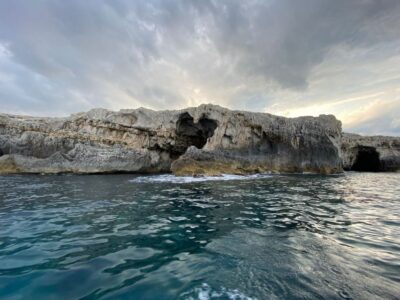 ★ 4.7Syracuse: Tour of Ortigia Island & Caves with Local SkipperFrom $231,060 reviews
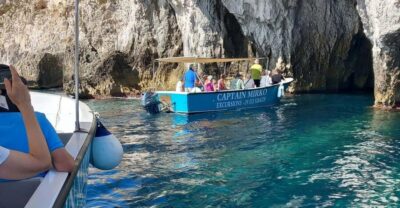 ★ 4.7Syracuse: Boat Tour with Captain Mirko, Snorkeling & CavesFrom $35746 reviews
 ★ 4.7Siracusa: Ortigia Boat Tour with Marine Grotto & SnorkelingFrom $47726 reviews
 ★ 4.8Siracusa: Ortigia & Sea Caves Boat Tour w/ Prosecco & FruitFrom $35723 reviews
 ★ 5.0Tour of the island of Ortigia and exploration of sea caves with baths.From $24668 reviews
 ★ 4.7Syracuse: Ortigia Island & Sea Cave Boat Tour with ProseccoFrom $23418 reviews
 ★ 5.0Boat tour of Ortigia Island and sea cavesFrom $24407 reviews
 ★ 4.6Catania: Syracuse, Ortigia, and Noto Tour with BrunchFrom $112404 reviews
Browse the lists this tour appears in