
Reviewed · SYRACUSE & ORTIGIA
Syracuse: Ortigia and Neapolis Guided Walking Tour
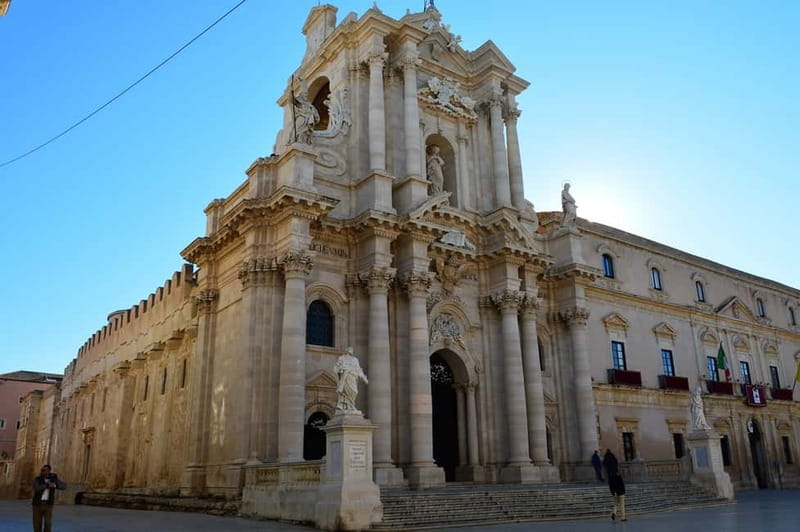
Syracuse packs a lot of ancient drama. I love how the Temple of Athena shows up in the modern Cathedral of Syracuse, and I love the way Neapolis turns into a real walkable story with theaters and the Ear of Dionysos. One heads-up: entrance fees to the archaeological sites aren’t included, so you’ll want to budget extra.
This is built for small groups, and that changes the feel fast. You’ll have a licensed guide and a headset so you can actually hear explanations while you’re outside, moving, and looking around instead of craning your neck.
The tour runs about 3 hours and finishes back where you started, with time on Ortigia for those tight, ancient-feeling lanes and sea views. Wear comfortable shoes and bring water, because Syracuse can get hot and the ground is a mix of stone and uneven paths.
In This Review
- Key highlights you’ll care about
- Why Neapolis and Ortigia feel like one story
- Meeting point and “get your bearings” tips
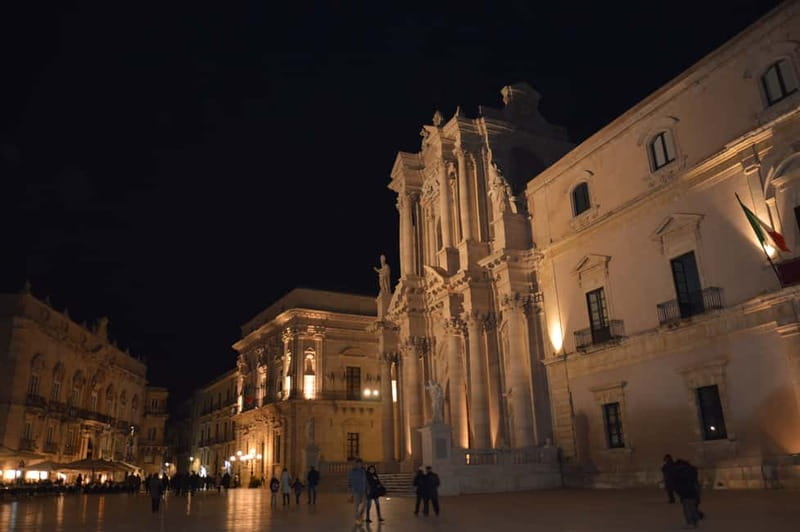
- Stop 2: Temple of Athena and the Cathedral of Syracuse
- Neapolis archaeological park: theaters, Latomia, and the Ear of Dionysos
- The theaters: why they matter
- Latomia and the Ear of Dionysos
- Ortigia: ancient lanes, sea light, and a slower sense of place
- What’s included (and what you pay yourself)
- Is the price worth it?
- The guides: energy, interaction, and real answers
- What the pace feels like (and who it suits best)
- Should you book this Syracuse tour?
- FAQ
- How long is the Syracuse: Ortigia and Neapolis Guided Walking Tour?
- What is the price for this tour?
- Are entrance fees included in the tour price?
- Where does the tour start and where does it end?
- Is a guide included?
- Do I need a headset to hear the guide?
- Is the tour wheelchair accessible?
- What languages are available for the live guide?
- Is food or drinks included?
Key highlights you’ll care about
- Temple of Athena meets the Cathedral: you’ll see how pagan and Christian layers overlap in the same spot.
- Neapolis park’s major ruins: expect Greece’s big-stage moments with theaters plus dramatic cliff-side areas.
- Ear of Dionysos (and the acoustic legend): it’s one of those places you understand immediately once someone points out why it mattered.
- Headsets for clarity: outdoor guided history is way more comfortable when you can hear every detail.
- Small private group up to 5: lots of question time, not a cattle-car pace.
Deeper into Ortigia and old Syracuse
- Syracuse: Boat Tour with Captain Mirko, Snorkeling & Caves
★ 4.7 · 746 reviews - Siracusa: Ortigia Boat Tour with Marine Grotto & Snorkeling
★ 4.7 · 726 reviews - Siracusa: Ortigia & Sea Caves Boat Tour w/ Prosecco & Fruit
★ 4.8 · 723 reviews - Syracuse: Ortigia Island & Sea Cave Boat Tour with Prosecco
★ 4.7 · 418 reviews
Why Neapolis and Ortigia feel like one story
Syracuse isn’t just ruins scattered around a city. It’s one long argument between eras, and this tour helps you read it in the right order.
Neapolis is where the big Greek cultural power shows itself—its theaters, its sacred spaces, and its dramatic engineering. Then you shift to Ortigia, the lime-white island that still feels like a living old center. Put those together and the stonework makes sense: religion, politics, and public life all share the same stage.
If you like history that connects to what you can see—rather than dates thrown at you—this is a smart format. You don’t just stop at impressive sights. You walk through the logic of where people gathered, prayed, performed, and claimed identity.
Meeting point and “get your bearings” tips
You’ll start at the Biglietteria Parco Archeologico Neapolis on Via Luigi Bernabò Brea. Your guide meets you at the ticket office with a sign showing the name of the local partner.
There are two listed starting-location options (including the area near the Tempio di Apollo), so the best move is simple: look for your guide’s sign and confirm the exact starting spot with them right away. It avoids that annoying moment of wandering around with everyone else holding up their phones.
Also, plan your basics. Bring a hat and a bottle of water, and wear shoes with grip. The tour is walking-focused, and the ground in old Syracuse isn’t a smooth museum floor. You’ll be glad you didn’t come in sandals.
Finally, consider weather. Outdoor walking in Sicily can flip from sunny to rainy quickly. A good guide keeps the pace and adapts the plan without turning it into a rushed scramble.
Stop 2: Temple of Athena and the Cathedral of Syracuse
This is the moment where Syracuse becomes more than scenery.
The itinerary includes a photo stop and then a guided visit focused on the Temple of Athena area. You’ll spend about 30 minutes there. The big takeaway is how architecture carries meaning across centuries. The Cathedral of Syracuse incorporates the pagan Temple of Athena, so you’re looking at a literal conversion of sacred space rather than two unrelated monuments.
You’ll also learn to notice architectural “tells.” Even if you aren’t a buildings nerd, the guide’s explanations help you see differences in style and purpose—what was built for worship, what was adapted, and what symbols survived by being reused. One of the reasons this stop gets such strong praise is that the guides tend to explain why the stones were chosen, not just what they are.
If you want to ask questions, this is a good time. People often have the same thought here: how can the ancient world be in the middle of a church? The guide can usually point you to the exact details that make the answer feel real.
Neapolis archaeological park: theaters, Latomia, and the Ear of Dionysos
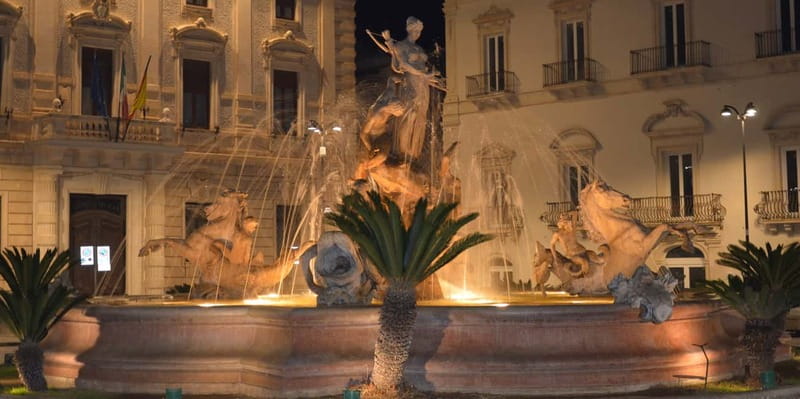
After the Athena stop, you move into the heart of Neapolis. This part is built for big effects, but it’s still practical.
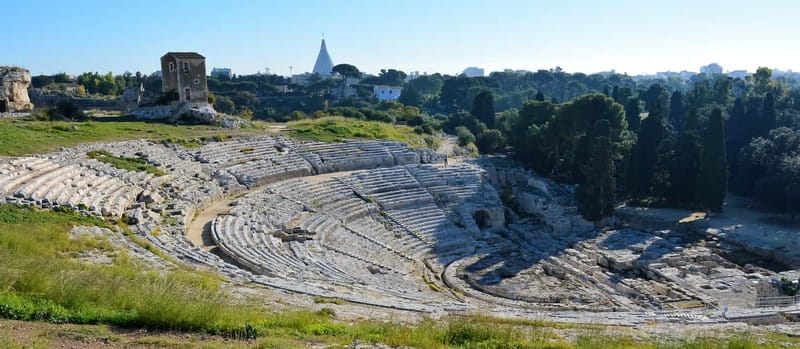
The tour highlights the park’s two ancient theaters, and you’ll also get time around Paradise Latomia and the Ear of Dionysos. These aren’t just pretty viewpoints. They show you how Syracuse staged public life and power.
A few we would gladly point a friend toward in Syracuse
The theaters: why they matter
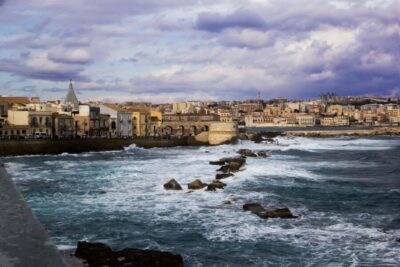
Greek theaters weren’t built for silent sightseeing. They were built so speech and music could reach crowds. When you stand where performers once stood, the scale hits you. The Ionian Sea view from the Greek Theater area adds to the sense of drama—this wasn’t a small-town show.
Also, theaters are a shortcut for understanding society. Who attended? What did citizens hear? What kind of message did a performance spread? A strong guide ties the sights back to early Greek history and religious practices, so the ruins feel connected instead of separate snapshots.
Latomia and the Ear of Dionysos
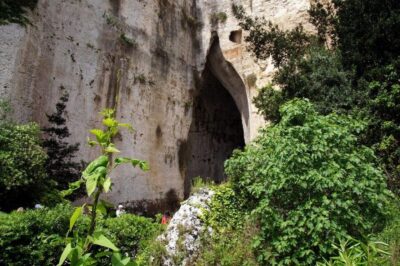
Paradise Latomia and the Ear of Dionysos are the kind of places that make you stop walking for a second. Latomia refers to rock-cut areas, and the setting can feel unusually theatrical—nature doing its own set design.
The Ear of Dionysos is especially good for learning because it’s a concept you can experience through explanation. Once you understand the idea behind the site, the location makes sense as part of Syracuse’s reputation for engineering, spectacle, and myth.
If you’re visiting with kids or teens, this area often lands well. The stops are visual. The story has a hook. And the guide usually makes room for questions rather than racing ahead.
Ortigia: ancient lanes, sea light, and a slower sense of place
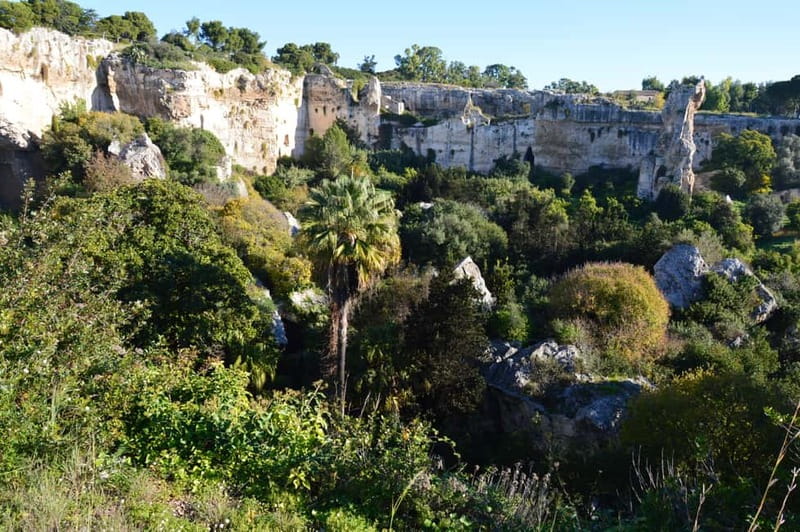
Ortigia is the part that turns the tour from architecture lessons into atmosphere.
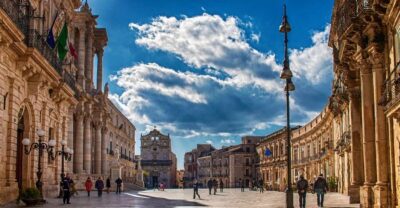
You’ll visit the island of Ortigia and get a guided walk through the labyrinth of ancient streets—tight lanes, sudden sight lines, and that lime-white look that makes buildings glow in Sicily’s light. It’s not only pretty. The street plan tells you how people moved, gathered, and lived around the sea-facing core of the city.
You’ll also get a feel for why Syracuse has kept its identity across different rulers and eras. In this region, the “Greekness” didn’t vanish; it mixed with what came later. Great guides will connect what you see in stone and street layout to the city’s later Roman, Arab, and Spanish influences—so the changes feel like chapters, not random interruptions.
In many cases, the tour moves from Neapolis to Ortigia with a short transfer. One thing I’d advise you to plan for: time lost in traffic can happen around Ortigia. If your schedule is tight, build a little buffer for the day.
What’s included (and what you pay yourself)
Here’s the practical side.
Included in the tour:
- A licensed guide
- Headset equipment to hear clearly during the walk
Not included:
- Entrance fees to the monuments
- Pick-up and drop-off
- Food and drinks
One important budgeting note from on-the-ground experience: admission to the Neapolis archaeological park has been reported at around 13 euros per person. Since entrance fees are separate from the tour price, think of your cost as two parts:
1) what you pay for the guide and included time, and
2) what you pay for site entry.
Is the price worth it?
The tour price is $317.20 per group up to 5 for about 3 hours.
When I do the math for value, a private group changes the equation. If you have four or five people, you’re basically buying a high-quality guide experience rather than paying per person for a crowded tour. The headset helps a lot, because you’re actively learning while walking, not just wandering and hoping you catch a sentence.
Is it expensive? Yes, compared with a basic group bus tour. But it’s also less expensive than many private tours that cover fewer sites or cut the time short. You’re paying for organization, interpretation, and a pace that leaves room for questions.
The guides: energy, interaction, and real answers
This tour performs well because the guide isn’t just reciting. The best ones make you look slower and notice more.
Guides such as Giuseppe, Anna, Marcelo, Laura, and Rosanna have a reputation for strong story-telling and for answering questions in a way that sticks. One especially good sign is how often the tour is praised for staying lively even when weather interrupts plans.
If you’re the type who asks follow-up questions—about how Greek culture worked, why the Cathedral is layered, or what legends connect to the sites—this format supports that. A private group doesn’t mean a silent walk. It means you can pause, ask, and keep moving.
What the pace feels like (and who it suits best)
This is a walking tour, but it’s designed for seeing. Expect comfort to depend on your shoes and your tolerance for stone streets.
It also tends to work well for families. The tour can accommodate children of all ages, and the guide involves parents and kids—so it’s not a lecture with cartoon breaks. If you have teens, the interactive storytelling style is often a big win.
Who it’s best for:
- Couples and small families who want more than a photo stop
- History lovers who care about how architecture reflects belief and power
- People who dislike crowded tours and prefer a calmer pace
- Anyone who wants the Greek and later layers explained without needing to read a book first
Who might find it less ideal:
- If you’re expecting a tour without any uphill or uneven walking
- If you hate paying separate monument fees (because entrance tickets are not included)
Should you book this Syracuse tour?

I’d book it if you want Syracuse to feel coherent. The combination of Temple of Athena, the Cathedral’s layered meaning, Neapolis theaters, and Ortigia’s street maze adds up to more than a checklist.
I would pause before booking if budget is tight because entrance fees and guided time both add up. Also, if your group wants zero walking and zero interpretation, you might prefer a more casual self-guided plan.
But if you and your group like learning while you move—and you want a guide who can connect Greek origins, religious practice, and later changes to what you see—this is one of the better values in the Syracuse category. Small group. Headsets. Real focus on the best anchor sites. That’s a combo that pays off.
FAQ
How long is the Syracuse: Ortigia and Neapolis Guided Walking Tour?
The tour lasts about 3 hours.
What is the price for this tour?
The price is $317.20 per group for up to 5 people.
Are entrance fees included in the tour price?
No. Entrance fees to monuments are not included, and you’ll pay those separately.
Where does the tour start and where does it end?
It starts at the Biglietteria Parco Archeologico Neapolis on Via Luigi Bernabò Brea, and it ends back at the same meeting point.
Is a guide included?
Yes. The tour includes a licensed live guide.
Do I need a headset to hear the guide?
A headset is included, which helps you hear your guide during the walk.
Is the tour wheelchair accessible?
Yes, the activity is listed as wheelchair accessible.
What languages are available for the live guide?
The live tour guide is available in English, French, Italian, Russian, Spanish, and German.
Is food or drinks included?
No. Food and drinks are not included.
More Tours in Syracuse
More Tour Reviews in Syracuse
More of Syracuse and Ortigia
Just added: the newest Syracuse tours in our notebook
- Tour of Syracuse by Ape Calessino★ 3.0 · 3 reviews
- Syracuse Showdown Scavenger Hunt★ 5.0 · 3 reviews
- Sicily Boats Avola: Plemmirio boat tour 4 people 4 hours★ 5.0 · 3 reviews
- Groovy Geneva Scavenger Hunt★ 5.0 · 3 reviews
- Syracuse: Ortigia & Sea Caves Boat Tour with Local Skipper★ 5.0 · 3 reviews
- Siracusa: Neapolis’s Archaeological Park small group tour★ 5.0 · 3 reviews
Syracuse & Ortigia, compared.
 ★ 4.7Syracuse: Tour of Ortigia Island & Caves with Local SkipperFrom $231,060 reviews
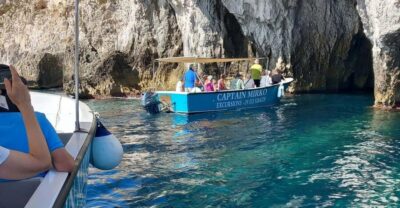 ★ 4.7Syracuse: Boat Tour with Captain Mirko, Snorkeling & CavesFrom $35746 reviews
 ★ 4.7Siracusa: Ortigia Boat Tour with Marine Grotto & SnorkelingFrom $47726 reviews
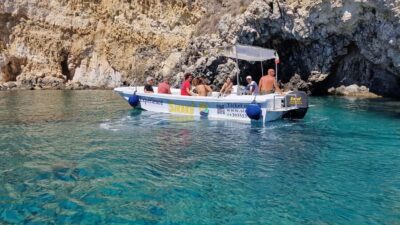 ★ 4.8Siracusa: Ortigia & Sea Caves Boat Tour w/ Prosecco & FruitFrom $35723 reviews
 ★ 5.0Tour of the island of Ortigia and exploration of sea caves with baths.From $24668 reviews
 ★ 4.7Syracuse: Ortigia Island & Sea Cave Boat Tour with ProseccoFrom $23418 reviews
 ★ 5.0Boat tour of Ortigia Island and sea cavesFrom $24407 reviews
 ★ 4.6Catania: Syracuse, Ortigia, and Noto Tour with BrunchFrom $112404 reviews
Browse the lists this tour appears in