
Reviewed · MOUNT ETNA TOURS & SUMMIT
Sicily: Mount Etna’s North Slope Craters Guided Hike Tour
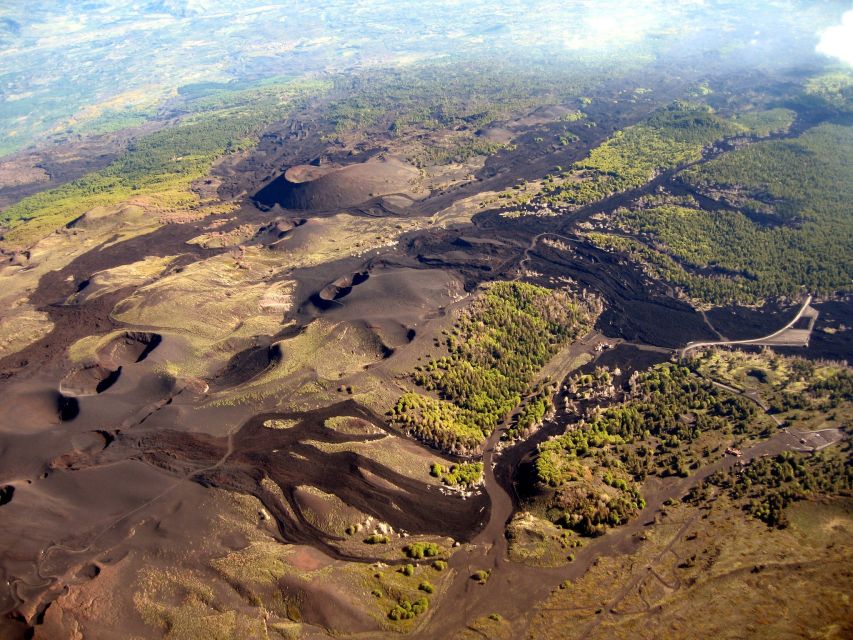
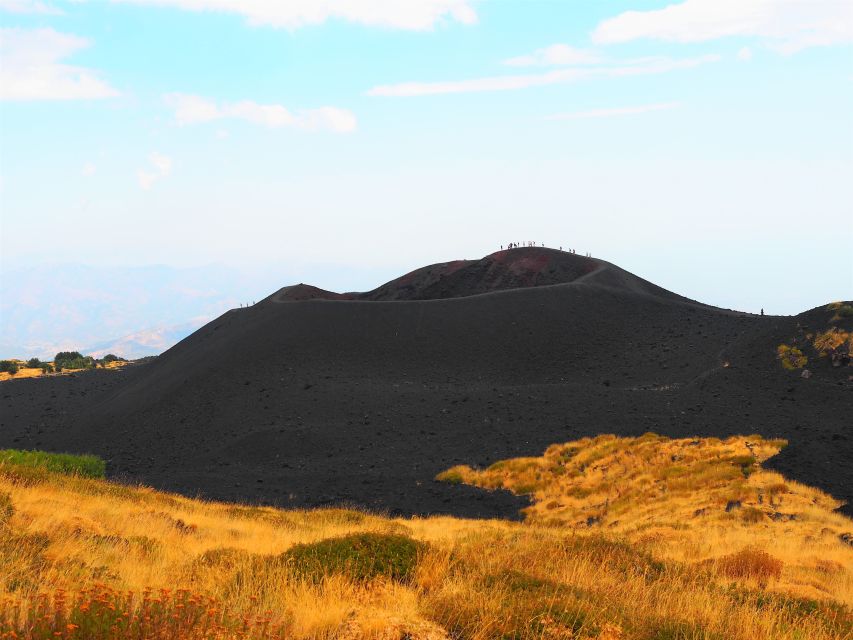
That first look at Etna’s craters pulls you in. This guided north-slope hike packs big geology with walkable terrain and clear, human explanations. You’ll start at Piano Provenzana, hike through beech forest, and reach crater areas shaped by eruptions on Etna’s active calendar.
I especially like the expert guide factor. When Grazia, Francesco, or Francesca leads the group, you get the story behind what you’re standing on, not just a list of facts.
The second thing I like: you get to walk among the volcanic features—including crater edges and lava-flow leftovers—so the power of a live volcano feels real, not abstract. One catch to plan for: snacks and drinks aren’t included, and weather can mean the route may change or get canceled.
In This Review
- Key takeaways
- Why the North Slope Craters Are the Etna Hike You Want
- Starting at Piano Provenzana and the Safety Briefing
- Beech Forest Ascent and the Views You Earn
- Reaching the Crater Base and Crossing the Lava Flow
- The Ragabo Pinewood Canyon: Where Magma Changes Everything
- Walking the Crater Perimeter for the Full Etna Moment
- Guide Quality: What You Get from Grazia, Francesco, and Francesca
- Pace, What to Bring, and How Weather Changes the Plan
- Price and Value: Is $52 Worth It for 3 Hours?
- Who This Tour Fits Best (and Who Might Want Another Option)
- Should You Book This North Slope Craters Hike Tour?
- FAQ
- FAQ
- How long is the Mount Etna north slope craters guided hike?
- Where do I meet for the tour?
- What’s included in the price?
- Are snacks and drinks included?
- What should I bring?
- What languages are available with the guide?
- Can the tour change because of weather?
- What is the cancellation policy?
- Is there a pay-later option?
Key takeaways
- North-slope craters connected to the 2002 eruptions, with on-route science context
- Piano Provenzana starting point, known for its ski resort base area
- Beech forest ascent, then crater walking with panoramic views
- A crossing over a lava flow that seeps through side-crater areas
- A canyon carved by a magmatic mass, including the impact on Ragabo Pinewood
- A 3-hour format that’s short enough to fit into a full Sicily itinerary
More ways up the volcano from Sicily
- Etna Morning Trip
★ 4.5 · 1,241 reviews - Mt. Etna nature and flavors half day Tour from Catania
★ 5.0 · 545 reviews - Etna excursion 3000 meters with 4×4 cable car and Trekking
★ 4.5 · 504 reviews - Mount Etna Adventurous Hiking Tour with Equipment
★ 4.5 · 439 reviews
Why the North Slope Craters Are the Etna Hike You Want
Mount Etna is famous, but the magic is in the details. On this tour, you don’t just look at the volcano from a distance. You walk across terrain shaped by real activity, including areas tied to craters that formed in 2002 and violent eruptions around that time.
What makes the north slope compelling is how it shows transformation. You’ll see how lava and hot rock events get followed by plants, forest edges, and new landforms. That process is the real lesson here: nature rebuilds while the volcano keeps reshaping the rules.
If you like your sightseeing with actual explanations, this is the right flavor of Etna day. You’re guided to key eruption zones and told why geologic study matters for understanding active mountains.
Starting at Piano Provenzana and the Safety Briefing
Meet your guide at Piano Provenzana, a well-known stop on Etna’s north side with a ski resort base. Getting started here matters because it puts you close to the trail system and the crater approach without long dead time.
Before you begin, you’ll get a safety briefing. Even though the walking includes an easier start, you’ll later be near crater terrain and cross areas related to lava flow. That briefing is your time to ask questions about what you should watch for and how your guide plans to keep the group moving together.
Then you set off with a plan: start easy, rise gradually, and reach the crater base areas on the northern side, where the most important activity of recent decades left a mark.
Beech Forest Ascent and the Views You Earn
The hike begins on an easy path along the edge of a lava flow. That early section is a smart setup: it helps your legs wake up while you start seeing the volcanic footprint underfoot.
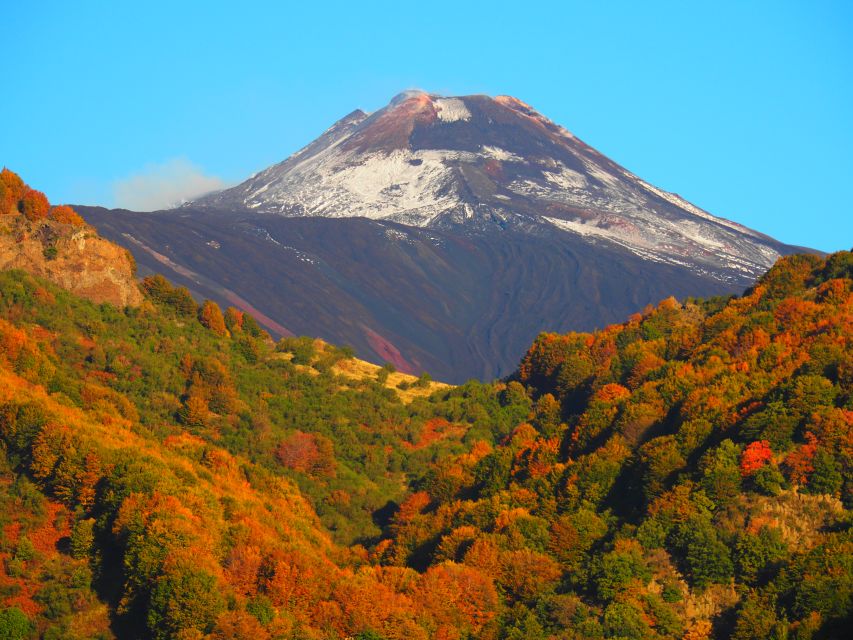
Next comes the ascent through an idyllic forest of beech trees. This is a nice contrast because it shifts the focus from raw rock to living conditions. You’re literally moving from the aftermath of eruption into the growing world that tries to take back the space.
As you climb, you’ll also start earning those panoramic views. The guide points out what you’re looking at, which makes the scenery more than pretty. You begin to connect what’s in front of you—rock shape, slope, crater position—with the way eruptions change the terrain over time.
Reaching the Crater Base and Crossing the Lava Flow
Once you reach the base of the north slope craters, you’re in the zone where the volcano’s impact is easiest to understand visually. This is where the tour shifts into full “walk-and-learn” mode, because you’re not just hearing about eruptions—you’re standing where eruption processes played out.
One highlight is the moment you carefully cross a lava flow that leaks through the side craters. That crossing is exactly the kind of detail that makes a guided hike worth it. Without a guide, it’s easy to misread what’s safe, what’s unstable, and what’s simply confusing geology.
As you move, your guide explains the science behind mountains and volcanoes in a way that helps you interpret the terrain rather than just admire it. It turns the crater area into a classroom with fresh air.
A few we would gladly point a friend toward in Sicily

The Ragabo Pinewood Canyon: Where Magma Changes Everything
After the crater area, you follow a path toward a deep canyon engraved by an enormous magmatic mass. This isn’t vague “volcano stuff.” You’re shown how molten rock once flooded the area and partially destroyed a centuries-old Ragabo Pinewood.
That detail matters because it connects geology to real ecosystems and real loss. You get to see the physical scar of activity and understand why studying mountains isn’t only for scientists—it helps with how we understand hazard, change, and recovery in places people actually live.
Walking here also slows your pace naturally. The canyon pulls your attention along its shape, and you can look across and around as the terrain opens. You start imagining what it must have felt like before the rock settled and life began reorganizing itself.
Walking the Crater Perimeter for the Full Etna Moment
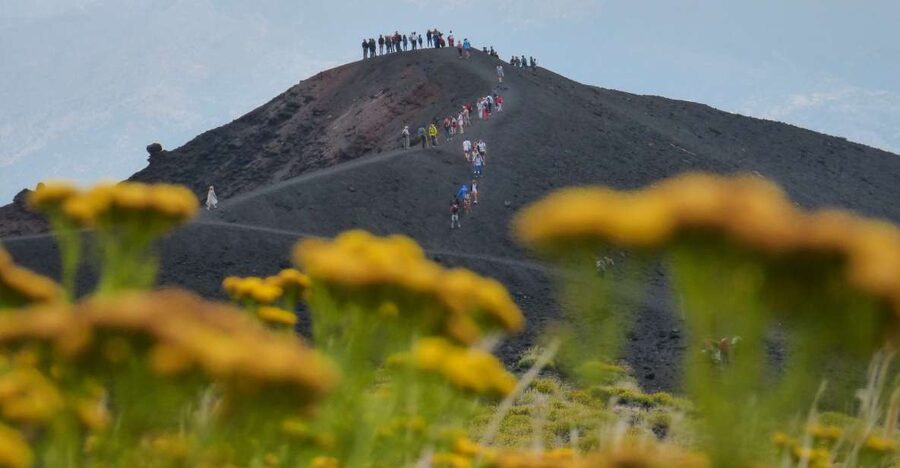
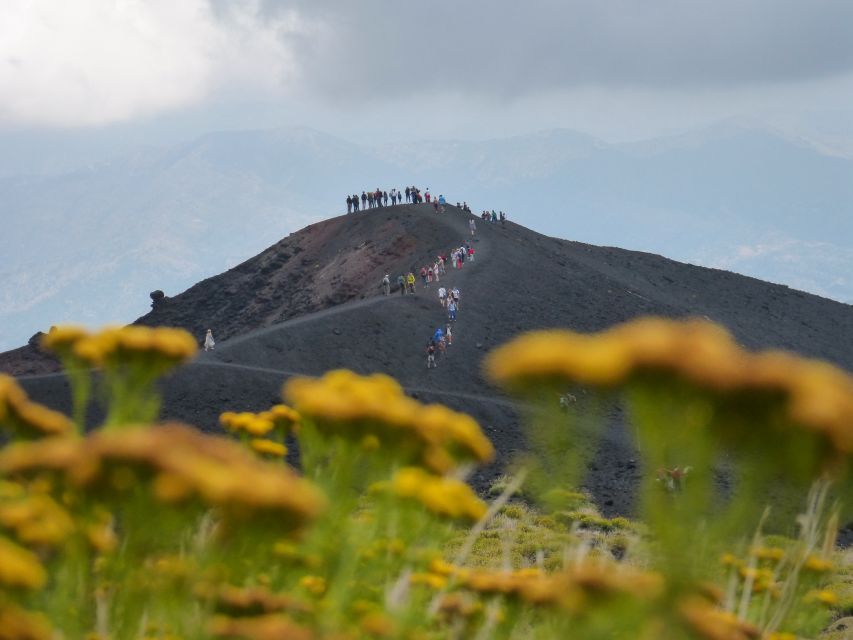
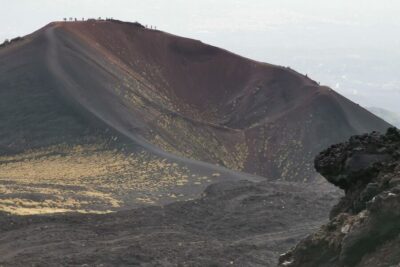
A big part of the tour is going along the perimeter of the craters, walking along the edge and taking in the surrounding views. This is where the Etna feeling hits hardest: you’re close enough to grasp scale, and you’re positioned to sense the “how” behind the geography.
In practical terms, perimeter walking is also where your guide’s pacing matters. One guide (Francesco) is noted for rhythm that keeps the group in time, which matters on a route with multiple key stopping points. You don’t just rush through the crater sections—you cover the important angles.
You’ll also notice how different parts of the route “say” different things. Some segments feel like aftermath—rock textures, crater structure. Others feel like recovery—forest presence nearby. That mix is why this tour works so well for nature lovers.
Guide Quality: What You Get from Grazia, Francesco, and Francesca
This tour’s biggest strength is the guide experience. In the group, you can expect clear, detailed explanations, with guides known for being available and happy to answer lots of questions.
Grazia comes up as a standout in particular. She’s described as extremely knowledgeable about Etna’s history, nearby towns, and plant life around the volcano. That mix is useful because it ties “what you see” to “where you are” in Sicily, not just the volcano as an isolated object.
Francesco and Francesca are also mentioned for being fun, passionate, and good at managing the hike pace. That matters because walking near crater terrain takes attention. When a guide keeps the group moving smoothly, you can focus on the science, the views, and your footing.
If you’re the type who likes to understand the why behind the what, this tour delivers more than a quick guided walk.
Pace, What to Bring, and How Weather Changes the Plan
This is a 3-hour guided hike, so it’s not a marathon. It includes easy walking at first, then an ascent through beech forest, crater walking, and a careful lava-flow crossing. Expect steady movement with stops for explanation.
For what to pack, keep it simple:
- Hiking shoes with solid grip
- Water
Snacks and drinks aren’t included. You’ll want to plan accordingly so you’re not stuck rationing energy midway through.
Weather is also part of Etna reality. The reservation may be subject to change or cancellation depending on conditions. On summit-adjacent terrain, that can mean visibility, safety, and route choices shift.
If you want the best chance of a smooth experience, arrive early and stay flexible. Early arrival gives you time for the briefing and helps avoid stress when the group lines up.
Price and Value: Is $52 Worth It for 3 Hours?
At $52 per person for a guided 3-hour hike, the value is mostly about what’s included: a guide. No snacks, no extras listed—just expert leadership and the benefit of knowing where to go and what to notice.
For a volcano hike, that matters. You’re walking on and around terrain shaped by active geological processes. The cost buys safety-focused guidance, plus context for what you’re looking at: crater formation, eruption impact, and how study helps us understand active mountains.
If you’re the kind of traveler who enjoys learning while walking, this price feels reasonable. If you’re expecting a self-guided stroll with no explanation, you might find the structured guidance is the whole point—and that’s not a bad thing, just be honest with your preferences.
Who This Tour Fits Best (and Who Might Want Another Option)
This tour is a great match if you want:
- real crater terrain on Mount Etna’s north slope
- expert explanations about eruptions and geology
- a hike that mixes forest sections with dramatic volcanic features
- a few hours outdoors without committing to a full-day trek
It can work for different ages too. One family experience mentioned completing the hike with an 8-year-old, which suggests the pace and route are managed in a way that can be workable, as long as everyone is comfortable on uneven paths and lava-related terrain.
You might hesitate if:
- you need snacks provided (you’ll have to bring or buy your own)
- you dislike weather-dependent outdoor plans
- you prefer a purely panoramic viewpoint rather than stepping into crater-adjacent areas
Should You Book This North Slope Craters Hike Tour?
Yes, if you want your Etna day to be more than photo stops. I’d book it when you enjoy guided science, want to walk crater edges, and like the idea of seeing both eruption aftermath and the start of regrowth in the same route.
Skip it if you’re not comfortable with a hike that includes an ascent, crater walking, and a careful crossing over a lava-flow area. Also plan ahead for snacks and water since those aren’t included.
FAQ
FAQ
How long is the Mount Etna north slope craters guided hike?
It’s 3 hours long.
Where do I meet for the tour?
You’ll meet at Piano Provenzana.
What’s included in the price?
The tour includes a guide.
Are snacks and drinks included?
No. Snacks and drinks aren’t included, so plan to bring or purchase them separately.
What should I bring?
Bring hiking shoes and water.
What languages are available with the guide?
The guide is available in Italian and English. French is available upon request.
Can the tour change because of weather?
Yes. The reservation may be subject to change or cancellation depending on weather conditions.
What is the cancellation policy?
You can cancel up to 24 hours in advance for a full refund.
Is there a pay-later option?
Yes. You can reserve now & pay later to keep your plans flexible.
More Tours in Sicily



More Tour Reviews in Sicily
More Etna Summit Treks We Have Walked
Just added: the newest Sicily tours in our notebook
- Etna / Taormina★ 5.0 · 3 reviews
- Bikes★ 5.0 · 3 reviews
- Taormina shore tour – for small group cruise passengers★ 5.0 · 3 reviews
- Vegan Cooking Class in Catania with Lunch and Dinner★ 5.0 · 3 reviews
- Make & Taste Sicilian Desserts in Palermo – Learn Cannoli & More★ 5.0 · 3 reviews
- Sicilian Villages & Ricotta Tasting – including Lunch from Cefalu★ 4.0 · 3 reviews
Mount Etna Tours & Summit, compared.
 ★ 4.8Catania: Mount Etna Morning or Sunset Day Trip with TastingFrom $704,028 reviews
 ★ 4.8Catania: Sunset Jeep Tour of Mount Etna and Lava Flow CavesFrom $712,113 reviews
 ★ 4.8Etna and Alcantara Gorges Full-Day Tour with LunchFrom $1051,766 reviews
 ★ 4.7Etna: summit craters trekking with volcano guide 3350mtFrom $771,712 reviews
 ★ 4.9Catania: Mount Etna Trekking Tour Beyond the Tourist TrailsFrom $811,596 reviews
 ★ 4.8Mount Etna: Guided Trek 3,000 Meters to the SummitFrom $1131,407 reviews
 ★ 4.8Catania: Etna Sunset Tour with Pickup and Drop-offFrom $711,348 reviews
 ★ 4.8Etna Sunset Tour: Volcano trek, Cave & tasting from CataniaFrom $701,290 reviews
Browse the lists this tour appears in