
Reviewed · MOUNT ETNA TOURS & SUMMIT
Etna Sunset Tour (starting from Catania)
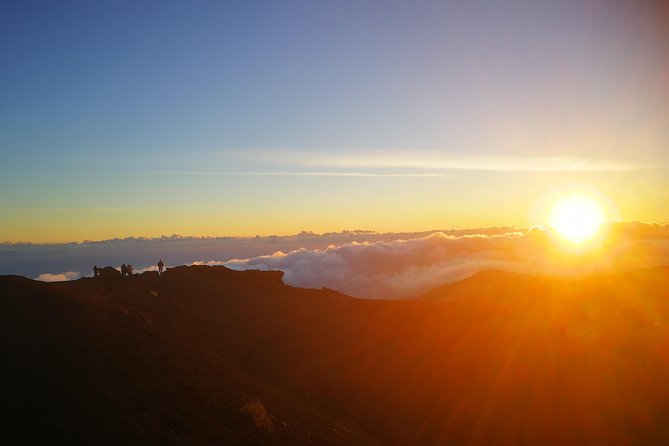
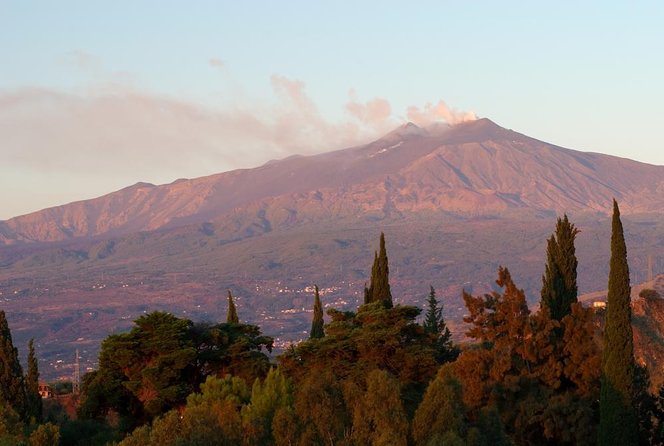
Sunset on Etna is cooler and wild. This 5 to 6 hour tour turns Mount Etna into a guided, stop-and-see adventure with photo moments, a lava cave visit, and tastings from local producers. You get pickup in an air-conditioned vehicle and a plan that aims to beat the worst of the midday crowds.
I especially like the mix of geology and real-world views: you’ll learn what you’re seeing while driving past Acitrezza, then stop at the Colata Lavica 1992 front where lava reached Zafferance Etnea. Another strong point is the hands-on feel—helmets and flashlights for the lava cave, plus an easy sunset walk around old Craters Silvestri at about 2,000 meters.
One possible drawback: the schedule depends on weather. Thick cloud or fog can hide the summit view, and the cave plus crater areas are still outdoors in wind and cold, so you’ll want solid shoes and a warm layer ready.
In This Review
- Key points worth knowing
- Why an Etna sunset tour works better than midday
- Catania pickup, group size, and how the day flows
- First stops: Acitrezza and Colata Lavica 1992
- Oro d’Etna tasting stop: honey, olive oil, pesto, wines, and liqueurs
- Valle del Bove: the overlook that turns weather into a story
- Lava cave time: helmets and torches, plus real cave footing
- Craters Silvestri at sunset: easy walking to the 1892 remnants
- What to pack for Etna: wind, cold, and grippy shoes
- Price and value: is about $102.84 a good deal?
- Who this Etna sunset tour is best for
- Should you book the Etna Sunset Tour from Catania?
- FAQ
- What time does the tour start from Catania?
- Is pickup included, and where does it happen?
- How long is the Etna Sunset Tour?
- How big is the group?
- What’s included for the lava cave?
- Is the tour good if you want minimal walking?
- What if the weather is bad?
Key points worth knowing
- Small group size (max 8) keeps the day flexible and questions welcome.
- Lava cave visit includes helmets and torches/flashlights, so you’re not stuck guessing what to look at.
- Golden hour timing helps you avoid the harsh heat and heavy crowds.
- Valle del Bove gives you a dramatic overlook where photos can actually turn out.
- Local tasting stop at Oro d’Etna mixes practical food with the volcano’s working landscape.
- Craters Silvestri is described as easy-level trekking, but it’s still at altitude.
More ways up the volcano from Sicily
- Etna Morning Trip
★ 4.5 · 1,241 reviews - Mt. Etna nature and flavors half day Tour from Catania
★ 5.0 · 545 reviews - Etna excursion 3000 meters with 4×4 cable car and Trekking
★ 4.5 · 504 reviews - Mount Etna Adventurous Hiking Tour with Equipment
★ 4.5 · 439 reviews
Why an Etna sunset tour works better than midday
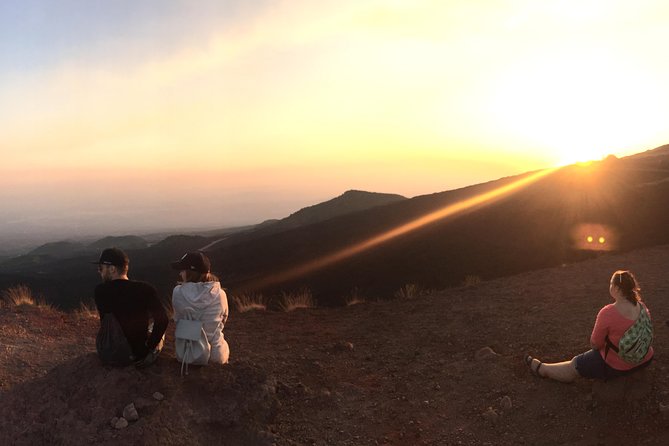
Etna is one of those places where the mountain controls the mood. At sunset, the light gets kinder, the air usually feels less punishing, and the day tends to feel calmer. That matters because you’re not just watching from one spot—you’re moving between viewpoints, flows, and volcanic features.
The timing also helps with comfort. Multiple stops happen at higher elevations (around the 2,000 m mark for the crater walk), and that can mean wind. People often think the difference between midday and late afternoon is just “less hot.” It’s also about lower crowd pressure and more time for your guide to work around the conditions.
And yes, the payoff is real: you’re aiming for that moment when the sky does something dramatic and Etna looks like it belongs in its own movie.
Catania pickup, group size, and how the day flows
This tour starts in the early afternoon. The listed start time is 1:50 pm, and in winter (November to April) departure is at 12:00. You’ll meet your guide either at a pre-agreed point in Catania or with pickup from your lodging in the company’s own vehicles.
A couple of practical notes that matter once you’re on the ground:
- Taormina pickup is only for groups of at least 4 people, and there’s an extra charge if you’re coming from there.
- The group is limited to 8 travelers, which often translates to a smoother rhythm—less waiting, fewer “stand here while someone catches up” moments.
You’ll ride up in an air-conditioned vehicle with a driver. That’s not just comfort for the climb—it also keeps the day realistic. Etna-area roads wind a lot, and you’ll want to save your energy for the walking and cave portion.
Guides operate in English (plus other languages like French, Italian, and Spanish), and many visitors specifically praise how guides bring the volcano to life with clear explanations and a genuine love for the region. You’ll feel it most during the stops, where the talk is tied to what you can actually see out the window.
First stops: Acitrezza and Colata Lavica 1992
The day doesn’t wait until you’re deep into the mountain. It starts with context, and it does it fast.
Before you reach the “main event,” you’ll pass along the seafront of Catania and get a view of Acitrezza’s lava stacks, sometimes described as pillow-like lava. Seeing it early helps your brain connect the coastal rocks to what you’ll experience on Etna later.
Then comes Stop 1: Colata Lavica 1992. This is a visit to the most extreme front of a lava flow from the 1991–1993 eruption period that reached the area of Zafferance Etnea. The stop is about 30 minutes, and admission is listed as free for that stop.
Why this stop is worth your time: it makes the volcano feel local, not distant. You’re not studying lava as a museum concept—you’re standing near the evidence of what the eruption did, and your guide ties it back to how eruptions form flows and why certain areas get hit.
Also, because this is early, the light is usually workable. Even if the summit later gets cloudy, you still have strong “I can see it” moments.
Oro d’Etna tasting stop: honey, olive oil, pesto, wines, and liqueurs
At Stop 2, you’ll head to Oro d’Etna, a local farm stop designed around food produced in the Etna area. Expect a 30-minute tasting, with items like honey, olive oils, pesto, wines, and liqueurs.
This is one of those stops that people either love or skip, depending on their expectations. The best approach: treat it as a quick flavor lesson, not a full meal.
One review-style concern you should take seriously: the tasting time can feel short. The selection may be limited during the stop, and you might be offered the option to buy products afterward. If you’re hoping for a long, sit-down tasting with lots of samples, manage expectations and think of it as a taste of how Etna supports agriculture.
Still, it’s a smart inclusion. A volcano tour without local food can feel like a day spent only looking at rocks. Here, you get a reminder that the mountain isn’t just a hazard or a sight—it’s also part of how people live, farm, and produce.
What else Catania has going on
Valle del Bove: the overlook that turns weather into a story
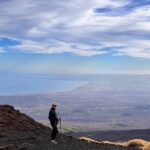
Stop 3 is Valle del Bove, where you’ll take a 30-minute break at one of the most breathtaking points overlooking the volcano’s Valle del Bove, described as a volcanic boiler.
This is the “photo” stop. And yes, it can still be affected by cloud cover. When fog or thick cloud rolls in, the view may not be the clean, wide panorama you imagined. But even then, the area often feels dramatic because you’re still looking at the volcanic structure—just with the atmosphere doing the heavy lifting.
What I like about this stop is how it gives you scale. You see how the volcanic system creates large shapes, not just cones and craters. It’s easier to understand the mountain when you can step back and visualize the bigger bowl-like features.
Tip: bring your phone, but also bring patience. This is where you’ll want a few angles, and if the light shifts even a little, your photos improve fast.
Lava cave time: helmets and torches, plus real cave footing
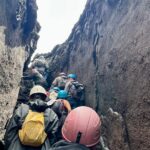
Stop 4 is the big physical moment for many people: a visit to Mount Etna’s lava cave, where you’ll explore an area that took shape during old eruptions. You’ll be given helmets and flashlights/torches (so you’re not walking into darkness with your best guess).
The cave portion is listed as about 2 hours. Reviews also highlight that the cave visit can feel shorter than some people expect, mostly because the walk and exploring are kept controlled and safe.
Here’s what you should know before you go in:
- Access can be a little rough. One set of comments noted the cave is near a roadside area and not set up like a formal tourist site with stairs everywhere.
- You may need to climb up and down a short section of rough rock.
- It’s outdoors and physical—expect uneven ground, and wear shoes with good grip.
The good news: this can still work for many fitness levels. People describe the overall hiking as easy-level, and the cave experience tends to be exciting rather than scary. One person mentioned there’s often a choice about how far you go deeper, which can be handled based on your comfort.
And it’s not just a “walk into a hole” experience. Your guide’s explanations help you connect cave features to eruption processes. When you see the evidence of lava forming tunnels and channels, the science becomes visible.
Craters Silvestri at sunset: easy walking to the 1892 remnants
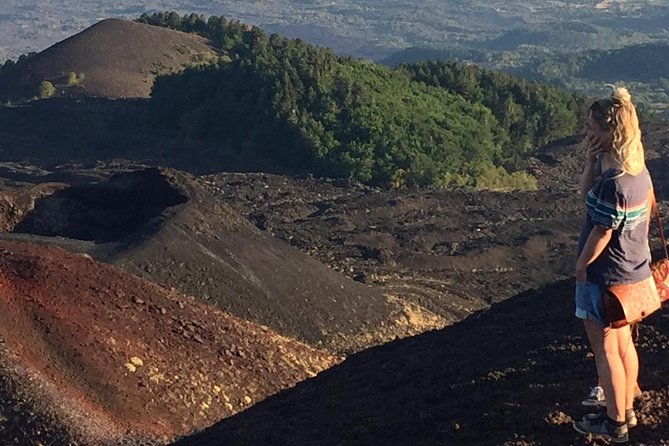
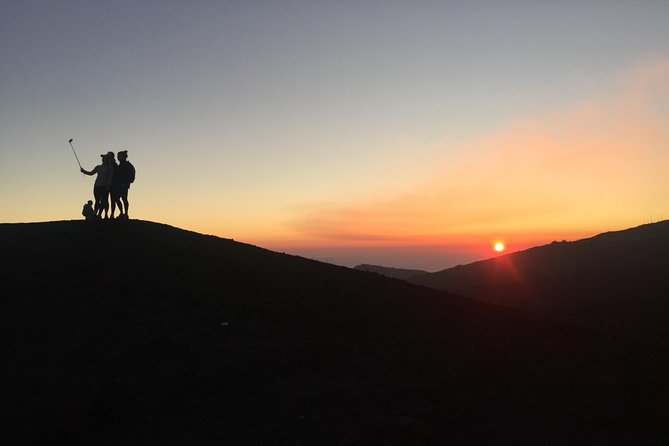
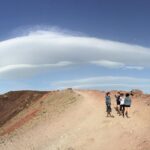
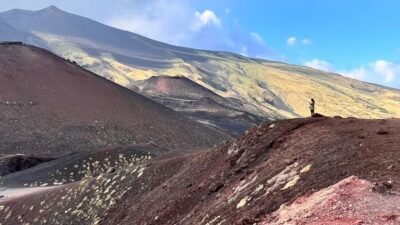
Stop 5 is Crater Silvestri of Mount Etna, with a sunset trek around an old, extinguished crater formed during the 1892 eruption. The walk is described as easy level and lasts about 1 hour, and it’s at an altitude around 2,000 m (6,563 ft).
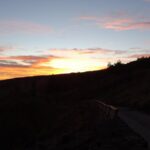
This is where you get the classic Etna feeling: standing on volcanic ground, looking out over the mountain system as the light changes. And since it’s around sunset, you can often catch a dramatic sky even if earlier views weren’t perfect.
That said, easy doesn’t mean flat. Reviews mention the walk includes some steep or tricky sections, including sandy/gravel track areas where grip matters. If you’re the type who slides around on loose rock easily, you’ll want proper footwear and maybe even a hiking pole (one review noted lightweight poles can help).
Bring warm layers. Even if the day started comfortable, you’re at altitude and wind can get sharp fast. People specifically noted that taking a jacket matters at around 2,000 m.
What to pack for Etna: wind, cold, and grippy shoes
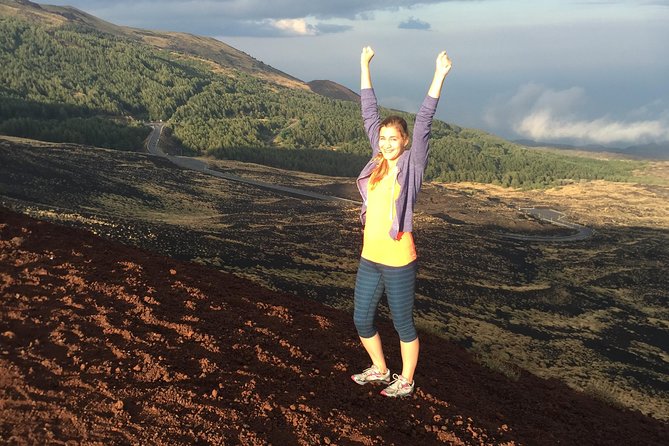
This tour is outdoors for a lot of the day, even though you’re mostly in a vehicle between stops.
Pack like this:
- Warm jacket: guides and reviews repeatedly flag cold and wind at higher elevation.
- Gloves or a warm layer if you run cold.
- Shoes with ankle support and real tread: lava cave and crater ground can be uneven.
- A small flashlight headlamp can’t be assumed, but the cave gear is included, so you likely won’t need it. Still, a compact warm layer in your day bag is smart.
- If you have trekking poles, consider bringing them. Some participants found them useful for steep or gravel sections.
Also, for comfort: bring sunglasses if it’s clear. Etna can glare in bright light, and you’ll be in open areas for photo stops.
Price and value: is about $102.84 a good deal?
At $102.84 per person, you’re paying for a tight combo: guide-led visits, multiple stops, transportation, and specific gear for the cave.
Here’s what makes it feel like more than “just a bus tour”:
- You’re not only driving to one viewpoint. The schedule includes multiple structured stops tied to lava flows and volcanic geography.
- Helmets and torches/flashlights are included for the lava cave. That’s a cost and logistics headache you don’t want to handle yourself.
- Air-conditioned vehicle + driver matters in this kind of terrain and timing.
- Local tasting gives you more than scenery—this is part of the Etna story in practical form.
What’s not included is also clear: dinner, snacks, and drinks aren’t part of the price. Since the tour is afternoon to early evening, you may want to eat before you go or plan for simple snacks as the day ends.
If you’re comparing alternatives, this tour makes sense when you want an organized, guided route from Catania without arranging separate transport to each site.
Who this Etna sunset tour is best for
This is a strong match if you want:
- A guided, geology-based day with real physical moments (cave + crater rim walk).
- A smaller group experience (max 8) with time for questions.
- A sunset plan that avoids some of the heat and crowd pressure of midday.
It can also work for families. Some reviews describe it as a good choice for children because the hiking is manageable. That said, you still need enough mobility for uneven cave access and a short but potentially steep track section on the crater walk.
It’s also a good option if you’re solo or a couple—this isn’t a giant group where you lose the guide.
If you have very limited mobility, I’d treat this as “possible but not guaranteed comfortable.” The tour is framed as suitable for most people, but the cave and crater terrain can be uneven, and one review specifically stressed you need reasonable fitness and grip.
Should you book the Etna Sunset Tour from Catania?
I think this is a yes for most people who are serious about Etna. The value comes from the combination: a guided approach, a lava cave with proper gear, and a sunset crater walk instead of one quick viewpoint and back.
The main reason to hesitate is weather. If fog or cloud smothers the summit view, you’ll still see a lot, but the “big reveal” can soften. On the other hand, conditions can also make the mountain look otherworldly in a different way—just don’t plan your photos like the sky always cooperates.
If you book, do two things: pack for wind and cold, and bring shoes you trust on rough ground. Do that, and you’ll have a day on Etna that feels both scenic and hands-on.
FAQ
What time does the tour start from Catania?
The listed start time is 1:50 pm. In winter (from November to April), the departure time changes to 12:00.
Is pickup included, and where does it happen?
Pickup is offered. You can be collected from your lodgings in Catania (or from a meeting point previously agreed). Pickup from Taormina is only available for groups of at least 4 people and costs extra.
How long is the Etna Sunset Tour?
It runs about 5 to 6 hours.
How big is the group?
The tour has a maximum of 8 travelers.
What’s included for the lava cave?
Helmets and torches/flashlights are provided for exploring the lava cave.
Is the tour good if you want minimal walking?
The crater walk is described as easy level and suitable for anyone, and the overall hiking is not excessive. Still, the cave and crater areas can involve uneven ground, so comfortable footwear matters.
What if the weather is bad?
This experience requires good weather. If it’s canceled due to poor weather, you’ll be offered a different date or a full refund.
More Tour Reviews in Sicily

Keep Exploring Catania
More Etna Summit Treks We Have Walked
Just added: the newest Sicily tours in our notebook
- Etna / Taormina★ 5.0 · 3 reviews
- Bikes★ 5.0 · 3 reviews
- Taormina shore tour – for small group cruise passengers★ 5.0 · 3 reviews
- Vegan Cooking Class in Catania with Lunch and Dinner★ 5.0 · 3 reviews
- Make & Taste Sicilian Desserts in Palermo – Learn Cannoli & More★ 5.0 · 3 reviews
- Sicilian Villages & Ricotta Tasting – including Lunch from Cefalu★ 4.0 · 3 reviews
Mount Etna Tours & Summit, compared.
 ★ 4.8Catania: Mount Etna Morning or Sunset Day Trip with TastingFrom $704,028 reviews
 ★ 4.8Catania: Sunset Jeep Tour of Mount Etna and Lava Flow CavesFrom $712,113 reviews
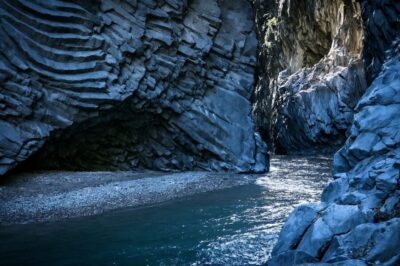 ★ 4.8Etna and Alcantara Gorges Full-Day Tour with LunchFrom $1051,766 reviews
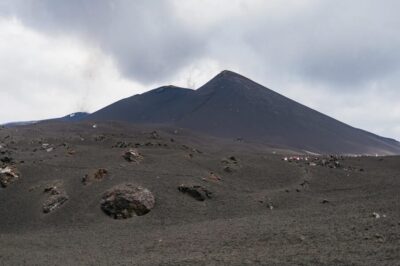 ★ 4.7Etna: summit craters trekking with volcano guide 3350mtFrom $771,712 reviews
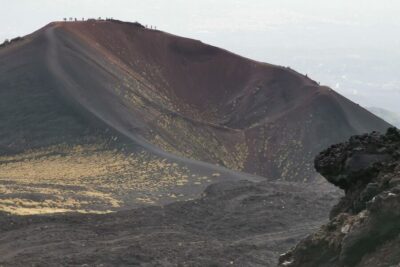 ★ 4.9Catania: Mount Etna Trekking Tour Beyond the Tourist TrailsFrom $811,596 reviews
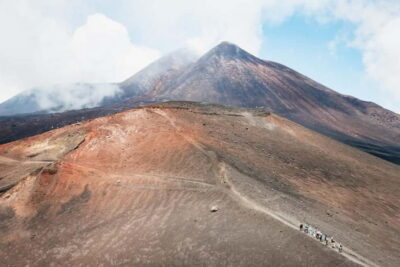 ★ 4.8Mount Etna: Guided Trek 3,000 Meters to the SummitFrom $1131,407 reviews
 ★ 4.8Catania: Etna Sunset Tour with Pickup and Drop-offFrom $711,348 reviews
 ★ 4.8Etna Sunset Tour: Volcano trek, Cave & tasting from CataniaFrom $701,290 reviews
Browse the lists this tour appears in