
Reviewed · HIKING & TREKKING
Trekking to Bottoniera Craters
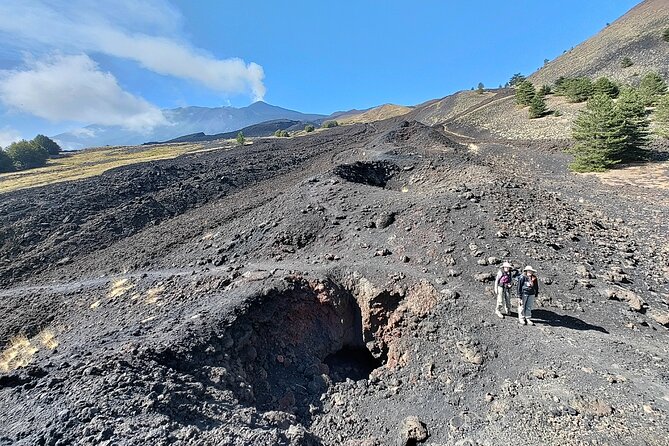
Etna teaches fast when you walk it. This trek to the Bottoniera craters is one of the most direct ways to understand how the volcano has shaped Sicily over the last century, not just from a distance but right on the ground. I especially like how Vincenzo Modica turns geology into clear, everyday explanations, and how you’re out among lava flows and crater terrain where the views feel earned.
The main thing to think about is effort and conditions. This is listed for moderate physical fitness, and the experience requires good weather, so if conditions are rough you may be moved to another date or refunded.
In This Review
- Key Highlights You’ll Actually Care About
- Mount Etna, Up Close: Why Bottoniera Matters
- Meeting Vincenzo Modica in Linguaglossa: Smooth Start, Real Context
- Bottoniera Craters on the Move: What the 3 Hours Feel Like
- Stop Focus: The “Most Significant Craters of the Last 100 Years”
- Photos You’ll Be Glad You Took (and How to Get Them)
- Getting the Most Value From $229.28: What You’re Really Paying For
- How Hard Is It Really? Fitness, Clothing, and Weather Reality
- Who This Trek Is Best For
- Book It or Skip It? My Take
- FAQ
- How long is the Trek to Bottoniera Craters?
- Where does the tour start and where do we return?
- Is this a private tour?
- What fitness level do I need?
- Is the admission ticket included?
- What if the weather is bad or I need to cancel?
Key Highlights You’ll Actually Care About
- Bottoniera craters (2002 eruption): Step into a very specific Etna chapter from the last 100 years.
- Geology explained simply: You don’t need a science degree to follow what you’re seeing.
- A real guide, Vincenzo Modica: He’s known for lots of explanations and paying attention to what you need.
- Photos made easy by the setting: Craters, lava, and plant life give you natural photo stops.
- Private tour format: It’s only your group, so the pace and questions feel smoother.
A few we would gladly point a friend toward in Sicily
- Etna excursion 3000 meters with 4×4 cable car and Trekking
★ 4.5 · 504 reviews - Mount Etna Adventurous Hiking Tour with Equipment
★ 4.5 · 439 reviews - Etna – Trekking to the summit craters (only guide service) experienced hikers
★ 5.0 · 286 reviews - Etna Morning or Sunset – Trek & Lava Tunnel with Gear
★ 5.0 · 133 reviews
Mount Etna, Up Close: Why Bottoniera Matters
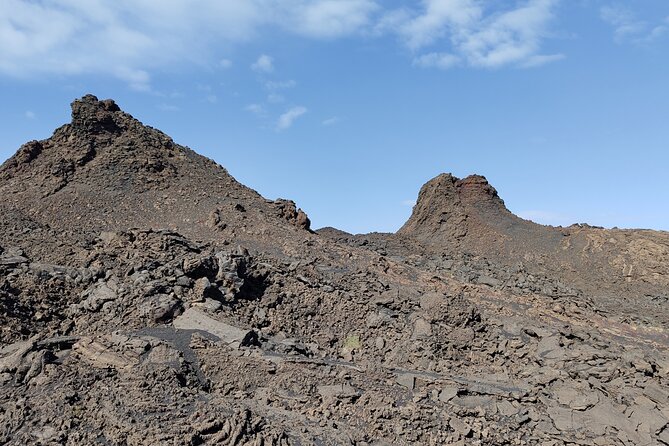
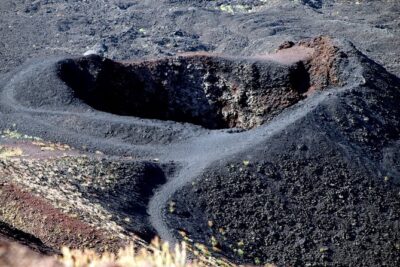
There are lots of ways to see Mount Etna. This one is different because it focuses on a particular set of craters tied to a recent event in the bigger Etna story: the 2002 eruption at Bottoniera. That matters, because Etna isn’t a museum display—it’s an active force that keeps rewriting the terrain. When you walk these formations, you start noticing how the ground remembers each eruption.
What makes this trek click is the way the guide ties visuals to meaning. You’ll be standing on volcanic features, then hearing what they are and why they look the way they do. The best part is that it stays understandable. Instead of drowning you in terms, Vincenzo Modica keeps the learning grounded in what your eyes already recognize: rock textures, crater edges, and the way lava flows used to move.
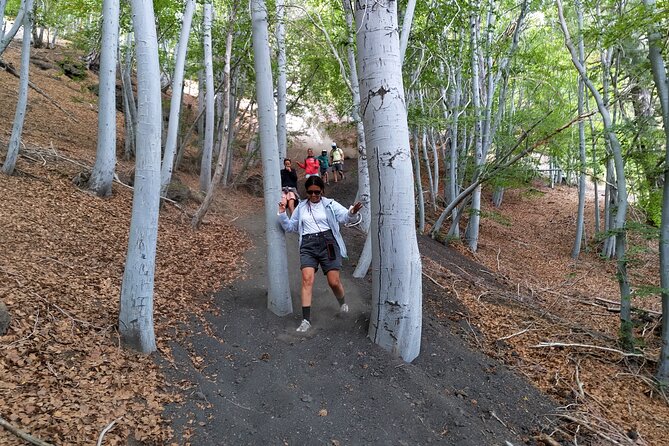
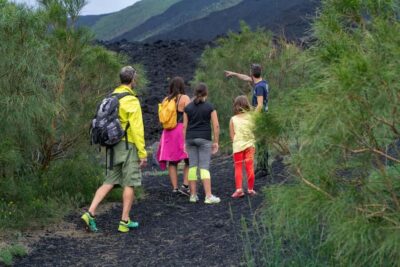
You’ll also get the kind of scenery that looks good without trying. It’s not about staged viewpoints. It’s about being inside the geology—where the landforms and the volcanic layers are the attraction. And yes, you’ll take photos you’ll actually want to share. Crater terrain gives natural framing, and the contrast between dark volcanic rock and plant life makes images pop even in normal light.
Meeting Vincenzo Modica in Linguaglossa: Smooth Start, Real Context
The tour starts at Vincenzo Modica | Etna Excursions, Via Provenzana, 35, 95015 Linguaglossa CT, Italy. The scheduled start time is 9:30 am, and it ends back at that same meeting point. That round-trip setup is helpful because it keeps the day simple: you don’t lose time figuring out how to get back or hunting for your ride.
A small but meaningful detail: the tour uses a mobile ticket, and confirmation happens at booking. So once you’re set, you’re not scrambling with paperwork on the morning you want to be focused on the hike.
One thing I like about going with a volcanological guide is how quickly you can connect the dots. Etna’s effects aren’t just on the volcano itself. In this outing, you’ll get explanations about how the volcano influences the towns and people around it. That kind of context turns a walk into something you can mentally map—why certain places developed where they did, and how living near an active volcano shapes daily life and attitudes.
If you prefer a very personal experience (and not a big-group cattle drive), this is also a win. It’s listed as a private tour/activity, meaning only your group participates.
Bottoniera Craters on the Move: What the 3 Hours Feel Like
This trek is about 3 hours (approx.), centered on the Bottoniera area tied to the 2002 eruption. That time window is long enough to feel like you’ve really explored, but short enough that it doesn’t turn into a punishing “all day” ordeal. For many people, that’s the sweet spot: you get the crater experience plus the guide’s explanations without burning the whole morning.
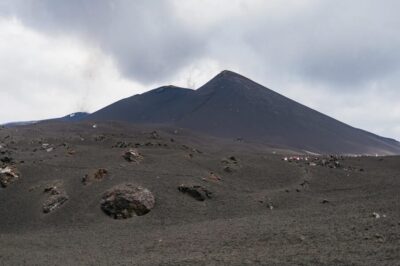
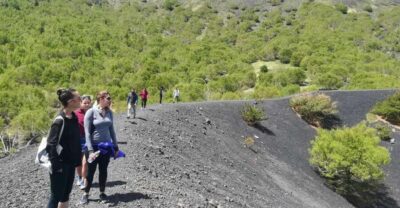
Here’s what to expect from the walk itself. You’ll be moving across volcanic terrain where the ground changes character as you go—crater-adjacent areas, features linked to lava flow patterns, and viewpoints where you can see how the terrain opens up. The guide’s role is to keep you oriented. Instead of you just wondering what you’re looking at, you get a running explanation of what those features mean in the overall Etna timeline.
A big plus is how the learning stays accessible for different ages. The experience is recommended for both individual travelers and families with curious children who want to see geology firsthand. That doesn’t mean it’s watered down. It means the explanations are built to match the reality of being outside on a volcano—learning happens through observation first, then the story clicks into place.
You’ll also spend time appreciating endemic vegetation—plants adapted to Etna’s specific conditions. That’s a nice reminder that volcanoes aren’t just destruction. Over time, life works around the rock and the harshness, and you can actually see that adaptation.
Potential drawback during the hike: because it’s outdoors and weather-dependent, you might find visibility, ground conditions, or comfort changes depending on the day. So come prepared to dress for variable conditions.
Stop Focus: The “Most Significant Craters of the Last 100 Years”
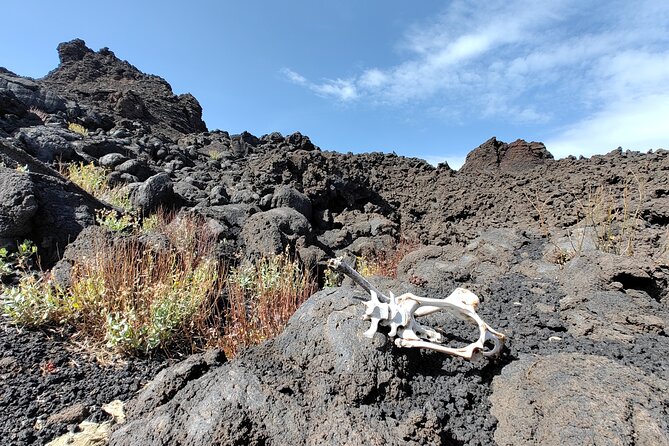
The trek is designed around significant crater terrain from Etna’s recent history. You’re not just getting a general “volcano overview.” You’re visiting craters that connect to that last-century scale of activity, with Bottoniera (2002) as a highlight. That gives the walk a storyline.
What I think makes this approach valuable is that it reduces guesswork. When you’re on Etna without guidance, you can end up seeing cool formations but missing the why. With Vincenzo Modica, you’re guided through the geology in a simple, informative way—so your photos aren’t just pretty. They become proof of something you understand.
You’ll also get to see how “lava flows” are not just one type of scenery. They can show different paths, different textures, and different evidence depending on how the eruption behaved. Even without a ton of technical background, you can start picking up patterns: how lava formed, how it cooled, and how later activity and erosion affected what you see now.
And there’s an emotional payoff too. There’s a moment when crater terrain stops being abstract and starts feeling real—because your feet are on it, and your senses are engaged. That’s when the volcano becomes more than a viewpoint. It becomes a place.
Photos You’ll Be Glad You Took (and How to Get Them)
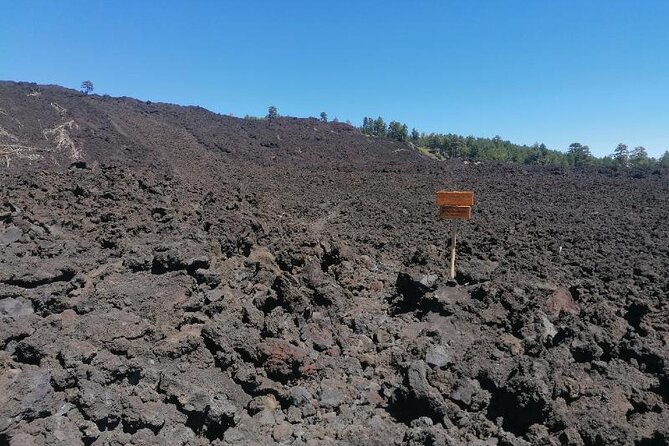
This is the kind of outing where your camera has an easy job. The terrain gives you strong shapes and contrasts. Craters naturally create frames. Lava rock tends to look dramatic under normal mountain light because of texture and color variation. And the vegetation helps break up the dark volcanic tones.
I’d plan on taking pictures early and often. Not because you’ll forget later, but because lighting and interest can shift as you move through the terrain. If the day is clear, crater edges and surrounding forms can look especially crisp. If it’s hazy or cloudy, you may get softer atmosphere—still interesting, just different.
One practical tip: keep your hands free when you’re walking. Use a small daypack for water and layers, and keep camera access quick but not distracting. The goal is to enjoy the walk, not to play photographer gymnastics on uneven rock.
Getting the Most Value From $229.28: What You’re Really Paying For
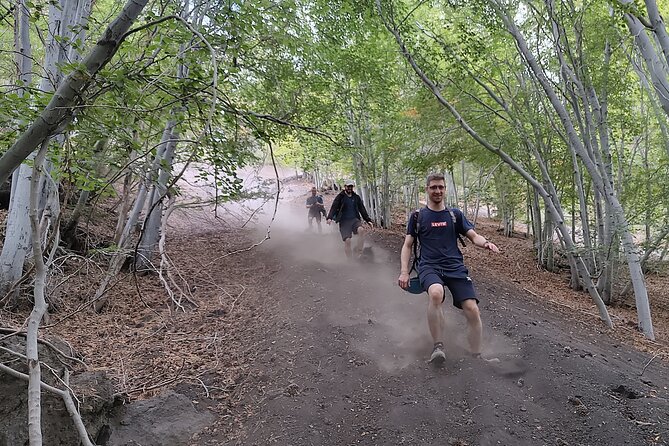
Let’s talk value without pretending the price is cheap. At $229.28 per person, this isn’t a “snack-sized” activity. The value comes from what’s included and what you’re buying with the guide.
First, the admission ticket is included for the stop. Second, you’re doing a guided trek of about three hours focused on meaningful crater terrain, not a vague drive-by tour. Third, the guide is a volcanological guide (Vincenzo Modica), and that geology instruction is the core product here. A guided interpretation turns a walk into an experience you can explain later.
Finally, the private format matters. When it’s just your group, the guide can pace the learning to your questions and your stamina. That often feels more “worth it” than the math of time on the calendar.
If you enjoy understanding places—not just photographing them—this price starts to make sense fast. If you’re expecting a long, strenuous hike with lots of rest stops and big-ticket add-ons beyond the crater trek, you might find yourself wanting more. But for most people looking for a meaningful Etna hit in half a morning, it’s a solid deal.
How Hard Is It Really? Fitness, Clothing, and Weather Reality
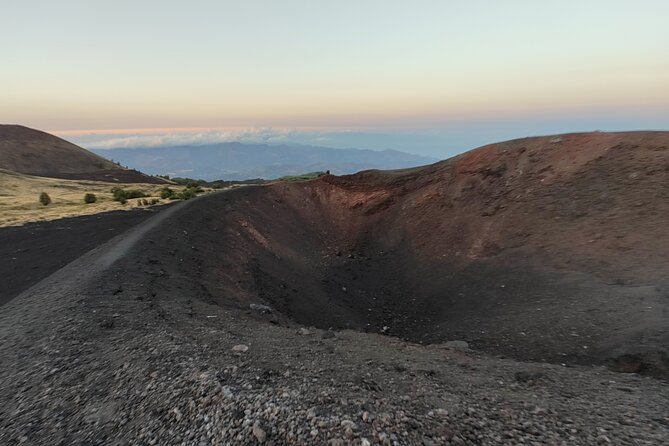
This trek is rated for moderate physical fitness. “Moderate” usually means you should be comfortable walking on uneven outdoor ground for a couple of hours and staying steady while moving over volcanic terrain. It’s not described as a hardcore mountain challenge, but you shouldn’t treat it like an easy flat stroll.
I suggest you bring the basics that work almost anywhere on Etna:
- Comfortable, grippy shoes for rocky ground
- A light layer you can add or remove
- Water (even if you’re not told exactly how much)
- Sun protection if the forecast looks clear
Then there’s weather. The experience requires good weather. If it’s canceled because of poor weather, you’ll be offered a different date or a full refund. So check the forecast right before and don’t assume every day is equally walkable.
If you’re traveling with kids, this is still a good fit because the guide’s explanations are designed to be understandable. Just plan on the hike feeling like an outdoor class: kids will do best when you’re moving, pointing, and taking breaks when needed.
Who This Trek Is Best For
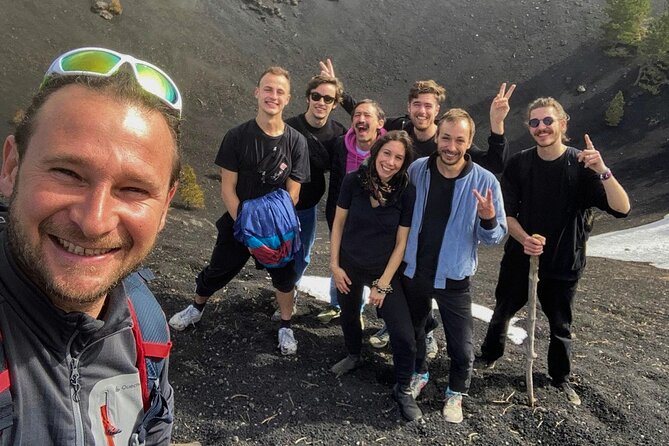
This outing fits best if you want an Etna experience with purpose.
You’ll likely love it if:
- You want to understand the volcano’s geology in plain language
- You like small-group learning with a passionate guide
- You want craters tied to a real, specific eruption event (2002)
- You’re traveling with curious children and want education that feels like being outside in the lesson
It may not be ideal if:
- You’re only comfortable with easy, fully flat walking
- You’re visiting during a period where weather often turns and you’re unwilling to be flexible with dates
If you’re undecided, focus on the type of memory you want. A guided crater walk gives you fewer “random views” and more “I get it now” moments.
Book It or Skip It? My Take
I’d book this trek if you want Etna without the confusion. The Bottoniera craters from the 2002 eruption give you a tight focus, and Vincenzo Modica’s strength is making the geology click in real time. If you’re the kind of traveler who likes learning while moving—photos plus understanding—this is a strong match.
I’d hesitate only if your schedule is rigid and you can’t handle potential weather changes, or if moderate walking on uneven ground would be a struggle.
FAQ
How long is the Trek to Bottoniera Craters?
It lasts about 3 hours.
Where does the tour start and where do we return?
The meeting point is Vincenzo Modica | Etna Excursions, Via Provenzana, 35, 95015 Linguaglossa CT, Italy. The activity ends back at the meeting point.
Is this a private tour?
Yes. It’s listed as a private tour/activity, with only your group participating.
What fitness level do I need?
The experience is recommended for travelers with moderate physical fitness.
Is the admission ticket included?
Yes. Admission for the activity is included.
What if the weather is bad or I need to cancel?
The experience requires good weather. If it’s canceled due to poor weather, you’ll be offered a different date or a full refund. You can cancel for a full refund up to 24 hours before the experience starts.
If you want, tell me your travel month and whether you’re bringing kids, and I’ll help you judge if this time window and hiking style will feel comfortable.
More Hiking & Trekking in Sicily
More Tour Reviews in Sicily

Just added: the newest Sicily tours in our notebook
- Etna / Taormina★ 5.0 · 3 reviews
- Bikes★ 5.0 · 3 reviews
- Taormina shore tour – for small group cruise passengers★ 5.0 · 3 reviews
- Vegan Cooking Class in Catania with Lunch and Dinner★ 5.0 · 3 reviews
- Make & Taste Sicilian Desserts in Palermo – Learn Cannoli & More★ 5.0 · 3 reviews
- Sicilian Villages & Ricotta Tasting – including Lunch from Cefalu★ 4.0 · 3 reviews
Hiking & Trekking, compared.
 ★ 4.7Etna: summit craters trekking with volcano guide 3350mtFrom $771,712 reviews
 ★ 4.9Catania: Mount Etna Trekking Tour Beyond the Tourist TrailsFrom $811,596 reviews
 ★ 4.8Mount Etna: Guided Trek 3,000 Meters to the SummitFrom $1131,407 reviews
 ★ 4.8Etna Sunset Tour: Volcano trek, Cave & tasting from CataniaFrom $701,290 reviews
 ★ 4.7Catania: Mount Etna Adventurous Hiking Tour with EquipmentFrom $88784 reviews
 ★ 4.8From Catania: trek on Mount Etna, Lava Cave & tasting TourFrom $68563 reviews
 ★ 4.7From Taormina: Etna Tour with Hiking, Cave Visit, & TastingsFrom $83518 reviews
 ★ 4.9From Taormina: Half-Day Mount Etna Morning TrekFrom $106504 reviews
Browse the lists this tour appears in