
Reviewed · MOUNT ETNA TOURS & SUMMIT
Piano Provenzana: Guided Mt. Etna Snowshoeing Trek
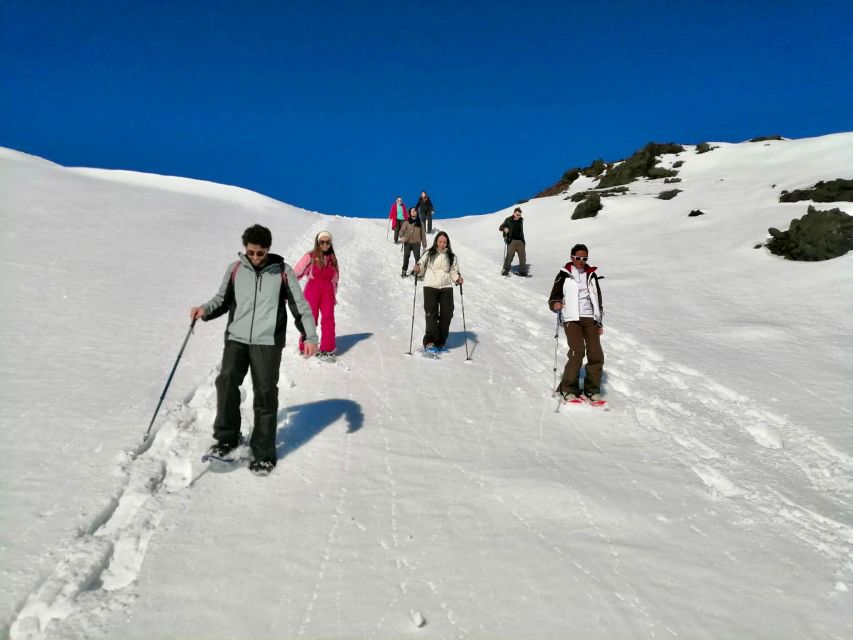
Snow on Etna changes the whole hike. This Piano Provenzana snowshoe trek gives you a rare mix of snowy forest and dark volcanic ground, with a volcanology guide showing you what you’re walking over. I like the clear emphasis on lava history (including the 2002 eruption scars) and the fact that the route is designed for big viewpoint moments. One consideration: you’ll climb and walk on uneven, cold terrain at high altitude, so it’s not a fit if you have medical limits or strong fear of heights.
You start around 1800 meters in the snow and reach about 2200 meters at the side craters, then return along a roughly 5 km loop over about 3 hours. The day runs on tight timing for safety briefing and photo stops, so come ready for a structured, outdoorsy outing rather than a long wander.
In This Review
- Key things to look forward to
- Entering Etna’s snowy world at Piano Provenzana
- Meeting at Etna Nord: timing and the real-world start
- The 3-hour rhythm: how the walk actually unfolds
- 1) Free time and a safety briefing
- 2) Photo stop: getting oriented fast
- 3) Guided tour: learning what you’re stepping over
- 4) More walking, then a bigger viewpoint moment
- 5) The top-zone payoff near the side craters
- Reading the volcano: lava flows, fractures, and craters
- Views that connect land and sea
- Gear and rentals: what you’ll need to stay warm and safe
- What’s not included (and where costs can add up)
- Packing tips that help on a short 3-hour hike
- Fitness, fear of heights, and medical limits
- Price value: what $44 buys and what to budget for
- Who should book this Etna snowshoe trek
- Should you book Piano Provenzana snowshoeing on Etna?
Key things to look forward to
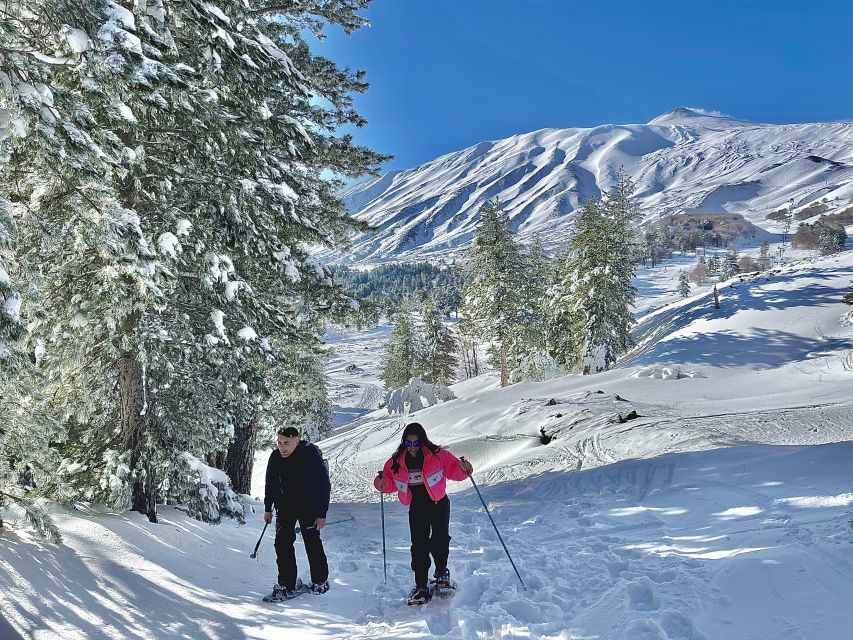
- Snowshoeing on active-volcano terrain: winter traction over black rock and snow at altitude
- Lava-flow contrast: dark 2002-era traces and the structures shaped by eruptions
- Sea views from the route: Giardini Naxos and Taormina when visibility is good
- Side-crater viewpoints: a big panorama from around 2200 meters
- Volcanology-focused guiding: learn what you’re seeing while you walk
More ways up the volcano from Catania
- Catania: Mount Etna Morning or Sunset Day Trip with Tasting
★ 4.8 · 4,028 reviews - Catania: Sunset Jeep Tour of Mount Etna and Lava Flow Caves
★ 4.8 · 2,113 reviews - Sicily: Etna and Alcantara Gorges Full-Day Tour with Lunch
★ 4.8 · 1,766 reviews - Mount Etna: Guided Trek 3,000 Meters to the Summit
★ 4.8 · 1,407 reviews
Entering Etna’s snowy world at Piano Provenzana
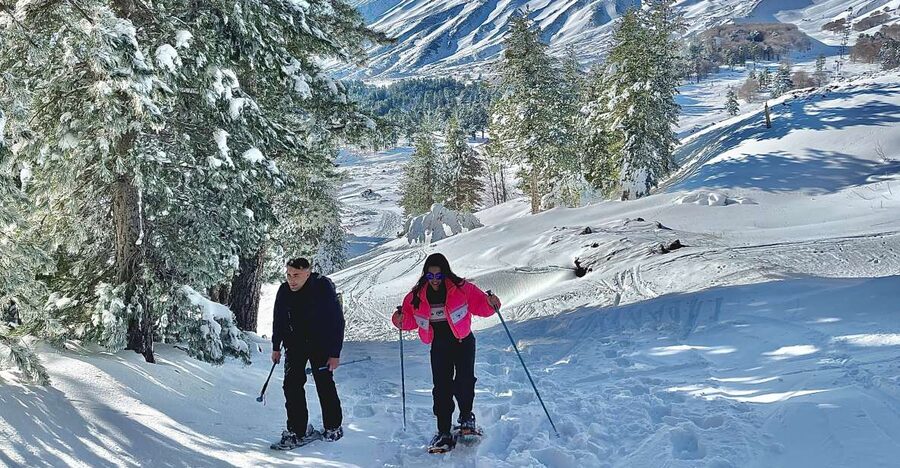
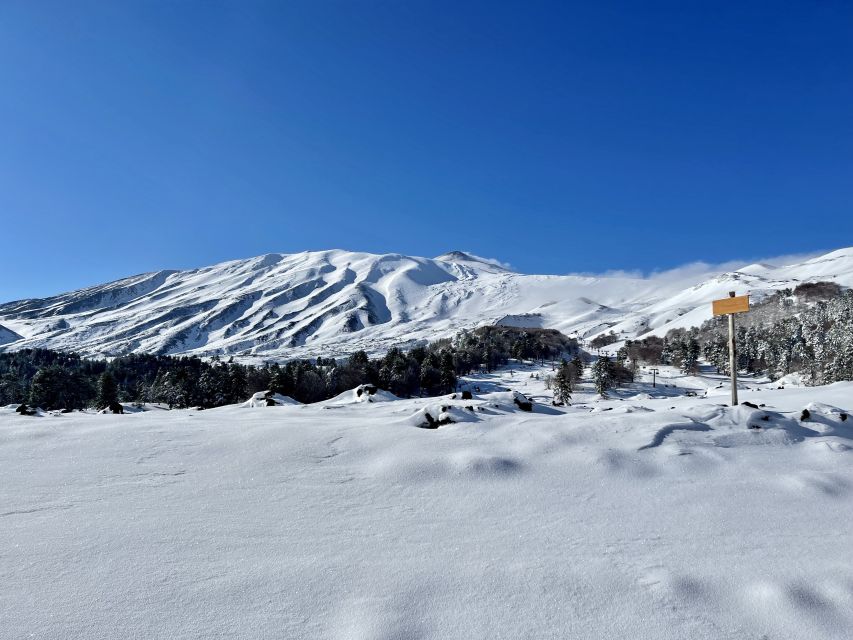
This hike lives in a very specific corner of Sicily: Mt. Etna’s north side, where winter can cover the higher zones in snow. The start is in the snowy forest area around Piano Provenzana at about 1800 meters, so the mood feels like a mountain outing first, then quickly turns into something geologic and dramatic.
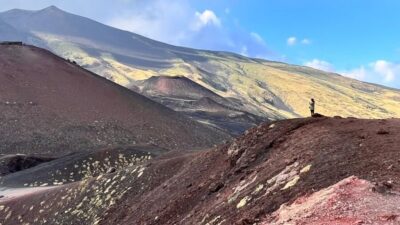
What makes this special for you is that you’re not just looking at Etna from a safe distance. You’re walking through the kinds of paths carved by eruptions, including areas tied to the 2002 eruption and the large craters that affected the old tourist area at Piano Provenzana. Snow adds a clean, bright contrast that makes those dark lava textures easier to read from a distance and from close up.
The route also keeps you moving toward viewpoints instead of turning the day into a long slog. That matters in winter, when cold and wind can make time feel faster than you expect.
Meeting at Etna Nord: timing and the real-world start
You meet at CHIOSCO BAR MARENEVE DI FERRARO, in the parking lot near the active chairlift at Etna Nord. In winter, the meeting time can shift earlier (often toward 8:45 or 9:00) to help everyone find parking, since lots of skiers arrive and spots get tight.
This is a small detail that changes your stress level. If you arrive late, you’ll be rushing in a cold environment before the safety briefing. If you want an easy start, plan to reach the area with extra buffer time, even if your confirmation lists a later meeting hour.
The tour guide team comes in Italian, French, and English. That’s useful because Etna’s terrain can be hard to interpret on your own, and good explanations help you connect the dots between snow patches, fractures, and volcanic shapes.
The 3-hour rhythm: how the walk actually unfolds
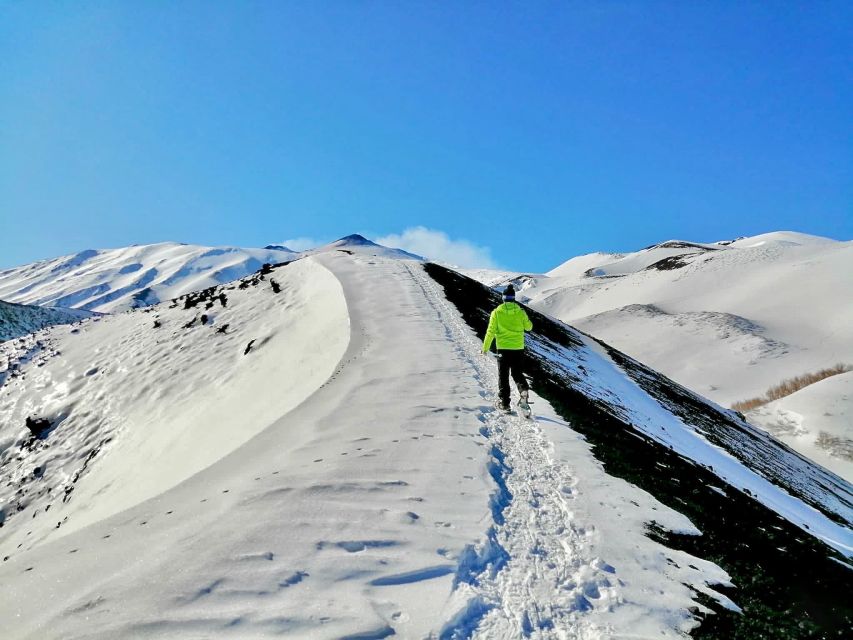
This is a 3-hour outing built around short stops and guided moments, not a long uninterrupted hike. The round trip route is about 5 km, with a total positive elevation gain of about 300 meters.
Here’s how the pacing feels, step by step:
1) Free time and a safety briefing
After meeting at CHIOSCO BAR MARENEVE DI FERRARO, you head into the area at Piano Provenzana and get a short 15-minute safety briefing. Even though the hike is only a few kilometers, winter conditions can make footing tricky, so this is where the guide sets expectations on movement and gear.
I like that this part is clearly scheduled. You don’t have to guess what’s required, and you can ask quick questions before the route begins.
A few we would gladly point a friend toward in Catania
2) Photo stop: getting oriented fast
A 10-minute photo stop helps you take in the immediate surroundings and get oriented. You’re at altitude, surrounded by snow and volcanic ground, and it’s easy to forget to look back or check your footing when the scenery is pulling at you.
Use this time for simple “where am I standing” photos—then you’ll understand later why the guide points out certain lava features.
3) Guided tour: learning what you’re stepping over
Next comes a 20-minute guided tour, which is your “read the terrain” segment. This is where the volcano stops being just a view and becomes a story under your boots.
You can expect the guide to explain the volcanic shapes you’ll pass: features linked to lava flows, and how fractures and crater forms fit together in an eruption pattern.
4) More walking, then a bigger viewpoint moment
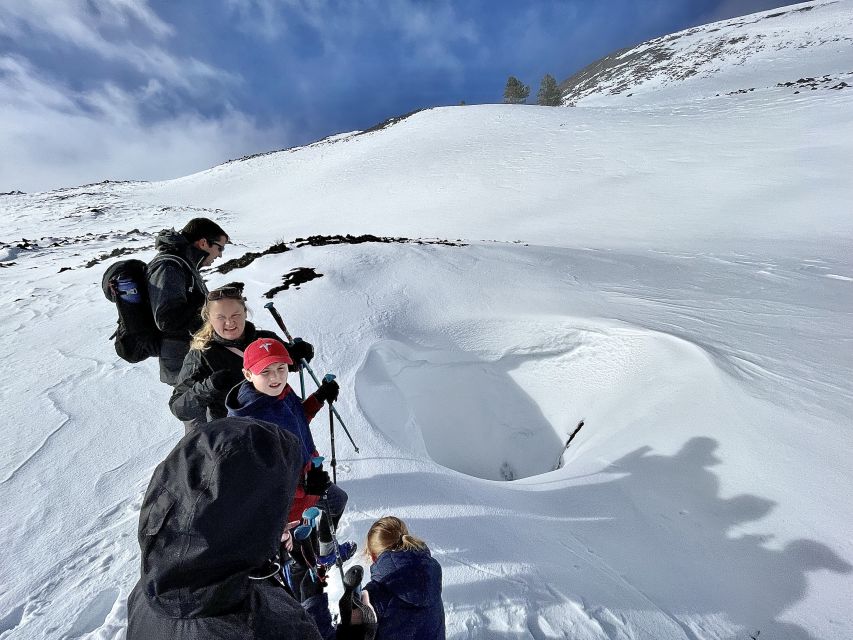
Then you move into another segment that includes a mix of photo stop, guided tour, free time, and sightseeing for about 30 minutes. This is the part where you’ll slow down, look around, and start to connect the sea views with the volcanic geography.
If visibility is good, you’ll be able to admire the sea of Giardini Naxos and Taormina, and on clearer days you can even see Calabria. Those views can be a mental reward after cold feet and steady uphill steps.
5) The top-zone payoff near the side craters
You go up to the top of the large side craters around 2200 meters, where you get a panorama of the snow-covered Etna up toward the summit. Even from here, the volcano is presented as something living and active, with emissions of volcanic gases mentioned as ongoing.
For me, the best value of this segment is that it turns what you learned about lava and craters into a real sense of scale. You see why fractures and lateral crater patterns matter, and you get a clearer sense of how Etna changes with each phase of activity.
Reading the volcano: lava flows, fractures, and craters
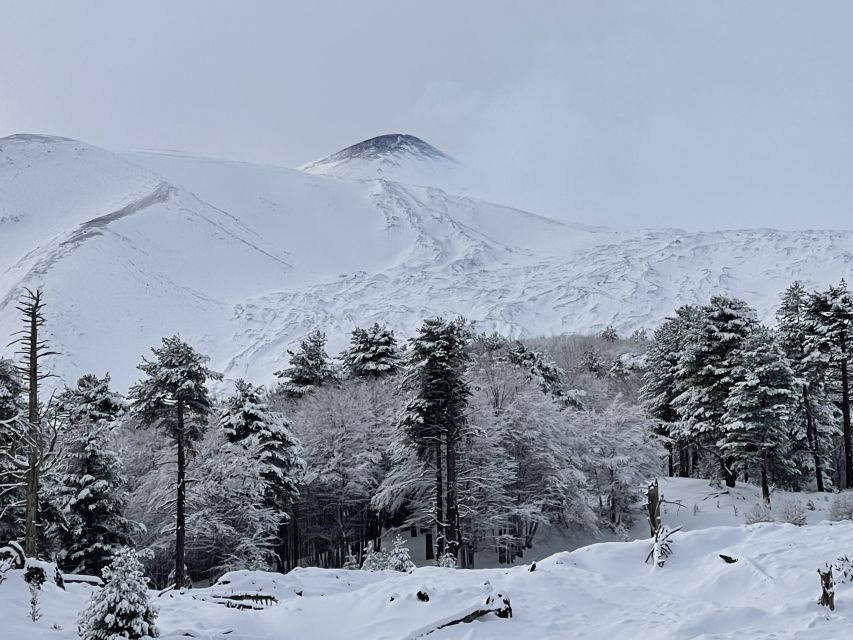
This trek is built around one idea: learning by walking through evidence. You cross the lava flows linked to eruptions on Etna’s north side and then move toward the large crater zone that destroyed the tourist resort area of Piano Provenzana.
Snow changes the experience in a useful way. It wipes away the usual visual noise and makes the black volcanic rocks stand out. That contrast helps you spot lines and textures that you’d likely miss in warmer months when everything looks more uniformly dry or patchy.
Along the route, you’re also guided past features like woods, lava flows, fractures, and lateral craters. Even if you’re not a geology person, the guide’s job is to make those terms practical—so you understand what you’re seeing and why it happened where it did.
One small note: this is not a museum visit. The terrain is real, and the ground under snow can be uneven. That’s why the safety briefing matters, and why good winter footwear and proper gear are not optional.
Views that connect land and sea
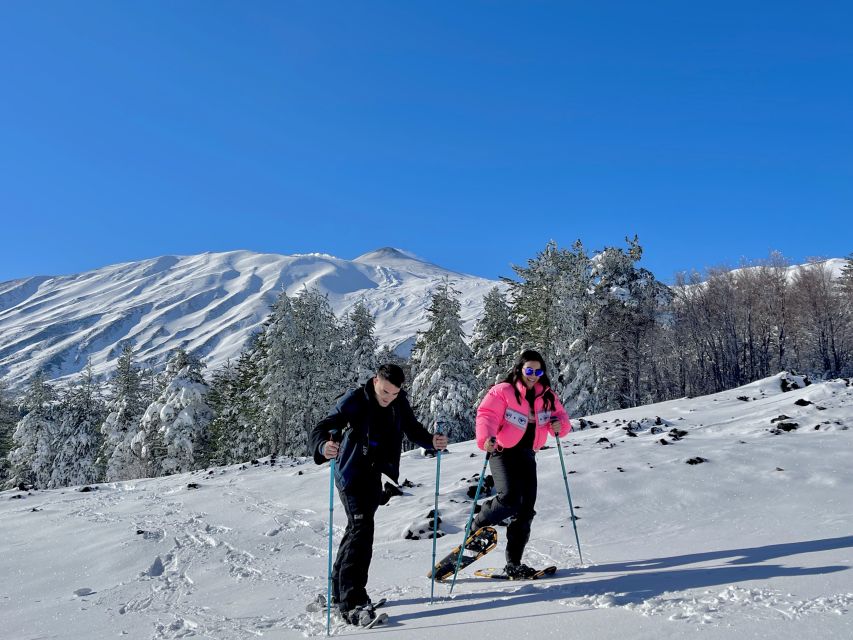
The best “wow” moments here come from the link between high-altitude volcanic terrain and the coastline below. As you follow the route, you can admire the sea of Giardini Naxos and Taormina in good visibility.
If you’ve ever looked at Etna on a map, it can feel like a mountain trapped by land. From this hike, you see how close the sea really is—how the coastline sits in the same frame as crater zones and snowy ridges.
This is also where your winter timing and weather matter most. When visibility is clear, the route can feel like it stretches forever. When clouds roll in, the hike still works, but the panoramic payoff shrinks, and you’ll focus more on footing and the guided explanations.
A recent verified booking (February 2026) gave high marks to the guide and said the views and trail were incredible. That lines up with what you’re paying for here: expertise that helps you notice the terrain, plus the natural drama of Etna in winter.
Gear and rentals: what you’ll need to stay warm and safe
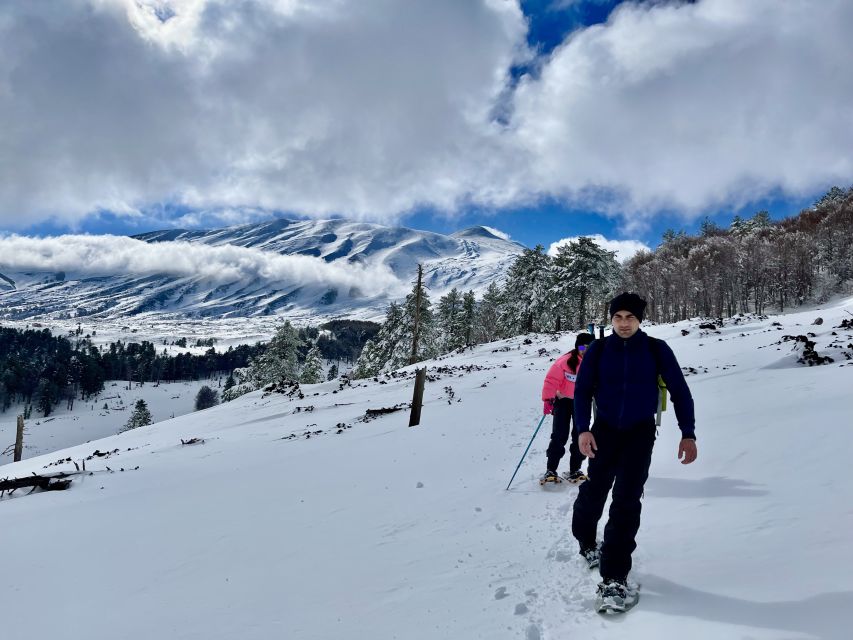
This hike is winter-specific, so your comfort depends on preparation. The basics you should bring include warm clothing, a jacket, gloves, a hat, and sunglasses. You’ll also want rain gear, sunscreen, and long pants—winter at altitude can surprise you with strong sun even when air feels cold.
A few practical rules from the operator are worth treating as non-negotiable:
- No sandals, flip-flops, or open-toed shoes
- Avoid high-heeled shoes
- Wear hiking-appropriate footwear (or rent if you don’t have the right pair)
What’s not included (and where costs can add up)
The tour price includes volcanological guide service only. Your winter walking comfort usually comes from rentals and clothing you get on your own or from local authorized places.
Plan on these common add-ons:
- Snowshoes + trekking poles rental: €12 per person
- Windbreaker rental (if needed): €5 on site
- Trekking shoes rental: €5 per pair
- Snack and bottled water: not included
- Ski suit/jacket: not included (so bring what keeps you warm and protected)
If you’re deciding what to pack, focus on hand and head warmth first. Gloves and hats in winter are explicitly not included, so if you rely on what you already have in your bag, make sure it’s actually warm enough for snow.
Packing tips that help on a short 3-hour hike
You might not think you’ll need a change of clothes, but if you come from sea-level temperatures, you can end up damp with sweat and melt. Bringing a spare layer helps your day feel less like a one-way mission.
Also bring sunglasses. Snow glare at altitude can be intense, and it’s easier to enjoy the views when your eyes aren’t squinting.
Fitness, fear of heights, and medical limits
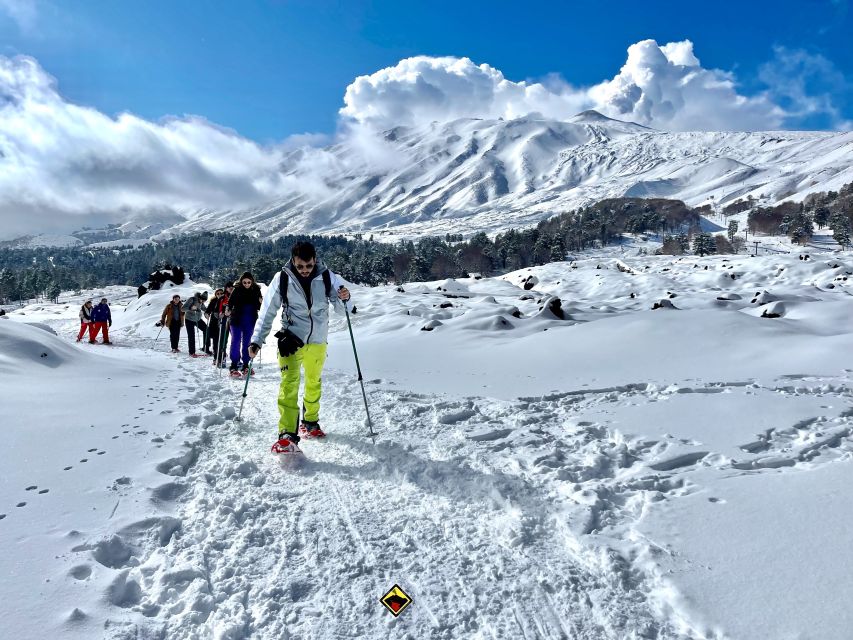
The hike is rated as not suitable for several conditions and risk factors. If any of these apply, skip it:
- back problems
- mobility impairments
- heart problems
- respiratory issues
- epilepsy
- high blood pressure
- recent surgeries
- low level of fitness
- fear of heights
Even without a medical issue, fear of heights is specifically mentioned, which tells you the terrain and/or exposure may feel uncomfortable to some people. Winter snow can also hide uneven ground, so balance and confidence matter.
If you’re generally fit but not used to snow hiking, you’ll still want to be honest about your cold tolerance and uphill pacing. With about 300 meters of ascent over a short loop, the climb is concentrated. It’s not an all-day trek, but it asks for steady effort.
Price value: what $44 buys and what to budget for
At around $44 per person, you’re mainly paying for the guide service and a structured route that turns Etna into an educational, safety-managed experience. The “value” part is that you’re not just walking—you’re learning what you see as you walk through lava-affected terrain.
What’s not included means you may need to budget for rentals and basic comfort items:
- snowshoes + poles: €12
- trekking shoes (if required): €5
- windbreaker (if needed): €5
- parking: €5 on weekdays and €8 on Sundays and public holidays
- snack/water: not included
That doesn’t make the experience overpriced. It just means your true total depends on what you already own and how you dress for cold weather. If you already have warm gloves, a hat, proper footwear, and you don’t need rentals, the price feels like a straightforward way to buy expertise and access to the route.
If you need multiple rentals, build those costs into your planning so the day still feels good when you arrive.
Who should book this Etna snowshoe trek
Book this if you want:
- a guided way to understand Etna’s volcanic features while you walk
- snow and crater-country views in one outing
- sea-and-mountain scenery when visibility cooperates
- a moderate 3-hour plan that’s active but not all-day
Skip it if you:
- need mobility accommodations (mobility impairments are listed as not suitable)
- have respiratory, heart, blood pressure, epilepsy, or other medical constraints named by the operator
- hate heights or don’t feel steady on uneven winter ground
Should you book Piano Provenzana snowshoeing on Etna?
Yes—if winter hiking doesn’t scare you, you can handle cold for a few hours, and you like the idea of a guide translating volcano shapes into something you can actually notice while walking. This is the kind of outing where the contrast—snow over black lava—and the crater viewpoints make the effort feel worth it.
If you’re short on cold-weather gear, do a quick check before you go. You’ll likely need snowshoes and poles, and you’ll want your own warm gloves and hat. And if you’re unsure about height exposure or medical fitness, take the operator’s “not suitable” list seriously.
If you’re ready to trade a casual day for a sharp, guided encounter with Etna in winter, this one is a strong choice.
More Guided in Catania


More Tour Reviews in Catania

More Etna Summit Treks We Have Walked
Just added: the newest Catania tours in our notebook
- Transfer Catania / Agrigento Airport★ 5.0 · 3 reviews
- Sicily private shore excursion – Etna and Taormina with personal driver★ 3.5 · 3 reviews
- Sunset Trekking on Mount Etna★ 5.0 · 3 reviews
- Private Transfer from Catania to Palermo or vice-versa with stop★ 5.0 · 3 reviews
- From Syracuse: Mount Etna Volcano Morning Trekking Tour★ 5.0 · 3 reviews
- Catania: Guided Street Food Tour with Tastings★ 5.0 · 3 reviews
Mount Etna Tours & Summit, compared.
 ★ 4.8Catania: Mount Etna Morning or Sunset Day Trip with TastingFrom $704,028 reviews
 ★ 4.8Catania: Sunset Jeep Tour of Mount Etna and Lava Flow CavesFrom $712,113 reviews
 ★ 4.8Etna and Alcantara Gorges Full-Day Tour with LunchFrom $1051,766 reviews
 ★ 4.7Etna: summit craters trekking with volcano guide 3350mtFrom $771,712 reviews
 ★ 4.9Catania: Mount Etna Trekking Tour Beyond the Tourist TrailsFrom $811,596 reviews
 ★ 4.8Mount Etna: Guided Trek 3,000 Meters to the SummitFrom $1131,407 reviews
 ★ 4.8Catania: Etna Sunset Tour with Pickup and Drop-offFrom $711,348 reviews
 ★ 4.8Etna Sunset Tour: Volcano trek, Cave & tasting from CataniaFrom $701,290 reviews
Browse the lists this tour appears in