
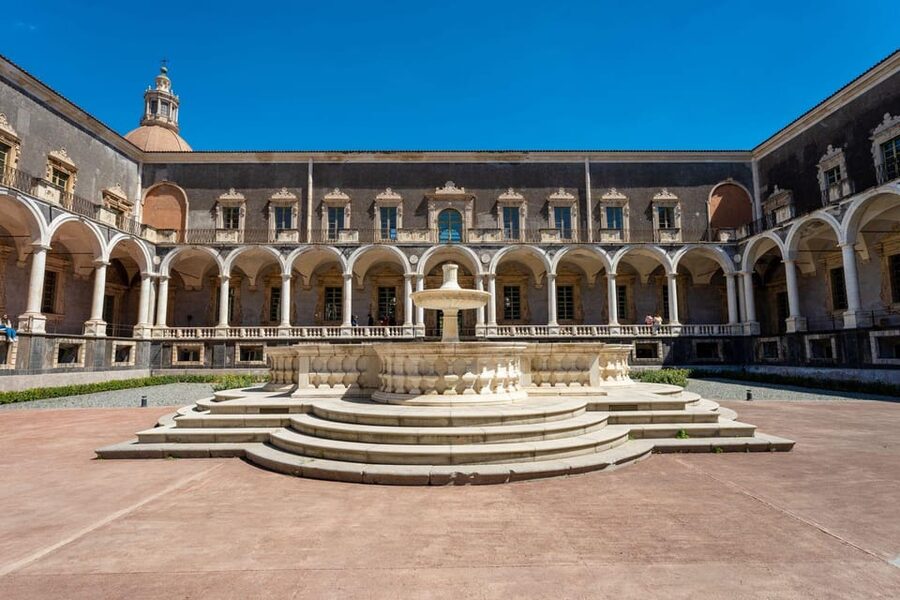
Reviewed · CATANIA TOURS
Benedictine Monastery of Catania – English Guided Tour
San Nicolò l’Arena feels like a time machine in one building. You move from Roman rooms to late Baroque grandeur, then end in spaces still used today by students and researchers. It’s the kind of stop that works even if you only have a short window in Catania.
I especially like the access element: you can see parts that are not normally open, including areas tied to the monastery’s long evolution. I also like the way guides connect architecture to daily monastic life, from kitchens and dining spaces to the library housed in old monastery structures.
One consideration: if you’re hoping to reach a specific high viewing spot, access can depend on the exact tour slot. So if that detail matters to you, double-check when you book.
Key things you’ll enjoy most
- Big-monastery feel in 75 minutes: a tight route through cloisters, corridors, library spaces, and the cellar level.
- Roman remains inside a modern campus: you’ll spot Roman houses visible under a contemporary mezzanine used by students.
- The lava-built cellar: a striking underground stop tied to how this place survived and was restored.
- Late Baroque architecture by major architects: you’ll hear how Vaccarini’s work shapes what you see.
- A guide who keeps it moving: recent visitors consistently highlight clear English and a lively, humorous tone.
- Good value for the time: at about $11 for 75 minutes, it’s a strong use of limited sightseeing hours.
In This Review
- Why San Nicolò l’Arena in Catania Works So Well in a Short Visit
- Where to Meet on Piazza Dante and What Helps on Arrival
- Cloisters and Monastic Corridors: Architecture You Can Actually Follow
- The Roman Houses Under a Modern Mezzanine (Yes, You See It)
- The Novices’ Garden: A Pause From Stone and Stairs
- 18th-Century Kitchens, Dining Rooms, and the Logic of Monastic Life
- The Lava Cellar and the Restoration Story That Took 30+ Years
- Vaccarini, Giant Staircases, and Giancarlo De Carlo’s Refurbishment
- The Library in Old Monastery Space (UNICT Comes Into Focus)
- Guides Like Carmen, Giovanni, and Nicola Make the Difference
- Best Time to Go and Who This Tour Fits
- Price and Value: Why $11 for 75 Minutes Is a Smart Deal
- Should You Book the English Guided Tour of the Benedictine Monastery of Catania?
- FAQ
- How long is the Benedictine Monastery of Catania English guided tour?
- Where do I meet for the tour?
- What does the tour include?
- What areas of the monastery will I see?
- Is the tour wheelchair accessible?
- Is there an English guide?
- Can I get translations if English is not my main language?
- Is skip-the-ticket-line included?
- Can I cancel for a full refund?
- Can I reserve without paying right away?
Why San Nicolò l’Arena in Catania Works So Well in a Short Visit
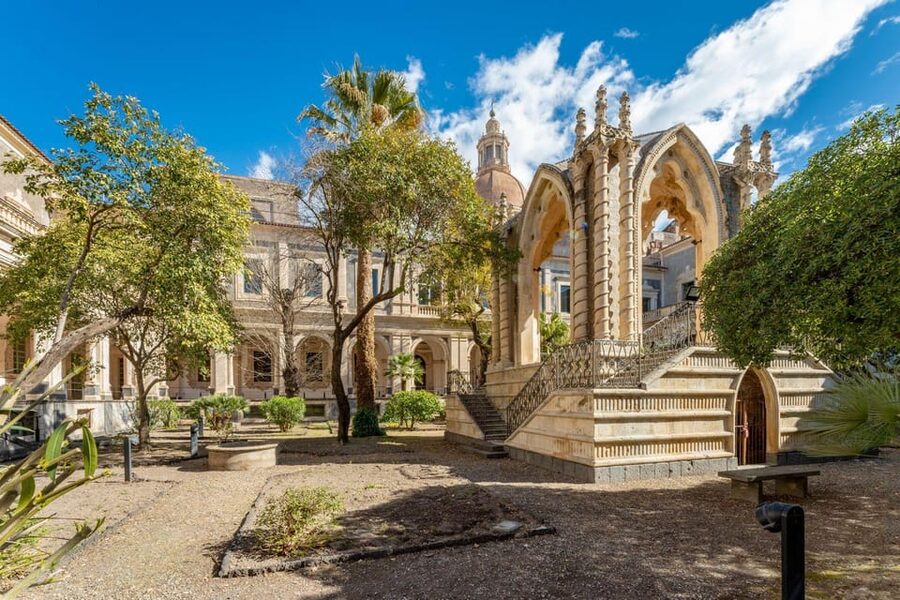
This isn’t a slow, museum-only experience. It’s a guided route through an active historical complex, where the monastery’s story continues under your feet. Even if you’re not a devoted church-history person, the building tells a clear narrative: layers of power, work, rebuilding after damage, and modern reuse.
The price-to-time ratio is genuinely strong. For about $11 per person and a 75-minute walk, you get guided access to areas that many independent visits miss. That matters in places like this, where the best rooms aren’t obvious unless someone explains what you’re looking at.
I also like that the tour design matches real sightseeing needs. You’re not left wandering. You have a path through cloisters, stairways, and underground spaces, and the guide helps you connect what each room was for.
What else Catania has going on
- Catania: Mount Etna Morning or Sunset Day Trip with Tasting
★ 4.8 · 4,028 reviews - Catania: Sunset Jeep Tour of Mount Etna and Lava Flow Caves
★ 4.8 · 2,113 reviews - Catania: Etna Sunset Tour with Pickup and Drop-off
★ 4.8 · 1,348 reviews - Etna Sunset Tour: Volcano trek, Cave & tasting from Catania
★ 4.8 · 1,290 reviews
Where to Meet on Piazza Dante and What Helps on Arrival
Plan to start at Benedictine Monastery of San Nicolò l’Arena. Your meeting point is on Piazza Dante, right after you pass the main gate—there’s an info point in the courtyard on the right.
Two practical wins come with the tour. First, the meeting setup is straightforward, so you’re less likely to waste time hunting for the group. Second, there’s baggage storage at the meeting point, which is useful if you’re carrying day-trip items or shopping bags.
If you’re trying to time your day, treat this like a one-bag stop. You’ll want your hands free for photos and for moving between levels inside the complex.
Cloisters and Monastic Corridors: Architecture You Can Actually Follow
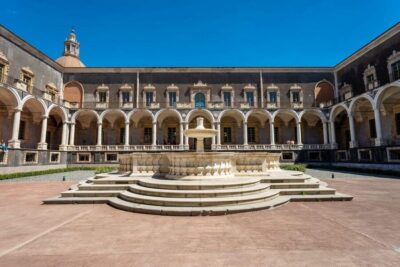
The core of the experience is moving through the monastery’s two cloisters and the connecting spaces that make it feel like a maze. Cloisters are more than pretty stone courtyards. In monastery design, they’re the social and circulation hub—where daily routines connect to the larger complex.
The guide’s job here is huge: they point out what you might otherwise treat as repeated decoration. Expect explanations tied to function and status, not just style. That’s where you begin to grasp why this monastery was so important to Benedictine life and wealth in the region.
You’ll also get a sense of scale. Some monasteries feel like one building plus a couple rooms. This one feels like an ecosystem of spaces that evolved across centuries.
The Roman Houses Under a Modern Mezzanine (Yes, You See It)
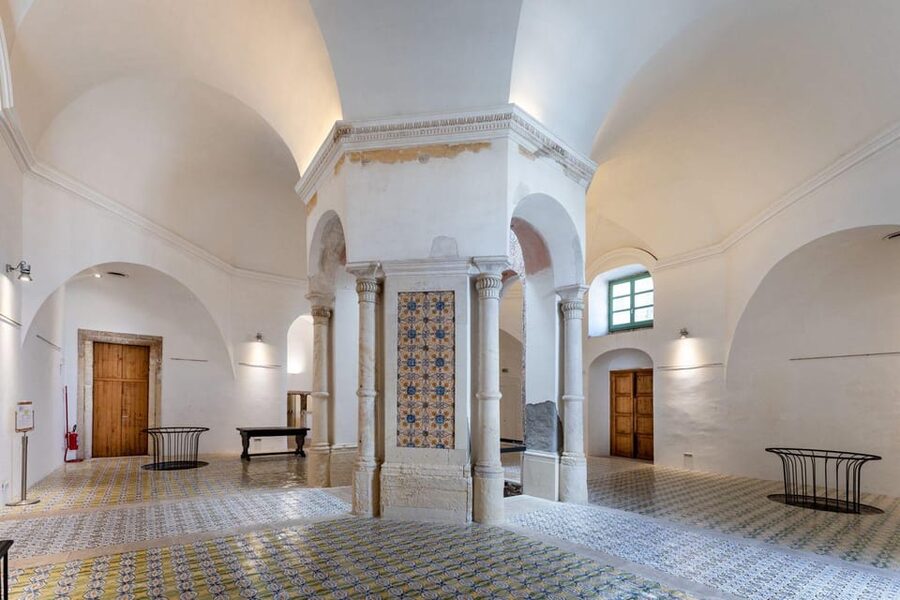
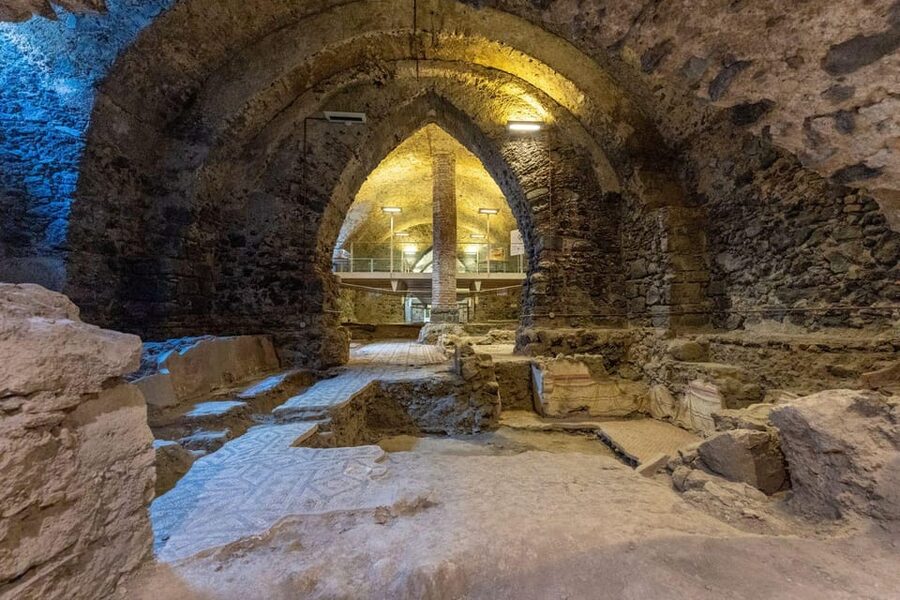
One of the most interesting moments is the Roman House area visible right under a modern mezzanine. You’ll be standing in a spot where ancient remains sit beneath newer university architecture, and the contrast becomes part of the story.
What makes this stop valuable is the way it changes your mental map of the site. Instead of thinking of the monastery as a single era, you see it as a layered project built on earlier ground. You’re not only looking at history. You’re watching how the present physically rests on the past.
If you enjoy archaeology or you just like that wow-factor of seeing old structures “in use,” this is where the tour delivers.
The Novices’ Garden: A Pause From Stone and Stairs
The tour includes the Garden of the Novices, a calmer break from the busier architectural rooms. Gardens like this were practical too. They weren’t just for scenery; they supported training routines and helped define daily life inside the monastery.
In a complex this large, having one lighter, open-space stop helps your brain reset. It also makes the underground sections feel more intentional when you head below afterward.
You’ll likely spend less time staring at details here than in cloisters or stairways—but it’s a smart pacing tool on a 75-minute itinerary.
A few we would gladly point a friend toward in Catania
18th-Century Kitchens, Dining Rooms, and the Logic of Monastic Life
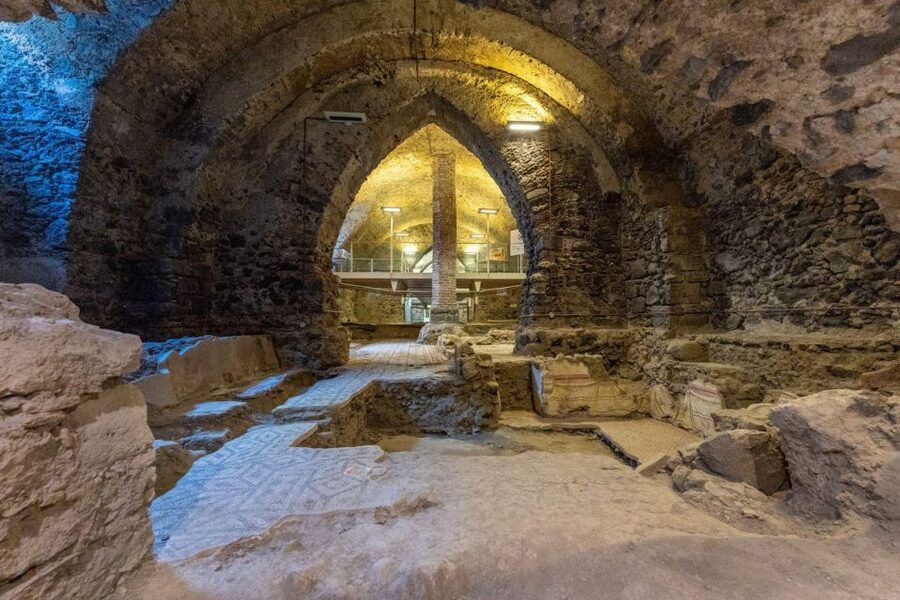
The famous 18th-century kitchens and cellars are a major highlight. Kitchens are where you learn the monastery wasn’t only prayer and power. It was also work, organization, and food logistics—especially in a place that needed to feed a community.
The guide will help you connect layout to function. You may notice how kitchen spaces connect to eating areas, and how cellars supported storage. It’s a good reminder that architecture is often designed around practical daily rhythms, not just symbolism.
If you like history you can picture, this section tends to click. You’re walking through rooms that were built for routines—so the spaces feel purposeful, not vague.
The Lava Cellar and the Restoration Story That Took 30+ Years
Sicily has a reputation for volcanic energy, but here it becomes part of a real building experience. You’ll see the cellar built on the lava, and it’s the kind of detail that makes the site feel specific to Catania, not generic monastery-at-a-glance.
Just as important, the tour explains that restoration work wasn’t quick. The refurbishment project reportedly took more than 30 years, and you’ll hear how that modern effort made today’s visit possible. That’s not trivia. It changes how you view the building—less like a fixed monument, more like a long, expensive act of preservation.
One more layer: you’ll connect this to why the monastery looks the way it does now. Restoration choices shape what’s visible today, and you’re seeing the end result of decisions made over decades.
Vaccarini, Giant Staircases, and Giancarlo De Carlo’s Refurbishment
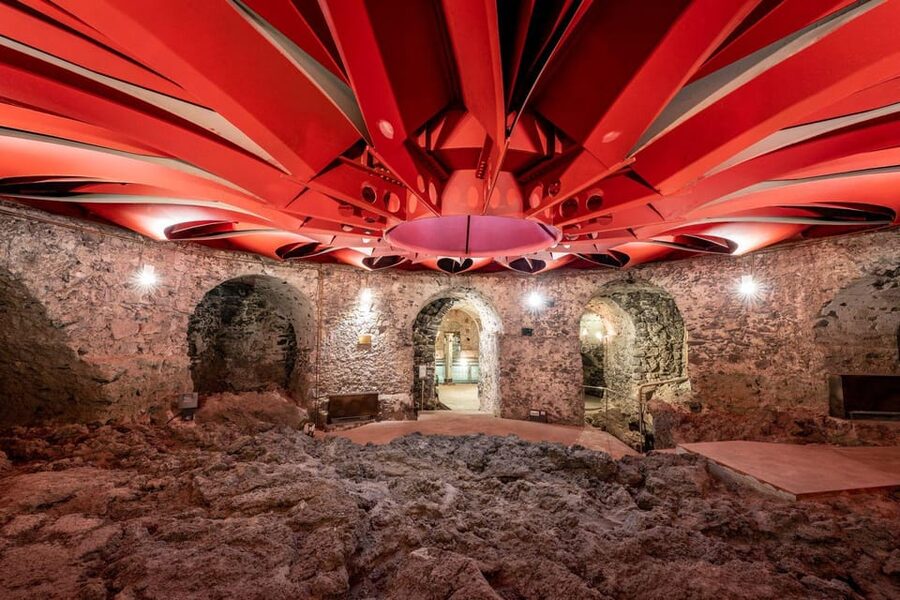
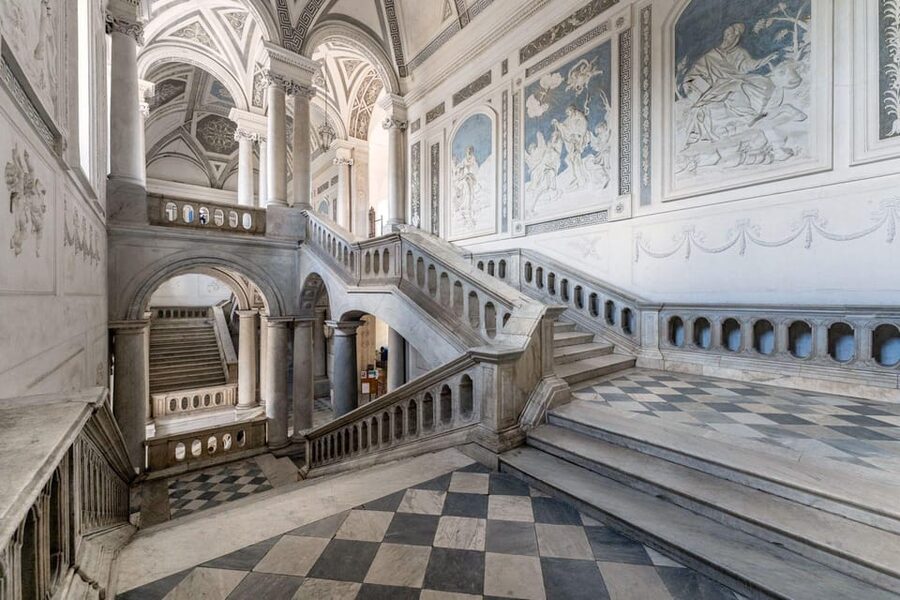
You’ll also be guided through standout elements tied to major names. The route references the architect Vaccarini, whose work is linked to the monastery’s late Baroque feel. You’ll likely notice this in the monumental scale of stairways and the drama of internal spaces.
Then comes the restoration angle, credited to Giancarlo De Carlo for the contemporary refurbishment that made the complex workable and accessible in modern times. The point isn’t to memorize architecture trivia. It’s to understand why a place this old can still function—why students can use parts of it and why visitors can move through it in an organized way.
If you care about how historic buildings survive modern life, this section gives you that framework.
The Library in Old Monastery Space (UNICT Comes Into Focus)
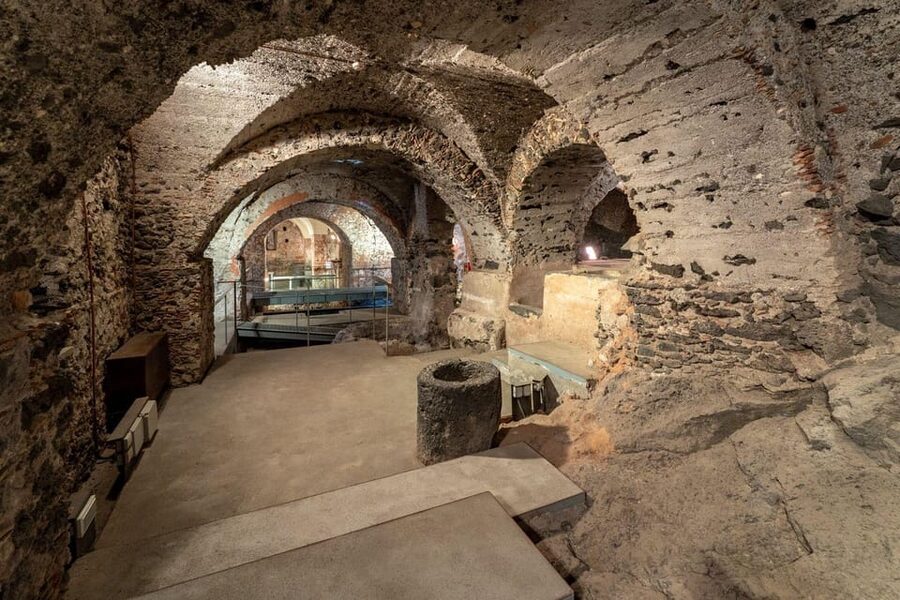
This tour doesn’t treat the monastery as a dead stop. It explicitly includes major library spaces used by the university. You’ll visit a 16th-century cellar now used as the Library of the Department of Humanities (Unict).
That’s a powerful transformation to see in person. A cellar was built for storage, controlled temperatures, and protection. Repurposing it as a library flips the function while keeping the bones of the architecture. The result feels like history continuing to work instead of turning into a sealed display.
You might also see the monastery’s relationship to learning through other visible university-linked areas, including the student-used mezzanine above Roman remains. It’s a rare way to experience heritage as part of daily life.
Guides Like Carmen, Giovanni, and Nicola Make the Difference
You’ll see the monastery either way. But the guide changes whether it clicks into a story. Many recent visitors praised guides by name—Carmen, Giovanni, and Nicola are highlighted in recent accounts.
What gets praised most isn’t just English. It’s the pacing and the humor. Several people mention that the guide answered questions clearly and kept the tour lively, with an approachable style. I like that setup because it’s what prevents long corridor walks from becoming repetitive.
You may also hear local perspective. One anecdote mentioned a Catanian feeling about Mount Etna when they travel abroad—small, personal context like that makes the history sound lived, not recited.
Best Time to Go and Who This Tour Fits
A place like this includes underground areas and large interior volumes. If it’s hot when you’re in Catania, the cellar level can feel like a relief compared to walking outside.
This tour fits you if:
- you want a fast, guided route through a major Catania landmark
- you like architecture that includes Roman remains and later Baroque redesign
- you prefer a route with a guide to interpret what you’re seeing
- you’re curious how a monastery can become part of a functioning university campus
I’d suggest you might skip or look for another option if:
- you’re only interested in one single style and don’t care about the layered timeline
- a specific viewing-platform access is your must-see priority, since that can depend on your time slot
Price and Value: Why $11 for 75 Minutes Is a Smart Deal
At about $11 per person for 75 minutes, the value comes from three things.
First, you get a guided route with explanations, which is essential in a complex like this. Second, you access parts that are normally closed to casual visitors. Third, you’re seeing multiple “rare” elements in one go: cloisters, Roman remains under a modern mezzanine, a university library built into old monastery space, and a lava-linked cellar.
If you’re budgeting in Catania, this is one of the more efficient ways to spend time. You’re not paying to stroll. You’re paying for interpretation and access.
Should You Book the English Guided Tour of the Benedictine Monastery of Catania?
If you want one solid historical stop that doesn’t waste your time, I’d book it. This is a rare monastery visit that combines late Baroque scale, Roman layers, and real modern reuse in a 75-minute guided format.
Book it especially if you appreciate architecture that tells a story. The cellar spaces, the library repurposing, and the restoration timeline make the whole complex feel intentional rather than random.
If a viewing platform is a key goal, confirm which areas your specific tour time includes. Otherwise, this is the kind of tour that gives you Catania’s character quickly—inside stone, under lava, and across centuries.
FAQ
How long is the Benedictine Monastery of Catania English guided tour?
The tour lasts 75 minutes.
Where do I meet for the tour?
Meet at the Benedictine Monastery of San Nicolò l’Arena. After passing the main gate on Piazza Dante, the info point is in the courtyard on the right.
What does the tour include?
It includes access to the monastery (including parts not normally accessible), a live English guide, and baggage storage at the meeting point.
What areas of the monastery will I see?
You can expect to see the cloisters, kitchen, novices’ garden, dining rooms, library areas in the monastery space, cellars built on lava, and Roman houses visible under a modern mezzanine used by students.
Is the tour wheelchair accessible?
Yes, the tour is listed as wheelchair accessible.
Is there an English guide?
Yes, the tour has a live guide in English.
Can I get translations if English is not my main language?
Written translations in French or Spanish can be provided if English is not your main language.
Is skip-the-ticket-line included?
Yes, skip-the-ticket-line is included.
Can I cancel for a full refund?
Yes. Free cancellation is available up to 24 hours in advance for a full refund.
Can I reserve without paying right away?
Yes. You can reserve now and pay later.
More Tours in Catania




More Tour Reviews in Catania


Keep Exploring Catania
Just added: the newest Catania tours in our notebook
- Transfer Catania / Agrigento Airport★ 5.0 · 3 reviews
- Sicily private shore excursion – Etna and Taormina with personal driver★ 3.5 · 3 reviews
- Sunset Trekking on Mount Etna★ 5.0 · 3 reviews
- Private Transfer from Catania to Palermo or vice-versa with stop★ 5.0 · 3 reviews
- From Syracuse: Mount Etna Volcano Morning Trekking Tour★ 5.0 · 3 reviews
- Catania: Guided Street Food Tour with Tastings★ 5.0 · 3 reviews
Catania Tours, compared.
 ★ 4.8Catania: Mount Etna Morning or Sunset Day Trip with TastingFrom $704,028 reviews
 ★ 4.8Catania: Sunset Jeep Tour of Mount Etna and Lava Flow CavesFrom $712,113 reviews
 ★ 4.9Catania: Mount Etna Trekking Tour Beyond the Tourist TrailsFrom $811,596 reviews
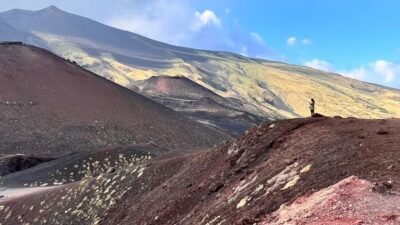 ★ 4.8Catania: Etna Sunset Tour with Pickup and Drop-offFrom $711,348 reviews
 ★ 4.8Etna Sunset Tour: Volcano trek, Cave & tasting from CataniaFrom $701,290 reviews
 ★ 4.8Catania: Etna Morning Excursion with Tasting and PickupFrom $711,224 reviews
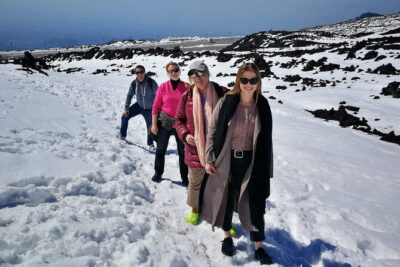 ★ 5.0Mt. Etna and Taormina village full day tour from CataniaFrom $1181,155 reviews
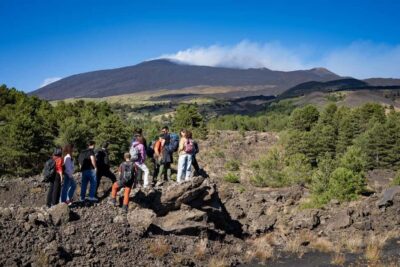 ★ 4.9Catania: Amazing Etna Morning Tour with Pickup and Drop-OffFrom $81799 reviews