
Reviewed · TRAPANI & SALT PANS
Marsala: Guided Salt Pans Walk Tour with Windmill Visit
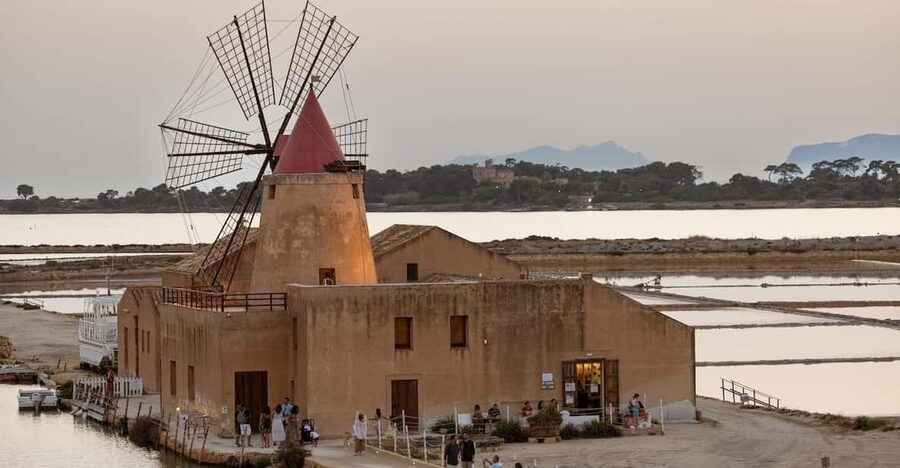
Salt flats look quiet, but they run like a farm. On this 1-hour Marsala walk, you’ll see how sea salt gets made, starting inside a 16th-century windmill. I especially like the short production movie that gets you oriented fast, and I love walking the salt pans where the basins glow with Stagnone Reserve colors. One consideration: the paths aren’t for everyone, since the tour isn’t suitable for wheelchair users or people with mobility impairments.
This is also one of those activities that fits well when your Sicily day needs to be efficient. You’ll get the history-and-science mix, plus views of working windmills as you move through the saline works. And you end with time to explore the windmill area and stop by the salt shop.
If you’re going for photos, bring sun protection and water. The salt pools can look almost mosaic-like in the light, and you’ll want your camera ready—but there’s no point bringing flip-flops and hoping for the best.
In This Review
- Key things to know before you go
- Marsala salt pans: a working system you can actually see
- Inside the 16th-century windmill: how the movie sets you up
- Walking the salt flats: the mosaic look of Stagnone
- How guides explain the salt pan life cycle (and why timing rules)
- The windmill endgame: rooftop views and photo time
- Whole Trapani Sea Salt PGI shop: what you can buy and why it matters
- Price and value: is $18 for an hour worth it?
- Who this tour suits best (and who should skip)
- Quick planning tips for a smoother hour
- Should you book the Marsala salt pans with windmill visit?
- FAQ
- How long is the Marsala salt pans walk tour?
- Where is the meeting point?
- Is the tour available in English?
- What should I bring?
- Are pets allowed?
- Is the tour suitable for wheelchair users?
- Final verdict
Key things to know before you go
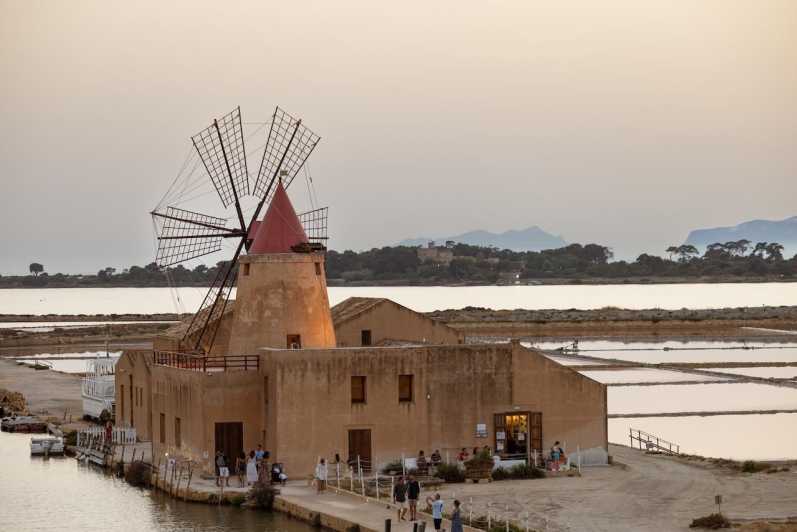
- Start inside the windmill: you begin the tour in a 16th-century structure before stepping onto the pans
- A production movie explains the process: you’ll learn how harvesting works before your feet hit the salt flats
- Stagnone Nature Reserve colors are the visual reward: basins can look iridescent and patterned
- You’ll learn how salt pans are managed: the guide explains the life cycle and timing of collection
- Windmill views are part of the walk: you’re not just learning; you’re seeing the system at work
- You can visit the salt shop at the end: you can buy Whole Trapani Sea Salt PGI there
Out to the Trapani salt flats
- Marsala: Guided Salt Pans Walk Tour with Windmill Visit
★ 4.7 · 162 reviews - Marsala: Guided tour of the Genna Salt Pans
★ 4.4 · 97 reviews - Guided tour of the Marsala Salt Pans and salt harvesting
★ 4.7 · 60 reviews - Marsala: Wellness in the Pink Salt Pans with Dinner
★ 4.7 · 21 reviews
Marsala salt pans: a working system you can actually see
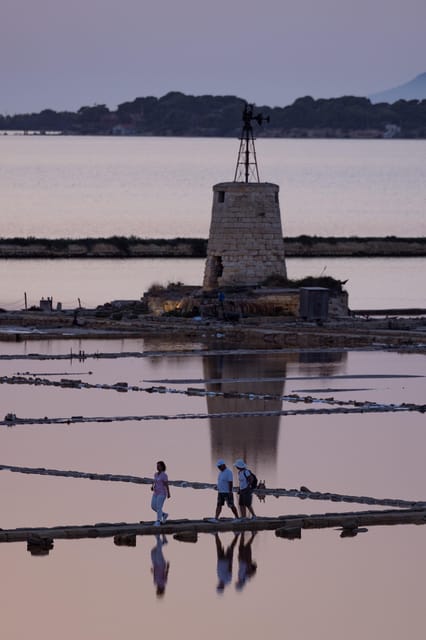
Most salt-making you read about stays theoretical. Here, you walk through it. The saline works near Marsala turn seawater into salt through a process of careful timing, controlled conditions, and constant management.
That’s why this tour feels different from a typical “look and listen” stop. You’re seeing the physical steps—basins, channels, and the way the windmill fits into the whole operation. The scenery isn’t just pretty; it helps you understand how the place functions day after day, season after season.
You’ll also get a sense of scale surprisingly fast. In an hour, it’s not long enough to master every detail, but it’s enough to connect the dots between science, work, and landscape. That connection is what makes the experience stick.
One practical upside: this is a short visit. If you’re moving around Sicily with limited time, a 1-hour guided walk is easy to slot in without wrecking your schedule.
Inside the 16th-century windmill: how the movie sets you up
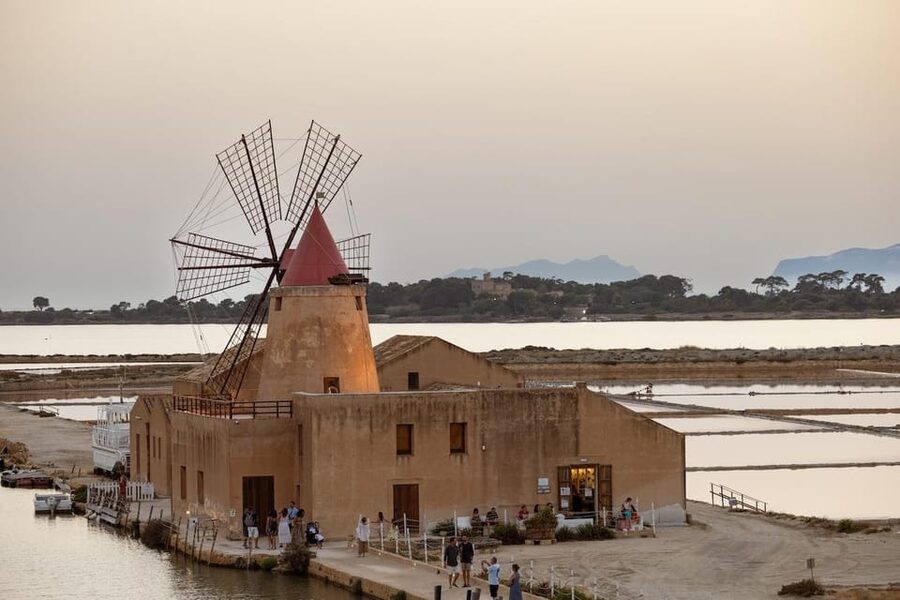
Your visit starts inside SEI – Saline Ettore e Infersa, in the big windmill on site. The setting matters. Being inside the structure gives the salt story a historical frame right away, instead of turning it into a lecture only.
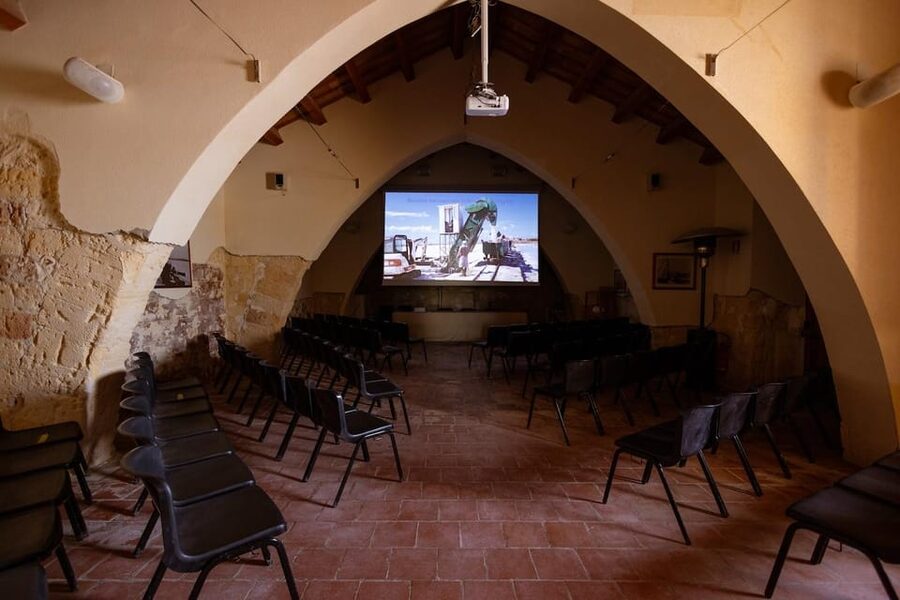
Before you head outside, there’s a movie explaining sea salt production and harvesting. This is a big deal for first-timers. Once you understand the basic flow, the salt pans stop being just colorful rectangles and start looking like a managed system with stages.
Guides keep the pace moving, and the best part is that the video doesn’t replace the live explanation. You get a guided walk afterward, so you can connect what you saw on screen to what you’re looking at in real space.
After the walk, you may have time to explore inside the mill area more freely, including lots of historical photos and extra info. Some tours also end with a chance to enjoy views from the rooftop area, which can be especially satisfying if the light is good.
If you care about photos, this windmill start gives you both an interior and exterior story. You’ll capture the machinery mood first, then the mosaic salt-pool look outside.
Walking the salt flats: the mosaic look of Stagnone
Once you step onto the salt flats, you’ll notice how the color changes from basin to basin. It’s not just one shade of white. The basins can show iridescent tones and a mosaic pattern that looks almost painted when the sun hits just right.
As you walk, the view of the windmills becomes part of the explanation. You’re not looking at windmill shapes from a distance—you’re seeing how they relate to the saltworks. That helps you understand why wind power mattered historically in places like this, where production depended on steady conditions.
A key scenic moment is the Stagnone Nature Reserve angle. You’ll hear about it while you’re already standing in the landscape that makes it special. The reserve isn’t presented as a separate “side trip.” It’s part of the same salt story, wrapped into the setting that gives the basins their look.
Timing can affect what you notice visually. Depending on the time of year, you might see flamingoes in the area. Even if you don’t, the ecosystem vibe is part of what makes the saltworks feel alive rather than industrial.
This is also a good walk for your senses, not just your eyes. The environment is sun-heavy, so plan to slow down for photos and still keep drinking water. Salt flats have a way of making time feel shorter once you’re focused on the visuals.
How guides explain the salt pan life cycle (and why timing rules)
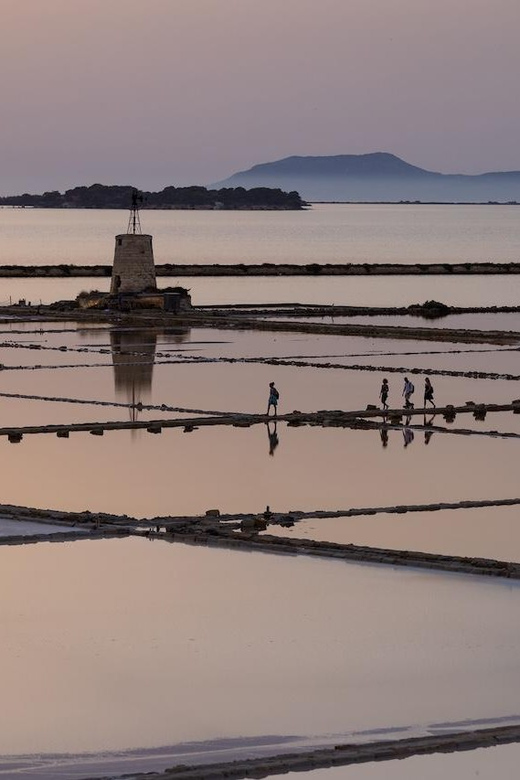
A big part of the value here is learning the life cycle and management of a salt pan. This isn’t just, “Sea goes in, salt comes out.” You’ll get a clear explanation of productivity, and how the pace and timing of salt collection matter.
Your guide will walk you through how salt pans function across stages. You’ll learn why management is constant, not seasonal only, and how the conditions in each basin influence what happens next. When the guide points out areas of different stages, the whole place starts making sense as a system rather than a static view.
That’s why the tour works even if you’re not a science person. The guide translates the process into something you can see with your own eyes. Afterward, when you look at a basin, you’ll have a mental checklist of what stage it likely represents and why.
You’ll also get a sense of the human side of the operation: salt harvesting requires attention and planning. The guide’s explanation of the time and pace of collection helps you appreciate why salt production can’t be rushed without affecting quality.
Group size can influence how much Q&A you get. Some tours run small, which means you can ask extra questions without feeling like you’re competing for attention. If you love asking why something works, this format is usually a good fit.
One more note: language is English throughout. If English isn’t your strongest language, you’ll still benefit from the movie setup and the walk visuals—but it can help to focus on listening and watching for the guide’s pointing cues.
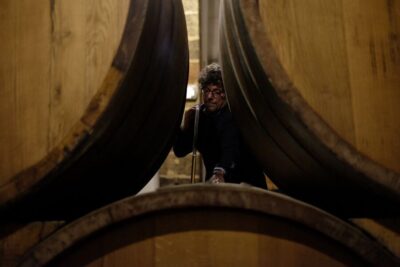
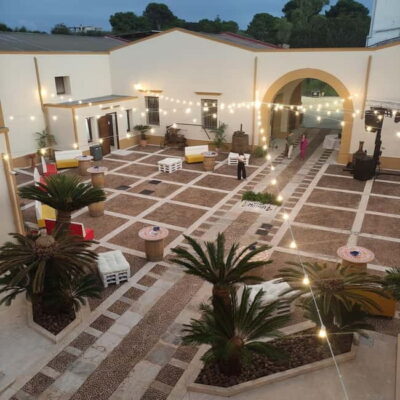
Marsala, glass in hand

The windmill endgame: rooftop views and photo time
The tour doesn’t end at the last basin. The idea is to bring you back into the windmill space so you can connect the landscape to the story.
At the end, you can explore more inside the mill area. People have found the windmill packed with pictures and extra context, which turns the windmill from a starting point into a satisfying closer.
Rooftop views are a practical bonus if you time your tour toward later hours. The pans can glow when the sun lowers, and being higher up gives you better angles across the saline works. If your goal is the most dramatic photos, aim for the session that lines up with better light, and don’t rush straight out at the end.
And yes, it’s worth using your time well. The tour is only 1 hour, so you’ll have short windows. Bring your camera strap ready, and keep your water within reach so you don’t lose photo time to dehydration.
Even if you’re not into photography, those final minutes inside the windmill are a nice way to reset your brain. You’ll leave with a clearer sense of how old tech and modern management met in the same working space.
Whole Trapani Sea Salt PGI shop: what you can buy and why it matters
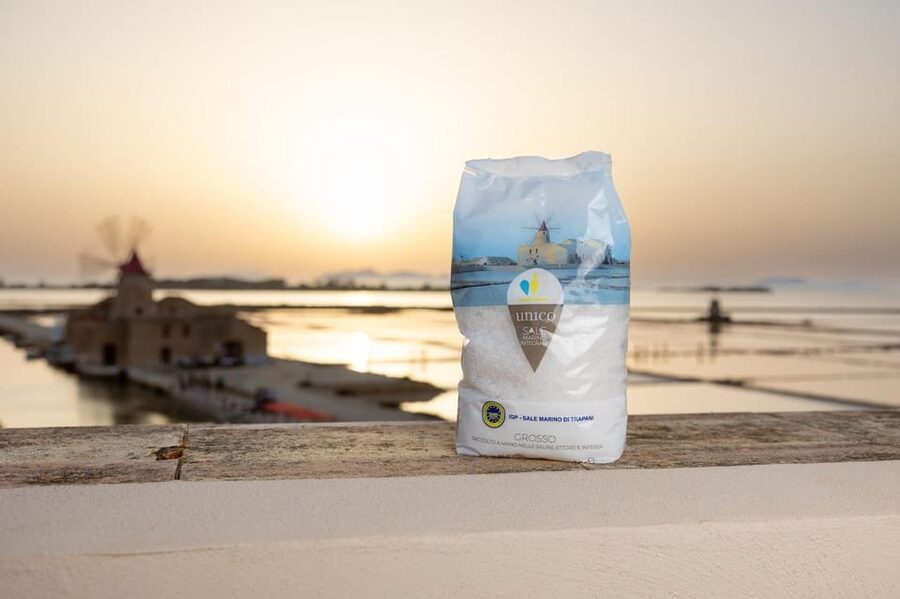
At the end of the experience, you can visit the salt shop. This isn’t just a souvenir stop. The tour is about sea salt production and harvesting, so buying the product closes the loop.
You can purchase Whole Trapani Sea Salt PGI there. The info emphasizes that it’s the only one of this type in Italy, which is their way of stressing authenticity and specificity. If you’re serious about cooking salts, that PGI label is a useful kind of signal.
What I like about including a shop right after the explanation is timing. You’re not shopping while thinking about lunch. You’re shopping while you still remember the process and the stages. That usually makes it easier to understand what you’re buying and how it fits the salt story you just learned.
If you’re planning to bring salt home, consider how you’ll use it before you open the jar. This is the kind of ingredient that’s easy to pack and easy to use regularly—especially if you cook Italian dishes often.
Price and value: is $18 for an hour worth it?
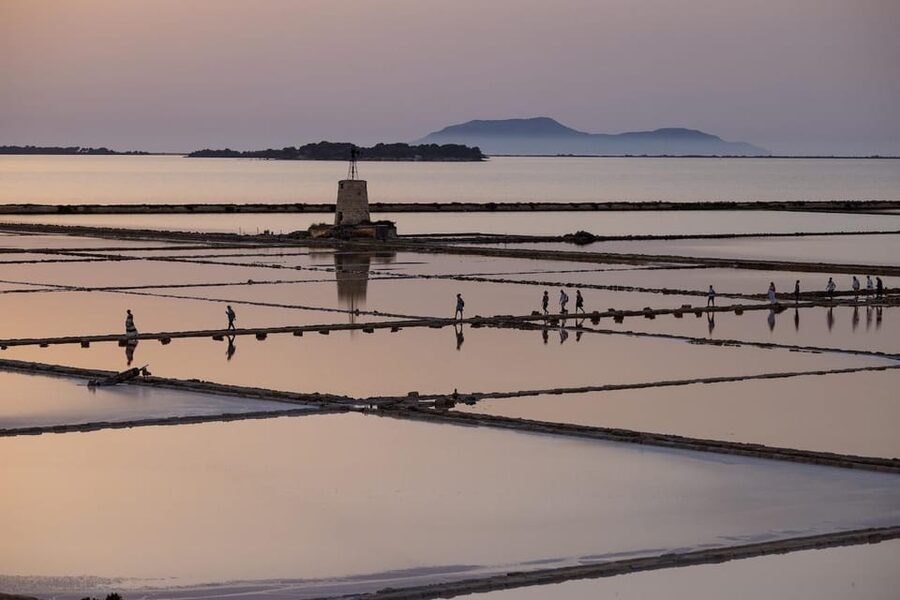
At $18 per person for a 1-hour guided experience, this sits in the “good value” category for Sicily. You’re paying for three things at once: a live English guide, an introduction movie, and a guided walk through a working salt operation inside a specific site (SEI – Saline Ettore e Infersa).
If you only wanted a view, you could probably find salt-pan scenery on your own. The value is the guided explanation of life cycle and management. Without that, the basins would still be beautiful, but you’d miss the practical logic behind what you’re seeing.
The duration also matters. This tour is short enough to fit between other activities without costing you a chunk of your day. That makes it a smart choice when you’re traveling with limited time and want something worthwhile beyond another church stop.
One more value check: you’re not limited to a single room or a single viewpoint. You get inside and outside elements, and the windmill adds both history mood and photo angles. For the price, that blend is usually hard to beat.
Who this tour suits best (and who should skip)
This is a good fit if you like hands-on learning with strong visuals. You don’t need to be a salt expert. The movie plus guide walking explanation builds your understanding as you go.
It’s also good for couples and small groups because the pace encourages questions. When the group is smaller, you’ll often get more back-and-forth with the guide. Even if your group isn’t tiny, the time is short, so the guide’s attention tends to feel focused.
Families can do well too, as long as kids can handle walking on outdoor paths. The tour length is manageable, and the windmill visuals help keep attention.
Skip it if mobility is a concern. The tour is not suitable for wheelchair users or people with mobility impairments, and the salt-pan walking is part of the experience. Also note the no-pets rule inside the salt pans, and no smoking anywhere on the salt-pan area.
Quick planning tips for a smoother hour
- Wear comfortable walking shoes, because you’ll be on outdoor paths for much of the tour.
- Bring sunscreen, a sun hat, and water, especially on bright days.
- Bring your camera, since the basin colors and windmill angles make strong photos.
- If sunset matters to you, check your exact time slot and plan to use the windmill end moment for better light.
Should you book the Marsala salt pans with windmill visit?
Yes, if you want a short, guided, and genuinely “you can see how it works” experience. For $18, you get an English guide, a production movie, and a walk through a working salt system with Stagnone Reserve colors and a 16th-century windmill setting. It’s the kind of tour that turns a pretty place into an understandable place.
I’d skip it only if walking is difficult for you, or if you’re looking for a long, slow wandering experience. This is an efficient 1-hour format: strong on explanation and visuals, lighter on hanging around.
FAQ
How long is the Marsala salt pans walk tour?
The experience lasts 1 hour.
Where is the meeting point?
The meeting point is inside SEI – Saline Ettore e Infersa saltworks. There’s a free park there, but you should go directly with your ticket inside the big windmill where the salt pans visit starts.
Is the tour available in English?
Yes. The tour includes a live English guide.
What should I bring?
Bring comfortable shoes, a sun hat, a camera, sunscreen, and water.
Are pets allowed?
No. Pets are forbidden inside the salt pans.
Is the tour suitable for wheelchair users?
No. It’s not suitable for wheelchair users or people with mobility impairments.
Final verdict
If your Sicily plans include Marsala and you want something different that’s both scenic and practical to understand, this salt pans + windmill tour is an easy yes. Bring sun protection, wear good shoes, and use the windmill time for photos—you’ll leave with a real feel for how sea salt production actually works.
More Tour Reviews in Marsala




More Marsala Wine Country
More Around Trapani and the Salt Pans


Just added: the newest Marsala tours in our notebook
- Marsala: Kayak Tour in Stagnone di Marsala Nature Reserve★ 5.0 · 4 reviews
- Marsala: Market Tour & Meal at a Local’s Home★ 5.0 · 5 reviews
- Marsala Wellness on the Isola Lunga Salt Pans with Aperitif★ 4.7 · 5 reviews
- Salt tub scrub in Marsala★ 3.7 · 6 reviews
- Evening tour of a historic winery and wine tasting with Sicilian cuisine★ 4.9 · 8 reviews
- Discovering Marsala in the historic Pellegrino Cellars★ 4.3 · 8 reviews
Trapani & Salt Pans, compared.
 ★ 4.2From Trapani: Cruise to Favignana and Levanzo with lunchFrom $532,286 reviews
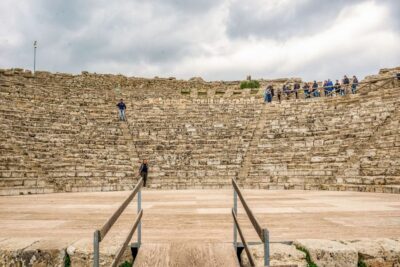 ★ 4.2Segesta, Erice and Salt Pans Full-Day Excursion from PalermoFrom $821,791 reviews
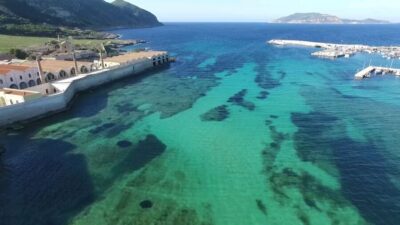 ★ 4.3From Trapani: Day Cruise to Favignana & Levanzo with LunchFrom $461,483 reviews
 ★ 5.0Boat Tour Egadi Day discover Favignana and Levanzo from TrapaniFrom $1391,183 reviews
 ★ 4.2From Trapani: Favignana and Levanzo Mini Cruise with LunchFrom $47814 reviews
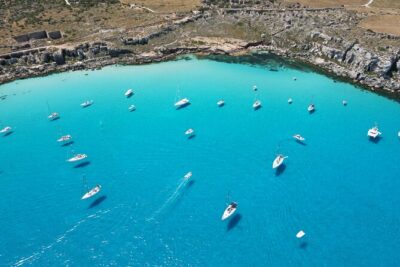 ★ 5.0Favignana and Levanzo, Egadi islands tour by boat from TrapaniFrom $114720 reviews
 ★ 5.0Boat tour to Egadi Favignana and Levanzo islands from TrapaniFrom $102614 reviews
 ★ 5.0Egadi Islands Tour: Favignana and Levanzo from TrapaniFrom $114607 reviews
Browse the lists this tour appears in