
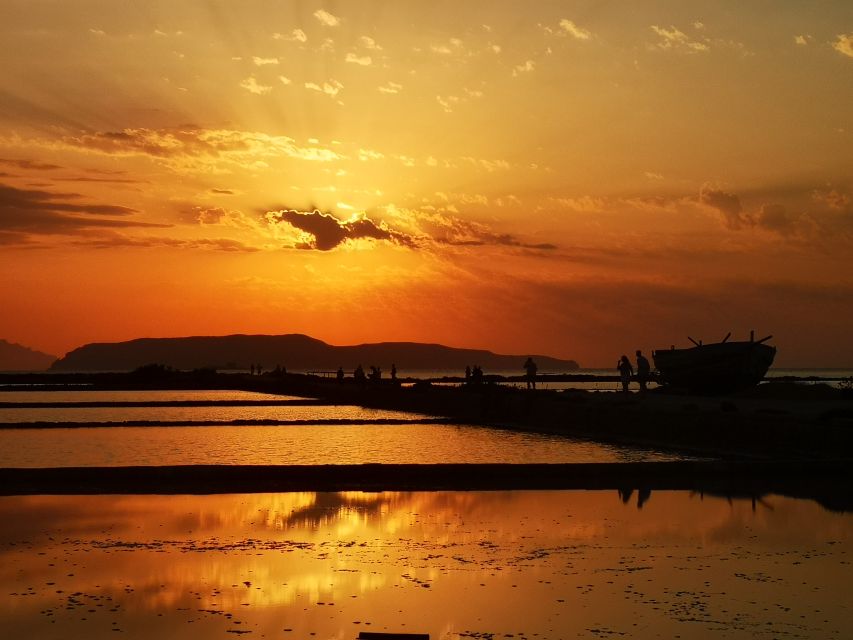
Reviewed · TRAPANI & SALT PANS
From Trapani: Stagnone Islands of Marsala and salt pans
Stagnone’s salt and water feel unreal. This short trip from Trapani combines a lagoon boat ride with Marsala’s working salt pans, so you see the place and you learn how it works. It’s a compact 3.5 hours, but it packs in views, stories, and a tasting that makes the whole area make more sense.
Two things I really like: the guide-led explanation of traditional salt collection (and why it mattered here), and the chance to pause for local products and wine during the Marsala portion. If you get a guide with energy like Alessio, the salt history turns into something you can actually picture, not just read about.
One consideration: the day centers on the boat + salt views, so you’ll want to dress for sun and wind and accept that the tasting is just that, not a full meal. Also, drinks are not included, and some people wish there were a bit more to snack on while you’re out there.
In This Review
- Key highlights to focus on
- Stagnone Islands of Marsala: what you’re really seeing
- The Trapani meet-up and the ride to Marsala
- Marsala time: photos, salt-pan viewpoints, and a short paced walk-through
- The lagoon cruise on a flat keel boat: Lunga, Schola, Santa Maria
- Wildlife and rare plant spotting, without the pressure
- Windmills, salt color, and the story behind traditional methods
- Tastings in Marsala: local products and wine (with a heads-up)
- Practical pacing: how the 3.5 hours actually feels
- Price and value: what you’re paying for at about $101.96
- Who should book this Stagnone salt-pans tour
- Should you book it?
- FAQ
- What’s included in the Stagnone Islands and salt pans trip from Trapani?
- How long is the tour?
- Where do you meet the guide in Trapani?
- What do you do during the boat ride?
- Is there time for photos and sightseeing on the ground?
- Are there tastings during the tour?
- Are drinks included?
- What language is the guide?
- What should I bring?
- Is the tour suitable for people with mobility impairments?
Key highlights to focus on
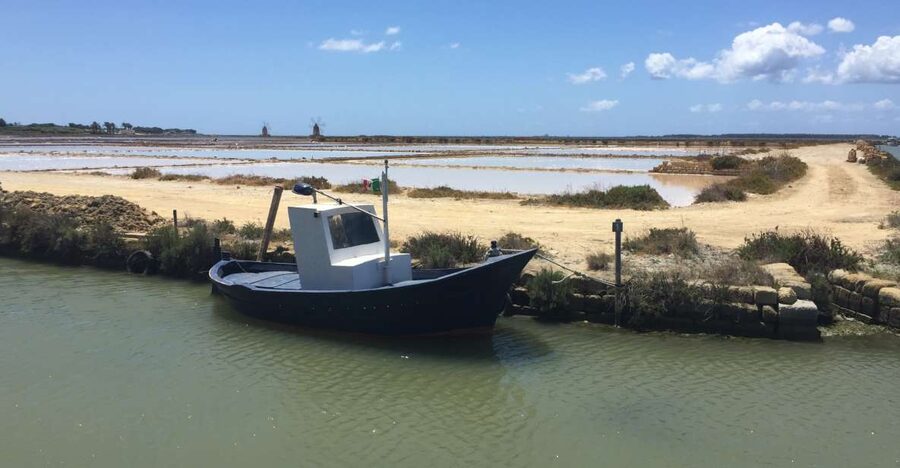
- Flat-keel boat over the Stagnone lagoon for up-close views without the rough-feeling ride
- Lunga, Schola, and Santa Maria loop so you’re not stuck just staring at one corner of water
- Photo stops of old windmills and salt pans where the light turns the colors white to pink
- Hands-on history of salt collection explained in plain language by your guide
- Local products tasting (plus wine tasting) to connect the scenery to what people actually eat and drink
- Wildlife spotting as you glide over the lagoon and through the reserve area
Out to the Trapani salt flats
- Marsala: Guided Salt Pans Walk Tour with Windmill Visit
★ 4.7 · 162 reviews - Marsala: Guided tour of the Genna Salt Pans
★ 4.4 · 97 reviews - Guided tour of the Marsala Salt Pans and salt harvesting
★ 4.7 · 60 reviews - Marsala: Wellness in the Pink Salt Pans with Dinner
★ 4.7 · 21 reviews
Stagnone Islands of Marsala: what you’re really seeing
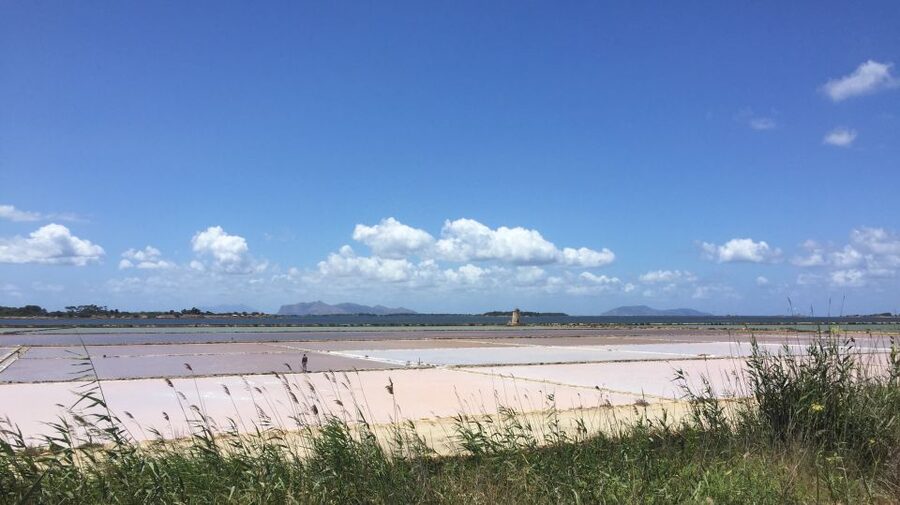
Stagnone is a natural reserve built around a working relationship between water and salt. On the surface, it looks like scenery you’d see in a postcard: shallow lagoon water, long stretches of shimmering salt pans, and those classic, weathered windmills that feel like they belong to a different era.
But the point of this tour is that you don’t just watch it. You get the context. You’ll hear how salt collection shaped the economy and daily life here, and how the methods were built around this particular lagoon environment. That turns the photos from pretty pictures into something more meaningful, because you can match what you see to why it exists.
I also like that the tour keeps you moving. You get lagoon time, salt-pan time, and a taste of local food and wine without turning it into a long day. If you’re in western Sicily with a tight schedule, this is an efficient way to understand a place that often gets glossed over as just a viewpoint.
The Trapani meet-up and the ride to Marsala
You start in Trapani at the meeting point on Via Ammiraglio Staiti, 101. The practical instruction is to look for a guide in a black polo with the Trapaniemotions logo. From there, you’ll transfer by van for about 30 minutes.
That van ride matters more than you might think. It gives you a smooth, air-conditioned buffer before you step into the open lagoon and salt areas, where heat and wind can change fast. It also helps the schedule stay tight—because the tour is only about 3.5 hours total, with roughly an hour-and-a-half to two hours of the action centered on Marsala and the lagoon cruise.
One small thing to plan for: you’re not doing this as a long, independent wandering day. You’re on a guided timeline. If you like slow, unscripted sightseeing, you may want to add extra free time later on your own. If you like getting your bearings quickly and getting the story while you’re there, this format works nicely.
Marsala time: photos, salt-pan viewpoints, and a short paced walk-through
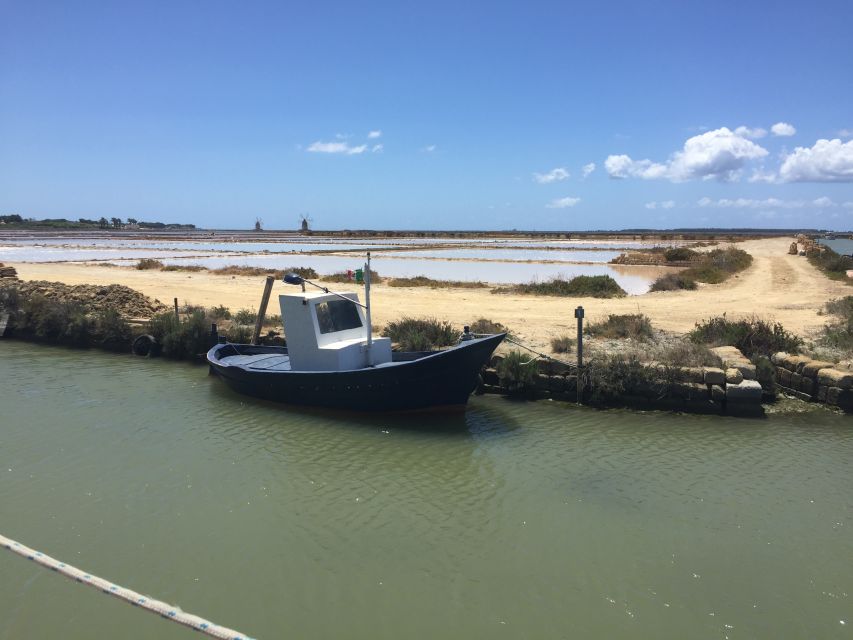
Once you arrive in Marsala, the plan is built around about three hours that mix guided time and a little breathing space. There’s typically a photo stop plus guided visit elements, then time that can include free moments and market-style browsing.
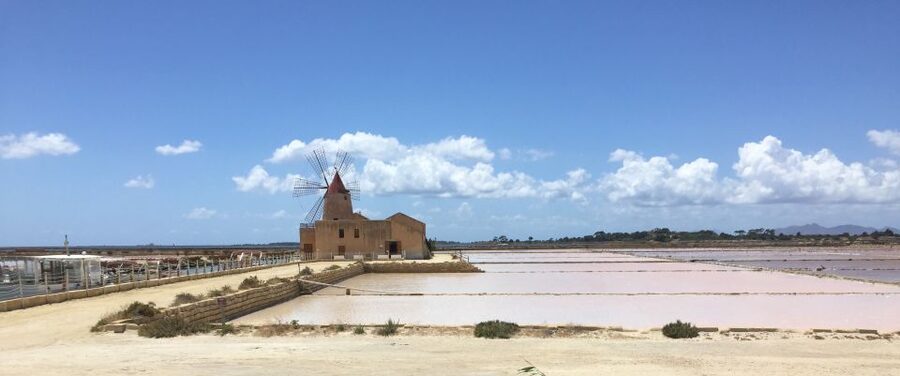
This is where you’ll start seeing why people love this area. The salt pans are famous because the colors shift depending on the light and the conditions. You’ll have time to snap photos of the salt pans and the old windmills, and you’ll also be able to look at how the salt operations are arranged through the reserve.
You’ll also hear history during this part, including how people used to collect salt the traditional way. That matters because many visitors see the pans but don’t know they’re not just decorative or scenic. They’re the result of practical, repetitive work shaped by the lagoon.
If you’re the type who likes to ask why something looks the way it does, pay attention here. The guide’s explanations help you read the scene faster once you’re back out on the water.
The lagoon cruise on a flat keel boat: Lunga, Schola, Santa Maria
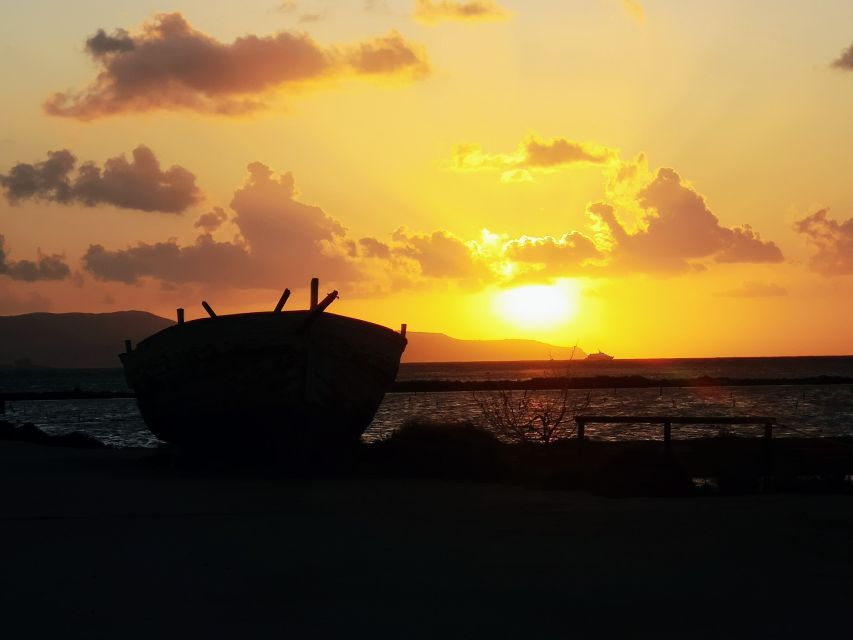
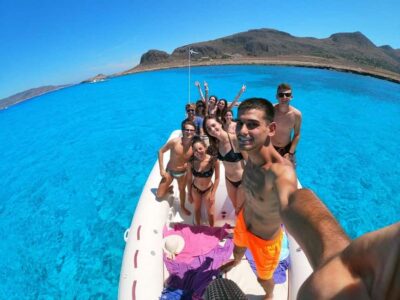
Now for the highlight: the boat portion. You’ll hop aboard a flat keel boat and ride through the lagoon around the islands of Lunga, Schola, and Santa Maria. This is the core of the experience, the part that makes the reserve feel alive.
A flat keel boat is a good choice for this kind of water. You get stability and closeness to the edges without feeling like you’re stuck in a big, distant tour setup. As you glide, you can look for the salt marsh edges, shallow-water details, and the natural rhythm of the lagoon.
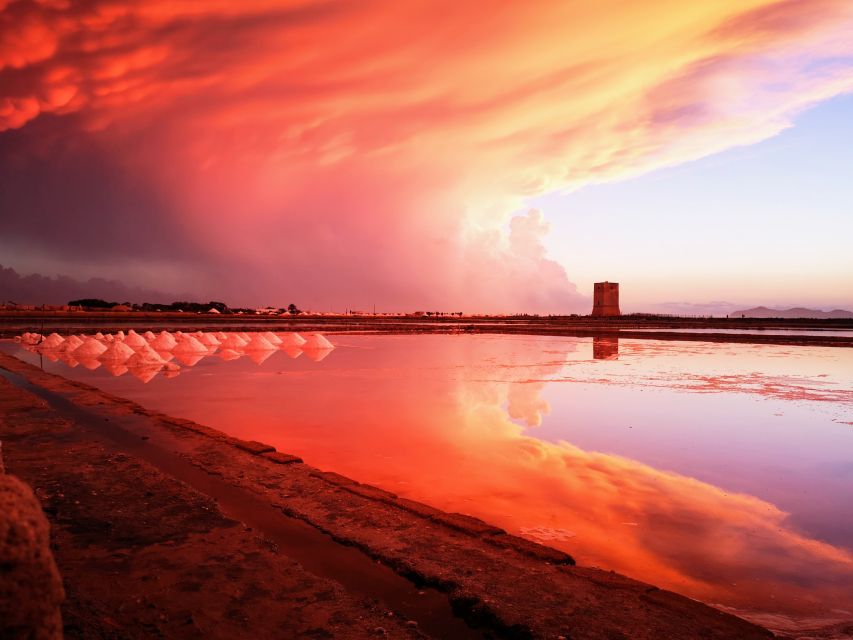
You’ll also get another chance for those iconic images—white and pink salt pans under changing light, with windmill shapes breaking up the horizon. Even if you don’t take many photos, this is the moment when your brain goes, Oh, this is why this place is famous.
One more benefit: you’re not stuck looking at salt from the ground. From the boat, the reserve’s scale becomes obvious. The lagoon isn’t just a backdrop—it’s the system that keeps the salt pans functioning and the wildlife finding a home here.
Marsala, glass in hand
Wildlife and rare plant spotting, without the pressure
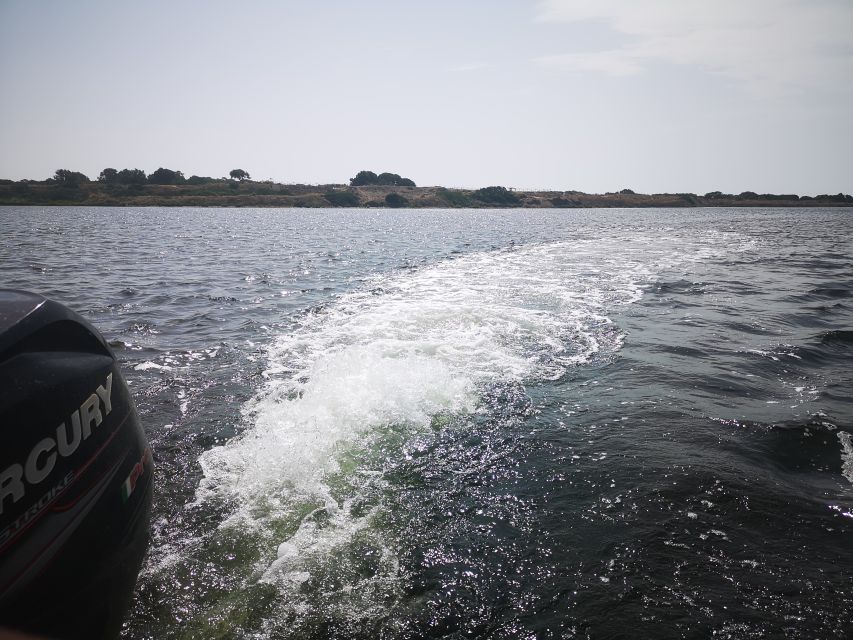
Stagnone is a nature reserve, so there’s a wildlife and plant element. You’ll have opportunities for wildlife viewing as you pass through the reserve and glide over the lagoon. Depending on the season and what the day offers, you might spot rare flora and fauna, but the tour frames it in a way that doesn’t leave you scrambling with binoculars.
What I like about this approach is that it keeps wildlife watching realistic. You’re moving through the area, not stopping every two minutes. That’s great if you want nature in the mix but still want the salt-and-history story to stay central.
Bring a sense of curiosity rather than a specific checklist. The reserve is naturally changeable—light, wind, and water conditions affect what you notice. When you’re guided through what to look for, the experience feels easier and more rewarding.
Windmills, salt color, and the story behind traditional methods
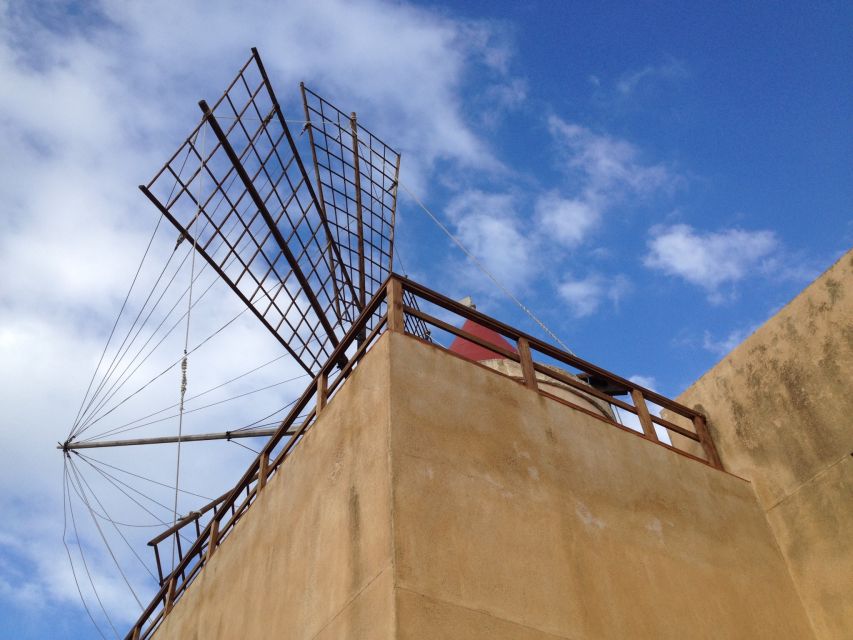
Those old windmills aren’t just photo props. They’re tied to the traditional salt collection system, and the guide will connect them to how salt was gathered and processed over time. This is where the tour goes beyond surface-level sightseeing.
You’ll learn about the methods used in the past—how salt collection depended on the lagoon and how people managed the work cycle. It’s the kind of information that makes the reserve click in your mind. The windmills, the pans, and the lagoon stop feeling like separate sights and start feeling like one system.
Also, the color changes you’ll notice are part of why this area is so photogenic. In bright conditions, salt can read as sharp white. Under softer light, it can look more pink. The boat and photo stops give you chances to catch those shifts.
If you’re traveling with someone who likes history or agriculture, this section will land well. It’s not a lecture. It’s information that matches what you see.
Tastings in Marsala: local products and wine (with a heads-up)
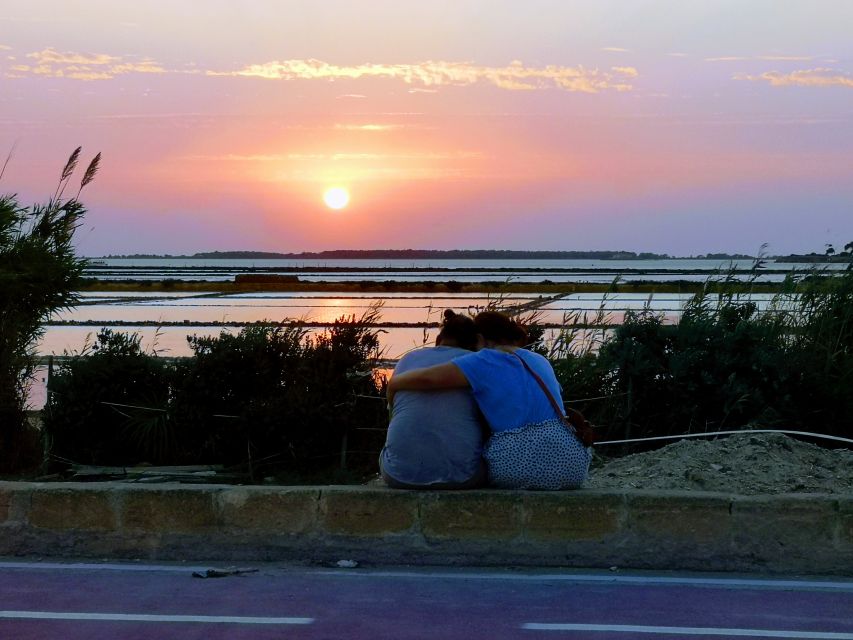
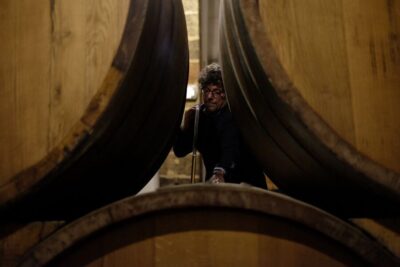
A major value-add here is the tasting portion. You’ll savor local products as part of the Marsala time. There’s also a wine tasting built into the schedule.
This matters because it turns your understanding from visual to sensory. Salt might feel like a background detail until you taste what locals make and drink here. Even if you’re not a hardcore wine person, you’ll likely come away with a few flavors you can remember when you think about the region.
That said, keep expectations aligned: the experience includes tastings, not a full meal. One recurring note from real-world experiences is that people wished there were a snack or two to keep hunger fully covered during the drive and the time on the road. So if you know you snack often, grab a light bite before you start or plan for something after you return to Trapani. Drinks are not included either, so budget for that if you want extras.
Practical pacing: how the 3.5 hours actually feels
The total duration is listed as 3.5 hours, with the schedule structured around:
- a Trapani meet-up and van transfer (about 30 minutes),
- around three hours in the Marsala area including guidance, photo stops, and tastings along with the boat cruise,
- then the return van ride (about 30 minutes) back to the meeting point.
In plain terms: it’s a focused half-day. You’re not spending the whole time indoors with a long museum-style stop. You’re outside, you’re on the water, and you’re guided through several parts of the reserve.
This pacing is great for first-timers to western Sicily. It’s also a good match if you don’t want to commit to a full day trip, but you still want a meaningful story and a real taste of local life.
One practical tip: wear weather-appropriate clothing. The tour runs in suitable conditions, but you’re on open water and around salt pans, so sun and wind can be a factor.
Price and value: what you’re paying for at about $101.96
At about $101.96 per person for a 3.5-hour experience, the value comes from the bundle. You’re not just paying for a boat ride. You’re paying for:
- transportation in an air-conditioned van from Trapani,
- an English or Italian-speaking guide,
- entrance fees,
- local products tasting,
- and a wine tasting,
plus the structure that gets you to the lagoon and makes sure you understand what you’re seeing.
If you tried to recreate this on your own—boat charter, timed logistics, and a guide to explain salt collection—you’d likely spend more in time and money. Even if you don’t drink wine, the tasting portion helps justify the cost because it’s included and guided.
So I see this as a fair price for a compact, well-supported outing, especially if you value explanation and local food over just “look at the view” tourism.
Who should book this Stagnone salt-pans tour
This is a strong pick if you:
- want an easy half-day from Trapani that mixes nature + history,
- like guided context (salt collection methods, reserve background),
- enjoy a food-and-wine stop as part of the day plan,
- and want great photo opportunities without extra effort.
It may be less ideal if you prefer fully independent travel with lots of free-roaming time, or if you’re sensitive to wind and sun and don’t want a schedule built around being outside.
Also note the tour is described as wheelchair accessible, but it’s also labeled as not suitable for people with mobility impairments. If mobility needs are a factor for you, I’d check directly with the provider before booking so you don’t waste time.
Should you book it?
Yes, if your goal is to see Stagnone in a way that’s fast, guided, and tied to local life. The boat loop around Lunga, Schola, and Santa Maria, the salt-pan and windmill photo moments, and the tasting package make this feel like more than a scenic stop. And if your guide brings the kind of energy people associate with Alessio, you’ll leave with a clear sense of how the reserve works and why it looks the way it does.
Skip it or consider alternatives if you want a long, unstructured day or if you need a meal included beyond tastings. With a small pre-snack or a post-tour bite, though, most people can make this fit comfortably.
FAQ
What’s included in the Stagnone Islands and salt pans trip from Trapani?
The tour includes transportation, an English or Italian-speaking guide, local products tasting, and entrance fees.
How long is the tour?
The total duration is listed as 3.5 hours. Starting times vary, so you’ll want to check availability.
Where do you meet the guide in Trapani?
You meet at Via Ammiraglio Staiti, 101. Look for a guide wearing a black polo with a Trapaniemotions logo.
What do you do during the boat ride?
You take a flat keel boat ride on the lagoon and pass around the islands of Lunga, Schola, and Santa Maria.
Is there time for photos and sightseeing on the ground?
Yes. There’s a photo stop and guided visit time in the Marsala area, plus time built in for scenic views and free moments.
Are there tastings during the tour?
Yes. You’ll have local products tasting and also a wine tasting as part of the Marsala portion.
Are drinks included?
No. Drinks are not included.
What language is the guide?
The guide is listed as English or Italian-speaking.
What should I bring?
Bring weather-appropriate clothing since the tour takes place in suitable weather conditions.
Is the tour suitable for people with mobility impairments?
The information includes wheelchair accessibility, but it also states it is not suitable for people with mobility impairments. If this affects you, confirm details with the provider before booking.
More Tour Reviews in Marsala

More Marsala Wine Country
More Around Trapani and the Salt Pans
Just added: the newest Marsala tours in our notebook
- Marsala: Kayak Tour in Stagnone di Marsala Nature Reserve★ 5.0 · 4 reviews
- Marsala: Market Tour & Meal at a Local’s Home★ 5.0 · 5 reviews
- Marsala Wellness on the Isola Lunga Salt Pans with Aperitif★ 4.7 · 5 reviews
- Salt tub scrub in Marsala★ 3.7 · 6 reviews
- Evening tour of a historic winery and wine tasting with Sicilian cuisine★ 4.9 · 8 reviews
- Discovering Marsala in the historic Pellegrino Cellars★ 4.3 · 8 reviews
Trapani & Salt Pans, compared.
 ★ 4.2From Trapani: Cruise to Favignana and Levanzo with lunchFrom $532,286 reviews
 ★ 4.2Segesta, Erice and Salt Pans Full-Day Excursion from PalermoFrom $821,791 reviews
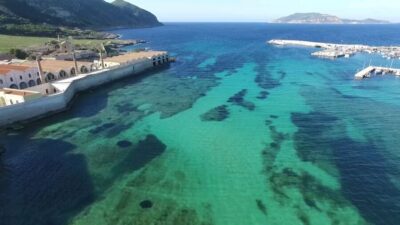 ★ 4.3From Trapani: Day Cruise to Favignana & Levanzo with LunchFrom $461,483 reviews
 ★ 5.0Boat Tour Egadi Day discover Favignana and Levanzo from TrapaniFrom $1391,183 reviews
 ★ 4.2From Trapani: Favignana and Levanzo Mini Cruise with LunchFrom $47814 reviews
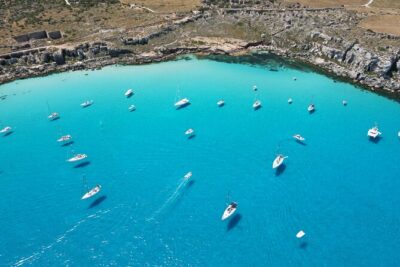 ★ 5.0Favignana and Levanzo, Egadi islands tour by boat from TrapaniFrom $114720 reviews
 ★ 5.0Boat tour to Egadi Favignana and Levanzo islands from TrapaniFrom $102614 reviews
 ★ 5.0Egadi Islands Tour: Favignana and Levanzo from TrapaniFrom $114607 reviews
Browse the lists this tour appears in