
Reviewed · MOUNT ETNA TOURS & SUMMIT
Etna Trekking Morning or Sunset Known as Ring on the Valley
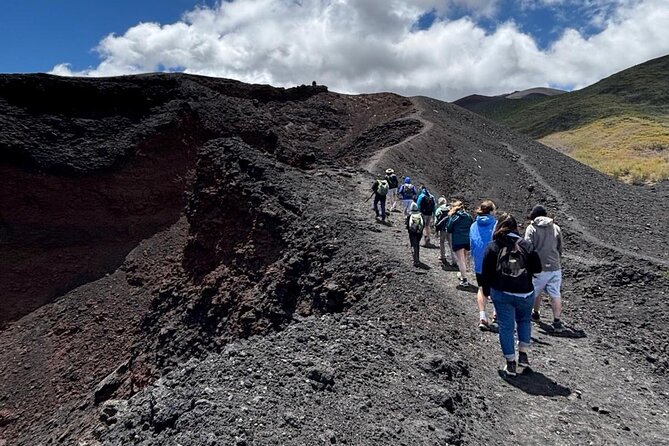
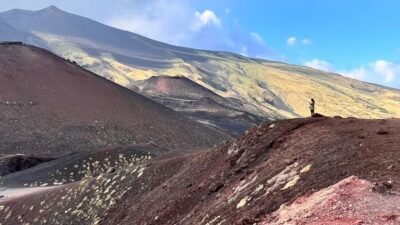
Etna hits different before you even start hiking. This Etna trek for morning or sunset takes you across crater terrain tied to recent volcanic events, with panoramic stops that feel almost lunar. You’ll move at a steady hiking pace, and the timing matters: the light changes fast on a volcano.
What I like most is the guide-led, safety-first feel. People often name Massimiliano for clear explanations of the rock, craters, and the why behind what you’re seeing, and the route can shift based on what the volcano and weather are doing that day.
One thing to plan for: the hike includes fine lava sand and a real cave descent. You’ll want solid footwear (rental is offered for €5), and this isn’t a stroll—moderate fitness helps.
In This Review
- Key things I’d mark on your Etna checklist
- Morning or Sunset on Etna: Why the timing changes the hike
- From Piazzale Rifugio Sapienza to the buttonhole craters
- Silvestri craters and the climb for flora and native fauna
- Valle del Bove: the caldera bowl with sea views (when visibility is good)
- The fine-lava soft challenge: feeling Etna under your feet
- Grotta Cassone lava tube: helmet, torches, and cave lore
- What’s included (and what you should bring anyway)
- Price and value: is $108.14 per person fair?
- Pickup, meeting points, and how to avoid time-wasting
- Weather and volcanic activity: how to think about risk and flexibility
- Who should book this Etna trek (and who should reconsider)
- Should you book Etna Trekking Morning or Sunset?
- FAQ
- How long is the trek?
- Is pickup available?
- What’s included in the price?
- Do I need to rent trekking shoes?
- How fit do I need to be?
- How big is the group?
- What language is the tour in?
- What about the cave—do we get the safety gear?
- What happens if weather is bad?
Key things I’d mark on your Etna checklist
- Small group size (max 8) means you get more time for questions and faster help if conditions change
- Coffee at the start plus a quick briefing sets you up to understand what you’re walking through
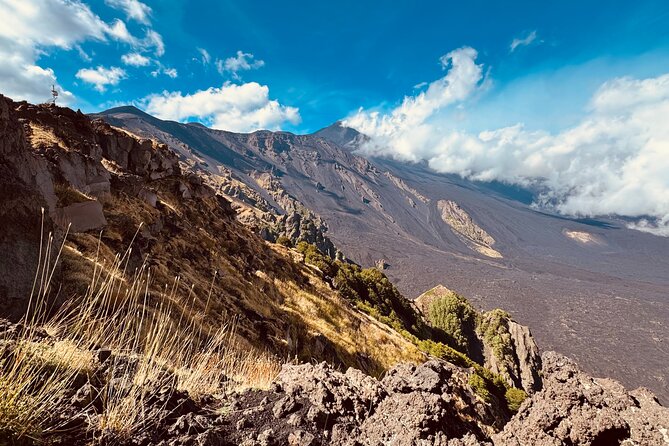
- Valle del Bove caldera views can stretch from the Ionian Sea toward the Strait of Messina in good visibility
- Fine lava sand section lets you feel the texture of Etna up close, in a playful way
- Grotta Cassone lava tube visit includes helmet and torches, and it’s built around how lava flows behave
- Trekking gear included (poles, jackets, backpacks) lowers the hassle factor
More ways up the volcano from Sicily
- Etna Morning Trip
★ 4.5 · 1,241 reviews - Mt. Etna nature and flavors half day Tour from Catania
★ 5.0 · 545 reviews - Etna excursion 3000 meters with 4×4 cable car and Trekking
★ 4.5 · 504 reviews - Mount Etna Adventurous Hiking Tour with Equipment
★ 4.5 · 439 reviews
Morning or Sunset on Etna: Why the timing changes the hike
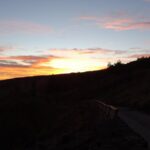
Picking morning or sunset isn’t just about photos. On Etna, visibility and wind can completely change how the route feels, and light turns the volcanic colors from flat to dramatic. Sunrise often brings crisp air and strong contrast across lava flows, while sunset gives you softer tones over the valley bowl.
If you’re choosing based on comfort, aim for whatever time lets you stay steady in your footing. The hike includes uneven ground and stretches where the surface can feel loose underfoot, so conditions matter as much as the hour.
Also note that Etna’s activity can affect how close you can get to certain viewpoints. The tour is designed to keep you on a good route even when the volcano is being its unpredictable self.
From Piazzale Rifugio Sapienza to the buttonhole craters
You start at Piazzale Rifugio Sapienza, where there’s a coffee at the beginning and a short briefing. Within minutes, you’re in that stripped-down Etna zone: lava flows, crater shapes, and the kind of terrain that looks more like another planet than a hike trail.
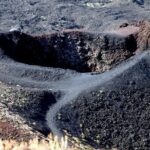
This section is a fast way to “get it.” You’re not just seeing scorched ground—you’re learning what crater forms look like on the ground, including the distinctive so-called buttonhole craters. It’s also where you’ll hear how some of these areas relate to more recent eruptions in modern history.
Time-wise, this is a shorter stop, about 30 minutes, which helps if you want the morning to build gradually rather than jump straight into altitude.
Practical note: this opening portion is a good warm-up, but it still sits on volcanic surfaces that can be sharp or uneven. Keep an eye on your footing, not just the view.
Silvestri craters and the climb for flora and native fauna
Next you head toward the craters of Mount Etna, including the Silvestri crater area. This is where the trek starts feeling more like a climb: you gain altitude step by step, and that change in elevation brings a different mix of plants.
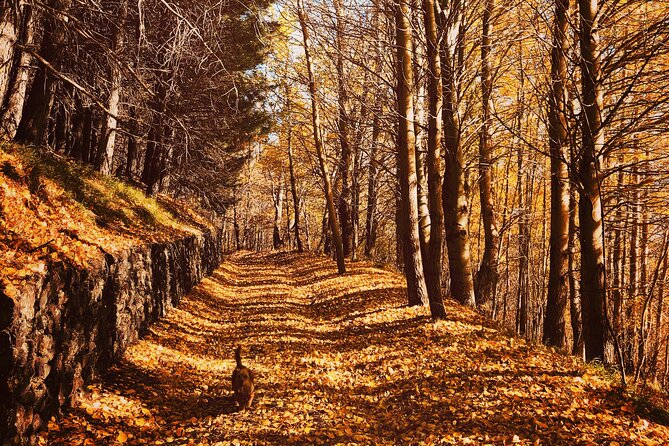
What I like about this stage is that it doesn’t treat the volcano as only rock. As you rise, you’ll notice endemic flora and native fauna in and around higher-mountain tree zones. The point is simple: Etna is active, but life has adapted to the edges of the volcanic environment.
This part runs about 1 hour at Mount Etna altitude during the route, and it’s paced so you can actually appreciate what you’re passing. If you tend to rush on hikes, slow down here—altitude change is when you’ll spot the differences.
In terms of drawbacks, the climb can feel steeper than you expect when you’re on loose volcanic ground. If you’re carrying more weight than usual, keep your pace even and don’t fight the slope.
Valle del Bove: the caldera bowl with sea views (when visibility is good)
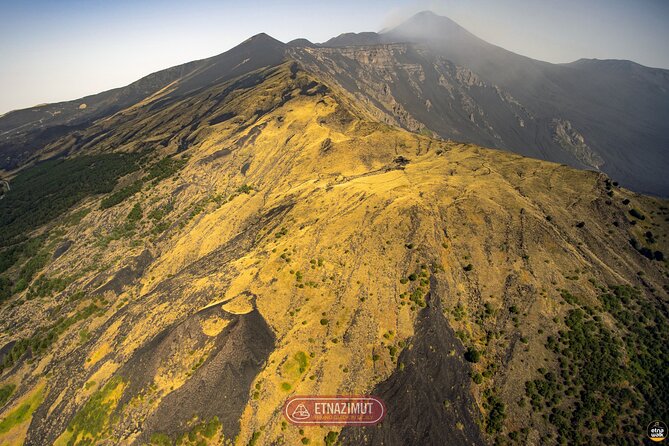
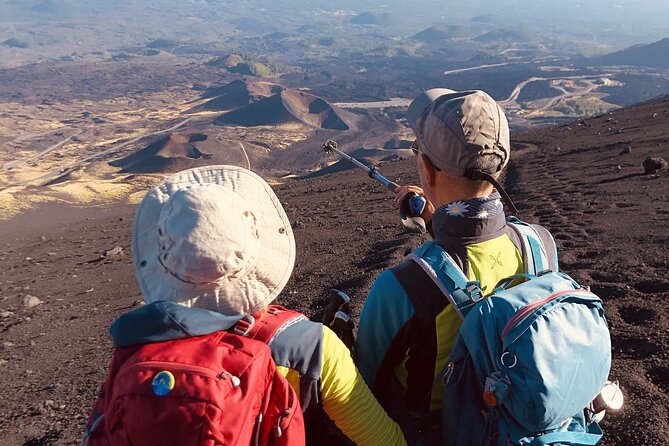
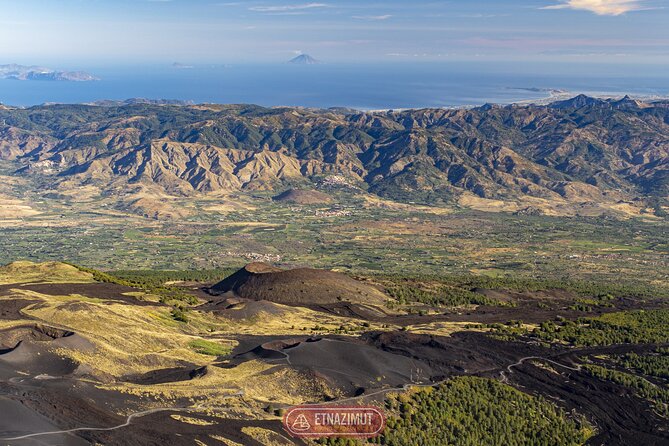
Then you reach Valle del Bove, one of Etna’s most dramatic caldera depressions. This segment is longer, about 2 hours, and it’s where the walk turns into surreal “desert” terrain—sandy stretches, shallow depressions, and patches of vegetation that manage to grow in lava deserts.
Here’s the payoff: the panorama. On days of good visibility, you can see out toward the Ionian Sea with cities of Greek origin (from ancient times), across to Calabria on the boot of Italy, and even toward the Tyrrhenian side. The Strait of Messina can show up too if the air is clear.
I love that the guide frames the view geographically. It turns a big blank horizon into something you can read—where you are, what you’re facing, and why you’re seeing it.
The consideration: this is the part most affected by weather and fog. Wind or low visibility can make the caldera feel smaller. Still, even when views are limited, the terrain itself is worth it. The “Valle del Bove” stage is about the walk through volcanic forms, not only the postcard line.
A few we would gladly point a friend toward in Sicily
The fine-lava soft challenge: feeling Etna under your feet
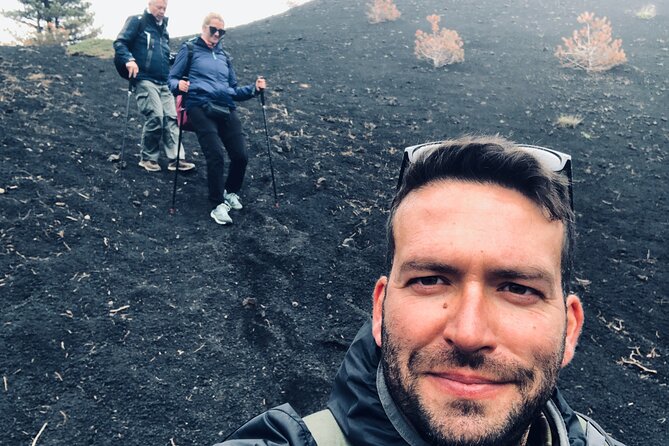
After the long panorama stretch, the route adds a section the guide calls a sort of soft challenge. The idea is playful but physical: in several passages, you sink your legs and feet into very fine, soft lava sand.
This is one of those “you have to experience it” moments. It helps you understand what happens when Etna produces its paroxysms—the ground you’re walking on isn’t just scenery; it’s the residue of past activity, ground down into powder-fine texture.
Some days also include a fun down-slope element over dried lava when conditions allow. If it happens on your date, treat it like a bonus, not the main event.
Fitness-wise, this part can be tiring. Soft volcanic sand asks more of your muscles because your foot isn’t contacting firm, grippy ground the same way. Go slow, shorten your steps, and let your guide’s pace do the work for you.
Grotta Cassone lava tube: helmet, torches, and cave lore
The finale is Grotta Cassone, where you descend into a lava flow cave—a lava tube formed during an eruption. You’re not going in blind. You’ll have a speleologist helmet and torches, which turns it from a dark walk into a guided lesson.
This stop lasts about 1 hour. The focus is how lava flows behave, plus the myths, legends, and historical traditions connected to cave use. It’s a good contrast to the outdoor walking because it adds human meaning to the volcanic science.
I like this stop because it explains why a cave can feel both scientific and cultural. Lava tubes are physics in stone; the stories are the cultural layer people built on top of it.
The only drawback I’d flag is that it’s a descent. If you’re nervous around dark spaces or uneven cave footing, mention it early to your guide so they can help you keep a comfortable rhythm.
What’s included (and what you should bring anyway)
The tour includes:
- Trekking about 5 hours for the half-day option or about 7 hours for the full-day option, plus the lava tube visit
- A qualified nature guide (pursuant to Law 4/2013)
- Trekking equipment such as poles, jackets, and backpacks
- A booster seat for the transfer
- Snacks and a small surprise sweet tasting
What’s not included:
- Rental trekking shoes for €5 per person
- Rental baby trekking backpack for €20 per person
- Lunch (you’ll need to plan your own meal outside the program)
So what should you bring? Weather-proof layers. Even with the provided jacket, you’ll want a plan for changing wind and temps on Etna. Also bring a water bottle and anything you need for basic comfort, since lunch is not part of the included program.
If you’re traveling as a family, the tour is described as suitable for families with children used to walking, and baby support (booster seat and optional baby backpack rental) is part of the setup.
Price and value: is $108.14 per person fair?
At about $108.14 per person, this is not a cheap “just walk a trail” option. But it’s also not priced like a high-end private tour. The value comes from a few practical things you can’t easily DIY:
- You get a certified guide who interprets geology, craters, and terrain as you go
- Gear is included (poles, jacket, backpack), which saves money and reduces packing stress
- The cave visit includes safety gear like the helmet and torches
- Entrance fees are handled across multiple crater stops (some are marked free; others included), so you aren’t buying ticket after ticket on the spot
- The group is kept small—maximum 8 travelers—which makes the experience feel less like a conveyor belt
You could lower your total cost if you already own good trekking shoes. But if you don’t, the €5 rental fee is still reasonable compared to how annoying it is to hike lava ground in the wrong footwear.
Overall, I’d call the price fair if you care about understanding what you’re walking on, and if you want the cave component rather than just a scenic crater viewpoint.
Pickup, meeting points, and how to avoid time-wasting
If pickup is offered for your area, it’s charged extra:
- Transfer from Catania and province: +€25 per person
- Transfer from Taormina and Giardini Naxos: +€45 per person
Even if you self-transfer, there’s a clear meeting point for the experience. The end point returns to the meeting point. The start location is SP92, 19, 95032 Nicolosi CT, Italy, and the listed pickup point is on Corso Sicilia n°64, about a 5-minute walk from Piazza Stesicoro and via Etnea, in front of Lidl next to the Catania BUS shelter and the AMTS car park.
This matters because Etna excursions can run like clockwork. If you want a stress-free morning, arrive early enough to find the exact spot without rushing.
Also, the tour uses a mobile ticket and is offered in English. Service animals are allowed, and it’s near public transportation.
Weather and volcanic activity: how to think about risk and flexibility
This experience requires good weather. If poor weather cancels it, you’re offered another date or a full refund. On days when Etna is more active or conditions are less ideal, the route may shift so you still get a meaningful trek.
I like that the structure gives you options without leaving you hanging. The goal isn’t to force you into unsafe terrain just to reach a specific view—it’s to keep you walking a route that matches what the day allows.
So if you’re booking around other plans, give yourself some breathing room for the possibility of route adjustments. Etna doesn’t do “guarantees” the way cities do.
Who should book this Etna trek (and who should reconsider)
This works best if you:
- Like guided hiking with real explanation, not just standing around
- Enjoy crater and volcanic terrain, especially the blend of science and local storytelling
- Want a small group experience (max 8) with a guide you can actually ask questions to
- Are comfortable with walking on uneven ground for several hours
You might reconsider if:
- You want a flat, easy stroll
- Cave descents make you uncomfortable
- You don’t have the right shoes and hate rentals (because lava ground punishes the wrong footwear)
For families, it’s described as suitable when kids are used to walking. Just be honest about stamina, because crater terrain is not the same as a park path.
Should you book Etna Trekking Morning or Sunset?
Yes, if you want Etna to feel like a guided route with meaning, not a list of viewpoints. The mix of crater walking, Valle del Bove panorama, and a helmet-and-torches cave visit adds up to a full experience.
I’d book this especially if you value a guide-driven day—because the best part is how the trek turns rock and lava into something you can understand. And if you’re flexible about weather and visibility, you’ll get more out of the day rather than less.
If you’re on the fence, choose the time of day that best matches your comfort with wind and light. Morning and sunset both deliver, but your energy on lava ground matters more than the exact hour on the clock.
FAQ
How long is the trek?
For the half-day option, the trek is about 5 hours plus the lava flow cave visit. For the full-day option, the trek is about 7 hours plus the lava flow cave visit.
Is pickup available?
Pickup is offered. Transfers cost extra: +€25 per person from Catania and province, or +€45 per person from Taormina and Giardini Naxos.
What’s included in the price?
You get a qualified nature guide, trekking equipment such as poles, jackets, and backpacks, snacks plus a small surprise sweet tasting, and the lava flow cave visit. A booster seat is also included for the transfer.
Do I need to rent trekking shoes?
Trekking shoe rental is not included. Rental trekking shoes are available for €5 per person, and you can also use your own shoes if you prefer.
How fit do I need to be?
The tour is for people with moderate physical fitness. It’s also described as suitable for regular hikers in good health, and for families with children provided they are used to walking.
How big is the group?
The group is limited to a maximum of 8 travelers.
What language is the tour in?
The tour is offered in English.
What about the cave—do we get the safety gear?
Yes. The lava tube visit includes a speleologist helmet and torches.
What happens if weather is bad?
This experience requires good weather. If it’s canceled due to poor weather, you’ll be offered a different date or a full refund.
More Evening Experiences in Sicily

More Tour Reviews in Sicily

More Etna Summit Treks We Have Walked
Just added: the newest Sicily tours in our notebook
- Etna / Taormina★ 5.0 · 3 reviews
- Bikes★ 5.0 · 3 reviews
- Taormina shore tour – for small group cruise passengers★ 5.0 · 3 reviews
- Vegan Cooking Class in Catania with Lunch and Dinner★ 5.0 · 3 reviews
- Make & Taste Sicilian Desserts in Palermo – Learn Cannoli & More★ 5.0 · 3 reviews
- Sicilian Villages & Ricotta Tasting – including Lunch from Cefalu★ 4.0 · 3 reviews
Mount Etna Tours & Summit, compared.
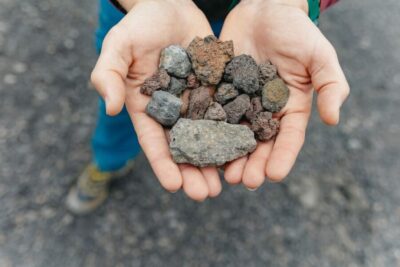 ★ 4.8Catania: Mount Etna Morning or Sunset Day Trip with TastingFrom $704,028 reviews
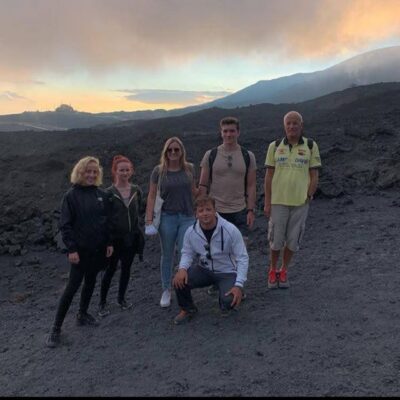 ★ 4.8Catania: Sunset Jeep Tour of Mount Etna and Lava Flow CavesFrom $712,113 reviews
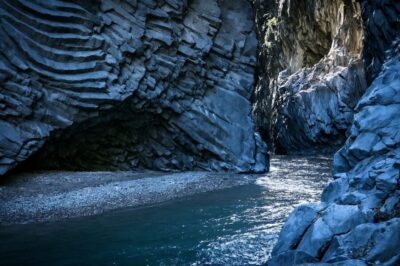 ★ 4.8Etna and Alcantara Gorges Full-Day Tour with LunchFrom $1051,766 reviews
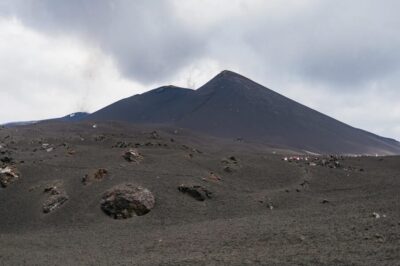 ★ 4.7Etna: summit craters trekking with volcano guide 3350mtFrom $771,712 reviews
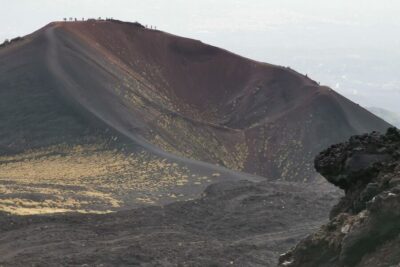 ★ 4.9Catania: Mount Etna Trekking Tour Beyond the Tourist TrailsFrom $811,596 reviews
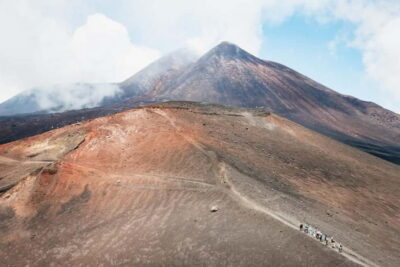 ★ 4.8Mount Etna: Guided Trek 3,000 Meters to the SummitFrom $1131,407 reviews
 ★ 4.8Catania: Etna Sunset Tour with Pickup and Drop-offFrom $711,348 reviews
 ★ 4.8Etna Sunset Tour: Volcano trek, Cave & tasting from CataniaFrom $701,290 reviews
Browse the lists this tour appears in