
Reviewed · NOTO & BAROQUE TOWNS
COLORS , FLAVORS and SMELLS IN THE SCENIC BAROQUE of SICILY
Catania is the launchpad for a Sicily you taste. This private 2-day trip pairs late Baroque towns (Scicli and Modica) with a rare, hands-on twist: an olfactory stop where you follow a guided “journey” of smells and forgotten scents, plus time to watch chocolate makers at work. I also like how the day one pacing mixes seaside villages with the far-south feel of Capo Passero instead of chaining only big-city sights. One thing to consider: entrance fees to monuments aren’t included, so you’ll want a little flexibility if you’re hoping to pay on-site for multiple historic stops.
You’re also not stuck with vague sightseeing. The schedule builds in proper meals (including a local fish lunch) and structured tastings in a greenhouse setting, with a 4-star hotel base and breakfast included. For many people, the biggest value is that this tour treats Sicily like more than photos—it’s color, food, scents, and craft, explained by your tour escort (Angela is specifically mentioned in past feedback) and driven by your private driver (Giuseppe came up in one noted experience). If you’re the type who hates “instructional” activities, you might find the scent workshop a bit different—but for most, it’s the standout.
In This Review
- Key things that make this tour worth your attention
- A Sicily tour that talks to your senses (not just your camera)
- Day 1: From Catania to Marzamemi’s seafood village colors
- Portopalo di Capopassero: the far-south feeling at Sicily’s edge
- Your 4-star base: breakfast included, dinner on your own
- Day 2 in Scicli: late Baroque streets plus an olfactory workshop
- Modica’s Baroque alleys and the chocolate-makers’ workshop
- Price and value: what $1,388.18 buys you in real terms
- Who should book this tour (and who should think twice)
- Should you book Colors, Flavors and Smells in the Scenic Baroque of Sicily?
- FAQ
- How long is the tour?
- Where does the tour start, and what time?
- What’s included for meals?
- Is there an option for vegetarians?
- Do I need to pay entrance fees for monuments?
- Is there a chocolate factory visit?
- Does the tour include alcohol?
- What if I need to cancel?
- Who runs the tour?
Key things that make this tour worth your attention
- Scicli + Modica Baroque in the Val di Noto area, with UNESCO context built into the day
- Olfactory workshop in a nursery/greenhouse space, using instruction-for-use tastings
- Marzamemi: an Arabic-origin seaside village with a fish-processing tradition story
- Portopalo di Capopassero at Sicily’s southeast corner, where fishing and agriculture still run daily life
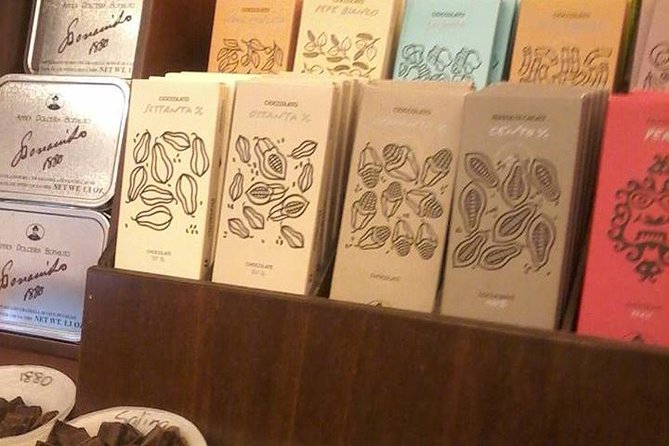
- Modica chocolate craft: visits to a chocolate factory, tasting, and watching chocolatiers
- Meals included: fish lunch and additional lunch tied to the sensory experience
More of the baroque south-east
- Catania: Syracuse, Ortigia, and Noto Tour with Brunch
★ 4.6 · 404 reviews - Syracuse, Ortigia and Noto walking tour from Catania
★ 5.0 · 273 reviews - From Catania: Neapolis of Syracuse, Ortygia, and Noto Tour
★ 4.7 · 234 reviews - From Catania: Syracuse and Noto Culture and History Tour
★ 4.4 · 232 reviews
A Sicily tour that talks to your senses (not just your camera)
This is a south-eastern Sicily trip designed around how things feel—color on stone, salt in the air, smoke from kitchens, and the smell of jasmine drifting through town at the right time of day. The Baroque towns are the backbone (Scicli and Modica), but the emotional highlight is the sensory format: you don’t just hear about ingredients and tradition. You experience them in a guided way.
I especially like that the tour is structured like a real itinerary for a small group: start in Catania, move by air-conditioned minivan, eat well, and return to a comfortable hotel at night. It’s not the kind of tour where you’re chasing five locations and hoping someone remembers to feed you. And because it’s private, your escort can keep the pace aligned with your group.
The possible snag is that this isn’t marketed as a “monuments only” program with a stack of paid entries. Entrance fees aren’t included, so if you’re the type who budgets by ticket prices, you’ll want to bring some cash/cards just in case.
Day 1: From Catania to Marzamemi’s seafood village colors
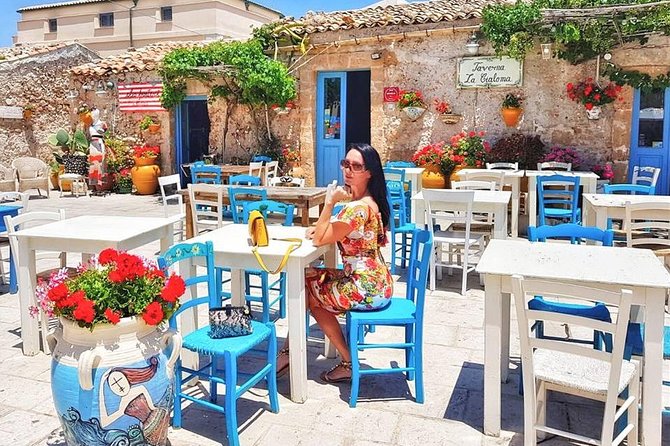
You start at 9:00 am with pickup in Catania, and then you head straight toward the coast. The first main stop is Marzamemi, a small fishing village with Arabic origins—one of the places in Sicily where the town still reads like a lived-in shoreline, not a theme park.
The big theme here is continuity. You’ll hear how Marzamemi’s fish processing has been shaped over time, from Phoenicians and Greeks to Romans and Arabs. That matters because it changes how you see the simple things: the walk along the sea isn’t just scenic, it’s a way to connect geography with work that people have done for generations.
After the explanation, you stroll along the waterfront and reach a small taverna right by the water for lunch. The tour includes a delicious lunch of local fish, and this is one of the meal choices where value really shows—because coastal fish lunches in Italy can be expensive when you’re searching on your own.
Practical note: this day is mostly about getting oriented and settling into southern Sicily’s rhythm. If you’re arriving with jet lag, you’ll still be out and about early, but the schedule gives you a real break at lunch instead of dragging you from stop to stop hungry.
Portopalo di Capopassero: the far-south feeling at Sicily’s edge
Continuing south takes you to Portopalo di Capopassero, at Sicily’s very southeast corner—a location framed as one of Europe’s outposts on the border with the Mediterranean and Africa. Time here feels slower in the way the tour describes: the village still lives from fishing and agriculture.
What you’re looking for on this stop is atmosphere. You’re not coming just for one photo angle. You’re getting that “end of the line” feeling—wind off the water, a sense that the coastline still drives the local economy. For many people, this is the moment the trip stops feeling like a checklist and starts feeling like a place.
This day’s geography also matters for the overall value. By positioning Portopalo before you head back inland toward Scicli or Modica, you get the sea out of the way early, then the Baroque towns feel more dramatic when you reach them.
One consideration: it’s a private tour with transfers included, so you’ll spend real time in the minivan. If you hate riding in cars, you’ll feel that on this itinerary. But if you’re fine using travel time to relax and enjoy the countryside views, it’s part of the charm.
Your 4-star base: breakfast included, dinner on your own
After Marzamemi and Portopalo, the plan is to continue onward toward Ragusa or Modica and then check into a 4-star charming hotel for one night. Breakfast is included, and local taxes are covered.
Then dinner is on your own. I like that choice, because it prevents you from being locked into a single group meal every night. It also gives you control: if you want a lighter meal after a full day of driving and coastal walking, you can.
One small tip: because lunch is included earlier, you don’t need to plan your dinner like it’s another “big set meal.” I’d treat dinner as a flexible finish—something local and simple—then let tomorrow’s sensory workshop and Modica craft be the main focus.

Day 2 in Scicli: late Baroque streets plus an olfactory workshop
Second day starts again with pickup, and the scenery shifts into rolling countryside with rocks and giant carob trees, then onto Scicli. Scicli sits near the Mediterranean and is included in the World Heritage context of the Val di Noto area. The selling point is the extraordinary late Baroque buildings, the kind where you look up and realize the whole town is part of the architecture.
Then the tour takes a turn that’s unusual for a Baroque itinerary: you visit a nursery between Scicli and the sea. This is where the included olfactory “journey” happens—unknown aromas and forgotten scents, guided through an event space described as a greenhouse.
What that means for you: this isn’t a vague perfume demonstration. You’re given sensuous experiences with “instructions-for-use,” plus recipes and tastings and aperitifs in that greenhouse setting. It’s structured enough that you’re not left wondering what you’re supposed to do. And it’s memorable because scent links directly to place—especially in Sicily, where citrus, herbs, and flowers are part of daily life.
After the olfactory experience, lunch is included. The day continues with Baroque town time later, but this greenhouse stop is the one that changes the pace. It’s a break from constant walking while still feeling like part of the story.
If you have a strong preference for “classic sightseeing only,” this section might feel different. But if you enjoy food culture and sensory activities, this is where the tour earns its name.
Modica’s Baroque alleys and the chocolate-makers’ workshop
After Scicli, you shift to Modica, described as an open-air museum with UNESCO recognition. You’ll see terraced narrow alleys and how Modica’s architecture integrates into a romantic, dramatic setting.
Then comes the part most people remember: Modica needs to be smelled, and the tour specifically points to the atmosphere around baking chocolate and cake shops, and to jasmine in summer nights. That matters because chocolate and flowers create two very different scents, and the tour is already teaching you to pay attention to aroma.
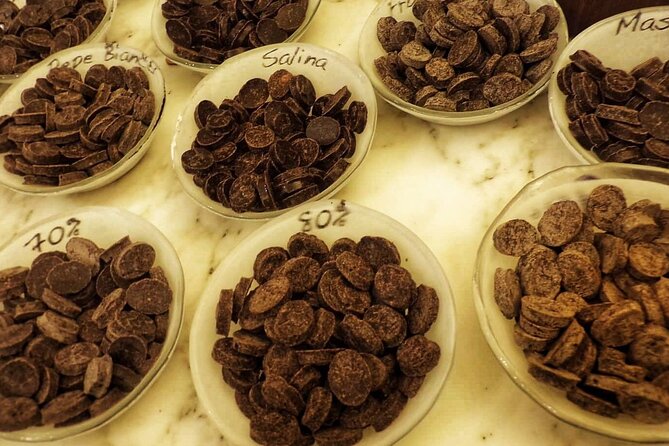
The included factory visit focuses on local specialty craft. You’ll be able to visit the chocolate makers, enjoy a taste, and (for the “real chocoholic”) watch chocolatiers at work. The tour also frames the chocolate tradition as based on Aztec methods and old recipes—so it’s not only about modern sweets, it’s about the idea of a long chain of technique.
Practical advice: when you get to the chocolate part, go slowly. Take a moment to smell before you bite. It’s the same logic as the olfactory workshop—you’ll get more out of the experience if you treat it like a sensory exercise instead of just a snack stop.
Price and value: what $1,388.18 buys you in real terms
At $1,388.18 per person, this tour isn’t cheap. The value comes from what’s included, not just where you go.
Here’s what you’re covered for in the package:
- 4-star hotel for 1 night with breakfast
- Fish lunch in Marzamemi
- Olfactory experience plus a second lunch in the Scicli area
- Chocolate factory visit + tasting (and time to watch chocolatiers)
- Private tour with hotel pickup and drop-off
- Round-trip private transfer and transport in an air-conditioned minivan
- Bottled water and local taxes
In other words, you’re paying for logistics plus multiple “experience” costs that would otherwise add up: meals, scent workshop, and chocolate factory time. Entrance fees aren’t included, but the included activities are built to be self-contained, so you’re not constantly paying extra to make the day meaningful.
Who it’s best for financially: couples or small groups who want everything handled, who don’t want to spend time hunting down the fish lunch spot, booking workshops, and coordinating transport between far-south villages.
Who should book this tour (and who should think twice)
This experience fits best if you’re into:
- Food and scent culture, not only monuments
- A smooth, private pace with hotel pickup and drop-off
- Scicli and Modica Baroque, with context rather than a rushed pass-through
- Hands-on experiences (olfactory workshop and chocolate making)
It may not be the right match if:
- You mainly want paid monument entry and long time inside historical sites (entrance fees aren’t included)
- You strongly prefer a very “free roaming” schedule, since this is structured and includes scheduled tastings and workshops
- You get uncomfortable with guided activities—because the tour’s core hook is guided sensory learning
A couple of practical notes from the tour details: you should have moderate physical fitness, and the dress code is formal or smart casual. There’s also a minimum drinking age of 18, and the scent workshop includes aperitifs, so keep that in mind.
Vegetarian options are available—just advise at booking.
Should you book Colors, Flavors and Smells in the Scenic Baroque of Sicily?
If you want a Sicily tour that feels different from the usual “bus, photos, gelato, repeat” routine, I think this is a strong pick. The combination of Marzamemi fish lunch, the far-southeast atmosphere of Portopalo, and the sensory focus in Scicli and Modica is exactly the kind of programming that turns travel into memory.
I’d book it if you’re traveling as a small group and you want real structure: private transport, one night in a 4-star hotel, meals planned, and two specialty experiences included (scent journey + chocolate craft). You’ll also enjoy it more if you’re the type who likes learning through taste and smell, not only through dates and walls.
I’d think twice if you’re mostly after monument-ticket touring or if you’re sensitive to guided workshops. Also, plan a little budget for entrance fees to any monuments you personally want to add.
FAQ
How long is the tour?
The program is described as 2 to 3 days, with the itinerary laid out as 2 days.
Where does the tour start, and what time?
It starts in Catania with pickup timing at 9:00 am.
What’s included for meals?
You get a fish lunch in Marzamemi, plus an additional lunch during the olfactory experience day. Breakfast at the 4-star hotel is included too. Bottled water is provided.
Is there an option for vegetarians?
Yes. A vegetarian option is available—let the provider know at booking.
Do I need to pay entrance fees for monuments?
Entrance fees to monuments are not included.
Is there a chocolate factory visit?
Yes. You’ll visit a chocolate factory for a taste, and you may be able to watch chocolatiers at work.
Does the tour include alcohol?
The tour includes aperitifs during the olfactory experience area, and the minimum drinking age is 18.
What if I need to cancel?
You can cancel up to 6 days in advance for a full refund. Shorter-notice cancellations have reduced or no refund, based on how many days before the start time you cancel.
Who runs the tour?
The tour includes a driver/guide or tour escort/host. The drivers are not licensed local guides.
More Tour Reviews in Catania


More Baroque Towns to Reach
Just added: the newest Catania tours in our notebook
- Transfer Catania / Agrigento Airport★ 5.0 · 3 reviews
- Sicily private shore excursion – Etna and Taormina with personal driver★ 3.5 · 3 reviews
- Sunset Trekking on Mount Etna★ 5.0 · 3 reviews
- Private Transfer from Catania to Palermo or vice-versa with stop★ 5.0 · 3 reviews
- From Syracuse: Mount Etna Volcano Morning Trekking Tour★ 5.0 · 3 reviews
- Catania: Guided Street Food Tour with Tastings★ 5.0 · 3 reviews
Noto & Baroque Towns, compared.
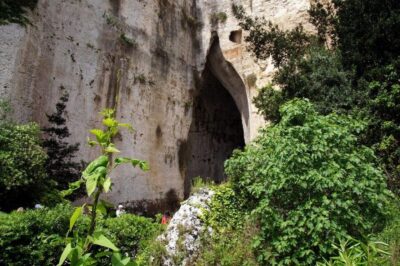 ★ 4.6Catania: Syracuse, Ortigia, and Noto Tour with BrunchFrom $112404 reviews
 ★ 5.0Syracuse, Ortigia and Noto walking tour from CataniaFrom $129273 reviews
 ★ 4.7From Catania: Neapolis of Syracuse, Ortygia, and Noto TourFrom $130234 reviews
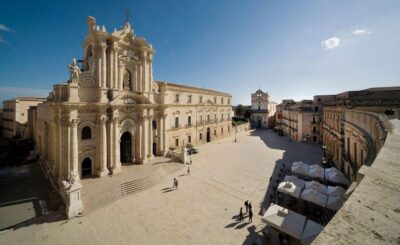 ★ 4.4From Catania: Syracuse and Noto Culture and History TourFrom $80232 reviews
 ★ 3.9From Catania: Syracuse, Ortygia, and Noto Tour140 reviews
 ★ 4.8Noto, Modica and Ragusa: The Baroque Tour from CataniaFrom $124133 reviews
 ★ 4.7From Catania: Syracuse, Ortigia and Noto Full-Day TourFrom $113133 reviews
 ★ 4.4Catania: Noto, Modica and Ragusa Ibla Baroque TourFrom $101106 reviews
Browse the lists this tour appears in