
Reviewed · NOTO & BAROQUE TOWNS
Chocolatier for a day: raw bean to bar chocolate in Modica
Turn cacao into your own bar.
This hands-on bean-to-bar workshop in Modica walks you through the whole transformation, from selecting raw cacao beans to roasting, grinding, refining, and packaging your finished bar. It’s a small, lab-based experience where you don’t just watch. You actually do the work.
Two things I’d put at the top: the guided tastings throughout the process and the very physical, hands-on steps like stone grinding into cacao mass. You also get a real window into what makes Modica chocolate special, including the local cold-chocolate tradition and why the method matters for flavor and texture.
One possible drawback: the class is Italian only, and a foreign-language interpreter is not included. If you don’t speak Italian, you’ll still enjoy the hands-on parts, but you may miss some of the finer points behind the flavors unless you arrange translation.
In This Review
- Key takeaways before you go
- Entering a Modica chocolatier lab
- The full 3-hour flow: from raw beans to your packaged bar
- Picking cacao beans: quality decisions you can taste
- Roasting aromas: the stage that teaches the senses
- Stone grinding into cacao mass (the hands-on payoff)
- Refine and taste: building a palate for change
- Create your own bean-to-bar bar: choices you actually control
- Price and value: what $94 buys you in Modica
- Who this workshop is perfect for
- Language, allergies, and what to bring
- Small-group energy: Giuseppe and Vincenzo make it sing
- Should you book this Modica chocolate workshop?
- FAQ
- How long is Chocolatier for a Day in Modica?
- Where does the workshop take place?
- What does it cost?
- What’s included in the price?
- What language is the workshop taught in?
- What should I bring?
- Is it wheelchair accessible?
- Are pets or outside food allowed?
- What if I need to cancel or I have allergies?
Key takeaways before you go
- Hands-on bean-to-bar work: you select, roast, grind, refine, and finish your own bar
- Tastings at multiple stages: you compare cacao and chocolate as flavors shift
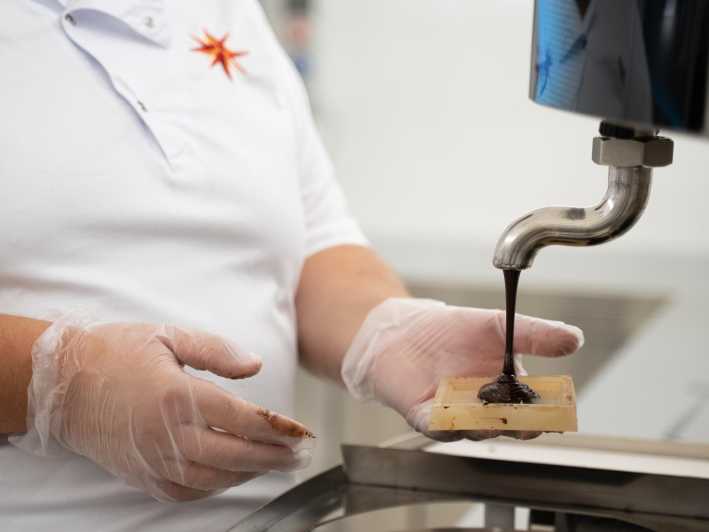
- Stone grinding process: you’ll feel how cacao becomes cacao mass the old-school way
- Small group size (max 10): more time with the master chocolatier and less waiting
- You choose ingredients and package the bar yourself to take home
More of the baroque south-east
- Chocolatier for a day: raw bean to bar chocolate in Modica
★ 5.0 · 33 reviews - Guided tasting of the “Best Chocolate of Modica”
★ 3.9 · 21 reviews - 8-hour tour of the Baroque cities Noto-Modica-Ragusa-Ortigia
★ 4.9 · 18 reviews - Ragusa, Noto and Chocolate Tasting – Day tour from Siracusa
★ 4.7 · 7 reviews
Entering a Modica chocolatier lab
Modica is a great place for a chocolate workshop because the town takes chocolate seriously. In this experience, you’ll be in an artisan lab setting, not a show-and-tell room. You’ll wear a provided disposable gown and caps and gloves, then get ready for real cacao aromas and messy, fun work.
You’re not just learning theory. The format is built around touch and smell. As the beans roast, the lab fills with shifting aromas, and you’ll start to understand why cacao quality and processing choices can taste different at each stage.
This is also where you’ll feel the value of a small group. With a limit of 10 participants, you get closer attention while you handle equipment and follow the chocolatier’s steps.
The full 3-hour flow: from raw beans to your packaged bar
The experience runs about 3 hours, and it follows a straightforward path. You start with origins and varieties, then move into bean selection and production steps, and you finish by creating a bar you can take home in final packaging.
Here’s how the time usually breaks down, step by step:
- Introduction to cacao origins and varieties so you know what you’re working with
- Bean selection based on what you’re aiming to learn and taste
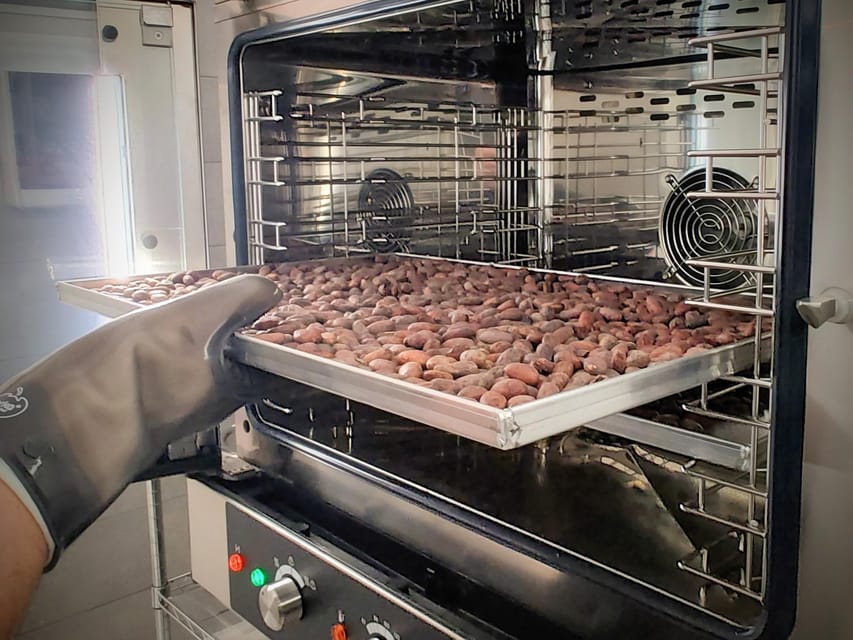
- Roasting, where aroma becomes part of the lesson
- Grinding into cacao mass using traditional stone grinding
- Refining so the texture and consistency move toward a bar-ready base
- Guided tastings along the way to compare changes
- Create your own bar, choosing ingredients
- Final packaging so you leave with a finished product
Even if you’ve eaten chocolate your whole life, this structure teaches you how chocolate is built. It’s less about memorizing facts and more about tasting the process in order.
Picking cacao beans: quality decisions you can taste
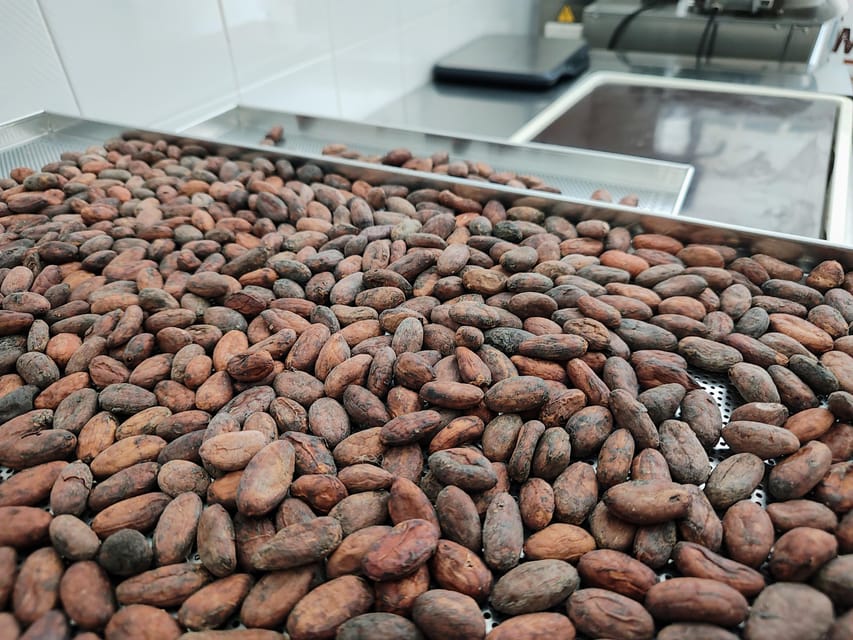
The workshop begins with choosing cacao beans, and that part matters more than people expect. You’ll get an intro to cacao origins and varieties, then you’ll help with selection. This is where the experience starts training your palate.
Bean selection is a skill because it influences flavor later. If the beans differ, you’ll notice it during roasting and in the taste comparisons that follow. It’s also a nice confidence booster: you’re not expected to be a chocolatier already. You’re taught what to look for and then guided through choices.
For me, this is one of the strongest ways to “learn by doing.” You walk away understanding that artisan chocolate isn’t only about adding fancy ingredients at the end. It starts with the starting point.
Roasting aromas: the stage that teaches the senses
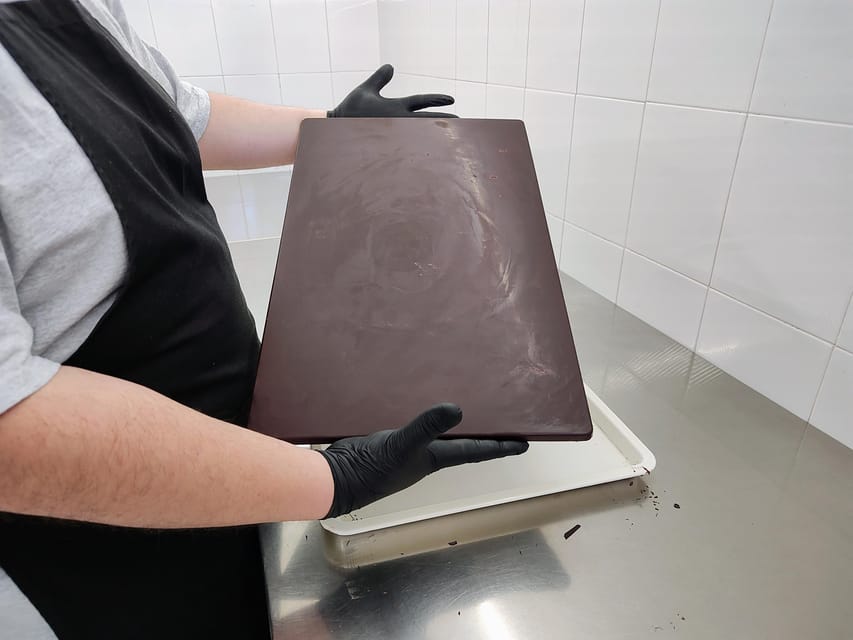
Then comes roasting. This is the moment where the lab starts smelling different as the beans change. The workshop has you breathe in those aromas as they develop, which turns roasting into a sensory lesson rather than just a technical step.
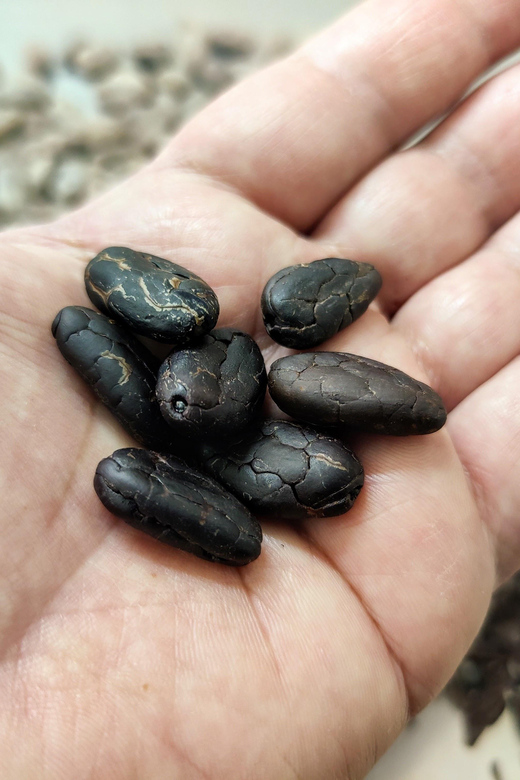
You’ll also taste cacao at different stages. That matters because cacao flavor can shift a lot between raw and processed states. You begin to connect aroma with flavor, instead of assuming chocolate taste appears instantly.
If you’ve ever wondered why two chocolates that both say dark can taste completely different, this is where you start finding answers. Roasting is a major lever, and the workshop gives you a chance to experience that.
Stone grinding into cacao mass (the hands-on payoff)
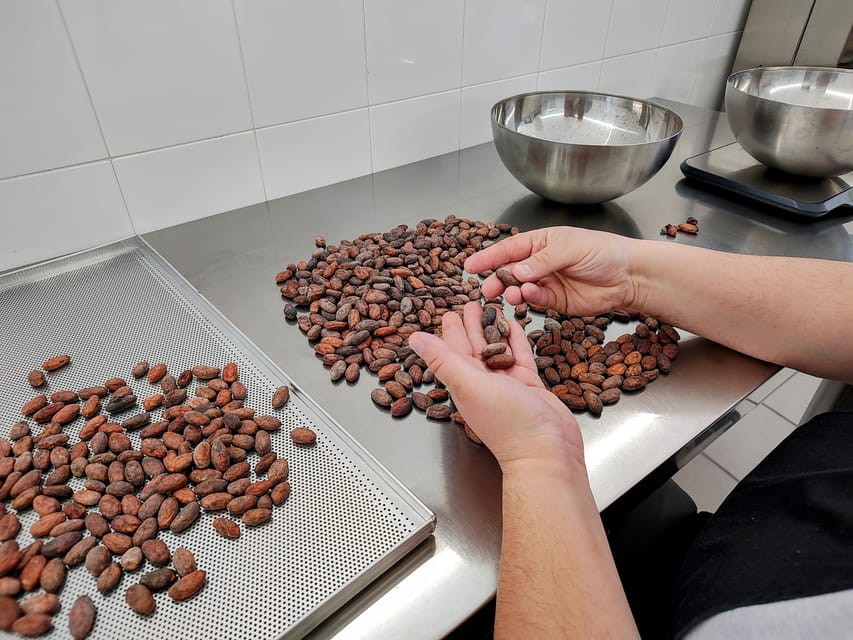
Next is traditional stone grinding, where cacao slowly transforms into cacao mass. This step is hands-on, and it’s physically satisfying. You get to see how grinding changes texture and how cacao becomes something that can be refined into chocolate.
This is also where you’ll appreciate why process steps exist. Grinding isn’t just about making it smaller. It changes what you’re working with and helps set up the next stage. Even if you only remember one thing, I’d want you to remember this: artisan bean-to-bar is about careful transformation, not shortcuts.
Expect to move at workshop pace with the guidance of the master chocolatier. In past sessions, guides like Giuseppe and Vincenzo have led the process with real warmth and clear explanations, so you can follow along even when things get tactile and busy.
Refine and taste: building a palate for change
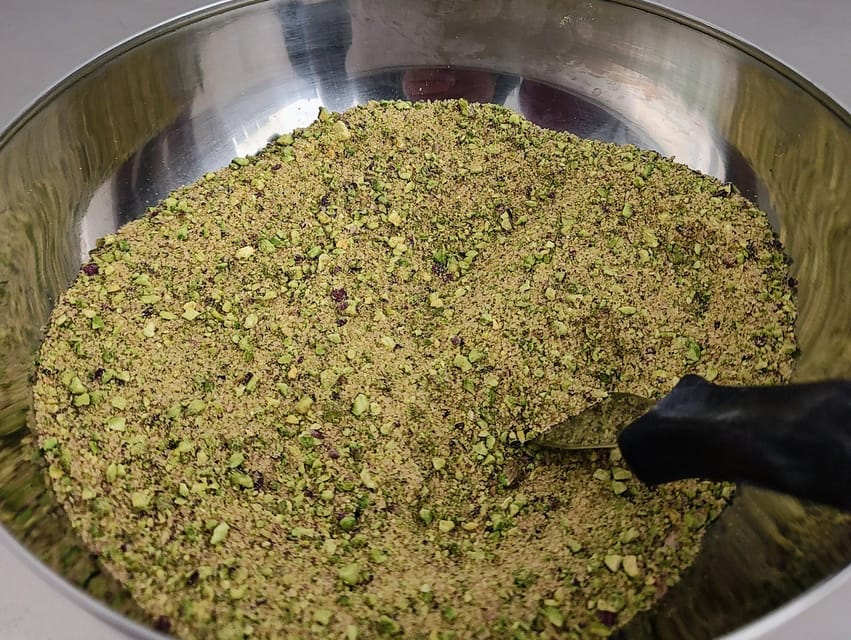
After grinding, the cacao mass goes through refining. Refining is where consistency starts to matter more. The workshop includes guided tastings throughout, so you don’t just do steps mechanically.
This tasting component is the difference between a craft experience and a souvenir class. You’re comparing stages, so you start building an internal map of how chocolate evolves. You get to notice changes in bitterness, aroma strength, and how flavors feel on the tongue.
And because Modica has its own tradition, you’ll likely hear how local chocolate methods affect flavor and texture. Modica’s famous cold-chocolate approach is one of the reasons this town is worth visiting beyond “just sightseeing.”
Create your own bean-to-bar bar: choices you actually control
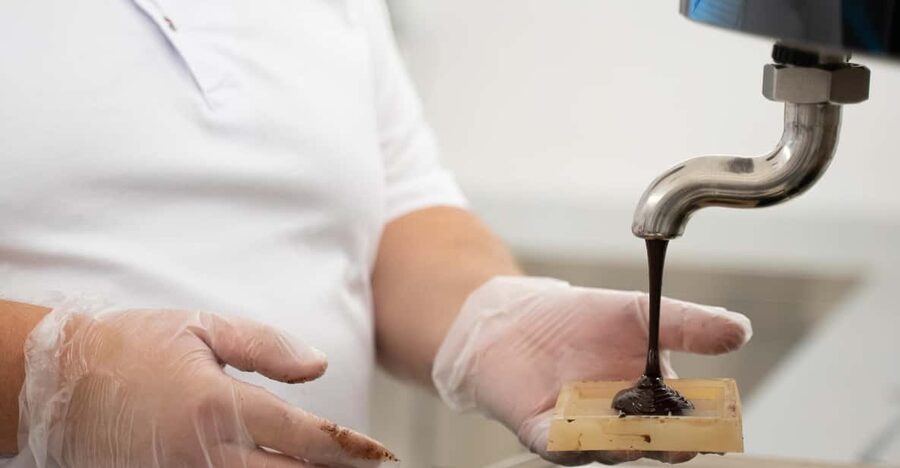
The finish line is when you make your own raw chocolate bar. This is not a pre-set recipe where you decorate the top. You create the bar and choose your ingredients, guided by the team.
You’ll then package it yourself for taking home. The packaging step sounds small, but it’s part of the value: you’re leaving with something finished, not just a bag of components.
A practical note: this is where your earlier tastings pay off. When you’ve already tasted cacao at different stages, your ingredient choices make more sense. You’re better at predicting what will taste balanced.
If you want a souvenir that tastes like the experience, this bar is exactly that.
Price and value: what $94 buys you in Modica
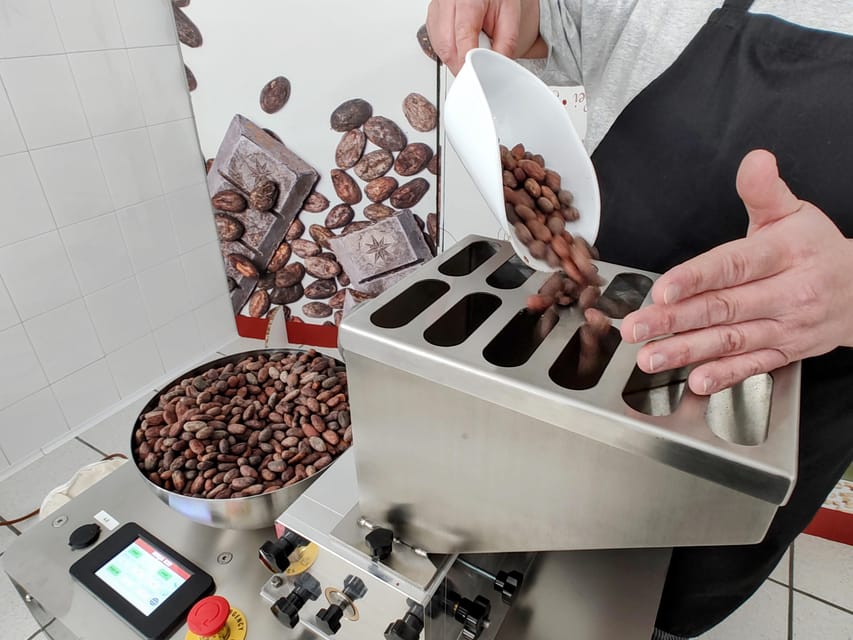
At $94 per person for about 3 hours, this workshop sits in the “pay for quality” category. The good news is you’re not paying mostly for a seat in a chair.
Your price covers:
- equipment and raw materials for production
- disposable gown, caps, and gloves
- introduction to cacao origins and varieties
- bean selection, roasting, grinding, and refining
- guided tastings throughout
- creation of your own bean-to-bar chocolate bar
- final packaging
- guidance from the master chocolatier
The two biggest value drivers are (1) the full process is included, and (2) you take home a finished bar you made. If you’re the kind of person who likes food experiences that create a tangible result, this is strong value compared to classes where you only watch or where the “product” is minimal.
The main thing to budget around is logistics. Transfers aren’t included, so you’ll want to plan how you’ll get to the lab and back.
Who this workshop is perfect for
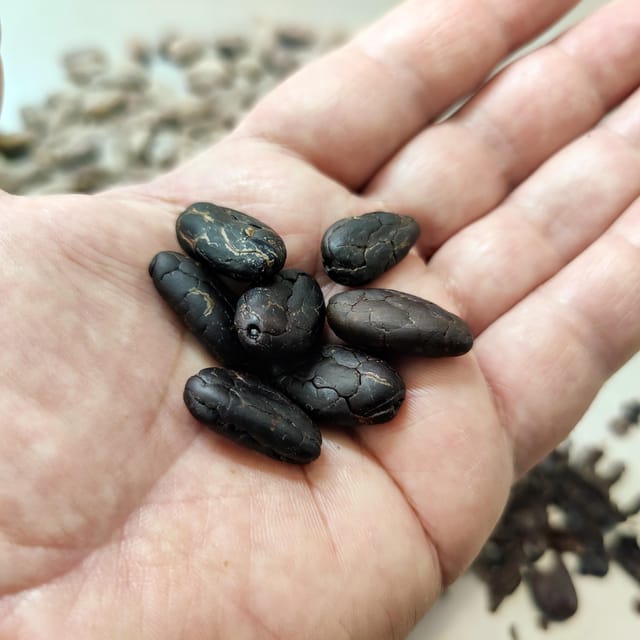
This works best for:
- Chocolate lovers who want more than tasting
- Curious cooks and food nerds who like process and flavor comparisons
- Families with kids who enjoy hands-on activities
- People visiting Modica who want a local craft experience tied to the town’s chocolate identity
It’s also a good choice if you’re short on time. Three hours is doable between sightseeing blocks.
One more point: the class is limited to 10 people, which usually keeps the atmosphere friendly and makes it easier to ask questions.
Language, allergies, and what to bring
The instructor is Italian and the workshop language is Italian. A foreign language interpreter is not included, so if you’re not comfortable with Italian, go in with a simple game plan: focus on the hands-on steps and the tastings, and come prepared to catch key instructions by rhythm and repetition.
You should inform the team about any allergies or intolerances so they can adapt accordingly. That’s a helpful safeguard, especially in a food lab.
What to bring is easy: bring a hair tie. Outside of that, you’ll be wearing provided protective gear.
Not allowed: pets, and food. Also, avoid showing up with outside snacks thinking you can make it a picnic moment.
Small-group energy: Giuseppe and Vincenzo make it sing
The workshop’s warmth really shows in how people describe the experience. Guides such as Giuseppe and Vincenzo are credited with friendly guidance and a clear love for the craft, and that matters in a workshop like this. When instructions are technical but delivered with patience, it keeps the class fun instead of intimidating.
Because it’s hands-on, that encouragement helps you stay engaged from the first bean selection step to the final packaging of your bar.
Should you book this Modica chocolate workshop?
If you want an experience that’s practical, sensory, and tied to what Modica does uniquely, I think you should strongly consider booking. The standout strength is the full chain: selection through roasting, stone grinding, refining, tastings, and then making your own bar.
Skip it only if you strongly dislike food labs, you need a language-first experience in English, or you’d rather spend your time on other Modica sights without the chance to get cacao under your fingernails.
If you’re choosing between a quick tasting and a hands-on class, go with the hands-on workshop. It’s a souvenir you can taste, not just remember.
FAQ
How long is Chocolatier for a Day in Modica?
It lasts about 3 hours.
Where does the workshop take place?
In Modica, Sicily, Italy.
What does it cost?
The price is $94 per person.
What’s included in the price?
You get equipment and raw materials, disposable gown/caps/gloves, an introduction to cacao origins and varieties, bean selection, roasting, grinding, and refining, guided tastings, help creating your own bean-to-bar bar, final packaging, and guidance from the master chocolatier.
What language is the workshop taught in?
The workshop is in Italian, and the instructor is Italian. A foreign language interpreter is not included.
What should I bring?
Bring a hair tie.
Is it wheelchair accessible?
Yes, the workshop is wheelchair accessible.
Are pets or outside food allowed?
Pets are not allowed, and outside food is not allowed.
What if I need to cancel or I have allergies?
You can cancel up to 24 hours in advance for a full refund. If you have allergies or intolerances, you should inform the organizers so they can adapt the workshop accordingly.
More Tour Reviews in Modica

More Baroque Towns to Reach
Just added: the newest Modica tours in our notebook
- Modica private tour: the chocolate town in Sicily★ 5.0 · 3 reviews
- Ragusa, Noto and Chocolate Tasting – Day tour from Siracusa★ 4.7 · 7 reviews
- Distilleria Alma- Rum Distilery Guided Tour & Tasting★ 5.0 · 11 reviews
- 8-hour tour of the Baroque cities Noto-Modica-Ragusa-Ortigia★ 4.9 · 18 reviews
- Guided tasting of the “Best Chocolate of Modica”★ 3.9 · 21 reviews
- Chocolatier for a day: raw bean to bar chocolate in Modica★ 5.0 · 33 reviews
Noto & Baroque Towns, compared.
 ★ 4.6Catania: Syracuse, Ortigia, and Noto Tour with BrunchFrom $112404 reviews
 ★ 5.0Syracuse, Ortigia and Noto walking tour from CataniaFrom $129273 reviews
 ★ 4.7From Catania: Neapolis of Syracuse, Ortygia, and Noto TourFrom $130234 reviews
 ★ 4.4From Catania: Syracuse and Noto Culture and History TourFrom $80232 reviews
 ★ 3.9From Catania: Syracuse, Ortygia, and Noto Tour140 reviews
 ★ 4.8Noto, Modica and Ragusa: The Baroque Tour from CataniaFrom $124133 reviews
 ★ 4.7From Catania: Syracuse, Ortigia and Noto Full-Day TourFrom $113133 reviews
 ★ 4.4Catania: Noto, Modica and Ragusa Ibla Baroque TourFrom $101106 reviews
Browse the lists this tour appears in