
Reviewed · HIKING & TREKKING
Cefalú: La Rocca Archaeological Park Guided Hiking Tour
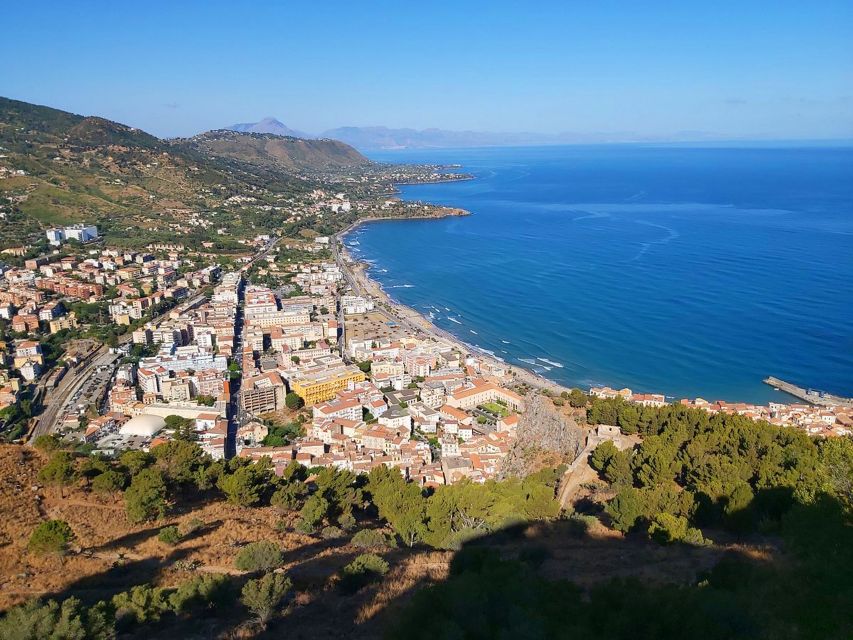
A rocky promontory above Cefalù is worth your feet. This guided hiking tour through La Rocca Archaeological Park mixes ancient remains with sea views, plus a walk from the town itself. I especially like how you get both the history (Temple of Diana, Byzantine structures) and the outdoorsy pacing (nature trails, green quiet, strong viewpoints). One possible drawback: it’s a climb, so if your legs are sensitive, you’ll want good shoes and a slower pace.
Starting at Via Umberto I 13 (outside a barber shop), your licensed guide will be easy to spot with a badge around the neck. You’ll start with an easy-to-find stroll through Cefalù’s alleys, then head uphill toward the park entrance and the Rocca di Cefalù promontory at about 270 meters above sea level. The tour runs about 2 hours, and it ends right back at the meeting point.
What keeps me coming back is the mix of control and calm. The Rocca area was shaped by defense and survival—refuge from attacks, sea-facing strategy—yet your walk also includes quiet stretches in nature. If you go near sunset, the viewpoint is timed for maximum payoff, but start times vary, so plan around the hour you’ll be up there.
In This Review
- Key things to know before you go
- Entering Cefalù and Finding the Right Start Point
- The Fortified Ascent Toward the Rocca di Cefalù (270 m of Views)
- Inside the Fortress World: Byzantine Walls, Cisterns, and Ovens
- Temple of Diana: A Sacred Building Built Like a Fortress
- How the Nature Trails and “Green Quiet” Change the Feel of History
- Timing: Getting the Best View Over Cefalù (Without Stress)
- What You See, Stop by Stop (and Why It Matters)
- Price and Value: What $283.21 Gets You
- Practical Tips: What to Bring for a Two-Hour Hike
- Who This Tour Suits Best (and Who Might Skip It)
- Should You Book the Cefalù La Rocca Guided Hike?
- FAQ
- What is the duration of the Cefalù La Rocca Archaeological Park guided hiking tour?
- Where is the meeting point?
- Is the tour a private group?
- What languages does the guide speak?
- Is the archaeological park ticket included in the price?
- Is transportation included?
- What should I bring for the hike?
- Will I see the Temple of Diana on this tour?
- Does the tour include both the town walk and the uphill hike?
- What is the cancellation and booking flexibility?
Key things to know before you go
- Private-group feel with a licensed guide and bilingual support (Italian and English).
- Fortress-to-temple route, from fortified medieval paths to the Temple of Diana.
- Byzantine features you can actually see: walls, cisterns, ovens, and churches.
- Sea view payoff from the high point over Cefalù.
- Nature trails with real guides on your side, including explanations of local flora and fauna.
- Park ticket not included, so you’ll want to factor that into your total cost.
A few we would gladly point a friend toward in Cefalu
- Cefalù: History and Legends Guided Walking Tour
★ 4.8 · 132 reviews - Cefalù: Guided Boat Excursion along the coast of Cafalù
★ 4.7 · 79 reviews - From Cefalù: Guided Tour to Agrigento Valley of the Temples
★ 4.8 · 42 reviews - Cefalù: Guided Walking Tour & Cefalu Cathedral Mosaics
★ 4.8 · 23 reviews
Entering Cefalù and Finding the Right Start Point
The experience begins in the middle of Cefalù, not at a parking lot or a far-off trailhead. Head to Via Umberto I number 13, right outside the barber shop, and look for the guide’s visible license badge. That small detail matters more than people think. When you’re in an old Italian town with narrow streets, it saves time and keeps the day calm.
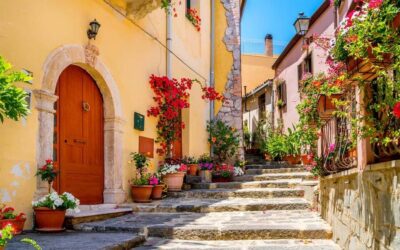
From there, you walk through Cefalù’s picturesque alleys before you reach the entrance to the Rocca park. This is a smart setup: it gives you a gentle warm-up while you’re already in the right setting. You’re not just “heading to ruins.” You’re moving through the living town that grew beside them.
Your guide will handle the flow, and the tour is designed so you don’t spend your brainpower figuring out routes. You get that “I’m with someone who has a plan” feeling the whole time, especially helpful on the uphill sections.
The Fortified Ascent Toward the Rocca di Cefalù (270 m of Views)
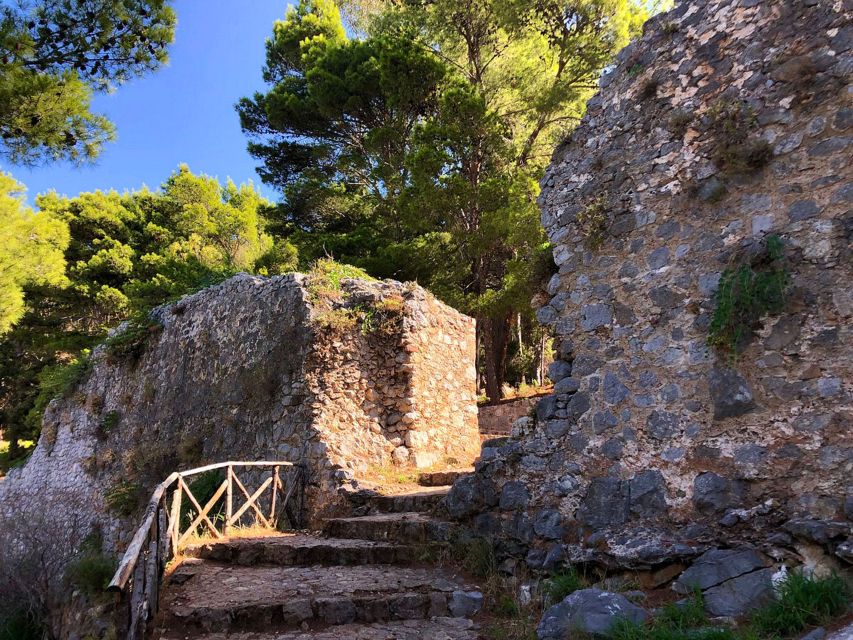
Once you enter the Rocca area, the main event is the climb to the promontory. You’ll follow a fortified medieval path, which is more interesting than a plain uphill trail. It’s called fortified for a reason: the route itself feels like part of the defensive landscape rather than an afterthought.
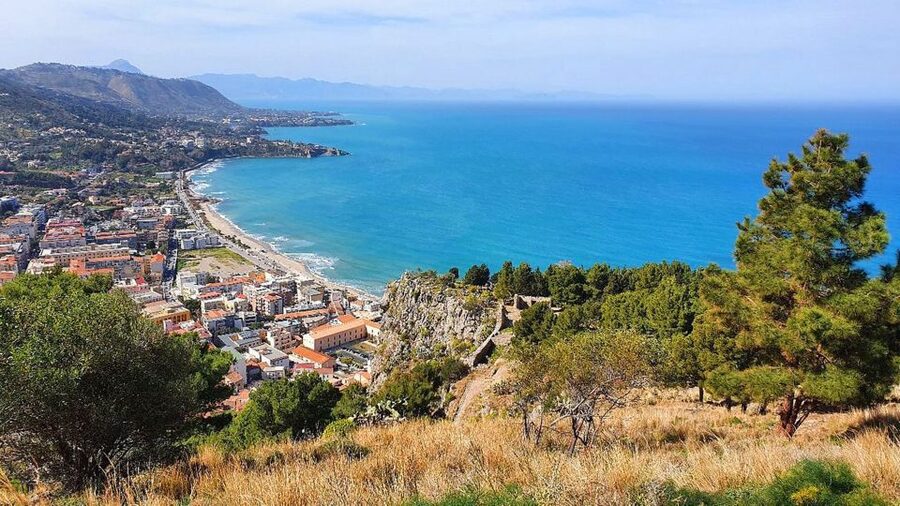
You’re gaining altitude to reach about 270 meters above sea level, and your guide will point out where the vantage points matter. The Rocca wasn’t just scenery. In earlier centuries, people used this position to watch for danger coming by sea and to take refuge when enemy attacks threatened the coast.
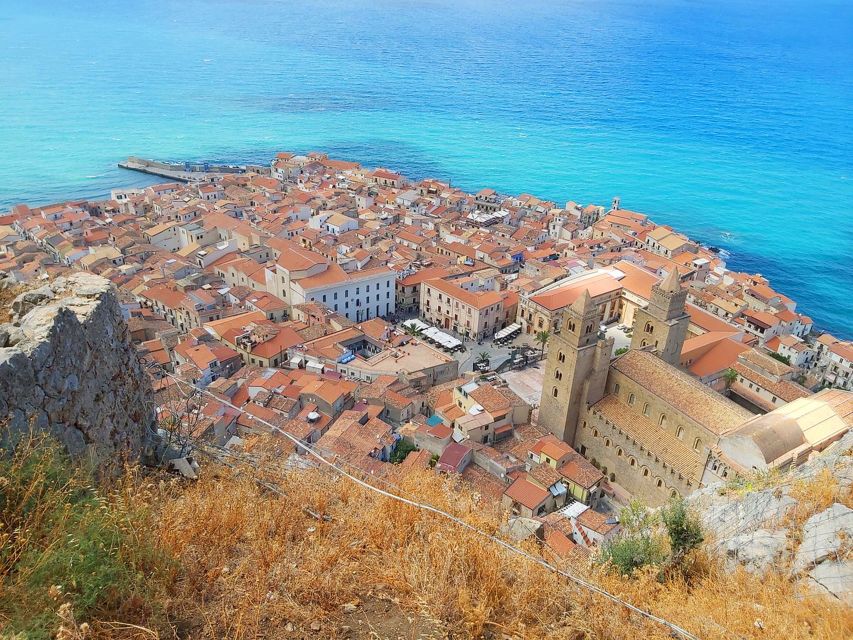
As you head upward, you’ll pick up those postcard views of Cefalù and the water. The viewpoint at the top is described as spectacular, and I think that’s exactly right: it’s the payoff moment that turns a hike into a memory. Even if you’ve been in Italy’s “viewpoint culture” before, this one has a strong sense of place because you’re seeing the town and coastline spread out below a fortress-like setting.
A small consideration: this is a hiking tour with a climb. Reviews highlight that the guide can be very patient and helpful during the ascent. Still, take it seriously. Wear shoes that can grip on uneven ground, and pace yourself.
Inside the Fortress World: Byzantine Walls, Cisterns, and Ovens
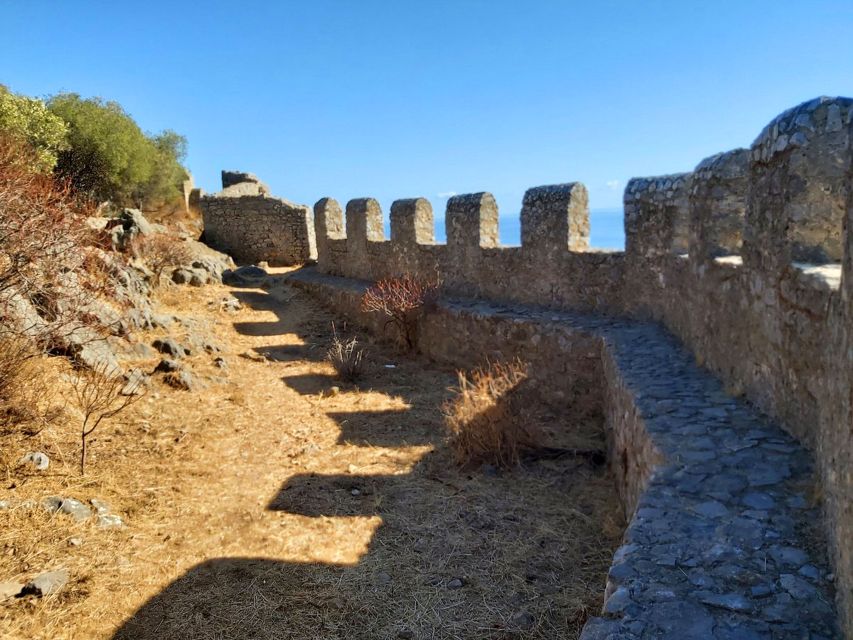
The Rocca fortress area is where the park starts feeling like an actual lived-in site, not just a few scattered stones. Here, the tour moves through monuments of Byzantine origin and the structures people built to function and survive.
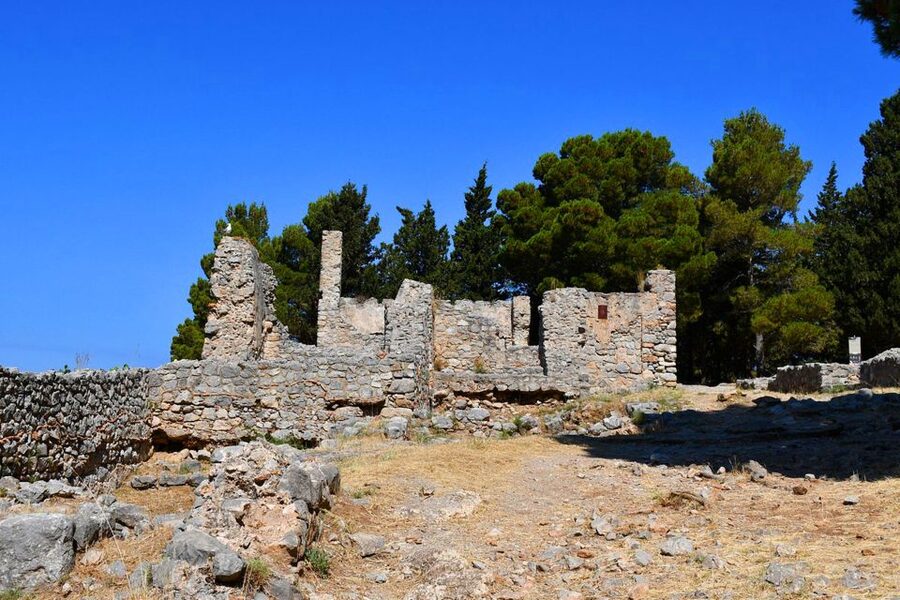
You’ll see fortification walls that point to the defensive purpose of the Rocca. You’ll also encounter practical infrastructure, like cisterns and ovens. That combination is valuable because it answers the question: what did people do up here besides watch?
One standout detail is the mention of a cistern dating back to the 9th century BC. That’s a huge timespan—this location mattered long before the Byzantine period. You start to understand how layers of history can stack on one strategic hill: different eras adapting the same terrain.
The tour also includes religious architecture from the Byzantine period, including churches. You’ll be looking at the fortress sanctuary idea around the Temple of Diana, but you’ll also notice how daily life and spiritual life coexisted inside a defensive setting.
If you like history that feels physical—water storage, oven use, wall lines—you’ll enjoy this part. It’s not just “look at columns.” It’s “imagine how people kept going here.”
Temple of Diana: A Sacred Building Built Like a Fortress
The highlight for many people is the Temple of Diana, often described with legends and mysteries about how it was constructed. What makes it especially interesting is the explanation of how it fits into the defensive logic of the site.
Rather than picturing a delicate temple that hides from conflict, the Temple of Diana is described as appearing almost like a fortress sanctuary—an ideal position for controlling arrivals from the sea. That’s a powerful lens: you’re not only touring a religious monument. You’re studying how sacred space and military strategy could overlap on the same promontory.
The tour also connects the temple to the cult of water. Even if you don’t read every stone like a scholar, that theme gives the site coherence. Water mattered because it kept people alive in a high, exposed spot. The cistern detail reinforces the message: the sacred and practical sides of life were linked.
You’ll walk through the area and have time to take in the monument setting, not just speed-past it. That’s important at a place like La Rocca, where the context is the point. The temple is more meaningful because it sits inside the fortress framework.
Nearby, you’ll also find the little church of S. Anna, which adds another layer to the stop. The tour keeps moving, but it still gives you moments to connect the dots between defense, water, and faith.
How the Nature Trails and “Green Quiet” Change the Feel of History
La Rocca isn’t only archaeological. It’s also genuinely outdoorsy. After the more structured fortress sections, the walk includes nature trails and stretches of green quiet. That matters because it gives your brain a break between heavier history moments.
One of the better parts of a guided hike is how the guide manages the pacing between views and explanations. The tour is framed as both naturalistic and historical, and a big win is that you get commentary not just on ruins, but also on what’s around you.
In particular, the tour style includes explanation of local flora and fauna, which turns the walk into a living lesson. Even if you’re not a plant person, you’ll still appreciate the idea that you’re not viewing the past in isolation. The present environment has shaped what’s visible and how the site is experienced.
If you’re someone who loves Italy for the outdoors as much as the museums, this mix will feel right. It’s one of those tours where the scenery isn’t wallpaper; it’s part of the story.
Timing: Getting the Best View Over Cefalù (Without Stress)
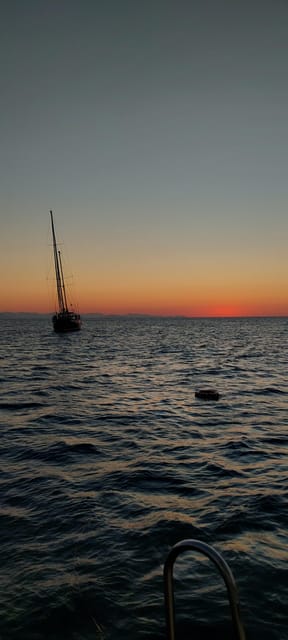
The tour promises that the landscape reaches its maximum splendor at sunset, with a unique view of Cefalù. Here’s the practical part: your actual start time depends on availability, and the timing controls how magical that sunset peak feels.
If you can choose a later departure, you’ll likely get more of that late-day atmosphere. If your day is fixed earlier, you can still enjoy the viewpoint—just expect the light to look more “daytime postcard” than “golden hour drama.”
Either way, the main viewpoint stop happens as part of the ascent to the promontory. So you’re not entirely at the mercy of the clock. You’ll get the payoff, then you’ll spend the remaining time moving through the fortress and temple spaces.
A small tip: bring sunglasses and sunscreen as listed. Even on a hike, the sun can be strong when you’re exposed on higher ground. A hat helps too, especially if you’re going in warmer months.
What You See, Stop by Stop (and Why It Matters)
Here’s how I’d think about the flow, based on how the tour is described. It’s a route built for both understanding and enjoyment.
- Cefalù alleys → park entrance
- Why it matters: you ease into the experience inside the town first, not after a big commute.
- What you’ll notice: the shift from urban streets to trail access.
- Fortified medieval ascent
- Why it matters: the climb is part of the story, not just exercise.
- What to watch: the changing viewpoints as you gain height.
- Panoramic top viewpoint
- Why it matters: it anchors everything. From here, the defensive nature of the promontory makes sense.
- What you’ll get: a wide view over Cefalù and the sea.
- Fortress monuments (Byzantine origin)
- Why it matters: you see structures shaped by refuge from attacks and day-to-day needs.
- What you’ll spot: fortification walls, cisterns, and ovens.
- Temple of Diana + sacred water context
- Why it matters: it connects spirituality to strategy and survival.
- What you’ll learn: the temple is positioned to control sea arrivals and tied to the cult of water.
- Church of S. Anna and nearby features
- Why it matters: it adds a human-scale religious layer beside the older fortress logic.
- What you’ll appreciate: variety without turning the tour into a checklist.
At the end, you return to the meeting point. That makes planning easy: you don’t have to figure out a separate drop-off area.
Price and Value: What $283.21 Gets You
The listed price is $283.21 per group (up to 25) for a private group with a licensed tour guide. Also note: the archaeological park ticket is not included, and transportation is not included.
Is that worth it? In my view, it can be, because you’re paying for two things that are hard to DIY well: a guided route through a hillside site and interpretation that ties the pieces together. La Rocca isn’t just a single museum stop. It’s a walking, viewing, and reading-the-site experience across fortress, temple, and infrastructure. Having a guide who explains what you’re seeing saves time and turns random ruins into a coherent story.
Because the tour is private, you don’t have strangers crowding your quiet moments at the viewpoint. If you’re traveling with family or friends, the per-group model can also be a good deal compared with per-person guided options—especially if you’ll actually use the guide for questions during the climb.
Just budget for the park ticket separately, and decide how you’re getting to the meeting point.
Practical Tips: What to Bring for a Two-Hour Hike
This is a short tour, but it includes an ascent. I’d treat it like a real hike, not a gentle stroll.
Bring:
- Comfortable shoes with grip
- Sunglasses
- Hat
- Sunscreen
- Comfortable clothes
Those items aren’t overkill. You’re on open ground at altitude and you’ll spend time outdoors, plus the viewpoint sections can feel bright and exposed. Also, if you’re sensitive to sun or heat, the hat and sunscreen will make the experience much nicer.
A quick mindset tip: you don’t win the tour by rushing to the top. The climb is part of the experience, and the guide’s job is to get you to the key spots comfortably. Reviews also point to a guide who stays patient and helpful on the climb, which is a big confidence booster.
Who This Tour Suits Best (and Who Might Skip It)
This tour fits best if you want history with movement. You like being outside, you enjoy panoramic views, and you’d rather learn the site while walking than only standing still.
You’ll likely be happy if:
- You’re coming to Cefalù and want a meaningful half-day add-on.
- You like fortress-era stories and practical structures like cisterns and ovens.
- You enjoy guided explanations that connect monuments, setting, and theme.
You might want to think twice if:
- You have limited mobility or you struggle with uphill walking.
- You’re expecting a flat, minimal-effort experience.
Still, the tour is only about 2 hours, so it’s manageable for many people with decent walking fitness—as long as you plan for the climb.
Should You Book the Cefalù La Rocca Guided Hike?
Book it if you want an efficient way to experience La Rocca as a whole: town-to-park entry, fortified ascent, fortress remains, Temple of Diana, and sea views from the promontory. The private-group format plus bilingual licensed guide makes it feel personal, not rushed.
Skip it (or consider another option) if you don’t do well with uphill terrain, or if you’re only interested in indoor museum-style stops. Also remember the park ticket isn’t included, so check your total budget.
If you’re the kind of traveler who likes to see how people lived—water systems, walls, ovens, and sacred space built in a strategic place—this hike is the sort of tour you’ll still remember after you’ve left Cefalù.
FAQ
What is the duration of the Cefalù La Rocca Archaeological Park guided hiking tour?
It lasts about 2 hours.
Where is the meeting point?
You meet at Via Umberto I number 13, outside the barber shop.
Is the tour a private group?
Yes, it’s listed as a private group.
What languages does the guide speak?
The guide provides the tour in Italian and English.
Is the archaeological park ticket included in the price?
No. The archaeological park ticket for La Rocca is not included.
Is transportation included?
No. Transportation is not included.
What should I bring for the hike?
Bring comfortable shoes, sunglasses, a hat, sunscreen, and comfortable clothes.
Will I see the Temple of Diana on this tour?
Yes. The tour includes a visit to the Temple of Diana.
Does the tour include both the town walk and the uphill hike?
Yes. It starts with walking through Cefalù’s alleys until you reach the Rocca Park entrance, then continues up the promontory.
What is the cancellation and booking flexibility?
You can cancel up to 24 hours in advance for a full refund, and you can reserve now and pay later.
More Guided in Cefalu

More Tours in Cefalu
More Tour Reviews in Cefalu
Just added: the newest Cefalu tours in our notebook
- Boat trip to Cefalù★ 5.0 · 3 reviews
- I Briganti by night by jeep★ 5.0 · 4 reviews
- Capo D’Orlando: Salina, Panarea, Stromboli Tour with Boat★ 4.5 · 4 reviews
- Private boat excursion along the coast of Cefalù★ 5.0 · 4 reviews
- Cefalú: La Rocca Archaeological Park Guided Hiking Tour★ 5.0 · 4 reviews
- Private Transfer from Palermo Airport to Your Hotel in Cefalu★ 5.0 · 5 reviews
Hiking & Trekking, compared.
 ★ 4.7Etna: summit craters trekking with volcano guide 3350mtFrom $771,712 reviews
 ★ 4.9Catania: Mount Etna Trekking Tour Beyond the Tourist TrailsFrom $811,596 reviews
 ★ 4.8Mount Etna: Guided Trek 3,000 Meters to the SummitFrom $1131,407 reviews
 ★ 4.8Etna Sunset Tour: Volcano trek, Cave & tasting from CataniaFrom $701,290 reviews
 ★ 4.7Catania: Mount Etna Adventurous Hiking Tour with EquipmentFrom $88784 reviews
 ★ 4.8From Catania: trek on Mount Etna, Lava Cave & tasting TourFrom $68563 reviews
 ★ 4.7From Taormina: Etna Tour with Hiking, Cave Visit, & TastingsFrom $83518 reviews
 ★ 4.9From Taormina: Half-Day Mount Etna Morning TrekFrom $106504 reviews
Browse the lists this tour appears in