
Reviewed · CATANIA TOURS
Catania Home Cooking: Pistachio Ravioli, Sicilian Pasta & Wine
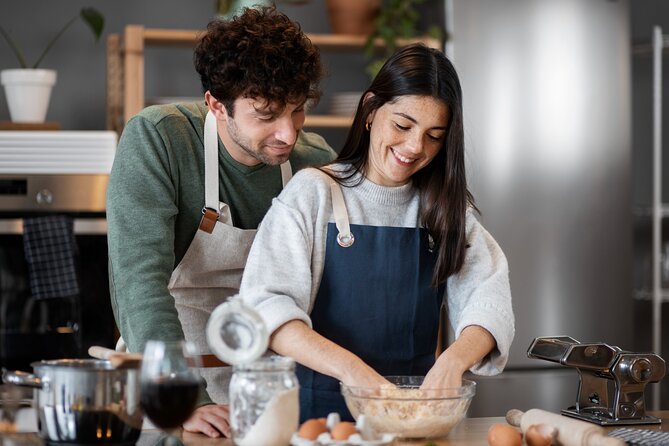
Fresh pasta beats restaurant food any day. In a Catania apartment kitchen, I love the pistachio-filled ravioli hands-on lesson and the pasta-and-wine dinner you get to enjoy right there, with sauces like Norma and Trapanese pesto. One thing to consider: this is a home setup, so the kitchen environment can feel more personal than a polished studio.
You’ll likely be working with a friendly teacher and cook team (I’ve seen hosts named Angela, Anna, and Daniela in past sessions, plus Francesco helping too). The group stays small, capped at 6 travelers, which matters when you’re trying to roll dough without losing your nerve—or your rolling pin grip.
In This Review
- Key Things I’d Pack In Your Brain First
- A Home Kitchen in Catania: What the Setting Means
- What You Actually Cook: Pistachio Ravioli and Friends
- The Sauce Lesson That Makes It Sicilian
- Bruschetta First: The Small Bites That Set the Mood
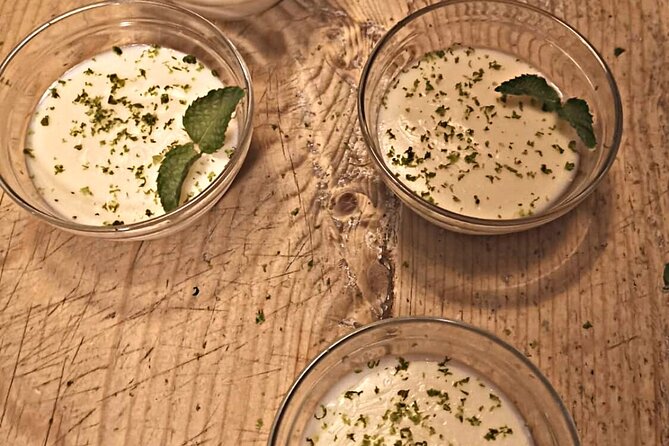
- Dessert: Cannolamisù (and Friends Like Biancomangiare)
- Wine With the Meal: Practical Pairing, Not Just a Pour
- Timing and Pace: How 3 Hours Feels
- English Instruction and Communication in Real Life
- Cost and Value: Why $106.04 Can Make Sense
- Who This Is Best For (and Who Might Not Love It)
- Logistics That Actually Matter: Where to Go and What to Expect
- Final Call: Should You Book This Catania Cooking Class?
- FAQ
- Where is the meeting point for the class?
- How long does the experience last?
- What language is the class offered in?
- What will I cook and eat?
- Is there wine included?
- How many people are in each group?
- Is the class suitable if I have allergies or intolerances?
- Can I skip the cooking lesson and just chat in the house?
- What is the cancellation window?
Key Things I’d Pack In Your Brain First
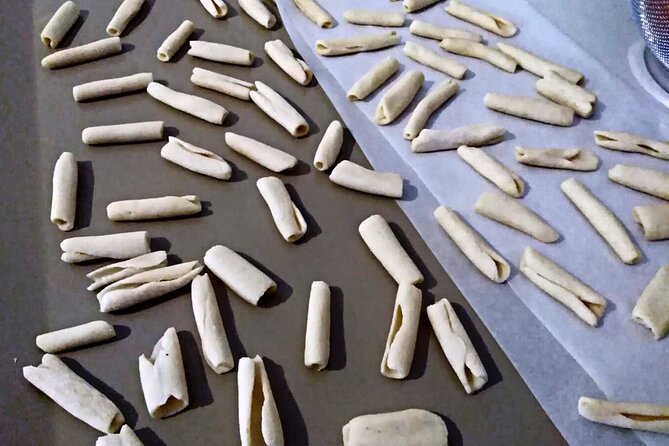
- Pistachio ravioli is the star, plus you’ll also make caserecce and gnocchetti shapes
- Three-course pacing starts with bruschetta, moves to handmade pasta, and ends with Sicilian dessert
- Sicilian sauces get real names and real flavors, including Norma, Trapanese pesto, and Aeolian style
- Wine is part of the meal, not just a side detail
- Small group format (max 6) keeps the class from turning into a lecture
- You can ask to skip cooking and just hang out while the host preps the menu
What else Catania has going on
- Mt. Etna nature and flavors half day Tour from Catania
★ 5.0 · 545 reviews - From Catania: Mt. Etna, Wine and Alcantara Tour
★ 4.8 · 370 reviews - Etna Morning Tour (starting from Catania)
★ 5.0 · 362 reviews - Underground Catania
★ 5.0 · 302 reviews
A Home Kitchen in Catania: What the Setting Means
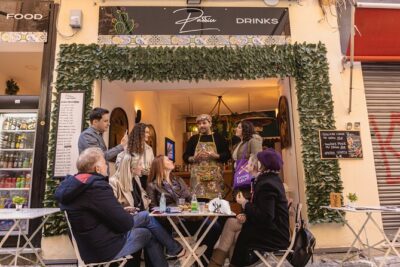
This isn’t a big cooking school. It’s someone’s home kitchen in Catania, and that changes the vibe fast—in a good way if you like chat, questions, and learning by doing. You’ll start with the sort of welcome that feels personal, not scripted.
The upside is attention. With only up to six people, you’re more likely to get help with your dough, your folding technique, and your sauce choices. You also get that Sicily-at-home feeling: eating what you cooked, in the same space where it all started.
The trade-off is that a home is a home. Expect a less-formal setup than you’d see in a commercial venue. If you’re sensitive to pets or strong smells, it’s smart to message ahead and ask what the kitchen environment is like.
What You Actually Cook: Pistachio Ravioli and Friends
The main focus is handmade pasta. You’re not just watching someone else work—you’re making the shapes, handling the dough, and learning how to get it to the right texture before it hits the pot.
The menu highlights several pasta types:
- Pistachio-filled ravioli
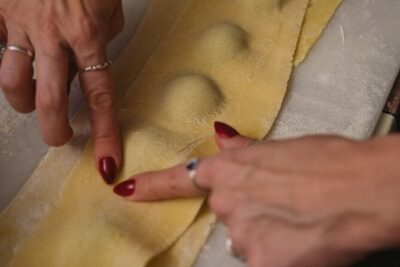
This is the signature move. You’ll fill and shape ravioli, then learn the practical side of sealing and portioning so they cook cleanly.
- Caserecce
These ridged curls help sauce cling. The technique matters, because the whole point is that sauce won’t slide off.
- Gnocchetti
Small dumpling-style shapes that bring a different bite and texture than rolled sheets.
Even if you’ve cooked before, I like that this class doesn’t only teach one trick. You’ll get practice across more than one form, which makes it easier to reproduce at home later without feeling stuck.
The Sauce Lesson That Makes It Sicilian
Sicily’s pasta culture isn’t just about pasta. It’s the sauces that give you the identity. This class leans into that by pairing what you make with classic regional dressing styles, including:
- Norma Dressing
A familiar Sicilian flavor profile you’ll likely recognize once you taste it, built for pasta lovers who like bold, comforting combinations.
- Trapanese pesto
Pesto, but not the generic “basil-only” version. Expect something rooted in the way western Sicily does it.
- Aeolian style
A nod to the islands off Sicily, with flavors that feel coastal and seasonal.
The value here is not memorizing recipes like a robot. It’s understanding how these sauces behave with different pasta shapes. When you learn why ridges matter for caserecce, or why ravioli needs the right kind of sauce weight, you’ll cook with better instincts back home.
Bruschetta First: The Small Bites That Set the Mood
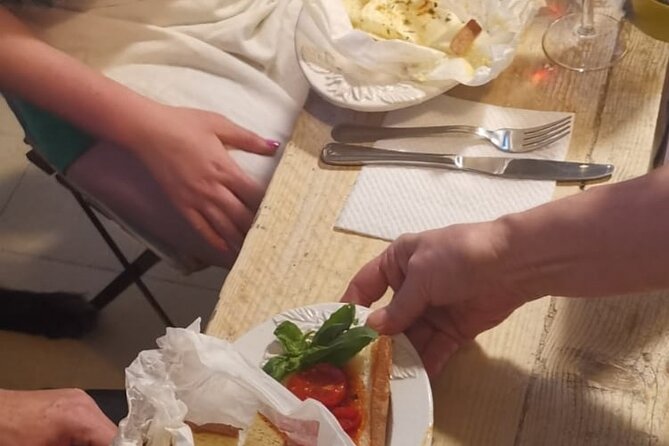
You start with bruschette, and that’s a smart move. The starter gets you into the ingredients and the rhythm before the heavier work of pasta.
You can expect a traditional tomato-based version plus creative toppings like pear and sun-dried tomatoes. That combo is a great example of what this class does well: it keeps things Sicilian but shows how toppings can shift a dish from ordinary to memorable.
If you’re the type who likes to understand flavors, this course start is useful. You’ll taste, then later you’ll build and cook, with a clearer sense of what you’re aiming for.
More cellars and vines near Sicily


Dessert: Cannolamisù (and Friends Like Biancomangiare)
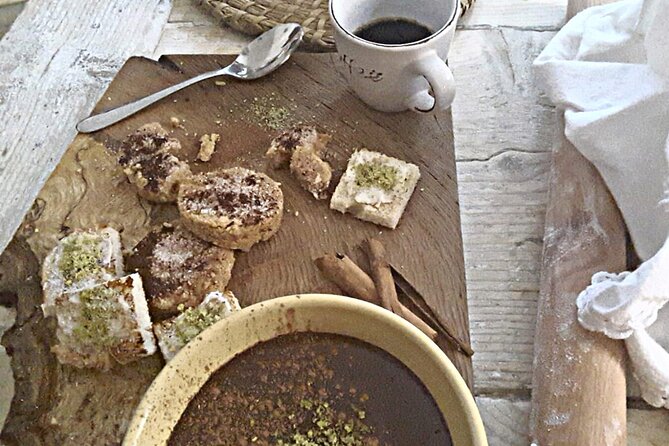
For dessert, this experience leans into Sicilian favorites with a modern twist. You’ll make something in the style of:
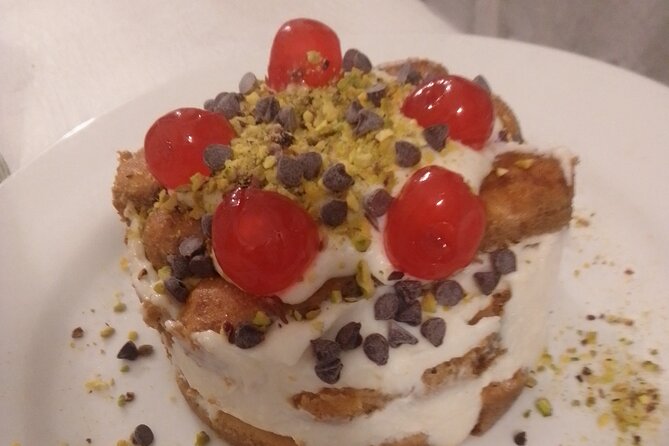
- cannolamisù
A playful take on tiramisu, built with creamy ricotta and Sicilian dessert logic.
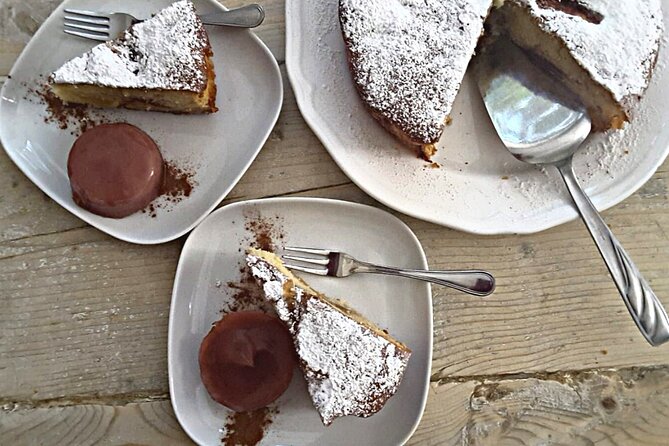
The menu also references options like biancomangiare and a deconstructed cannoli approach. Translation: you get dessert that tastes like Sicily, not a generic sweet that could show up anywhere.
What I like about finishing here is that ricotta brings the whole meal together. Pasta is rich and savory, wine adds warmth, then dessert cools it off with something creamy.
Wine With the Meal: Practical Pairing, Not Just a Pour
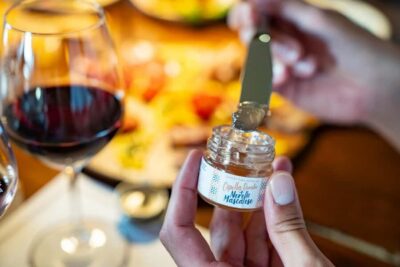
You’ll enjoy the dishes you prepared with fine local wines. The important detail is that the wine isn’t treated as decoration. It’s meant to accompany what’s on your plate.
Wine also changes how you judge the food while you’re learning. After a few sips, flavors start making more sense—especially when you’re tasting sauces like Norma and Trapanese pesto that can swing between savory, aromatic, and bright.
Timing and Pace: How 3 Hours Feels
The class runs about 3 hours. In that time, expect a flow that goes something like:
1) meet and settle in
2) starter bruschette
3) main pasta production (including ravioli and other shapes)
4) eat what you made
5) dessert finish
Three hours is long enough to feel productive. It’s also short enough that you won’t burn the whole evening stuck on one step of dough. If you’re thinking about doing this after other Catania sights, you’ll want a flexible plan—but it’s a solid block for a food-focused night.
English Instruction and Communication in Real Life
The experience is offered in English, which helps a lot. Still, cooking is tactile and visual. Even when the room is busy, your hands will often guide you faster than words.
One practical thing I’d keep in mind: if your Italian is limited, you’ll still be fine. Cooking classes are naturally supportive environments. You’ll also likely get help from the host/cook team by explaining steps and correcting technique as you go.
I’ve seen examples of sessions where translation support was used when needed, and that’s exactly what you want: not silence, but help.
Cost and Value: Why $106.04 Can Make Sense
At $106.04 per person, you’re paying for more than a meal. You’re paying for instruction, ingredients, and a multi-course sit-down dinner with wine—then a dessert finish.
Here’s how I think about value for this kind of experience:
- If you’ve ever tried to “recreate” homemade pasta at home, you know how expensive time and ingredients get. This class bundles that learning cost into one evening.
- The food isn’t a snack. It’s a starter, handmade pasta with multiple sauces, and Sicilian dessert.
- The group size cap (max 6) improves your odds of real coaching instead of watching from the sidelines.
Is it the cheapest thing you can do in Catania? No. But it’s the kind of price that feels fair when you actually leave with skills you can repeat—especially ravioli-making and Sicilian sauce pairings you can’t easily guess from just reading.
Who This Is Best For (and Who Might Not Love It)
This fits you if:
- you love food and want a hands-on night, not a meal with a few instructions
- you want Sicilian flavors with recognizable names (Norma, Trapanese pesto, Aeolian style)
- you enjoy small groups and learning in someone’s home
It might not be your favorite if:
- you’re expecting a studio-like, hotel-clean environment at all times
- you have strong sensitivities to household elements (again, because it’s a home kitchen)
- you only want to watch and never touch dough (though there is an option to ask to skip the cooking lesson)
Logistics That Actually Matter: Where to Go and What to Expect
You’ll meet at Via E. A. Pantano, 112, 95129 Catania CT, Italy, and the activity ends back at the meeting point. You’ll receive a mobile ticket, and confirmation comes at booking.
One more practical note: the experience requires a minimum of 2 people per booking. If you’re traveling solo, you’ll need to check availability based on how the operator groups you.
If you have allergies or intolerances, tell them in advance so you can cook and eat safely. The instruction is explicit—give details early.
Final Call: Should You Book This Catania Cooking Class?
I’d book it if you want a real Sicilian food night you can reproduce at home. The combination of hands-on pasta shaping (including pistachio ravioli), classic sauce styles (Norma, Trapanese pesto, Aeolian style), and a dessert finish like cannolamisù makes this more than a one-time dinner.
I’d message first if you’re worried about the home-kitchen environment (pets, smells, or comfort level). That way, you’re choosing with your eyes open, not hoping it matches what you imagine.
If your goal is to come away with technique and flavor knowledge—not just photos—this is a strong pick.
FAQ
Where is the meeting point for the class?
The class starts at Via E. A. Pantano, 112, 95129 Catania CT, Italy, and it ends back at the same meeting point.
How long does the experience last?
It lasts about 3 hours.
What language is the class offered in?
It’s offered in English.
What will I cook and eat?
You’ll make fresh pasta including pistachio-filled ravioli, caserecce, and gnocchetti. You’ll also eat bruschette as a starter and a Sicilian dessert such as cannolamisù (and related options like biancomangiare or deconstructed cannoli).
Is there wine included?
Yes. You’ll enjoy the dishes you prepare with fine local wines.
How many people are in each group?
The experience has a maximum of 6 travelers.
Is the class suitable if I have allergies or intolerances?
You should inform the operator in advance about any allergies or intolerances so they can plan safely.
Can I skip the cooking lesson and just chat in the house?
Yes. If you don’t want to cook, you can ask for an option to simply enjoy the atmosphere of the house while the host prepares the menu.
What is the cancellation window?
Free cancellation is available up to 24 hours in advance for a full refund.
More Tour Reviews in Sicily






More Sicilian Wine and Vineyards




Keep Exploring Catania




Just added: the newest Sicily tours in our notebook
- Etna / Taormina★ 5.0 · 3 reviews
- Bikes★ 5.0 · 3 reviews
- Taormina shore tour – for small group cruise passengers★ 5.0 · 3 reviews
- Vegan Cooking Class in Catania with Lunch and Dinner★ 5.0 · 3 reviews
- Make & Taste Sicilian Desserts in Palermo – Learn Cannoli & More★ 5.0 · 3 reviews
- Sicilian Villages & Ricotta Tasting – including Lunch from Cefalu★ 4.0 · 3 reviews
Catania Tours, compared.
 ★ 4.8Catania: Mount Etna Morning or Sunset Day Trip with TastingFrom $704,028 reviews
 ★ 4.8Catania: Sunset Jeep Tour of Mount Etna and Lava Flow CavesFrom $712,113 reviews
 ★ 4.9Catania: Mount Etna Trekking Tour Beyond the Tourist TrailsFrom $811,596 reviews
 ★ 4.8Catania: Etna Sunset Tour with Pickup and Drop-offFrom $711,348 reviews
 ★ 4.8Etna Sunset Tour: Volcano trek, Cave & tasting from CataniaFrom $701,290 reviews
 ★ 4.8Catania: Etna Morning Excursion with Tasting and PickupFrom $711,224 reviews
 ★ 5.0Mt. Etna and Taormina village full day tour from CataniaFrom $1181,155 reviews
 ★ 4.9Catania: Amazing Etna Morning Tour with Pickup and Drop-OffFrom $81799 reviews
Browse the lists this tour appears in