
Reviewed · WALKING TOURS
CASA NEPETA: Botanical Walk, Amari Production, and Tasting
Herbs do the talking here. At Casa Nepeta in Sicily’s Testa dell’Acqua, you walk the aromatic fields, learn how local bitters become amari, and then taste them in several ways. It’s part field lesson, part factory tour, and part “wait, that herb smells like what?” moment.
I especially liked two things: you collect and smell the plants used in the drinks, and the tasting lets you try the liquors neat, on ice, or as a botanical cocktail. The story behind the plants also feels practical, because you connect names you hear on the walk—like Nepitella, marjoram, and wild thyme—to what ends up in the glass.
One consideration: transportation isn’t included, so you’ll want to plan how you’ll get to Testa dell’Acqua on time. Also, this is a 2-hour stop, so don’t expect a full meal experience.
In This Review
- Key things to know before you go
- Testa dell’Acqua: the countryside setting that makes the drinks make sense
- Botanical walk in the herb field: Nepitella, marjoram, and wild thyme
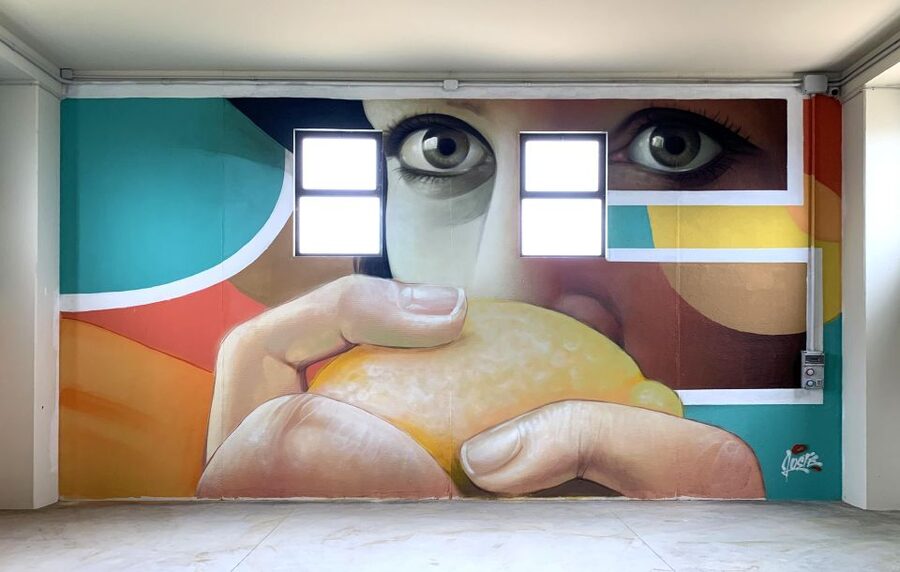
- The tour moves from the field to the factory walls (and Loste’s mural)
- Understanding bitters production: plant properties to finished liqueurs
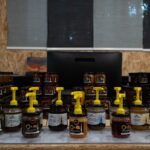
- Tasting time: neat, on ice, or in a botanical cocktail
- Price and value: does $58 for 2 hours add up?
- Who this tour fits best (and who might skip it)
- Practical tips for your visit to Casa Nepeta
- Should you book this Casa Nepeta experience?
- FAQ
- Where does the Casa Nepeta experience take place?
- How long is the experience?
- What’s included in the price?
- What languages are available for the tour?
- What will I taste, and how is it served?
- Do I need to bring anything?
- Is the activity wheelchair accessible?
Key things to know before you go
- You’ll handle the herbs: collect, smell, and learn what each plant contributes.
- Specific Sicilian ingredients: Nepitella, marjoram, and wild thyme each tie to a different amaro.
- A factory mural by Loste: you’ll see the street artist’s work inside the production space.
- Tasting in multiple styles: neat, on ice, or mixed into a botanical cocktail.
- A focused lesson on bitters: you get the production story before the sips.
A few we would gladly point a friend toward in Catania
- Catania: Heart of the City Guided Walking Tour
★ 4.6 · 708 reviews - Catania: City Highlights Walking Tour
★ 4.7 · 666 reviews - Catania: Street Food Guided Walking Tour
★ 4.9 · 326 reviews - Catania: Guided Street Food Walking Tour
★ 4.7 · 300 reviews
Testa dell’Acqua: the countryside setting that makes the drinks make sense
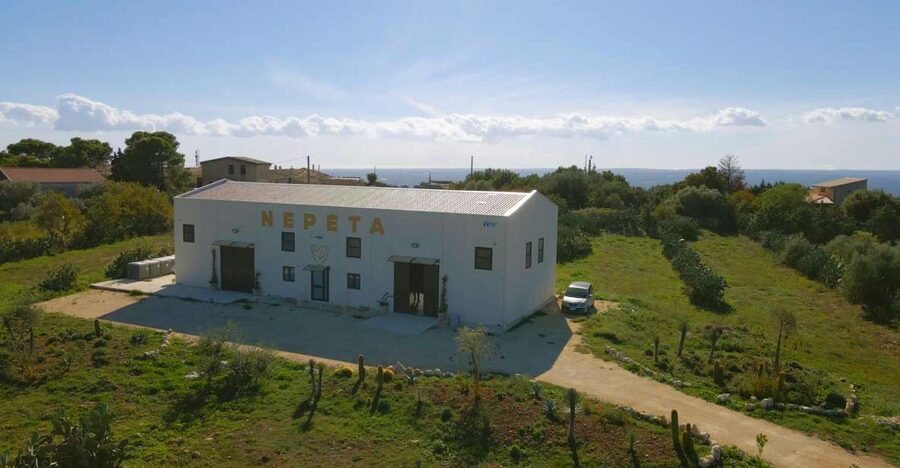
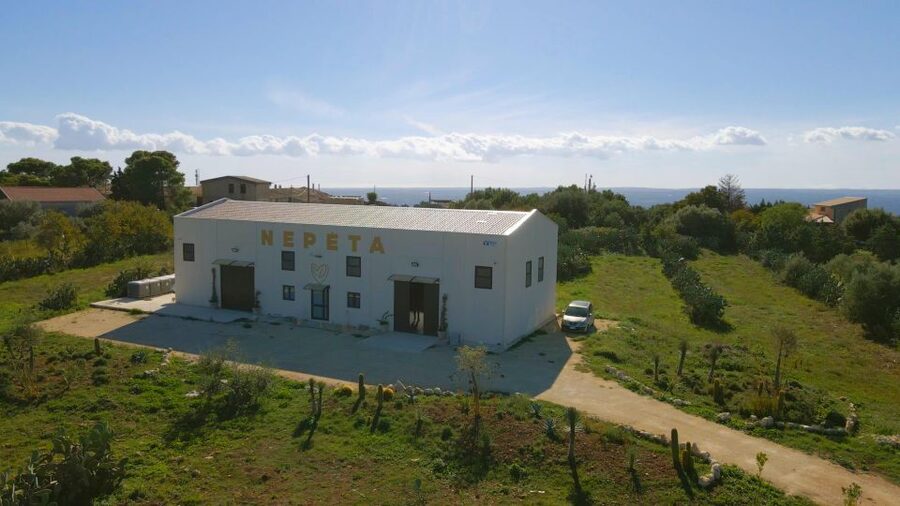
This tour works because it starts in the same place where the flavors begin. Testa dell’Acqua isn’t just a backdrop. It’s where the operation grows aromatic herbs typical of the Iblean territory, so you don’t have to take flavor on faith.
You’re taught to look at plants like ingredients, not decorations. That matters with bitters and amari, because the core idea is that bitter notes and herbal aromas come from real plant material. When you stand in the herb area, you can match what you smell to what you later taste. That makes the tasting more fun and more memorable, even if you’re not a “spirit nerd.”
The timing is also sensible. In about two hours, you get the whole arc: walk, factory visit, production explanation, then tasting. If you’re in Sicily for food, wine, or nature walks, this fits neatly as a short, hands-on detour without eating your whole day.
Botanical walk in the herb field: Nepitella, marjoram, and wild thyme
The walk is the heart of the experience. You’ll spend time with a guided botanical session in the field where the factory grows herbs used for their amari. The guide points out plants and explains how each one shows up in the final products.
Here are the names you’ll hear most clearly, because they link directly to the drinks:
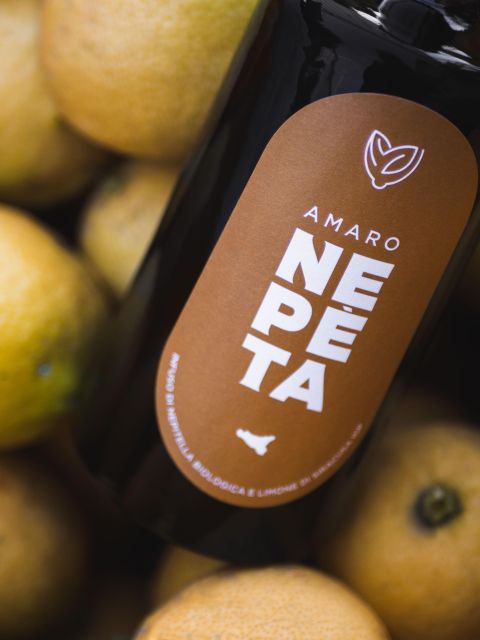
- Nipitella (used for Nepèta liqueur)
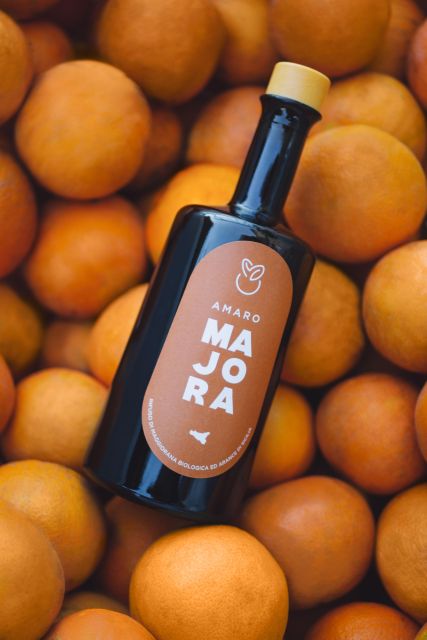
- Marjoram (used for Majora)
- Wild thyme (used for Timous, a sugar-free Amaro)
Even if you don’t know these herbs yet, you’ll leave with something you can recognize. One reviewer highlighted the way the herb walk passed along real passion, not a scripted lecture. Another described a host experience led by Nicole, with a focus on simple, happy enjoyment of the plants and the pours that follow.
And yes, you’ll get to collect herbs. That means you can bring the smells home and compare what you think you picked to what you later taste in the glass. Practical tip: keep your hands clean enough that you can still enjoy the tasting. You’ll smell like a spice shop by the end, in the best way.
The tour moves from the field to the factory walls (and Loste’s mural)
After the walk, you head inside the liquor factory. This is where the tour shifts from nature to production, and it adds a memorable visual moment.
The interior walls feature a mural by Loste, a famous street artist. Seeing it inside a working production space is a fun contrast: gritty street art meets careful herb-based production. It also gives you a quick “Sicily detail” photo moment that isn’t just another scenic viewpoint.
This portion matters because bitters aren’t only about flavor. They’re about process—how the company transforms plant inputs into consistent products. The tour gives you a guided explanation of what happens after the herbs are collected and selected, so the factory visit doesn’t feel like a generic walk-through.
You’ll be paying attention in a new way here. Before the factory, you identify plants by smell. Inside, you start connecting plant properties to the bitter and aromatic character of the final amari.
Understanding bitters production: plant properties to finished liqueurs
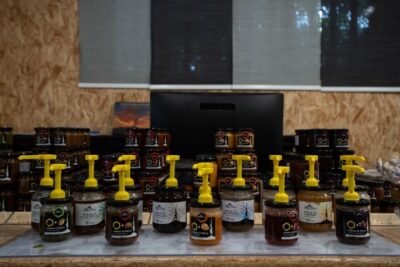
Once you’re inside, the guide focuses on the production process of bitters. You learn what the company looks for in the herbs and how their properties relate to the drinks you’ll taste.
Important: the tour is framed as a learning experience, not a lab demonstration. You won’t need chemistry to follow along. The goal is to make the logic simple:
1) Plants have distinct aromatic and bitter qualities.
2) Those qualities are what define the bitters and amari character.
3) The company’s process turns those plant inputs into specific labeled products.
This is where the herb names become more than vocabulary. Nepitella links to Nepèta; marjoram links to Majora; wild thyme links to Timous, noted as a sugar-free Amaro. That last detail is especially useful if you care about sweetness levels in tasting. Even if you don’t know what “sugar-free” means in practice for your palate, hearing it up front helps you taste with intention.
You also get the kind of context that turns a drink into a story you can repeat later. One verified booking called out the interesting history of the business alongside the orto (garden) walk and passion behind the production. That combo—story plus process plus smell—makes the lesson stick.
A few we would gladly point a friend toward in Catania


Tasting time: neat, on ice, or in a botanical cocktail
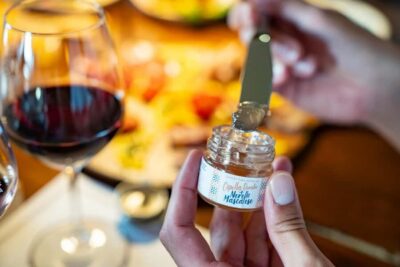
Now comes the part you can’t rush: tasting. The tour ends with a structured tasting of the liquors, with options that help you experience how the same liquid changes.
You’ll taste the liquors:
- Neat (straight)
- On ice
- In botanical cocktails
That variety is more than a gimmick. Bitters can be sharp when neat, aromatic when warmed slightly in your glass, and more relaxed when served over ice. Cocktails add another layer because you experience the base amaro plus complementary botanical flavors in a balanced drink.
In at least one verified booking, the final cocktail was described as really good, and the amari tasting brought a smile. That lines up with what I’d expect from a well-run tasting: it should feel like you’re learning something, but also like you’re being treated to something enjoyable.
Practical note: you’ll likely taste multiple sips. Pace yourself, use small sips first, and take a moment between pours to reset your palate. If you’re sensitive to bitter flavors, start with the style that feels easiest for you—often neat can be intense, and ice can soften edges.
If you want to remember the flavors, do this: while tasting, decide which herb you think you’re tasting first—Nepitella, marjoram, or wild thyme—and then see if it matches what you learned earlier. That little game makes the whole session feel personal.
Price and value: does $58 for 2 hours add up?
At $58 per person for about 2 hours, the value depends on what you want from Sicily beyond standard tastings.
This price makes sense if you care about:
- a guided walk through the herbs used in the drinks
- a production-process tour (not just sampling)
- a tasting that includes multiple styles (neat, ice, cocktail)
- the chance to collect and learn the plants
If your goal is only a quick shot of amaro with minimal explanation, you might feel the cost is higher than a basic bar pour. But if you want context you can use—herb names, how they connect to specific products, and a taste experience that’s guided—you’re paying for instruction and multiple tasting formats.
Also, the session is short enough to fit into an itinerary without complicated day planning. For a half-day rhythm, it’s a good “value of time” stop: you learn and taste without needing a full afternoon.
Who this tour fits best (and who might skip it)
This is a great match for you if you like:
- plant-based flavor experiences (you like smelling herbs, not just drinking)
- hands-on learning that connects ingredients to taste
- amari culture and bitter flavors, even if you’re not an expert
You’ll also enjoy it if you like small, focused experiences where you get one-on-one attention from a host. One verified booking singled out Nicole for being passionate and honest, which is exactly the kind of energy that makes an herb-based tour work.
If you’re the type who needs a long walking day, a big museum stop, or a full meal included, you might feel a bit limited. The tour is only two hours, and meals aren’t included. It’s also not a truffle hunting or museum-focused activity (those aren’t part of what this experience offers).
Practical tips for your visit to Casa Nepeta
Here’s how to set yourself up for a smooth, pleasant time:
- Wear comfortable walking shoes. The walk is in the herb field, so you’ll want stable footing.
- Bring a camera. You’ll want photos of the herb setting and the Loste mural inside.
- Bring a water bottle and sip before tasting. Even if you feel fine, it helps you enjoy the amari without rushing.
- Plan on your own transportation. Since transportation isn’t included, arrive with enough buffer time so you don’t feel stressed during the tasting segment.
- Dress for the weather. You’ll be outside for part of the experience.
If you like souvenirs, think of the herbs you’ll collect as your “take-home” item. The smell is the memory, and the tasting gives you the flavor counterpart.
Should you book this Casa Nepeta experience?
Book it if you want a short, guided Sicilian stop that connects herbs to bitters in a way a bar can’t. The combination of herb collecting and smelling, a factory visit with a Loste mural, and a tasting in multiple styles makes the $58 feel earned rather than just paid.
Skip it only if you’re looking for something more like a long museum outing, a full meal experience, or an attraction where tasting is the only focus. This is about learning the ingredient logic and then testing it with neat, on-ice, and cocktail pours.
If you enjoy amari culture at all, and especially if you like understanding what you’re drinking, Casa Nepeta is the kind of experience that leaves you with new names in your head and real smells in your senses.
FAQ
Where does the Casa Nepeta experience take place?
It takes place in Sicily, Italy, at the liquor factory area in Testa dell’Acqua.
How long is the experience?
The duration is 2 hours.
What’s included in the price?
You get a guided botanical walk, a tour of the amari production process, and a tasting of bitters and botanical cocktails, plus the opportunity to collect and learn about aromatic herbs.
What languages are available for the tour?
The host or greeter offers Italian, English, and Spanish.
What will I taste, and how is it served?
You’ll taste the liquors neat, on ice, or in botanical cocktails.
Do I need to bring anything?
Wear comfortable shoes and bring a camera. You’ll also want to stay hydrated, so bring a water bottle.
Is the activity wheelchair accessible?
Yes, it is wheelchair accessible.
More Food & Drink in Catania




More Walking Tours in Catania





More Tour Reviews in Catania


Just added: the newest Catania tours in our notebook
- Transfer Catania / Agrigento Airport★ 5.0 · 3 reviews
- Sicily private shore excursion – Etna and Taormina with personal driver★ 3.5 · 3 reviews
- Sunset Trekking on Mount Etna★ 5.0 · 3 reviews
- Private Transfer from Catania to Palermo or vice-versa with stop★ 5.0 · 3 reviews
- From Syracuse: Mount Etna Volcano Morning Trekking Tour★ 5.0 · 3 reviews
- Catania: Guided Street Food Tour with Tastings★ 5.0 · 3 reviews
Walking Tours, compared.
 ★ 4.8Palermo: NO Mafia Walking TourFrom $402,431 reviews
 ★ 5.0Palermo Original Street Food Walking Tour by StreatyFrom $832,105 reviews
 ★ 4.9Palermo: Street Food and History Walking TourFrom $571,486 reviews
 ★ 5.0Palermo No Mafia walking tour: discover the Anti-mafia culture in SicilyFrom $391,011 reviews
 ★ 4.6Catania: Heart of the City Guided Walking TourFrom $23708 reviews
 ★ 4.7Catania: City Highlights Walking TourFrom $14666 reviews
 ★ 4.7Palermo: Private Custom Walking Tour with Local GuideFrom $53661 reviews
 ★ 4.9Palermo: Street Food Walking Tour with Local Guide & TastingFrom $52632 reviews
Browse the lists this tour appears in