
Reviewed · SYRACUSE & ORTIGIA
Archaeological Syracuse: Neapolis Park private tour
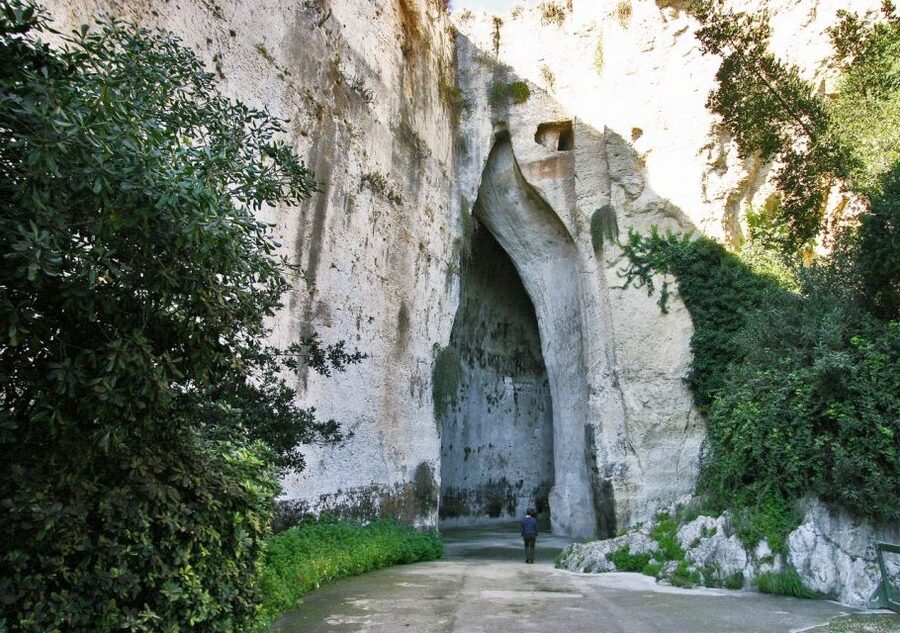
Echoes in Syracuse don’t lie. This private Archaeological Syracuse: Neapolis Park walking tour is built around the big-ticket sights of ancient Greek Syracuse, with a licensed guide who helps you connect the monuments to the people who used them. If you’re into atmosphere and storytelling, the highlight is the famous Ear of Dionysius in the quarries, where the shape and sound are part of the experience.
I also like the way the route strings together viewpoints, religion, and entertainment in just about 105 minutes. You’ll pause for the views over the bay from the theatre area, then move through stone quarries and grottoes before ending in the Roman amphitheater. One thing to consider: park entry is not included unless you select the ticket option, and the Greek Theatre can be covered during spring and sometimes summer when it’s used for plays and concerts.
In This Review
- Key Highlights You’ll Actually Notice
- Neapolis Park in 105 Minutes: A Smart Route for First-Timers
- Where You Meet (and How to Find Your Guide)
- Latomie del Paradiso: Walking an Ancient Quarry Garden
- What you’ll like here
- Grotta del Salnitro: Saltpeter and Rope-Making Work
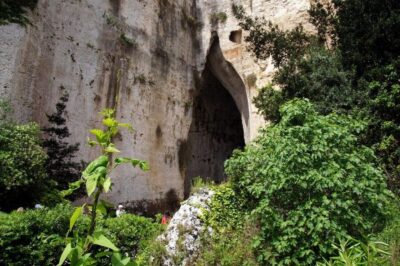
- Ear of Dionysius: The Quarry Grotto Built for Acoustics
- Greek Theatre on Temenite Hill: Bay Views and Stage Imagination
- One key logistics note
- Altar of Hieron II: Where Ritual Meets Power
- Roman Amphitheater: Ending on Echoes
- Price and Tickets: Is This Worth $215.24?
- Ticket tip you shouldn’t ignore
- How the Guide Makes It Better (Especially If You Ask Questions)
- What to Bring, What to Expect on Foot
- Who This Tour Fits Best
- Should You Book This Private Neapolis Park Tour?
- FAQ
- How long is the Archaeological Syracuse: Neapolis Park private tour?
- Where does the tour start?
- What stops are included during the walk?
- Is the park entrance fee included?
- What languages are available for the live guide?
- Is this tour wheelchair accessible?
- What should I bring and what’s not allowed?
Key Highlights You’ll Actually Notice
- Ear of Dionysius: go into the quarry grotto known for its unusual acoustics
- Latomie del Paradiso: walk through an ancient stone quarry with striking local flora
- Greek Theatre viewpoints: carved into Temenite Hill with bay views over Syracuse
- Grotta del Salnitro: see the quarry areas tied to saltpeter and rope-making work
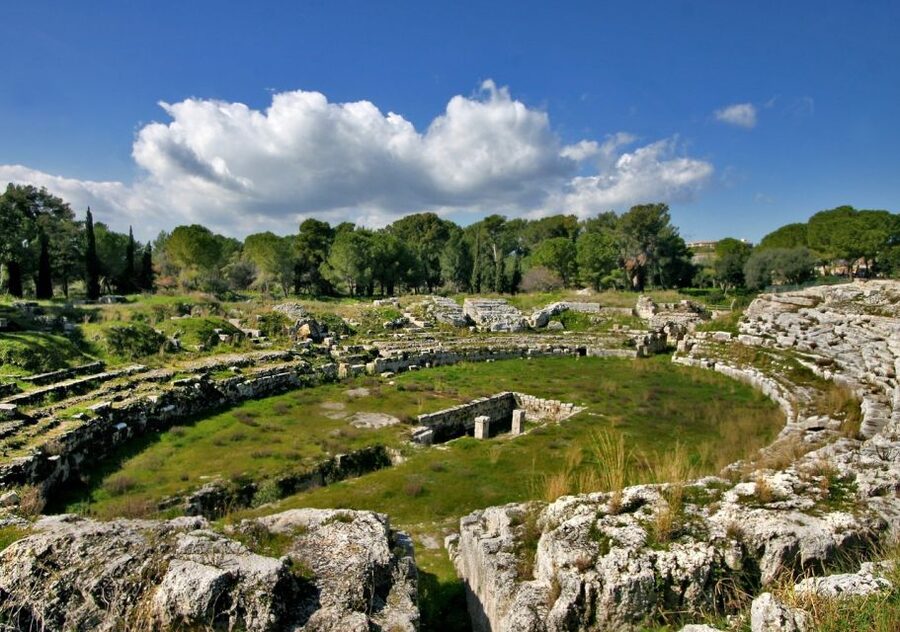
- Roman Amphitheater finish: end with echoes of gladiator-era spectacle
- English, Italian, German guidance: praised for answering questions and explaining context
Deeper into Ortigia and old Syracuse
- Syracuse: Boat Tour with Captain Mirko, Snorkeling & Caves
★ 4.7 · 746 reviews - Siracusa: Ortigia Boat Tour with Marine Grotto & Snorkeling
★ 4.7 · 726 reviews - Siracusa: Ortigia & Sea Caves Boat Tour w/ Prosecco & Fruit
★ 4.8 · 723 reviews - Syracuse: Ortigia Island & Sea Cave Boat Tour with Prosecco
★ 4.7 · 418 reviews
Neapolis Park in 105 Minutes: A Smart Route for First-Timers
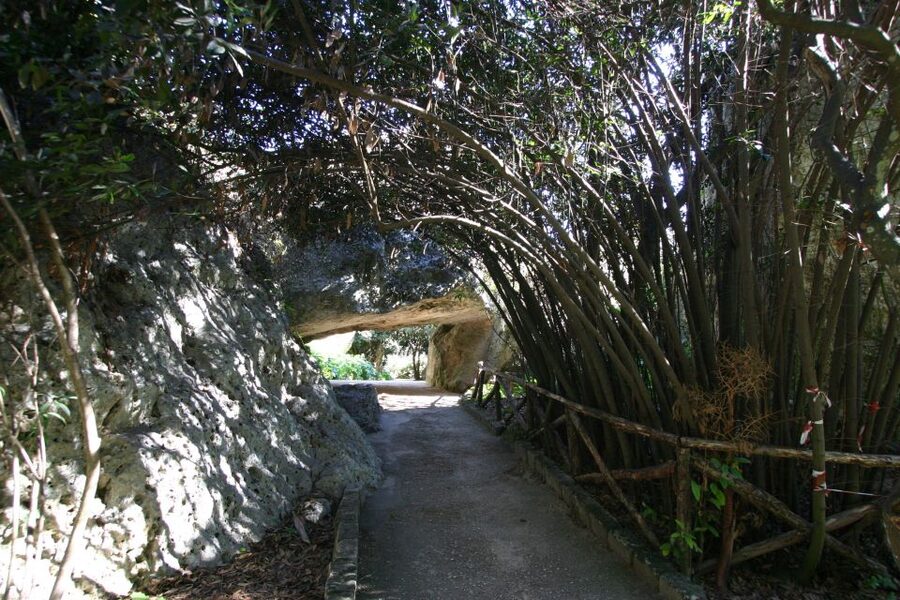
Neapolis Archaeological Park is one of those places where you can wander for hours and still feel like you’re seeing “rocks with letters.” A private guide fixes that. The pace here is designed for a walking loop that hits the most memorable zones without turning the visit into a stamina test.
You start at the meeting point in the Largo Anfiteatro area (Largo Anfiteatro, 2). From there, the tour moves through the Latomie quarry landscapes, then into the ear grotto and the theatre zone, and finally down to the Altar area and the Roman amphitheater. It’s a tidy structure: stone quarry to sound, sound to performance, then performance to ritual and power.
The practical upside is time. If you only have a morning or afternoon in Syracuse, this lets you cover the core highlights in one organized walk, guided in the language you choose (English, Italian, or German).
Where You Meet (and How to Find Your Guide)
Meet at the Largo Anfiteatro area, with the official start connected to the main entrance gate area of Neapolis Archaeological Park. The description points you to Via Romagnoli/Viale Augusto, near a small fountain and behind the San Nicolò ai Cordari medieval church. Your guide carries a Hermes Sicily logo so you can identify them quickly.
If you’re driving or using a taxi drop, plan a little buffer to get oriented. Archaeological sites can feel bigger on a map than they do on foot, and the group is walking, not riding.
Latomie del Paradiso: Walking an Ancient Quarry Garden
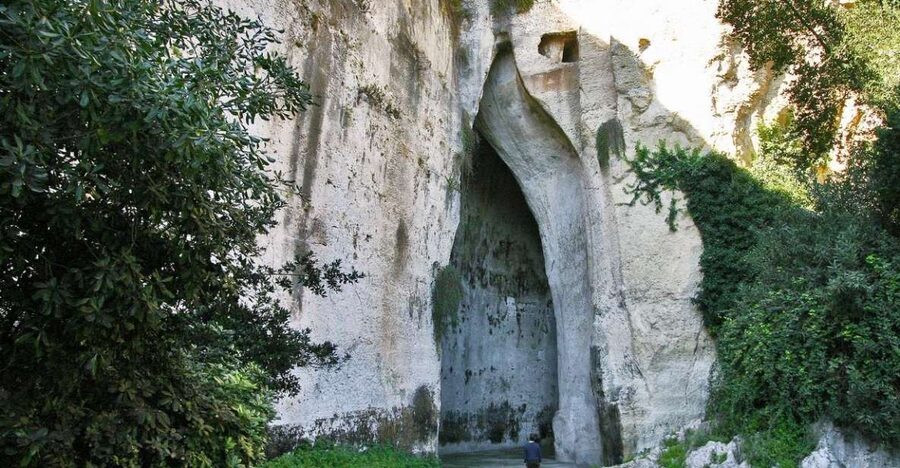
Your tour spends the first stretch in the Latomie del Paradiso, an ancient stone quarry set within the park. This stop is special because it’s not just “industrial archaeology.” It’s a mix of surreal scale and living detail.
The guide’s job is to make the place feel real: where the stone came from, how the quarry space shaped later uses, and why certain spots became known. You’ll be walking on site paths, looking at rock formations and local plants—exactly the kind of contrast that makes Neapolis more than a list of monuments.
What you’ll like here
I like this stop because the quarry is visually strong even before the famous caves. It also sets you up mentally for the next phase—sound and grottos—since the whole area already feels slightly otherworldly.
A few we would gladly point a friend toward in Syracuse

Grotta del Salnitro: Saltpeter and Rope-Making Work
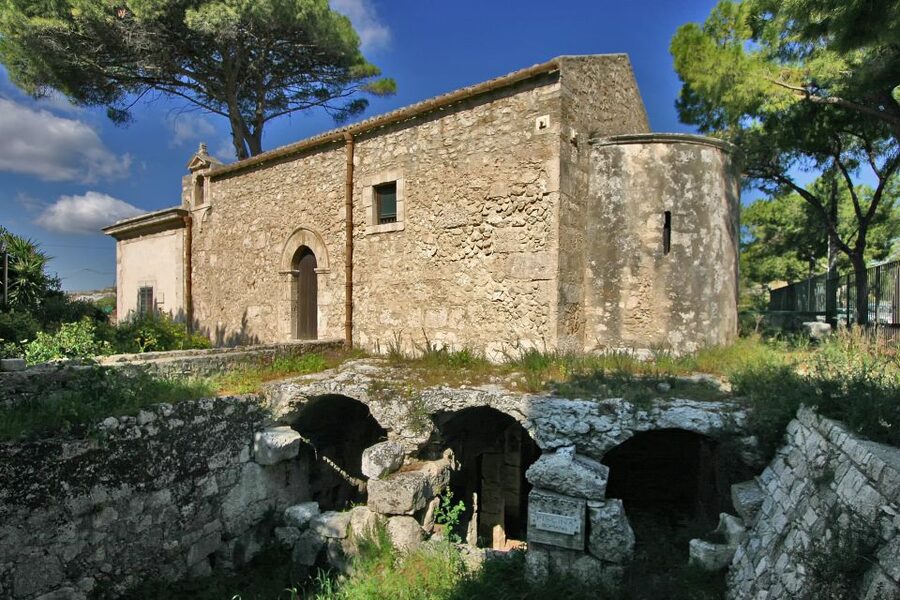
Next comes the Grotta del Salnitro, with time set aside for a guided look (about 15 minutes). This is one of those places where the history is quieter but the implications are huge.
The experience description specifically ties this quarry-zone to practical materials made in ancient life, including references to ropemakers and saltpeter work. That matters because it reframes the site: you’re not only touring Greek and Roman art; you’re seeing how people powered everyday survival and industry.
Ear of Dionysius: The Quarry Grotto Built for Acoustics
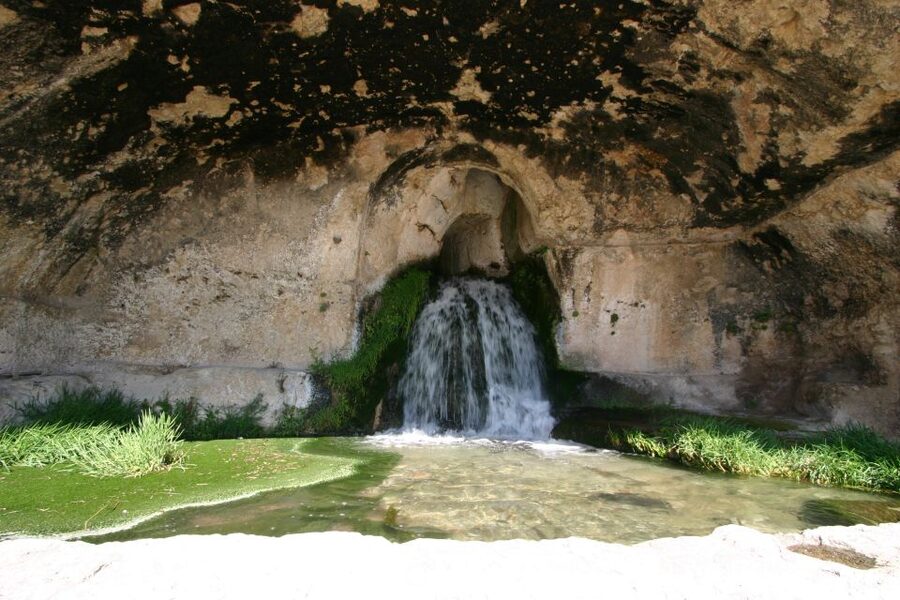
Then you head into the legendary Ear of Dionysius, located inside the quarry area. Expect a guided visit (about 15 minutes) focused on why the spot became famous—its shape and the echoing sounds.
This is the stop where your guide’s explanation really matters. The site is well-known, but without context you can treat it like a photo spot. With a guide, you’ll understand what you’re meant to pay attention to while you’re there—how the grotto works as a sound space, and why people associated it with the legends around Syracuse.
Also, it helps that this tour is private. With a smaller group, you’re less likely to feel rushed or jostled while listening for echoes and taking in the grotto’s geometry.
Greek Theatre on Temenite Hill: Bay Views and Stage Imagination
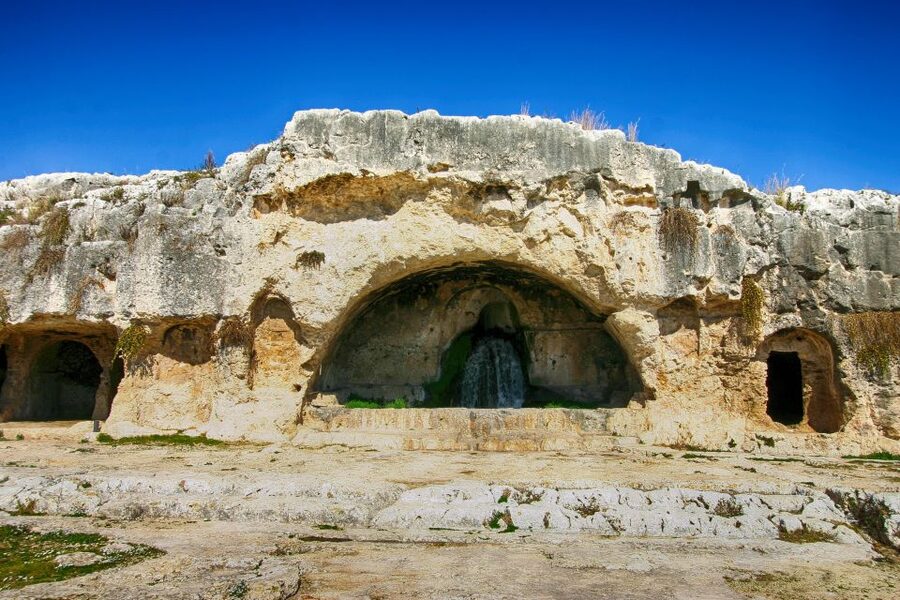
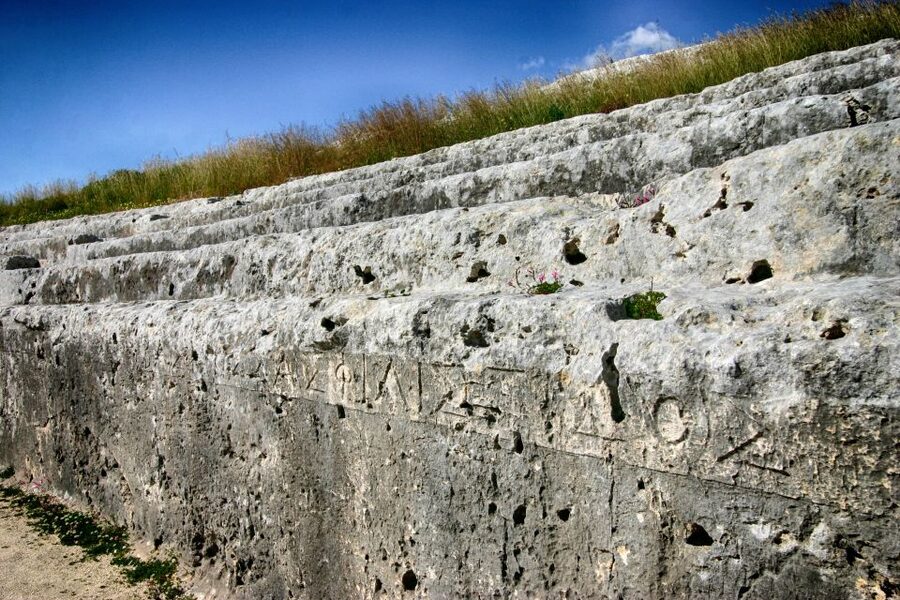
The next highlight is the ancient Greek theatre area, guided for about 20 minutes. The theatre is carved into the rock of Temenite Hill and dates back to roughly the 5th–3rd century B.C.
Even if you know nothing about Greek tragedy or comedy, the building does the teaching. You can see how the setting would shape performances—how the stone holds the theatre space, how sightlines might work, and how the audience would take in the scenery.
On top of that, you get viewpoints. The hill gives you a great view of the bay of Syracuse. Your guide also brings in the Nympheum area, described as an enchanting sanctuary dedicated to ancient water nymphs, which adds a calmer pause in the middle of all the major spectacle zones.
One key logistics note
The Greek Theatre is still used today for classical plays and concerts. During spring and sometimes summer, it may be covered for those events. If you’re hoping for an exact view of the open theatre seating, understand that it can change by season and event schedule.
Altar of Hieron II: Where Ritual Meets Power
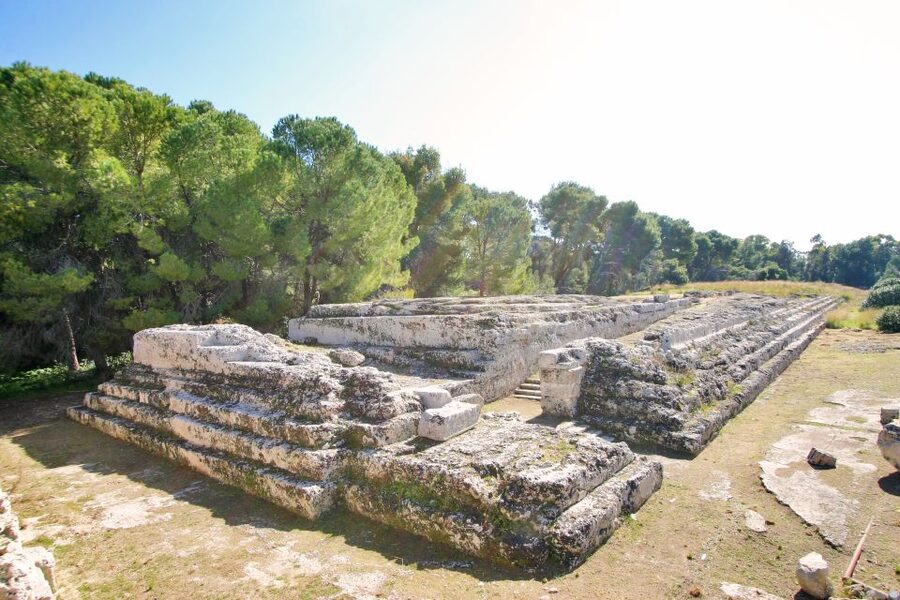
After the theatre zone, the tour moves to the Altar of Hieron II, guided for about 15 minutes. This stop is about solemn ceremony—part of the religious and ceremonial world that surrounded ancient Syracuse.
I like this pause because it balances the louder entertainment theme. A theatre suggests public life. An altar suggests worldview: what mattered, what people offered, and how civic identity tied to religious practice.
Roman Amphitheater: Ending on Echoes
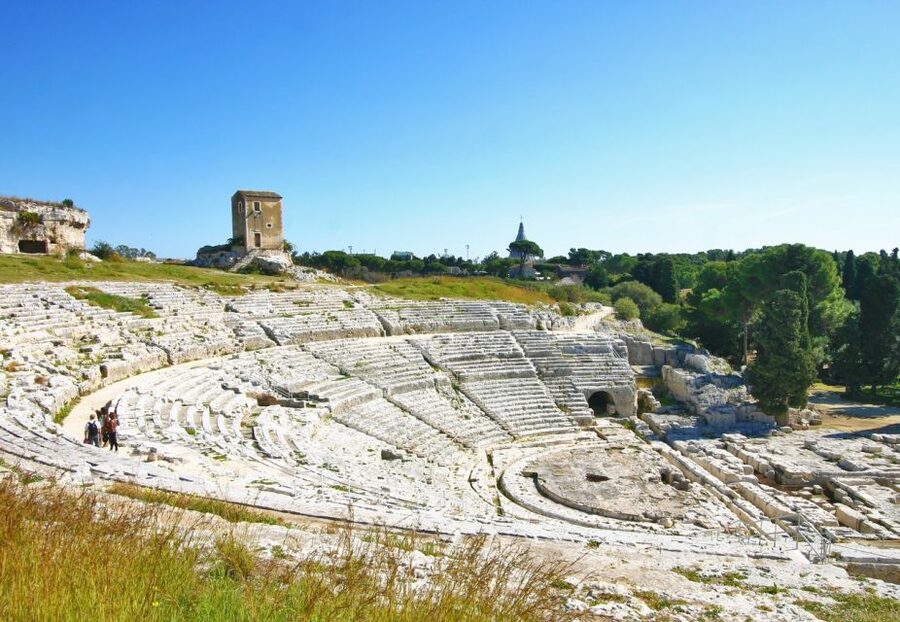
The final major stop is the Syracuse Roman Amphitheater, guided for about 15 minutes. The point here is the shift from Greek theatre to Roman performance culture.
The description emphasizes echoes of gladiators lingering in the air. You don’t need a dramatics degree to feel what they mean—stone architecture tends to carry sound, and the amphitheater shape was designed for spectacle. It’s a good finish because it ties back to the theme of performance, but in a different Roman style.
Price and Tickets: Is This Worth $215.24?
This private service is priced at $215.24 per group up to 15, with the duration running about 1.5 hours (105 minutes). That price can feel steep if you think in per-person terms—but the “per group” structure changes the math fast.
Here’s the practical way to decide:
- If you’re traveling with a small group (family, friends), you may find this becomes good value compared with multiple separate guides or self-guided confusion.
- If you’re traveling solo, it’s still reasonable if you truly want expert context at the Ear, quarries, and major monuments. Those are the spots where a guide’s explanation improves what you see.
- If you’re choosing between “tour only” and “tour + tickets,” factor the park entry fee into your total. The base entry fee is not included unless you pick the ticket option.
Ticket tip you shouldn’t ignore
Visitors up to 17 years have free entrance to the park, but free entrance is available only at the ticket office. If you or your group qualifies, don’t select the ticket-included option. Bring the right ID documentation (passport or ID card) for registration at the ticket office.
How the Guide Makes It Better (Especially If You Ask Questions)
The big theme in the guide feedback is that they’re not just reciting dates. One guide you might encounter is Eva, and another name that comes up is Ava. Both are described as extremely knowledgeable and pleasant to spend time with, with strong answers to questions.
That matters because the Neapolis sites are layered. You’re looking at Greek structures, Roman reuse, and quarry-world spaces at the same location. A good guide helps you connect what you’re seeing—like why the Ear is placed in that quarry setting and how the theatre zone relates to the rest of the park.
Also, the tour language options (English, Italian, German) are a real advantage. When you’re speaking your own language, you tend to ask better questions without feeling self-conscious.
What to Bring, What to Expect on Foot
This is a walking tour. Bring comfortable shoes. That’s not just generic advice: you’ll be moving between quarry areas and monuments within Neapolis, and uneven surfaces are common on archaeological ground.
The tour is listed as wheelchair accessible, which is a big plus. Still, if someone in your group uses a wheelchair, you may want to ask how routes work on the day, since old sites can have constraints that aren’t obvious on paper.
No smoking is allowed.
Who This Tour Fits Best
This private Neapolis Park tour works well if you:
- Want the main Syracuse highlights without trying to piece together the park alone
- Like explanation as you walk, not at the end of the day
- Are traveling with a group that benefits from a single guide (up to 15 for this private group price)
It’s also a strong choice for history-minded visitors who want the Greek-to-Roman progression in one compact loop.
Should You Book This Private Neapolis Park Tour?
I’d book it if you want a guided path through the highest-impact Neapolis stops: Latomie del Paradiso, Grotta del Salnitro, the Ear of Dionysius, the Greek Theatre viewpoints, the Altar of Hieron II, and the Roman Amphitheater. The structure is efficient, the guide support is the real value, and the pacing suits a 105-minute time window.
I might hesitate if you only need a casual photo walk, or if the Greek Theatre being covered during performances would ruin your ideal view. And if you’re trying to minimize costs, be sure you factor in the park entrance fee—tickets are only included if you select that option.
If you’re in the sweet spot—time-limited, curious, and traveling in a group—this is one of the easiest ways to make Neapolis click.
FAQ
How long is the Archaeological Syracuse: Neapolis Park private tour?
The tour lasts about 1.5 hours, which is listed as 105 minutes.
Where does the tour start?
It starts at the Neapolis Archaeological Park main entrance gate area near the small fountain behind the San Nicolò ai Cordari medieval church, connected to the Largo Anfiteatro, 2 meeting point. Your guide will have a Hermes Sicily logo.
What stops are included during the walk?
You visit Latomie del Paradiso, Grotta del Salnitro, the Ear of Dionysius, the Greek Theatre, the Altar of Hieron II, and the Roman Amphitheater, then return to the starting meeting point.
Is the park entrance fee included?
Entry tickets are included only if you select the option tour + tickets. Otherwise, you should purchase the entrance tickets at the entrance.
What languages are available for the live guide?
Live guides are available in English, Italian, and German.
Is this tour wheelchair accessible?
Yes, the activity is listed as wheelchair accessible.
What should I bring and what’s not allowed?
Wear comfortable shoes. Smoking is not allowed.
More Tours in Syracuse

More Tour Reviews in Syracuse
More of Syracuse and Ortigia
Just added: the newest Syracuse tours in our notebook
- Tour of Syracuse by Ape Calessino★ 3.0 · 3 reviews
- Syracuse Showdown Scavenger Hunt★ 5.0 · 3 reviews
- Sicily Boats Avola: Plemmirio boat tour 4 people 4 hours★ 5.0 · 3 reviews
- Groovy Geneva Scavenger Hunt★ 5.0 · 3 reviews
- Syracuse: Ortigia & Sea Caves Boat Tour with Local Skipper★ 5.0 · 3 reviews
- Siracusa: Neapolis’s Archaeological Park small group tour★ 5.0 · 3 reviews
Syracuse & Ortigia, compared.
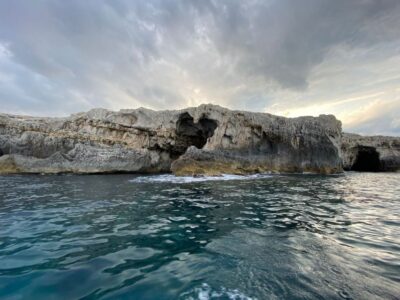 ★ 4.7Syracuse: Tour of Ortigia Island & Caves with Local SkipperFrom $231,060 reviews
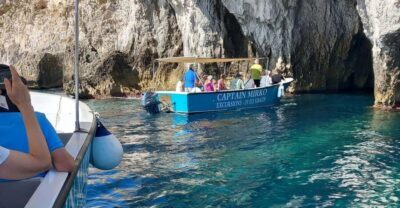 ★ 4.7Syracuse: Boat Tour with Captain Mirko, Snorkeling & CavesFrom $35746 reviews
 ★ 4.7Siracusa: Ortigia Boat Tour with Marine Grotto & SnorkelingFrom $47726 reviews
 ★ 4.8Siracusa: Ortigia & Sea Caves Boat Tour w/ Prosecco & FruitFrom $35723 reviews
 ★ 5.0Tour of the island of Ortigia and exploration of sea caves with baths.From $24668 reviews
 ★ 4.7Syracuse: Ortigia Island & Sea Cave Boat Tour with ProseccoFrom $23418 reviews
 ★ 5.0Boat tour of Ortigia Island and sea cavesFrom $24407 reviews
 ★ 4.6Catania: Syracuse, Ortigia, and Noto Tour with BrunchFrom $112404 reviews
Browse the lists this tour appears in