
Reviewed · FARMS
Slowlife Family Farm: From Garden to Table
Wheat to pasta beside ancient stones. This small-group farm visit turns vegetable harvesting and milling into a hands-on Sicilian lunch, all while you walk through a riverside site with roots going back to Greeks and Romans. I especially like the chance to learn the farm’s off-grid slow food approach, and I love that the meal is built from what you gather, plus local wheat, olive oil, and wine. One thing to consider: the experience takes place outdoors with uneven ground, and it’s not set up for mobility impairments.
You’ll meet the team at Via Malta, 7, 96100 Siracusa, and the day is paced by hosts Jess and Carlo who clearly care about the project and the land. Expect a steady mix of guided exploring, cooking work, and tastings—not a quick photo stop. If you’re trying to match a specific schedule, contact first because the calendar may not be updated, and start times can be customized.
In This Review
- Key highlights worth planning for
- Slowlife Family Farm in Sicily: What “From Garden to Table” Really Means
- Price and time: Is $164.26 per person a good value?
- Getting to the farm: Via Malta, Siracusa, and your transport reality
- The garden walk: Rare vegetables, edible wild plants, and real farming technique
- Archaeology and sacred water sites: Greeks, Romans, and the farm’s long memory
- Milling wheat to pasta: A cooking class that starts with the source
- Olive oil and wine tasting: How to taste without overthinking it
- The Sicilian lunch: Gather, cook, and sit down together
- Who should book this Slowlife farm experience?
- Should you book Slowlife Family Farm?
- FAQ
- Where do I meet for the Slowlife Family Farm experience?
- How long does the experience last?
- What’s included in the price?
- Is transport included?
- What should I bring?
- Is the tour suitable for people with mobility impairments?
Key highlights worth planning for
- Garden-to-table lunch with ingredients gathered from the organic vegetable garden and wild edible plants
- From wheat to pasta cooking class, including a milling step and hands-on prep
- Rare local varieties, including the Giant Onion of Giarratana (can reach over 2 kg, and you may taste it if in season)
- Archaeological stops on-site, including altars tied to Greeks and Romans and a historical pantry visit
- Olive oil and local wine tasting paired with the meal you help prepare
- Small group limit (10 people) for a more personal, workshop-style day
Still weighing it up? These Syracuse tours pull the biggest crowds for a reason.
- Syracuse: Boat Tour with Captain Mirko, Snorkeling & Caves
★ 4.7 · 746 reviews - Siracusa: Ortigia Boat Tour with Marine Grotto & Snorkeling
★ 4.7 · 726 reviews - Siracusa: Ortigia & Sea Caves Boat Tour w/ Prosecco & Fruit
★ 4.8 · 723 reviews - Syracuse: Ortigia Island & Sea Cave Boat Tour with Prosecco
★ 4.7 · 418 reviews
Slowlife Family Farm in Sicily: What “From Garden to Table” Really Means
This isn’t a cooking class where ingredients arrive prepped and ready. The whole point is that food starts as a living thing—seed to soil to harvest—then ends up on your plate with context. At Slowlife Family Farm, the day is built around the idea that you taste more when you understand where it came from.
The farm is an off-grid slow food family operation that’s been running for 16 years. They focus on local varieties of vegetables and on supporting nearby producers of wheat, olive oil, and wine. That matters because the “why” behind the cooking is part of the experience. You’re not just learning recipes; you’re learning how a working farm protects plant diversity and keeps traditional food skills alive.
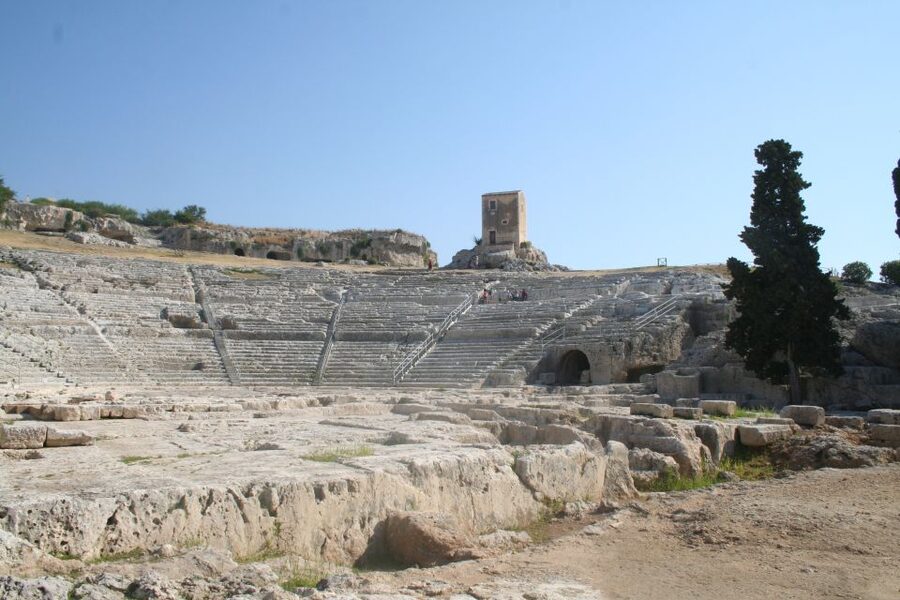
And the setting helps. You’re not in some flat parking-lot studio. The farm sits near a striking riverside canyon area in Sicily, under large trees beside water features that have been used for a very long time. That blend of working land + deep time is what makes the day feel different from the usual eat-and-leave tours.
Price and time: Is $164.26 per person a good value?
At $164.26 per person for about four hours, the cost sits in the mid-to-higher range for Sicily food experiences. The question isn’t only the hourly rate. It’s what you get inside those four hours.
You’re typically receiving:
- A guided archaeological tour with a licensed historical guide
- A nature guide for recognizing wild edible plants
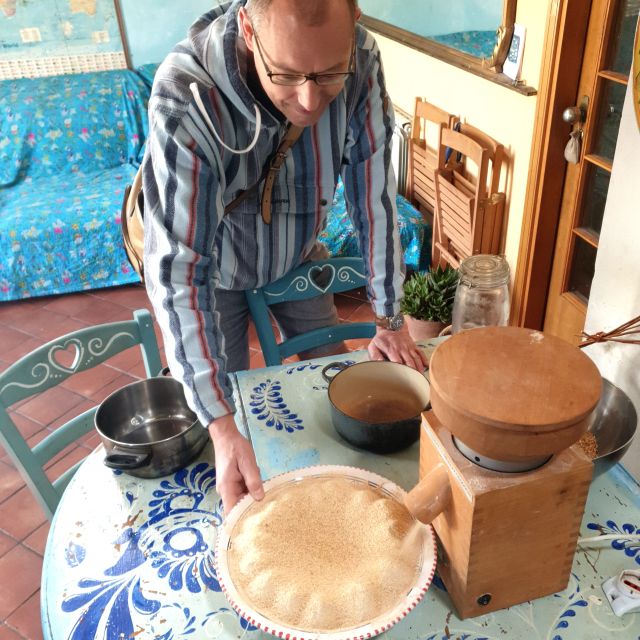
- A full cooking class from milling wheat to pasta
- Olive oil tasting and local wine tasting
- A visit to a historical food and wine pantry
- The farm lunch you prepare together using gathered ingredients
That’s a lot of “included value” for one day. Also, the small group size (limited to 10) means the cooking portion doesn’t turn into a spectator event. If you like active learning and you want the tasting to connect to real ingredients, this price can feel fair.
The main value catch is timing: since start times can be customized and the calendar might not be updated, you’ll get the best value by planning carefully and confirming your time and meeting details in advance.
Getting to the farm: Via Malta, Siracusa, and your transport reality
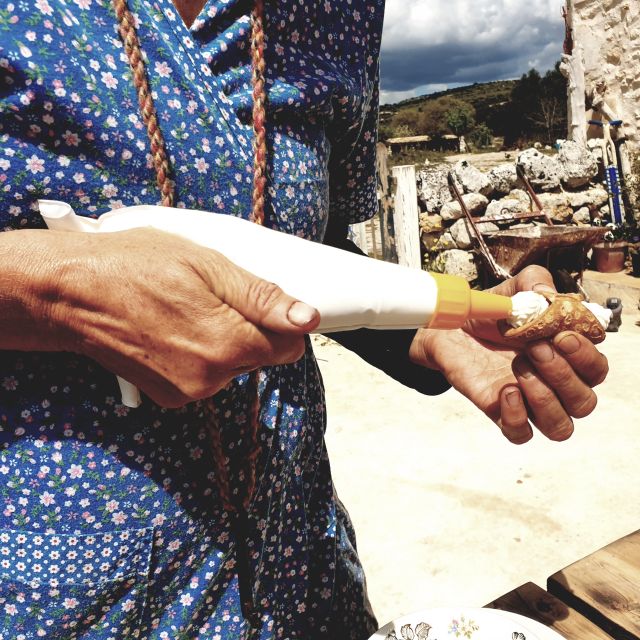
Meet-up is at Via Malta, 7, 96100 Siracusa. The end point returns you to the same meeting place, and the exact meeting spot can be adjusted based on where you’re staying.
Transport isn’t included. That’s common for countryside tours, but it changes your day. If you’re staying in Siracusa, you’ll likely be using a taxi or arranging your own ride. If you’re staying farther out, factor in extra time so you’re not rushing through the first garden walk.
Practical tip: wear shoes you can trust on outdoor paths. You’ll be walking between garden areas, archaeological corners, and the food spaces, and the farm environment isn’t designed for flip-flops.
The garden walk: Rare vegetables, edible wild plants, and real farming technique
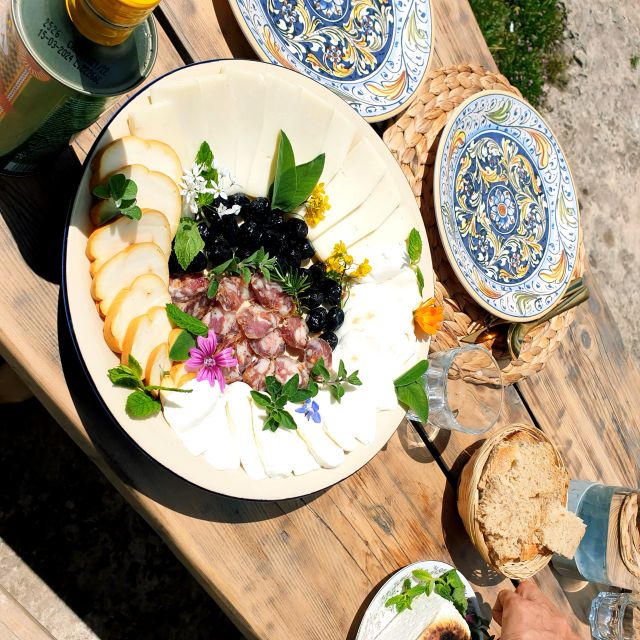
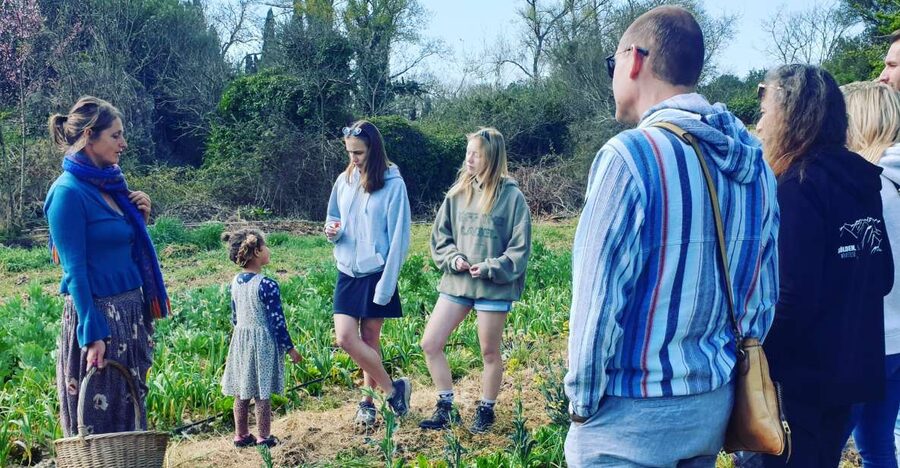
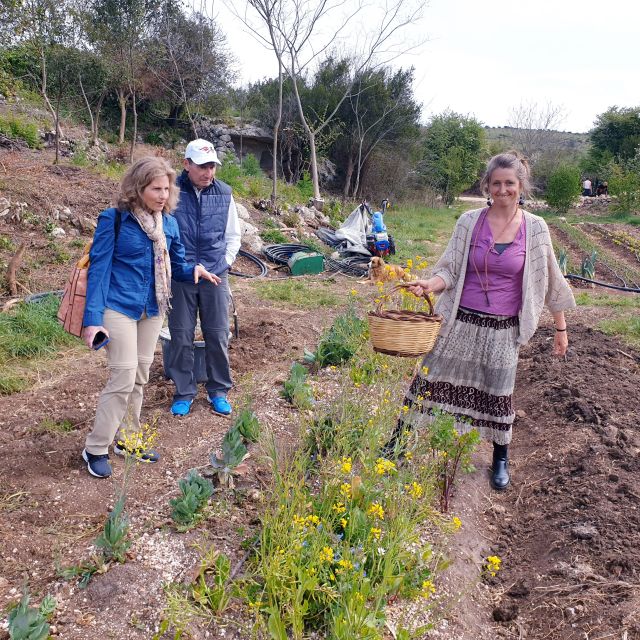
This is where the experience earns its name. You’ll tour the organic vegetable garden and learn the farm’s gardening strategies. The hosts also research slow-food protected vegetable varieties and grow them on-site—so you get to see cultivars that you probably won’t find in a typical market.
A standout example is the Giant Onion of Giarratana, described as an endemic variety that can grow to over 2 kg. If it’s in season, you may even get to taste it. Even if it isn’t available to eat that day, knowing a plant like this is part of local agricultural memory changes how you look at onion on any Sicilian menu.
Then you shift from cultivated beds to the edges of the property, where you learn about wild edible plants. A qualified nature guide handles the recognition portion, which is a big deal. For people who love foraging but don’t want guesswork, this is the safer, guided way to understand what grows around the farm.
What you’ll like most here is the blend of technique and sensitivity. You’re not asked to treat the garden like a theme park. You’re asked to notice soil, seasons, and plant behavior—because those directly affect what shows up later in the lunch.


Archaeology and sacred water sites: Greeks, Romans, and the farm’s long memory
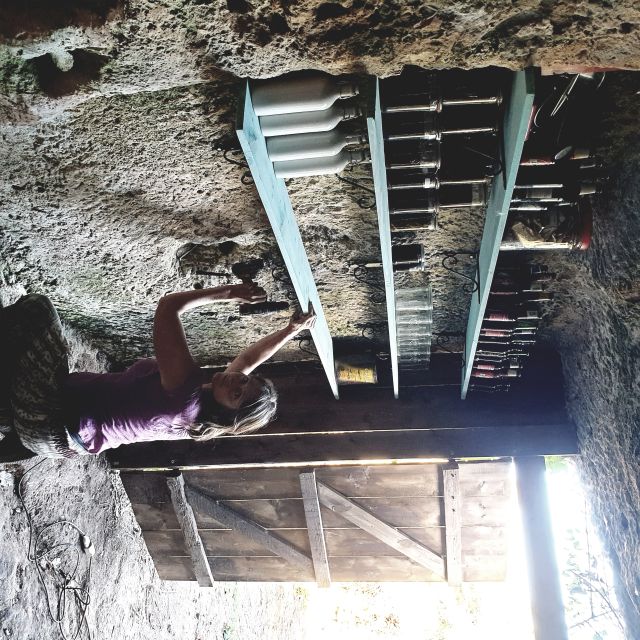
The farm isn’t just agricultural. It has a deep layer of cultural and archaeological meaning.
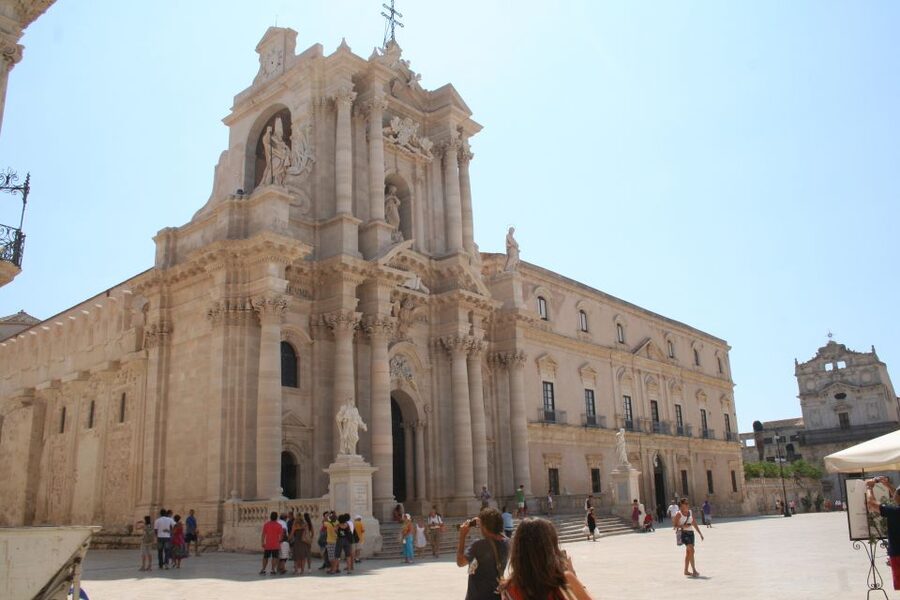
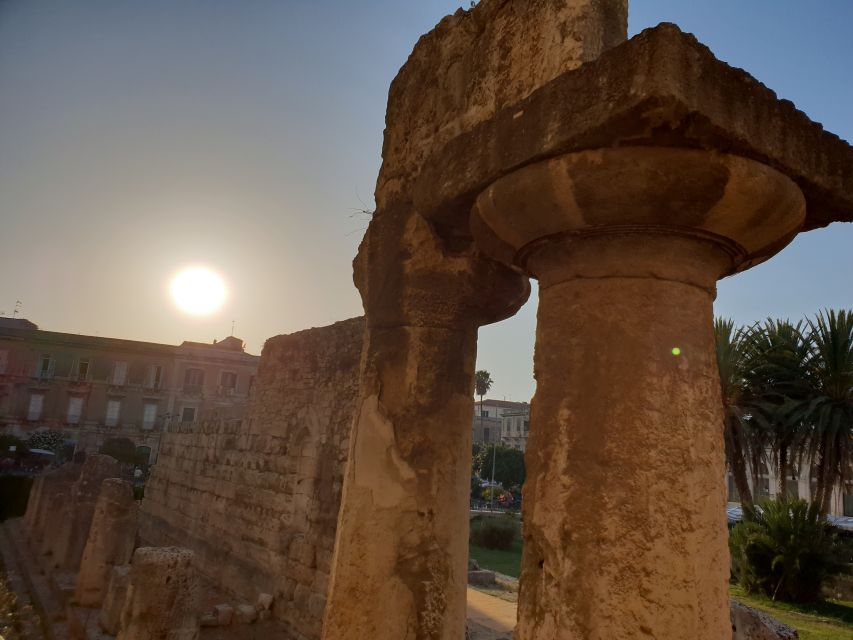
On the property, archaeologists found altars used by Greeks and Romans, and the site has been sacred for over 2500 years. You’ll tour the archaeological sites with a licensed historical guide, so you’re not left piecing together what you’re looking at.
This section can feel surprisingly lively because you’re standing in an active landscape. It’s not a museum floor. It’s a working farm area with ancient markers and a riverside setting that people likely valued for water access long before modern agriculture.
You also visit an ancient water mill under restoration. That’s a smart stop for food lovers. Mills connect directly to why bread and pasta matter in Sicilian life—because they turn grain into something you can cook and share.
Milling wheat to pasta: A cooking class that starts with the source
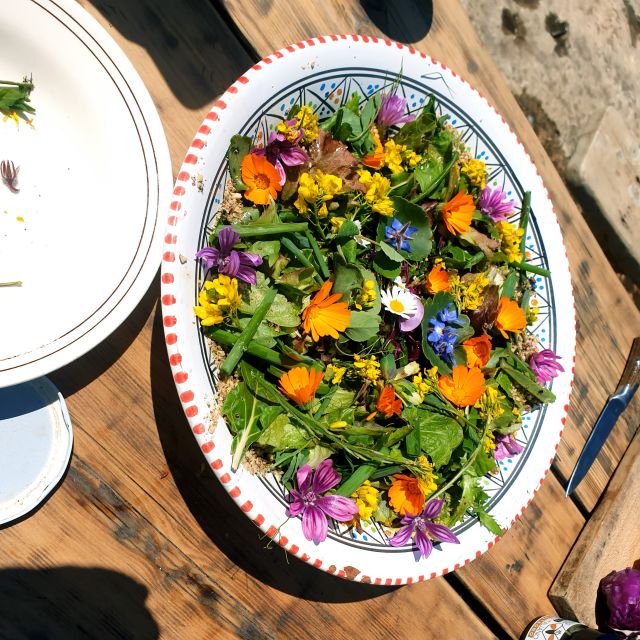
The cooking portion focuses on a simple idea done thoroughly: from milling wheat to pasta. The farm uses modern tools for this cooking class, but the structure is still rooted in the steps that make flour meaningful.
Here’s what makes this part valuable for your own trip planning: you get more than a finished plate and a recipe card. You learn how grain becomes pasta. That helps you understand the texture, flavor, and effort behind Italian food. And it gives your meal a story you can tell later.
You’ll also see how ingredients from the farm connect to the cooking process. In practice, that means your lunch doesn’t just taste good; it feels earned because you helped create it from start to finish.
There’s also a small but memorable detail: the day includes a historical food and wine pantry visit. Even if you’re not a pantry-nerd, it helps explain why preserving foods and pairing them with local drink traditions are part of the same local culture.
Olive oil and wine tasting: How to taste without overthinking it
You’ll taste local olive oil and local wine during the experience. The point here isn’t complicated theory. It’s learning to notice the same flavors you’ve been seeing in the garden and cooking.
Olive oil tasting works best when you connect it to what’s on your plate. That’s exactly how Slowlife sets it up: your lunch comes from what you helped gather and prepare, and the tastings happen inside that food context.
As for wine, having it local to the region keeps the tasting grounded. You’re not trying to memorize a vineyard label; you’re understanding what Sicilian wine culture tastes like alongside real farm cooking.
If you like your food experiences hands-on and grounded, this pacing is a plus. The tastings don’t feel like an add-on; they land naturally within the meal arc.
The Sicilian lunch: Gather, cook, and sit down together
The lunch is prepared together as a group using:
- Ingredients gathered from the organic vegetable garden
- Wild edible plants found with the nature guide
- Core local staples like wheat, olive oil, and wine tied to regional producers
This is the stage where everything clicks. The garden walk turns into a plate. The milling lesson turns into pasta you made. The tastings become part of the meal instead of something you do on the side.
It’s also a good reminder of what “slow food” tends to mean in real life: you’re not just eating fast or consuming quickly. You’re learning rhythms—harvest timing, food preparation, and shared meals.
And yes, you’ll get that satisfaction that comes from building something yourself. Even the process feels like part of the meal.
Who should book this Slowlife farm experience?
You’ll likely enjoy this most if you:
- Want a hands-on cooking day rather than a sit-and-watch class
- Care about local food traditions, including wheat, olive oil, and wine
- Like outdoor exploring combined with structured guidance (archaeology + wild plants)
- Prefer small groups (10 people max) so you get real interaction
You might want to skip or choose something else if:
- You have mobility issues, since the tour isn’t suitable for people with mobility impairments
- You want strictly indoor, air-conditioned experiences
- Your schedule is tight and you don’t plan to confirm start times and details in advance (the calendar may not be updated)
Should you book Slowlife Family Farm?
I’d book it if your ideal Sicily day includes real food work, not just food consumption. The best part is the connection: garden to cooking, cooking to tastings, and all of it anchored by archaeology and a living landscape.
Two quick decision helpers:
- If you love the idea of learning how wheat becomes pasta and you’re excited to taste what grows on the farm, this is a strong match.
- If you’re coming for a fast city-style experience with minimal walking, you’ll probably find the outdoors and farm pace a bit much.
One final practical note: contact the local partner before locking anything in. Start times can be customized, meeting details can shift based on your accommodation, and the calendar isn’t always current. Do that, and you’ll set yourself up for a satisfying, memorable Sicily food-and-land day.
FAQ
Where do I meet for the Slowlife Family Farm experience?
You meet the local guide at Via Malta, 7, 96100 Siracusa. An alternate meeting point may be decided based on your accommodation.
How long does the experience last?
The experience lasts about 4 hours. Start times depend on availability.
What’s included in the price?
The price includes a licensed historical guide for the archaeological tour, a qualified nature guide for wild edible plant recognition, access to the organic vegetable garden, a visit to the historical food and wine pantry, local wine and local olive oil tasting, and a cooking class from wheat to pasta.
Is transport included?
No. Transport is not included, so you’ll need to arrange a taxi or pick-up and drop-off on your own.
What should I bring?
Bring comfortable shoes, a sun hat, and water.
Is the tour suitable for people with mobility impairments?
No. This activity is not suitable for people with mobility impairments.
More Tour Reviews in Syracuse
Just added: the newest Syracuse tours in our notebook
- Tour of Syracuse by Ape Calessino★ 3.0 · 3 reviews
- Syracuse Showdown Scavenger Hunt★ 5.0 · 3 reviews
- Sicily Boats Avola: Plemmirio boat tour 4 people 4 hours★ 5.0 · 3 reviews
- Groovy Geneva Scavenger Hunt★ 5.0 · 3 reviews
- Syracuse: Ortigia & Sea Caves Boat Tour with Local Skipper★ 5.0 · 3 reviews
- Siracusa: Neapolis’s Archaeological Park small group tour★ 5.0 · 3 reviews
Farms, compared.
 ★ 4.0Alcamo Farm Animals and Aromatic GardenFrom $4245 reviews
 ★ 5.0Catania: Pozzo di Gaspare Farm Guided Tour with TastingsFrom $4134 reviews
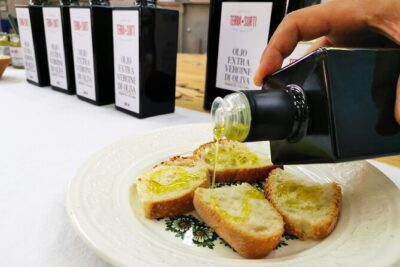 ★ 5.0Visit to the olive grove, oil tasting and lunch at the farmFrom $7831 reviews
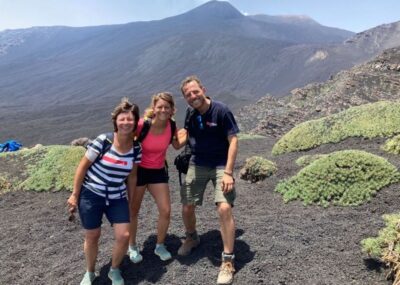 ★ 4.6Catania: Guided Tour of Etna with Farm Visit & Food TastingFrom $8130 reviews
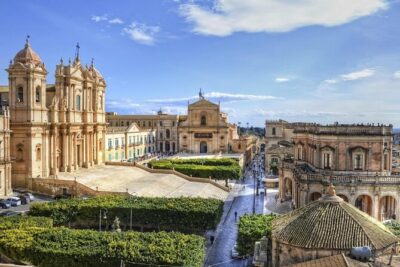 ★ 5.0Food Experience at our Farm in Noto HillsFrom $14817 reviews
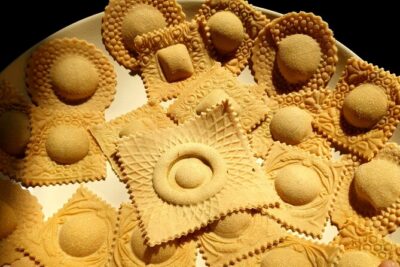 ★ 5.0Slowlife Family Farm- Cook with us From Garden to Table SyracuseFrom $18010 reviews
 ★ 5.0Private Etna tour and pistachio lunch in a pistachio farmFrom $3007 reviews
 ★ 5.0Etna private tour in 4×4 & Sicilian food farm experienceFrom $1507 reviews
Browse the lists this tour appears in