
Reviewed · CATANIA TOURS
Catania: Pozzo di Gaspare Farm Guided Tour with Tastings
The hand-dug well alone is worth the trip. I love that you walk the groves and follow the story from flowering trees to harvest, and I also love the way the tasting turns farm work into something you can taste right away. One thing to plan for: you’ll need your own transport since the tour doesn’t include pickup from Catania.
In This Review
- What You’ll Get in 2 Hours
- Key Points You Should Know Before You Go
- The Hand-Dug Pozzo di Gaspare Well Sets the Tone
- How the Farm Grows Blood Oranges, Almonds, and EVO Olives
- When to time it for the flowers
- Zagara Orange Blossoms: Why Smell Matters in Farm Life
- Seeing Harvest as a Process, Not a Movie Scene
- The Ancient Well Again, but With Modern Reality
- EVO Oil Tasting: Why the Olive Story Changes Your First Sip
- The Food Moment: Cheese, Cured Meats, and Blood Orange Salad Energy
- Views Over Catania’s Plain Make It Easier to Stay Present
- Price and Value: Is $41 Worth Two Hours Outdoors?
- What to Bring (So You Don’t Rush the Best Parts)
- Who This Tour Fits Best
- Should You Book Pozzo di Gaspare with Tastings?
- FAQ
- How long is the Pozzo di Gaspare farm guided tour?
- What’s included in the tastings?
- Do I need my own transportation to reach the farm?
- Where do I meet for the tour?
- Is the tour offered in English?
- What should I bring for the visit?
- When is the best time to visit for flowers?
- What can I see during the tour besides the tasting?
- Can I cancel and get a refund?
What You’ll Get in 2 Hours
This is a tight, 2-hour guided loop around a working, family-run farm making extra virgin olive oil, blood oranges, and almonds. The owner and guide, Giuseppe, brings the place to life with clear explanations in English, and the food at the end is more than a quick sample. If you’re only chasing classic tourist sights, this will feel slower and more rural than the city.
What else Catania has going on
- Catania: Mount Etna Morning or Sunset Day Trip with Tasting
★ 4.8 · 4,028 reviews - Catania: Sunset Jeep Tour of Mount Etna and Lava Flow Caves
★ 4.8 · 2,113 reviews - Catania: Etna Sunset Tour with Pickup and Drop-off
★ 4.8 · 1,348 reviews - Etna Sunset Tour: Volcano trek, Cave & tasting from Catania
★ 4.8 · 1,290 reviews
Key Points You Should Know Before You Go
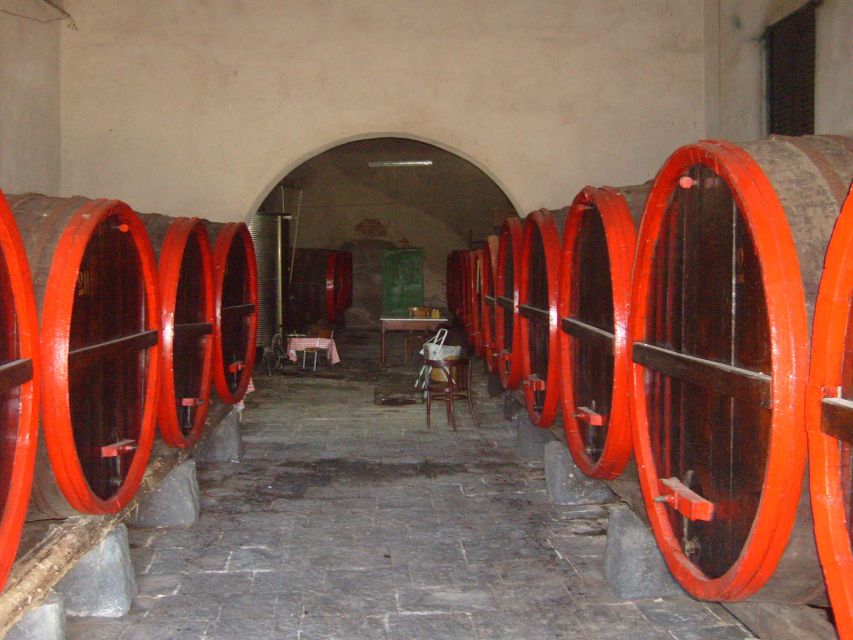
- A hand-built, 18th-century well: dug by hand and still functioning, with lava-stone galleries inside
- Etna-based EVO oil: learn how the farm grows olives and what goes into the oil you taste
- Seasonal orchard views: see Zagara orange blossoms and almond and olive bloom when timing is right
- Giuseppe as your guide: energetic owner-led context, not generic facts
- A real tasting, not just nibbles: EVO oil plus local cheeses and cured meats
The Hand-Dug Pozzo di Gaspare Well Sets the Tone
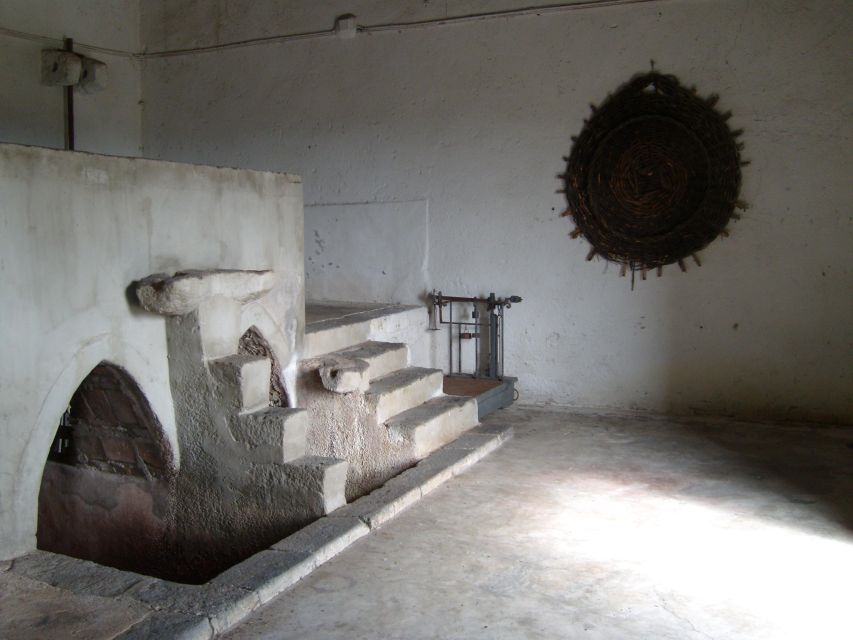
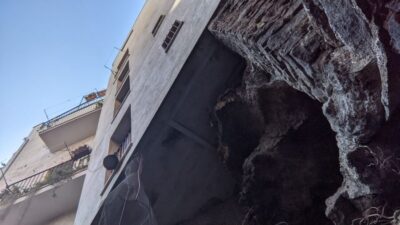
Start at the farm entrance gate and you’re already in the right mindset: this isn’t a staged attraction. The heart of the place is the old well named in the property’s story, dug by hand at the end of the 18th century to supply water to the adjacent farmhouse. It’s about 20 meters deep, and inside are lava stone galleries built by master builder Gaspare.
Even if you don’t care about architecture, the well explains something practical: on Sicily’s volcanic slopes, water is never an abstract concept. It’s the reason irrigation systems were engineered over generations, and it’s the reason a working farm still matters. When Giuseppe points out how the well helped the farmhouse survive and function, you understand the long view behind modern farming choices.
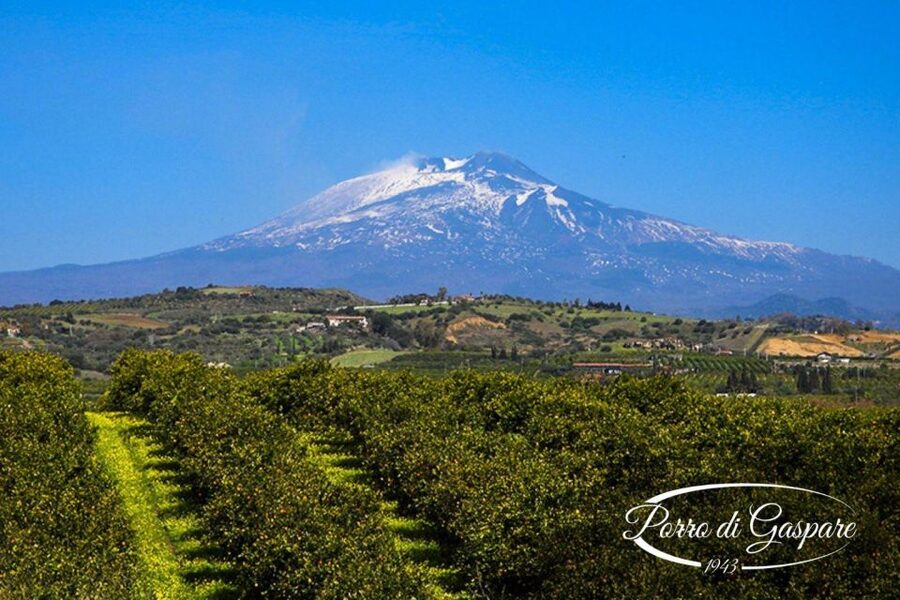
You’ll also get views of the Catania plain and the sense that the farm sits in a living agricultural landscape, not behind a fence somewhere. Comfortable shoes help here because you’ll walk through outdoor spaces with real ground underfoot.
How the Farm Grows Blood Oranges, Almonds, and EVO Olives
The property spans 42 hectares in the Catania plain, in the area of Motta S. Anastasia. It’s family-run for over 80 years, and since 1943 it has produced extra virgin olive oil from Etna, blood oranges, and almonds. That mix is part of why this tour works: you’re not just seeing one crop. You’re seeing how different trees mark different seasons, and how a farm keeps momentum when the calendar changes.
Giuseppe walks you through the orchard cycle in plain language: blossom time, growth, and harvest. The farm’s guide is built around what you can actually see during your visit, not just a slideshow.
When to time it for the flowers
If you can, aim for March through May. This is the window for the white, fragrant Zagara orange blossoms, plus olive tree flowers and almond blooms. On a good day, you’ll see a lot at once, which makes the tour feel especially vivid. The tour notes also focus on this bloom period, so you’ll get the most “aha” moments when the trees are doing their spring work.
If you come outside the bloom season, the tour still makes sense because the explanations connect seasons to what you eat later. But you’ll miss that best-of-spring visual payoff.
A few we would gladly point a friend toward in Catania



Zagara Orange Blossoms: Why Smell Matters in Farm Life
One of my favorite parts of this experience is how you learn through senses. During the March to May window, the farm highlights Zagara (orange blossoms) with their white flowers and fragrance. Smell sounds small, but it helps you understand the timing. Orchards aren’t just photos on a screen. They respond to weather, pollination, and season cues that farmers watch closely.
In practice, this means the guide can talk about flowering and what it signals for the next steps—things like fruit set and harvest planning. It’s also where the tour becomes more than “look at trees.” You start thinking about why farmers care so much about small windows of time.
Seeing Harvest as a Process, Not a Movie Scene
After flowers, the tour moves into the practical side: how you harvest and how the farm stays organized across seasons. You won’t be watching machines in action the way you might at an industrial facility. Instead, you see farming as a chain of decisions.
That matters for you because it changes how you taste at the end. When you understand how fruit and olives are handled, you stop treating olive oil like a generic condiment. It becomes a product with a specific path from orchard to press.
The Ancient Well Again, but With Modern Reality
The best way to keep this farm tour from feeling like a “history-only” visit is that it brings old infrastructure into a modern conversation. The tour includes viewing the ancient well and farmhouse areas, but the story isn’t frozen in time. Giuseppe also describes challenges modern farms face, especially around water and sustainability.
In fact, one review perspective notes Giuseppe shows both historic irrigation systems and new methods meant to reduce water loss, plus plans for solar power. Even if you don’t care about energy tech, it’s useful to hear how a tradition-focused farm handles today’s constraints. It’s one of the reasons this doesn’t feel like a museum.
EVO Oil Tasting: Why the Olive Story Changes Your First Sip
At the end of the tour, you’ll taste the farm’s EVO oil. This is where the tour earns its keep. Olive oil tasting can turn into a vague exercise if the tour doesn’t connect it to real cultivation. Here, you’ve already walked the orchard, learned about the cycles, and seen the farm’s living system.
Giuseppe’s explanations are practical enough that you’ll likely leave with a better sense of what to pay attention to when you taste. Even if you’re not an olive-oil nerd, you’ll understand that you’re tasting a product grown on the farm and pressed from its own olives.
The oil is served as part of the tasting setup, and you’ll also get fresh bread as a partner. That simple combo matters: bread gives you a baseline flavor so the oil can shine on its own. It also makes the tasting feel like an actual farm table moment, not a formal lecture.
The Food Moment: Cheese, Cured Meats, and Blood Orange Salad Energy
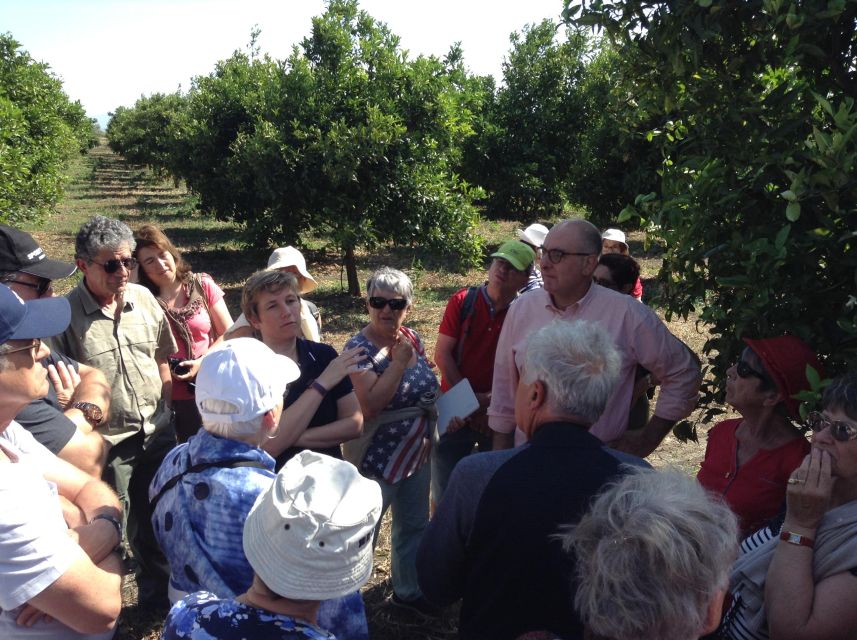
The tasting portion isn’t only EVO oil. You also get local cheeses and cured meats, plus a blood orange salad that shows up as a highlight in multiple visit experiences. This is a clever way to keep the tour balanced: you’ve learned about three crops, so the tasting reflects all three.
Blood oranges bring a bright, slightly aromatic fruit note, which works especially well with salt and fat from cheeses and cured meats. And if you’re the type who loves food with a story behind it, this is satisfying. You’re tasting what the orchards produce, right where they grow.
A few reviews also mention smoked cheese with bitter orange marmalade and that bread gets dipped in rich olive oil with simple seasonings like salt, pepper, and dried oregano. You don’t need to memorize those specifics, but you should recognize the pattern: the food is straightforward and farm-centered. Nothing feels like it’s trying too hard.
Views Over Catania’s Plain Make It Easier to Stay Present
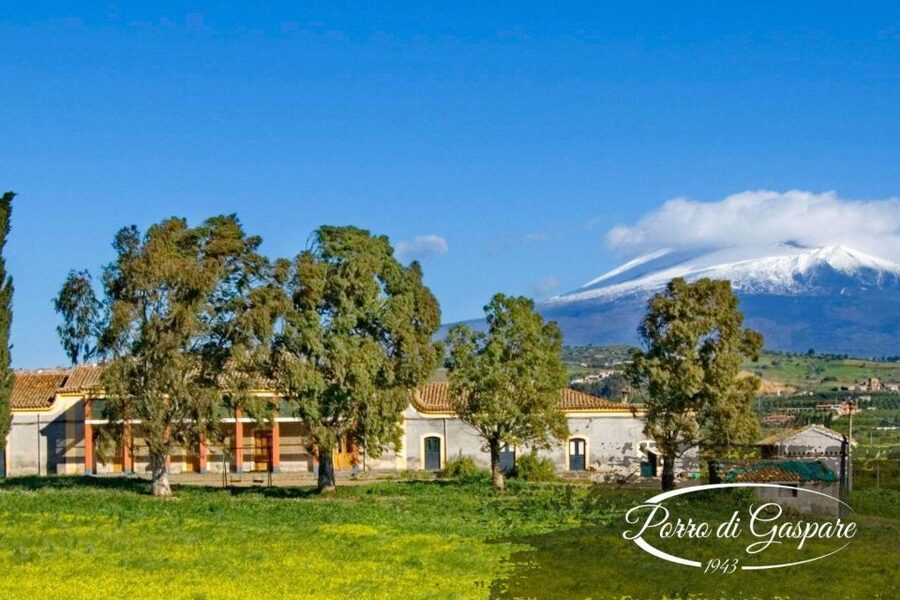
Sicily outside the city can feel like “just countryside” to some people. Here, the setting helps you pay attention. The farm is a few kilometers from central Catania and the airport, so it’s not a day-long road trip. That proximity means you get to slow down without turning the outing into a whole travel mission.
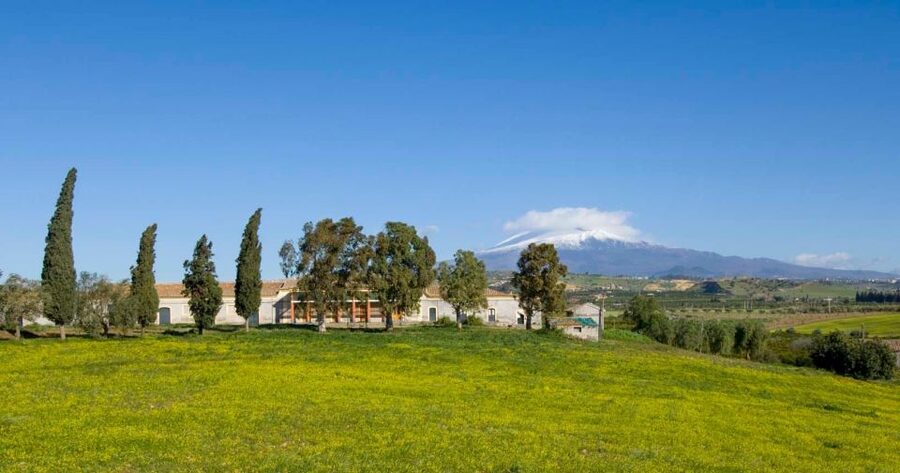
The tour also includes time in outdoor areas where you can look toward the farming landscape and, on clear days, toward Etna in the distance. Even if the view isn’t the main event, it helps you understand that this farm is part of a bigger volcanic ecosystem.
Price and Value: Is $41 Worth Two Hours Outdoors?
At $41 per person for a 2-hour guided experience, the value comes from three things you can’t easily recreate on your own:
First, you’re getting an owner-guided walking tour led in English, so you don’t just see trees—you get the reasoning behind the practices. Second, the tasting includes the farm’s EVO oil plus local cheeses and cured meats, which is more substantial than many “oil tastings” that feel like a snack. Third, you’re visiting a working property with a historic well that still serves a purpose.
If you like food with context, and you want a real sense of how Sicilian farming works beyond the restaurant plate, this is fairly priced. If you’re expecting a high-energy, city-style tour with lots of stops and constant movement, you might want to calibrate your expectations and treat this as a calm, rural experience.
What to Bring (So You Don’t Rush the Best Parts)
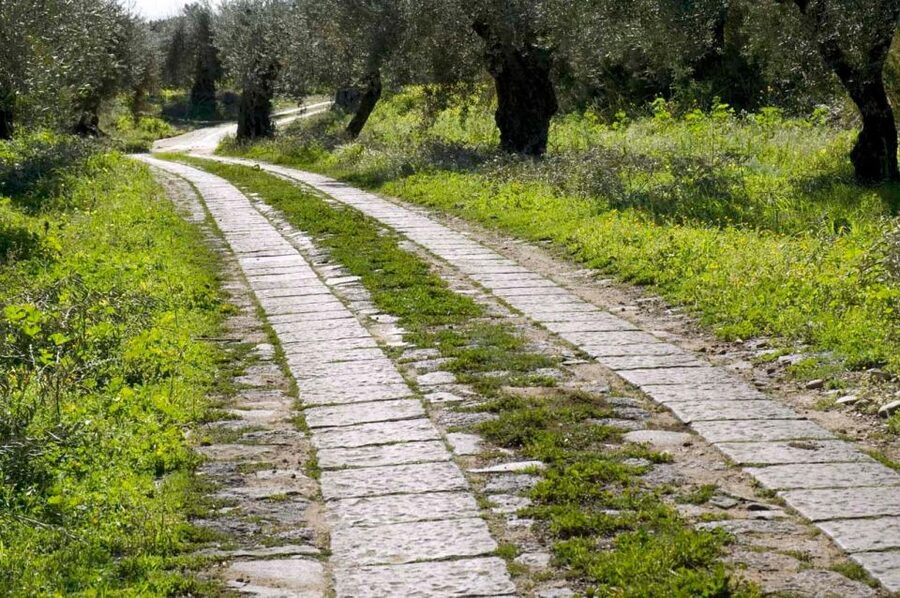
This tour is mostly outdoors, and you’ll walk on farm paths. Bring:
- Comfortable shoes
- Hat
- Camera
- Sunscreen
Those items aren’t “nice to have.” If you’re in sun, shade isn’t guaranteed everywhere on an agricultural property. Comfortable shoes help you keep your attention on the explanations instead of your feet.
Who This Tour Fits Best
I think Pozzo di Gaspare is ideal for you if you want at least one of these:
- You love Sicilian food and want to connect it to where it’s grown
- You enjoy farm stories: seasons, harvest, water, and sustainability
- You like quieter, human-scale experiences led by the person running the place
It’s also a strong choice for families who want something real to talk about later. In multiple visit accounts, people mention the host’s energy and the feeling of sitting together after the walk for a meal-style tasting.
If you only want big famous monuments, this won’t replace a proper Catania day. But it can absolutely add texture to your trip.
Should You Book Pozzo di Gaspare with Tastings?
Yes, if you want an honest, food-focused farm visit that mixes history and present-day farming. Book this when you can handle a short walk, enjoy learning about orchards, and you’d like your meal to come with a direct line to the grove.
I’d especially consider going between March and May for the flowering highlights—Zagara orange blossoms, olive flowers, and almond blooms. Even outside those months, the well, the working farm setting, and the tasting still make sense.
If you do one “far from the city” experience near Catania and you want it to feel personal, this is a smart pick.
FAQ
How long is the Pozzo di Gaspare farm guided tour?
The tour lasts 2 hours.
What’s included in the tastings?
You’ll taste the farm’s EVO oil and also sample local cheeses and cured meats.
Do I need my own transportation to reach the farm?
Yes. Transportation to and from the farm is not included.
Where do I meet for the tour?
You meet at the entrance gate to the farm.
Is the tour offered in English?
Yes, the tour guide offers English.
What should I bring for the visit?
Bring comfortable shoes, a hat, a camera, and sunscreen.
When is the best time to visit for flowers?
March through May is best for seeing blossoms, including Zagara (orange blossoms), olive flowers, and almond flowers.
What can I see during the tour besides the tasting?
You’ll view the ancient well and farmhouse, plus walk through the agricultural processes from blossoming on trees to harvesting.
Can I cancel and get a refund?
Yes. Free cancellation is available up to 24 hours in advance for a full refund.
More Tours in Catania


More Tour Reviews in Catania

Keep Exploring Catania
Just added: the newest Catania tours in our notebook
- Transfer Catania / Agrigento Airport★ 5.0 · 3 reviews
- Sicily private shore excursion – Etna and Taormina with personal driver★ 3.5 · 3 reviews
- Sunset Trekking on Mount Etna★ 5.0 · 3 reviews
- Private Transfer from Catania to Palermo or vice-versa with stop★ 5.0 · 3 reviews
- From Syracuse: Mount Etna Volcano Morning Trekking Tour★ 5.0 · 3 reviews
- Catania: Guided Street Food Tour with Tastings★ 5.0 · 3 reviews
Catania Tours, compared.
 ★ 4.8Catania: Mount Etna Morning or Sunset Day Trip with TastingFrom $704,028 reviews
 ★ 4.8Catania: Sunset Jeep Tour of Mount Etna and Lava Flow CavesFrom $712,113 reviews
 ★ 4.9Catania: Mount Etna Trekking Tour Beyond the Tourist TrailsFrom $811,596 reviews
 ★ 4.8Catania: Etna Sunset Tour with Pickup and Drop-offFrom $711,348 reviews
 ★ 4.8Etna Sunset Tour: Volcano trek, Cave & tasting from CataniaFrom $701,290 reviews
 ★ 4.8Catania: Etna Morning Excursion with Tasting and PickupFrom $711,224 reviews
 ★ 5.0Mt. Etna and Taormina village full day tour from CataniaFrom $1181,155 reviews
 ★ 4.9Catania: Amazing Etna Morning Tour with Pickup and Drop-OffFrom $81799 reviews
Browse the lists this tour appears in