
Reviewed · MOUNT ETNA TOURS & SUMMIT
Sicily: Mount Etna 4×4 Jeep Tour with Lava Caves & Forests
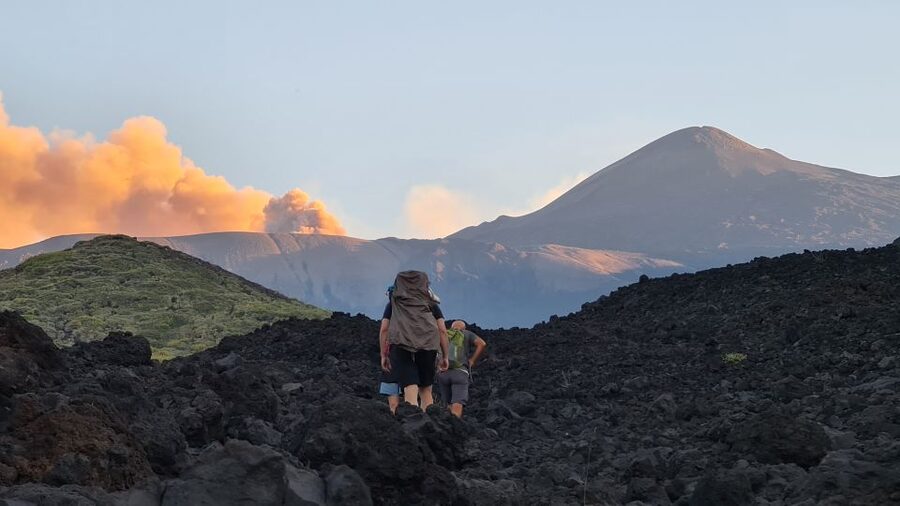
Mount Etna can feel like a theme park—this tour avoids that. You’ll ride a 4×4 where dirt roads cut through chestnut and oak forests, then step into lava-world scenery: a lava front tied to the 2002 eruption, a lava-flow cave at about 1350m, and extinct side craters you reach on foot. For me, the best part is how the day mixes off-road driving with short, satisfying stops so you’re not stuck waiting around.
I also love the human factor. Guides like Giacomo and Marco (and Aron, based on guide feedback) bring real passion for volcanoes and local change over time, not just a script. If you want scenery with context—how eruptions reshape land and even vegetation—this works.
One thing to consider: this isn’t the summit zone tour. The summit area visit isn’t included, and there’s also a 60-minute trekking segment, so pack for walking even though you’re mostly in a jeep.
In This Review
- Key Highlights You’ll Actually Feel
- 4×4 Pickup to Lava Front: How the Day Starts
- The 2002 Lava Front Stop: Why It’s More Than a Photo
- Corruccio Lava Cave at 1350m: Cold, Dark, and Geological
- Piano Provenzana at 1800m: Espresso, Ruins, and a Real Eruption Theatre
- Sartorius Mountains (1700m) and the “Buttonholes” View
- The 60-Minute Trek: Extinct Lateral Craters Done Right
- Wine Roads and Lunch Time: How You Refuel Without Getting Stuck
- Alcantara Gorges: Basalt Canyon Drama
- Guides, Pacing, and Why Private Makes Sense Here
- Price and Value: What $542.03 Buys You
- Who This Tour Fits Best (and Who Should Skip It)
- Should You Book the Mount Etna 4×4 with Lava Caves and Alcantara Gorges?
- FAQ
- How long is the tour?
- Does the tour include a visit to the Mount Etna summit area?
- Is lunch included?
- How long is the trekking portion?
- What should I bring for the trek?
- What languages are the guides available in?
Key Highlights You’ll Actually Feel
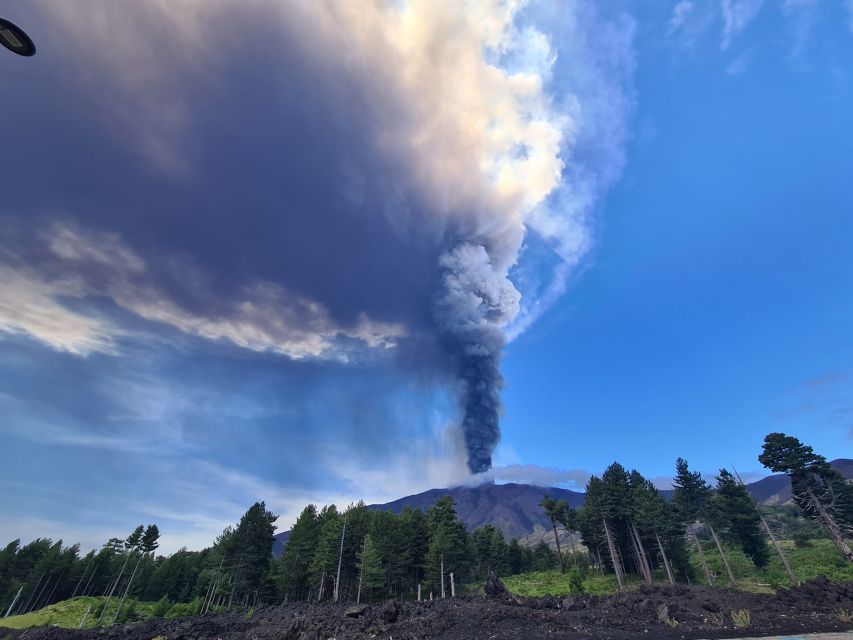
- 2002 eruption lava front at about 1100m: see the scar up close and understand what explosive eruptions leave behind
- Lava-flow cave visit around 1350m: a different kind of “wow” than craters and viewpoints
- 60-minute trek to extinct lateral craters (~1700m): short hike, meaningful payoff
- Piano Provenzana stop at 1800m: espresso break plus ruins of Hotel Le Betulle, destroyed by molten lava
- Sartorius Mountains viewpoints (~1700m): aligned eruptive cones (“buttonholes”) and big-distance views from coast to coast
- Alcantara Gorges: basalt canyon cuts shaped by the Alcantara river, with near-vertical cliffs up to 30 meters
More ways up the volcano from Catania
- Catania: Mount Etna Morning or Sunset Day Trip with Tasting
★ 4.8 · 4,028 reviews - Catania: Sunset Jeep Tour of Mount Etna and Lava Flow Caves
★ 4.8 · 2,113 reviews - Sicily: Etna and Alcantara Gorges Full-Day Tour with Lunch
★ 4.8 · 1,766 reviews - Mount Etna: Guided Trek 3,000 Meters to the Summit
★ 4.8 · 1,407 reviews
4×4 Pickup to Lava Front: How the Day Starts
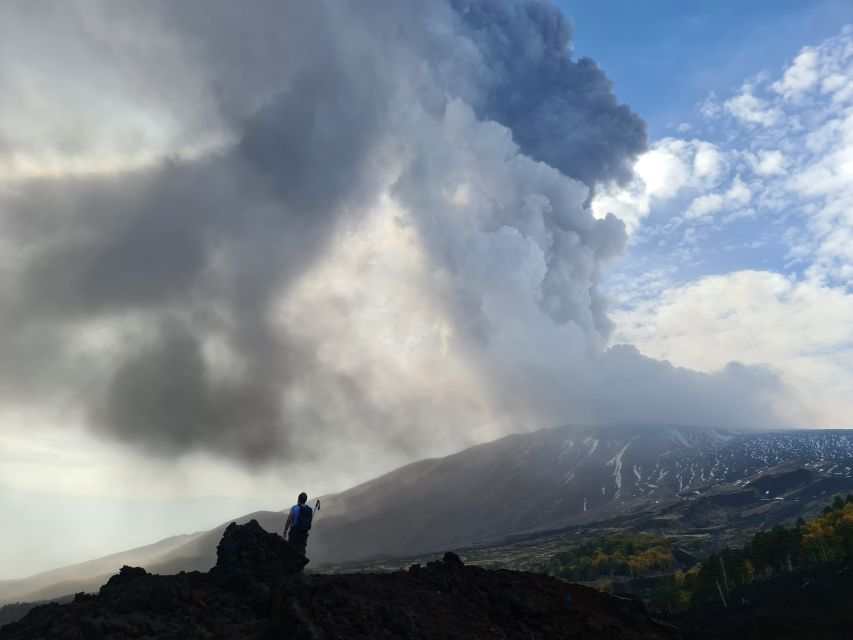
This is a private-group day in and around Mount Etna, run by SicilyInsideOut, with hotel pickup and drop-off. You get nine pickup options in the Taormina–Catania area (Acireale, Riposto, Letojanni, Naxos, Taormina, Catania, Linguaglossa, Giarre, Castiglione di Sicilia), and you’ll be dropped in one of nine matching locations afterward. That matters because Etna-area tours can waste your morning in transit. Here, the plan is built around picking you up and getting you off the main tourist routes.
Pickup is straightforward: show up about 10 minutes early at your meeting point, and look for the driver holding a sign with your last name. The driver waits up to five minutes after the scheduled time, so don’t be the person who’s still hunting for a coffee.
From the start, the emphasis is “get out there” rather than “stand here.” You’ll have an off-road segment right away (about 15 minutes early in the day), which sets the tone: this isn’t a slow bus tour of famous stops. It’s a road-to-roughness kind of day.
The 2002 Lava Front Stop: Why It’s More Than a Photo
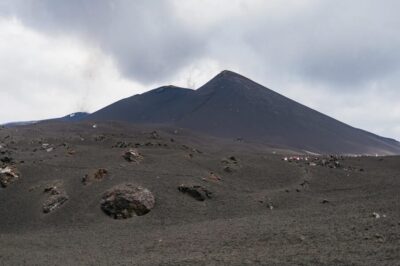
Your first major stop is the lava front from the 2002 eruption, reachable by jeep over a winding dirt road through chestnut and oak forests. That forest drive is not just scenic filler. It helps you understand how Etna’s power doesn’t only make rock—it also forces the landscape into new patterns of regrowth and survival.
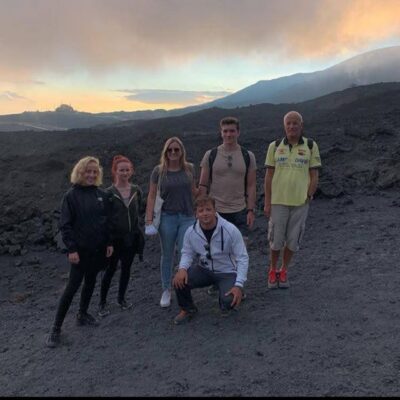
You’ll learn the eruption timeline too: the 2002 activity ran from October 27 to January 29, 2003, and it’s considered one of the most explosive eruptions of the past century. When you’re standing near the lava edge, that time-frame turns from trivia into a real sense of scale. This stuff didn’t happen in ancient history—it’s recent enough that you can still trace the results.
Practical note: this is a dirt-road environment. Bring sunglasses and something light for wind or sun changes. Also, keep an eye on footing where you step off the jeep for short stops.
Corruccio Lava Cave at 1350m: Cold, Dark, and Geological
Next comes the Ragabo pine forest area, then the cave of Corruccio (about 1350 meters above sea level). You’ll get off the beaten path among pines and brooms and see what flowing lava can create when it moves, drains, and leaves a hollow behind.
A lava cave visit changes how you “read” a volcano. At viewpoints, you mainly see shape. In a cave, you’re reading structure—like layers, flow patterns, and the way heat once moved through space. Even if you’re not a geology person, the experience is sensory: cool air, shadowed rock textures, and that quiet feeling you get in places made by fire.
This is also where a good guide earns their keep. A strong guide can connect what you’re seeing to the broader story of Etna. In feedback tied to guides like Giacomo, the commentary tends to focus on how eruptions evolve the area over time—so the cave fits into a “cause and effect” day, not a random detour.
Piano Provenzana at 1800m: Espresso, Ruins, and a Real Eruption Theatre
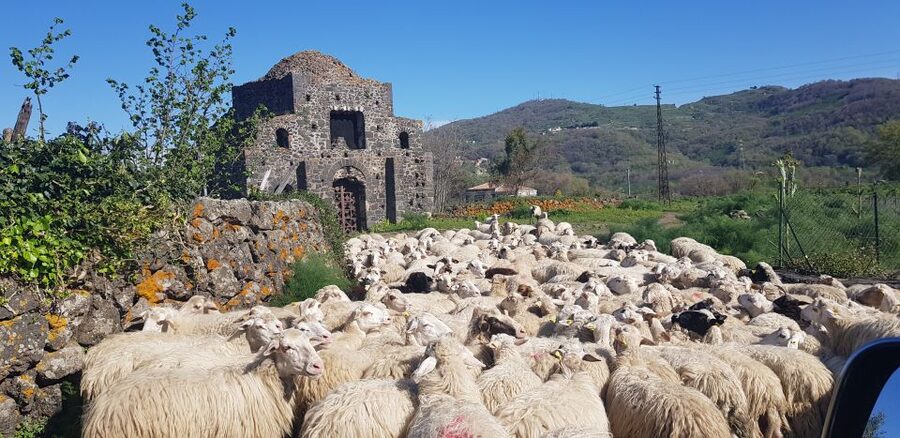
After the pine forest and cave, you drive along the Mareneve road toward Piano Provenzana (around 1800m). This is described as a ski resort and a stage set for major eruption activity in 2002.
Here’s the key detail that makes this stop work: you’ll enjoy an espresso, then take a short walk to see the ruins of Hotel Le Betulle, destroyed by molten lava flow. That’s a punchy reminder that volcanic hazard isn’t just an abstract risk map—it can hit built structures fast.
You’ll also start stacking your “Etna timeline” in your head. First, you saw the lava front and forests. Next, you saw the hidden plumbing of past lava flow in a cave. Now you’re looking at what eruption impact does to places people used—complete with a normal routine like skiing, then interrupted by the molten reality of 2002.
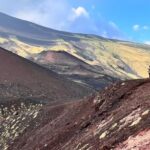
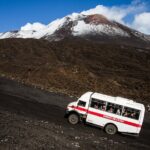
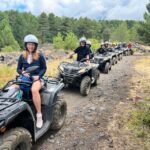
Rougher roads on Etna, taken by 4x4
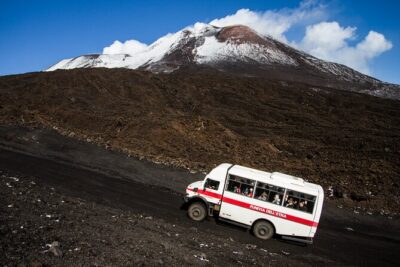
Sartorius Mountains (1700m) and the “Buttonholes” View
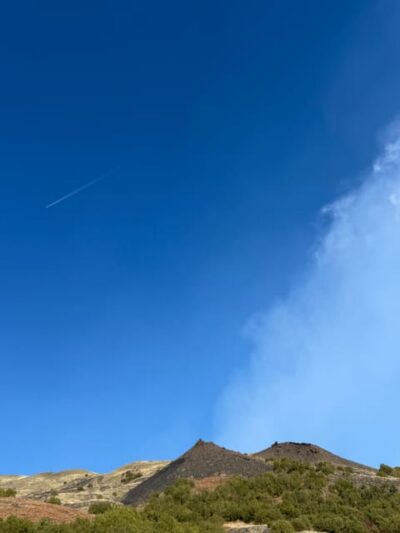
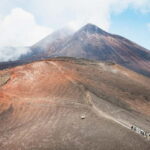
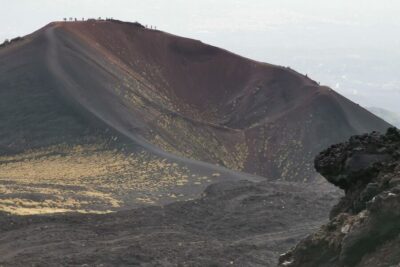
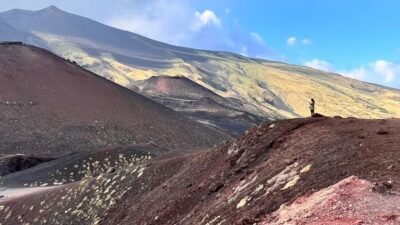
You continue with a short walk to extinct lateral craters in the Sartorius Mountains area (around 1700m). This zone is known for seven small aligned eruptive cones that people describe as “buttonholes.” The best part is that it’s not only about rocks.
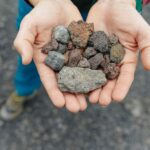
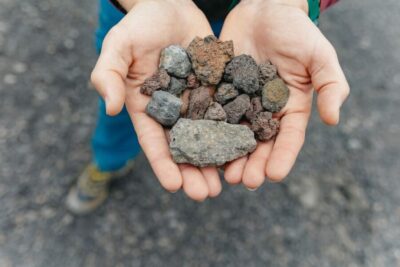
This area also has geological and botanical treasures. You may spot clearings with endemic species and large volcanic “bombs.” You’ll also find woodlands dominated by birch trees, specifically Betula Aetnensis. That combination matters because it gives you a fuller sense of Etna’s ecosystem: volcanoes don’t just destroy; they also create conditions where particular plant life can take hold.
If you’re timing your day around photos, the route here includes an excellent payoff: halfway down from the top of one crater, you can get views that extend from the Ionian coast (from Riposto to Taormina) to the Calabrian coast. You’ll also see the North-East Crater area (about 3350m), plus lava formations from 2002 and eruptive mouths near Piano Provenzana.
That’s big, readable geography—exactly the kind that makes Etna feel like more than a mountain.
The 60-Minute Trek: Extinct Lateral Craters Done Right
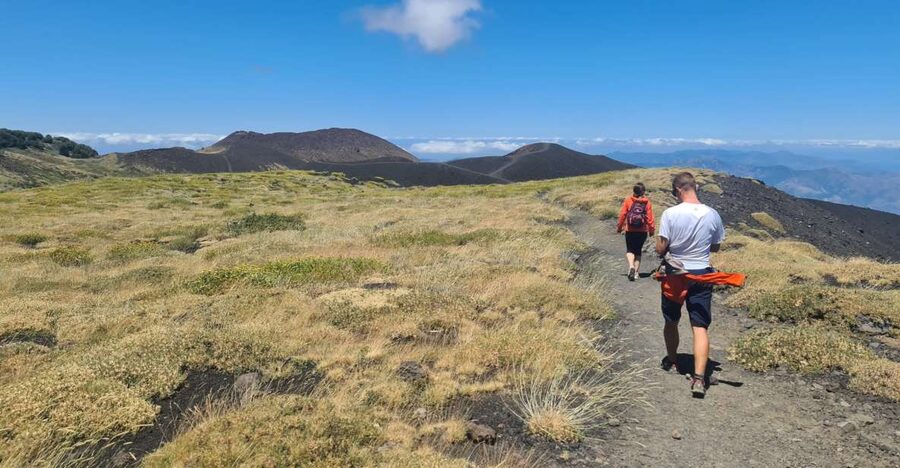
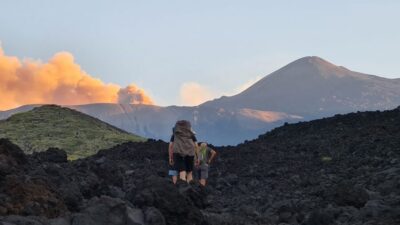
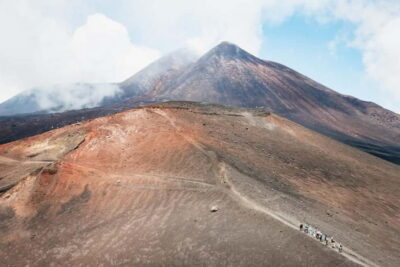
One of the highlights is a trek lasting about 60 minutes to discover extinct lateral craters (around 1700m). Even though your day is jeep-heavy, this is the segment that makes it feel earned.
The good news: it’s not an all-day hike. The trek is part of a structured route, and you’re not expected to “figure it out” on your own. The not-so-fun news: you’ll want proper footwear. Trekking shoes aren’t included, so if your plan is sandals or soft sneakers, you might feel it.
Bring a light layer too. At Etna elevations, temperatures can shift fast, and wind can make your 20-minute “photo stop” feel like 40. If your guide is good at pacing (and feedback often points out they nail timing), you’ll be able to stop, look, and move without the day feeling rushed.
Wine Roads and Lunch Time: How You Refuel Without Getting Stuck
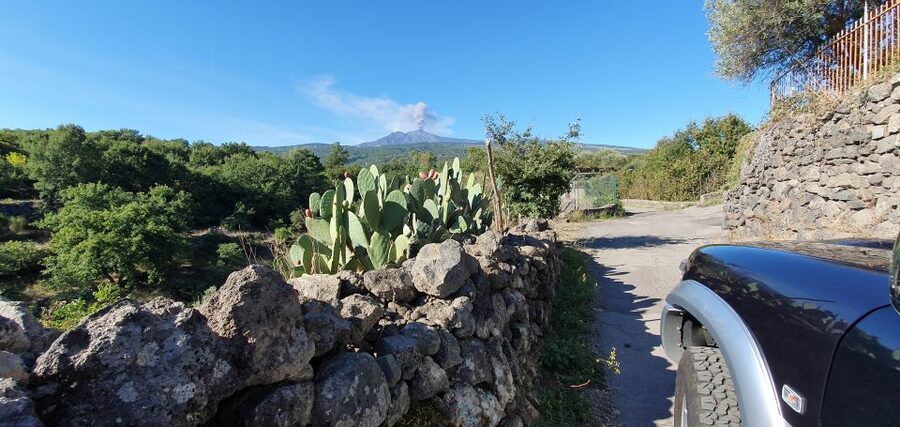
After the Etna highlights, you head through wine roads in Sicily and cross expanses of vineyards tied to Etna D.O.C. This is one of those “you’ll thank yourself later” transitions. You’ve just spent hours in volcanic terrain. Now you get back to human scale: farmland, rows of vines, and calmer scenery that helps your brain reset.
Lunch is handled as time for lunch, but lunch itself isn’t included. That means you’ll have a chance to eat at a local restaurant, where the tour description frames it as sampling local cuisine and excellent wines.
In plain terms: you’re not buying extra food on your own at every stop. You get a set restaurant moment at the right time in the day, which is a real comfort if you’re with multiple people and don’t want to coordinate independently.
Alcantara Gorges: Basalt Canyon Drama
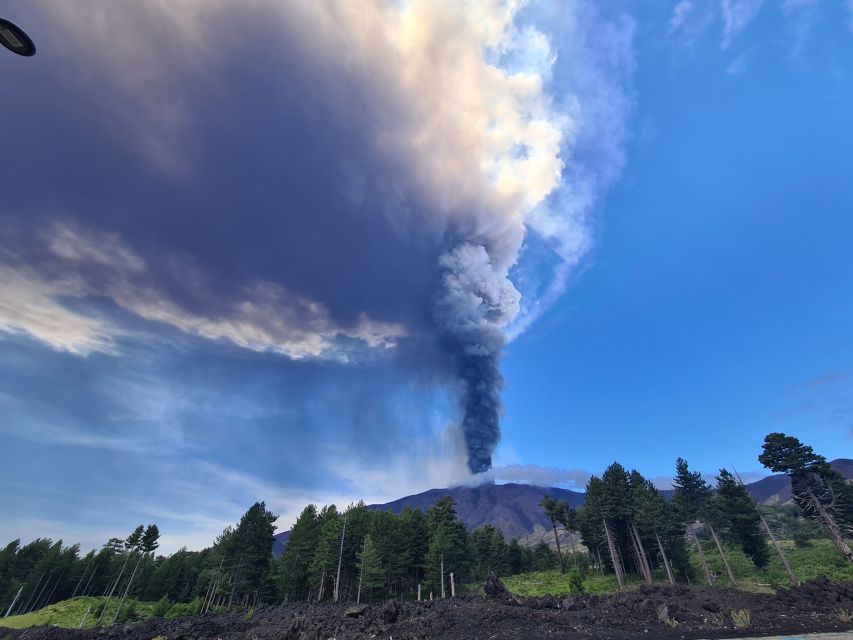
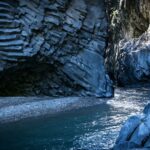
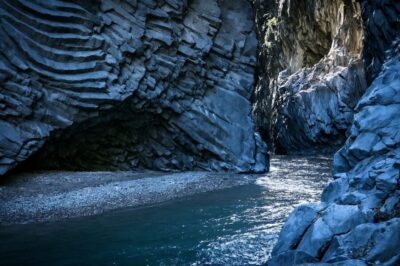
In the afternoon you discover the Alcantara Gorges, a canyon system carved from basaltic lava by the waters of the Alcantara river. The vertical cliffs can reach 30 meters high, and the gorge shapes are tied to high-intensity geological and geothermal events.
This is the stop where a volcano tour feels like a water-and-rock story instead of only fire. In prehistoric times, water flowed over clay sediments here. Then a massive eruption channeled magma into the river bed, forming the canyon structures you see today.
If you like “how did that happen?” moments, this is it. Even if you’re not into minerals, you’ll still understand the forces at play: water cutting, rock hardening, and time doing the final editing.
It’s also a great ending. After craters and caves, the gorge gives you a fresh visual: sharp walls, deep shadow lines, and a feel for the power of erosion.
Guides, Pacing, and Why Private Makes Sense Here
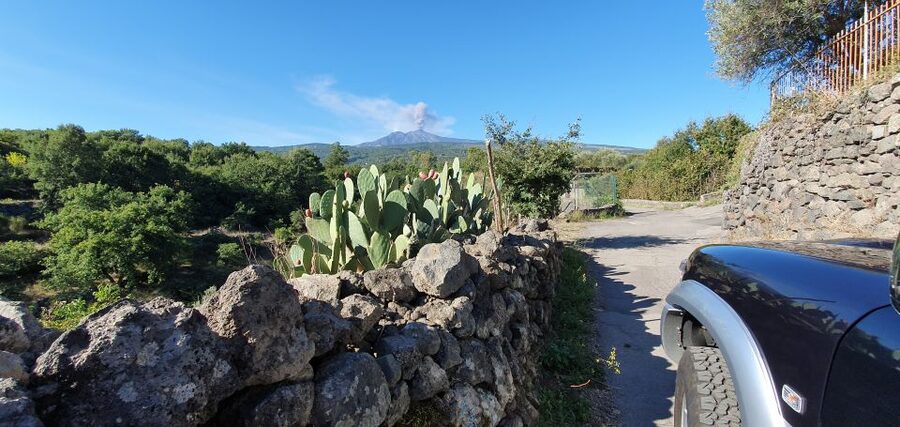
This tour is for a private group, and that changes the whole vibe. In a private setup, the driver/guide can usually keep a tighter rhythm around your pickup, your walking pace, and the timing of stops. Feedback about guides like Marco and Aron highlights pacing as a real strength—meaning you should spend more time looking at things you care about and less time sitting through dull stretches.
You also get a live guide in English, German, and French. If you’re the type who asks questions, this is a good match. Good volcano explanations aren’t just facts—they help you notice details you’d otherwise miss (like why a certain crater line matters, or what a cave implies about lava flow).
Equipment-wise, you get helmets and “so on,” plus bottled water (50 cl). That’s a small inclusion with big practical value when you’re dealing with uneven terrain.
Price and Value: What $542.03 Buys You
The price is listed as $542.03 per group, up to 5 people. That means the value depends on how you pack your party. If you’re traveling as two or three, you’re likely paying less per person than a per-person guided day. If you’re a group of five, it’s a budget-friendly way to get a full guided day with pickup and drop-off.
Here’s what you’re getting that most add-on tours charge extra for:
- Hotel pickup and drop-off
- Driver/guide
- Helmet and equipment
- Water
- Time for lunch (the meal itself isn’t included)
- Multiple Etna-area stops spanning lava front, cave, craters, and the Alcantara Gorges
Also, the day avoids a summit-focused plan. That can sound like a drawback until you realize it fits the tour theme: you’re exploring the volcanic story with driving access through forests and lava terrain, then finishing with the gorge. It’s a different angle on Etna—and it tends to feel more “wild” and less crowded.
Who This Tour Fits Best (and Who Should Skip It)
This is a strong fit if you:
- love geology, volcanic landscapes, and how eruptions change ecosystems
- want more than viewpoints—caves and off-road terrain are a big deal to you
- prefer short walking chunks with plenty of time to stop, look, and ask questions
- travel with friends or family and want a private-group flow
You might want a different option if you:
- want a summit-area visit (that part isn’t included)
- hate any walking (there’s a 60-minute trek)
- plan to wear footwear you’d only use for a city stroll
If you’re the in-between type—curious but not obsessive about geology—this still works because the guides explain why things look the way they do, and the day includes Alcantara Gorges for variety.
Should You Book the Mount Etna 4×4 with Lava Caves and Alcantara Gorges?
If your ideal Etna day includes lava caves, crater walks, and real off-road access, book it. The combination of 2002 lava scenery, the Corruccio cave, and the later Alcantara Gorges gives you two different “volcano aftereffects” in one day: molten rock structures and long-term erosion.
Also, if you’re picky about guides, this is the kind of tour where strong personalities really matter. Names like Giacomo, Marco, and Aron show up in guide feedback, and that lines up with what you want on a day like this: clear, accurate explanations and good pacing.
One last check before you hit reserve: plan on walking for about an hour and bring proper shoes. Do that, and you’ll leave with more than photos—you’ll have a grounded sense of how Etna keeps rewriting the map.
FAQ
How long is the tour?
It’s listed as valid for 1 day, with starting times depending on availability.
Does the tour include a visit to the Mount Etna summit area?
No. The summit area visit is not included.
Is lunch included?
Lunch itself isn’t included, but the tour includes time for lunch at a local restaurant.
How long is the trekking portion?
There’s a trekking segment of about 60 minutes, to discover extinct lateral craters.
What should I bring for the trek?
The tour notes that trekking shoes aren’t included, so you should plan to wear suitable footwear.
What languages are the guides available in?
The live guide is available in English, German, and French.
More Tour Reviews in Catania

Etna by 4x4, a Few More

More Etna Summit Treks We Have Walked
Just added: the newest Catania tours in our notebook
- Transfer Catania / Agrigento Airport★ 5.0 · 3 reviews
- Sicily private shore excursion – Etna and Taormina with personal driver★ 3.5 · 3 reviews
- Sunset Trekking on Mount Etna★ 5.0 · 3 reviews
- Private Transfer from Catania to Palermo or vice-versa with stop★ 5.0 · 3 reviews
- From Syracuse: Mount Etna Volcano Morning Trekking Tour★ 5.0 · 3 reviews
- Catania: Guided Street Food Tour with Tastings★ 5.0 · 3 reviews
Mount Etna Tours & Summit, compared.
 ★ 4.8Catania: Mount Etna Morning or Sunset Day Trip with TastingFrom $704,028 reviews
 ★ 4.8Catania: Sunset Jeep Tour of Mount Etna and Lava Flow CavesFrom $712,113 reviews
 ★ 4.8Etna and Alcantara Gorges Full-Day Tour with LunchFrom $1051,766 reviews
 ★ 4.7Etna: summit craters trekking with volcano guide 3350mtFrom $771,712 reviews
 ★ 4.9Catania: Mount Etna Trekking Tour Beyond the Tourist TrailsFrom $811,596 reviews
 ★ 4.8Mount Etna: Guided Trek 3,000 Meters to the SummitFrom $1131,407 reviews
 ★ 4.8Catania: Etna Sunset Tour with Pickup and Drop-offFrom $711,348 reviews
 ★ 4.8Etna Sunset Tour: Volcano trek, Cave & tasting from CataniaFrom $701,290 reviews
Browse the lists this tour appears in