
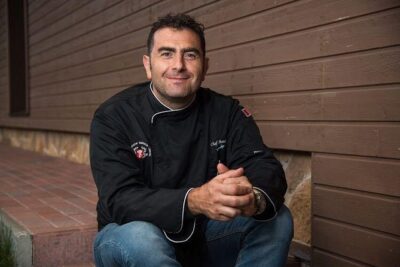
Cooking Sicilian food starts at the fish market. In Catania, Chef Luca leads you from the Piazza del Duomo area to the fish market, then into a hands-on class built around what you pick. You’re not just watching recipes—this is market-to-plate learning, with local food talk and real cooking skills.
What I like most is the way the market lesson turns into practical technique in the kitchen. You’ll learn classic steps like cracking eggs into a flour well and kneading pasta dough, then sit down to eat together with local wine. One consideration: the menu can include seafood or bacon, so if you’re vegetarian or have restrictions, you’ll want to flag it when you book.
In This Review
- Market-to-Meal in Catania: From Sant’Agata to the Fish Market
- Stop 1: What You Actually Learn at the Fish Market (and Why It Matters)
- Moving to Piazza del Duomo Area: Lunch Is in a Home, Not a Show Kitchen
- Hands-On Cooking Class: Pasta Techniques You’ll Remember
- Your Sicilian Menu: Antipasto, Pasta, and Dessert Choices
- Price and Value: What $129 Gets You (and When It’s Worth It)
- Logistics That Matter: Timing, Group Size, and Getting There
- Who This Cooking Class Suits Best
- Should You Book This Sicily Cooking Class with Chef Luca?
- FAQ
- How long is the Sicilian Cooking Class & Market Tour?
- Where is the meeting point in Catania?
- Is the tour offered in English?
- What’s the maximum group size?
- What’s included in the experience?
- What dishes will I make or eat?
- Can vegetarians or other dietary requests be accommodated?
- Is there an admission ticket included?
- Can I cancel for a full refund?
- Are service animals allowed?
Market-to-Meal in Catania: From Sant’Agata to the Fish Market
The tour starts around the Piazza del Duomo area at the Basilica Cattedrale di Sant’Agata. It’s a good first move because you get grounded in the city before you go hunting for ingredients. Luca meets you at Via S. Sebastiano, 6, and from there you’re guided to the basilica area, then on to the market.
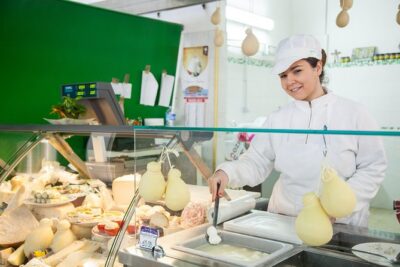
From the basilica zone, the walk to the fish market is short. Once there, you’ll see stalls, vendors, and the everyday pace of Catania’s food life. Luca shows you how to look at ingredients the way local cooks do—what to choose, what to trust, and what matters for flavor later in the pan.
This is also where the tone becomes clear: this isn’t a lecture. It’s a small-group experience (up to 8 people) with questions and hands-on ingredient selection. And because Stop 1 is about shopping and learning, the market portion lasts about one hour, with the market admission included.
Key moments
- You meet Luca near the cathedral area and get oriented fast.
- You tour the fish and produce market with a chef’s eye.
- You select a few ingredients you’ll use later, so nothing feels random.
What else Catania has going on
- Mt. Etna nature and flavors half day Tour from Catania
★ 5.0 · 545 reviews - From Catania: Mt. Etna, Wine and Alcantara Tour
★ 4.8 · 370 reviews - Etna Morning Tour (starting from Catania)
★ 5.0 · 362 reviews - Underground Catania
★ 5.0 · 302 reviews
Stop 1: What You Actually Learn at the Fish Market (and Why It Matters)
A market tour can be mostly photos and “oohs” and “ahhs.” This one is more useful. Luca points you toward the kinds of choices that affect your final dish: freshness, how ingredients are handled, and what local cooks prioritize.
You’ll also meet vendors through Luca’s introductions, which makes the market feel like a place people return to—not just a tourist stop. As you walk, you’ll get tips tied to Sicilian cooking traditions, and Luca helps connect those traditions to the dishes you’ll make later.
For you, the win is confidence. After this, you’ll know what to look for when you shop on your own. And you’ll understand why certain ingredients show up repeatedly in Sicilian comfort food—eggplant, tomatoes, nuts like pistachios, and seafood options when the menu calls for them.
One small practical note: you’ll be walking through a real working market. Wear shoes you can stand in and move in. You don’t need hiking boots, but you do want comfort.
Moving to Piazza del Duomo Area: Lunch Is in a Home, Not a Show Kitchen
After the market hour, you move back toward Piazza del Duomo and then onward to Luca’s mother’s home in central Catania. The location is close enough that the transition feels part of the experience, not a separate activity. This also means you’re spending your time cooking and eating, not commuting.
Before you start cooking, you get a glass of prosecco. That’s a simple touch, but it sets the pace: you’re not racing. You’re settling in.
In Luca’s kitchen, you’ll be introduced to the ingredients you picked and get context for the three-course meal you’ll prepare. This is where the experience becomes personal. Cooking in a family setting means the style of teaching feels lived-in: helpful, direct, and focused on doing the steps correctly.
If you’re worried about language, take comfort in how this is run in practice. The class is offered in English, and Luca has a strong way of keeping the conversation going even when your Italian is limited. You’ll still get the instructions you need for the cooking.
Hands-On Cooking Class: Pasta Techniques You’ll Remember
The cooking portion lasts about 1.5 hours. That’s the sweet spot: long enough to learn, short enough to stay energized.
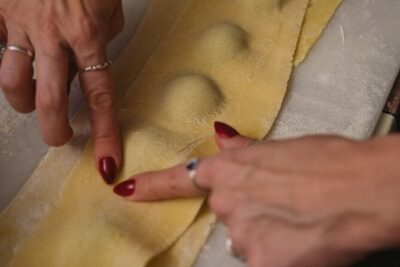
You’ll work through classic technique, not shortcuts. One highlighted skill is cracking eggs into a flour well without chaos—something that sounds simple until you try it. Then it’s on to kneading pasta dough until it behaves the way you need for shaping and cooking.
Luca also teaches how to approach ingredients for Sicilian flavor. That matters because Sicilian cooking isn’t just a list of ingredients—it’s a method and a sensibility. You’ll learn how the dish comes together and what to watch for so you can repeat the results later.
The group size (max 8) helps here. You’re not stuck waiting your turn. You get more time with the instructor to correct technique and troubleshoot small issues as they come up.
And yes, there’s food talk along the way. One review note that Sicilians even have small home espresso machines used alongside dessert. That kind of detail is what makes the day feel like more than a class—you’re absorbing how people actually live.
Your Sicilian Menu: Antipasto, Pasta, and Dessert Choices
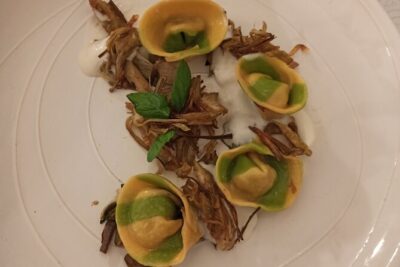
You’ll prepare a traditional three-course Sicilian meal: an antipasto, homemade pasta, and a classic dessert. The sample menu gives you a solid preview of what to expect.
Starter: Eggplant parmigiana
You’ll make eggplant parmigiana using eggplant, tomato sauce, parmesan cheese, and basil. It’s comfort food with structure: the sauce and cheese do the heavy lifting, while the eggplant needs proper handling so it comes out tender, not soggy.
Main: Pasta con pistacchio di Bronte
For the main, you’ll work on fresh pasta with pistachios from Bronte. Depending on the day and menu choices, the dish may include bacon or seafood. The key takeaway for you is that this is not “pasta with nuts.” Pistachios here bring a distinct Sicilian identity to the sauce and finishing flavors.
Dessert: Cannoli or zabaglione
Dessert is either cannoli or zabaglione. Cannoli is the crowd-pleaser for many people; zabaglione is the creamy, egg-forward classic that feels like a finale meant for lingering.
After cooking, you’ll sit down and eat your handmade meal, paired with local Sicilian wine. This part is worth planning for: the class ends when you’re full, happy, and able to taste-test what you made while it’s still at its best.
Hands in the flour, Sicily style
Price and Value: What $129 Gets You (and When It’s Worth It)
At $129 per person for about 4 hours, the value comes from three things that are usually separate in Sicily:
- Market learning plus ingredient selection (Stop 1 includes market admission).
- A hands-on class focused on technique, not just watching.
- A full meal with drinks: prosecco at the start and local Sicilian wine with lunch, plus your three-course food.
If you’re the kind of traveler who likes to eat well but also wants skills you can use later, this price is easier to justify. You’re paying for guided shopping, cooking instruction, and a meal experience that includes hospitality in a home setting.
If you’re only interested in eating and you’re not excited by cooking, you might compare options like a regular restaurant meal plus a separate market browse. In that case, $129 could feel steep for what you’ll personally take away.
But for people who want both—ingredients, technique, and a real sense of place—this is the kind of meal day that holds up.
Logistics That Matter: Timing, Group Size, and Getting There
This runs for about 4 hours total. You’ll do one hour at the market, then about 1.5 hours cooking, followed by eating together. That schedule means you should plan your day around it rather than trying to stack museum stops immediately after.
You’ll receive a mobile ticket, and the tour is offered in English. The group size is kept small—up to 8 people—which is exactly what you want for a hands-on format.
The meeting point is Via S. Sebastiano, 6, 95121 Catania CT, Italy, and the experience ends back at the meeting point. It’s also near public transportation, which helps if you’re navigating Catania on foot and by transit.
Quick comfort tip: bring nothing too complicated. You’re in and out of walking spaces around the Duomo area and market streets, and you’ll want to keep your hands free for shopping and tasting.
Who This Cooking Class Suits Best
This experience is a great fit if:
- You want a market-to-kitchen connection, not just a cooking demo.
- You care about technique (pasta dough, egg handling, cooking steps you can repeat).
- You’re excited by Sicilian staples like eggplant parmigiana, pistachio pasta, cannoli, and zabaglione.
- You enjoy spending time in a small group (max 8) with a chef host.
It may be less ideal if:
- You have strict dietary needs and you don’t want to plan ahead—while Luca can accommodate vegetarians and other requests, you’ll need to tell him when booking.
- You’re not into hands-on cooking and prefer purely observational travel experiences.
Should You Book This Sicily Cooking Class with Chef Luca?
I’d book this if your idea of a great Sicily day includes one or more of these: a guided market walk, real cooking skills, and a meal that feels like you were invited in. The combination of ingredient shopping, pasta technique, and a family-home lunch makes it more than a single “eat and leave” activity.
Book it especially if you’re likely to repeat cooking at home. You’ll leave with practical steps and flavor logic—so the recipes aren’t just names on a card.
Skip it if you mainly want an easy restaurant meal or you’re worried about what you might eat. If that’s your concern, message Luca ahead of time about your dietary needs so the menu stays friendly for you.
FAQ
How long is the Sicilian Cooking Class & Market Tour?
It lasts about 4 hours.
Where is the meeting point in Catania?
You meet at Via S. Sebastiano, 6, 95121 Catania CT, Italy. The tour ends back at the meeting point.
Is the tour offered in English?
Yes, it’s offered in English.
What’s the maximum group size?
The group is limited to a maximum of 8 travelers.
What’s included in the experience?
You get a market tour (about 1 hour) and a hands-on cooking class (about 1.5 hours), plus you sit down to eat your three-course meal with local Sicilian wine. You also start the cooking portion with a glass of prosecco.
What dishes will I make or eat?
The sample menu includes eggplant parmigiana (starter), pasta con pistacchio di Bronte (main, with bacon or seafood), and cannoli or zabaglione (dessert).
Can vegetarians or other dietary requests be accommodated?
Yes. Your host can accommodate vegetarians and other dietary requests, but you should inform him when making your booking.
Is there an admission ticket included?
The market portion includes an admission ticket.
Can I cancel for a full refund?
Yes. Cancellation is free, and you can cancel up to 24 hours in advance for a full refund.
Are service animals allowed?
Yes, service animals are allowed.
More Tour Reviews in Sicily





More Cooking Classes to Book
Keep Exploring Catania





Just added: the newest Sicily tours in our notebook
- Etna / Taormina★ 5.0 · 3 reviews
- Bikes★ 5.0 · 3 reviews
- Taormina shore tour – for small group cruise passengers★ 5.0 · 3 reviews
- Vegan Cooking Class in Catania with Lunch and Dinner★ 5.0 · 3 reviews
- Make & Taste Sicilian Desserts in Palermo – Learn Cannoli & More★ 5.0 · 3 reviews
- Sicilian Villages & Ricotta Tasting – including Lunch from Cefalu★ 4.0 · 3 reviews
Catania Tours, compared.
 ★ 4.8Catania: Mount Etna Morning or Sunset Day Trip with TastingFrom $704,028 reviews
 ★ 4.8Catania: Sunset Jeep Tour of Mount Etna and Lava Flow CavesFrom $712,113 reviews
 ★ 4.9Catania: Mount Etna Trekking Tour Beyond the Tourist TrailsFrom $811,596 reviews
 ★ 4.8Catania: Etna Sunset Tour with Pickup and Drop-offFrom $711,348 reviews
 ★ 4.8Etna Sunset Tour: Volcano trek, Cave & tasting from CataniaFrom $701,290 reviews
 ★ 4.8Catania: Etna Morning Excursion with Tasting and PickupFrom $711,224 reviews
 ★ 5.0Mt. Etna and Taormina village full day tour from CataniaFrom $1181,155 reviews
 ★ 4.9Catania: Amazing Etna Morning Tour with Pickup and Drop-OffFrom $81799 reviews
Browse the lists this tour appears in